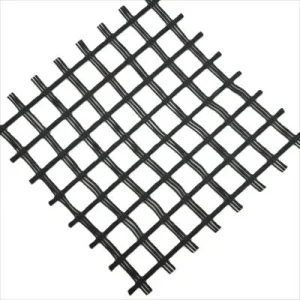
Select from our premium range of CE certified engineering materials developed to withstand extreme civil and environmental conditions.
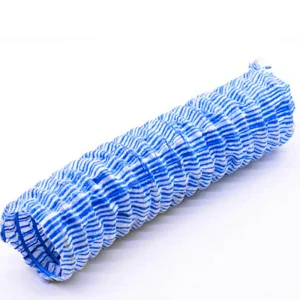
In modern structural and environmental civil engineering, soil stabilization, hydrostatic pressure relief, and long-term separation of soil layers are critical. CE Certified Geo Filter Fabrics (frequently designated as geotextiles) are synthetic, permeable fabrics engineered to control filtration, separation, drainage, and structural reinforcement. Without rigorous testing standards, geotextiles deployed in critical infrastructure risk premature clogging, mechanical shearing, or chemical degradation under varying soil pH levels.
CE marking certifies that our geotextiles satisfy the requirements of European Union Regulation (EU) No 305/2011 for Construction Products. As a leading manufacturer and exporter, we subject our fabrics to stringent testing frameworks encompassing mechanical longevity, hydraulic permeability, and chemical resistance. This guarantees that whether deployed in massive railway networks, deep-sea breakwaters, or landfill containment caps, our filter fabrics consistently maintain their structural and hydraulic integrity.
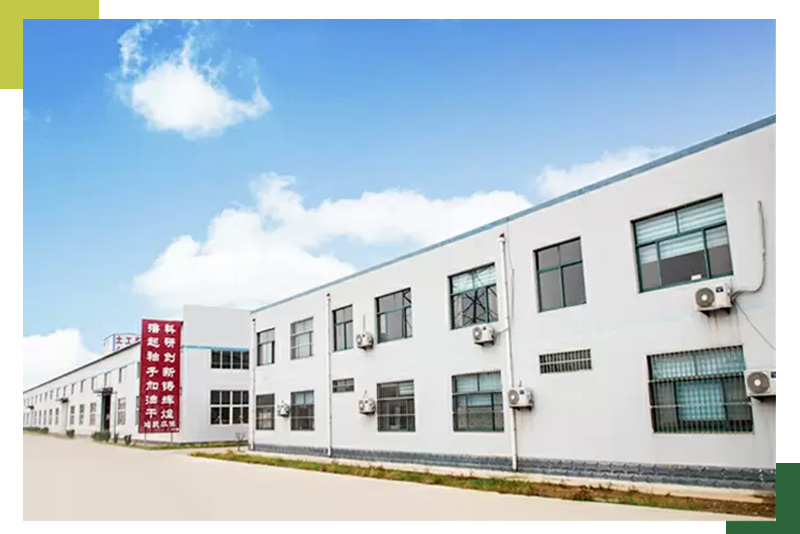
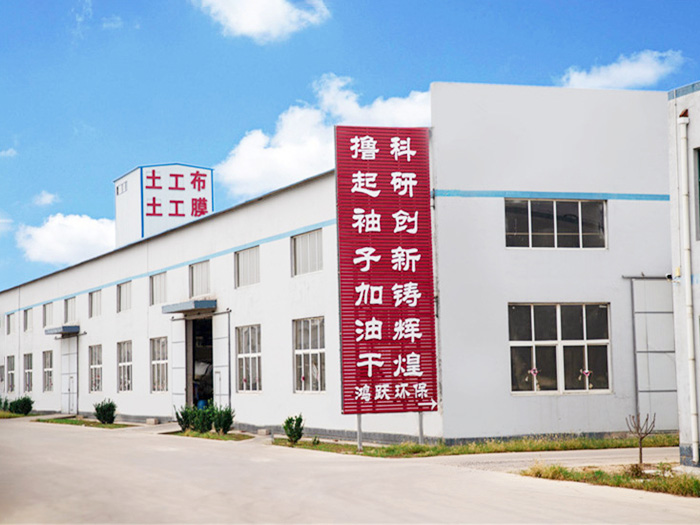
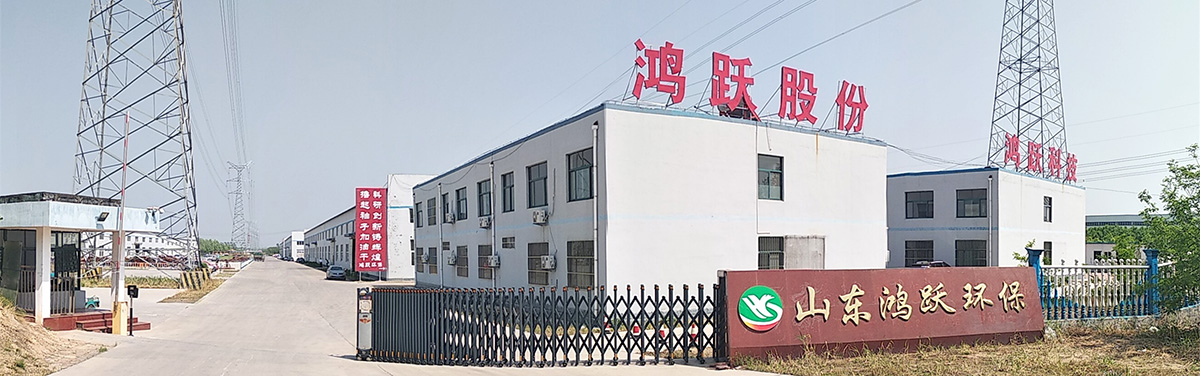
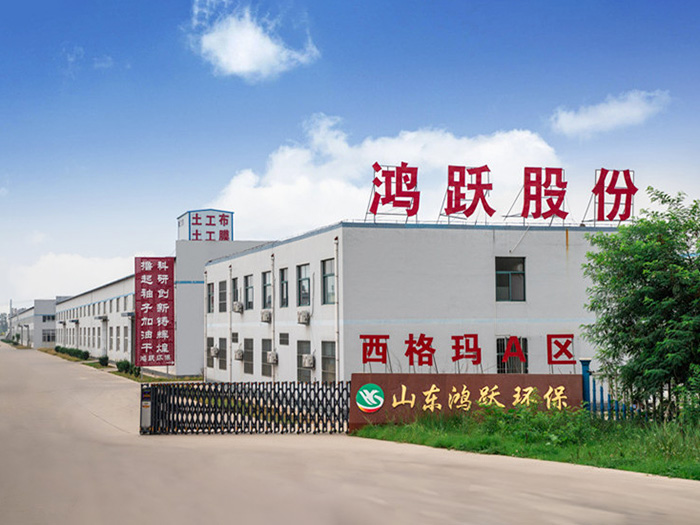
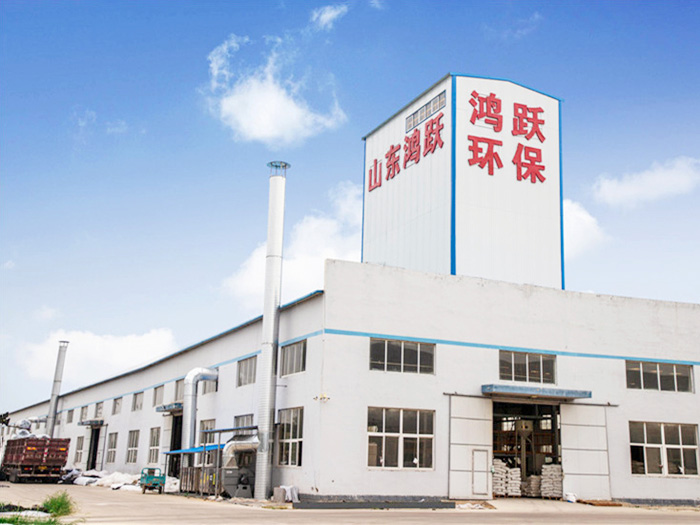
Shandong Hongyue Environmental Engineering Co., Ltd. integrates advanced polymer research, manufacturing, engineering design, and professional installation support.
"Our technical teams have consistently achieved standardization of construction site management, standardization of anti-seepage materials, professionalization of engineering teams, and integration of after-sales technical support. We take 'serving customers and benefiting people's livelihoods' as our core responsibility."
Enables optimal water movement normal to the plane of the geotextile, preventing hydrostatic pressure build-up behind retaining walls and within subgrade soils.
Precisely engineered opening sizes hold back soil particles while allowing fluids to pass. Matches regional soil compositions without particle migration or piping.
Resists puncture (CBR test values up to several kN) and tensile strains during installation stress and active structural loading from overlying aggregates.
Take a virtual walkthrough of our production facility in Shandong, showcasing the strict scientific control implemented at each step.
Our geotextiles primarily utilize high-purity virgin polyester chips, polypropylene filament, and viscose fibers. Raw materials are strictly analyzed for initial viscosity and moisture content to maintain physical consistency during subsequent phases.
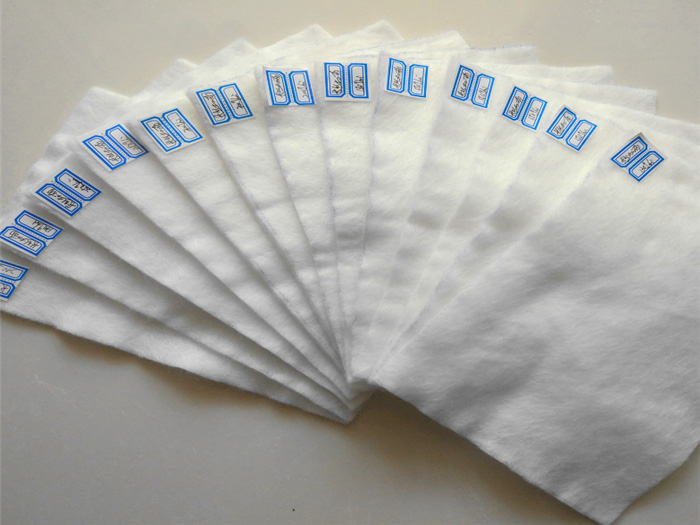
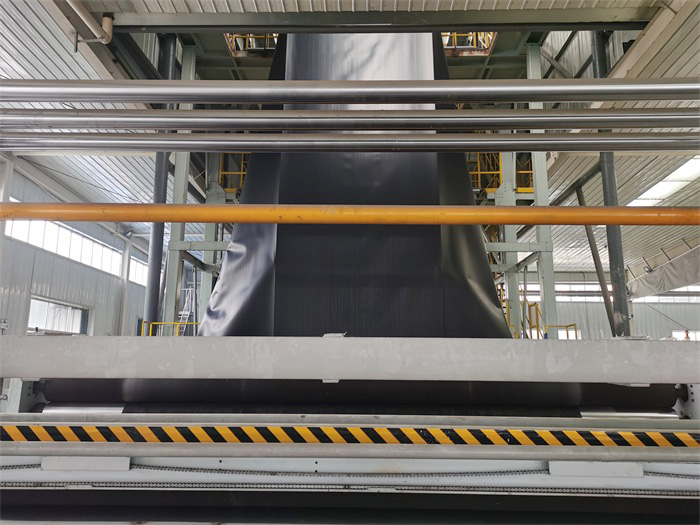
Polyester or polypropylene chips are fed into screw extruders at temperatures exceeding 260°C. Filaments are extruded through spinnerets to form extremely fine fibers, which are distributed across dynamic conveyor belts in a balanced grid structure.
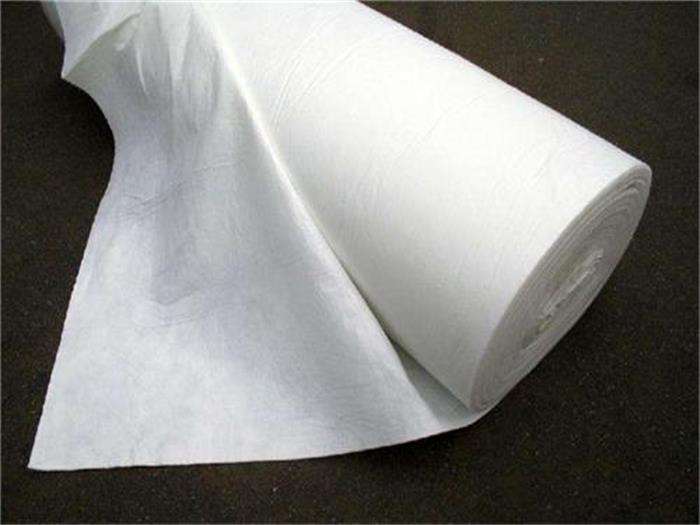
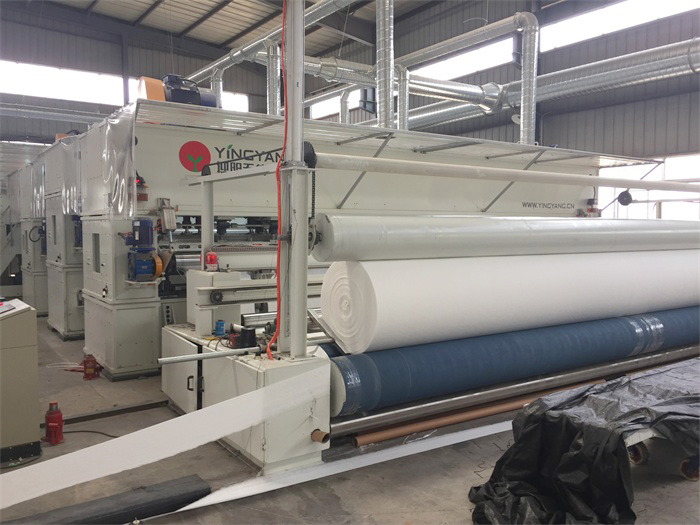
The loose fiber web is consolidated mechanically via multiple needle looms. Thousands of barbed needles pierce the web, entangling the filaments to provide multi-directional mechanical strength. The material is then thermally calibrated under controlled draft tension.
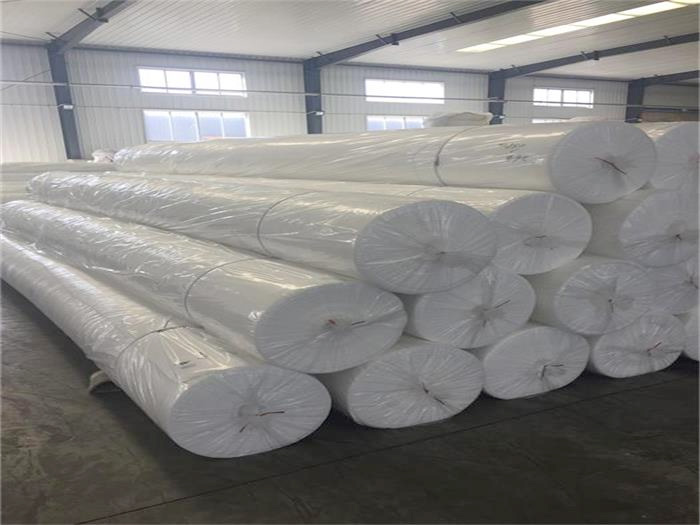
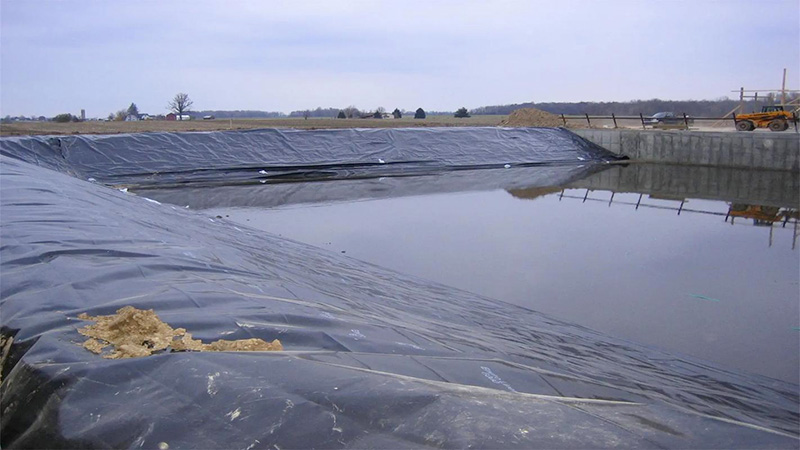
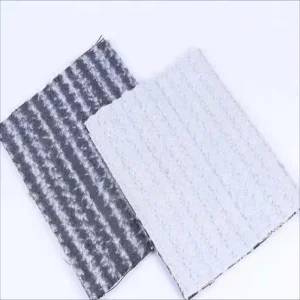
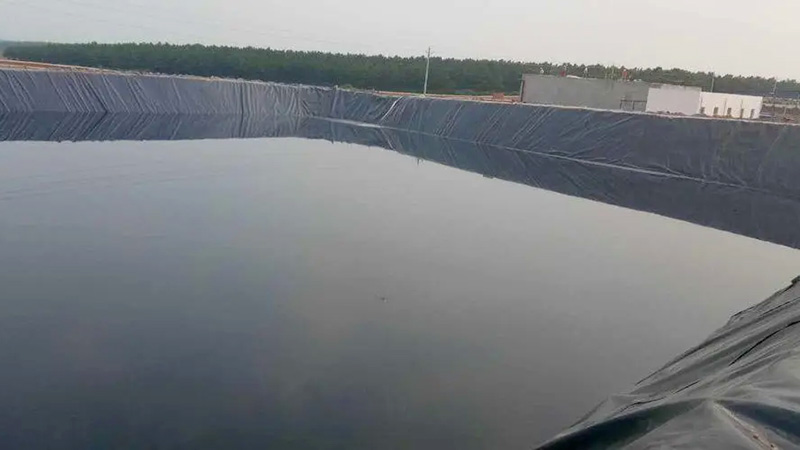
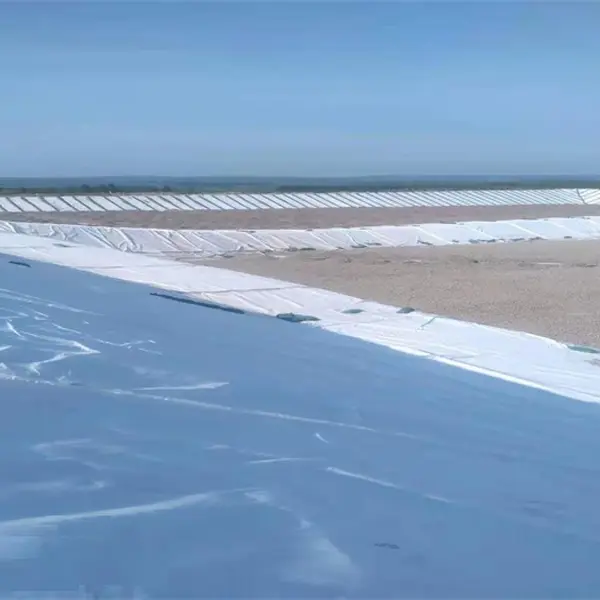
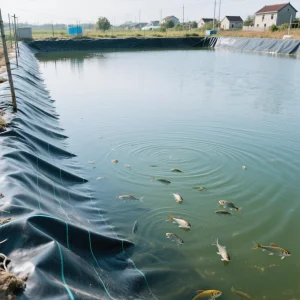
In large reservoirs and canals, geo filter fabrics are used beneath protective riprap layers or concrete blocks to stabilize the underlying sandy loam. The fabric acts as a high-flow barrier that prevents running water from washing out fine soil particles while relieving water pressure build-up.
Coastal environments subject subgrade structures to constant wave action. Non-woven geo filter fabrics prevent wave energy from eroding shoreline base sands. This helps support heavy armoring stones and concrete structures to prevent long-term slope failure.
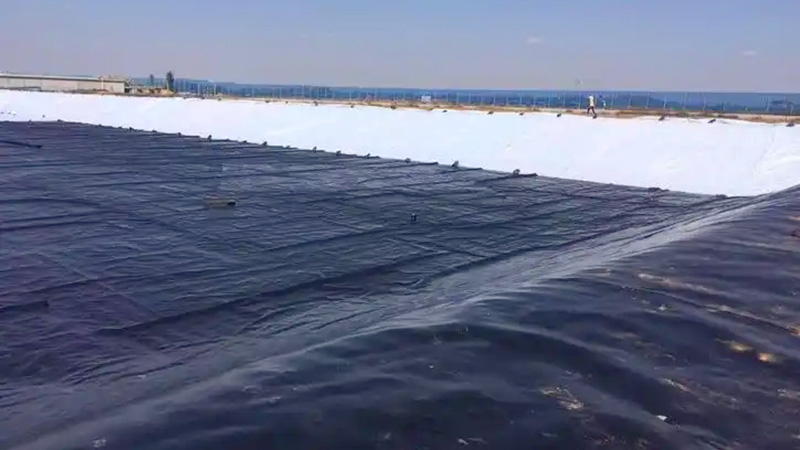
In modern landfills, geomembranes must be protected from physical damage. Heavyweight needle-punched nonwoven geotextiles act as cushion layers. They protect the impermeable membrane from sharp aggregate, and also channel leachate to collection pipes.
Subgrade contamination is a common cause of road failure. When placed between soft subgrades and coarse stone aggregates, our geo filter fabric prevents the migration of fine clay into the gravel base, maintaining the design bearing capacity of the road structure.
Correct installation methods are critical to ensuring the lifetime performance of filter fabrics and barrier membranes.
Subgrade Preparation: Ensure the layout terrain is level, compacted, and cleared of sharp rocks, vegetation, and other debris that could puncture the fabric. Soft soils must be consolidated beforehand.
Joint & Overlap Management: Overlap adjacent panels by 300mm to 500mm depending on site stability. For critical structural applications, hot-wedge welding or thermal bonding is recommended to prevent separation during aggregate placement.
Maintenance & UV Protection: While UV stabilizers are added to the polypropylene and polyester fibers during extrusion, geotextiles should be covered within 14 days of placement to prevent long-term photo-degradation.
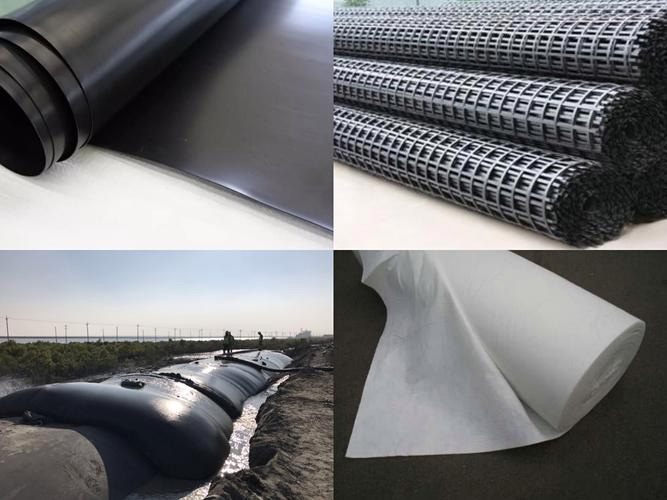
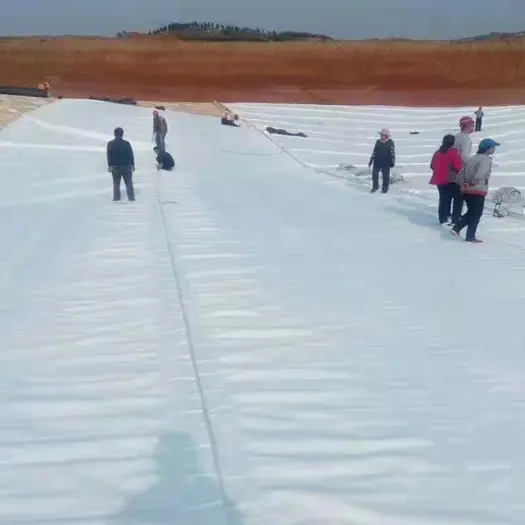
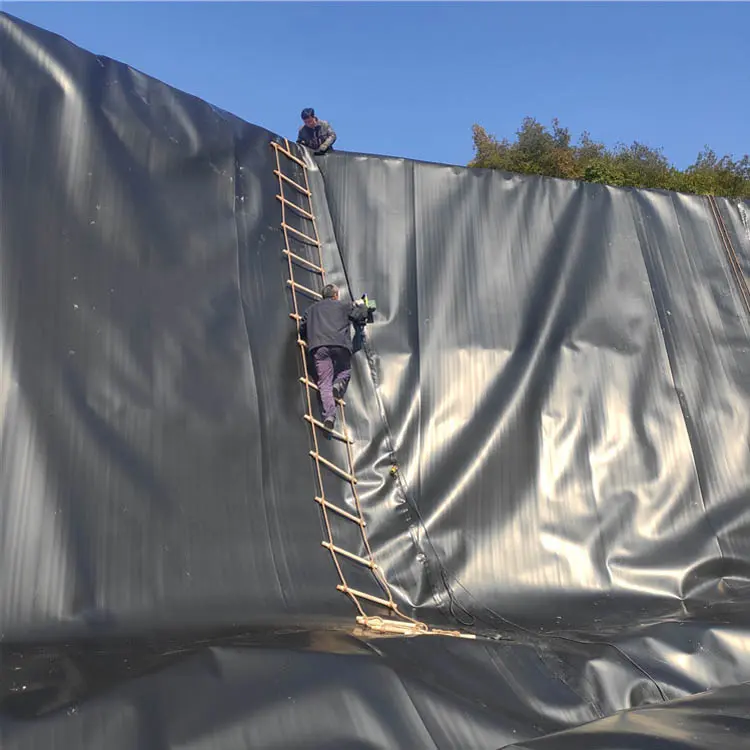
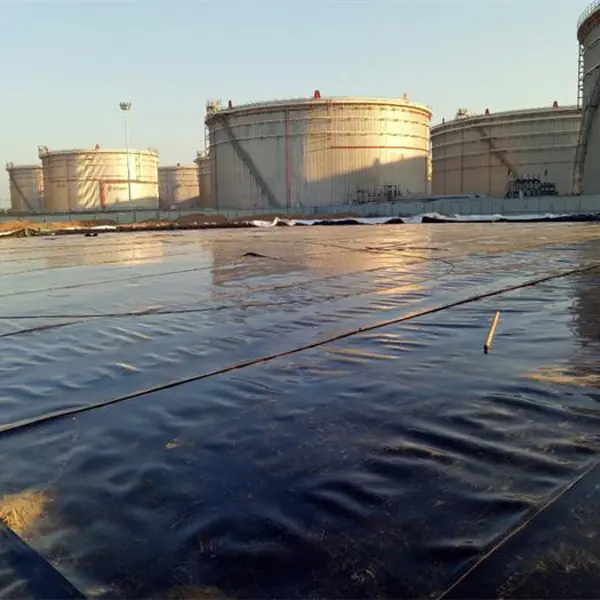
Our geotechnical materials undergo rigorous testing protocols to confirm compliance with global standards before dispatch.
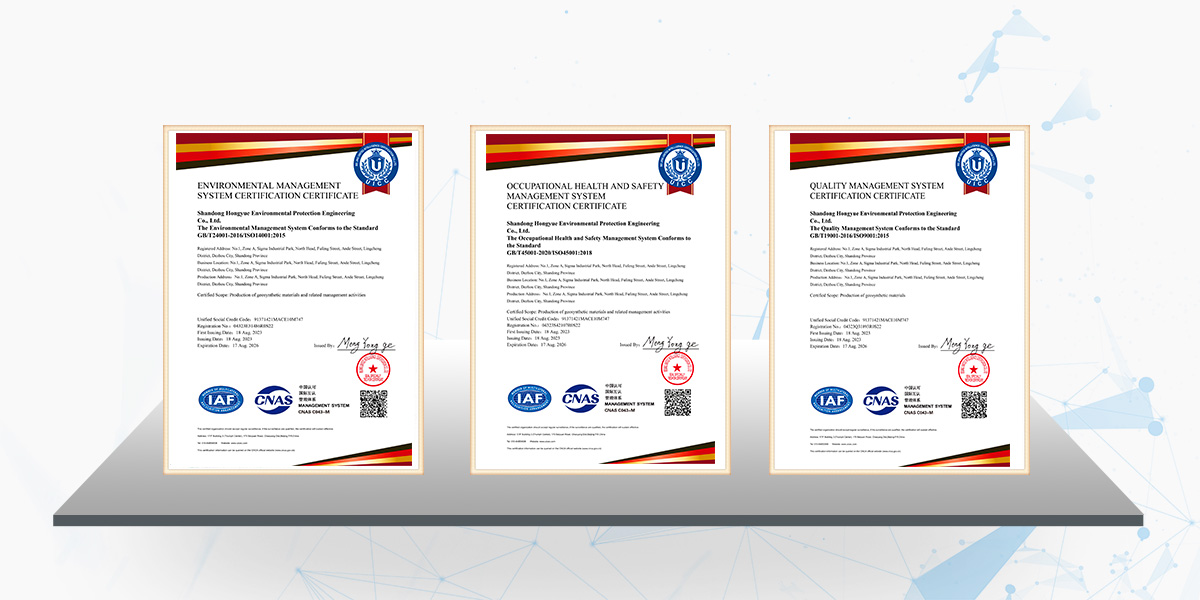
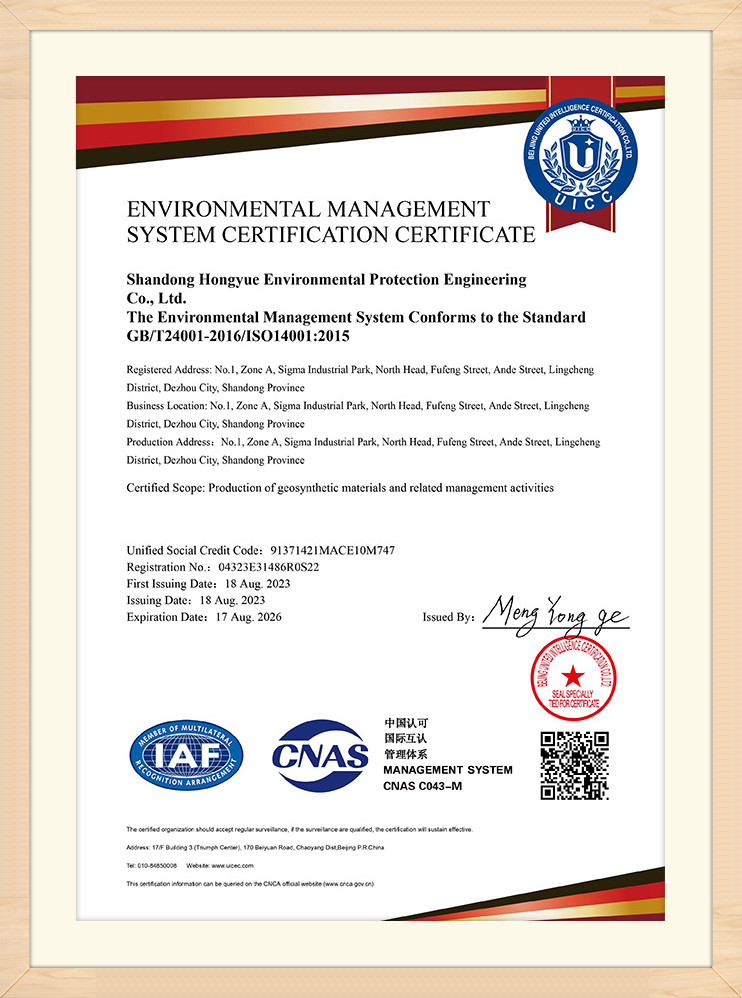
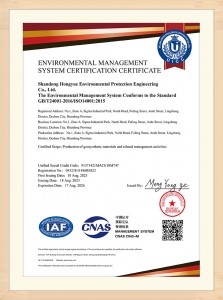
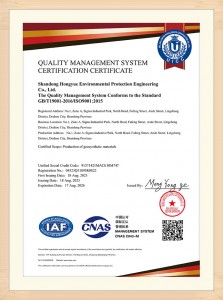
Shandong Hongyue Environmental Engineering Co., Ltd. has established a complete and scientific management system. We have passed the ISO9001 international quality system certification, ISO14000 environmental system certification, and ISO45001 occupational health and safety management system certification.
Our on-site laboratories test production runs for weight deviation, tensile strength, tear strength, CBR puncture resistance, water permeability, and pore size distribution. Every batch is tracked to ensure traceable quality control from raw resin to finished product.
All products comply with national and international norms and are verified by the China National Testing Center, consistently meeting or exceeding global engineering benchmarks.
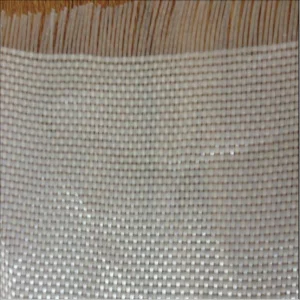
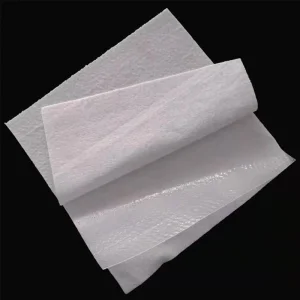
Woven geotextiles are manufactured by weaving synthetic fibers (usually PP film tapes) in a regular pattern, yielding high tensile strength but lower permeability. They are ideal for stabilization and reinforcement. Non-woven geotextiles are produced by bonding random fibers together (mechanically by needle punching or thermally). They offer excellent filtration and permeability, making them ideal for subgrade drainage, filtration, and geomembrane cushion protection.
CE certification indicates that the product complies with the safety, health, and environmental standards of the European Economic Area (EEA). For geosynthetics, it verifies that the physical, mechanical, and hydraulic properties (such as tensile strength, puncture resistance, and water flow rate) conform to harmonized European Standards (EN 13249 to EN 13257). This ensures reliable performance in public infrastructure projects.
The O90 value indicates that 90% of the fabric's pores are smaller than a specified dimension (e.g., 0.10 mm). This value must match the grain size distribution of the surrounding soil. If the pore size is too large, soil piping and erosion occur; if too small, the geotextile will clog, reducing water flow and increasing hydrostatic pressure.
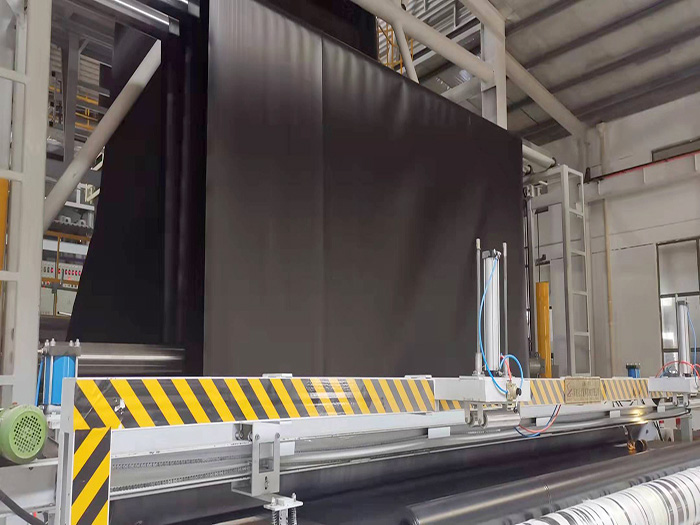
We run a fully automated continuous production line with real-time thickness and density monitoring. Samples from each production run are tested in our certified laboratories according to international test standards. This ensures that parameters like unit weight, tensile strength, and water flow remain consistent throughout the run.
Review our full range of waterproofing boards, cement blankets, geogrids, and agricultural lining products.
 Hongyue