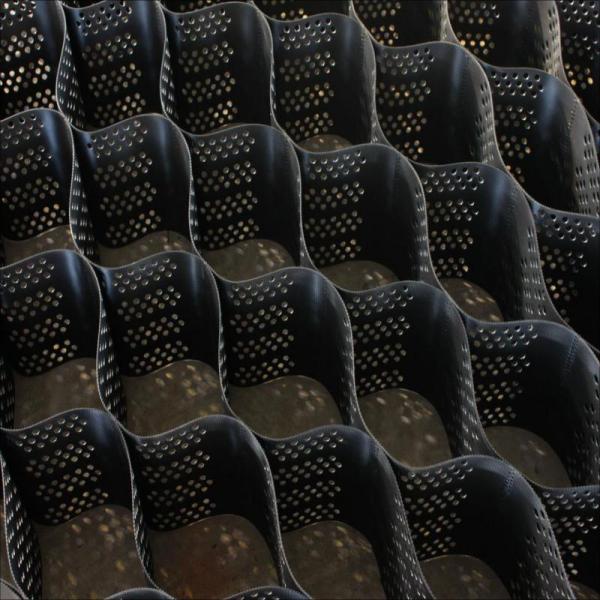
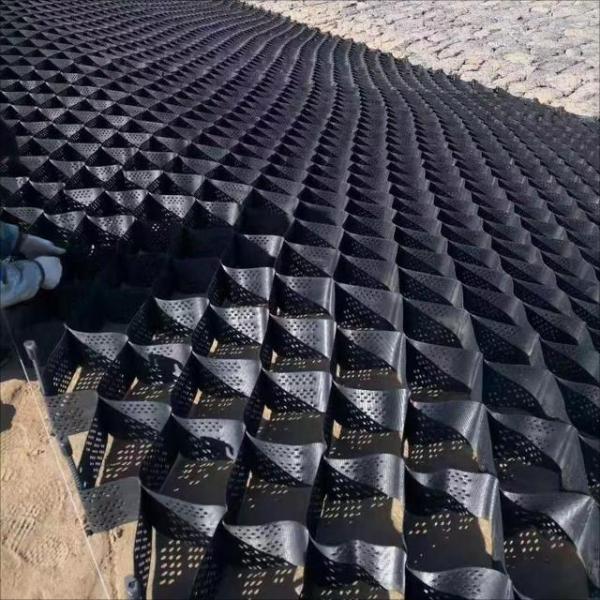
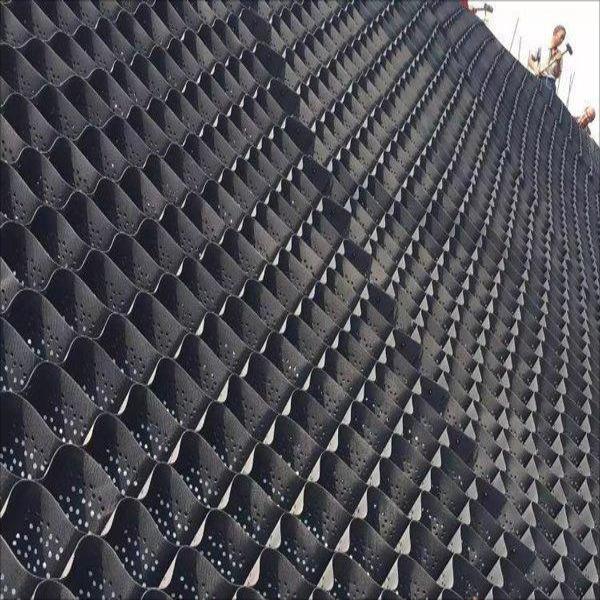
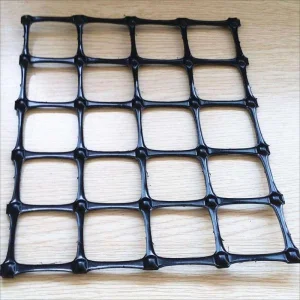
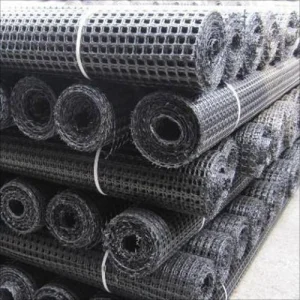
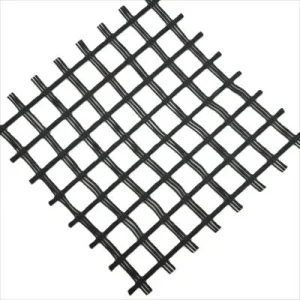
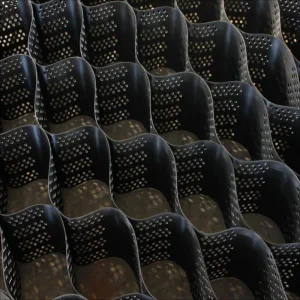
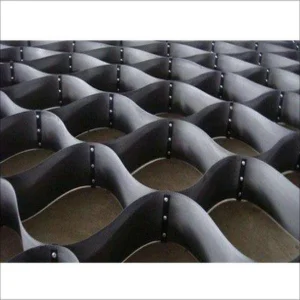
HDPE geocell is a three – dimensional network – like geocell structure made of high – density polyethylene (HDPE) material with high strength. It has many advantages and a wide range of application fields. Here is a detailed introduction:
Frequently Asked Questions (FAQ)
Q1: What is an HDPE geocell?
A1: HDPE geocell is a strong, three-dimensional, honeycomb-like network structure made of high-density polyethylene (HDPE) that is used to confine soil, gravel, or other fill materials to improve structural stability.
Q2: How does the HDPE geocell perform in harsh chemical environments?
A2: It has highly stable chemical properties, offering excellent acid-base resistance and corrosion resistance. This makes it ideal for use in challenging environments like saline-alkali soil or areas prone to chemical pollution.
Q3: Can the HDPE geocell withstand long-term sunlight exposure?
A3: Yes, it is designed with strong resistance to photo-oxidation aging and ultraviolet (UV) rays, ensuring it does not easily age or become brittle when exposed outdoors for extended periods.
Q4: How does the flexible design of the geocell benefit transportation and installation?
A4: The geocell can be folded into a compact volume for easy transport and storage. During construction, it can be stretched out easily into its full network structure, which greatly improves installation efficiency.
Q5: In what ways does the geocell protect slopes and river banks?
A5: It stabilizes the slope surface to prevent soil erosion while retaining moisture and soil to support vegetation growth. In river bank projects, it resists water scouring and prevents erosion while promoting ecological habitats.
Q6: Is it suitable for heavy load-bearing applications?
A6: Yes, due to its high tensile strength and three-dimensional honeycomb structure that provides strong lateral restraint, it can distribute loads effectively and is suitable for subgrade reinforcement under heavy vehicle traffic.
 Hongyue