Select premium anti-seepage geomembranes certified under global civil engineering standards.
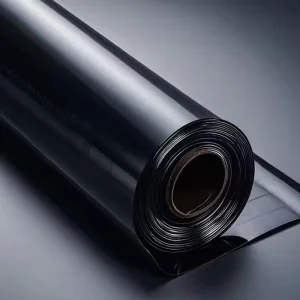
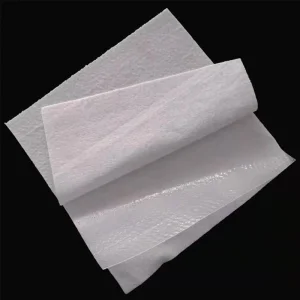
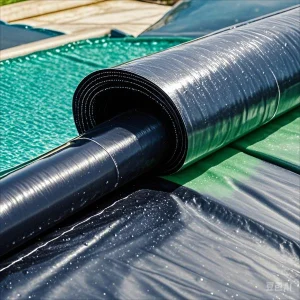
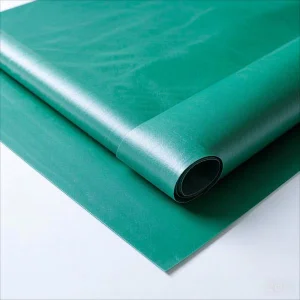
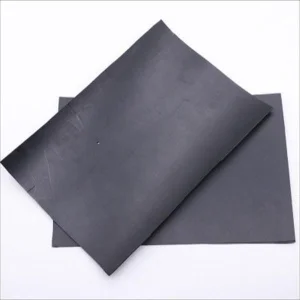
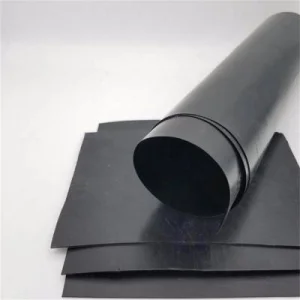
The global geosynthetics market is undergoing rapid evolution. Geomembranes—impermeable membranes used in conjunction with foundation soil, rock, or other geotechnical engineering materials—are crucial components in modern infrastructure, environmental isolation, mining containment, and waste management systems. Primarily made of synthetic polymers like High-Density Polyethylene (HDPE), Linear Low-Density Polyethylene (LLDPE), and Polyvinyl Chloride (PVC), these materials offer robust barrier protection against fluid migration.
As international environmental regulations tighten, the demand for high-durability barrier materials has surged. Developing nations are upgrading landfill standards to protect groundwater resources, while mining complexes globally require advanced containment systems to manage hazardous tailing leachates. Consequently, selecting a reliable manufacturer that aligns with international certifications (such as CE, ISO, and GRI-GM13 standards) is paramount for ensuring long-term containment integrity and project viability.
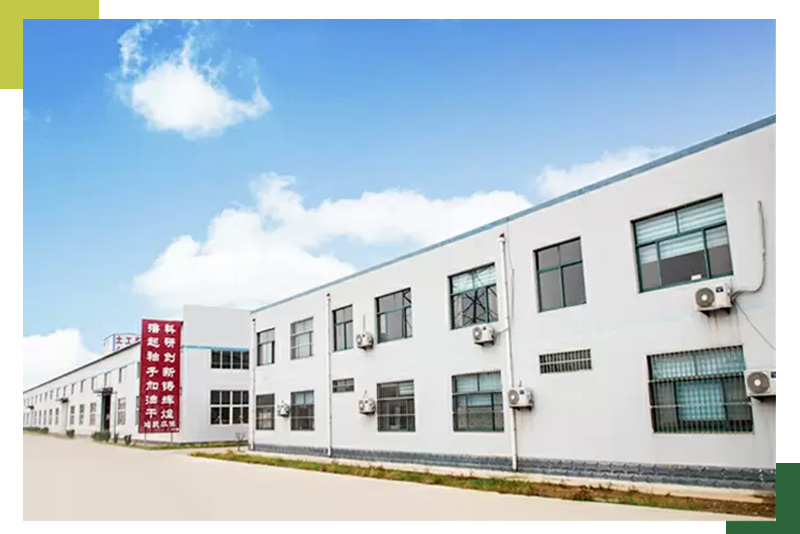
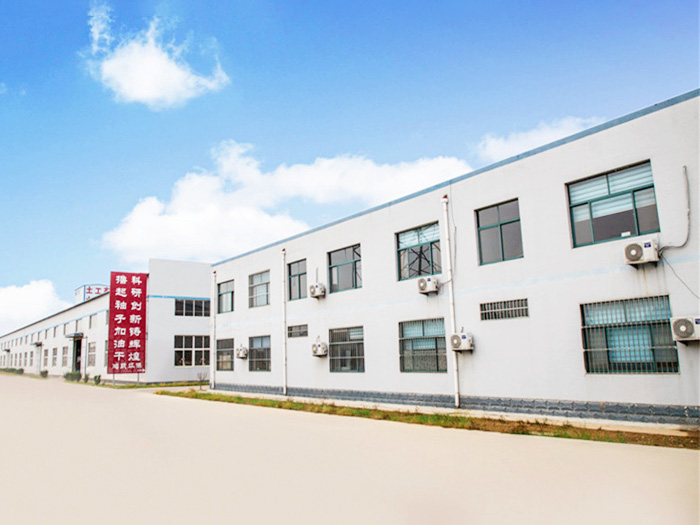
Located at the north end of Fufeng Street, Lingcheng District, Dezhou, Shandong Province, Shandong Hongyue Environmental Engineering Co., Ltd. is a scientific and technological geotechnical material manufacturer integrating engineering material production, sales, design, and construction services. The company was registered in the Lingcheng District Market Supervision and Administration Bureau of Dezhou City on April 6, 2023, with a registered capital of 105 million yuan. It stands as one of the largest production bases of geotechnical materials in China at present, benefiting from a superior geographical location and convenient transportation links.
Unmatched scaling capabilities, raw material proximity, and technological optimization.
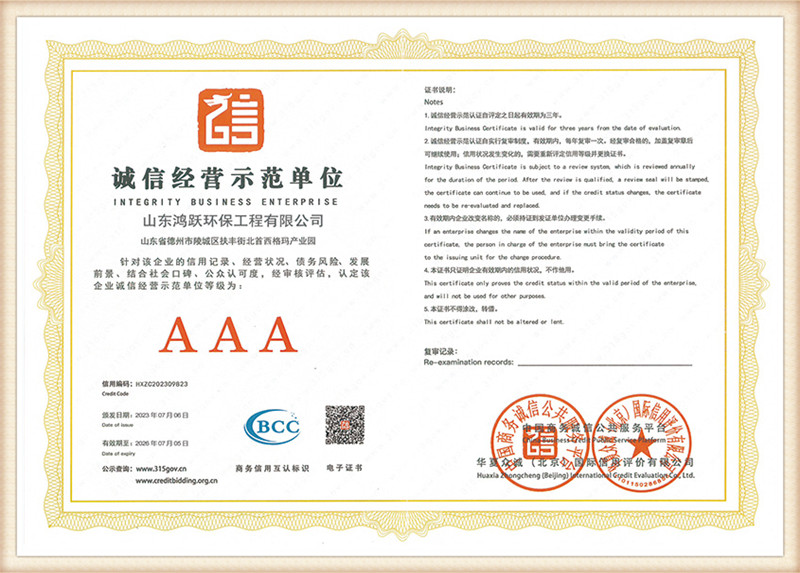
Chinese geomembrane manufacturers, particularly those in Shandong Province, possess a significant competitive advantage over Western suppliers due to localized supply chains and integrated processing facilities. Proximate access to petrochemical bases guarantees a steady supply of high-grade virgin polymer resins, shielding Chinese factories from severe raw material pricing fluctuations. In addition, the incorporation of high-throughput multi-layer blow-molding and flat-die extrusion lines allows factories to produce sheets up to 8 meters wide, dramatically reducing the number of field-welded seams required onsite.
Moreover, companies like Shandong Hongyue have systematically integrated manufacturing with direct engineering design and construction services. This holistic capability eliminates intermediary cost markups, meaning overseas buyers receive high-quality materials at direct factory rates. Direct control over the formulation phase also enables factories to customize UV stabilizer packages, carbon black distributions, and antioxidant compositions to tailor the geomembranes for specific regional environmental stressors.
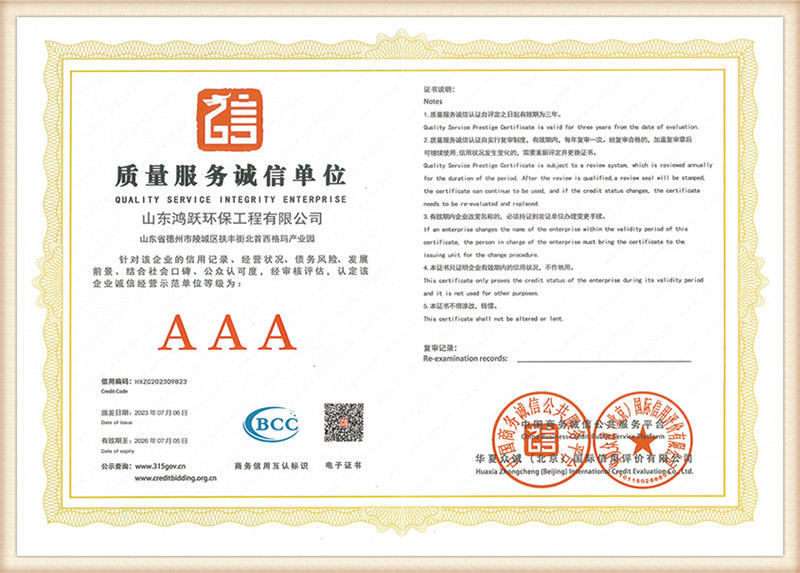
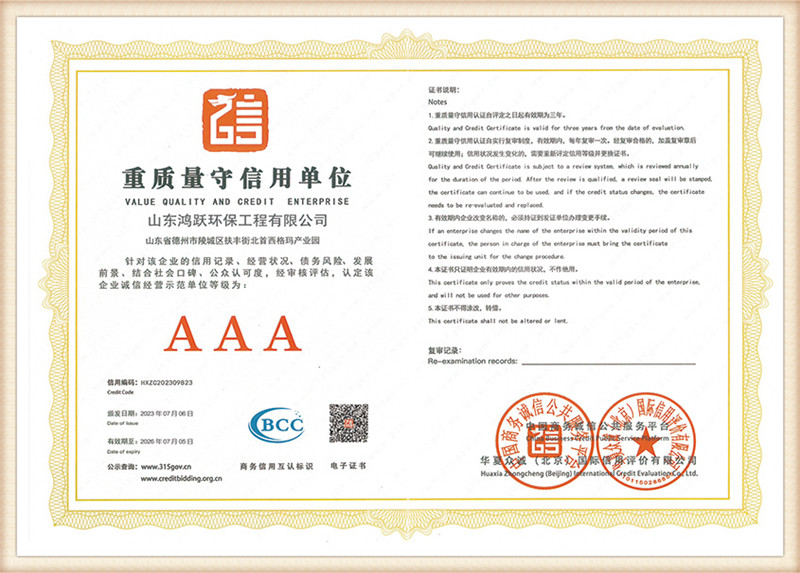
Understanding the raw material preparation, extrusion, and quality inspection metrics.
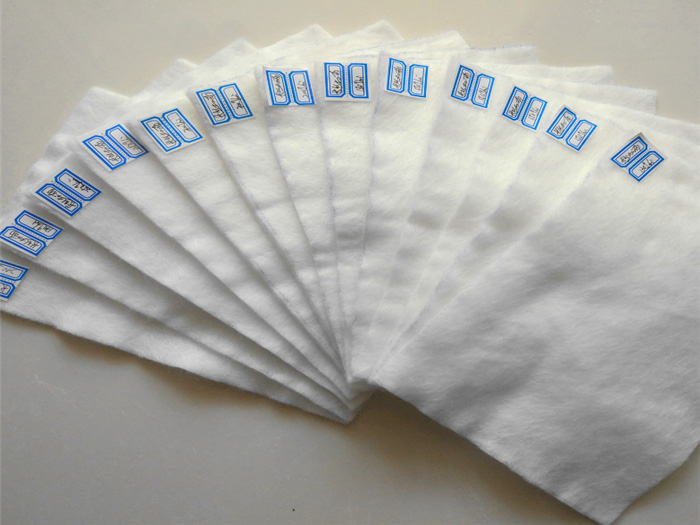
Quality begins with premium inputs. Polyester chips, polypropylene filament, viscose fiber, and virgin polyethylene resins are systematically analyzed and selected to ensure chemical purity and consistent density.
Raw polymers are melted at high temperatures and extruded into shape using advanced flat-die or blown-film systems. Precise control over temperature and pressure settings prevents localized thermal degradation.
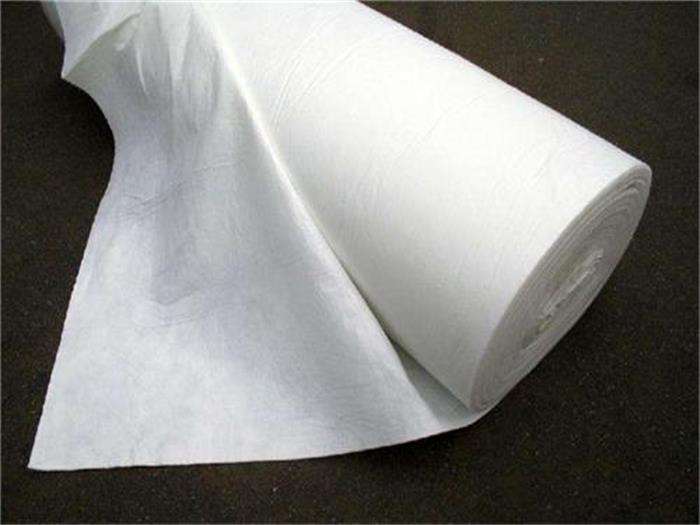
The sheet material is cooled, guided through tension-controlled rollers, and wound into standardized shipping rolls. High-precision calipers monitor the thickness across the width of the sheet continuously.
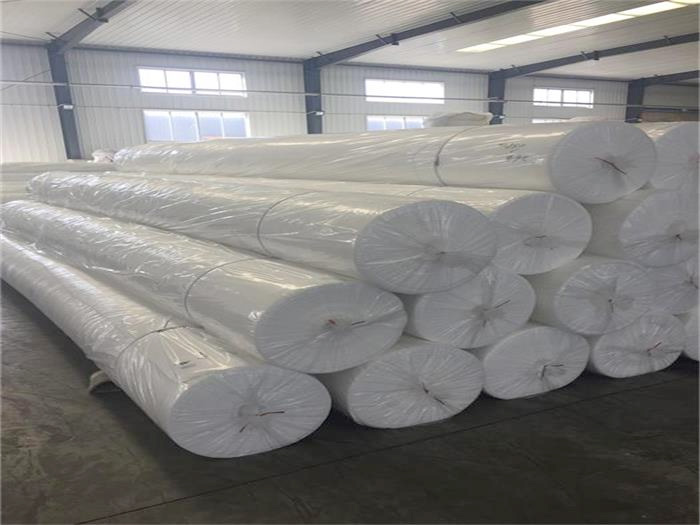
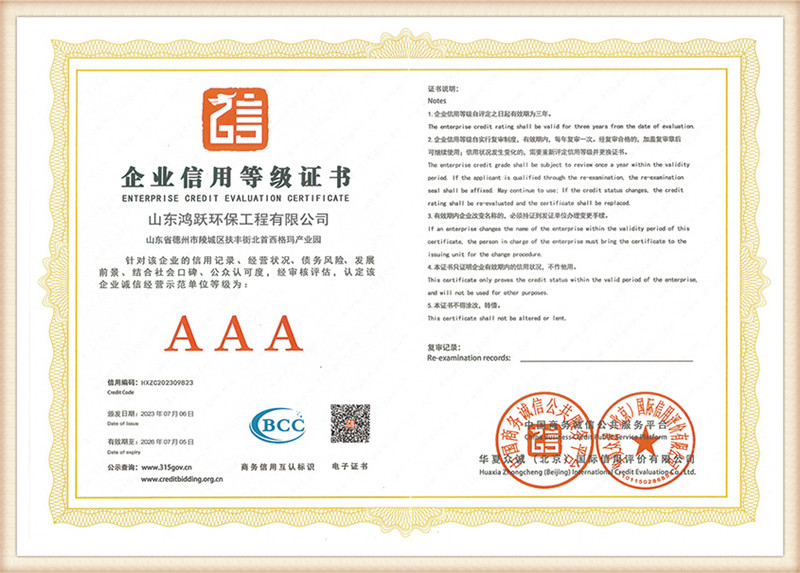
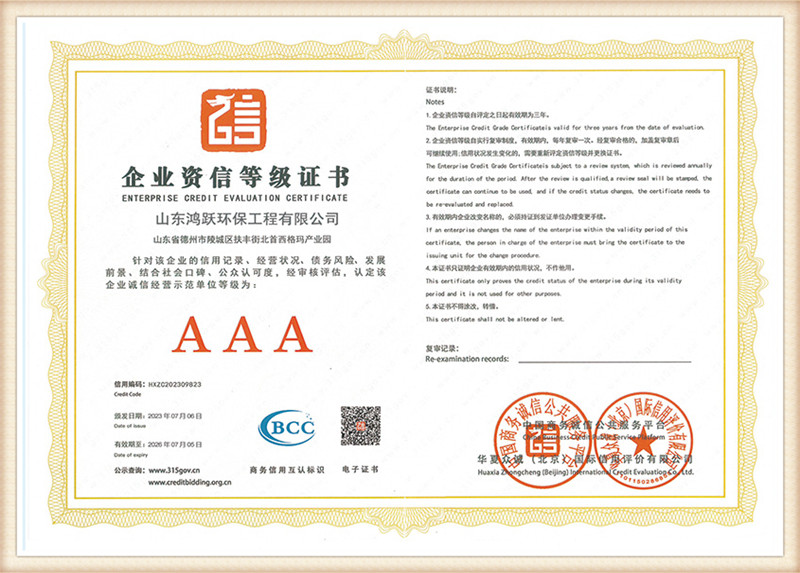
Shandong Hongyue Environmental Engineering Co., Ltd. operates under a complete and scientific management system. The company uses advanced testing methodologies to verify key performance indicators, including tensile strength at break, puncture resistance, and environmental stress cracking resistance (ESCR). All products undergo meticulous evaluation by the China National Testing Center, meeting and exceeding both national standards (GB/T) and international benchmarks (ASTM/GRI).
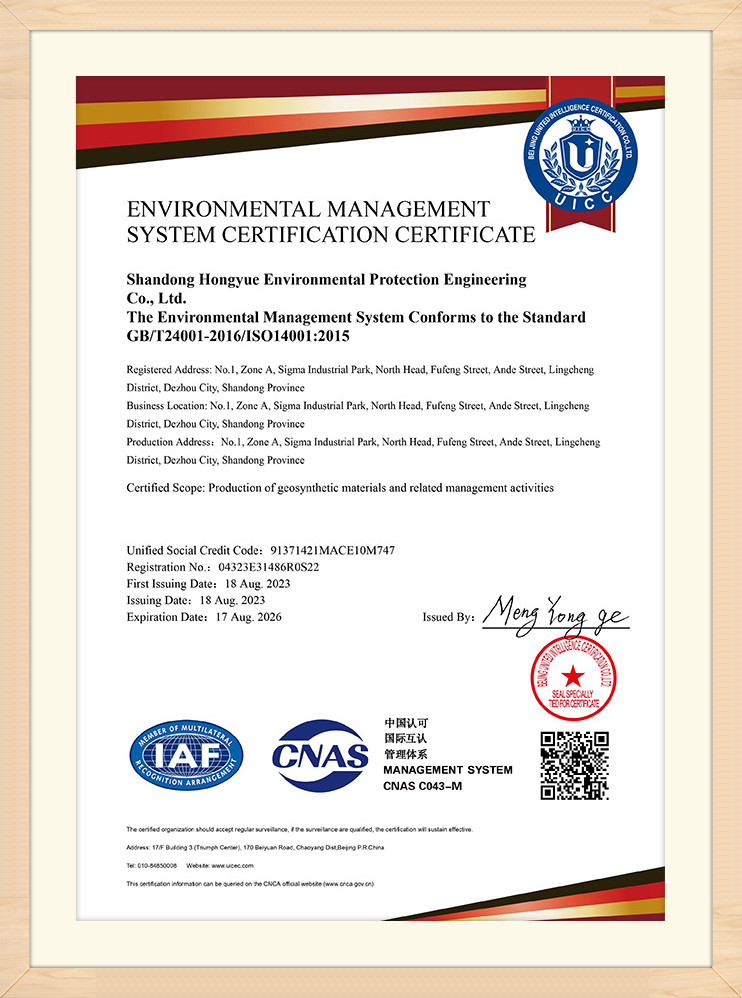
Field-proven installations spanning water conservancy, environmental protection, and infrastructure development.
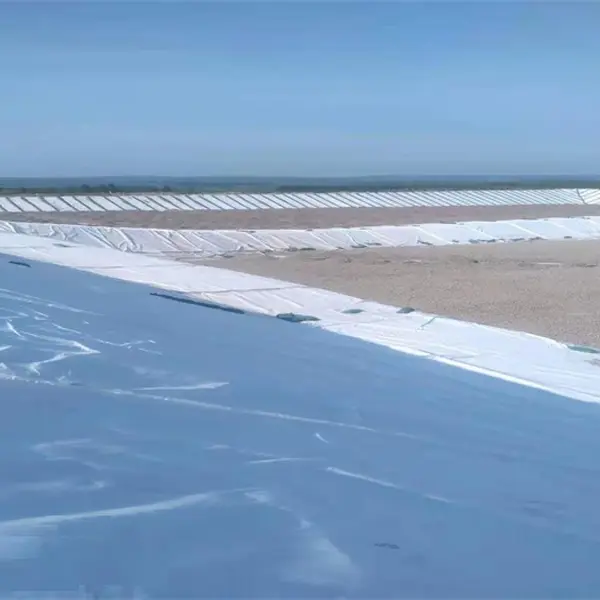
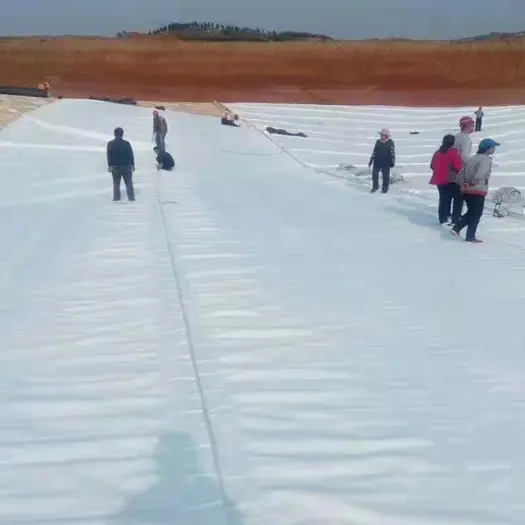
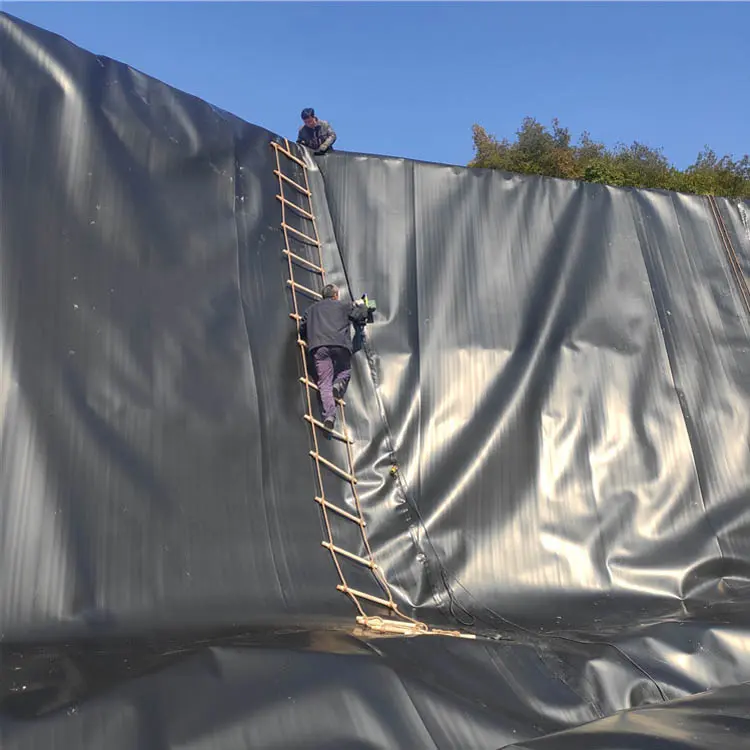
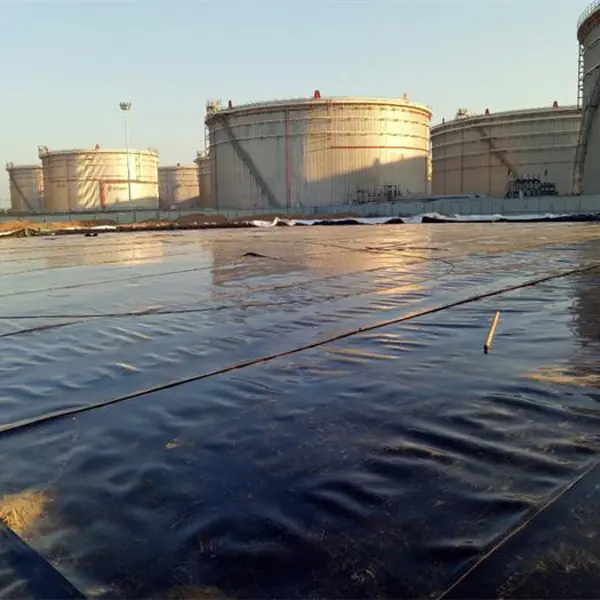
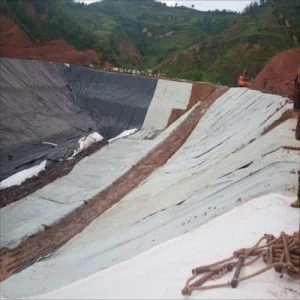
First of all, in the construction of reservoirs, geomembrane can play a very good anti-seepage role. Because reservoirs are usually built in valleys or low-lying areas, the geological conditions are more complex, so effective measures need to be taken to avoid leakage between the bottom of the reservoir and the surrounding rock. The use of geomembrane can effectively solve this problem, and can also improve the safety and stability of the whole reservoir.
Secondly, it is also necessary to use geomembrane to strengthen the anti-seepage effect during the construction of levees. A dike is a man-made structure whose main purpose is to protect the downstream area from flooding. However, in the construction process, there will be many unpredictable factors leading to loopholes, at this time, it is necessary to use geomembrane for remedial measures.
Third, in the river and channel governance, geomembrane also has a wide range of applications. Rivers and channels are very important components of water conservancy projects, they can not only regulate water flow, protect farmland and urban infrastructure, but also improve the ecological environment of the entire region. However, in the governance process will encounter some difficult problems, such as loopholes, landslides and so on. At this time the use of geomembrane can be a good solution to these problems.
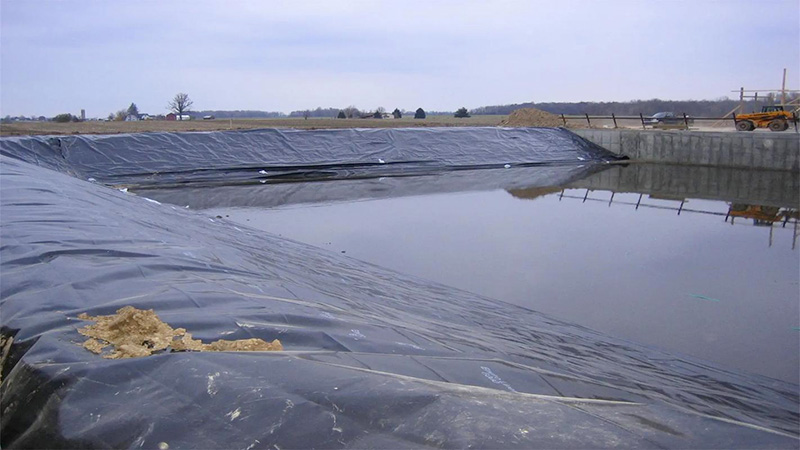
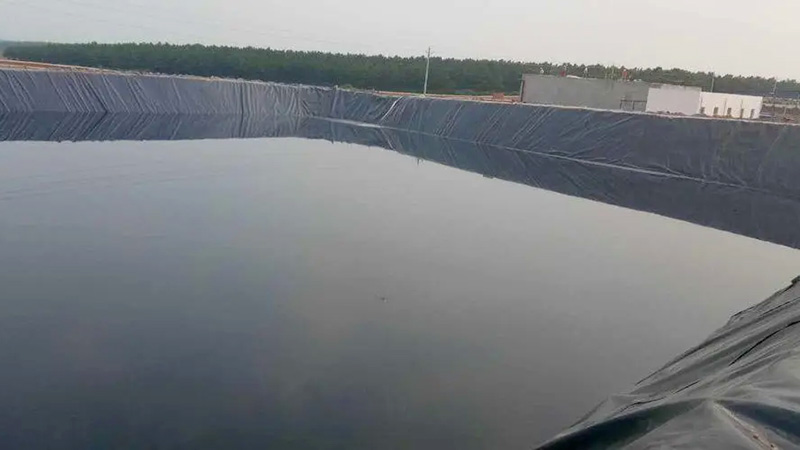
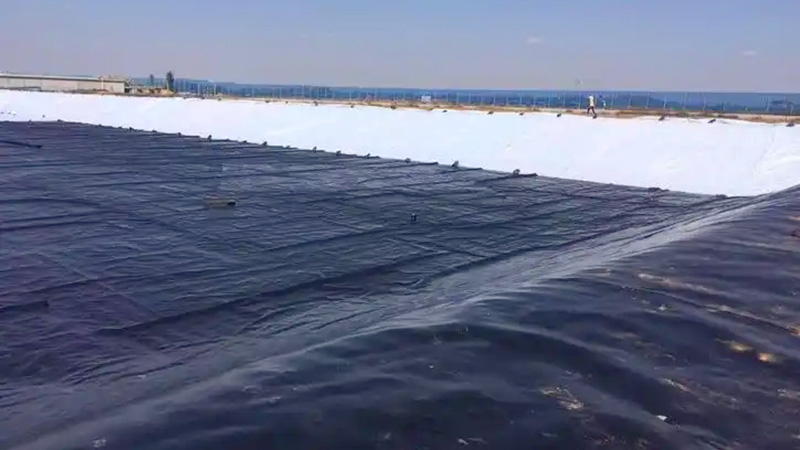
Successful long-term engineering performance requires careful material selection, precise subgrade preparation, professional welding, and ongoing inspection protocols.
Selecting the appropriate geomembrane is vital to the mechanical and environmental integrity of containment systems. Important features include:
- Material Chemistry: High-density polyethylene (HDPE) is typically chosen for applications requiring superior chemical resistance, UV block capability, and tensile strength (e.g. municipal landfills and mining tailing pads). Linear low-density polyethylene (LLDPE) is preferred for projects needing superior flexibility, high elongation, and multi-directional conformance (e.g. decorative ponds or localized earth movement areas).
- Puncture & Thickness Profile: Choosing the right thickness (usually ranging from 0.3mm to 3.0mm) is determined by the size and sharp edges of the aggregate on the subgrade. Larger aggregates and rocky foundations demand thicker geomembranes to avoid localized mechanical punctures during compaction.
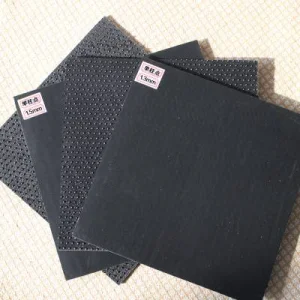
- Surface Profiling: Smooth geomembranes are standard, whereas textured (rough) versions are used on steep slopes to increase frictional shear strength and prevent adjacent soil layers from sliding.
Proper field deployment is essential for maintaining barrier integrity:
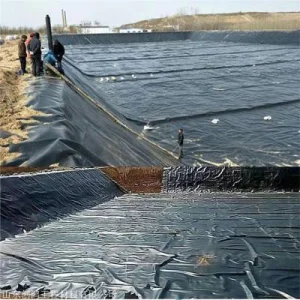
- Subgrade Alignment: The deployment area must be compacted, smooth, and cleared of any sharp rocks, root systems, or debris.
- Professional Seaming: The overlap between adjacent sheets must be cleaned and welded together using dual-track hot-wedge machines or extrusion welding tools. Field welds must undergo regular air pressure testing and vacuum-box checks to guarantee leak-free containment.
- Temporary Anchor Trenches: The perimeter of the geomembrane must be secured in anchor trenches to prevent wind uplift during construction.
Regular maintenance preserves barrier performance:
- Debris Clearing: The surface should be cleaned of sharp elements that could pose puncture risks under hydraulic head pressure.
- Regular Site Inspections: Exposed geomembrane areas should be checked for signs of physical tearing, dynamic stresses, or excessive localized thermal contraction.
- Immediate Repair Protocols: If damage is detected, a patch of matching geomembrane should be hot-air tacked and extrusion welded over the damaged zone, followed by vacuum testing.
Procuring geomembranes from direct Chinese factories requires an understanding of the primary cost drivers. Pricing is typically determined by:
1. Resin Index Costs: Raw polyethylene and PVC resin represent approximately 65-75% of the overall manufacturing cost. Fluctuations in global crude oil and petrochemical markets directly impact the base material cost.
2. Thickness & Weight: Because geomembranes are sold by the square meter or by weight, thicker sheets (e.g. 1.5mm - 2.0mm) require more polymer material per unit area, resulting in a higher cost compared to thin sheets (0.5mm - 0.75mm).
3. Additive Package Configurations: High-performance formulations with specialized carbon black content, heat stabilizers, and premium UV packages (e.g. meeting GRI-GM13 specifications) cost more than standard-grade agricultural liners.
4. Surface Texture: Single-sided or double-sided textured sheets require specialized molding processes and slightly more material weight, which commands a premium over standard smooth sheets.
| Material Type | Standard Specifications | Common Applications | Core Performance Metric |
|---|---|---|---|
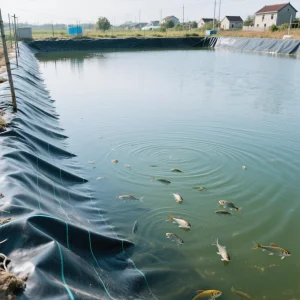
| HDPE (Smooth) | 0.5mm - 3.0mm (GRI-GM13) | Landfills, Aquaculture, Waste Water | High Chemical & UV Resistance |
| HDPE (Textured) | 1.0mm - 2.5mm (GRI-GM13) | Steep Slope Liners, Mining Tailing Dams | Increased Slope Friction Stability |
| LLDPE | 0.5mm - 2.0mm (GRI-GM17) | Floating Covers, Landfill Caps, Canals | Exceptional Elongation & Flexibility |
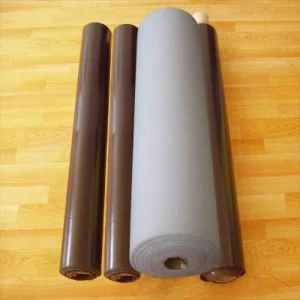
| PVC Geomembrane | 0.5mm - 2.0mm (ASTM D7176) | Tunnels, Decorative Lakes, Soil Liners | High Puncture Resistance & Conformability |
Detailed technical answers to help purchasing managers make informed decisions.
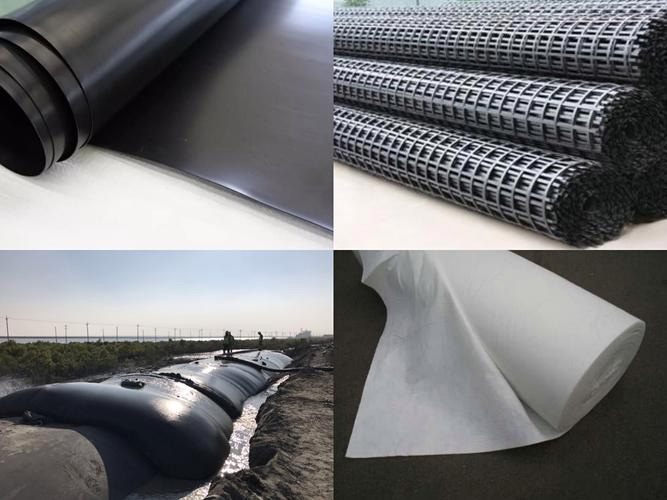
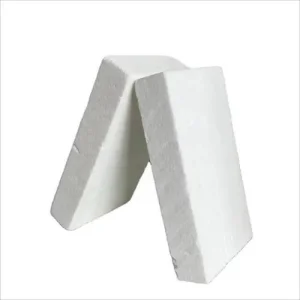
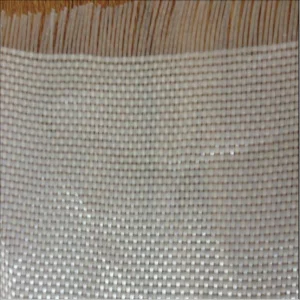
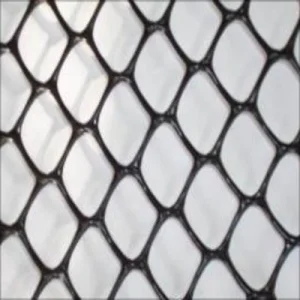
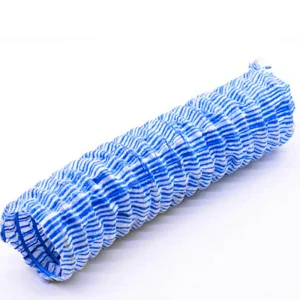
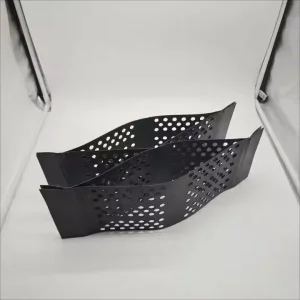
Explore our full line of geomembranes, geocells, geonets, and drainage materials.
 Hongyue