 Hongyue
1 / 2
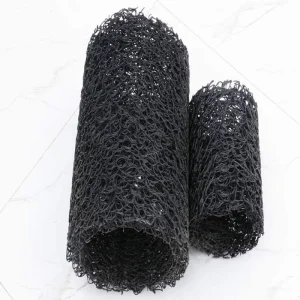
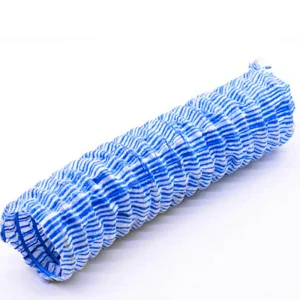
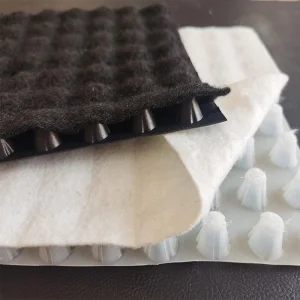
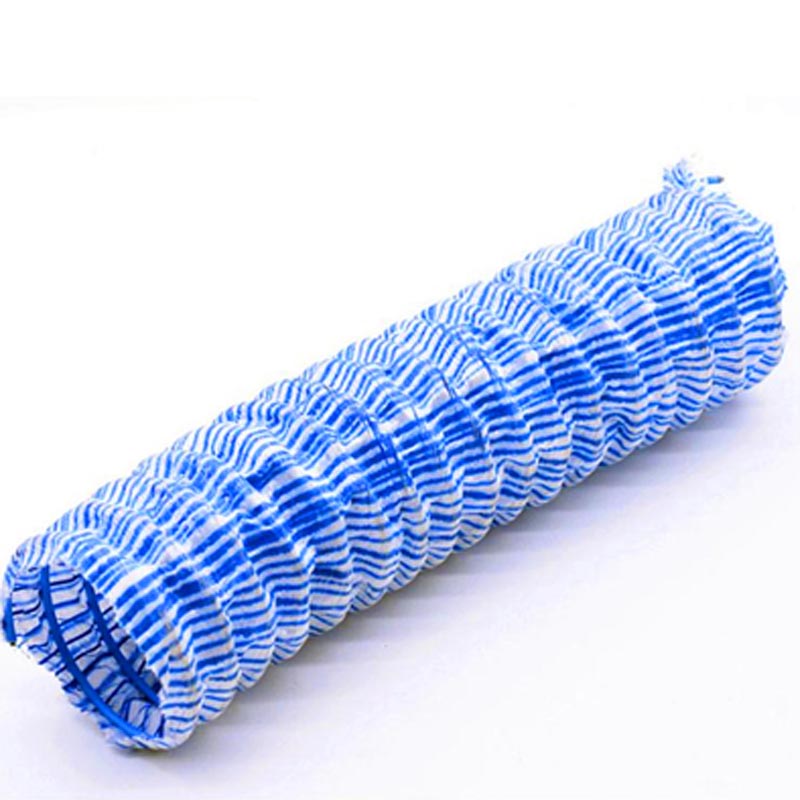
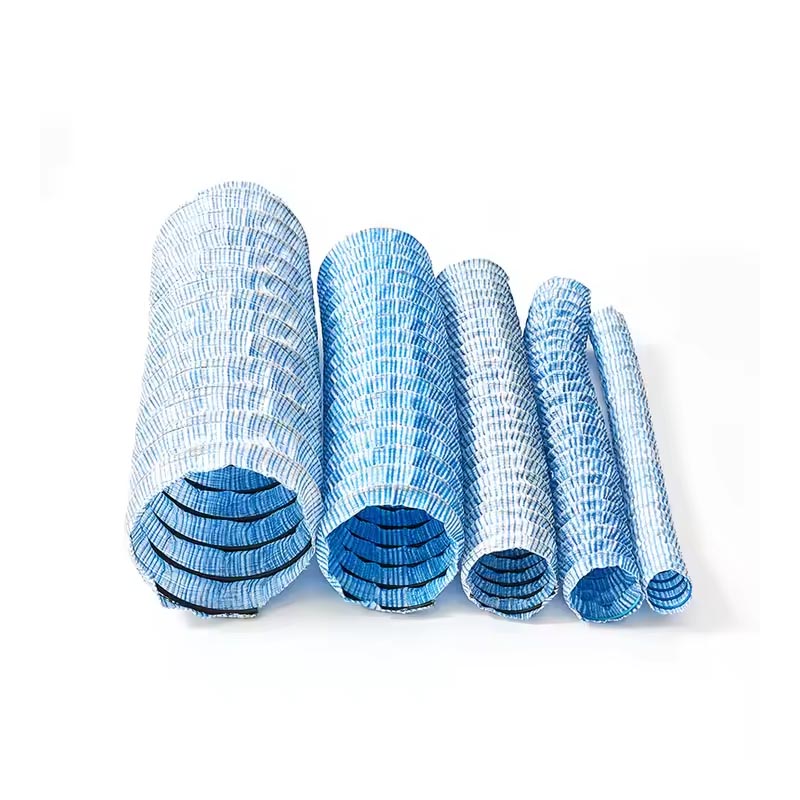
The wall of a soft permeable pipe has a certain porosity, which can promote water infiltration and drainage, improve soil permeability, reduce soil compaction and water retention.
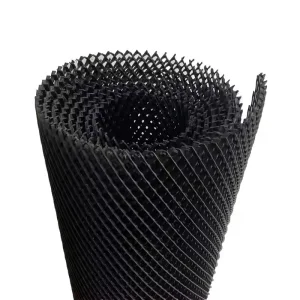
Soft permeable pipes are made of soft materials, which have good flexibility and bending performance, and can adapt to engineering requirements of different shapes and complex terrains.
Flexible permeable pipes are usually made of polymer or synthetic fiber materials with good weather resistance, which have good durability and anti-aging performance and can be used for a long time.
Soft permeable pipes have a certain compressive capacity, can withstand certain loads, and maintain the shape and function of the pipeline.
Soft permeable pipes can collect and utilize rainwater resources, reduce the load on urban drainage systems, and achieve the reuse and conservation of rainwater.
Soft permeable pipes are soft and easy to bend, making construction convenient and able to adapt to engineering requirements of different shapes and complex terrains.
The maintenance of soft permeable pipes is relatively simple, generally requiring only regular cleaning and inspection, with lower maintenance costs.
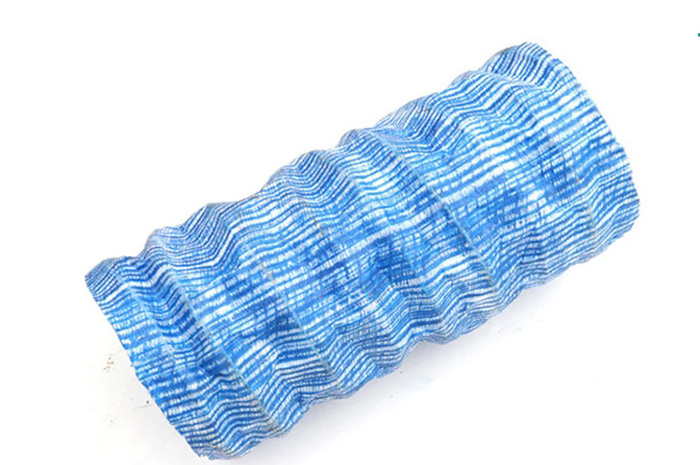
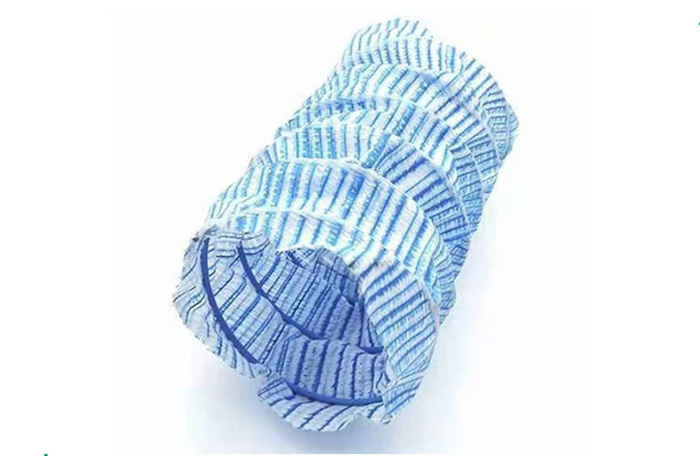
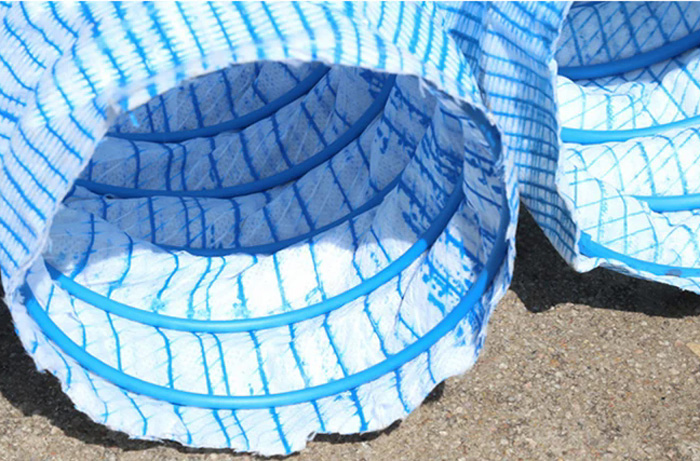
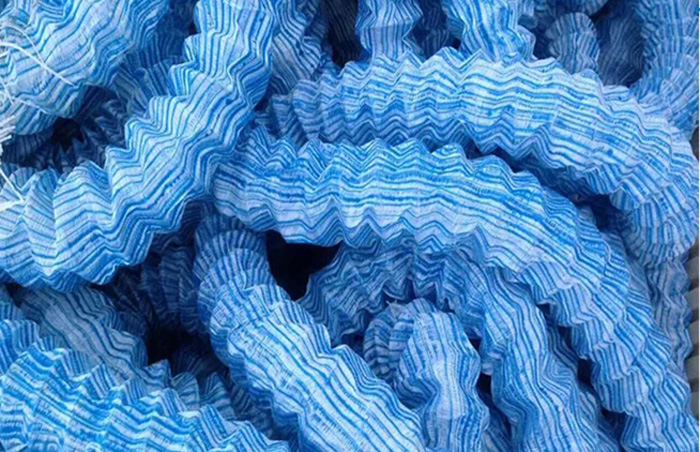
Soft permeable pipes utilize the "capillary" phenomenon and "siphon" principle to integrate water absorption, permeability, and drainage. The entire pipe body is made of permeable material, offering all-round permeability and a large filtering surface that screens out gravel, clay, fine sand, and micro organic matter.
Due to their high-quality soft materials, these pipes offer excellent flexibility and bending performance. This allow them to easily conform to complex terrains and satisfy diverse construction shapes and project configurations.
Yes. They are manufactured using weather-resistant polymers or synthetic fibers, which provide superior anti-aging properties and long-lasting durability for extended field service life.
Absolutely. Soft permeable pipes possess a specific level of compressive capability. They are structurally engineered to bear soil and external loads without losing their functional shape and draining performance.
No, the system requires minimal and straightforward maintenance. Routine checks and regular cleanings are typically sufficient, resulting in low maintenance overhead costs.
By efficiently collecting and reusing rainwater resources, soft permeable pipes significantly decrease runoff stress on urban municipal drainage infrastructure, helping conserve local water resources.