High-Quality Composite material geocell Manufacturer, Pricelist

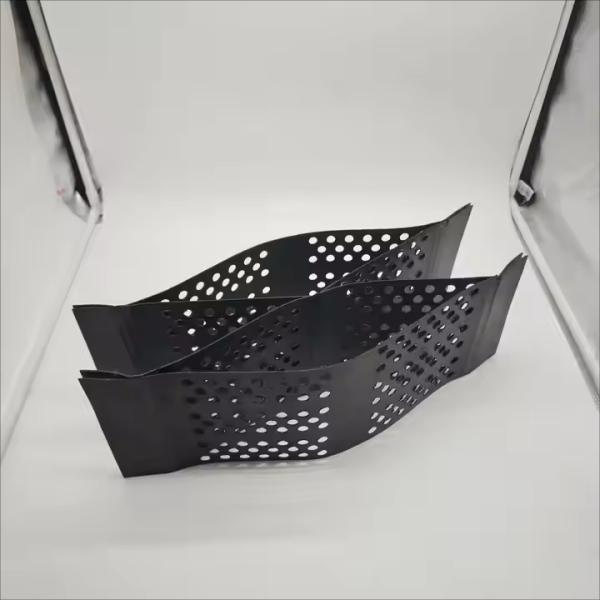
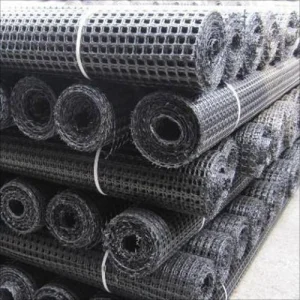
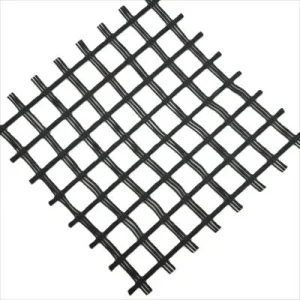
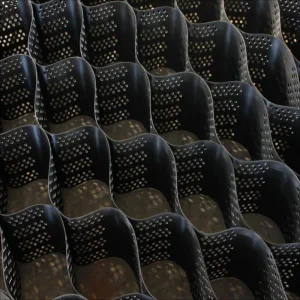
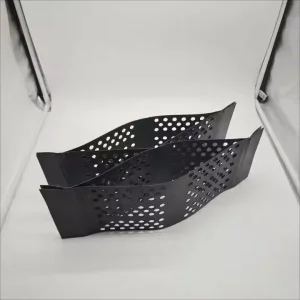
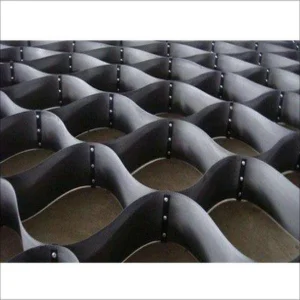
  • Composite material geocell is a geosynthetic material with a honeycomb-like three-dimensional network structure, which is composed of two or more materials with different properties through specific processes. These materials usually include high-strength fibers, high molecular polymers, etc., which are connected into interconnected cell structures by means of welding, riveting or sewing.

Product Description

Composite material geocell is a geosynthetic material with a honeycomb-like three-dimensional network structure, which is composed of two or more materials with different properties through specific processes. These materials usually include high-strength fibers, high molecular polymers, etc., which are connected into interconnected cell structures by means of welding, riveting or sewing.
Key Characteristics
High strength and high stability
Due to the use of composite materials, it combines the advantages of different materials, possesses high tensile strength and deformation resistance, can maintain structural stability under large loads, effectively disperse and transfer loads, and improve the bearing capacity of the soil.
Good flexibility
It can be bent, folded and cut according to the topographic features of the construction site and engineering requirements, adapting to construction areas of different shapes and sizes, and can also be easily installed and used in complex environments.
Corrosion resistance & durability
The constituent materials usually have good acid and alkali resistance, chemical corrosion resistance, ultraviolet resistance and anti-aging ability. They can be used for a long time under harsh natural environments and complex engineering conditions, maintain stable performance, and reduce maintenance costs.
Excellent drainage & filtration
Some composite material geocells have certain water permeability, which can allow water to penetrate smoothly in the soil, playing a role in drainage and filtration. It can effectively reduce pore water pressure, prevent the soil from softening or becoming unstable due to water accumulation, and at the same time prevent the loss of soil particles.
Application Areas
Road construction
In the treatment of soft soil foundations, it can be laid on the foundation and then filled with soil, stone and other materials to form a stable reinforcement layer, improving the bearing capacity of the foundation, reducing subgrade settlement and differential settlement, and enhancing the stability and service life of the road. When used in the base and subbase of the road, it can also improve the rutting resistance and fatigue resistance of the pavement.
Railway engineering
It is used for the reinforcement and protection of railway subgrades, which can effectively disperse train loads, prevent the lateral extrusion and deformation of subgrade soil under the repeated loads of trains, ensure the stability and reliability of railway subgrades, and guarantee the safe operation of trains.
Water conservancy projects
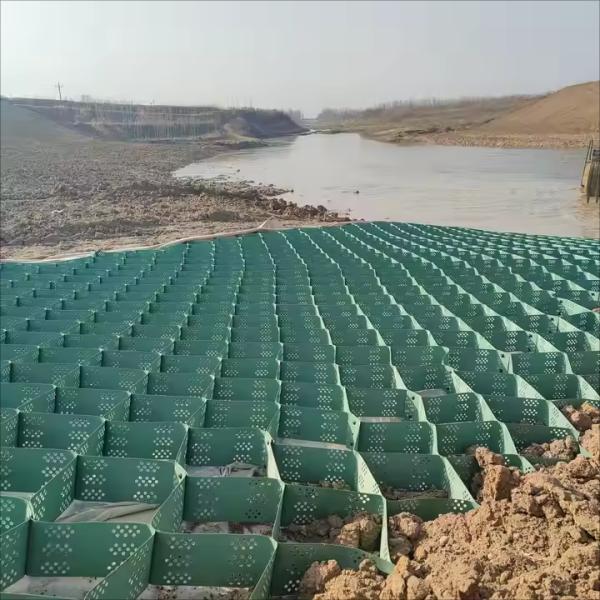
It can be applied to the protection projects of river banks, dams, channels, etc. By filling with materials to form a protection structure, it can resist water erosion, prevent soil erosion and protect the safety of hydraulic structures. In the anti-seepage projects of reservoirs and ponds, it can be used in conjunction with anti-seepage materials such as geomembranes to improve the anti-seepage effect.

Slope protection
In parts such as hillside slopes, embankment slopes and foundation pit slopes, composite material geocells are laid and filled with soil, stone or concrete and other materials to form a stable slope protection structure, preventing geological disasters such as slope landslides and collapses. At the same time, vegetation can be planted in the cells to achieve ecological slope protection and beautify the environment.
Desert control and land improvement
In desert control, it can be used as the skeleton of sand-fixing squares. After being filled with gravel and other materials, it can effectively fix sand dunes and control soil movement.
Frequently Asked Questions
What materials are composite geocells made of?
They are composed of two or more materials with different characteristics (typically high-strength fibers and high molecular polymers) connected via welding, riveting, or sewing to form a honeycomb-like 3D structure.
How do composite material geocells improve soil bearing capacity?
By combining different materials, geocells achieve high tensile strength and deformation resistance. Under heavy loads, they maintain structural stability, effectively dispersing and transferring loads to strengthen the soil foundation.
Can geocells be adjusted for complex construction environments?
Yes, geocells possess good flexibility. They can be bent, folded, and cut to fit the specific topographical features and layout demands of complex construction environments.
How do geocells prevent soil erosion and softening?
Their water permeability allows smooth water filtration through the soil. This mechanism reduces pore water pressure, prevents instability caused by water accumulation, and minimizes soil particle loss.
What are the primary applications of geocells in road engineering?
They are laid on soft soil foundations to form a stable reinforcement layer, reducing subgrade settlement, preventing differential settlement, and increasing the overall life of roads and pavements.
How do composite geocells contribute to ecological slope protection?
Geocells can be anchored onto hillside slopes and filled with soil or stone to form a stable structure. Vegetation can then be planted within the grid structure to achieve natural, eco-friendly slope protection.

Related Products