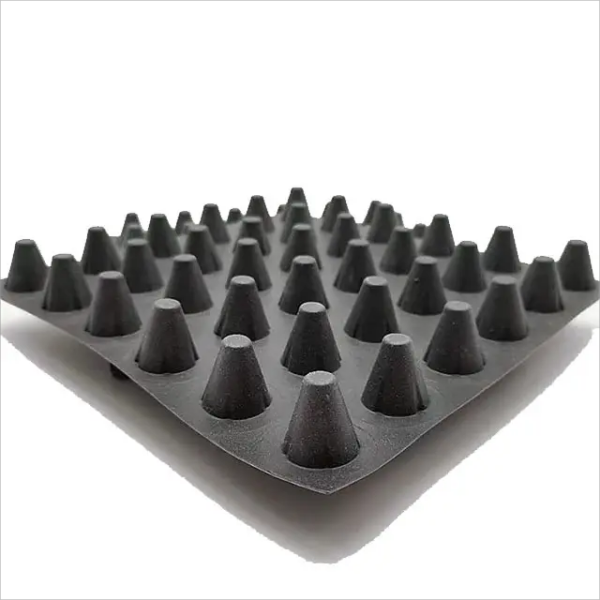
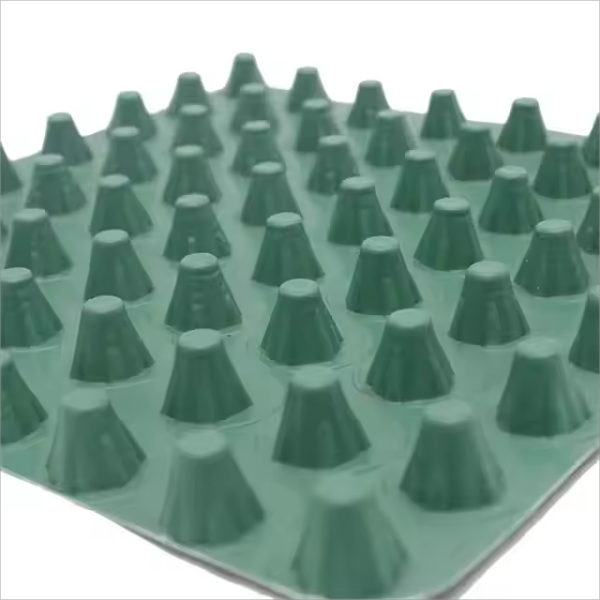
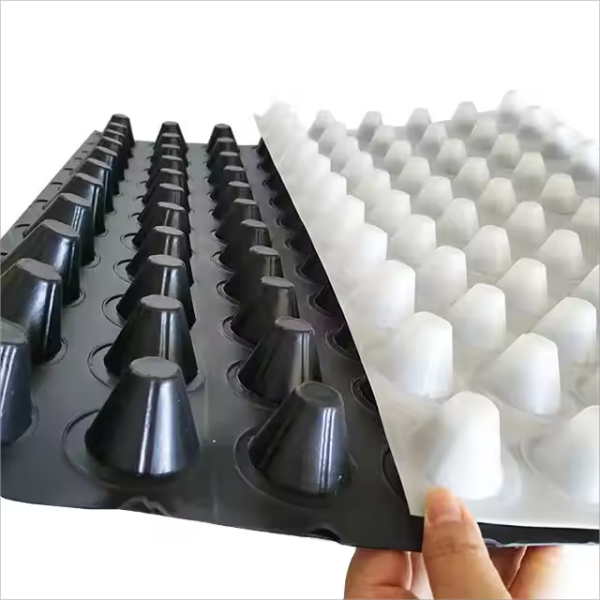
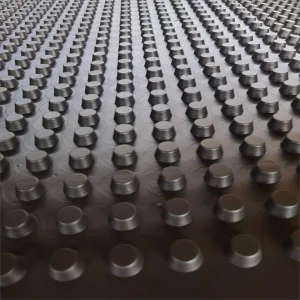
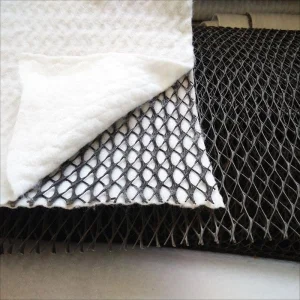
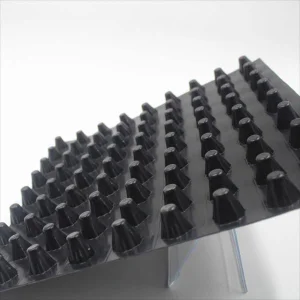
Concrete drainage board is a plate-shaped material with drainage function, which is made by mixing cement as the main cementitious material with stone, sand, water and other admixtures in a certain proportion, followed by processes such as pouring, vibration and curing.
Concrete drainage board is a plate-shaped material with drainage function, which is made by mixing cement as the main cementitious material with stone, sand, water and other admixtures in a certain proportion, followed by processes such as pouring, vibration and curing.
Structural Characteristics
Solid Structure
The main body of the concrete drainage board is a concrete slab formed by mixing cement, sand and stone in a certain proportion, followed by processes such as pouring, vibration and curing. It provides the basic strength and stability for the drainage board, enabling it to withstand certain pressure and load.
Drainage Structure
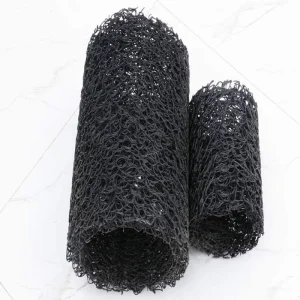
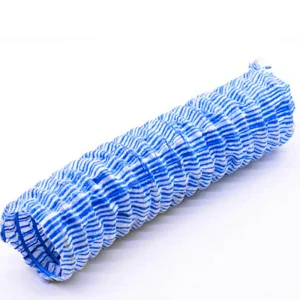
To achieve the drainage function, special drainage channels are set inside the concrete drainage board. There are two common forms. One is to reserve regular or irregular pores and holes in the concrete slab. These pores are interconnected to form a drainage network. The other is to embed permeable pipes or permeable fibers and other permeable materials in the concrete slab to serve as water flow channels to guide the water to drain smoothly.
Working Principle
Gravity Drainage
Using the action of gravity, when water enters the concrete drainage board, the water naturally flows downward along the pores, holes or permeable pipes and other drainage channels in the drainage board under the drive of gravity, thus realizing the purpose of drainage. This is the main drainage method of the concrete drainage board and is applicable to most scenarios with drainage needs.
Capillary Action Assistance
The tiny pores inside the concrete drainage board will produce capillary action. In some special cases, such as when the drainage board is in an environment with uneven humidity or when the water content is low, the capillary action can help the water distribute and transmit more evenly in the drainage board, assisting the gravity drainage and making the drainage process smoother and improving the drainage efficiency.
Performance Advantages
High Strength
The concrete material itself has high compressive strength and flexural strength, enabling the concrete drainage board to bear large pressure and external forces. In places such as roads and squares that bear the load of vehicles and pedestrians, the concrete drainage board maintains good structural integrity.
Good Durability
It has excellent impermeability, frost resistance and corrosion resistance. When exposed to the natural environment for a long time, such as in humid, cold, acidic and alkaline corrosive media, it resists erosion, aging and damage, ensuring a long service life.
Drainage Performance
By reasonably designing the internal drainage channels, such as parameters of porosity, pore size and quantity, the concrete drainage board can effectively collect and discharge rainwater, groundwater, etc., avoiding waterlogging damage.
Eco-Friendly
Its raw materials are mainly natural materials such as cement, sand and stone, which cause relatively little pollution. Moreover, the concrete material can be recycled after the end of its service life, promoting sustainable development.
Application Scenarios
Municipal Engineering
In urban road construction, it can be laid between the road base and the surface layer to quickly drain road surface water. In urban squares and parks, it effectively drains surface water and keeps the ground dry.
Construction Engineering
In the basement floor of buildings, it can be laid above the waterproof layer to quickly drain accumulated water. In roof gardens and garage roofs, it plays a key role in drainage and protecting waterproof layers.
Water Conservancy
Used inside dam bodies or foundations to reduce pore water pressure, enhance stability, and prevent seepage and piping. In canals and pools, it ensures normal operation by draining excess water.
Frequently Asked Questions (FAQ)
Q1
What materials are used to make a concrete drainage board?
It is manufactured by mixing cement (the primary cementitious material) with specific proportions of stone, sand, water, and other admixtures, followed by pouring, vibration, and curing processes.
Q2
What are the two common internal drainage structures?
The first form reserves interconnected regular or irregular pores and holes in the concrete slab. The second form embeds permeable materials like pipes or fibers directly inside the concrete slab to act as water channels.
Q3
How does capillary action help in drainage?
In cases of uneven humidity or low water content, the capillary action in the tiny internal pores helps distribute and transmit water more evenly, assisting gravity drainage and improving overall efficiency.
Q4
Can concrete drainage boards handle heavy traffic loads?
Yes. Concrete has high compressive and flexural strength, which allows the drainage boards to bear significant external load and pressure on roads, squares, and other traffic-bearing structures without easily deforming.
Q5
How does this product protect roof gardens and basement structures?
For basements, it is laid above the waterproof layer to quickly clear away accumulated water. On roof gardens and garage roofs, it provides drainage and prevents plant roots from damaging the waterproofing layer.
 Hongyue