Home >
Geomembrane >
ODM Hongyue nonwoven composite geomembrane can be customized Manufacturer, Manufacturers
1 / 4
ODM Hongyue nonwoven composite geomembrane can be customized Manufacturer, Manufacturers
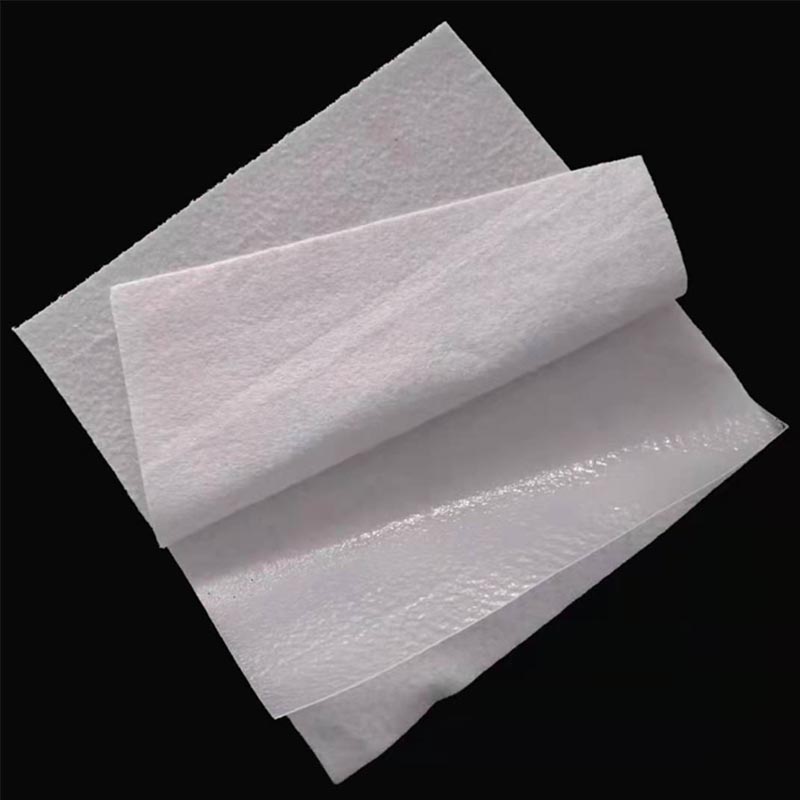
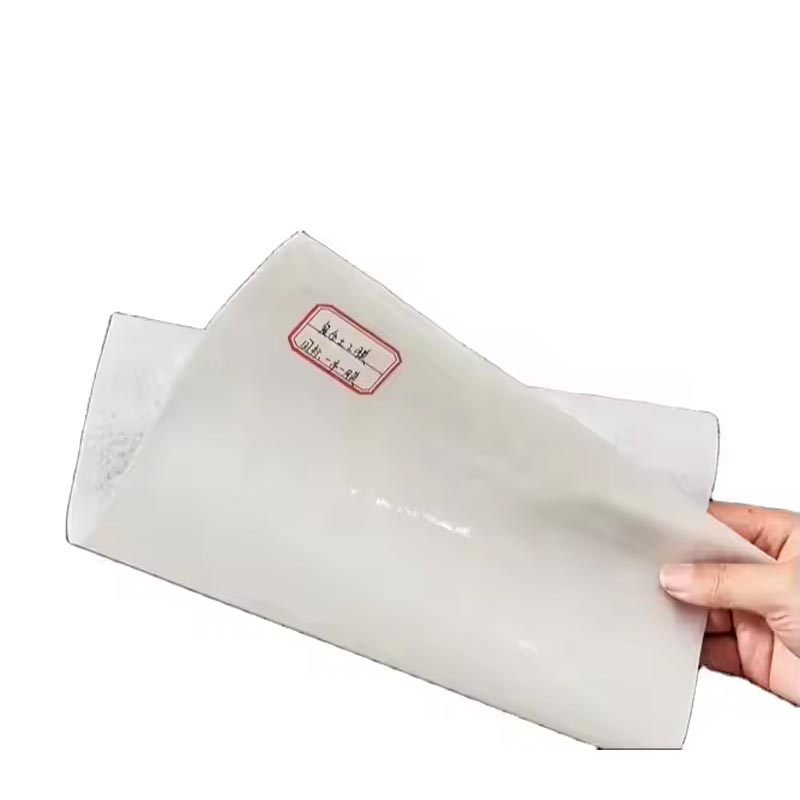
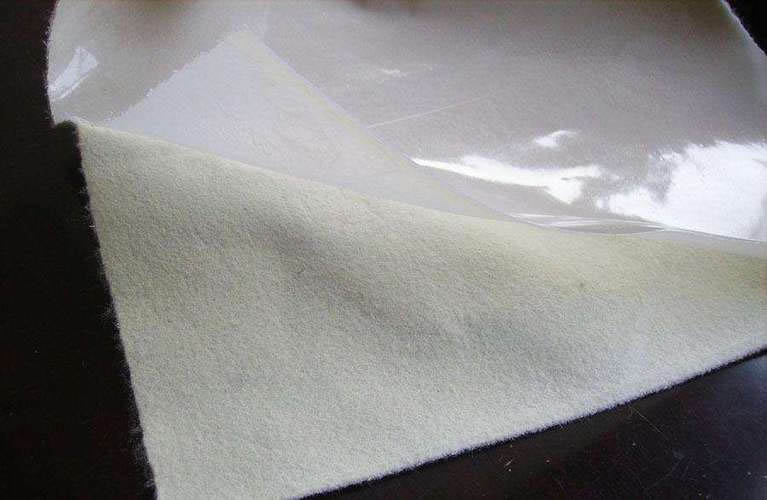
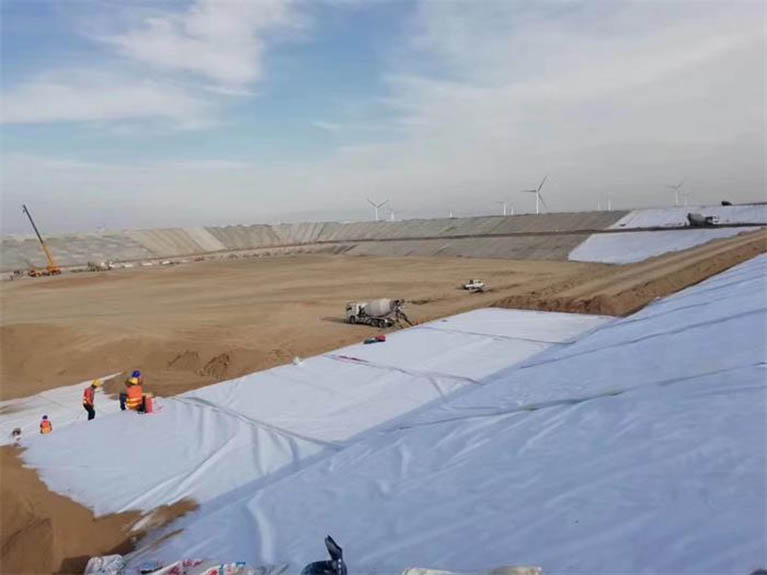
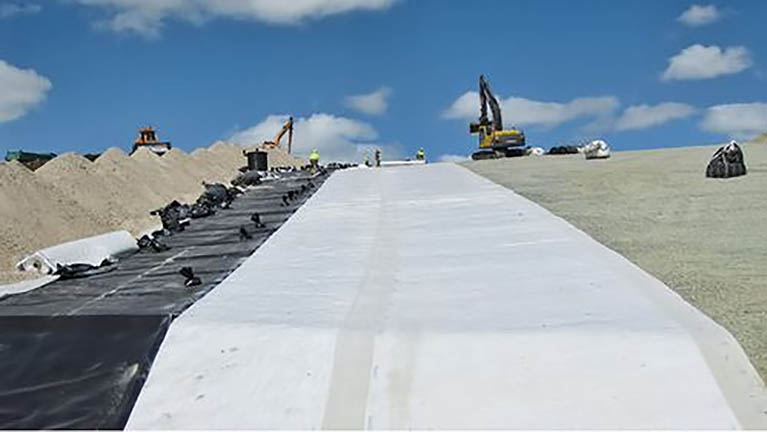
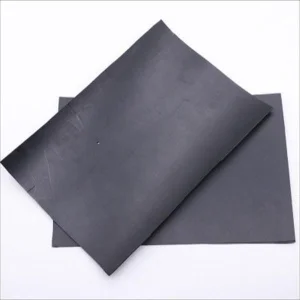
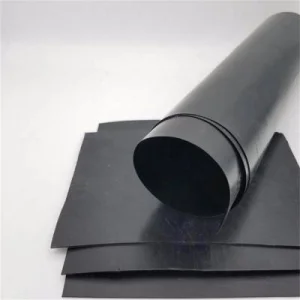
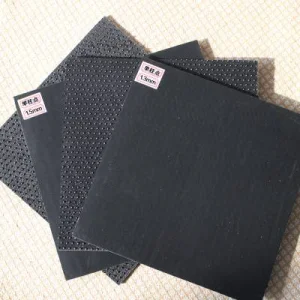
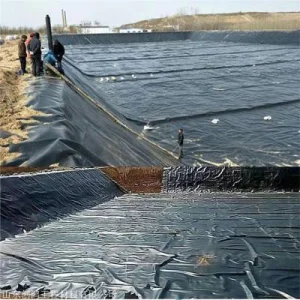
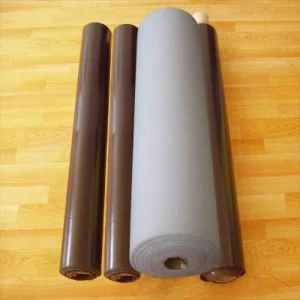
Composite geomembrane (composite anti-seepage membrane) is divided into one cloth and one membrane and two cloth and one membrane, with a width of 4-6m, a weight of 200-1500g/square meter, and physical and mechanical performance indicators such as tensile strength, tear resistance, and bursting. High, the product has the characteristics of high strength, good elongation performance, large deformation modulus, acid and alkali resistance, corrosion resistance, aging resistance, and good impermeability. It can meet the needs of civil engineering projects such as water conservancy, municipal administration, construction, transportation, subways, tunnels, engineering construction, anti-seepage, isolation, reinforcement, and anti-crack reinforcement. It is often used for anti-seepage treatment of dams and drainage ditches, and anti-pollution treatment of garbage dumps.
Composite geomembrane is an impervious material composed of geotextile and geomembrane, which is mainly used for impermeability. Composite geomembrane is divided into one cloth and one membrane and two cloth and one membrane, with a wide width of 4-6m, weight of 200-1500g/m2, high physical and mechanical performance indicators such as tensile, tear resistance and roof breaking. It can meet the needs of water conservancy, municipal, construction, transportation, subway, tunnel and other civil engineering. Due to the selection of polymer materials and the addition of anti-aging agents in the production process, it can be used in unconventional temperature environments.
Key Features of Composite Geomembrane
Waterproof & Impermeable
Composite geomembrane has high waterproof and impermeable performance, which can effectively prevent the penetration of groundwater and ground water.
High Tensile Strength
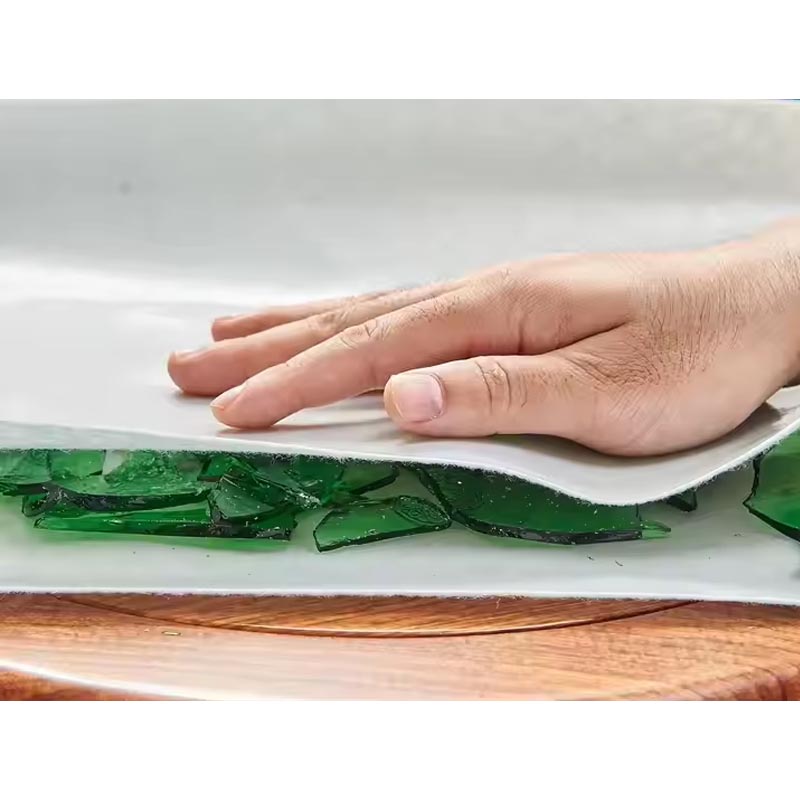
Composite geomembrane has good tensile strength and can withstand external pressure well.
Aging Resistance
Composite geomembrane has excellent aging resistance and can maintain the strength and toughness of the material for a long time.
Chemical Corrosion Resistance
Composite geomembrane has a high tolerance to chemical corrosion in the environment and is not easily affected by chemicals.
Technical Parameters (GB/T17642-2008 Standard)
Item
Value
normal breaking strength /(kN/m)
5
7.5
10
12
14
16
18
20
1
breaking strength(TD, MD), kN/m ≥
5.0
7.5
10.0
12.0
14.0
16.0
18.0
20.0
2
breaking elongation(TD, MD),%
30~100
3
CBR mullen burst strength, kN ≥
1.1
1.5
1.9
2.2
2.5
2.8
3.0
3.2
4
tear strength(TD, MD), kN ≥
0.15
0.25
0.32
0.40
0.48
0.56
0.62
0.70
5
hydraulic pressure/Mpa
see table 2
6
peel strength, N/㎝ ≥
6
7
vertical permeability coefficient, ㎝/s
according to design or contract request
8
width variation, %
-1.0
Applications in Civil Engineering
1. Environmental Protection
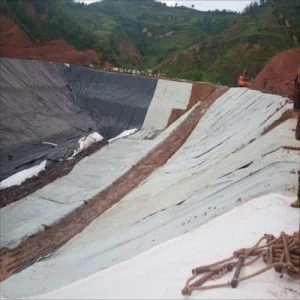
Composite geomembrane can be used in environmental protection fields such as wastewater treatment, sewage treatment, landfill and hazardous waste landfill, playing a good anti-seepage effect.
2. Hydraulic Engineering
Composite geomembrane can be used in DAMS, reservoirs, tunnels, Bridges, seawalls and other hydraulic engineering, which can prevent leakage and pollution well.
3. Agricultural Planting
Composite geomembrane can be used for orchard drainage, channel cover, film cover, pond dam cover and other agricultural construction, with a good anti-seepage effect.
4. Road Construction
Composite geomembrane can be used in tunnel, roadbed, bridge, culvert and other road construction fields to provide a reliable solution for road waterproofing.
Hydraulic Pressure & Thickness Standard Reference
Item
Thickness of geomembrane / mm
0.2
0.3
0.4
0.5
0.6
0.7
0.8
1.0
Hydraulic pressure / Mpa ≥
Geotextile+Geomembrane
0.4
0.5
0.6
0.8
1.0
1.2
1.4
1.6
Geotextile+Geomembrane+Geotextile
0.5
0.6
0.8
1.0
1.2
1.4
1.6
1.8
Frequently Asked Questions (FAQ)
What is a composite geomembrane and its main use?
Composite geomembrane is an impervious material composed of geotextile and geomembrane. It is primarily used to prevent seepage and leakage in various engineering projects.
What types and dimensions of composite geomembranes are available?
It is divided into "one cloth and one membrane" and "two cloth and one membrane". The width ranges from 4 to 6 meters, and the weight spans from 200g/m² to 1500g/m².
Can composite geomembranes withstand harsh environmental temperatures?
Yes, due to the selection of premium polymer materials and the incorporation of anti-aging agents during the manufacturing process, it performs reliably in unconventional temperature environments.
Which standards do these composite geomembranes conform to?
They comply with the GB/T17642-2008 national standards, showcasing high physical and mechanical performance metrics such as tensile, tear, and roof breaking strength.
Where are composite geomembranes typically applied?
They are widely utilized across water conservancy (dams, reservoirs), environmental protection (landfills, wastewater treatment), municipal projects, transport networks (subways, tunnels, roads), and agricultural irrigation structures.
How does thickness influence the hydraulic pressure rating?
Thicker membranes yield higher resistance to hydraulic pressure. For instance, a Geotextile+Geomembrane composite of 0.2mm resists hydraulic pressure up to 0.4 Mpa, while a 1.0mm thickness can withstand up to 1.6 Mpa under testing standards.
 Hongyue