CE Certification Sheet - type drainage board Supplier, Quotes

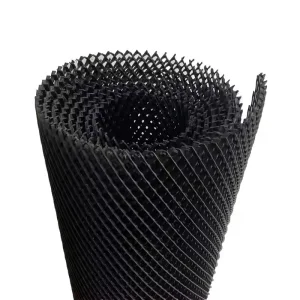
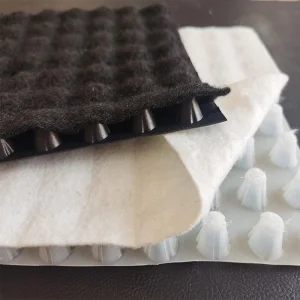
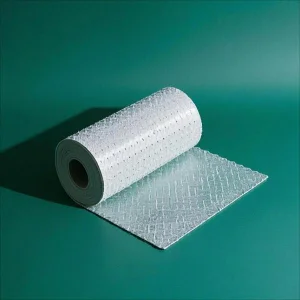
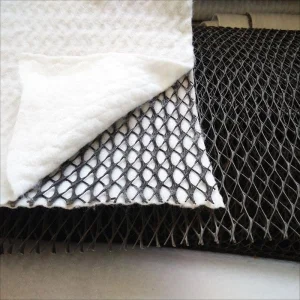
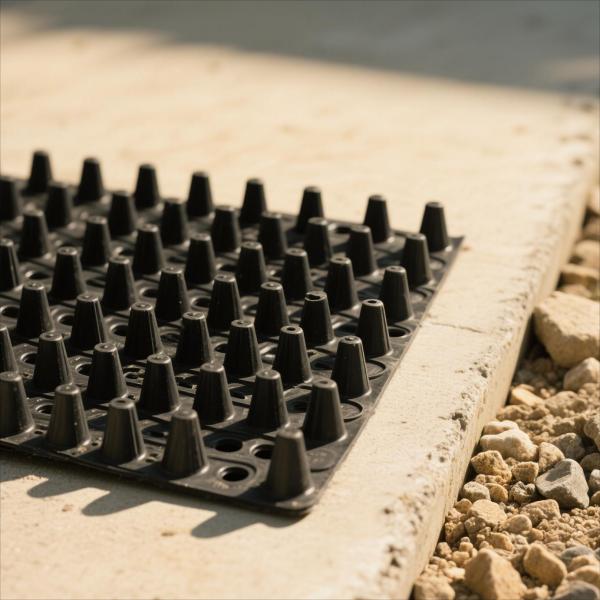
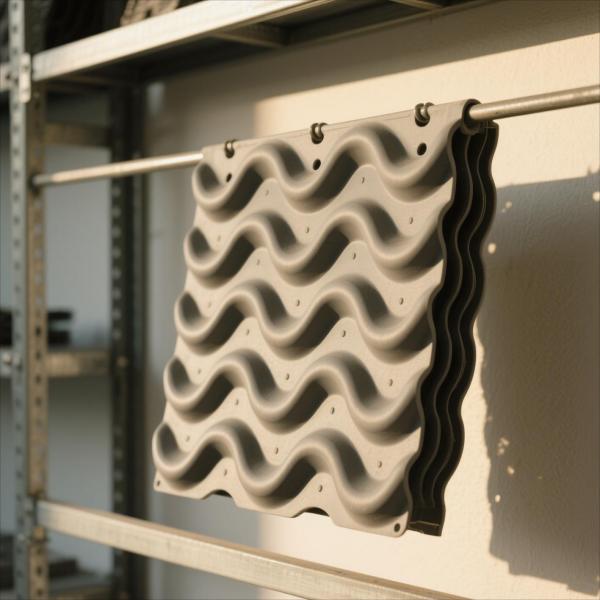
Sheet - type drainage board is a kind of geosynthetic material used for drainage. It is usually made of plastic, rubber or other polymer materials and is in a sheet - like structure. Its surface has special textures or protrusions to form drainage channels, which can effectively guide water from one area to another. It is often used in the drainage systems of construction, municipal, garden and other engineering fields.

Product Description

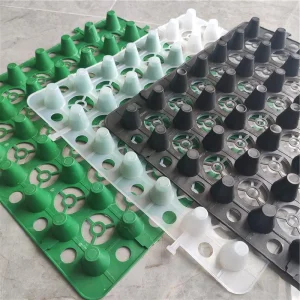
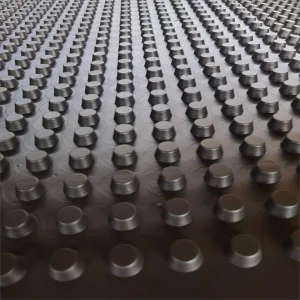
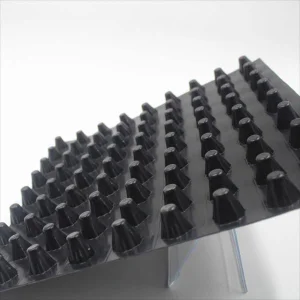
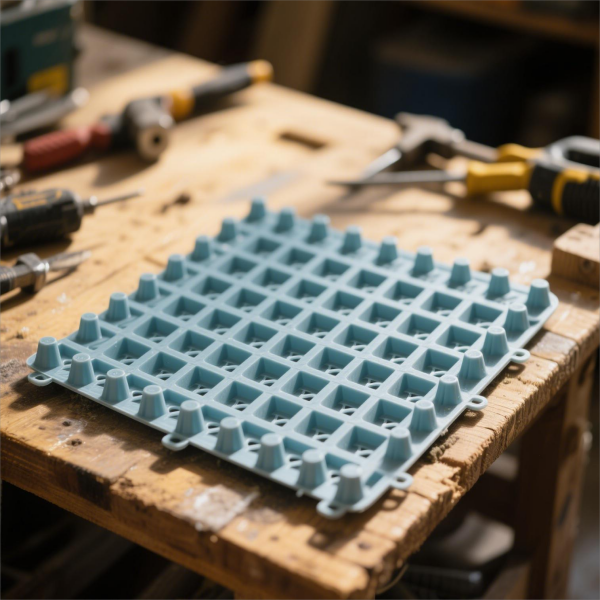
It is generally made of polymer materials such as plastic and rubber, with raised or sunken lines on its surface to form drainage channels. These lines can be in the shape of regular squares, columns, or other shapes, which can effectively guide the water flow. Meanwhile, it increases the contact area between the drainage board and the surrounding medium, improving the drainage efficiency. In addition, the edges of the sheet - type drainage board are usually designed with structures that are easy to connect, such as card slots or buckles, which are convenient for connection during construction to form a large - area drainage system.
Drainage Board
Performance advantages
Good drainage effect
It has multiple drainage channels, which can evenly collect and discharge water, allowing the water flow to pass through the drainage board quickly and reducing the phenomenon of waterlogging.
Flexible laying
With relatively small dimensions, it can be flexibly spliced and laid according to the shape, size, and specific requirements of the construction site. It is especially suitable for some areas with irregular shapes or small areas, such as the corners of buildings and small gardens.
High compressive strength
Although it is in the form of a sheet, through reasonable material selection and structural design, it can bear a certain amount of pressure and is not easy to deform during use, ensuring the stability and reliability of the drainage system.
Corrosion & aging resistant
The polymer materials used have good corrosion-resistant and aging-resistant properties, which can be used for a long time under different environmental conditions and are not easily affected by chemical substances, water, ultraviolet rays, and other factors in the soil.
Application fields
Construction engineering
Often used in the drainage systems of basements, roof gardens, parking lots, and other parts of buildings. In basements, it prevents groundwater from penetrating into the interior. In roof gardens, it avoids waterlogging at plant roots.
Municipal engineering
Applicable to road subgrades, squares, sidewalks, and other places. In road construction, it helps to drain water in the subgrade, improve structural stability and strength, and prolong the service life of roads.
Landscape engineering
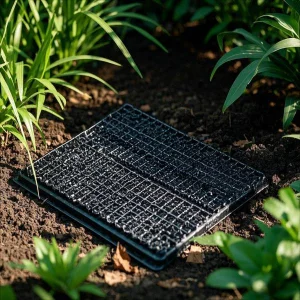
Suitable for flower beds, pools, green spaces, and other landscapes. It maintains appropriate soil humidity, promotes plant growth, and prevents landscape damage caused by waterlogging.
Parameter Specification
Material HDPE, PP, rubber, etc.
Color Black, white, green, etc.
Size Length: 10 - 50m (customizable); Width: within 2 - 8m; Thickness: 0.2 - 4.0mm
Dimple height 8mm, 10mm, 12mm, 15mm, 20mm, 25mm, 30mm, 40mm, 50mm, 60mm
Tensile strength ≥17MPa
Elongation at break ≥450%
Right - angle tear strength ≥80N/mm
Carbon black content 2.0% - 3.0%
Service temperature range - 40℃ - 90℃
Compressive strength ≥300kPa; 695kPa, 565kPa, 325kPa, etc. (different models)
Water drainage 85%
Vertical circulating capacity 25cm³/s
Water retention 2.6L/m²
Frequently Asked Questions
What materials are these drainage boards typically made of?

They are generally manufactured from high-quality polymer materials such as HDPE (High-Density Polyethylene), PP (Polypropylene), and synthetic rubber to ensure durability and chemical resistance.

What are the primary application fields for sheet drainage boards?

They are widely applied in construction engineering (basements, roof gardens, parking lots), municipal projects (road subgrades, sidewalks, public squares), and landscape engineering (flower beds, green belts).

How does the connection system work during construction?

The edges of the drainage board are specially designed with card slots or buckle structures, allowing for quick, easy, and secure connection to form a continuous, large-area drainage system.

What is the service temperature range of the drainage boards?

The boards are designed to perform reliably under extreme weather conditions, featuring an operating service temperature range of -40℃ to 90℃.

How do drainage boards prevent plant root rot in roof gardens?

By providing multiple efficient drainage channels, the boards quickly collect and direct excess rainwater away, keeping soil humidity balanced and preventing waterlogging at the roots.
Related Products