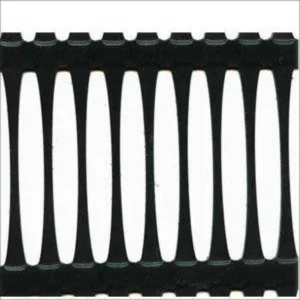
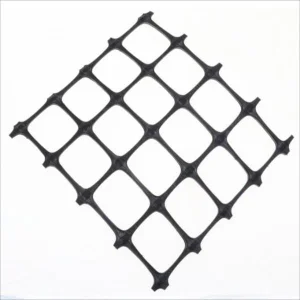
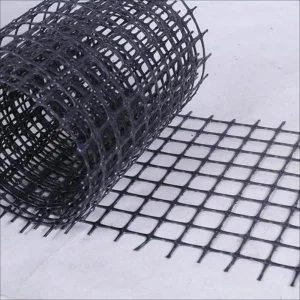
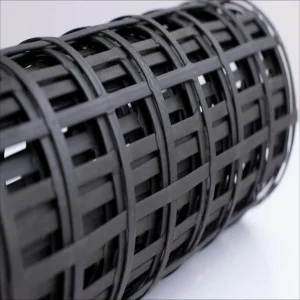
Explore our elite selection of uniaxially and biaxially stretched geogrids, composite geocells, and high-performance geomembranes built for heavy infrastructure.
An executive analysis of polymeric soil stabilization, international market demands, and ecological infrastructures.
The global civil engineering landscape is undergoing a massive transformation driven by rapid urbanization, climate change adaptation, and the critical need for sustainable infrastructure. At the core of this engineering evolution is the utilization of advanced geosynthetics. As a premier geogrid exporter, our focus extends beyond simple supply chain logistics; we deliver high-integrity mechanical properties that redefine structural soil reinforcement.
According to modern geotechnical research, using high-tensile polymer grid structures reduces the required thickness of road base courses by up to 50%, while extending the operational lifespan of pavements by over three times. Geogrids distribute localized load forces over a broader lateral plane, mitigating structural failure from differential settling. This structural performance makes them indispensable in civil development projects including railways, highways, airports, mine tailings containment, and complex industrial retaining walls.
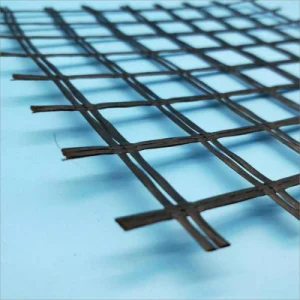
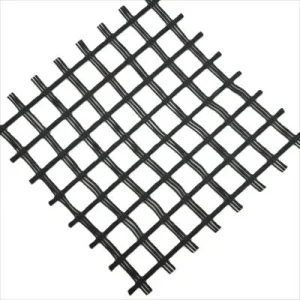
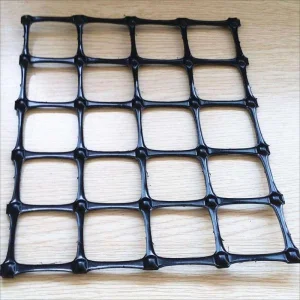
For international procurement departments evaluating a geogrid exporter, quality assessment hinges on key engineering criteria: junction efficiency, radial stiffness, and creep resistance. Modern polymeric geogrids rely on their grid apertures to physically lock the aggregate particles in place, a mechanism known as "interlocking." The strength of the ribs, and most importantly the joints (junctions), determines the reliability of this confinement under sustained cyclic loading.
Our company utilizes state-of-the-art co-extrusion and punching-stretching machinery to produce uniaxial and biaxially stretched grids with industry-leading junction integrity. Whether managing heavy axle loads in transcontinental rail corridors or stabilizing soft subgrades in marine environments, these polymeric structures maintain structural dimensions under intense tensile stresses, providing predictable support throughout project lifetimes.
Reducing aggregate extraction and long-distance transport is critical for reducing environmental impact. Modern geosynthetics replace traditional heavy-impact concrete and massive aggregate designs. By sourcing directly from verified exporters with established testing protocols, engineers achieve project cost reductions alongside verifiable carbon offset advantages.
A Pioneering Geotechnical Material Manufacturer Integrating Production, Design, Sales, and Advanced Construction Services.
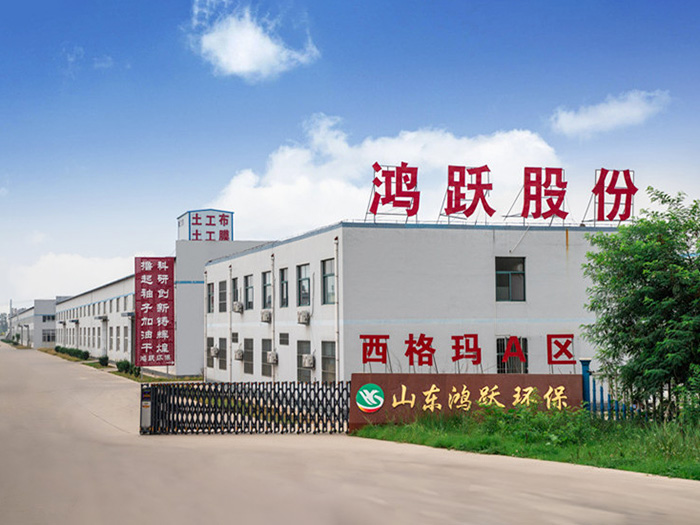
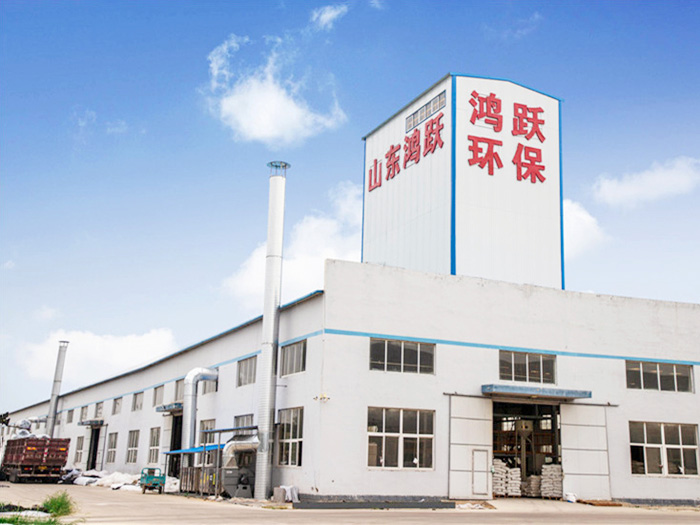
Established on April 6, 2023, and registered with the Market Supervision and Administration Bureau of Dezhou City with a capital of 105 million yuan, Shandong Hongyue Environmental Engineering Co., Ltd. has rapidly ascended to become one of the most prominent production bases of geotechnical materials in China.
Our facility is strategically located at the north end of Fufeng Street, Lingcheng District, Dezhou, Shandong Province. This location provides convenient transportation links, enabling rapid domestic and international shipping.
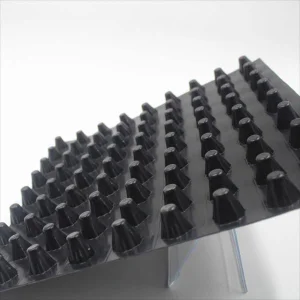
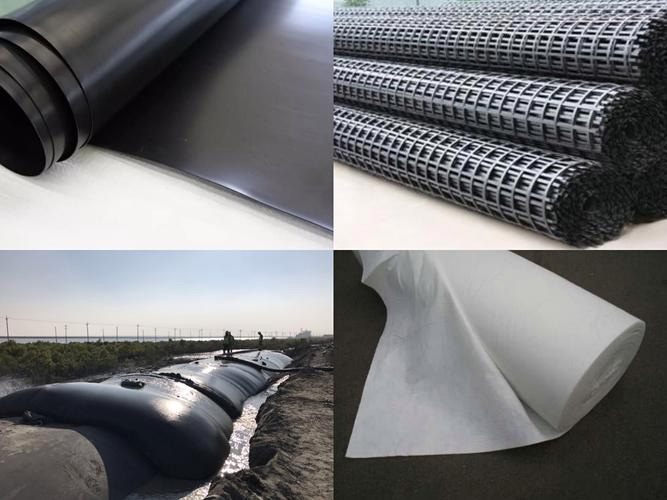
We supply a wide range of geosynthetic materials, including geotextiles, geomembranes, composite geomembranes, waterproof boards, bentonite waterproof blankets, 3D composite drainage nets, drainage boards, woven fabrics, cement blankets, ecological bags, and flexible pervious pipes. Our products are widely used in highways, railways, bridges, tunnels, canals, mining operations, agriculture, and water conservancy projects.
Translating material sciences into localized infrastructure solutions for harsh geographic environments.
In northern geographic regions, repeated freeze-thaw cycles cause subgrade deformation. Our biaxial geogrids isolate aggregate layers, preventing base contamination and maintaining load dispersion under frozen ground conditions.
Coastal highways suffer from low bearing capacity. High-tensile uniaxial and composite geogrids distribute heavy axle pressures, minimizing deep-seated settlement and structural deformation.
Our technical roadmap includes integrating fiber-optic lines directly into geogrid structures. This allows operators to track rib deformations and receive early warnings of soil movement in landslide-prone zones.
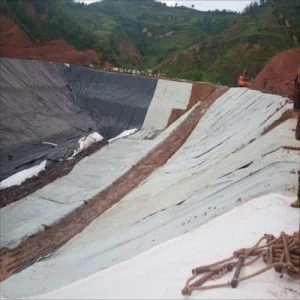
Our materials protect key environmental projects, stabilize waterways, and secure landfills worldwide.
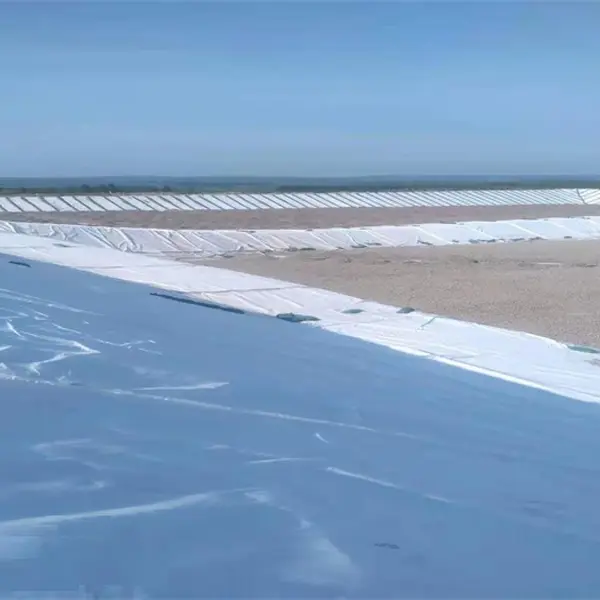
Providing multi-layer composite liners to eliminate water loss in agricultural canals and critical municipal reservoirs.
Learn More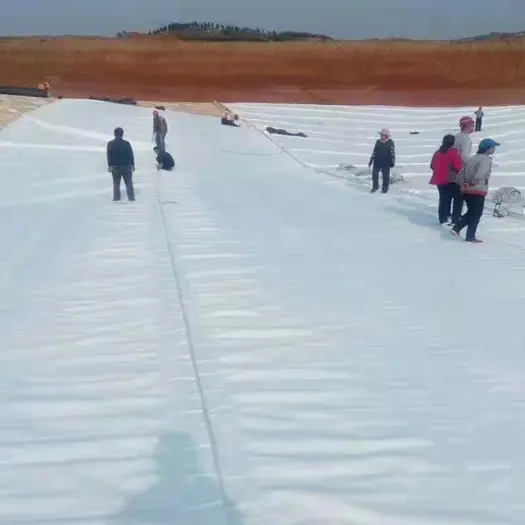
Reinforcing river slopes with concrete blankets and glass fiber grids to prevent environmental erosion during major flood events.
Learn More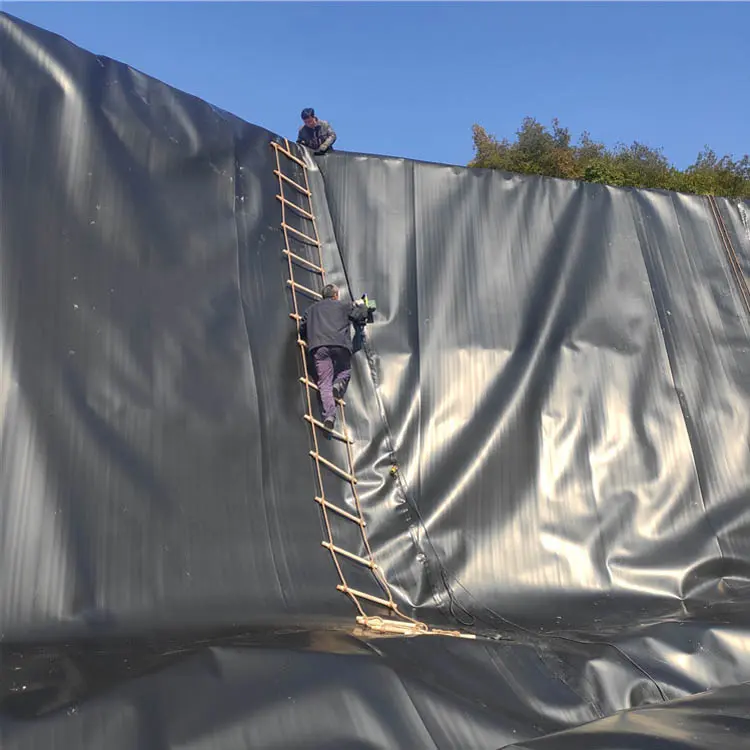
Using HDPE geomembranes to create robust containment systems that protect surrounding aquifers from hazardous leachate.
Learn More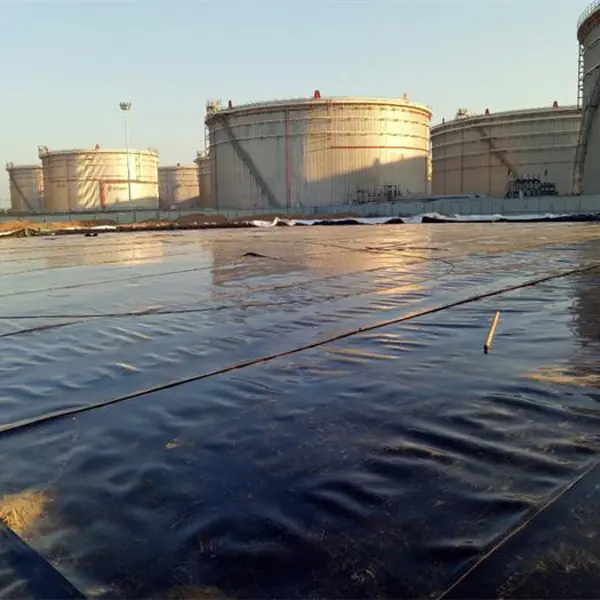
Engineered secondary containment systems designed to prevent hazardous leaks from agricultural and industrial chemical tanks.
Learn MoreA step-by-step overview of our ISO-certified manufacturing process, from raw materials to final shipment.
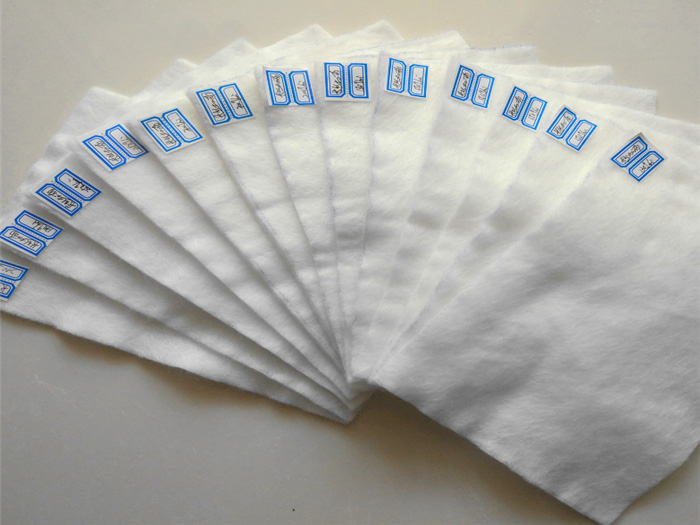
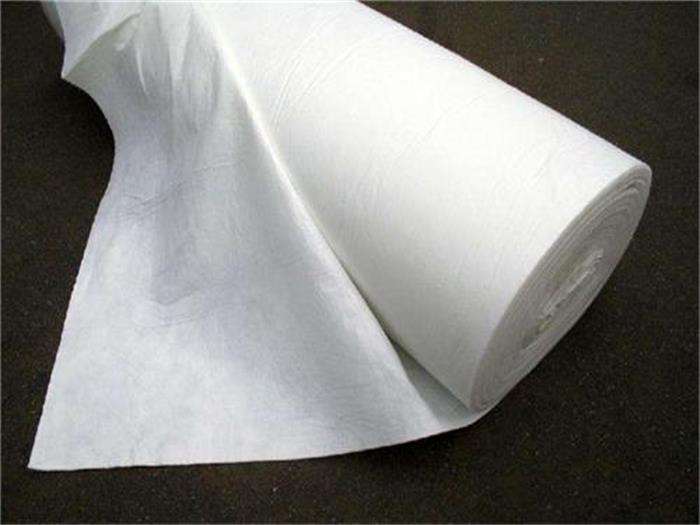
Geotextiles and geogrids serve critical functions in civil engineering including filtration, isolation, reinforcement, and drainage. At our manufacturing facility in Dezhou, Shandong, we use advanced technology to ensure our products meet strict international standards.
Our ISO9001, ISO14000, and ISO45001 certified production lines use high-grade polyester chips and polypropylene filament. Precise control over extrusion pressures and heating profiles ensures consistent quality across all production batches.
High-grade polyester chips, polypropylene filament, and viscose fibers undergo inspection and drying to ensure material purity and stability.
Polymers are melted at high temperatures and extruded through a screw extruder. Temperature and pressure are monitored to maintain polymer chain integrity.
The molten polymer is extruded through spinnerets to form fibers, which are laid onto a conveyor system to create a uniform, strong web structure.
The fiber web is stretched under controlled heat. This molecular alignment process increases the tensile strength of our uniaxial and biaxial geogrids.
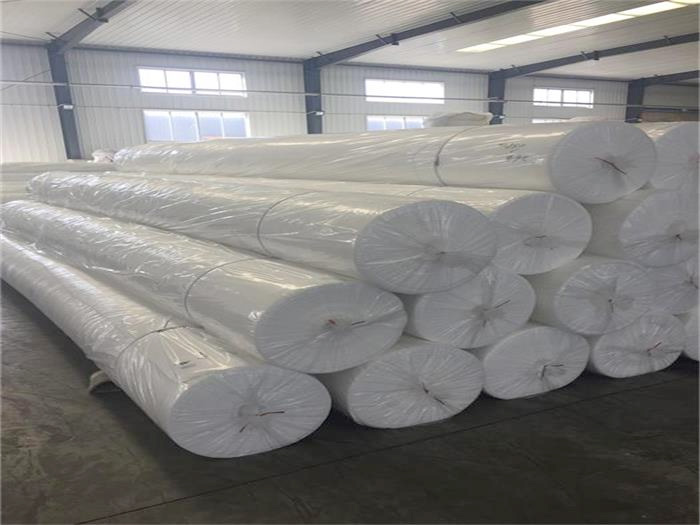
Cured materials are cut, rolled to specified lengths and widths, and wrapped in protective covers to prevent UV damage during transit.
Samples from each batch are tested for tensile strength, aperture stability, junction efficiency, and puncture resistance before shipment.
Professional guidelines for material selection, field laying, and joint welding to ensure long-term containment integrity.
The effectiveness of any seepage prevention system depends on selecting the right materials and using proper installation techniques. As a leading supplier and exporter, Shandong Hongyue provides complete technical support, helping engineers manage projects from initial design through to final quality assurance.
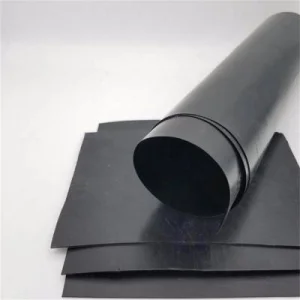
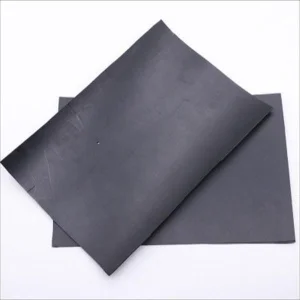
Whether using high-density polyethylene (HDPE) for chemical resistance in mining tailings or linear low-density polyethylene (LLDPE) for flexible covers, our materials provide reliable waterproofing and isolation performance.
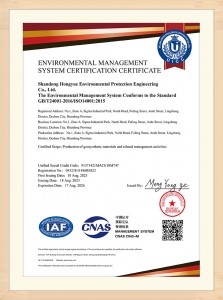
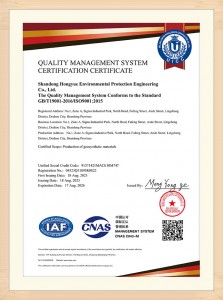
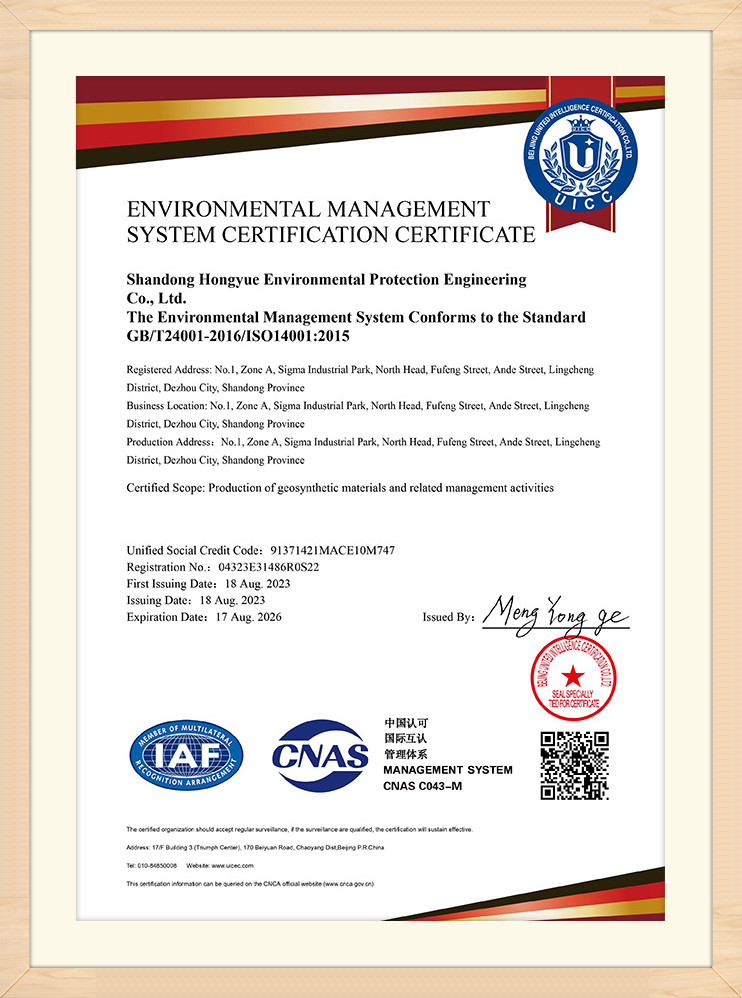
Our commitment to international quality, environmental responsibility, and workplace safety standards.
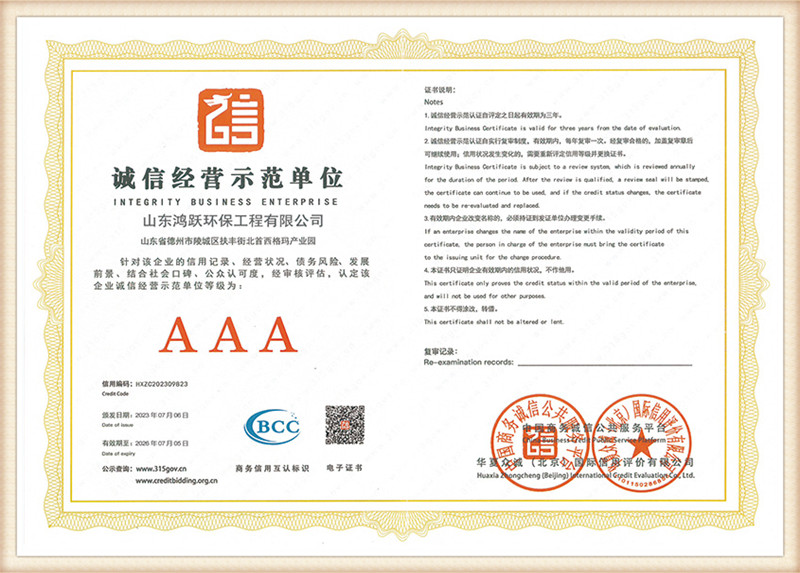
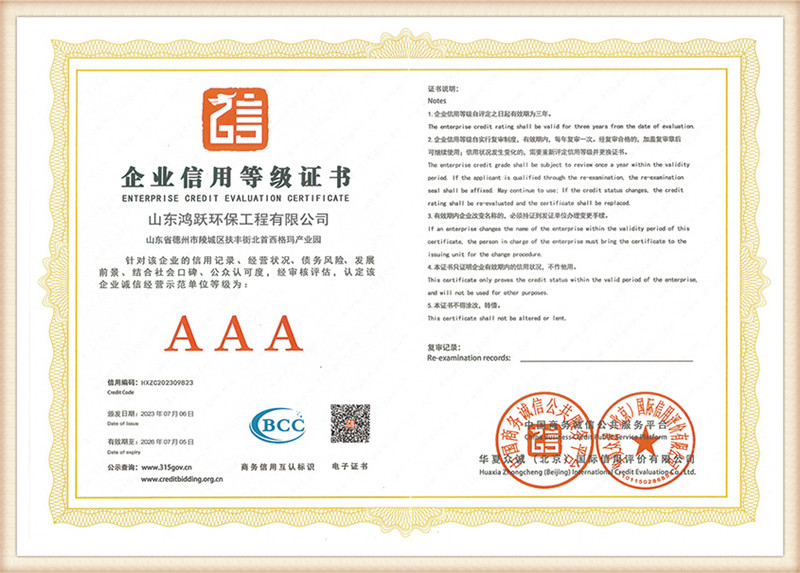
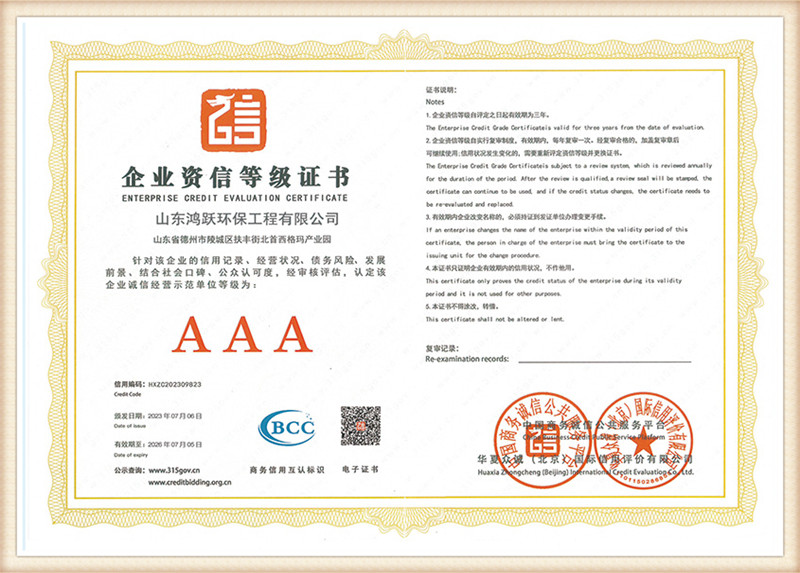
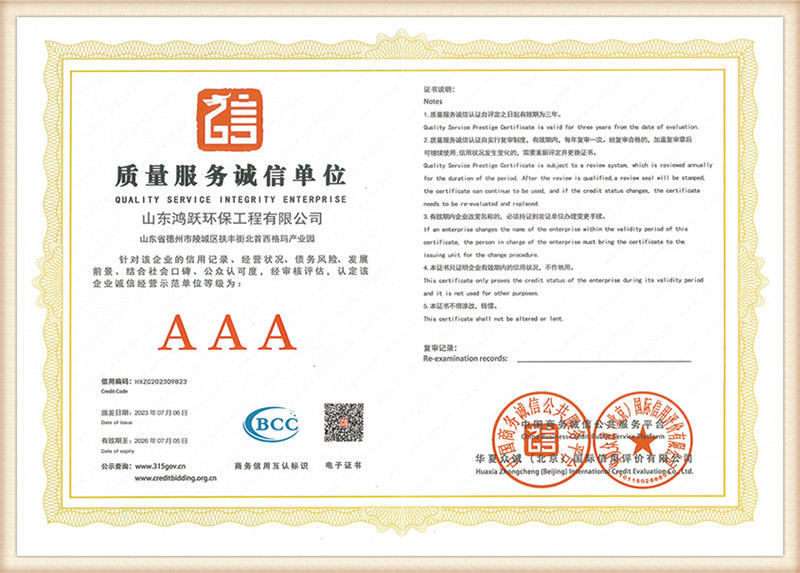
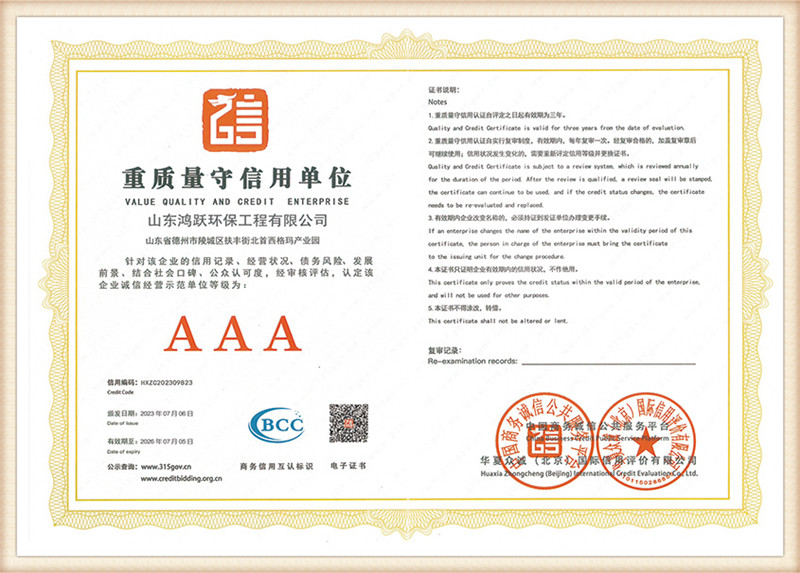
Shandong Hongyue operates under a comprehensive, scientific quality management system. The company has passed ISO9001:2015 International Quality Management System Certification, ISO14001:2015 Environmental Management System Certification, and ISO45001:2018 Occupational Health and Safety Management System Certification.
Our internal laboratory is equipped with precision testing instruments to verify the physical and chemical properties of our products. Every roll of geogrid, geomembrane, and geotextile is tracked from raw material input to final shipment, ensuring accountability at every stage of production.
Our products have been recognized with awards including "Green and Environmentally Friendly Building Material Products," "No Consumer Complaints," "Famous Chinese Brands," and "High-tech Industries." Shandong Hongyue materials are used in provincial and national infrastructure projects, and exported to markets including Europe, the United States, Australia, and Southeast Asia.
Using geosynthetics to control water loss and prevent structural erosion in hydraulic projects.
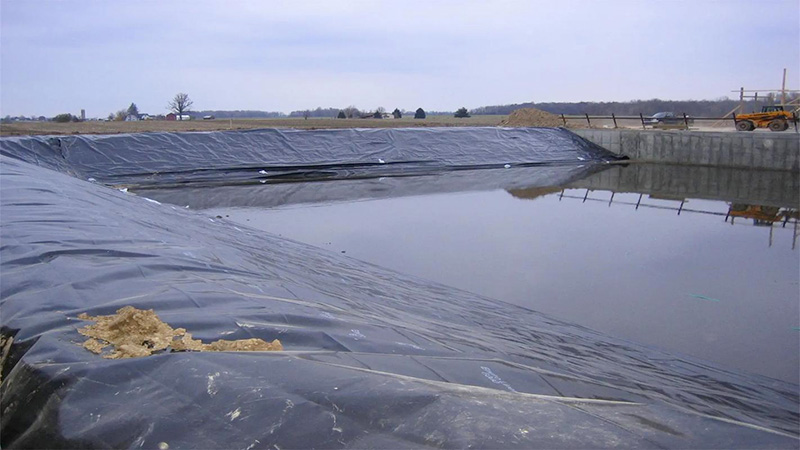
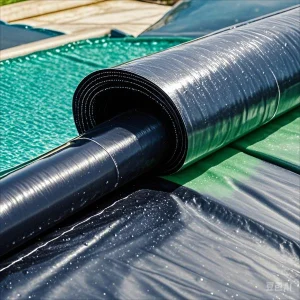
In hydraulic projects, geomembranes serve as an efficient anti-seepage barrier. Their flexibility and low permeability help prevent water loss in canals and protect surrounding soils from erosion.
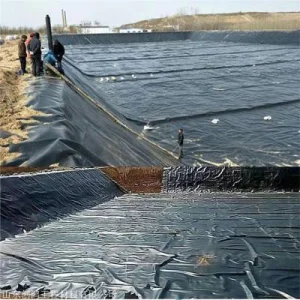
For reservoir construction, geomembranes are laid across the basin floor to prevent seepage into the underlying geology, protecting both the reservoir volume and the stability of the containment dams.
Levees and flood protection dikes require robust containment to prevent structural washouts. Incorporating high-strength geogrids and geocells reinforces the soil, helping the structures withstand peak flood pressures and high flow velocities.
For river channel lining and bank stabilization, our composite geotextiles and concrete blankets provide structural reinforcement while allowing vegetation growth. This supports ecological balance along the watercourse while protecting against active erosion.
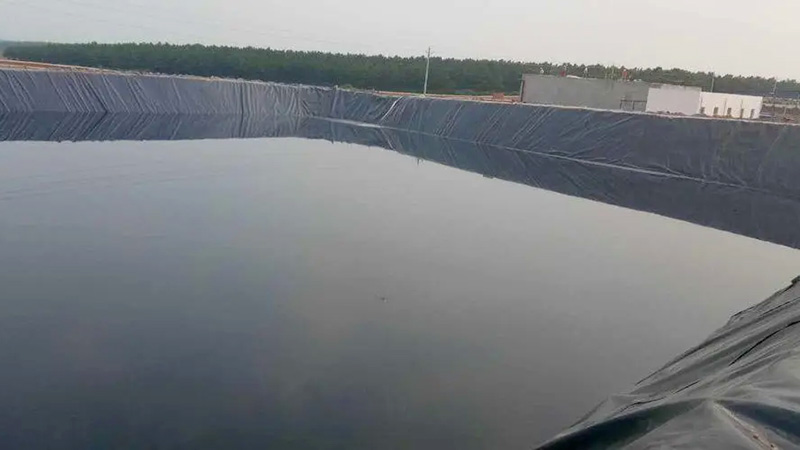
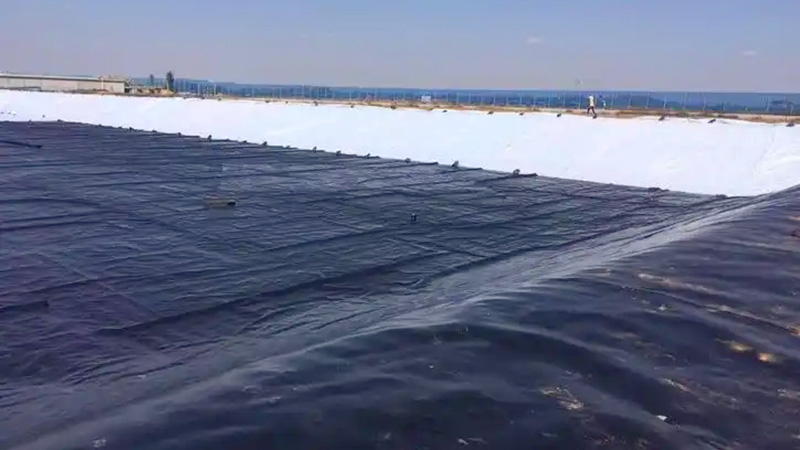
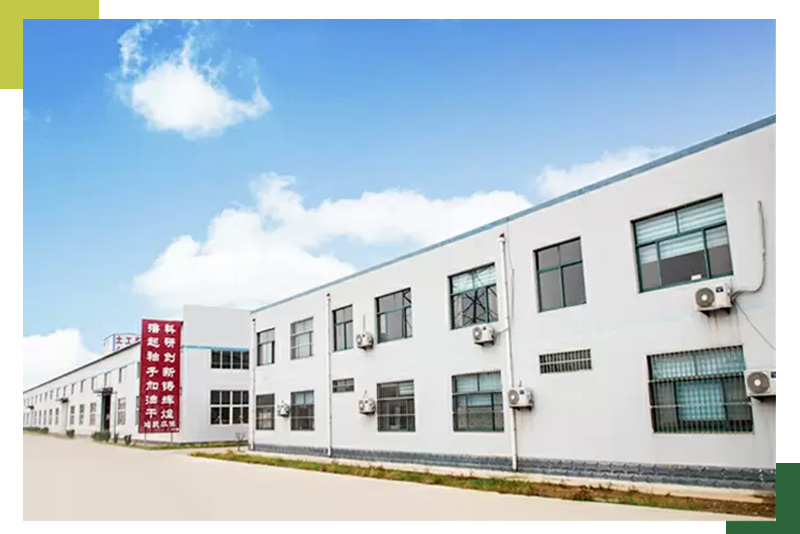
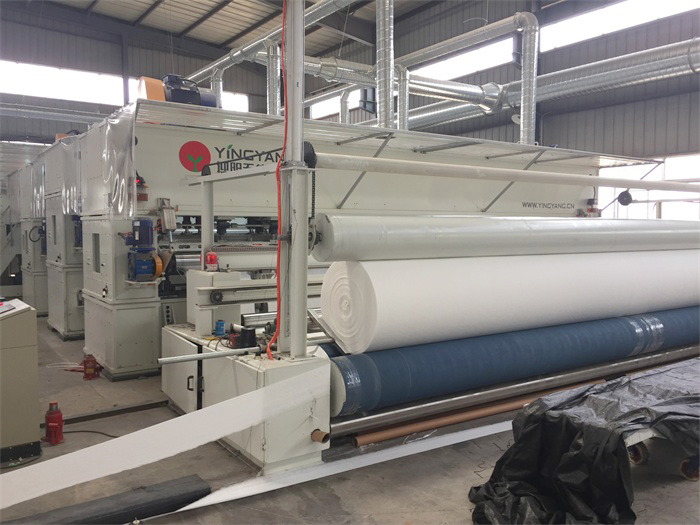
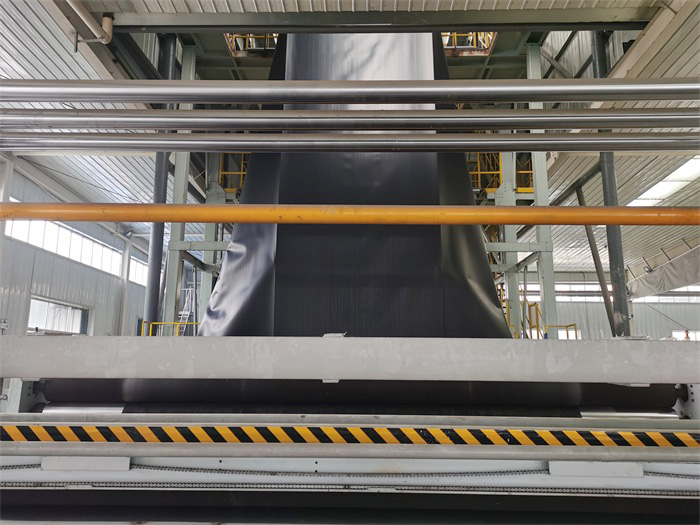
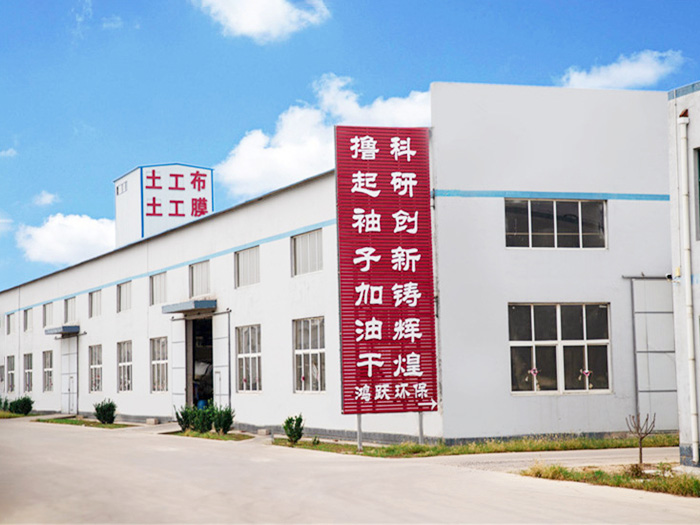
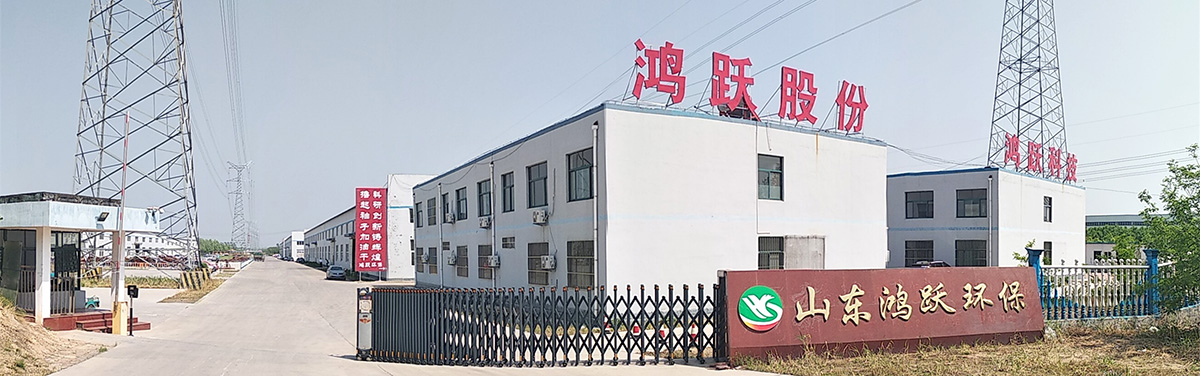
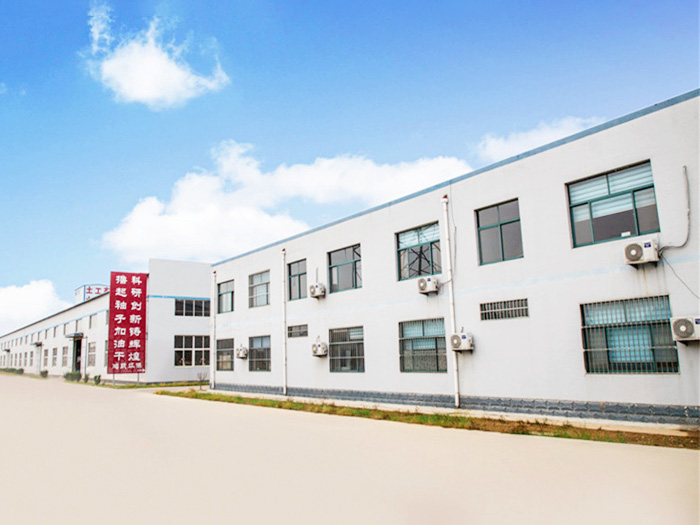
A look inside Shandong Hongyue's manufacturing, warehouse, and loading facilities.
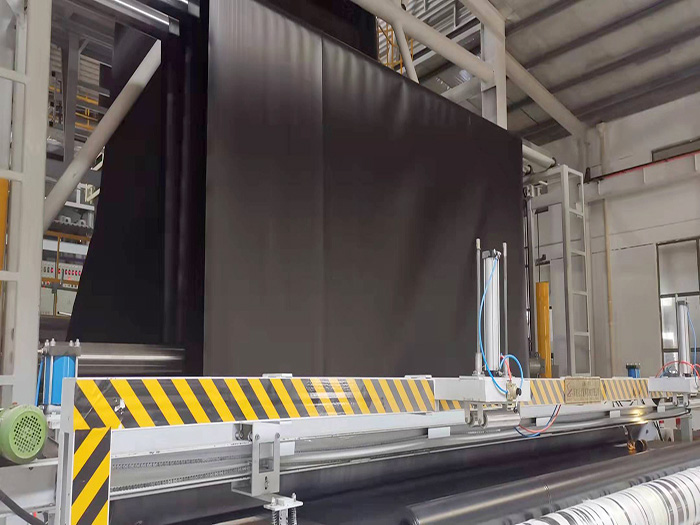
Technical guidance on geosynthetics, installation procedures, and industry standards.
Verify specifications, request certifications, and obtain quotes for your civil engineering materials.
 Hongyue