 Hongyue
1 / 4
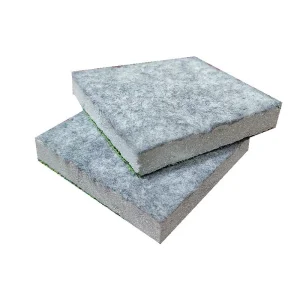
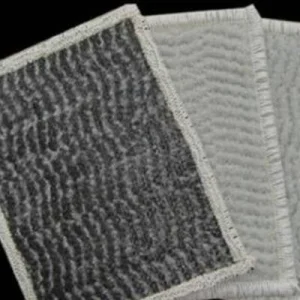
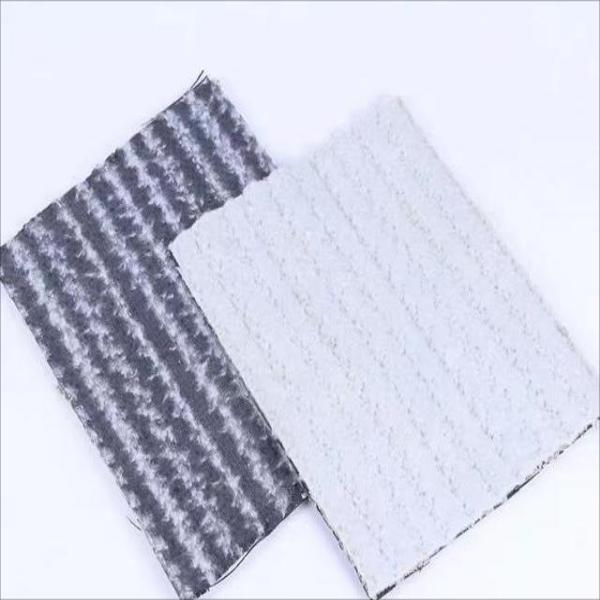
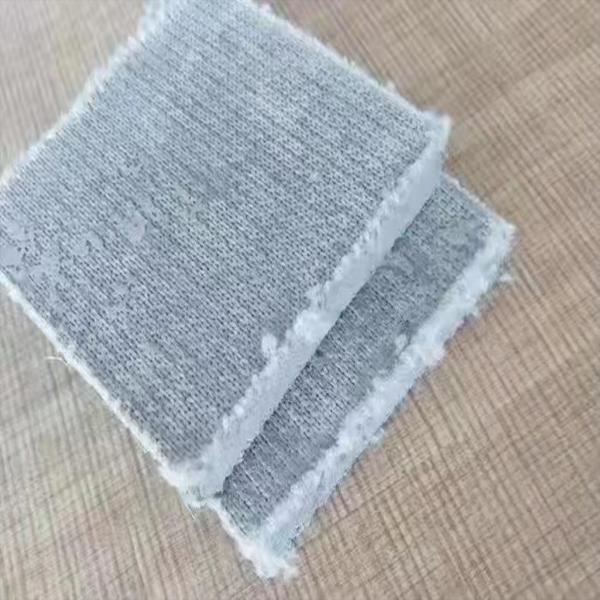
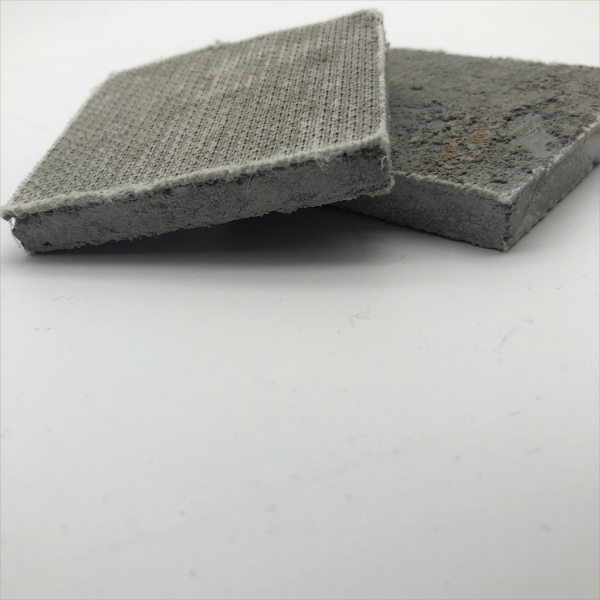
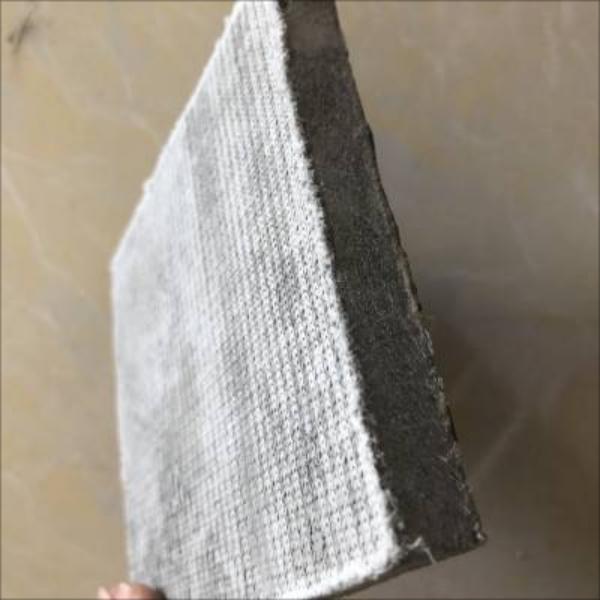
The combination of the high strength of glass fiber and the solidification characteristics of cement gives the glass fiber cement blanket high strength and good durability. It can withstand large pressures and tensile forces, and is less likely to crack or deform during long-term use. It can effectively resist the erosion of the natural environment, such as rain, wind erosion, ultraviolet rays, etc., and has a long service life.
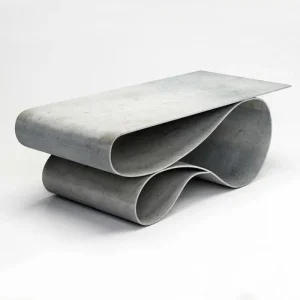
Compared with traditional cement products, the glass fiber cement blanket has better flexibility. This is because the flexibility of glass fiber allows the cement blanket to be bent and folded to a certain extent, enabling it to adapt to the construction requirements of different shapes and terrains. For example, when laying on curved pipes, arched walls or undulating ground, it can fit the surface well and ensure the construction quality.
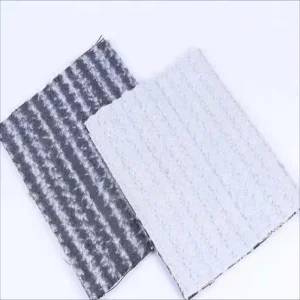
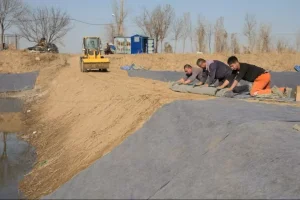
The glass fiber cement blanket is relatively light in weight and small in volume, making it easy to transport and handle. During the construction process, there is no need for a large number of formworks and support structures like traditional cement construction. It only needs to unfold the cement blanket and lay it in the required position, and then carry out watering and curing or natural solidification, which greatly shortens the construction period and improves construction efficiency.
After special treatment, the glass fiber cement blanket has good waterproof performance. The dense structure formed by the cement during the solidification process and the blocking effect of the glass fiber can effectively prevent the penetration of water. It can be used in some engineering parts with high waterproof requirements, such as waterproof treatment of roofs, basements, and water tanks.
The main raw materials of the glass fiber cement blanket are mostly inorganic materials such as glass fiber and cement, which do not contain harmful substances and are pollution-free to the environment. During the use process, it will not release harmful gases or pollutants, meeting environmental protection requirements.
In water conservancy projects, glass fiber cement blankets can be used for canal lining, dam slope protection, river regulation, etc. Its good waterproof performance and anti-scouring ability can effectively prevent the erosion of water flow on canals and dams, reduce leakage losses, and improve the safety and stability of water conservancy projects.
In road construction, glass fiber cement blankets can be used as road base or subbase materials, which can improve the bearing capacity and stability of the road. In some special sections, such as soft soil foundations and desert areas, glass fiber cement blankets can also play a role in strengthening and stabilizing the roadbed. In addition, in railway construction, it can be used for the protection and reinforcement of railway beds.
In the construction field, glass fiber cement blankets can be used for external wall insulation, heat insulation and decoration of buildings. When used in combination with thermal insulation materials, it can improve the thermal insulation performance of buildings and reduce energy consumption. At the same time, glass fiber cement blankets can also be made into decorative panels of various shapes and colors for the exterior decoration of buildings, enhancing the aesthetics of buildings.
In environmental protection projects, glass fiber cement blankets can be used for the anti-seepage treatment of landfills and the lining of sewage treatment tanks. Its waterproof performance and corrosion resistance can effectively prevent the leakage of landfill leachate and sewage, protecting the groundwater and soil environment.
| Parameter | Specification |
| Material Composition | Glass fiber fabric, cement-based composite material (cement, fine aggregates, additives) |
| Tensile Strength | [X] N/m (varies by model) |
| Flexural Strength | [X] MPa (varies by model) |
| Thickness | [X] mm (ranging from [minimum thickness] - [maximum thickness]) |
| Width | [X] m (standard widths: [list common widths]) |
| Length | [X] m (customizable lengths available) |
| Water Absorption Rate | ≤ [X]% |
| Waterproof Grade | [Waterproof grade level] |
| Durability | Service life of [X] years under normal conditions |
| Fire Resistance | [Fire resistance rating] |
| Chemical Resistance | Resistant to [list common chemicals] |
| Installation Temperature Range | - [X]°C - [X]°C |
| Curing Time | [X] hours (under normal temperature and humidity conditions) |