Engineered Solutions for Ecological Weed Control & Civil Infrastructure
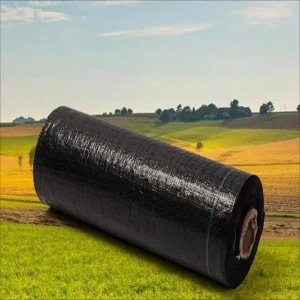
Modern global agriculture and civil engineering demand a shift away from chemical herbicides toward structural, sustainable ecological weed suppression systems. High-performance weed control cloth (often referred to as ground cover or grass-proof woven/non-woven fabric) acts as the foundation of this revolution. By providing physical blockades against sunlight while maintaining soil water permeability and aerobic respiration, professional-grade geotextiles optimize crop yields, prevent erosion, and secure long-term site stability.
As a leading supplier and manufacturer, Shandong Hongyue Environmental Engineering Co., Ltd. leverages structural material science to formulate fabrics that withstand extreme UV radiation, temperature shifts, and physical stresses, servicing major infrastructure and horticultural networks globally.
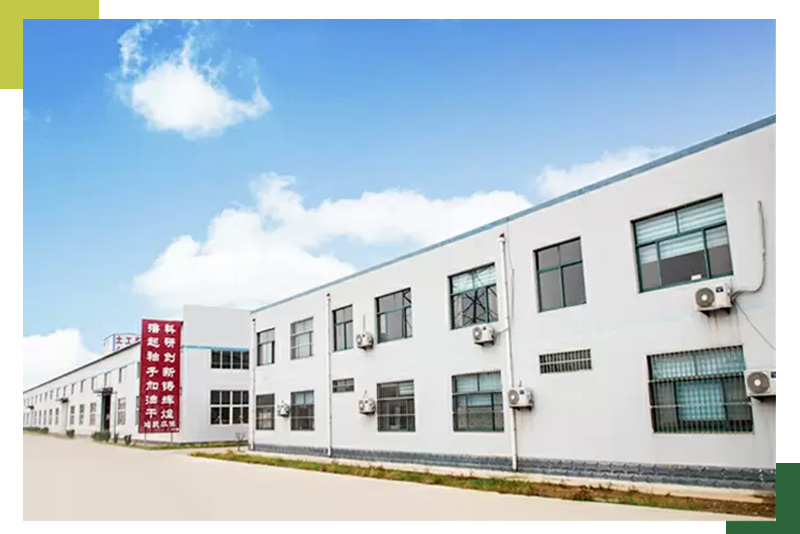
Shandong Hongyue Environmental Engineering Co., Ltd.
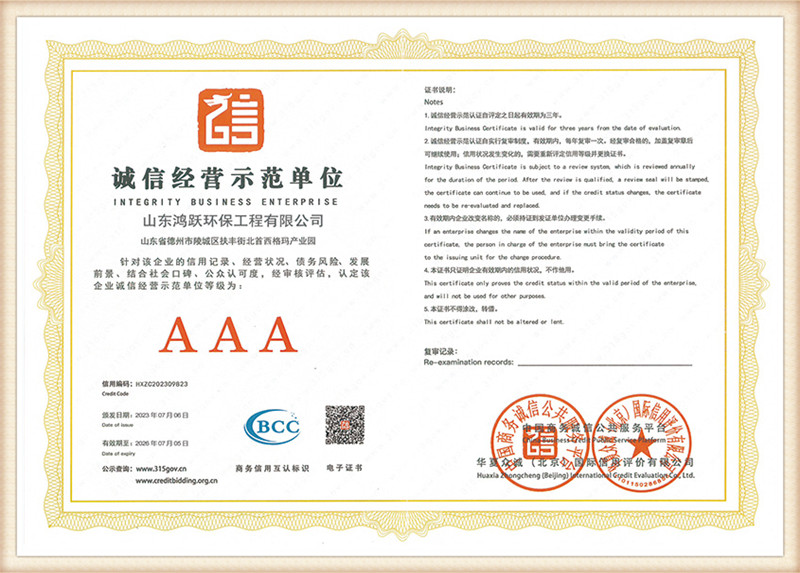
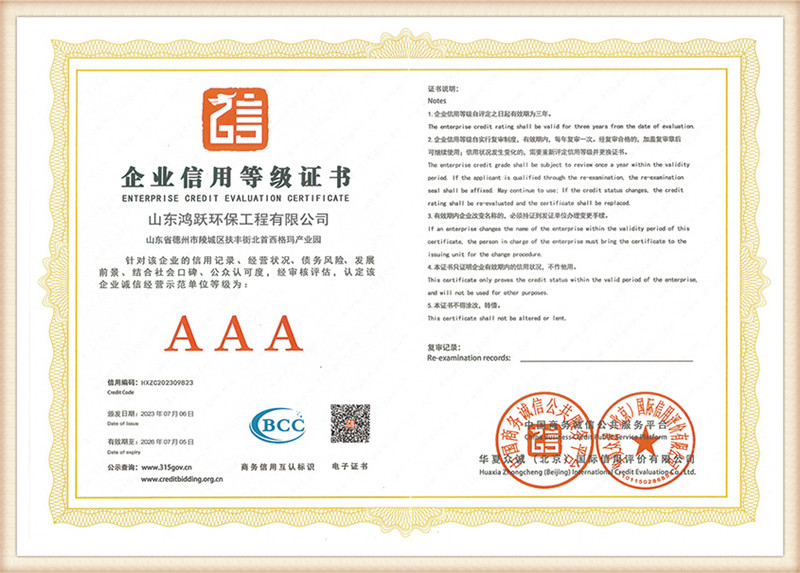
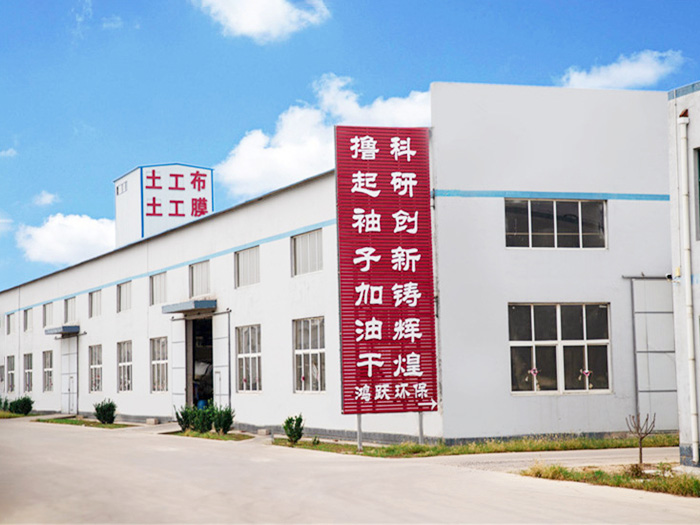
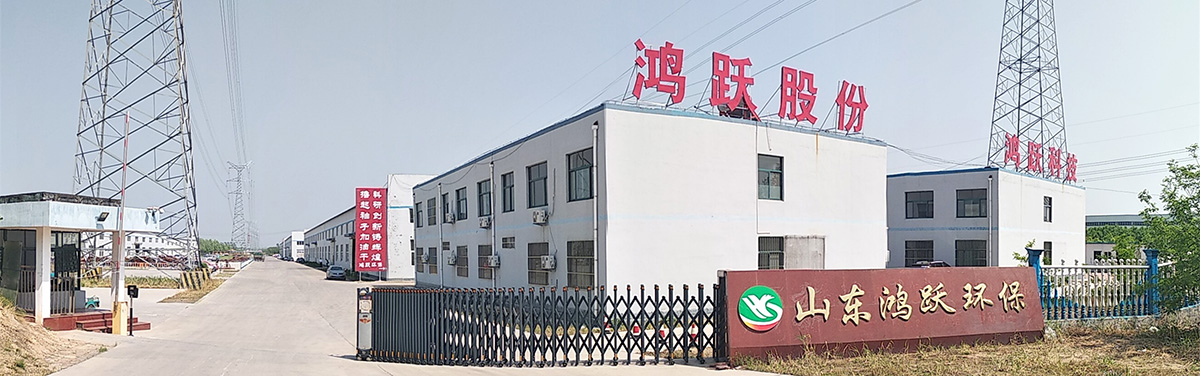
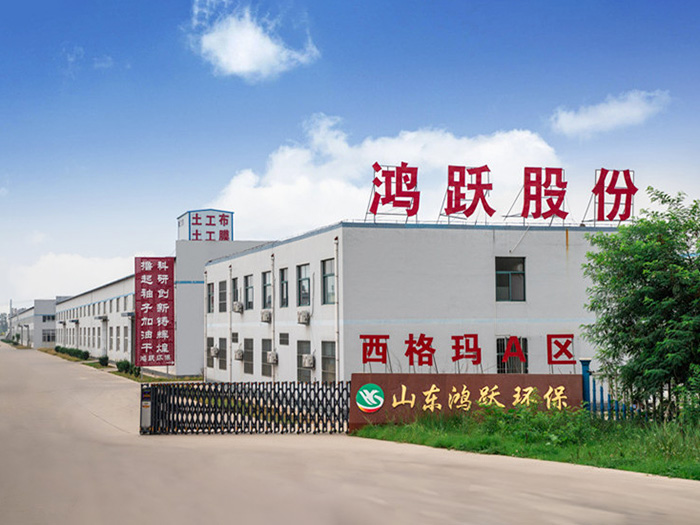
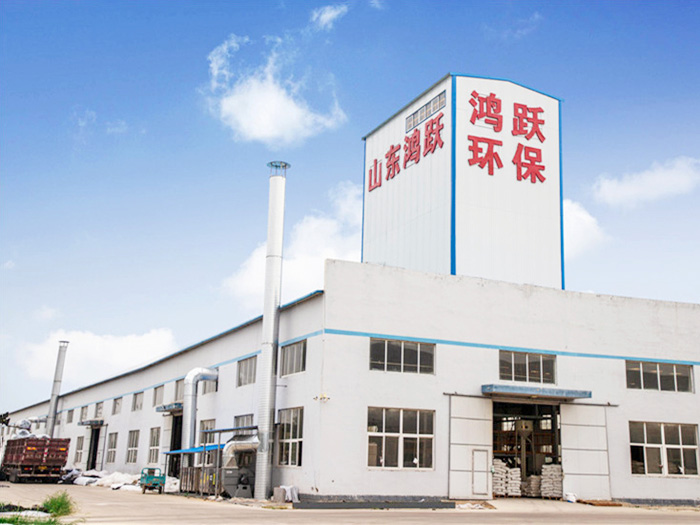
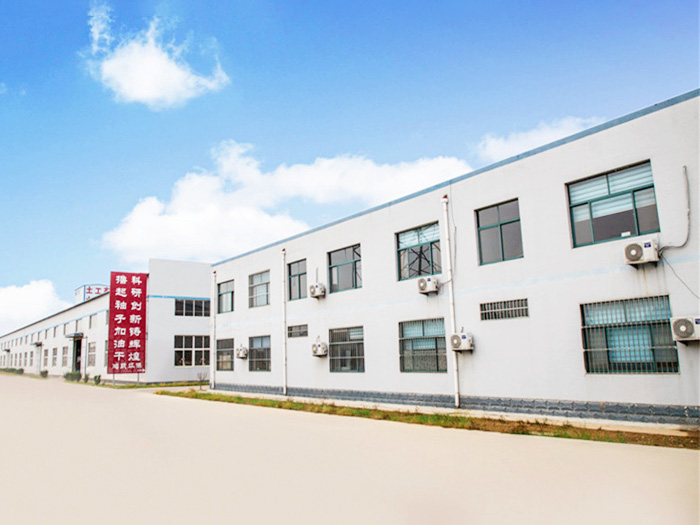
Established on April 6, 2023, and registered with the Market Supervision and Administration Bureau of Dezhou City, Shandong Province, Shandong Hongyue Environmental Engineering Co., Ltd. has rapidly emerged as one of China’s largest production bases for geotechnical and agricultural materials. Strategically positioned at the north end of Fufeng Street, Lingcheng District, Dezhou, our facility enjoys superior logistical connections, ensuring efficient shipping routes to major international ports.
We are active members of the Dezhou Geotextile Association, collaborating continuously with research institutes to redefine the limits of tensile strength, air permeability, and eco-friendly composition in polymer-based civil materials. Our production is optimized to support large-scale agricultural projects, municipal landscaping, transport networks, and civil engineering projects on an international scale.
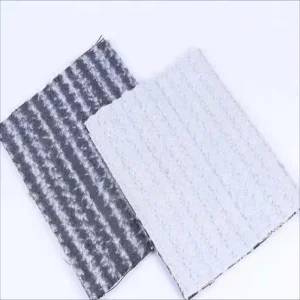
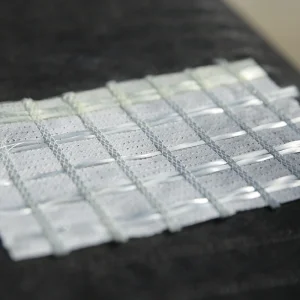
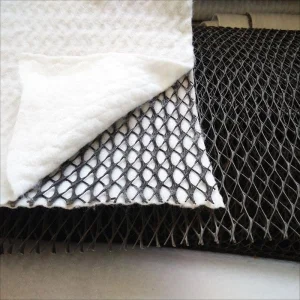
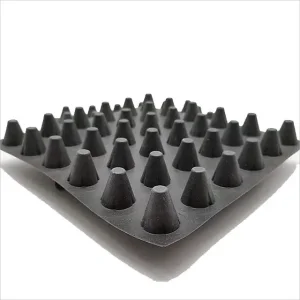
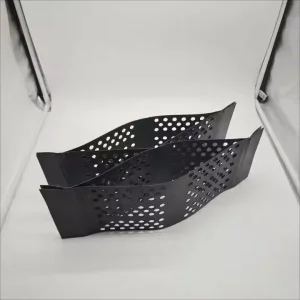
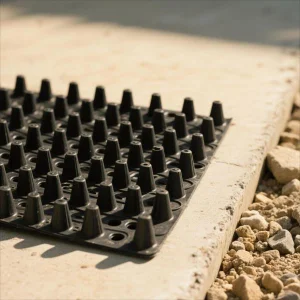
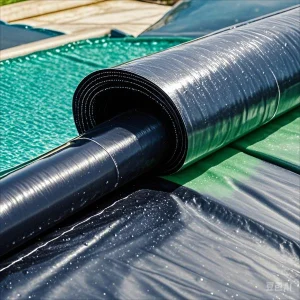
Beyond our flagship weed control cloths, Shandong Hongyue manufactures and distributes complete containment systems: geotextiles, geomembranes, composite geomembranes, waterproof boards, bentonite waterproof blankets, 3D composite drainage networks, geocells, cement blankets, ecological bags, and flexible pervious pipes. This integrated catalog ensures we can offer one-stop engineering procurement from base stabilization to top-tier vegetative control.
Comparative Material Science: Selecting Woven vs. Non-woven Fabrics
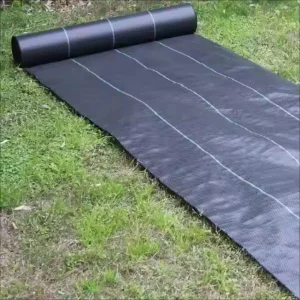
Engineered for maximum tensile strength and durability. Flat yarn structures facilitate excellent water-draining capabilities along the weave lines while blocking over 99% of photosynthetically active radiation (PAR). Best suited for open orchards, pathways, and commercial plant nurseries.
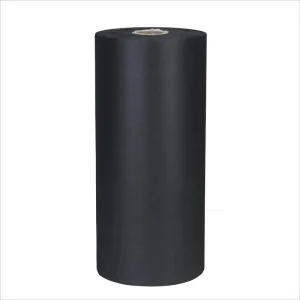
Created via needle-punching thermal bonding technology. Offers isotropic tensile properties, making it highly puncture-resistant. It provides exceptional water filtration capabilities, making it the ideal weed barrier under gravel paths or in delicate agricultural soils.
The cutting edge of sustainability. Synthesized from renewable resources like corn starch, these fabrics naturally degrade into non-toxic components after their service life (3-5 years), eliminating plastic waste and removal costs.
| Performance Metric | High-Density PE Woven Cloth | PP Needle-Punched Non-Woven | Biodegradable PLA Fabric |
|---|---|---|---|
| Tensile Strength (MD) | ≥ 15 kN/m | ≥ 8 kN/m | ≥ 10 kN/m |
| Water Permeability | Moderate (10-15 L/m²·s) | High (50-80 L/m²·s) | High (40-60 L/m²·s) |
| UV Lifespan (5% Carbon Black) | Up to 5 - 8 Years | 3 - 5 Years | Controlled Degradation (1-3 yrs) |
| Primary Application | Orchards, Berry Farms, Landscaping | Soil Stabilization, Drainage Cover | Organic Farming, Temporary Barriers |
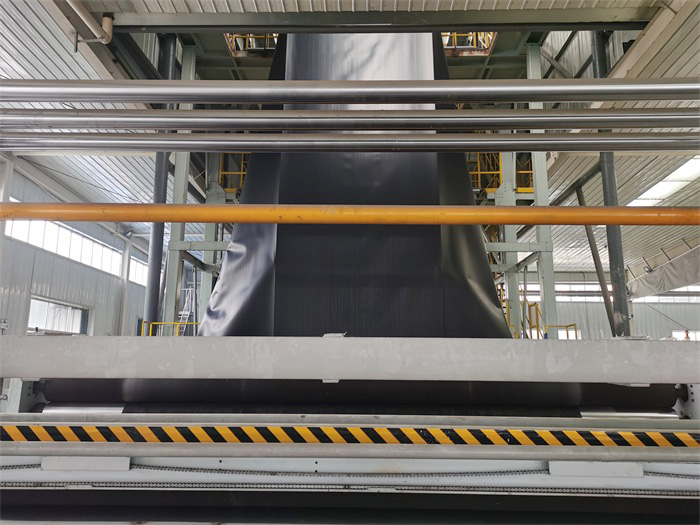
At Shandong Hongyue, quality control is integrated directly into the physical manufacturing sequence. Our manufacturing processes utilize automated polymer feeding systems, high-speed tape extrusion lines, circular looms, and precise thermal calendar systems. This continuous process guarantees consistency in weight, thickness, tensile capacity, and UV distribution across thousands of linear meters.
Every batch of weed control cloth undergo comprehensive mechanical and hydraulic testing. We operate on-site testing chambers measuring tensile load capacity, trapezoidal tear resistance, water flow rates, and accelerated UV aging (using QUV weathering testers) in complete compliance with international standards.
Virgin PP/PE pellets are combined with high-grade carbon black, UV stabilizers (HALS), and thermal stabilizers to guarantee resistance against structural deterioration and photo-oxidation.
The mixture is processed inside a temperature-controlled screw extruder, formed into thin sheets, and slit into precise structural tapes. The draw ratio is carefully adjusted to maximize molecular orientation.
For woven fabrics, high-speed circular looms structure the tapes into clean, consistent grids. For non-wovens, micro-needles interlock the fibers before thermal calendering secures the final thickness.
Finished rolls are sampled to check physical weight, tensile limit, puncture resistance, and water permeability. Roll dimensions are finalized, wrapped in UV-protective film, and cataloged for traceability.
Addressing B2B Buyer Pain Points: Specifications, Customs, and Customization
Enterprise-level B2B procurement of weed control cloth demands more than just low pricing. Buyers look for long-term product durability, supply security, regulatory compliance, and customized sizing options. Shandong Hongyue delivers specialized configurations for global distributors, commercial farming networks, and landscaping contractors:
Combining Soil Stabilization with Vegetative Control
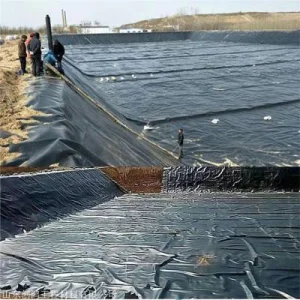
Weed control cloth is a vital component of larger geotextile systems designed to protect soil structure and handle water movement. In civil and hydraulic engineering, ground covers prevent soil erosion on slopes, protect reservoir liners from root damage, and reinforce river channels.
By preventing invasive vegetation growth, Shandong Hongyue’s materials protect geomembranes, drainage systems, and concrete structures from mechanical root damage. This prolongs the design life of hydraulic structures, agricultural ponds, and landfill containment facilities.
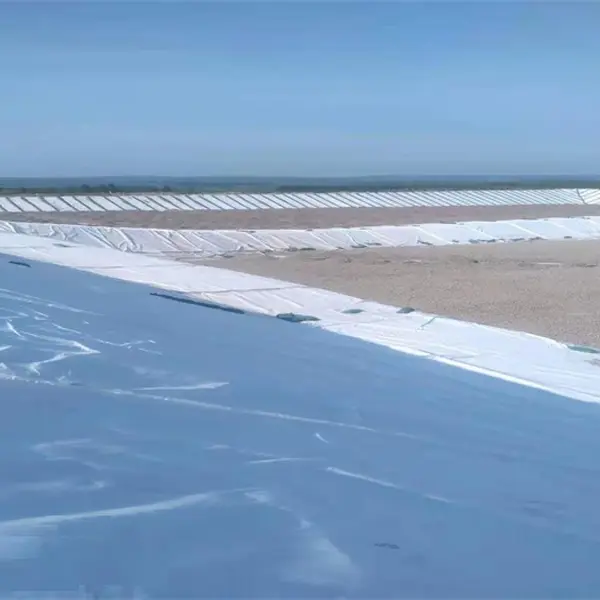
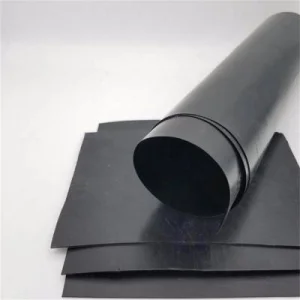
Geomembrane application combined with backing geotextiles to protect water resource canals from leakage and soil erosion.
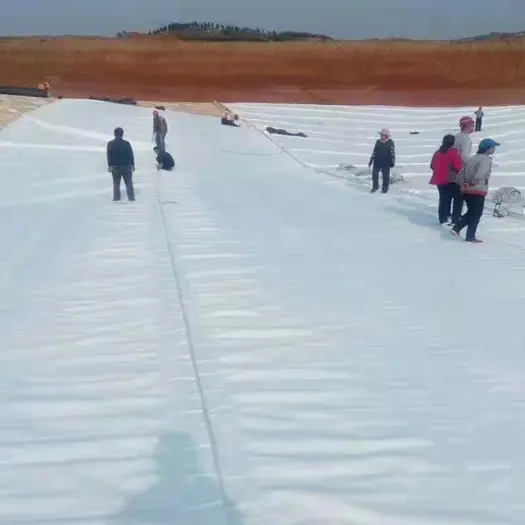
Heavy-duty ground cover systems installed beneath concrete canvas or stone block to prevent water channels from scouring.
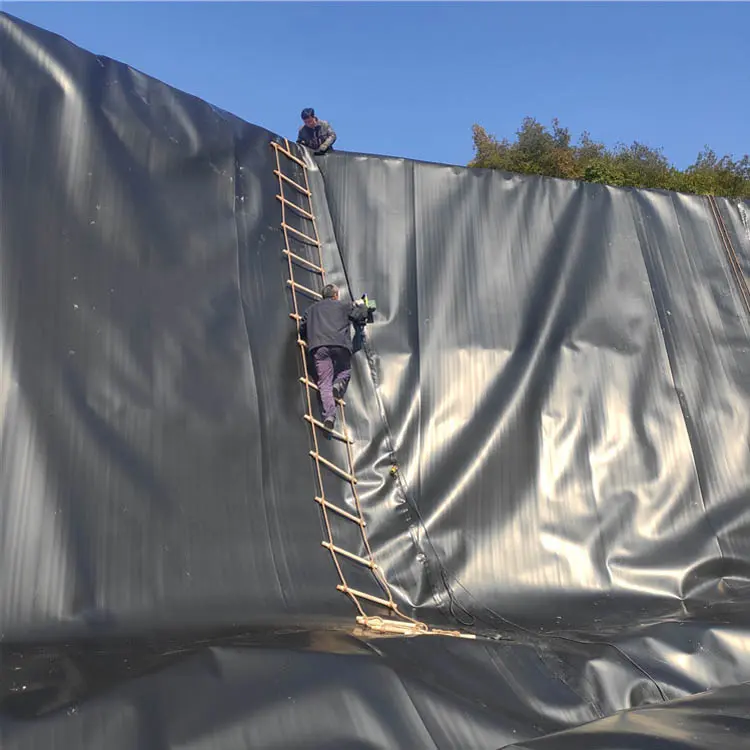
Composite layer structures designed to seal hazardous waste materials, block weed growth, and support native plant restoration.
Operational Transparency & International Standards Compliance
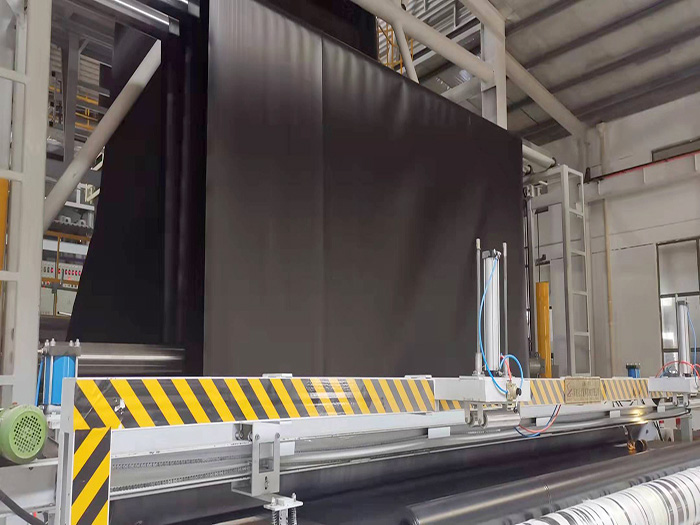
Heavy Extrusion Line
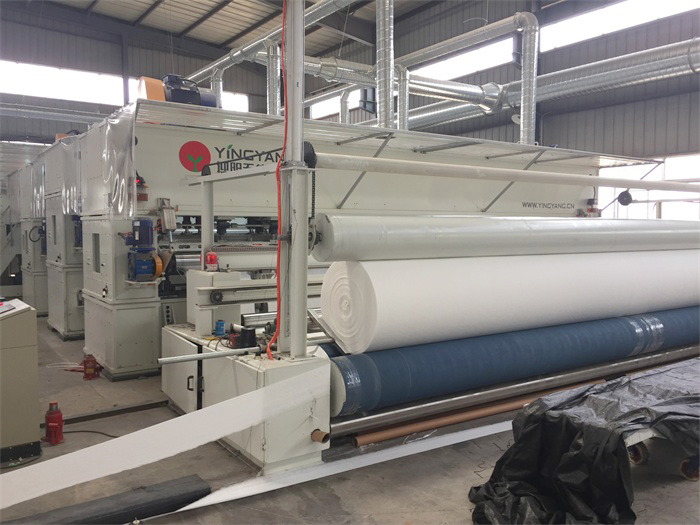
Weaving Looms
Extruded PP Yarn Spooling
Automatic Packaging Machine
Needle-Punching Line
Visual Quality Inspection
Warp Knitting Plant
Global Logistics Center
In-Depth Design, Installation, and Sourcing Information
PP (Polypropylene) needle-punched non-woven fabrics feature a porous structure that offers superior water filtration, soil drainage, and puncture resistance, making them ideal for sub-surface filtration. PE (Polyethylene) woven weed control cloth features a flat-tape weave structure that provides high tensile strength and blocks sunlight to suppress weeds. This makes PE fabrics best suited for open orchards and nursery ground installations.
Unstabilized PP and PE break down within months under direct sunlight. To prevent this, we add HALS (Hindered Amine Light Stabilizers) and carbon black masterbatch. Our formulations are tailored to withstand solar exposure levels between 100 to 140 KLY/year, giving them a design life of 5 to 8 years in field conditions.
Yes. By adjusting weave tension and density (from 90g/m² to over 150g/m²), we produce fabrics with warp tensile strengths exceeding 20 kN/m. These high-grade fabrics easily support tractors, ATVs, and heavy nursery carts without tearing or splitting.
High water and air permeability are essential for healthy soil. Our fabrics allow water and gaseous exchange to prevent anaerobic conditions, maintaining the soil microbiome while keeping root temperatures stable. This helps protect soil structure and encourages root development.
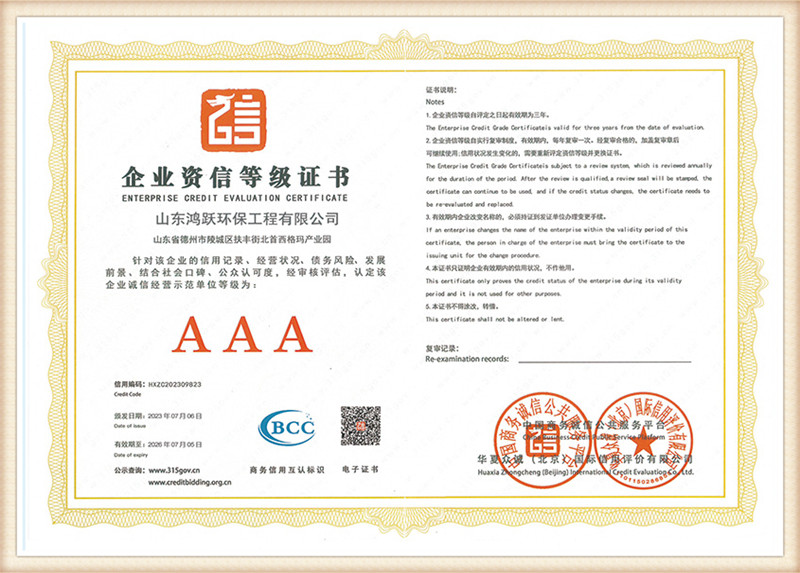
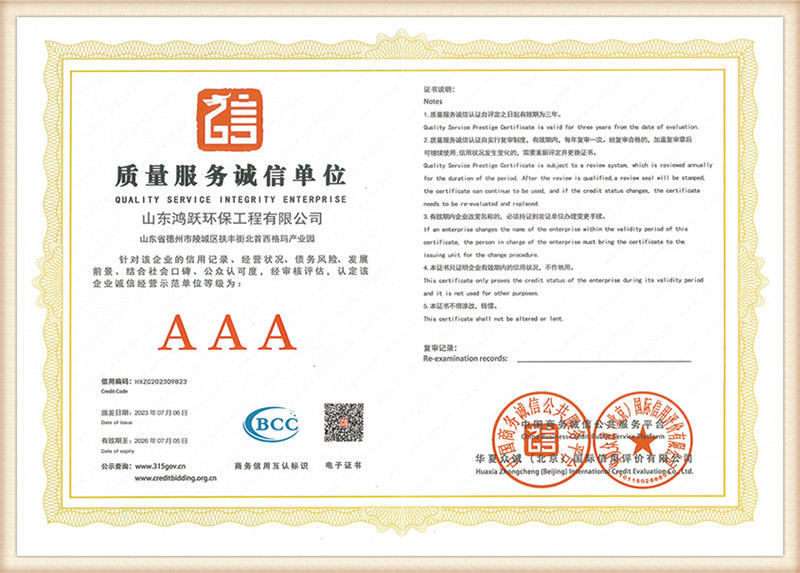
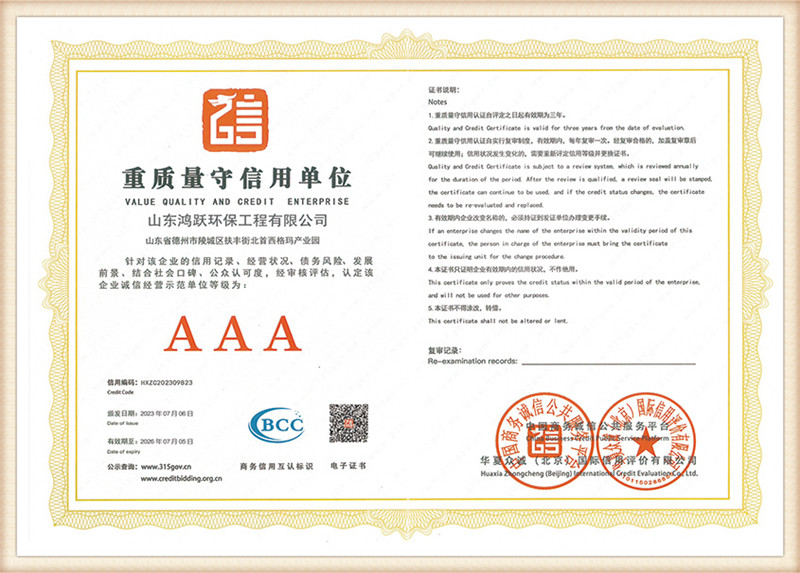
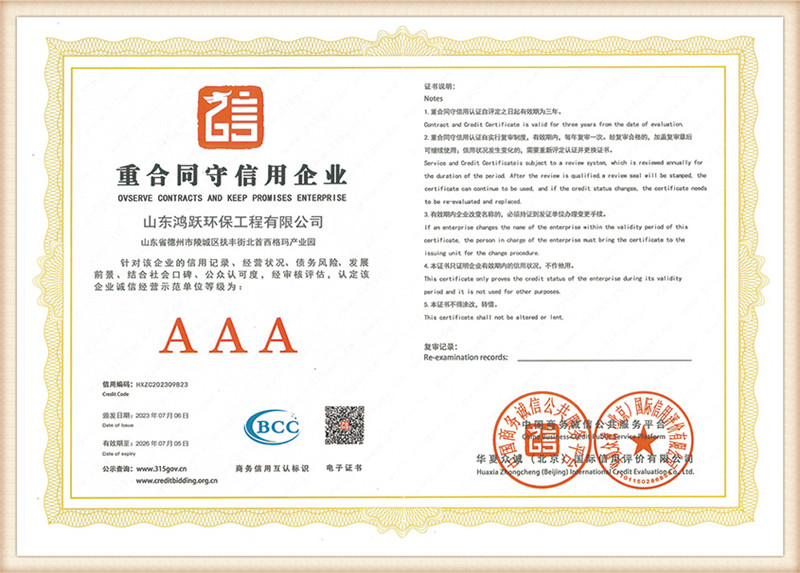
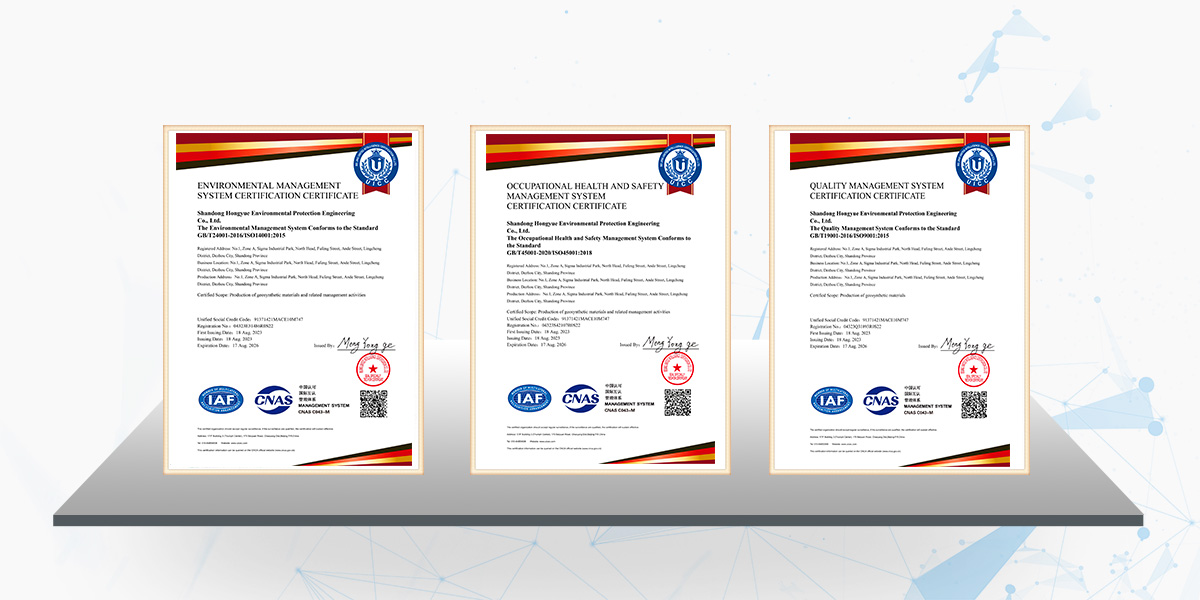
Shandong Hongyue operates in compliance with ISO9001:2015 (Quality), ISO14001:2015 (Environment), and ISO45001:2018 (Occupational Health). Our products have passed testing by the National Center for Testing of Agricultural & Civil Materials and carry CE certification for European projects.
Yes. We offer custom rolls in widths up to 6 meters and lengths from 50 to 500 meters. We can also print custom gridlines or planting indicators on the fabric to simplify plant alignment during installation.
For standard flat installations, we recommend a minimum overlap of 15 to 20 cm at the seams. For slopes, increase the overlap to 30 cm and secure the fabric with metal anchoring pins at 1-meter intervals to prevent sliding.
We pack our rolls on heavy-duty cardboard cores, wrap them in water-resistant UV-stabilized stretch film, and secure them with lifting slings. We optimize our loading designs to maximize container volume, reducing shipping costs per roll.
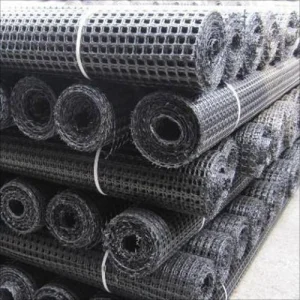
Complete Engineering Geogrids, Drainage Boards, and Waterproof Membranes
 Hongyue