Engineered to withstand extreme mechanical loads and deliver exceptional hydraulic performance across diverse environmental conditions.
In contemporary civil engineering, infrastructure longevity is intrinsically tied to hydrologic management. Accumulations of subsurface moisture or trapped liquids pose structural risks to foundations, railways, landfills, and retaining structures. Traditional mineral drainage configurations (granular aggregate strata and sand beds) exhibit critical vulnerabilities under cyclic loading conditions: they are prone to mechanical shifting, particle migration, and gradual progressive clogging.
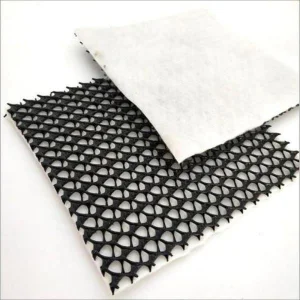
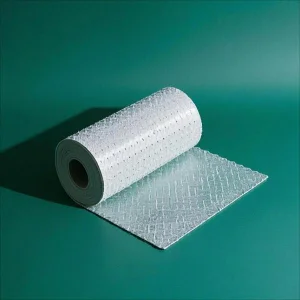
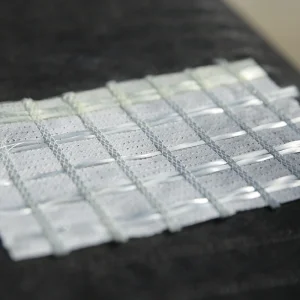
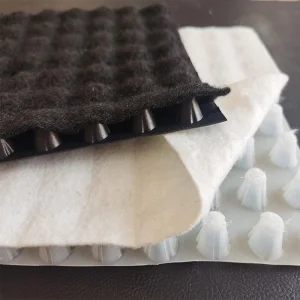
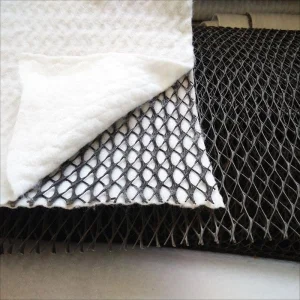
The emergence of three-dimensional composite drainage networks has transformed soil drainage engineering. Comprising a spatial HDPE core heat-bonded to high-performance non-woven needle-punched geotextiles, these systems yield an internal flow path that performs reliably under extreme normal pressures. This structural architecture ensures fluid transmissivity, prevents soil encroachment, and supports high structural integrity.
Critical Engineering Functions:
How structural properties and polymer chemistry dictate long-term durability in underground geotechnical projects.
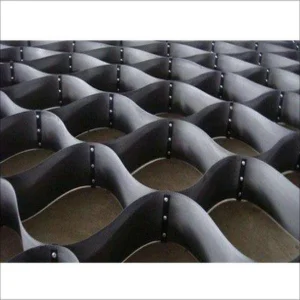
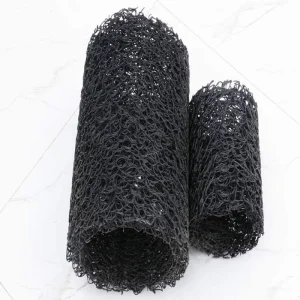
The structural core is extruded using high-density polyethylene (HDPE), forming a distinct 3D triplanar grid. The vertical ribs provide direct load-bearing capacity, preventing the collapse of the flow channels. Secondary rib orientations ensure lateral flow pathways, preserving transmissivity even under high soil pressures.
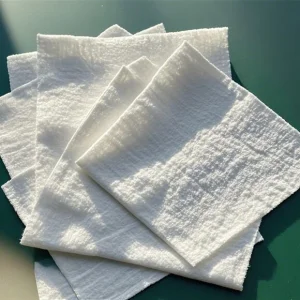
Thermally bonded on both sides of the HDPE core, the non-woven needle-punched geotextiles serve as a high-flow filter. They permit pore water to drain into the network while preventing fine-grained soils from migrating into the grid, eliminating the risk of system-wide clogging.
Subsurface waters often carry elevated concentrations of acids, bases, agricultural chemical residues, and biological agents. Our specialized HDPE core formulations are engineered to resist chemical degradation, keeping structural performance stable over design lifetimes exceeding 50 years.
| Performance Parameter | 3D Composite Drainage Network | Traditional Sand & Gravel Drains | Plastic Blind Ditches / Drains |
|---|---|---|---|
| Hydraulic Conductivity | Excellent (uniform, un-obstructed) | Highly variable (subject to clogging) | Moderate (prone to localized collapses) |
| Compressive Load Resistance | High (Up to 400+ kPa design loads) | High (but causes structural settling) | Low-to-Medium (limited depth use) |
| Installation Complexity & Time | Rapid (lay-flat rolls, minimal labor) | Heavy machinery & excavation intensive | Moderate (requires trench excavation) |
| Environmental Footprint | Low (minimized shipping volume) | High (extensive aggregate quarrying) | Moderate |
A closer look at Shandong Hongyue Environmental Engineering Co., Ltd.: Scale, technology, and delivery speed.
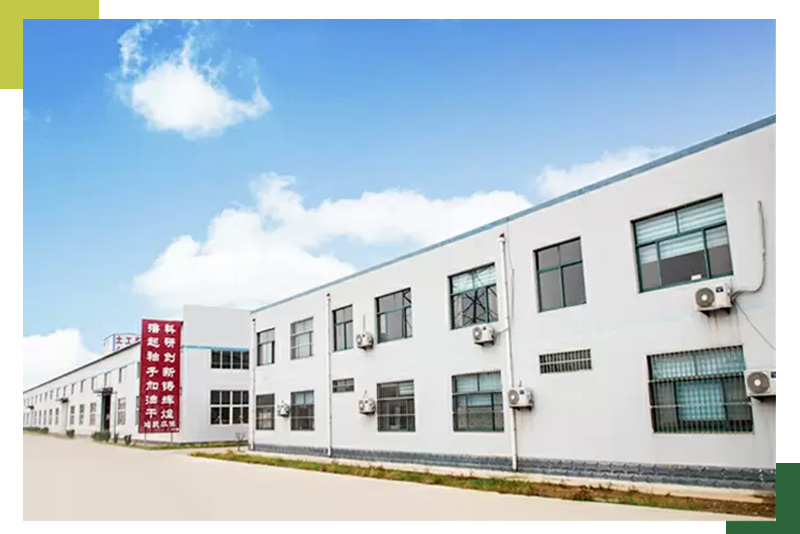
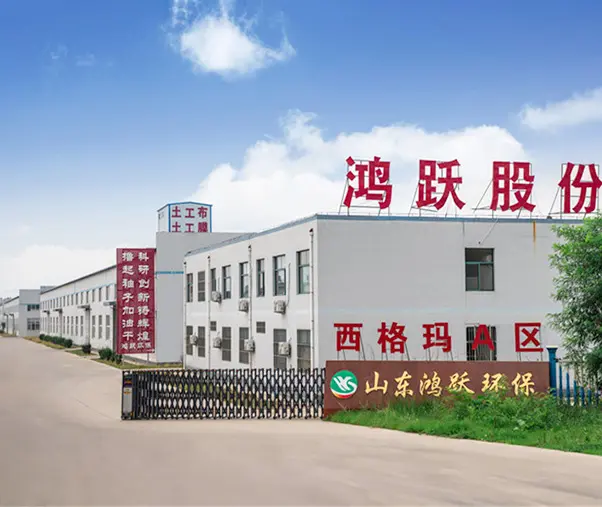
Located at the north end of Fufeng Street, Lingcheng District, Dezhou, Shandong Province, **Shandong Hongyue Environmental Engineering Co., Ltd.** operates as a scientific and technological geotechnical material manufacturer. Registered with a capital of **105 million yuan**, the company integrates materials production, sales, design, and engineering consultation.
Dezhou is widely recognized as one of the largest geotechnical production hubs in China. Our geographical position provides access to high-grade polymer resin supply lines and streamlined shipping lanes through Qingdao and Tianjin ports. This enables us to maintain cost efficiencies and shorten production cycles for high-volume orders.
Our core product systems span impermeability, environmental protection, reinforcement, and water stop applications. These materials serve key infrastructure projects, including highway networks, high-speed rail corridors, water conservancy canals, mining leach pads, and containment cells.
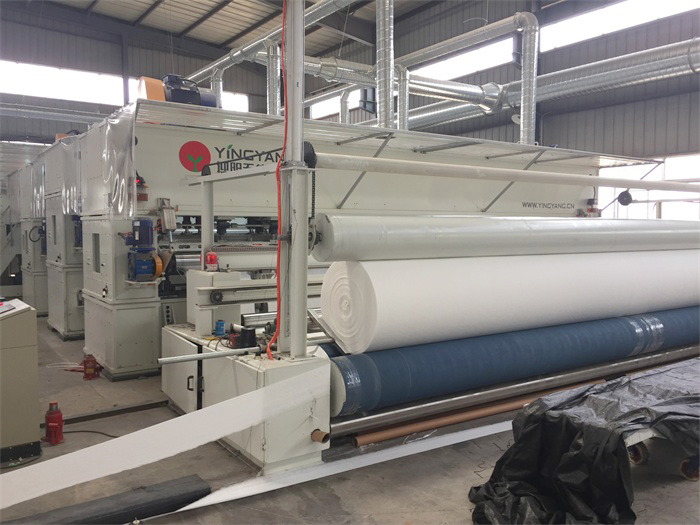
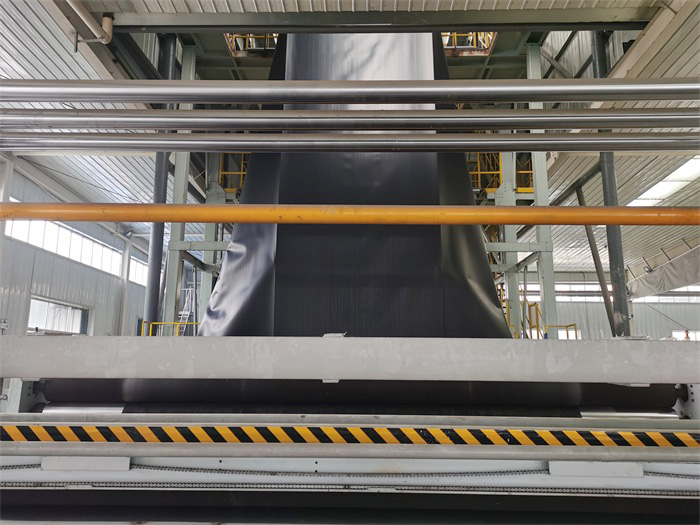
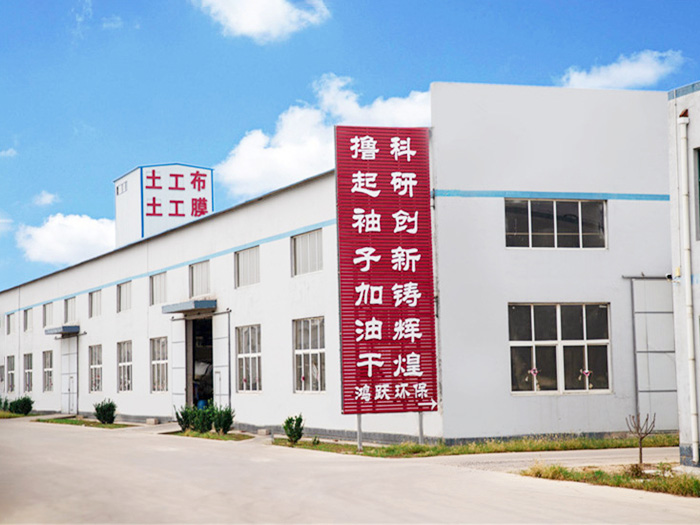
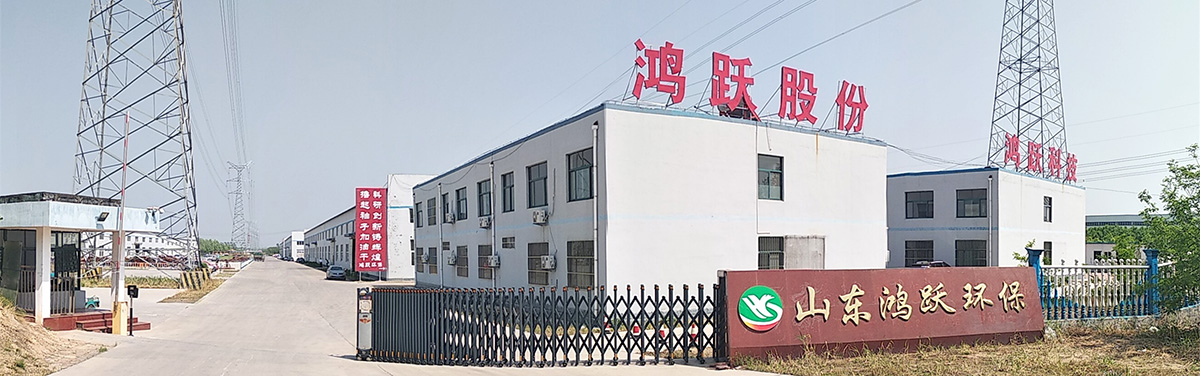
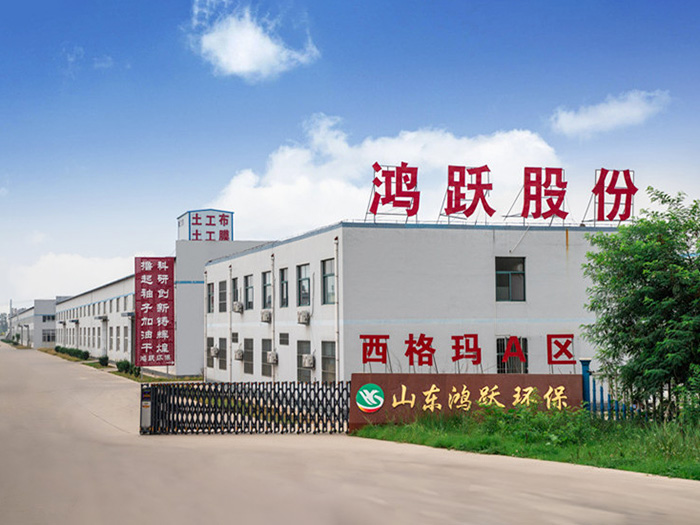
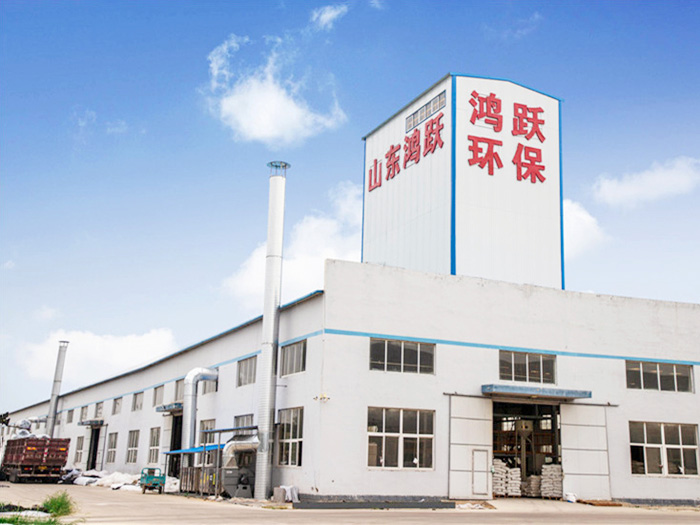
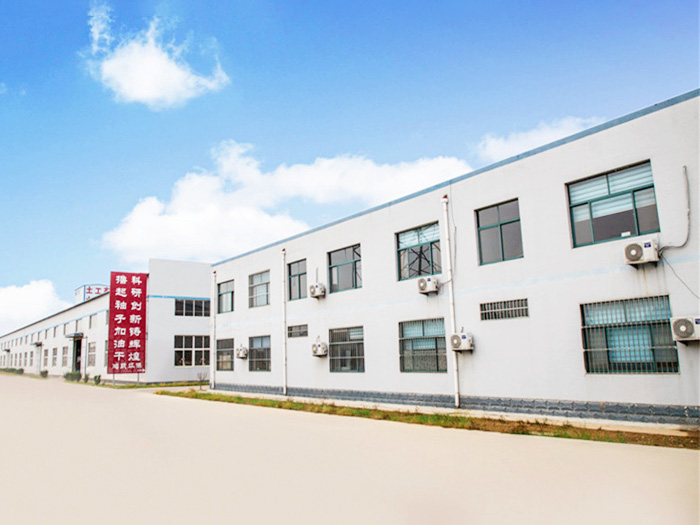
Our quality assurance procedures ensure each roll meets international engineering specifications.
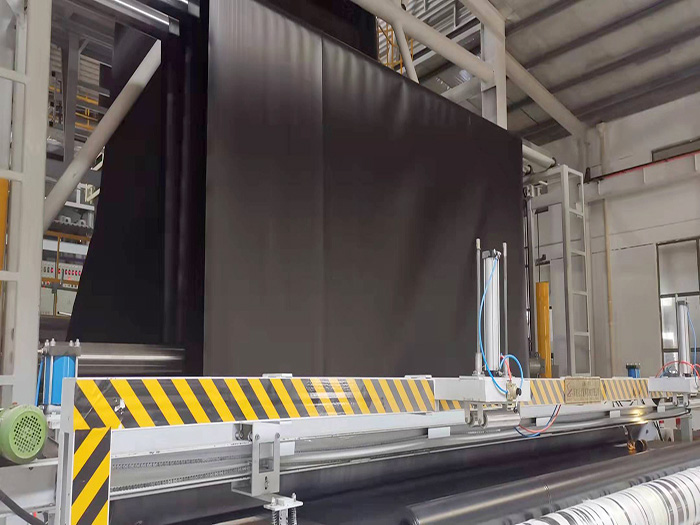
Polypropylene or virgin polyester chips undergo drying and testing. The polymer is extruded at high temperatures through calibrated dies to form uniform core geometries or synthetic filaments.
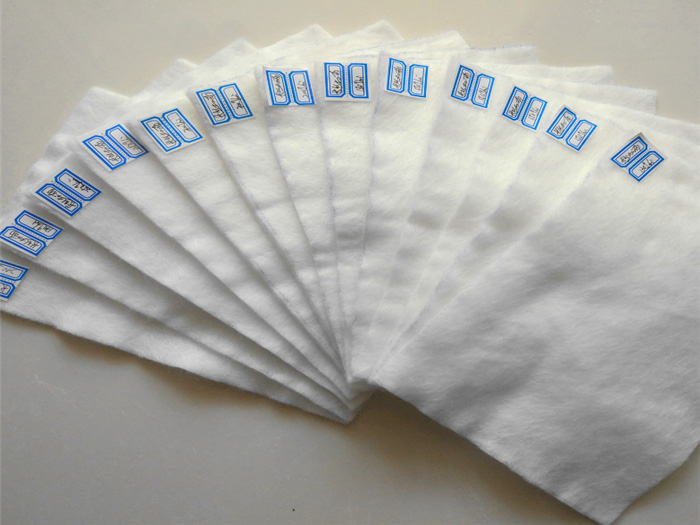
The extruded polymer strands are shaped into a 3D structural net. Under pressure-controlled lamination, non-woven geotextiles are thermally fused to the outer structures, ensuring high peel strength.
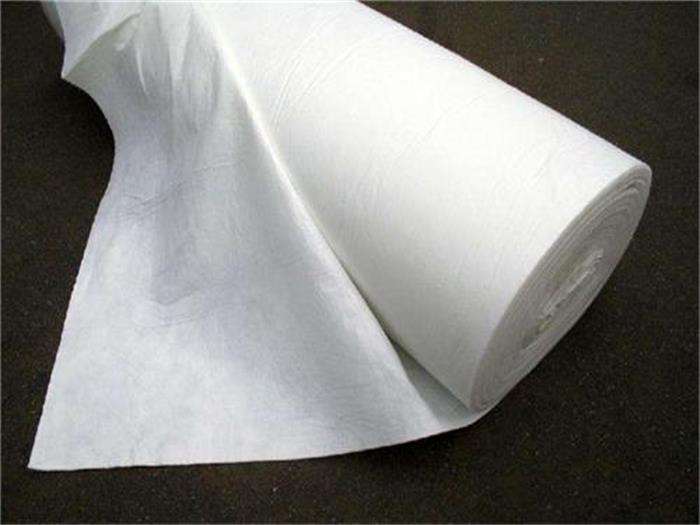
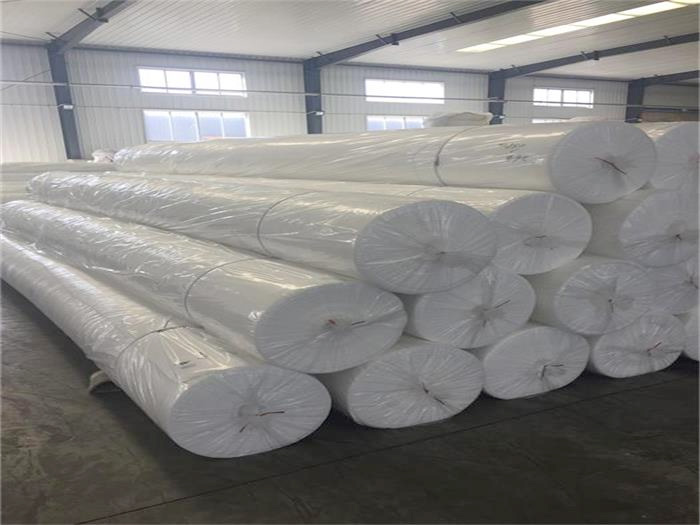
The composite structure is cooled to relieve material stress. Rolled goods are inspected for tensile strength, thickness, and transmissivity, then packaged with weather-resistant film.
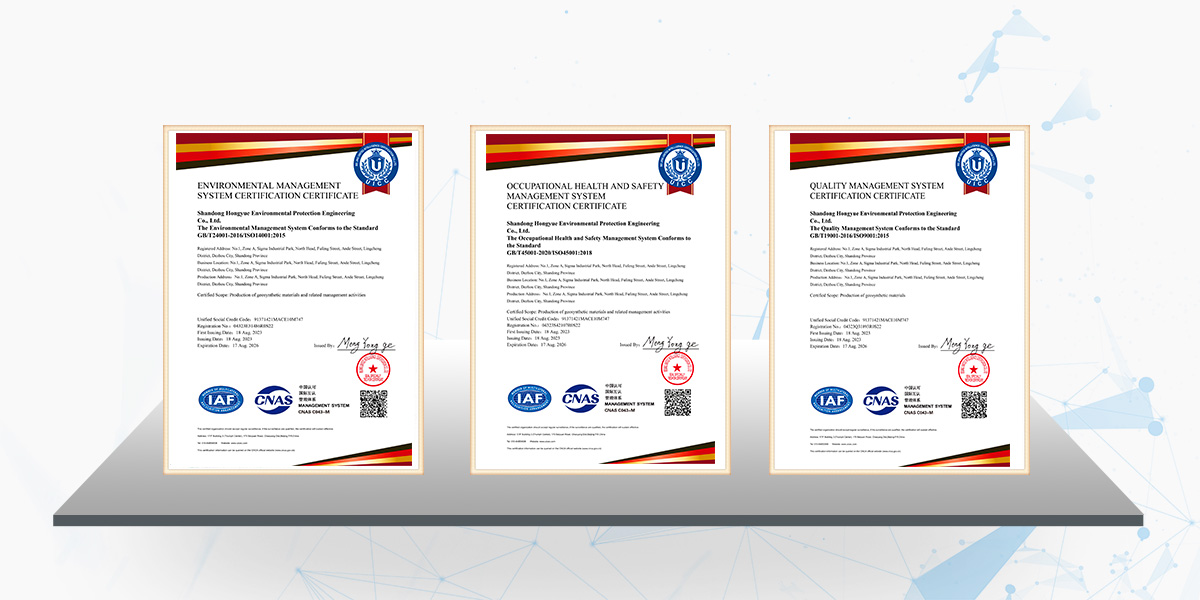
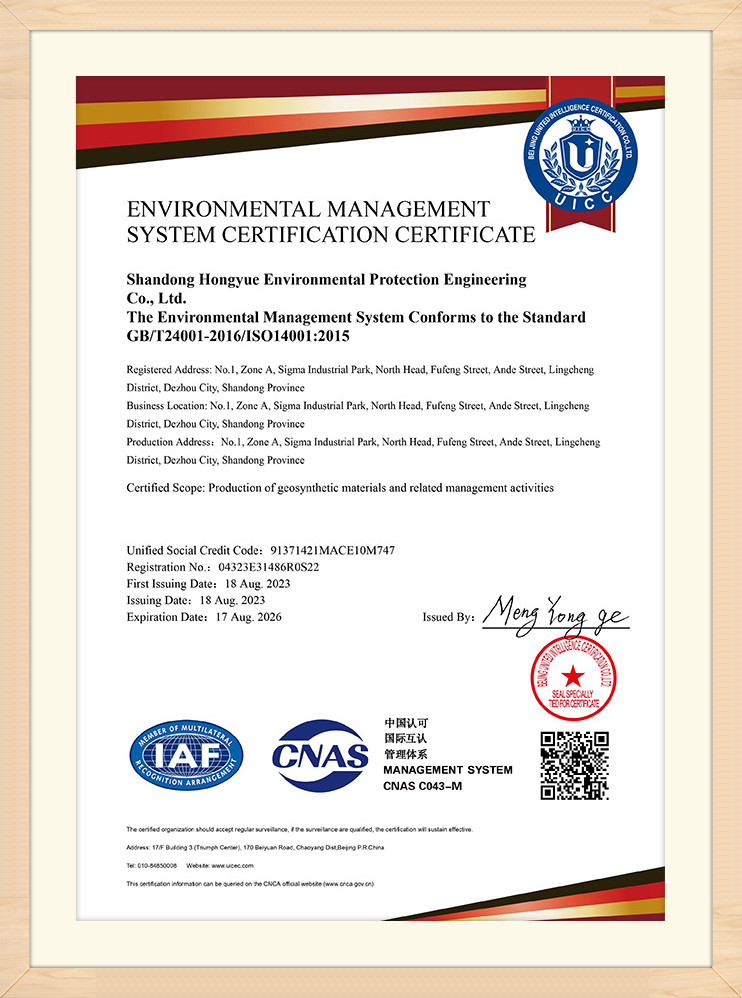
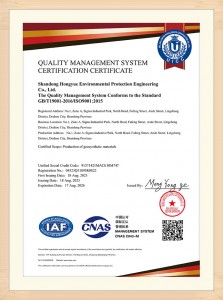
Quality monitoring is integrated throughout our manufacturing processes. Shandong Hongyue maintains a quality management system certified under key international standards, ensuring consistent material performance.
Our testing laboratory measures tensile strength, interface friction angles, hydraulic transmissivity, and chemical resistance parameters to confirm compliance with project specifications.
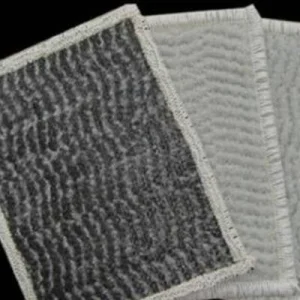
Our geotextiles, geomembranes, and composite drainage boards are tested for chemical durability and mechanical performance under varying geological conditions.
How composite drainage networks and geomembranes protect major municipal and hydraulic projects.
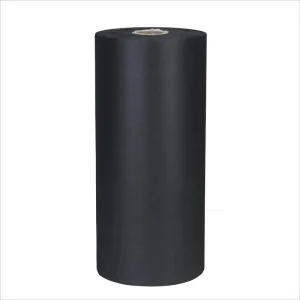
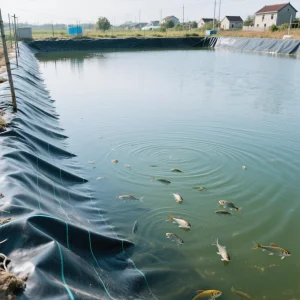
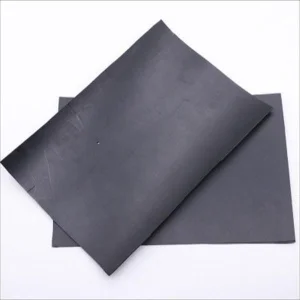
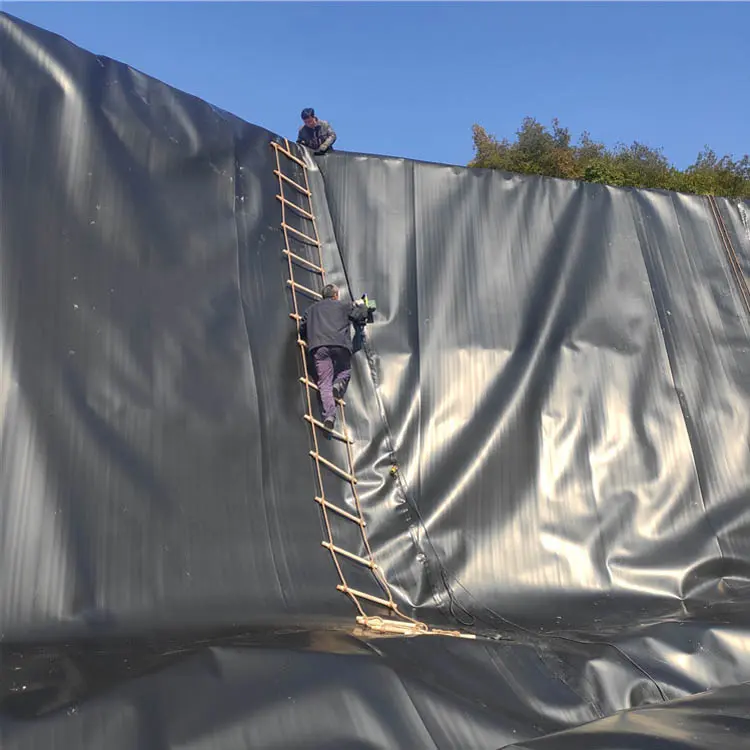
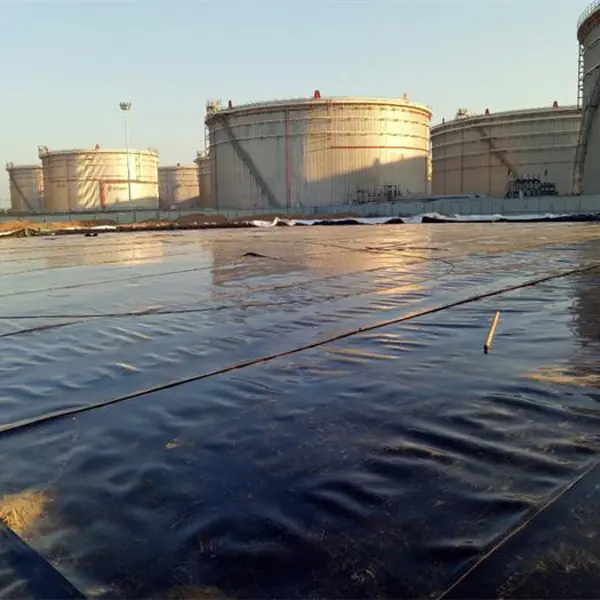
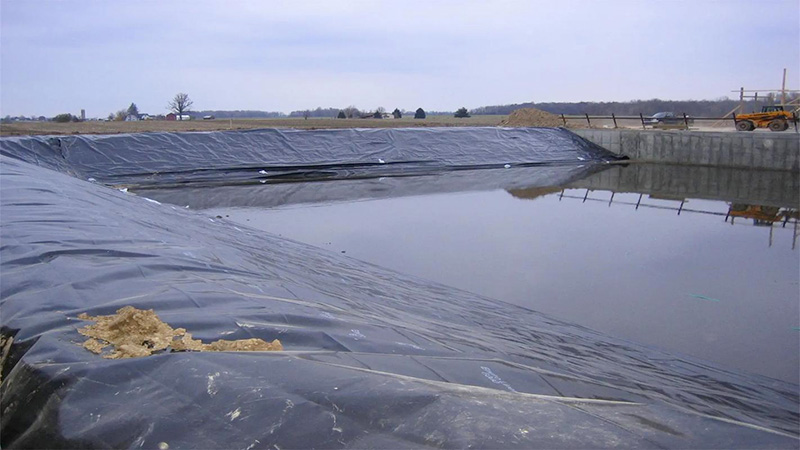
In hydraulic structures like reservoirs, canals, and embankments, seepage control is essential to prevent soil erosion and potential structural compromise. High-density geomembranes act as impermeable barriers, while composite drainage networks route groundwater to safe discharge outlets, reducing hydrostatic pressure.
Installation Guidelines:
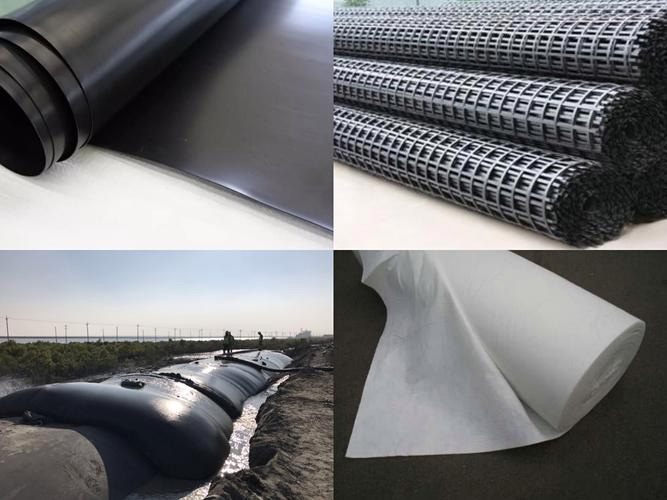
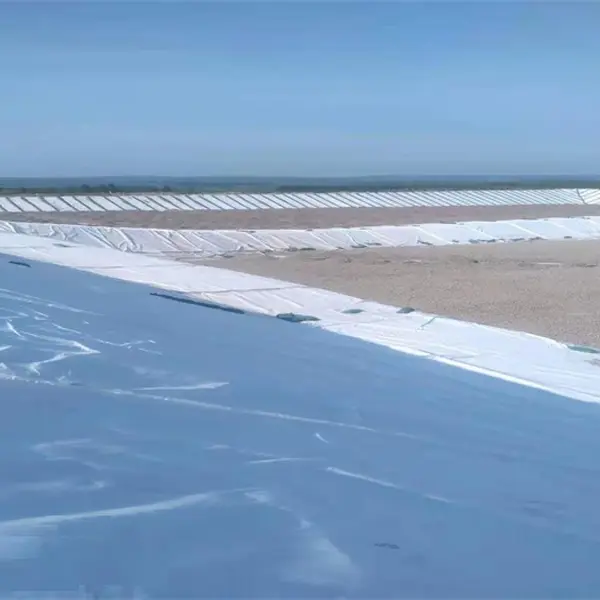
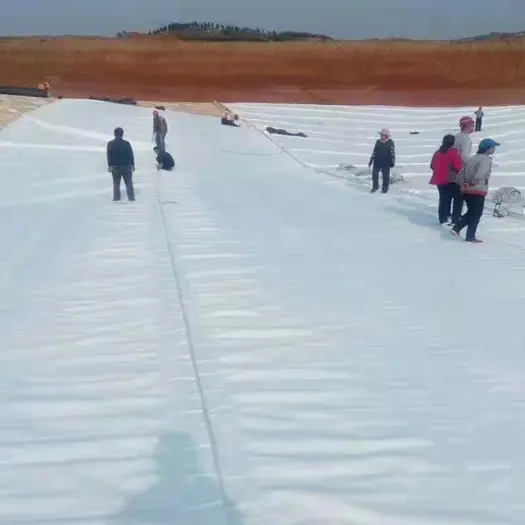
Shandong Hongyue operates dedicated regional offices to provide technical consultation, structural calculations, material recommendations, and on-site deployment assistance. Our technical team works alongside project designers and contractors to help select appropriate product specifications for various site conditions.
With years of experience in geosynthetics manufacturing, we offer solutions that balance mechanical performance, durability, and cost-effectiveness for global infrastructure projects.
Understanding the strict technical and logistics requirements of international civil construction buyers.
Global engineering buyers require documentation detailing transmissivity values under target load gradients, tensile strength limits, and soil retention indices (O90 values). Raw materials must be traceable, and products must meet CE, ASTM, and DIN standards.
Delays in material shipments can halt major construction projects. Manufacturers must manage production scheduling and logistics to ensure materials arrive on site as planned. Our proximity to major shipping ports supports reliable international distribution.
Projects often require specific roll sizes, custom core thicknesses, or modified filtration geotextiles. We work with engineering teams to provide customized geosynthetic configurations suited to the mechanical requirements of each site.
Developments driving the future of civil drainage engineering and infrastructure design.
The global geosynthetics market is moving toward systems with reduced carbon footprints and long-term durability. Traditional gravel drains require quarrying and fuel-intensive transport. Composite drainage networks present a lower-carbon alternative by reducing the volume of material that needs to be shipped and handled.
Developments in polymer science are producing core materials with improved resistance to environmental stress cracking and biological degradation. These materials maintain consistent performance over longer service lives in landfill caps and chemical storage areas.
Additionally, engineering designs are increasingly integrating composite materials, such as combining LLDPE geomembranes with 3D drainage networks, to provide dual-function barrier and drainage systems for critical environmental applications.
Expert answers to common engineering questions regarding the selection, performance, and application of composite drainage products.
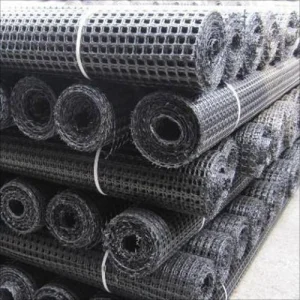
From high-tensile geogrids to impermeable geomembranes, we provide integrated materials for infrastructure and environmental protection.
 Hongyue