Our premium drainage material series features ISO-certified systems built specifically to meet the mechanical and chemical stresses of modern geotechnical engineering. Below is our curated selector of core products, optimized for high transmissivity, tensile strength, and long-term durability in critical civil applications.
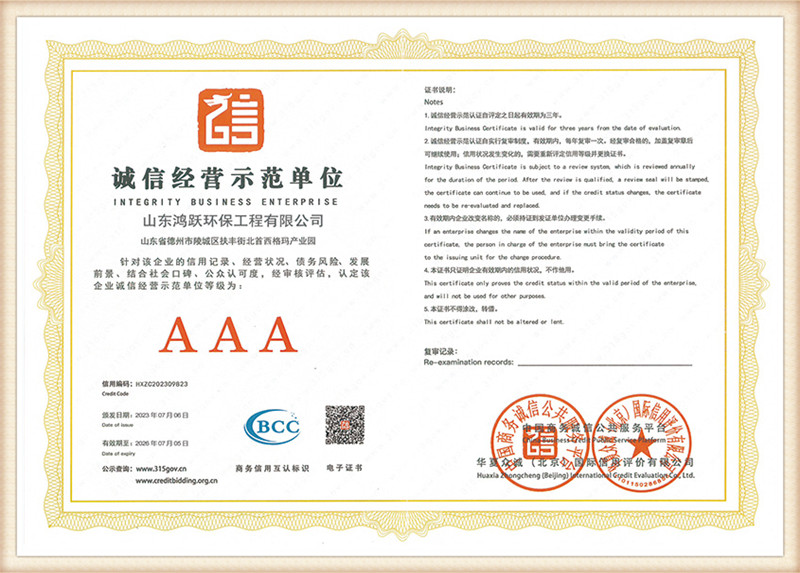
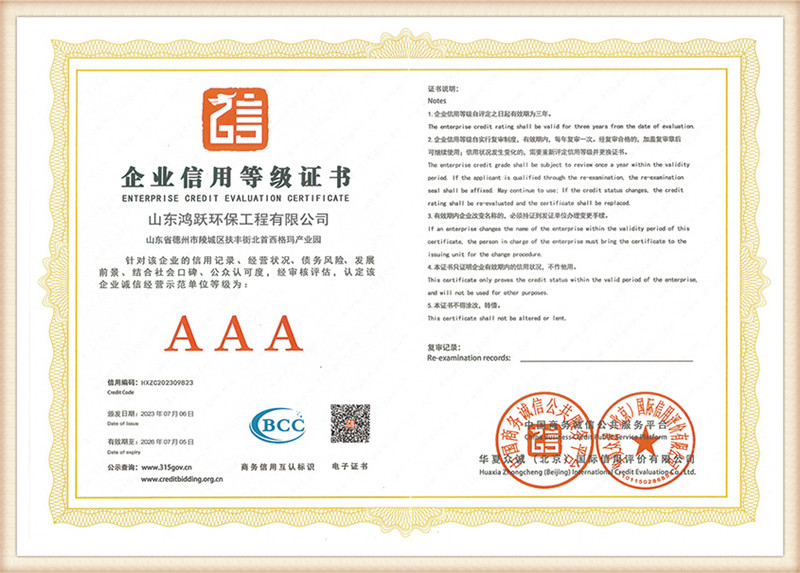
Modern civil engineering projects demand robust drainage systems capable of handling unprecedented hydrostatic pressures caused by rapid urbanization and severe weather fluctuations. The **Drainage Material Series** engineered by **Shandong Hongyue Environmental Engineering Co., Ltd.** serves as a foundation for global infrastructure projects, ensuring reliable water flow management, soil stabilization, and structural containment.
As urban development shifts towards the "Sponge City" methodology, the demand for dual-functional systems that manage both retention and rapid filtration has surged. Subsurface drainage systems must not only collect water but also filter micro-particles to prevent structural clogging. Geotechnical designers now evaluate material resilience by assessing structural flow capacity, chemical degradation resistances, and compressive modulus. Our specialized products address these technical requirements, providing high-integrity solutions for landfill containment caps, foundation retaining walls, transit corridors, and massive reservoir dams.
Simply specifying a drainage board is no longer sufficient. Realizing true "information gain" in structural projects requires calculating the **hydraulic transmissivity** under specific overburden stresses. Shandong Hongyue provides detailed stress-strain curves and water flow coefficients to ensure that geogrids, geonets, and drainage matrices match actual site variables.
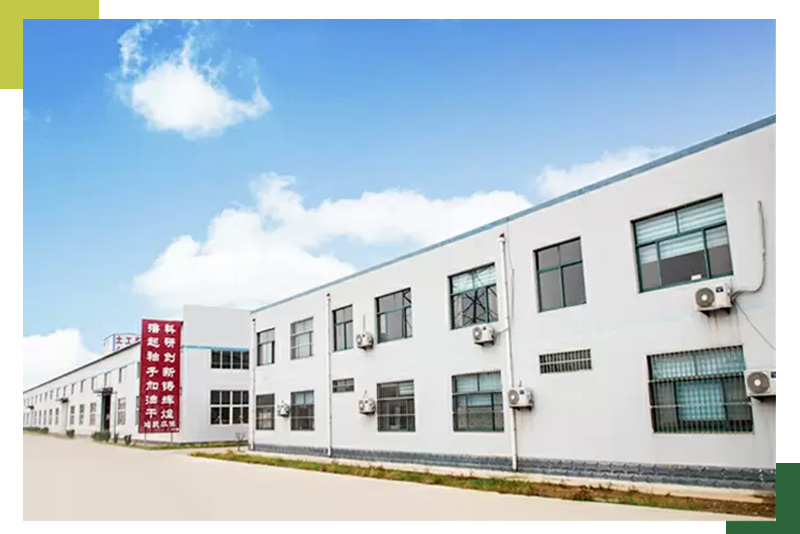
Established in Dezhou, Shandong Province, **Shandong Hongyue Environmental Engineering Co., Ltd.** stands as a premier scientific and technological enterprise specializing in the production, sales, design, and construction of advanced geotechnical and drainage systems. Strategically located at the north end of Fufeng Street, Lingcheng District, our facility is recognized as one of China's largest production bases for high-integrity geosynthetics.
Our company was registered on April 6, 2023, with a registered capital of **105 million yuan**, representing a massive capital commitment to advanced engineering, research and development, and supply-chain infrastructure. Through our comprehensive product lineup, we serve clients in critical sectors including railway systems, highway structural layers, high-capacity reservoir dams, agricultural canals, mining waste containment sites, and municipal green infrastructures.
Understanding the differences between geomaterials is critical to selecting the proper system. When evaluating quotes, engineering departments must analyze core raw material configurations, hydraulic capacity, and longevity profiles. Below is an analytical overview of the primary drainage technologies in our portfolio:
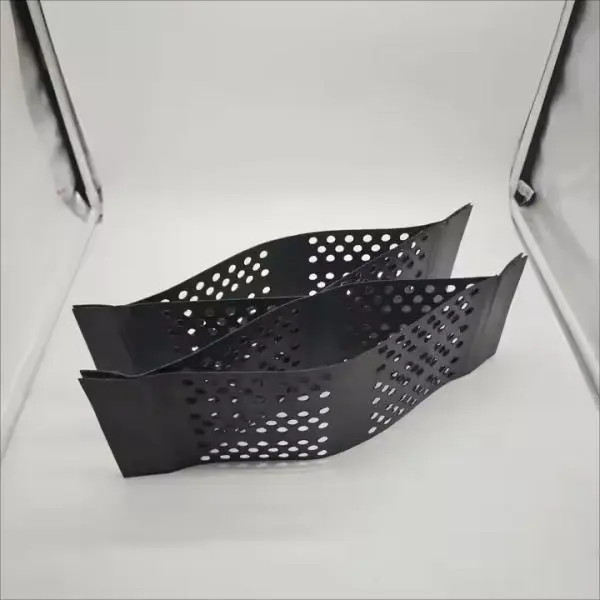
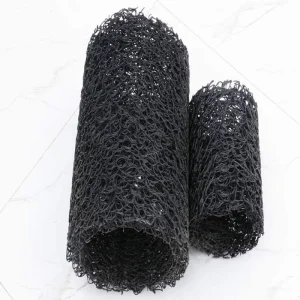
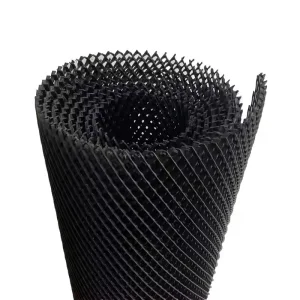
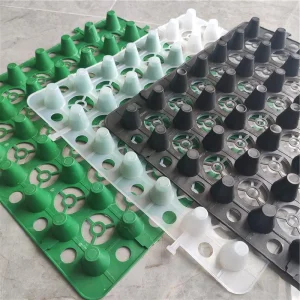
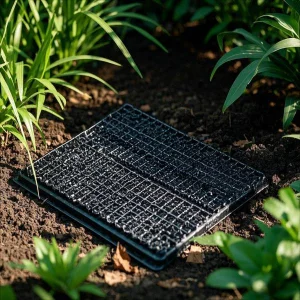
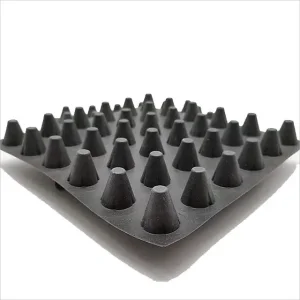
Manufactured from high-density thermoplastic synthetic resins, our plastic blind ditches feature a highly porous three-dimensional structural matrix. The resulting core provides exceptional resistance to soil compression, high water capture rates, and superior chemical resistance to subsoil acids and alkalis.
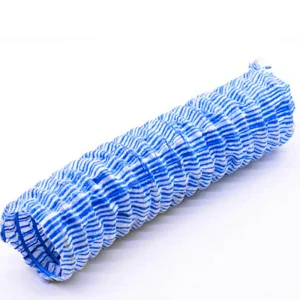
Constructed with a high-strength spring wire skeleton wrapped in high-permeability geotextile material, these soft underground hoses prevent sediment infiltration while maintaining structural shape under dynamic loads. Perfect for highway subgrades and airport runways.
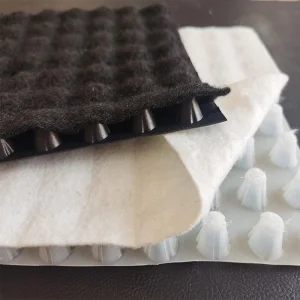
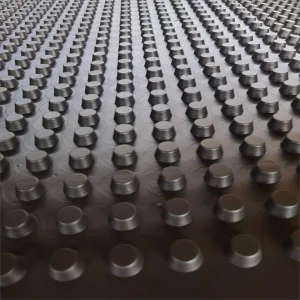
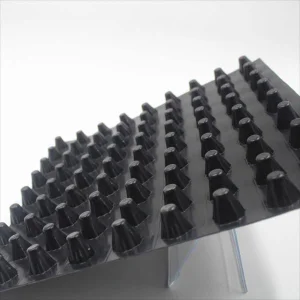
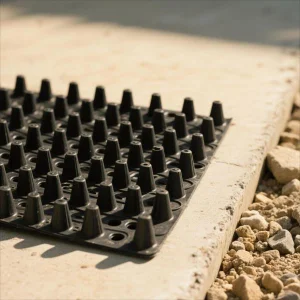
A dual-function system featuring a dimpled, high-density polyethylene core thermally bonded to a non-woven geotextile. This combination provides a continuous air gap for water transmission while functioning as an auxiliary barrier against moisture intrusion for basements and garage roofs.
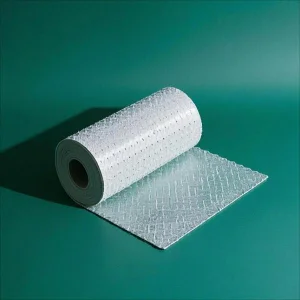
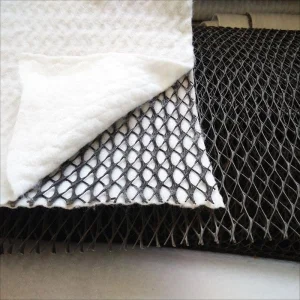
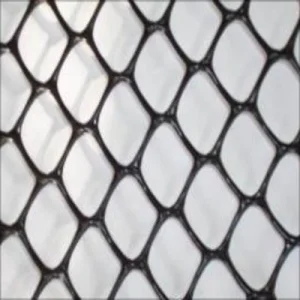
Our tri-dimension composite geonets are constructed with a unique tri-planar structure. They feature high-rigidity vertical ribs that maintain an open flow channel even under intense compressive stress, while the outer non-woven geotextiles filter soil particles. This makes them ideal for landfill cell leak detection layers, where high overburden loads prevent the use of traditional aggregate drainage blankets.
Shandong Hongyue leverages advanced manufacturing technologies to ensure high supply chain stability and cost efficiency. Operating from our manufacturing hub in Dezhou, Shandong Province, we combine raw material preparation, extrusion, and quality inspection into a unified, automated production flow. This integration minimizes material waste and guarantees that we meet large-scale global procurement demands.
We source high-grade virgin polyester (PET) chips, polypropylene (PP) filaments, and high-density polyethylene (HDPE) pellets. Every inbound batch is inspected for molecular weight uniformity, melt flow index, and tensile properties, ensuring clean, consistent starting materials.
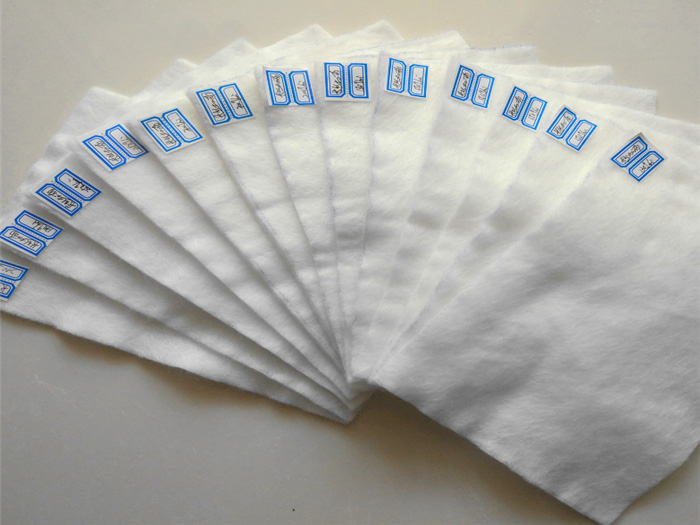
Polymer materials are melted under precise temperature and pressure conditions, then extruded through spinnerets to form durable continuous filaments. This process is monitored in real-time to prevent structural defects or uneven cross-sections in the final fiber web.
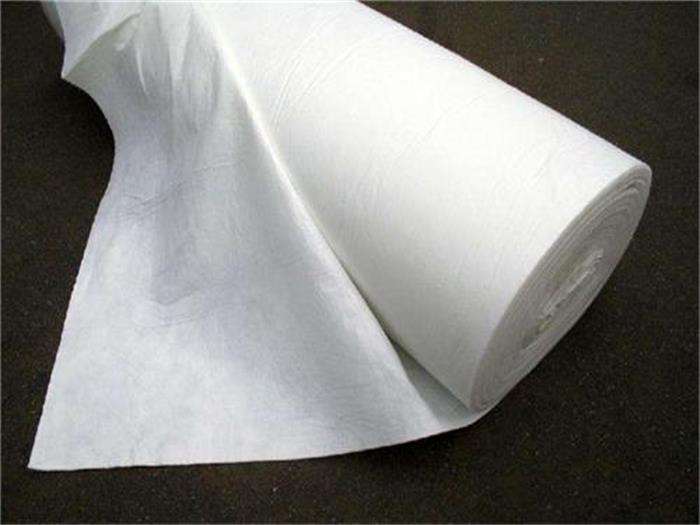
Filaments are laid down onto conveyor belts to form a uniform web. For geotextiles and composite drainage cores, needle punching and heat-bonding cure the matrix, establishing high tensile strength and maintaining open pathways for water transmission.
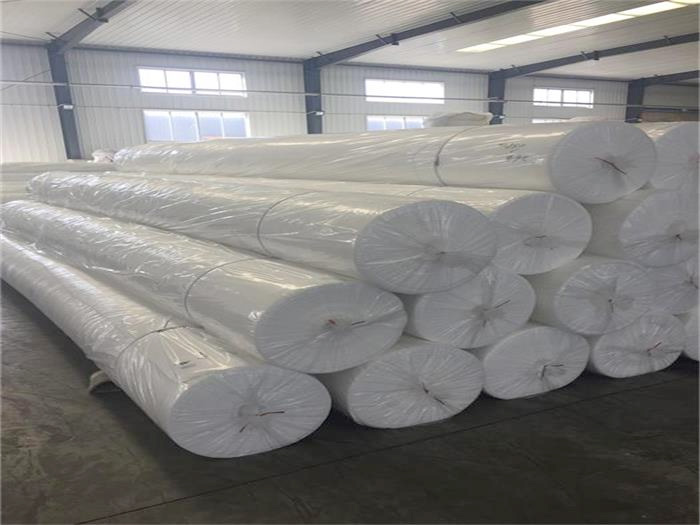
Finished materials undergo strict testing in our laboratory, including assessments of puncture resistance, hydraulic flow rate under load, and seam shear strength. Products are only released for packaging and global shipment once they clear these quality gates.
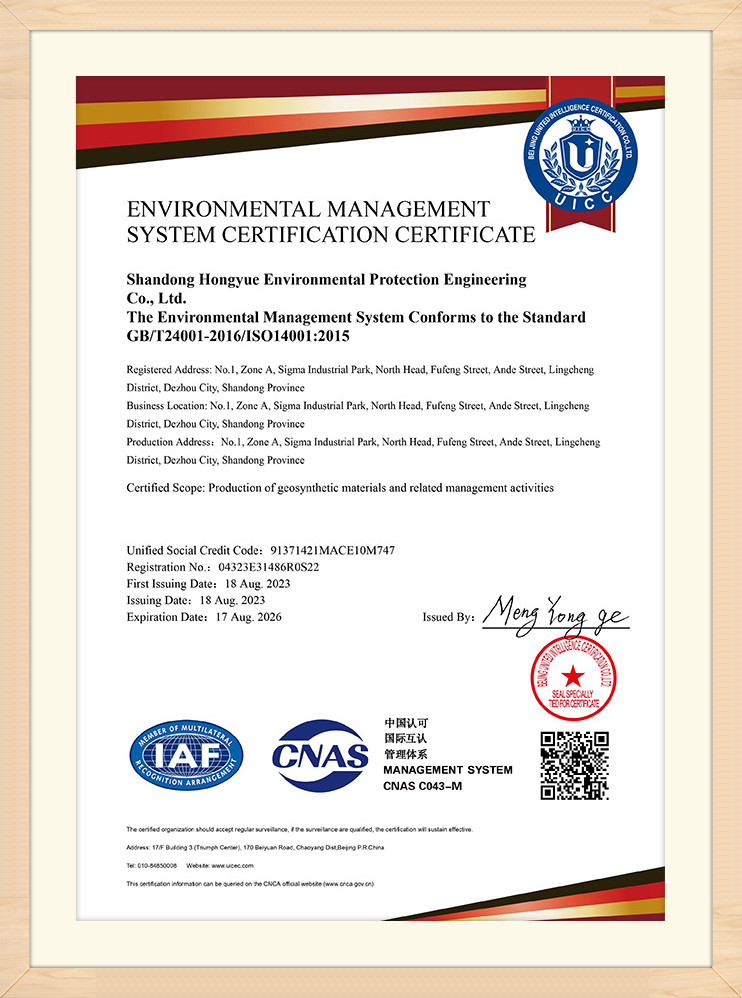
Geosynthetic barriers and composite drainage materials are critical components of major civil engineering and water conservation systems. By combining separation, filtration, and water transport, our products protect civil infrastructures from soil shifting, hydrostatic stress, and fluid contamination.
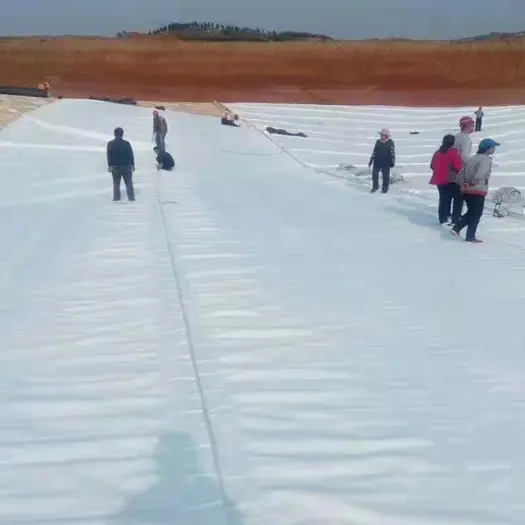
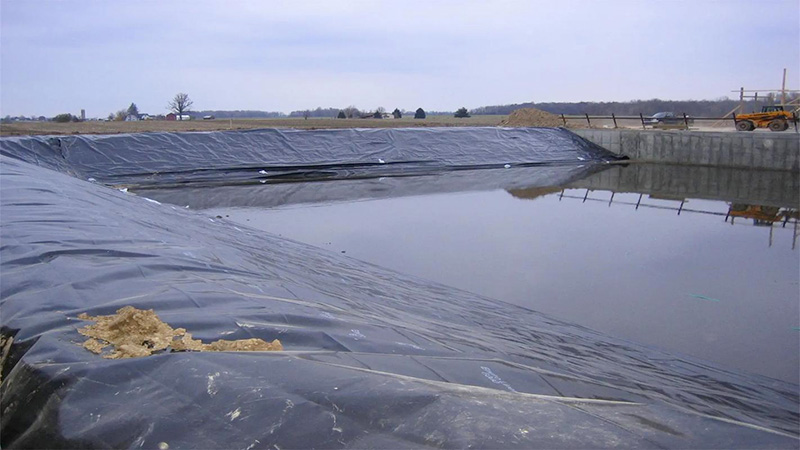
Agricultural channels and transport canals lose significant volumes of water to subsoil seepage. Lining these structures with high-density geomembranes and protective composite non-woven geotextiles prevents water loss, stabilizes banks against erosion, and reduces overall maintenance costs.
Landfills require robust composite systems to isolate waste from the surrounding environment. Our three-dimensional composite geonets, combined with heavy-duty geomembranes, create highly reliable leak detection layers. These systems collect and drain toxic leachate, protecting local groundwater sources from contamination.
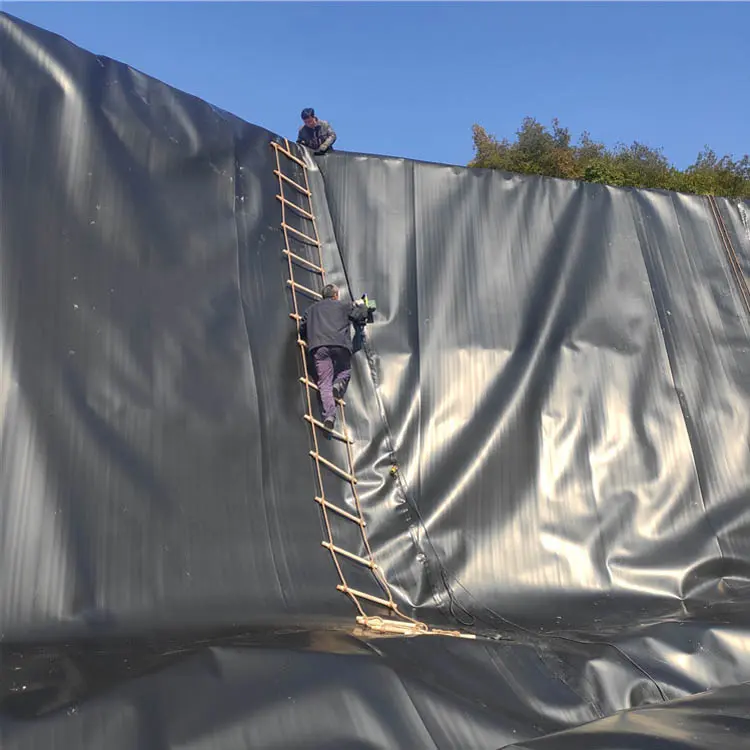
Dams and artificial reservoirs are subjected to high hydrostatic pressures. Installing geomembranes along the wet face, backed by composite drainage networks, prevents internal erosion and piping. This setup ensures that any water bypassing the primary seal is safely channeled away, preserving the structural integrity of the dam.
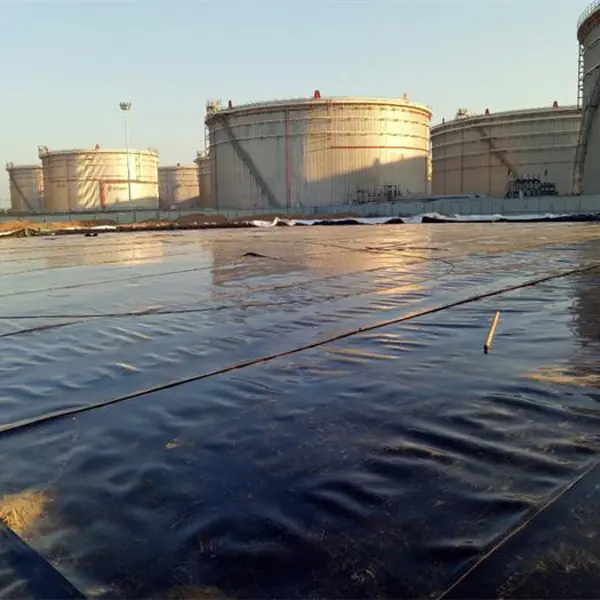
For chemical facilities and oil storage tank farms, secondary containment is critical. Our self-adhesive waterproofing boards and HDPE liners form an impermeable barrier beneath storage structures. This containment system intercepts potential chemical spills, preventing environmental contamination and ensuring compliance with environmental regulations.
Correct installation is essential for the long-term performance of geosynthetic systems. Even high-grade drainage boards can underperform if laid incorrectly or if the joints are poorly sealed. To ensure system integrity, engineering teams must follow standard preparation and installation procedures:
The subgrade must be compacted and cleared of any sharp objects, roots, or stones that could puncture the geomembrane or geonet. Soft spots must be stabilized, and standing water must be completely drained before laying the material.
Roll the sheets down slopes without stretching them too tight, allowing minor slack to accommodate temperature-induced expansion and contraction. Secure the material in anchoring trenches at the top of slopes to prevent sliding during backfilling.
Use dual-track wedge welding for HDPE sheets, which creates an air channel between two welds for pressure testing. For geotextile layers, overlap by at least 150-200mm and thermally bond or sew the seams to prevent soil migration.
Inspect exposed geomembranes regularly for physical damage or UV degradation. Keep drainage outlets free of debris and silt, and avoid operating heavy machinery directly on the geosynthetic layer until a protective layer of soil or aggregate is placed.
Below are answers to common technical and logistical questions from engineering leads and procurement departments regarding our drainage material series:
Review our full range of drainage materials below. Select the appropriate product link to access technical data sheets, certifications, and project-specific quotes:
 Hongyue