Engineered high-density materials optimized for civil engineering filtration, infrastructure reinforcement, and environmental seepage management.

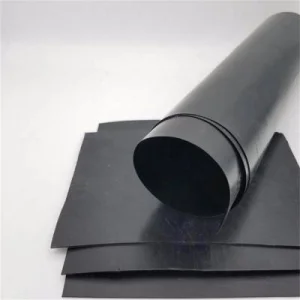
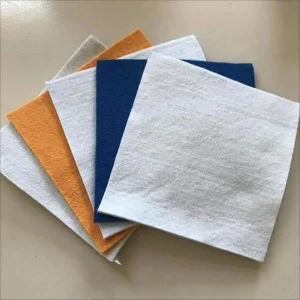
Modern geotechnical projects demand materials capable of managing intense structural pressures while maintaining long-term environmental safety. The global market for geonets and drainage geosynthetics is transitioning rapidly due to strict environmental policies, water conservation demands, and global investments in civil transport infrastructure.
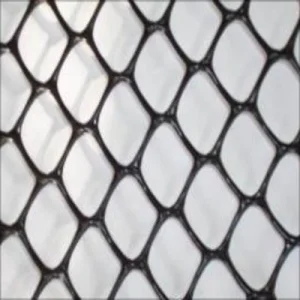
A geonet, fundamentally extruded from High-Density Polyethylene (HDPE), is designed to provide high in-plane liquid flow rates. Unlike traditional gravel drainage systems that add excessive deadweight and suffer from silt clogging, three-dimensional structured geonets maintain high hydraulic conductivity even under extreme compressive stresses. By substituting mineral aggregate with polymeric drainage structures, civil projects realize up to an 80% reduction in installation time and carbon footprint, driving consistent growth in their global adoption.
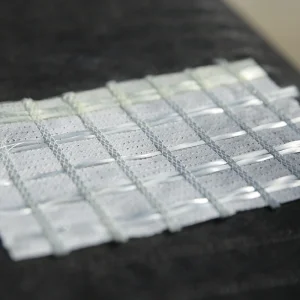
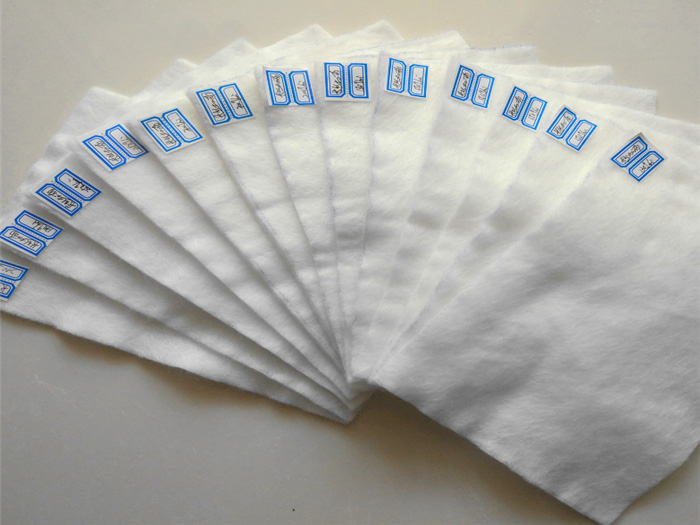
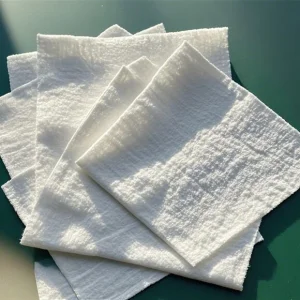
Key global development trends include the use of composite structures where geotextiles are heat-bonded to one or both sides of the geonet. This prevents soil particle infiltration into the net core, ensuring steady long-term planar flow. In landfill caps, chemical industrial zones, and highway base supports, these combined geonets have become standard engineering requirements.
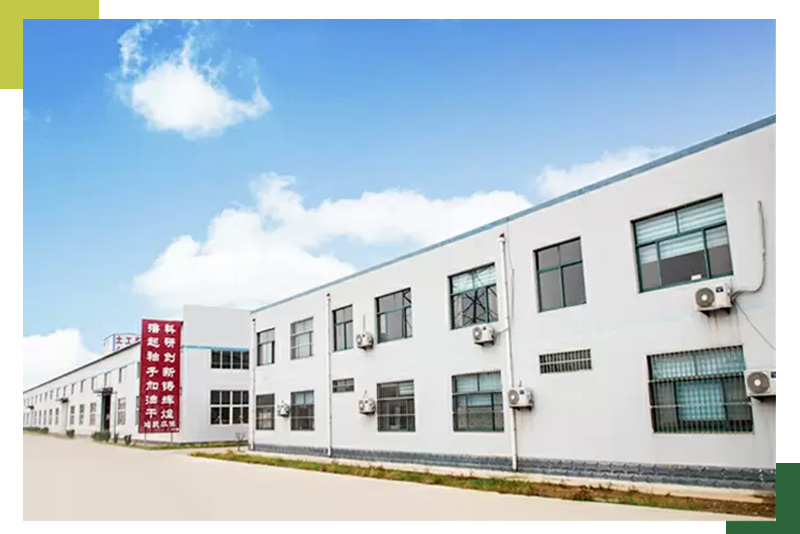
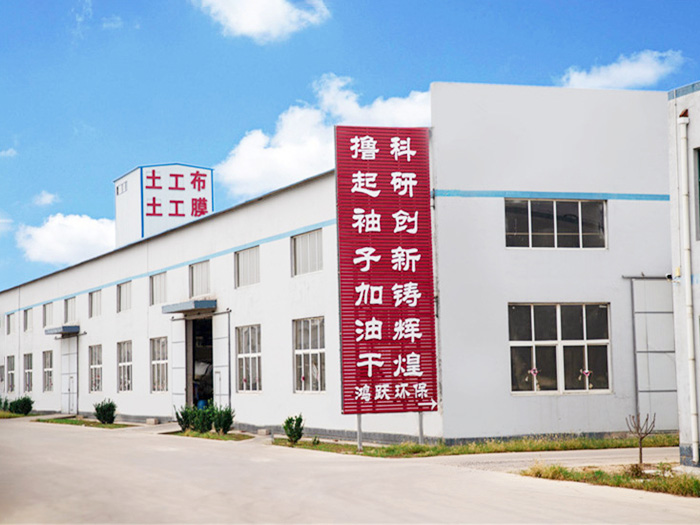
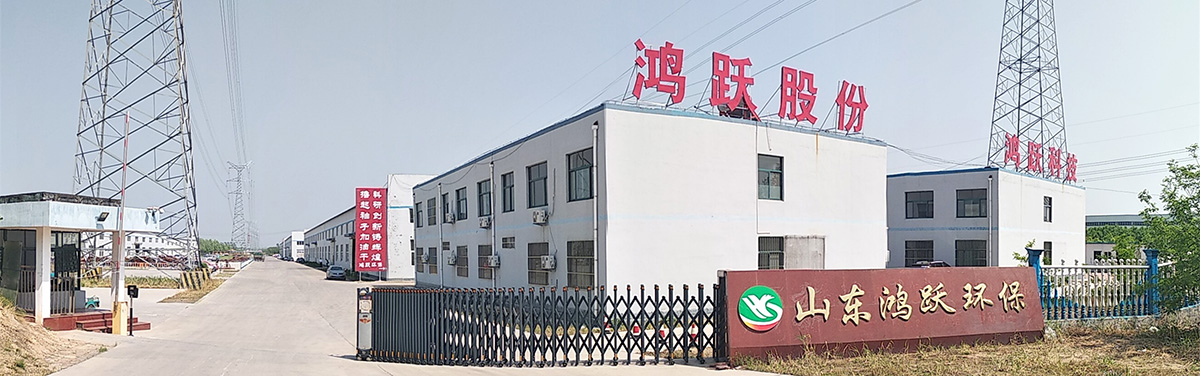
Located in the Lingcheng District of Dezhou, Shandong Province—one of China’s most prominent manufacturing clusters for geotechnical materials—Shandong Hongyue Environmental Engineering Co., Ltd. stands as a primary exporter and technology driver. With registered capital reaching 105 million yuan, our facility integrates scientific research, mechanical extrusion, customized product design, and direct project construction services.
By implementing Industry 4.0 principles, our factories maintain extreme quality consistency while operating high-capacity production lines. The physical properties of geomaterials depend closely on polymer chain integrity during melt extrusion. By employing precise temperature controls and real-time thickness monitoring, we eliminate variations in sheet thickness and density, minimizing weak zones in the resulting barrier films and drainage nets.
From custom 3D geonet rib geometries to multi-layered composite laminations, our engineers optimize structures according to distinct vertical pressures and hydraulic transmissivity requirements.
Hongyue materials undergo complete physical, chemical, and environmental testing, aligning with state and international standards verified by the China National Testing Center.
Positioned near key transport hubs in northern China, our Dezhou base ensures fast container dispatch and secure supply chain pipelines to over 40 domestic and international shipping locations.
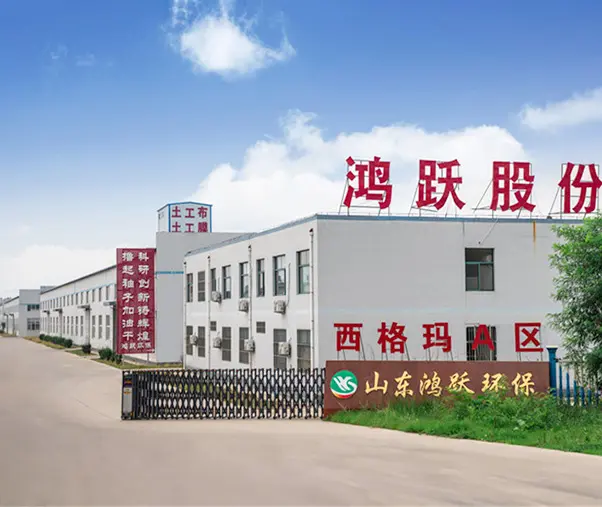
Inside Shandong Hongyue's state-of-the-art facility featuring high-precision machinery, testing centers, and automated manufacturing lines.
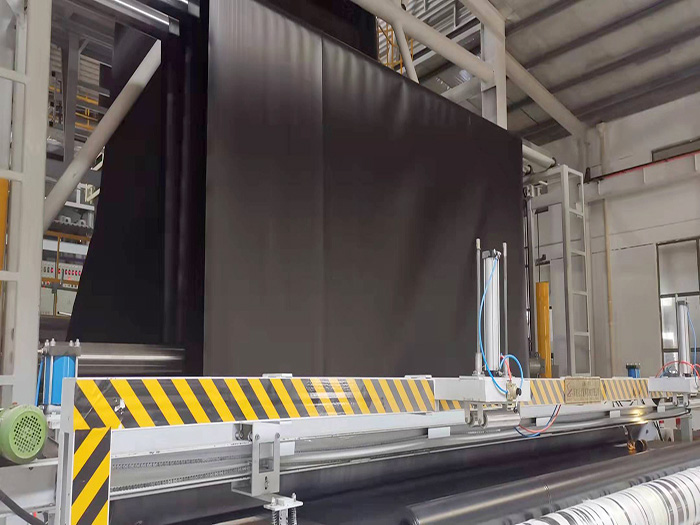
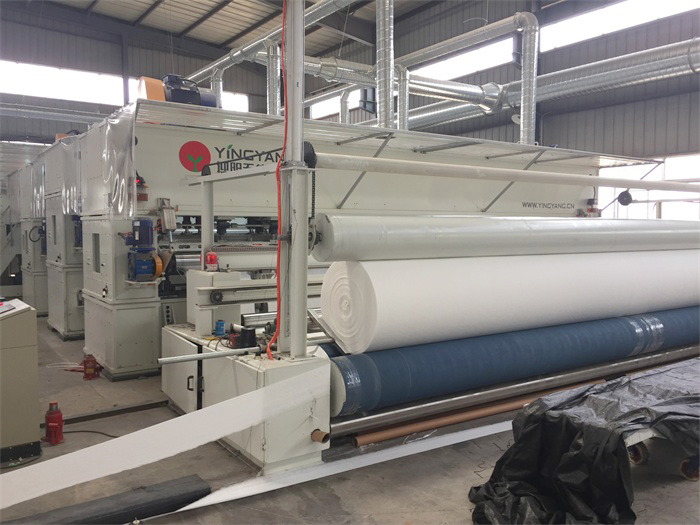
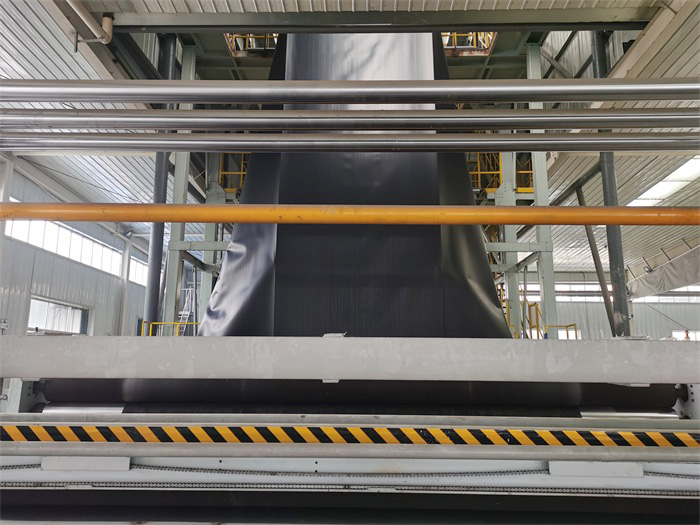
The manufacturing process of geotextiles and geonets requires precise mechanical handling. Minor temperature deviations can degrade polymer properties, reducing the final product's long-term tensile strength and hydraulic transmissivity.
High-grade polyester chips, polypropylene filaments, or virgin HDPE pellets are inspected, dried, and stored to prevent moisture bubbles during heat processing.
Polymer chips are fed into a screw extruder, melted at temperatures exceeding 200°C, and combined with stabilizers and carbon black to ensure long-term UV resistance.
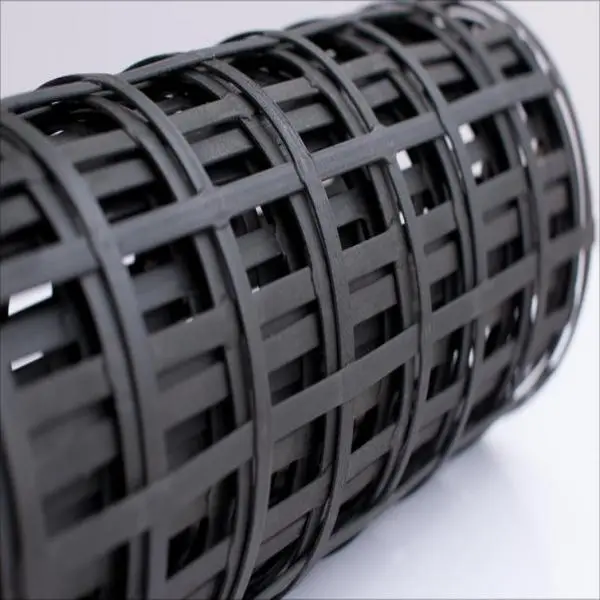
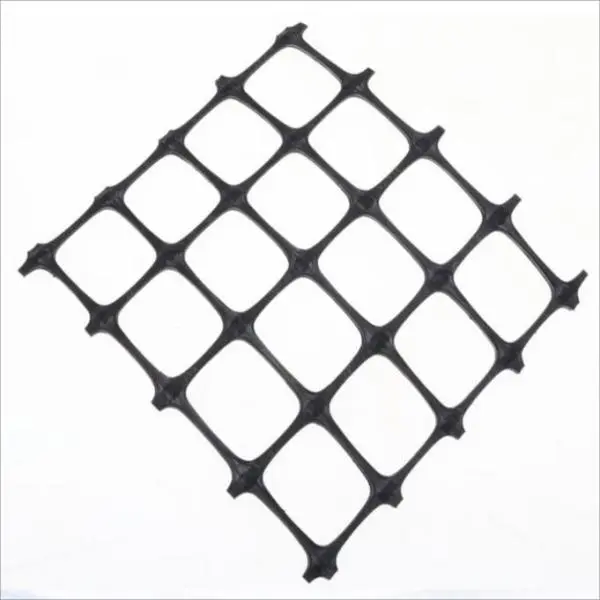
The molten polymer is extruded through a circular or flat spinneret head. The intersecting plastic strands form a structured grid, creating the flow channels of the geonet core.
The extruded structures undergo tension-controlled draft curing. For composite drainage geonets, non-woven geotextile layers are heat-bonded to the core at this stage.
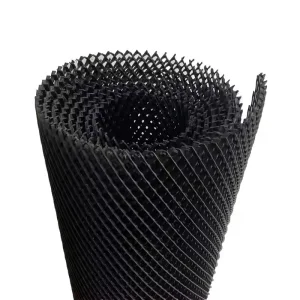
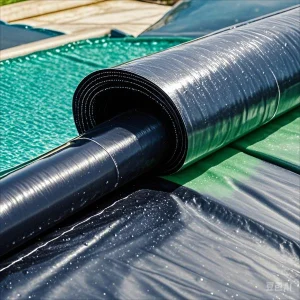
The cured geonets are wound onto high-strength tubes, labeled with specifications (density, thickness, tensile capacity), and wrapped in protective film.
Samples from each batch undergo physical and chemical testing. We measure tensile strength, puncture resistance, and hydraulic transmissivity before approving shipment.
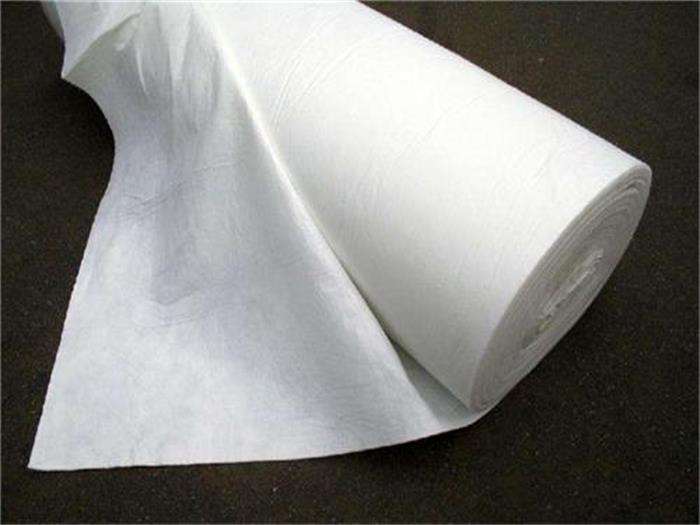
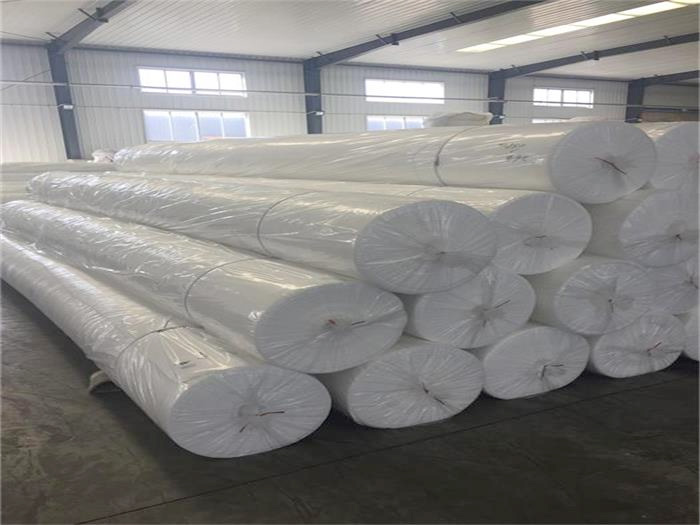
Different civil infrastructure projects require specific geosynthetic materials to handle environmental factors like chemical contact, structural loads, and water flow.
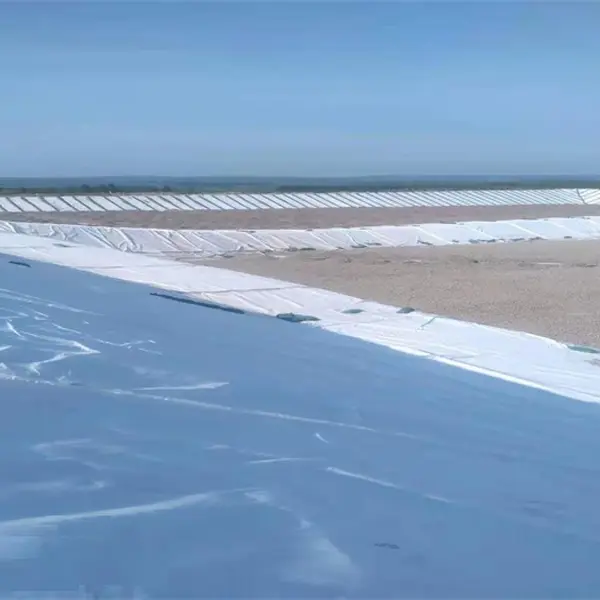
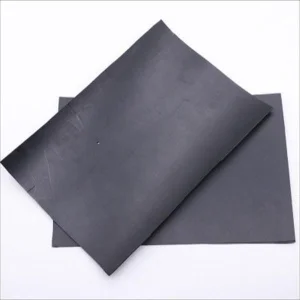
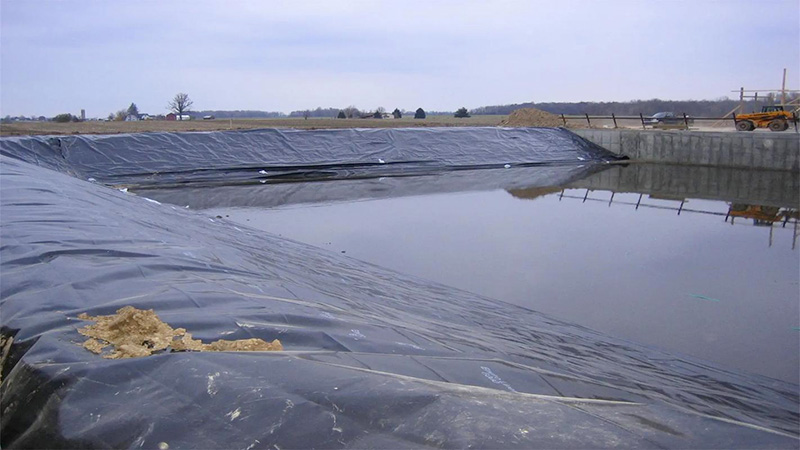
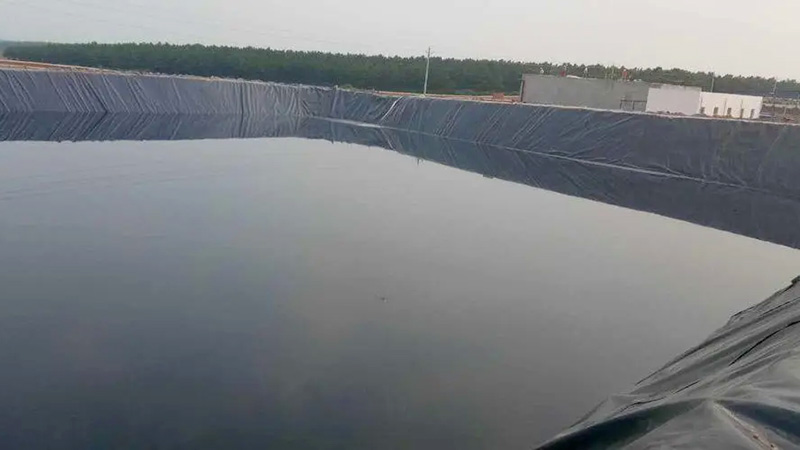
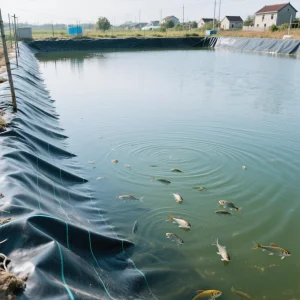
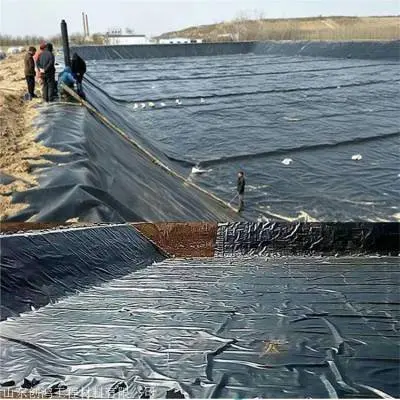
Our HDPE geomembranes and geonet systems provide robust seepage control in reservoirs and artificial lakes, preventing water loss through porous bedrock and stabilizing reservoir embankments.
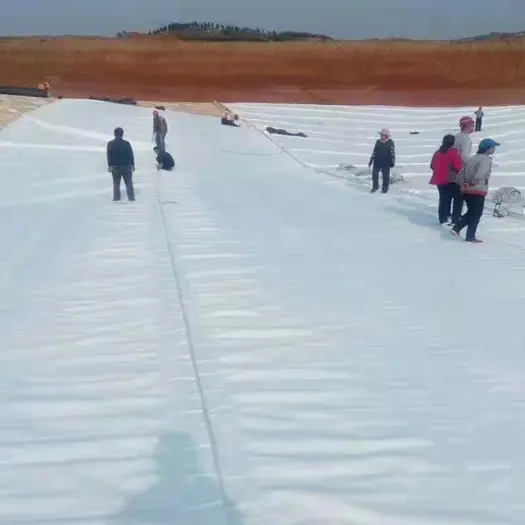
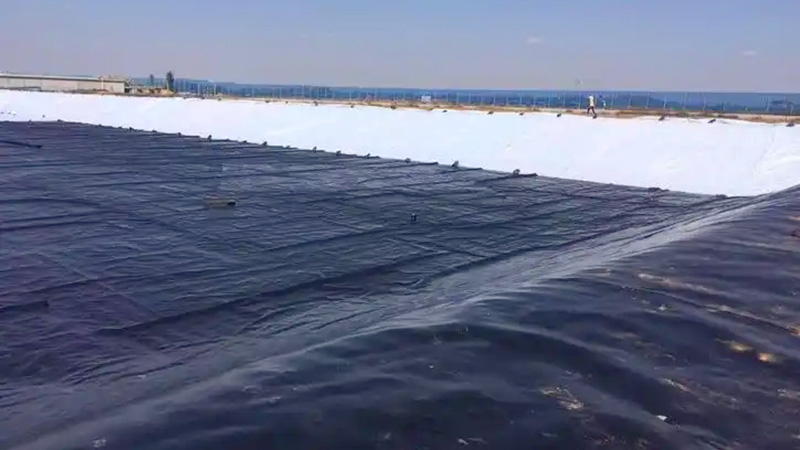
Lining canals and riverbeds with composite geonets and geomembranes prevents soil erosion, stabilizes slopes, and controls seepage, ensuring reliable municipal water delivery.
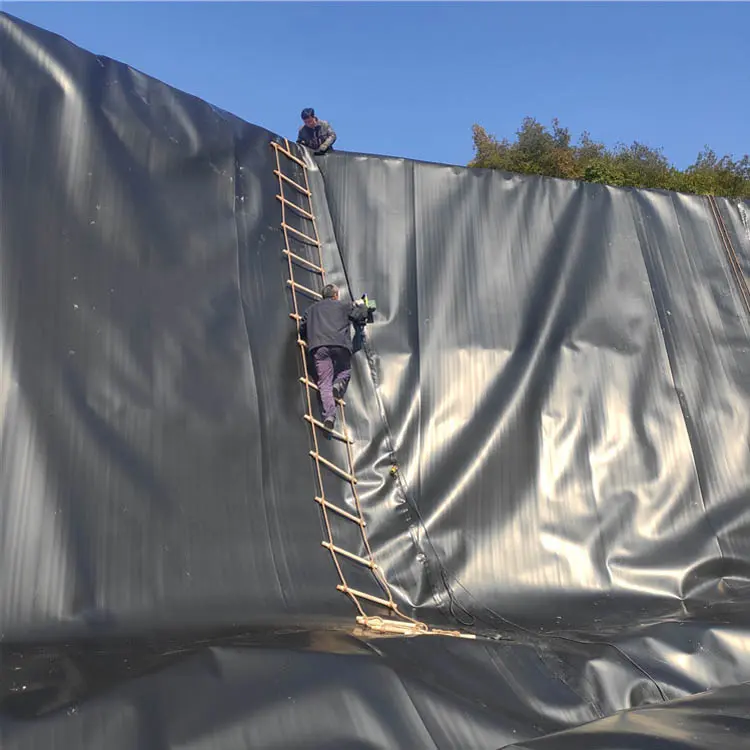
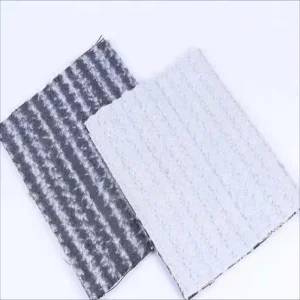
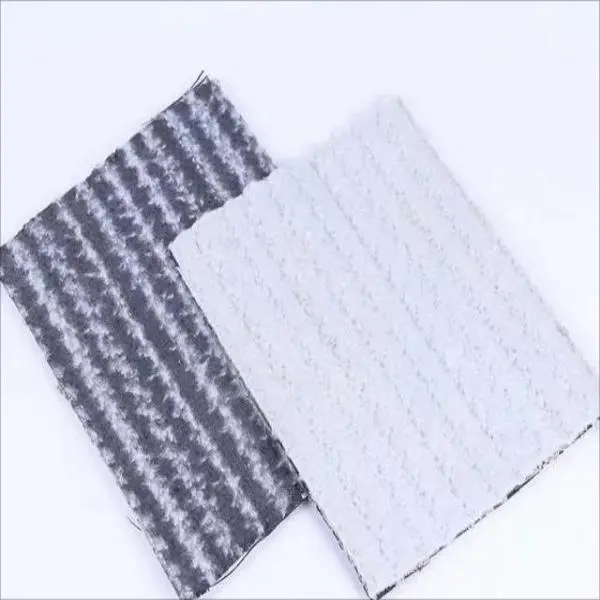
Landfills use multi-layered barriers, combining composite geonets and bentonite blankets (GCL) to drain leachate, vent underground gases, and protect groundwater from contamination.
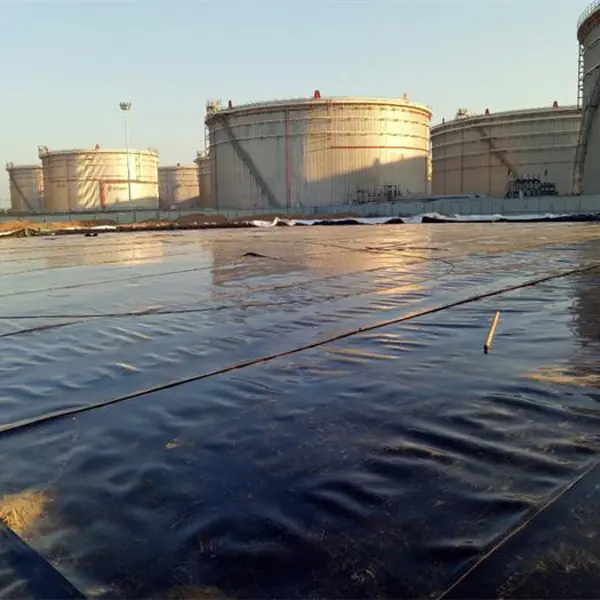
Petrochemical sites rely on geomembranes under fuel storage tanks to contain accidental spills, meeting environmental safety regulations and protecting the surrounding soil.
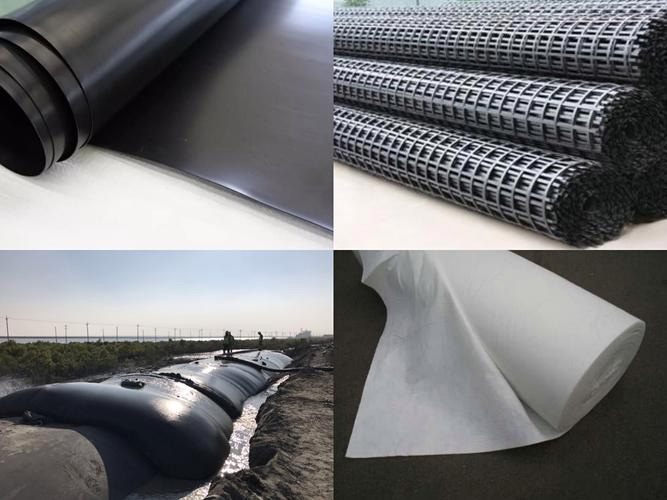
Designing an effective containment or drainage barrier requires matching material specifications to the project's mechanical and chemical environment. High vertical pressures, chemical exposure, and installation stresses must all be accounted for.
Engineers must evaluate the following properties when choosing between geomembranes and geonets:
Proper subgrade preparation is essential to prevent punctures. The subgrade must be compacted and cleared of rocks, roots, or sharp debris. Geonets and geomembranes should be rolled down slopes without over-tensioning to allow for thermal expansion. Ballast, such as sandbags, should be used during installation to prevent wind damage.
Seams in geomembrane systems are welded using double-track hot wedge welding or extrusion welding for detail work. Joint integrity is verified using air pressure testing or vacuum testing. Certified engineers should inspect all seams to confirm the containment barrier is leak-free.
Every production batch undergoes strict quality control to verify long-term performance under demanding site conditions.
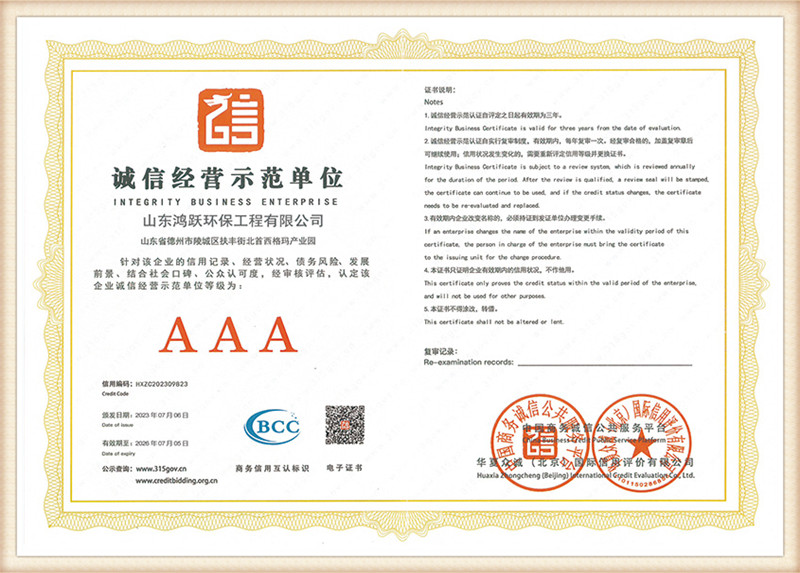
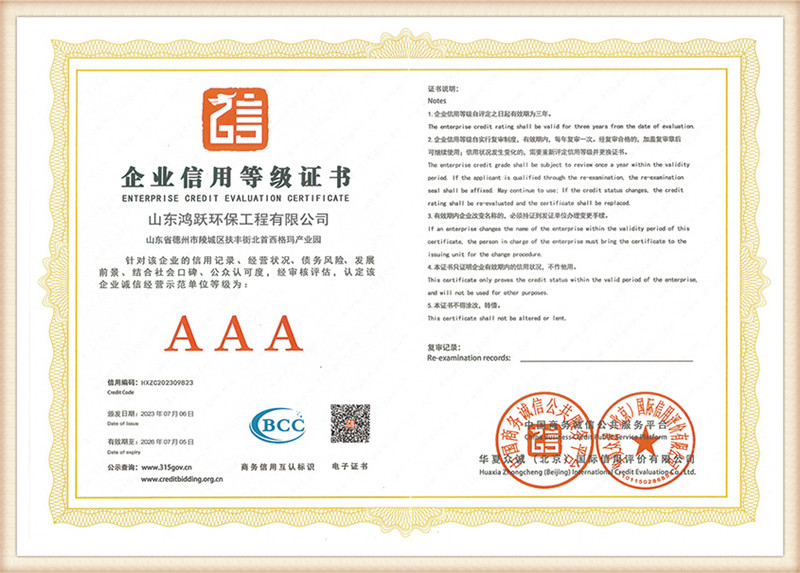
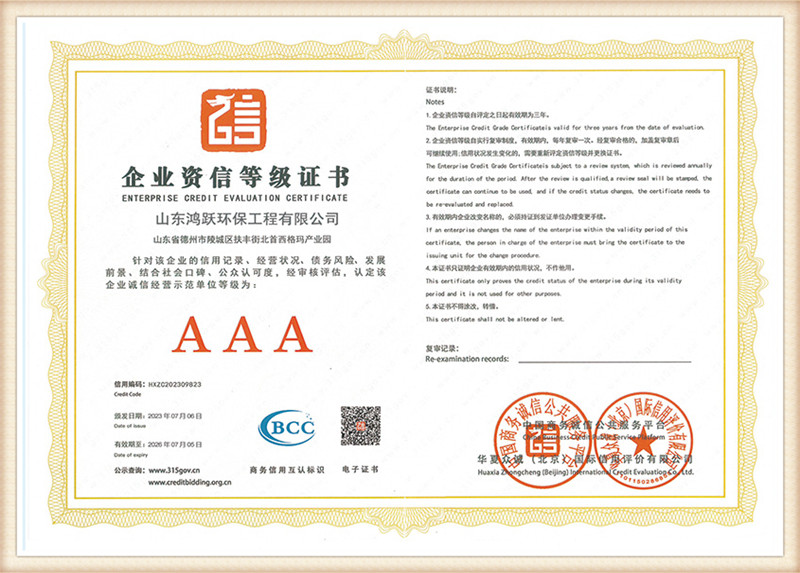
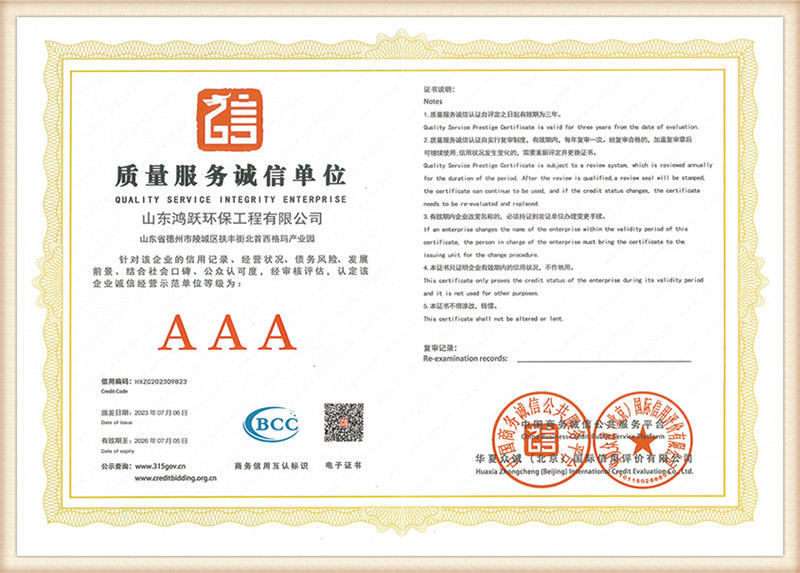
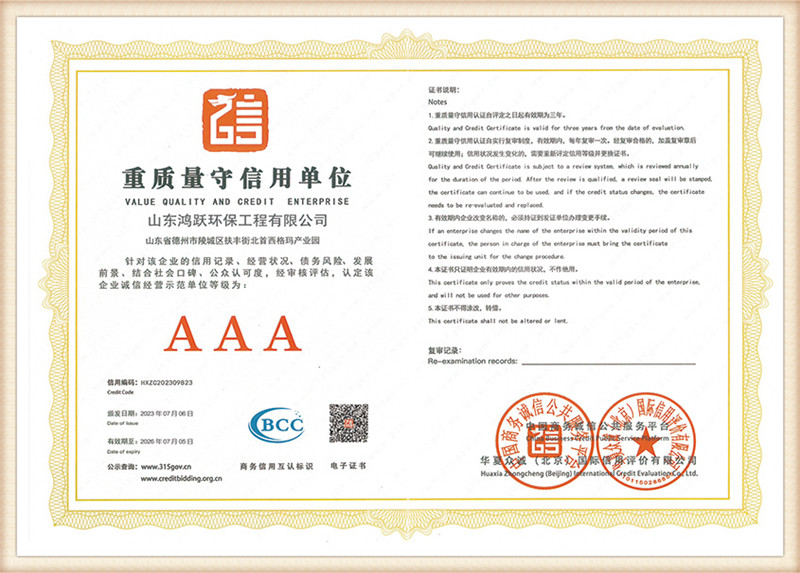
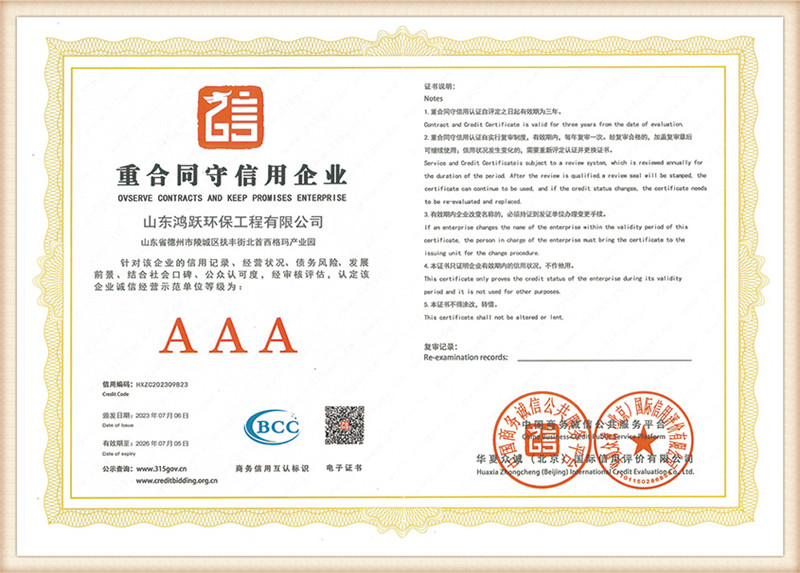
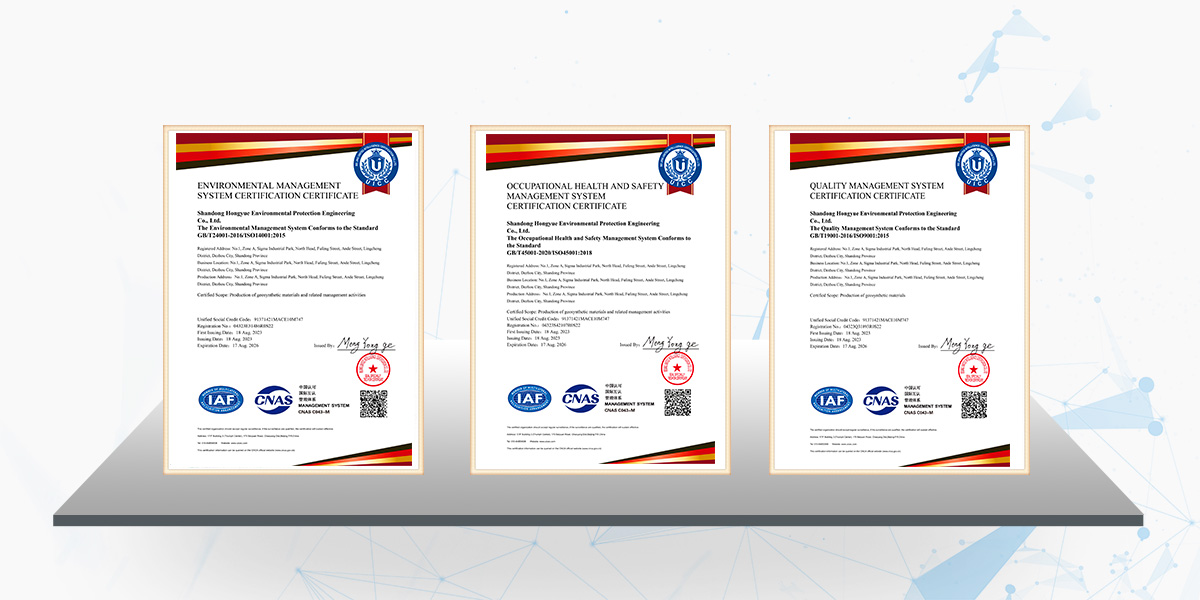
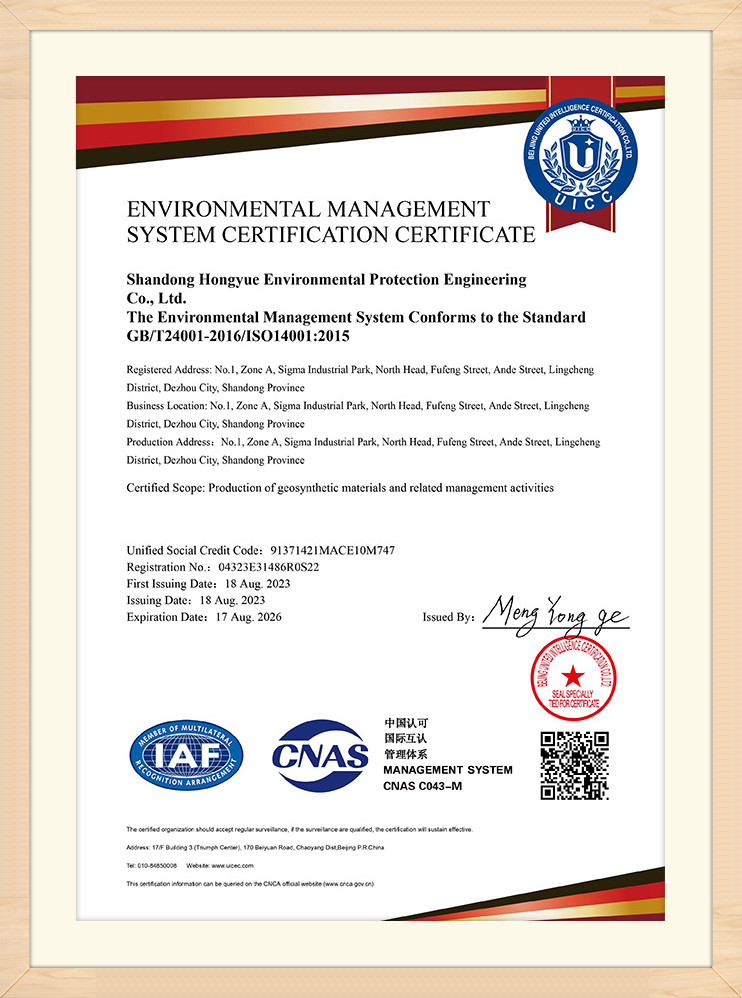
Shandong Hongyue operates under ISO9001, ISO14000, and ISO45001 certifications. Our test facility monitors polymer consistency from raw material intake to final roll shipping, verifying physical and chemical performance metrics.
Our testing schedule includes standard testing for: carbon black distribution, tensile strength, yield elongation, puncture resistance, and hydraulic transmissivity under pressure. This testing ensures our materials meet international standards for environmental and civil applications.
Our project support team provides technical advice and installation support, working with project designers and on-site contractors to resolve technical issues during construction.
Field applications demonstrating the long-term performance of Hongyue geosynthetic barrier systems.
Expert technical answers regarding geonet selection, installation procedures, and engineering performance.
Additional civil construction and environmental protection geosynthetics for industrial, municipal, and agricultural projects.
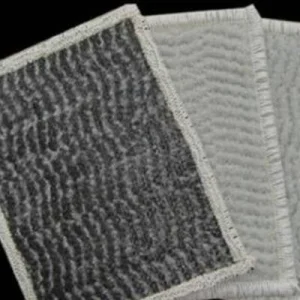
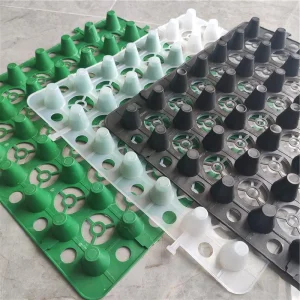
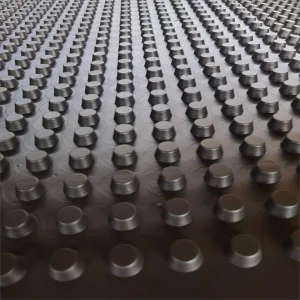
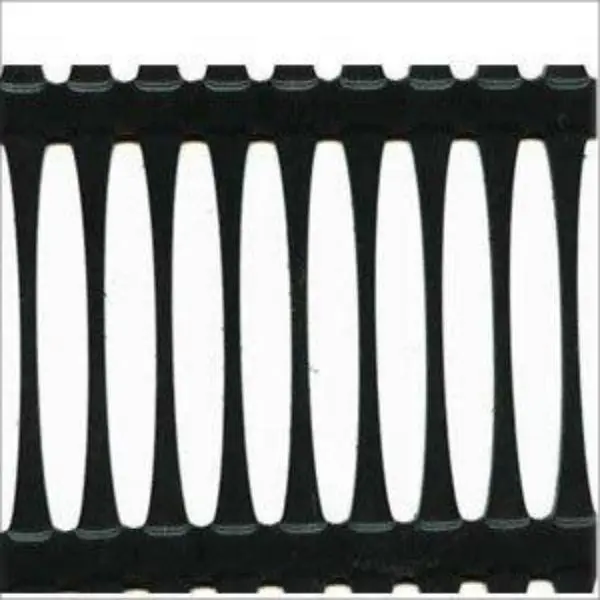
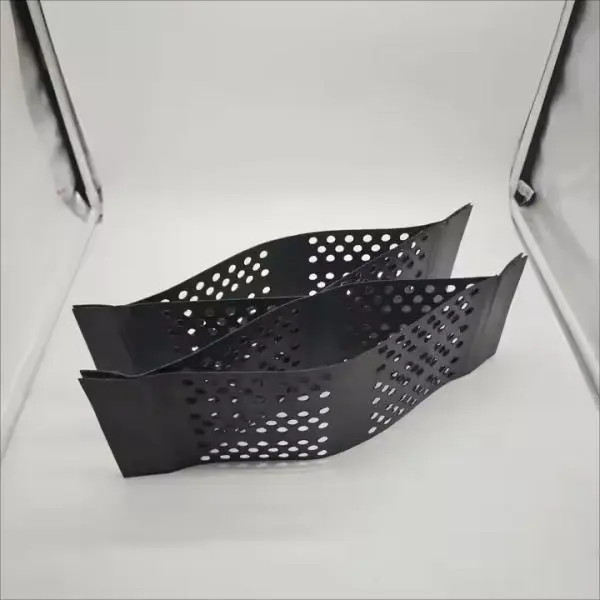
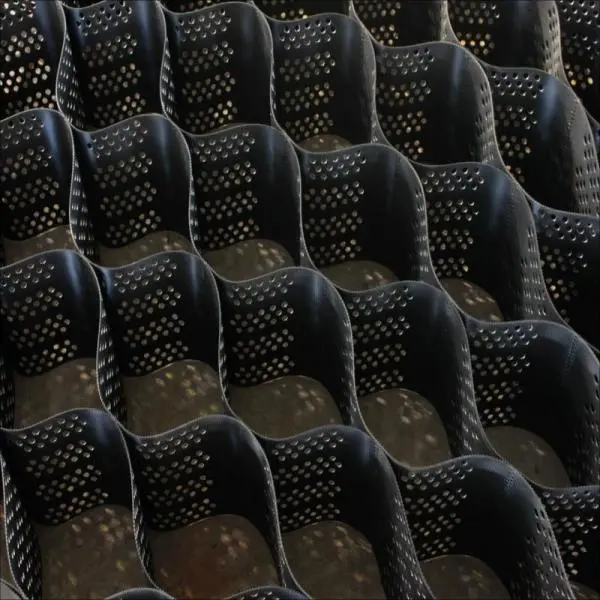
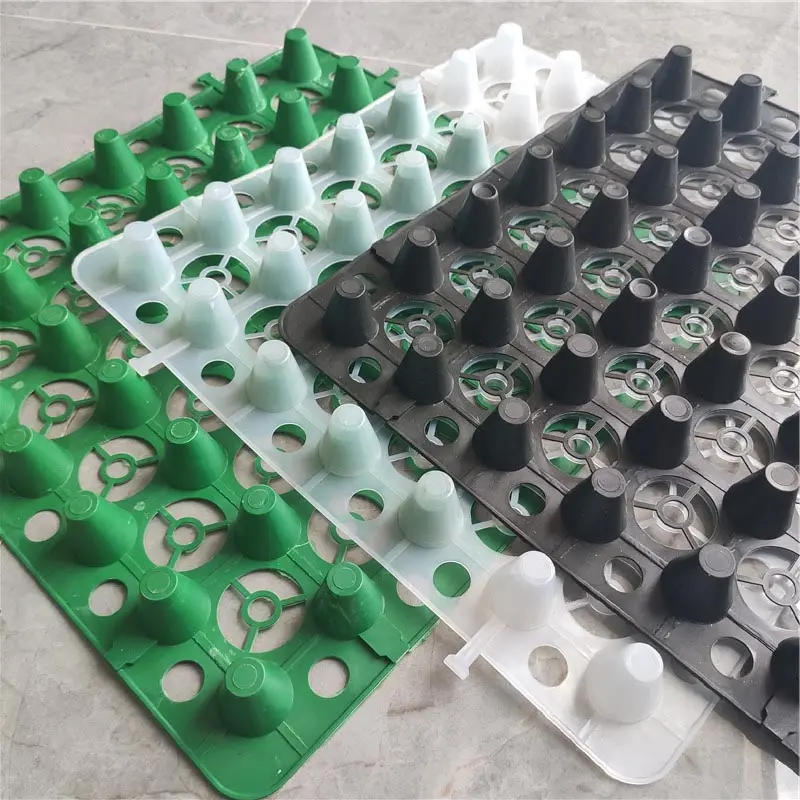
Our standard product portfolio includes geocells, drainage boards, and geogrids manufactured under certified quality control processes.
 Hongyue