Explore our industry-certified cellular confinement networks, engineered with cutting-edge polymers to deliver high seam-weld strength, structural flexibility, and decades of environmental resistance.
Registered with a capital of 105 million yuan, Shandong Hongyue Environmental Engineering Co., Ltd. represents the cutting edge of geotechnical material manufacturing in China. Operating from our industrial scale facility in Dezhou, Shandong Province, we specialize in the design, engineering, sales, and field construction of high-durability geosynthetics.
As a foundational member of the Dezhou Geotextile Association, we service macro infrastructure projects across transportation, environmental remediation, mining, and water conservancy. By developing high-density polyethylene (HDPE) and composite systems that meet rigorous international criteria, we bridge the gap between structural integrity and green environmental design.
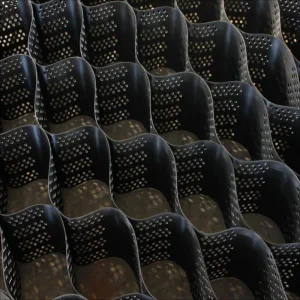
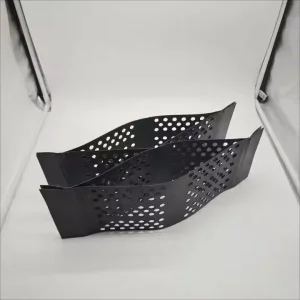
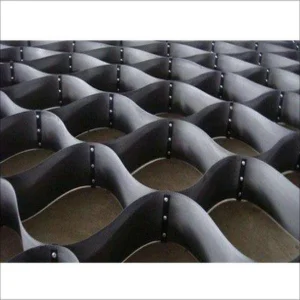
Cellular Confinement Systems (CCS), commonly known as geocells, transform the structural properties of cohesive and cohesionless soils. By utilizing a three-dimensional honeycomb structural matrix, geocells isolate, restrain, and strengthen fill materials (sands, gravels, native soils, concrete) against horizontal displacement and vertical loads.
When an axial load is applied to an infill material within a geocell cell, it induces lateral pressure against the cell wall. The high tensile strength of the HDPE pocket generates radial hoop tension, confining the soil and preventing shear failure.
As loads press downward, the geocell mattress acts as a semi-rigid slab. This tensioned membrane effect redistributes vertical stresses over a much wider area, significantly reducing subgrade settlement and deformation.
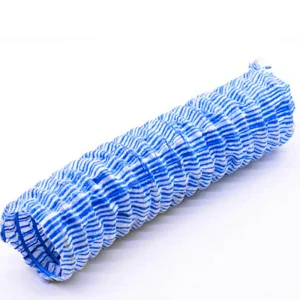
Perforated cell walls facilitate cross-drainage and dissipate excess pore water pressure. This makes them ideal for vegetated channel systems, preventing water accumulation and subsequent soil saturation.
Purchasing geosynthetics directly from our factory in Dezhou, Shandong, offers critical industrial and commercial advantages for international developers, civil engineers, and distributors:
Dezhou is the epicenter of geosynthetics manufacturing in Asia. This concentrated ecosystem optimizes raw polymer procurement, high-speed extrusion machinery maintenance, and engineering logistics, passing the structural savings to our buyers.
We operate our own co-extrusion and ultrasonic welding lines, allowing us to customize sheet thicknesses (1.0mm - 1.8mm), surface textures (textured, smooth), cell heights (50mm - 300mm), and weld spacings (330mm - 1000mm) exactly to project specifications.
With 105 million RMB in capital and extensive warehouses, we maintain robust raw material pipelines. This mitigates global supply chain spikes and guarantees rapid delivery for national or cross-border transport projects.
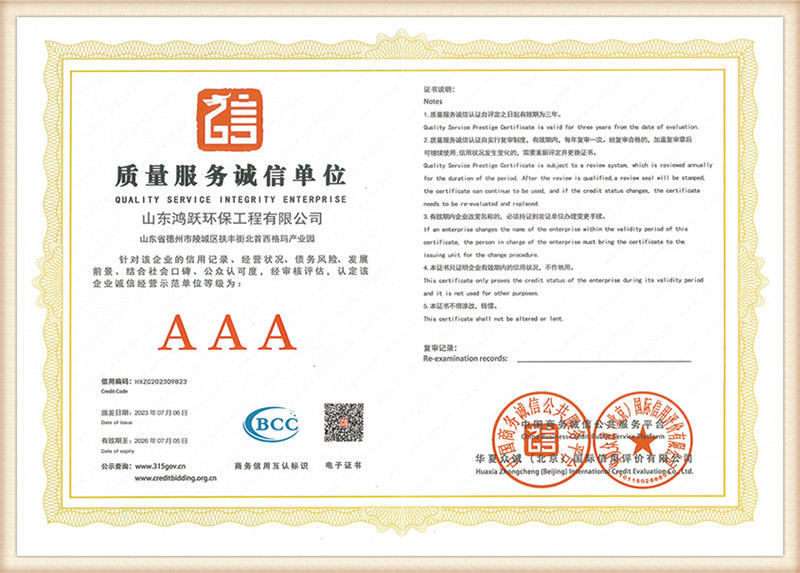
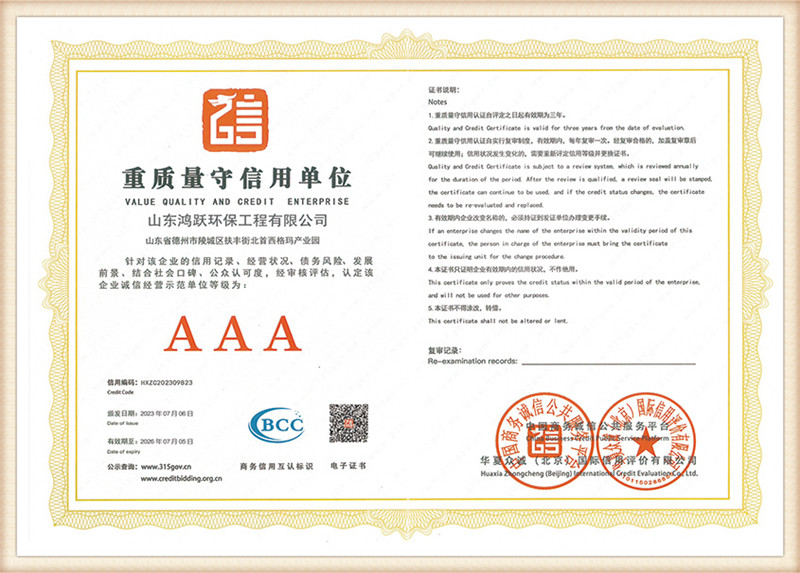
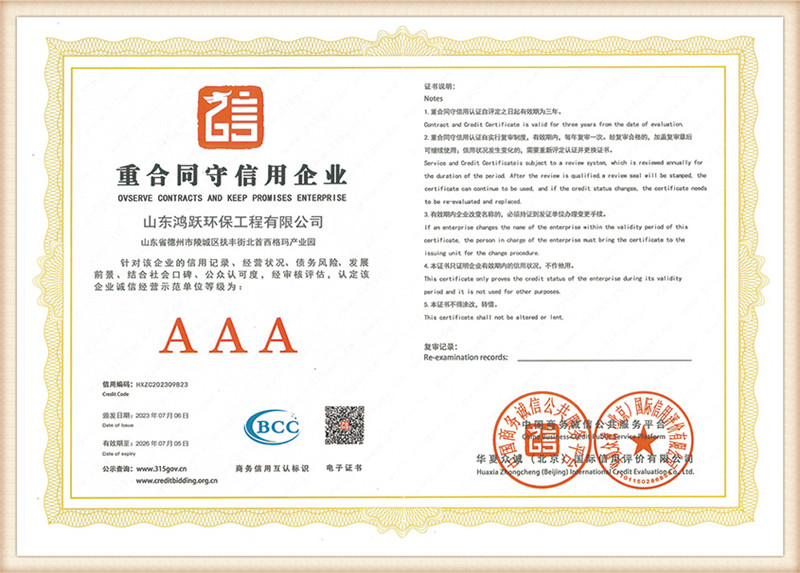
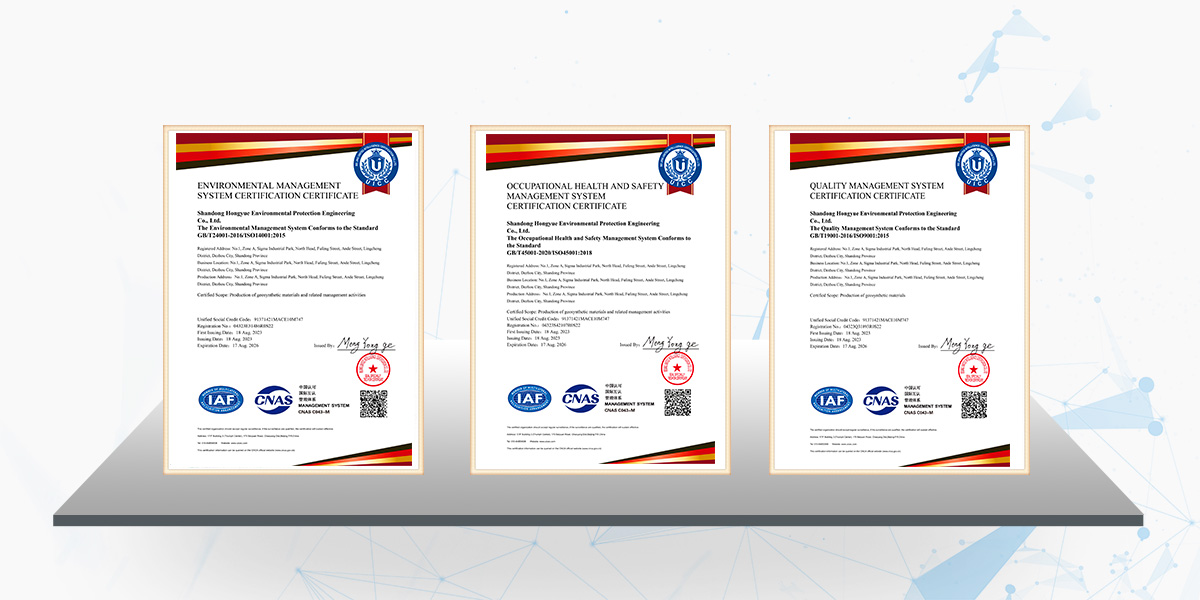
By implementing strict ISO9001 and ISO14000 protocols across our manufacturing floor, we achieve total tracking and performance validation for all geosynthetic lines, from raw resin melt down to finished, bundled rolls.
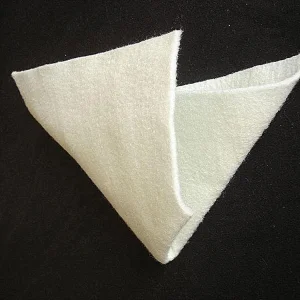
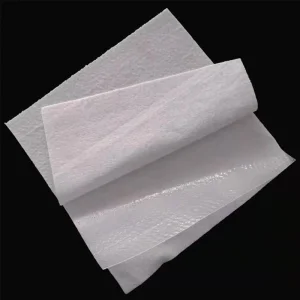
Polyester chips, polypropylene filament, or viscose fibers are inspected for molecular consistency, moisture, and density to guarantee batch integrity.
Polymer compounds are melted inside a high-precision screw extruder. Additives like UV stabilizers and carbon black are combined under precise heat and pressure controls.
The viscous melt is spun through custom spinnerets to form continuous micro-filaments, which are systematically distributed onto a conveyor belt to build a uniform web structure.
The web is mechanically needle-punched to cross-link the fibers, maximizing physical tensile properties, permeability, and structural stability.
The fabric is rolled, measured for consistent thickness and width, and packaged under protective shrink-wrap.
Every batch undergoes physical, hydraulic, and chemical testing to ensure performance conforms to international geotechnical guidelines.
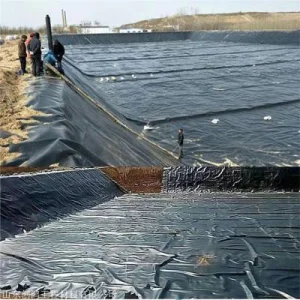
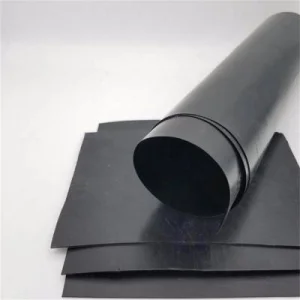
Geomembranes serve as impermeable linings. Our process ensures zero-defect containment for reservoirs, canal linings, and waste facilities:
We select high-grade HDPE or LLDPE resins designed for maximum chemical resistance and environmental stress crack resistance (ESCR).
The resin is extruded and blown to form a membrane sheet. Thicknesses are accurately calibrated from 0.3mm up to 2.0mm depending on pressure loads.
Our field technicians employ dual-track wedge welding to guarantee absolute seam water-tightness during site installations.
Regular cleaning, visual inspections, and non-destructive spark tests protect the integrity of the geomembrane liner against structural wear and sharp objects.
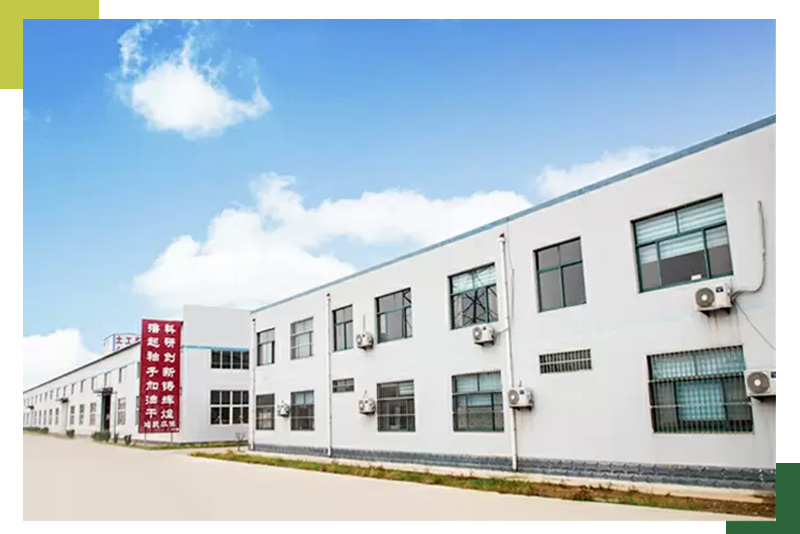
A glimpse into our state-of-the-art facilities in Dezhou, Shandong, featuring automated ultrasonic welding and co-extrusion technology.
Geosynthetics play a vital role in balancing industrial growth with environmental protection. Our integrated product lines target core civil and hydraulic engineering domains:
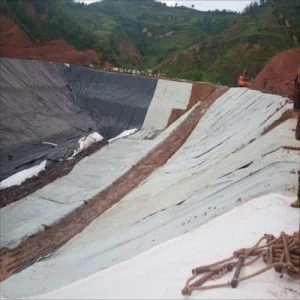
Using geomembranes in canals, dams, and reservoirs eliminates soil seepage loss, stabilizes embankment slopes, and prevents catastrophic structural washouts.
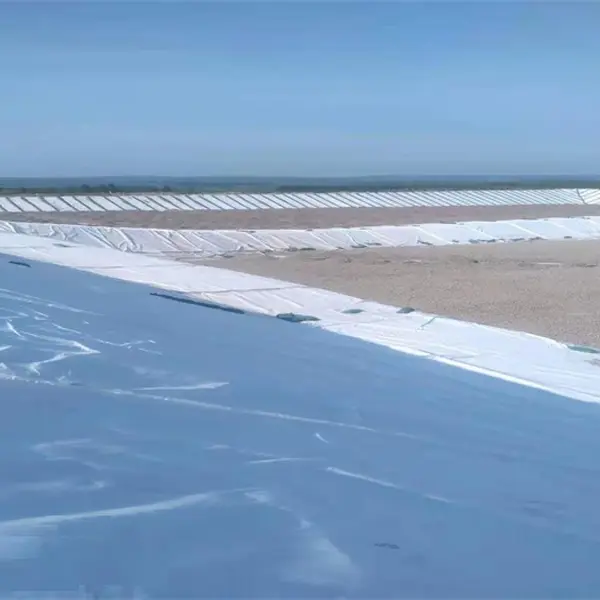
Our cellular matrices secure loose topsoils on steep slopes, encouraging vegetation growth and neutralizing runoff energy along highways and railway corridors.
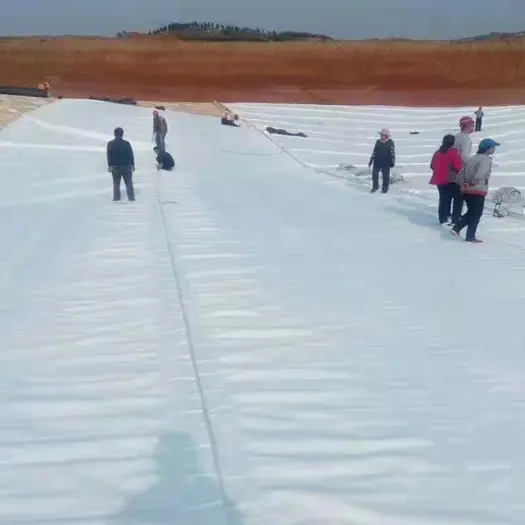
Double composite lining systems (geomembrane paired with bentonite blankets) contain toxic leachates, preventing underground environmental contamination.
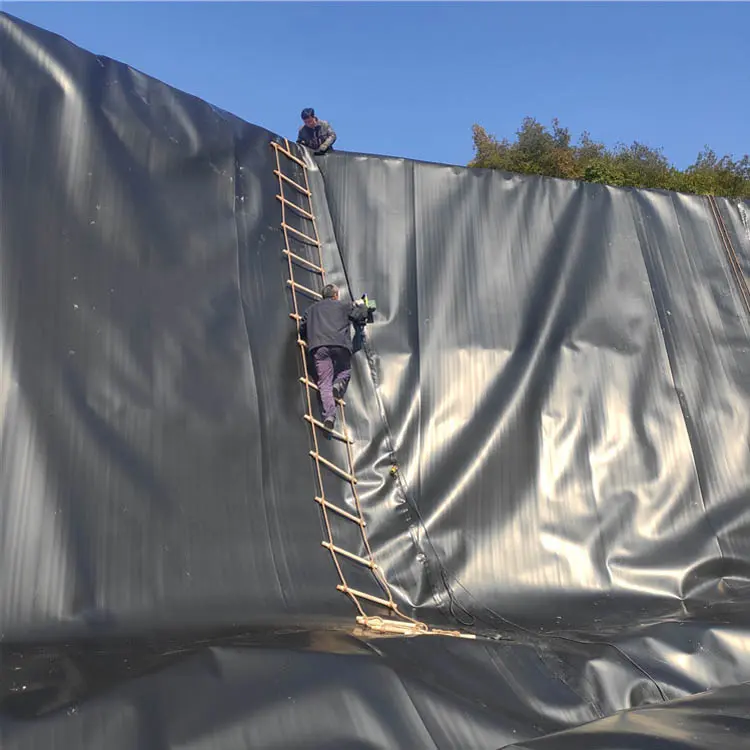
To secure an accurate engineering cost estimate, procurement officers should define their project parameters using our technical metrics checklist below:
| Parameter Name | Common Range Options | Typical Engineering Application |
|---|---|---|
| Cell Height (Depth) | 50 mm, 75 mm, 100 mm, 150 mm, 200 mm, 300 mm | Finer particles require less depth; heavy dynamic loads need deeper containment. |
| Weld Spacing (MWS) | 330 mm, 400 mm, 450 mm, 500 mm, 660 mm, 1000 mm | Determines cell pocket area. Narrower spacing increases local load capacities. |
| Wall Surface Treatment | Textured (diamond patterned) or Smooth; Perforated or Non-Perforated | Texturing increases friction coefficient with infill; perforations aid drainage. |
| Polymer Thickness | 1.0 mm, 1.1 mm, 1.2 mm, 1.5 mm, 1.7 mm, 1.8 mm | Corresponds to the ultimate tensile load capacities of individual cell walls. |
| Seam Peel Strength | > 1000 N / 100 mm up to > 1420 N / 100 mm | Critical metric preventing cellular splitting under heavy vertical compression. |
Addressing technical, logistics, and installation queries raised by global procurement leads and geotechnical designers.
We primarily utilize 100% Virgin High-Density Polyethylene (HDPE) resins to ensure peak environmental stress crack resistance (ESCR) and tensile durability. While recycled polymers are cheaper, they compromise seam weld strength and age rapidly under constant UV exposure. We only supply certified virgin material configurations for long-term civil infrastructures.
Perforations act as microscopic pathways allowing water to drain horizontally between cells. This drainage relieves hydrostatic head pressures, keeping subgrades dry and preventing soft mud slip failures. However, if using very fine sand infills, unperforated geocells may be selected to prevent fill migration.
On steep slopes, geocells are anchored using J-shaped rebar pins or glass-fiber composite ground anchors driven through the cells at set intervals. In addition, high-strength polymeric tendons are threaded horizontally through the cells and anchored at a concrete deadman crest beam to counter gravity loads.
Every production run undergoes split-strip peel testing to verify that ultrasonic seam weld strength meets or exceeds GRI-GS15 standards. Furthermore, our lab tests polymer density, carbon black content (typically 2-3% for UV block), and tensile properties, ensuring all products meet ISO, CE, and China National Quality guidelines.
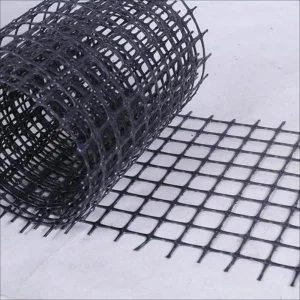
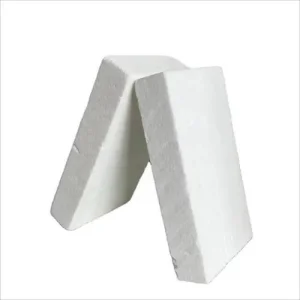
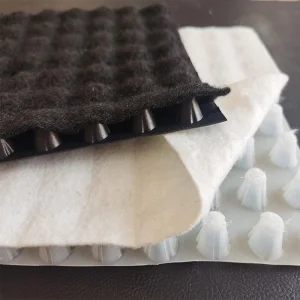
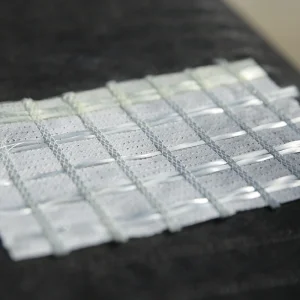
Browse our comprehensive catalog of reinforcement meshes, waterproofing liners, drainage panels, and composite membranes designed to deliver integrated structural solutions.
 Hongyue