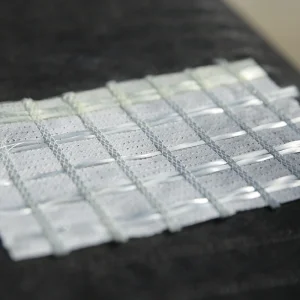
In contemporary civil engineering, infrastructure longevity is intrinsically linked to soil stability, hydraulic dynamics, and chemical degradation protection. The specification of Geotextile 200 Gr M² (grams per square meter) represents an optimized engineered benchmark. Balancing tensile strength, pore size, water flow rates, and puncture resistance, this material grade has transitioned into a fundamental requirement for civil contractors, environmental regulators, and structural engineers globally.
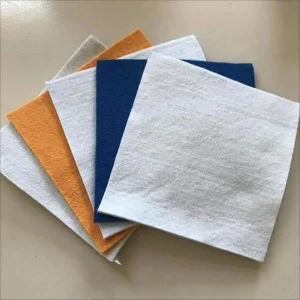
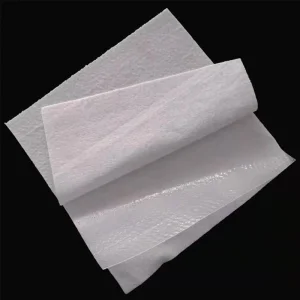
Whether constructed from Virgin Polypropylene (PP) or Polyester (PET), the nonwoven needle-punched structure of 200 g/m² geotextile offers exceptional multi-directional mechanical performance. By utilizing mechanical entanglement, the fibers form a complex three-dimensional pathway. This guarantees high hydraulic flow rates while holding back fine soil aggregates. This dual mechanism prevents the piping effect—where shifting subgrade particles ruin concrete slabs, asphalt roads, and railway baseworks.
As a leading Geotextile 200 Gr M² Exporter, Shandong Hongyue manufactures these materials to withstand extreme compressive and shear loads. Key physical attributes include:
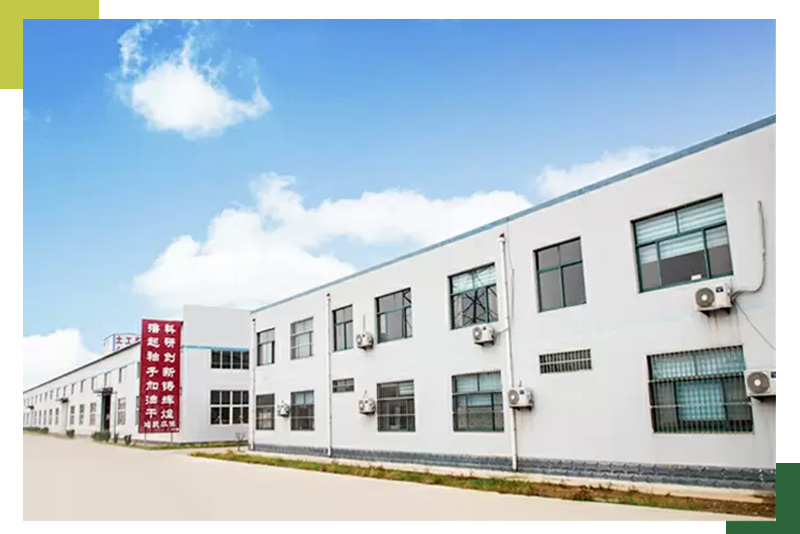
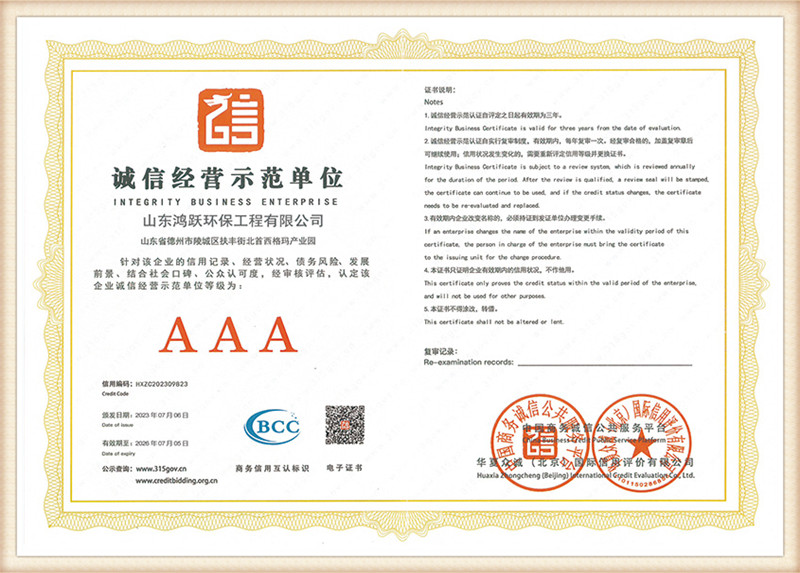
Established on April 6, 2023, and located in Dezhou City, Shandong Province, China, Shandong Hongyue is a large-scale enterprise specializing in researching, developing, manufacturing, and installing advanced geocomposites. With a registered capital of 105 million yuan, our facility is recognized as a modern production base for geotextiles, geomembranes, and geocells.
Strategically positioned near major domestic shipping ports and railway hubs, we offer rapid logistics and reliable dispatch times. As active members of the Dezhou Geotextile Association, we focus on engineering innovation and environmental sustainability. Our products are designed for harsh environments, including high-acid mine tailings, sub-zero railway foundations, and municipal solid waste landfills.
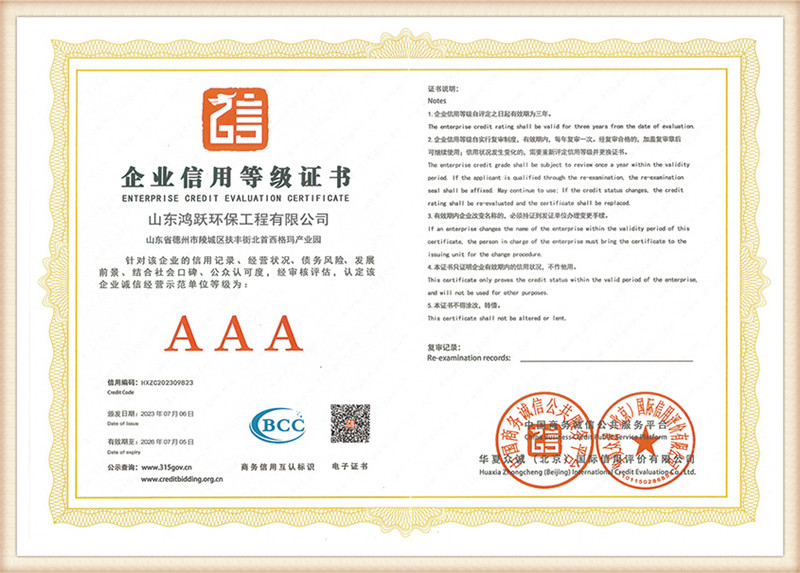
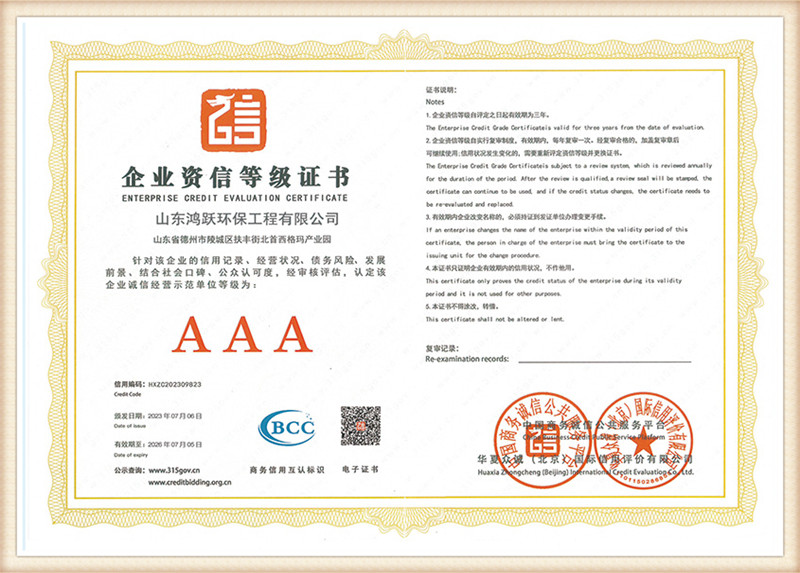
To ensure high standards of safety and quality, our company has implemented structured management protocols. We have achieved certification for:
Our solutions have earned recognition as "Green and Environmentally Friendly Building Materials Products" and "China Famous Brands." Tested by the China National Testing Center, our products meet and exceed international specifications (ASTM, EN, and GB/T standards), ensuring reliable performance in demanding projects.
Modern infrastructure requires high-performance materials. Geotextile 200 Gr M² plays a key role in global infrastructure planning, environmental protection, and site containment.
Separates the subgrade soil from imported stone bases. This prevents soft soil migration under heavy traffic loads, reducing rutting, potholes, and base degradation.
Acting as a protective cushion, the 200g/m² geotextile is laid directly over geomembranes to prevent punctures from sharp aggregate backfill in municipal and industrial landfills.
Placed under rip-rap or concrete blocks along channels, riverbanks, and coastlines to control erosion. It permits natural water drainage while preventing soil washout.
Precision manufacturing defines our Geotextile 200 Gr M². Our production line uses advanced control software to monitor fiber dispersion, needle density, and thermal stabilization in real-time.
Our raw materials include high-quality Polyester (PET) chips, Polypropylene (PP) resins, and specialized viscose fibers. Incoming polymers are tested for melt flow index, purity, density, and moisture level before processing.
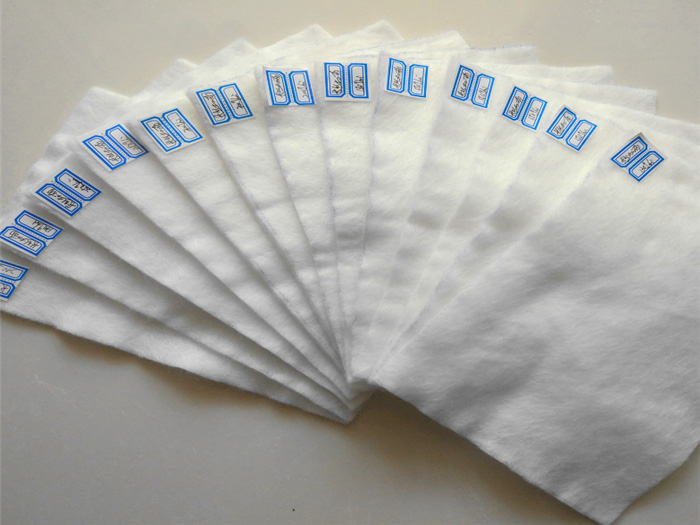
Polymer chips are melted at high temperatures and extruded through micro-spinnerets to produce continuous filaments. These filaments are layed down onto a moving belt conveyor, forming a uniform three-dimensional network structure.
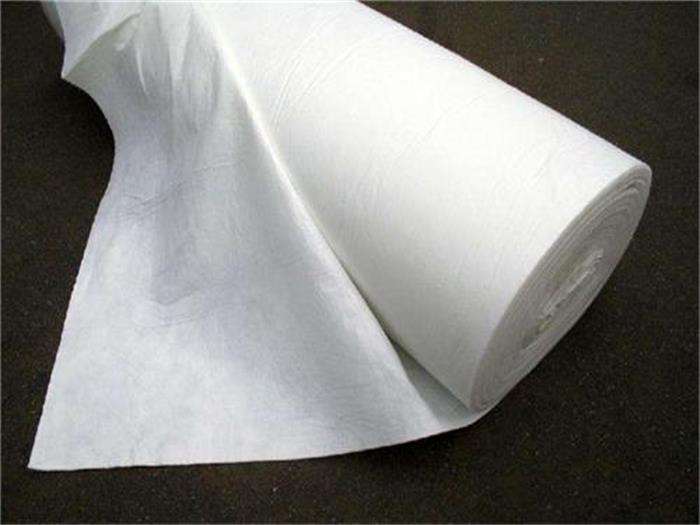
The loose fiber web passes through needle looms where thousands of barbed needles punch vertically, interlocking the fibers. Depending on the specification, the product may undergo thermal bonding to increase tensile strength and modify pore structure.
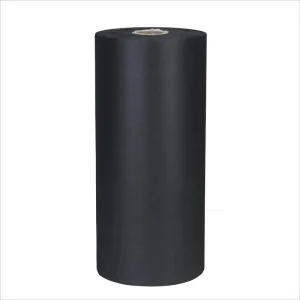
The geotextile is measured for consistent width and thickness, then wound onto heavy-duty cardboard cores. Rolls are wrapped in UV-protective polyethylene film to prevent degradation during transport and job-site storage.
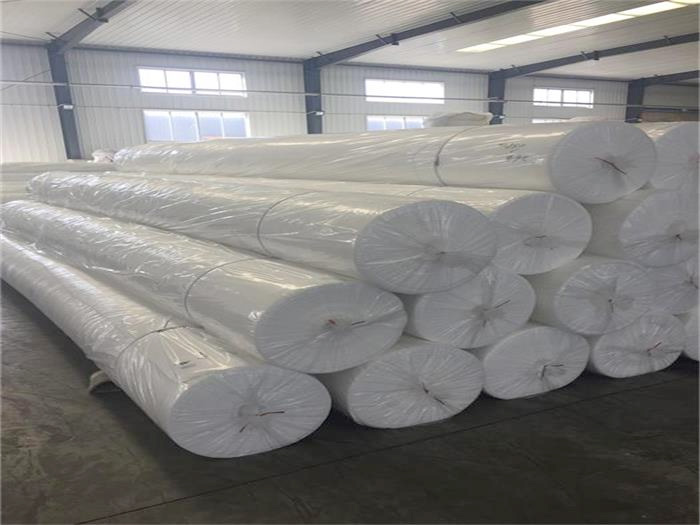
Correct installation is key to geotextile performance. Our engineering team has prepared this guide based on international best practices.
Before laying the geotextile, clean and grade the subgrade surface. Remove tree roots, sharp rocks, boulders, and organic debris that could damage the fabric during compaction.
Unroll the geotextile along the alignment path. Do not drag the rolls across rough surfaces. For adjacent rolls, overlap by 300mm to 500mm depending on subgrade stability (CBR rating):
Do not drive equipment directly on the exposed geotextile. Place aggregate backfill using a push-spreading method, then compact to the specified dry density.
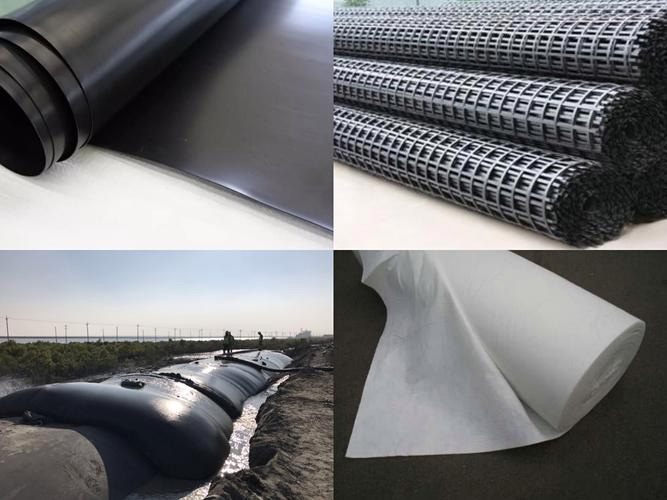
Shandong Hongyue operates a comprehensive quality control program, with in-house laboratory testing at each stage of production. From raw materials to finished rolls, all products are tracked for batch consistency.
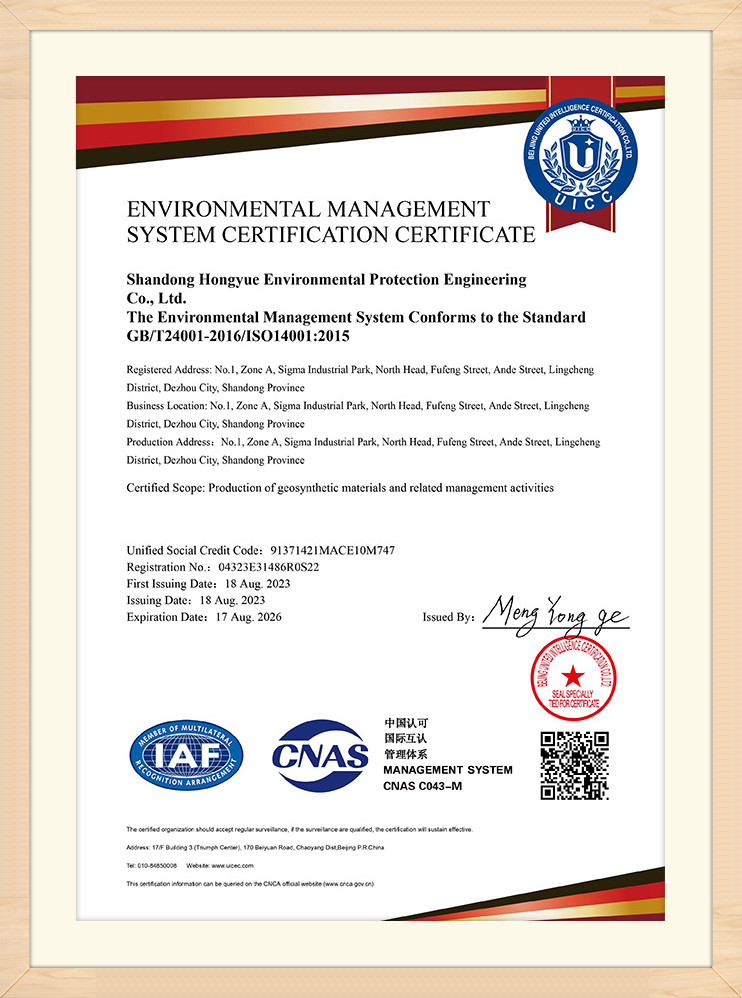
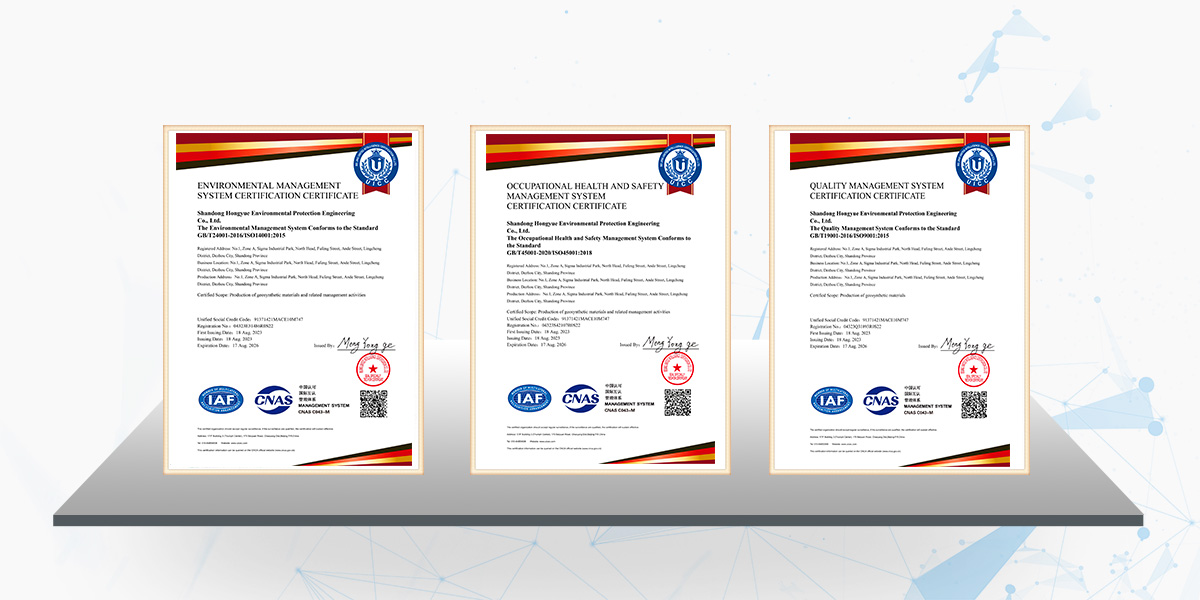
Testing parameters include wide-width tensile strength (ASTM D4595), trapezoidal tearing strength (ASTM D4533), CBR static puncture (ASTM D6241), and apparent opening size (ASTM D4751). Certified by the China National Testing Center, our products are engineered for reliable service life.
We work closely with project owners and contractors to design and deliver custom geosynthetic configurations for complex civil engineering challenges.
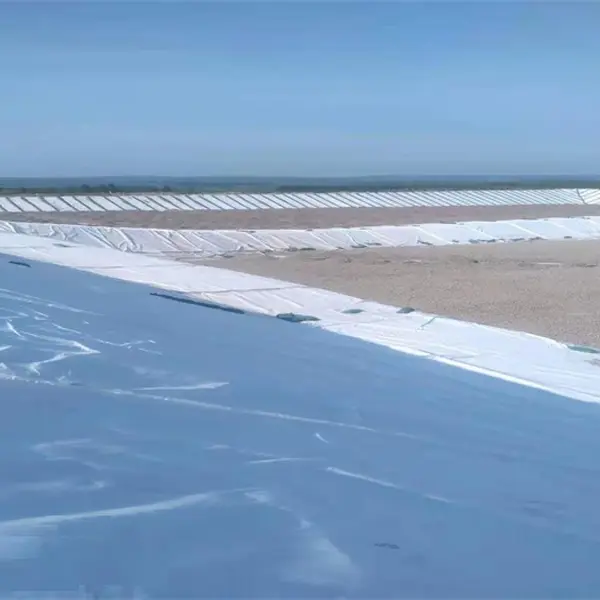
High-density composite liners protect reservoir banks from structural erosion and control water loss in municipal reservoirs.
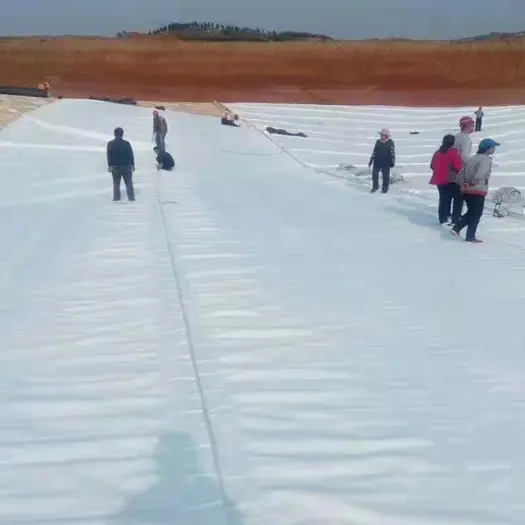
Combination of 200g/m² geotextile and geocells to stabilize steep riverbank slopes against wave action and seasonal flooding.
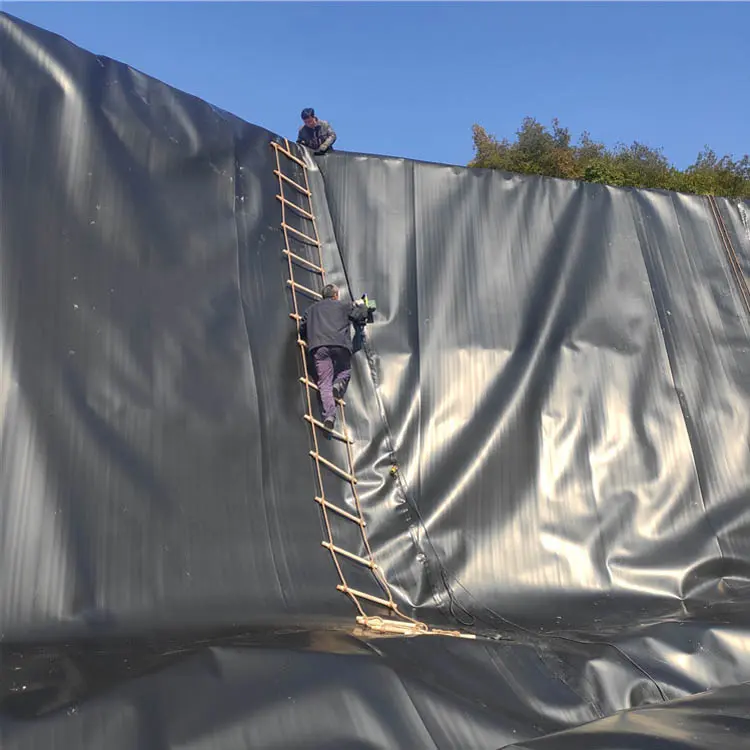
Installing thick, needle-punched geotextiles to protect delicate geomembrane barriers from damage by angular stone bases.
As green infrastructure standards evolve globally, Shandong Hongyue is investing in sustainable and high-performance geotextile development.
To support circular economy goals, our R&D team is developing nonwoven geotextiles using recycled PET (rPET) and biodegradable polymers. These materials maintain mechanical performance while reducing carbon footprints by up to 45% compared to fossil-based alternatives.
We are incorporating specialized carbon black and chemical UV stabilizers into our extrusion process, extending the allowable outdoor exposure window from weeks to years for open-air installations.
We are researching the integration of conductive carbon microfibers and fiber-optic sensors directly into the geotextile matrix. This will allow real-time monitoring of subgrade strain, shifts, and moisture changes in high-speed railways and large dams.
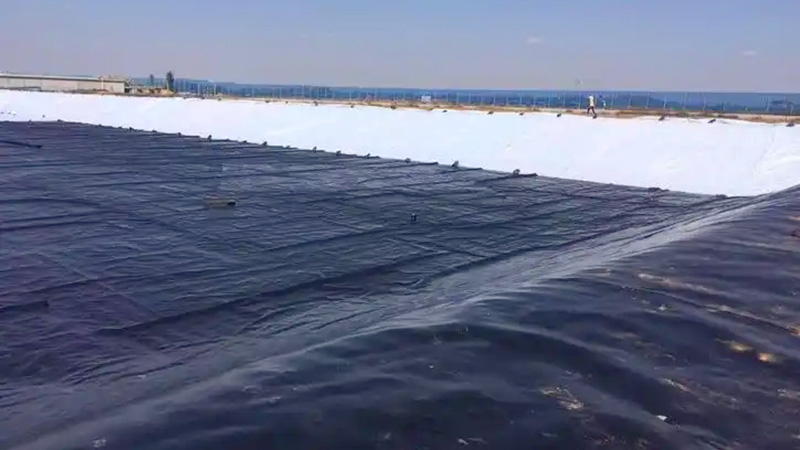
It indicates the weight of the material: 200 grams per square meter. This parameter determines the thickness, tensile strength, and puncture resistance of the material, making it suitable for moderate to high-load separation, filtration, and protection applications.
Woven geotextiles are made by weaving polymer tapes together, offering high tensile strength and load capacity but lower water permeability. Nonwoven geotextiles are needle-punched webs with high water flow rates, ideal for drainage, filtration, and geomembrane cushioning.
Our in-house laboratory and third-party inspectors (such as SGS and TRI) test every batch for ASTM/EN standards. We supply full quality control documentation, including raw material source logs, mill certificates, and physical property test sheets, with every shipment.
Yes. For acidic or alkaline soil conditions, we recommend Polypropylene (PP) geotextiles, which offer superior chemical resistance compared to Polyester (PET) equivalents. Our engineering team can help select the right material for your project.
For standard specifications, production takes 7-14 days. Shipping transit times depend on the destination port, typically ranging from 15 to 30 days for Europe, the Americas, and Australia.
 Hongyue