 Hongyue
1 / 4
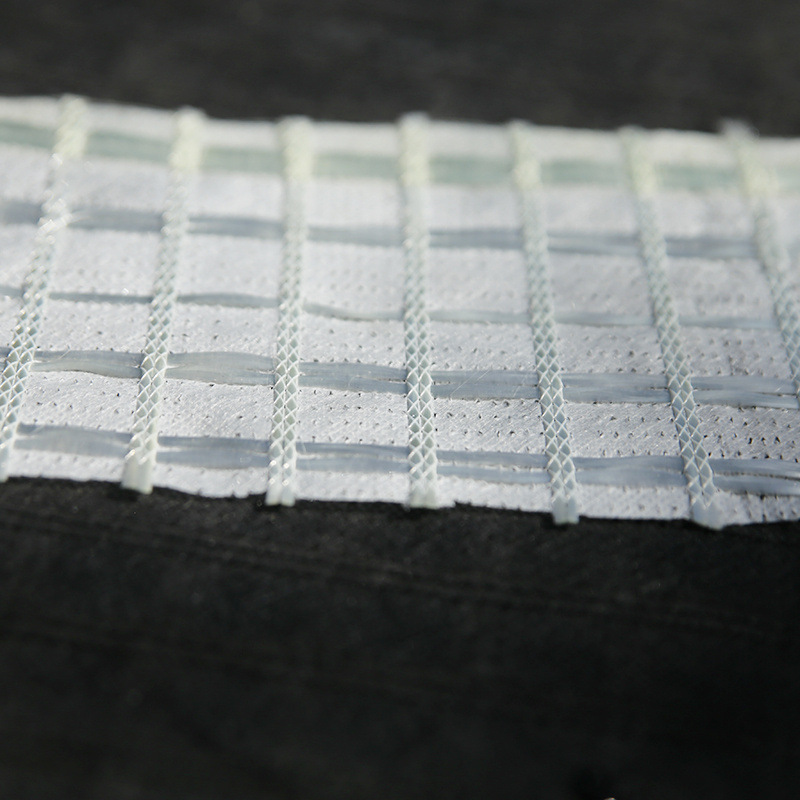
The fiber of warp-knitted composite geotextile is specially treated to make it have high tensile strength and stiffness. In the process of construction, the warp-knitted composite geotextile can effectively withstand the pull of soil and maintain its stability.
Warp knitted composite geotextile is made of special composite materials, which has high corrosion resistance. It can effectively resist soil erosion and chemical corrosion and extend service life.
The fiber gap of warp-knitted composite geotextile is large, which can allow the free flow of water and gas. This permeability can effectively remove water from the soil and maintain the stability of the soil.
Warp knitted composite geotextile has good permeability resistance, which can effectively prevent water and soil penetration and maintain the stability of soil.
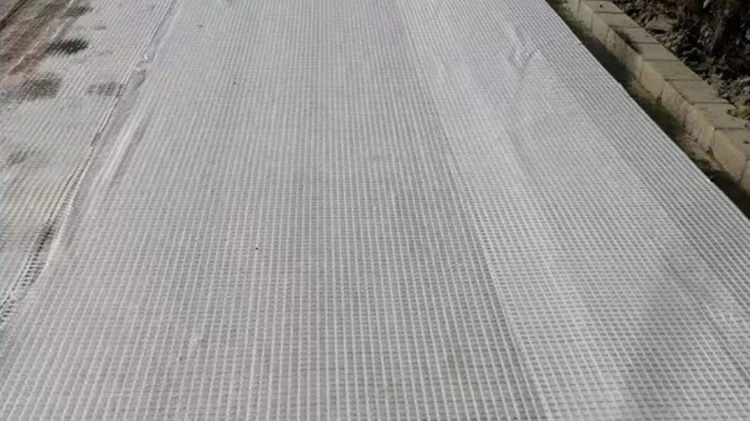
Warp knitted composite geotextiles have a wide range of applications in civil engineering and environmental engineering, including:
Warp knitted composite geotextile can be used as soil reinforcement material for strengthening roads, Bridges and DAMS and other civil engineering. It can effectively improve the strength and stability of soil and reduce the settlement and deformation of soil.
Warp knitted composite geotextiles can be used as soil protection materials to prevent soil erosion and weathering. It can effectively maintain soil stability and fertility, reduce soil erosion and land degradation.
Warp knitted composite geotextile can be used for environmental pollution control and water resources protection. It can be used as a filter material for sewage treatment equipment to remove suspended solids and organic matter in sewage. At the same time, it can also be used as a impervious material for reservoirs and waterways to prevent water pollution and waste of water resources.
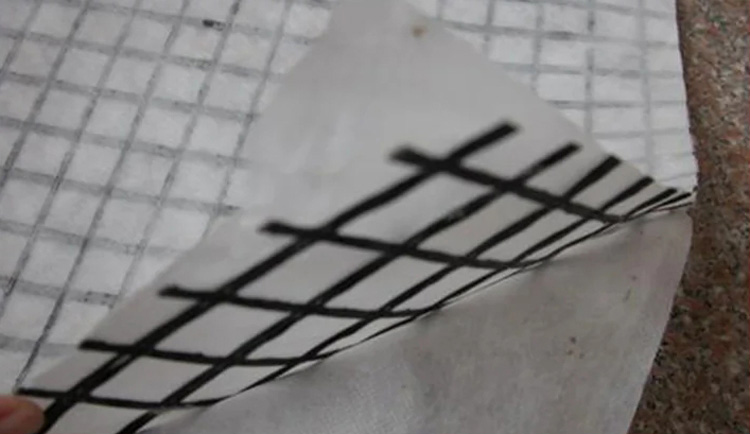
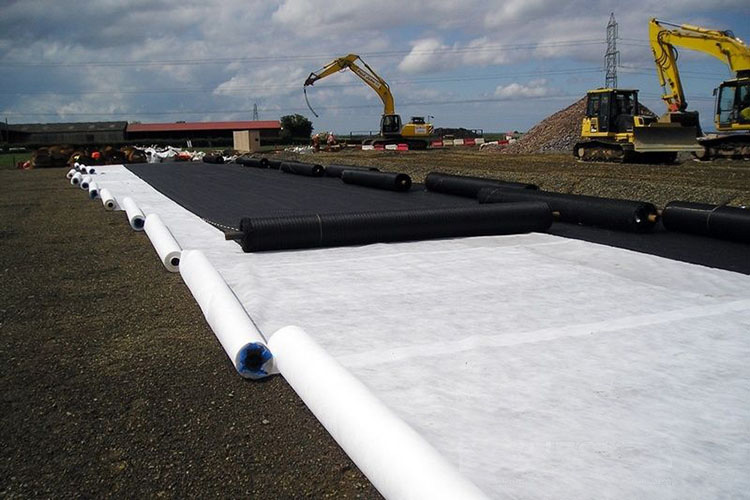
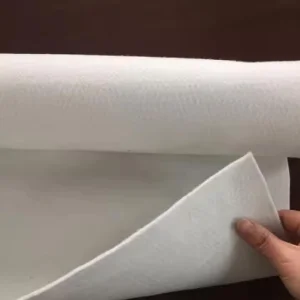
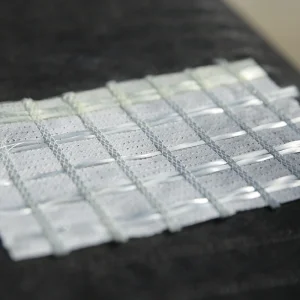
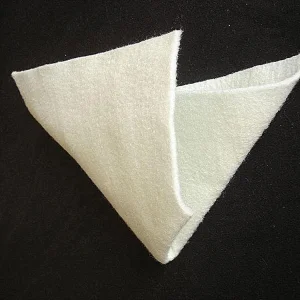
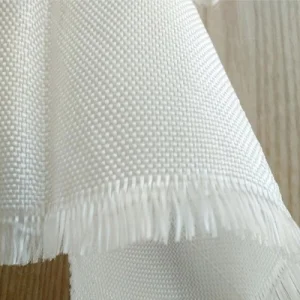
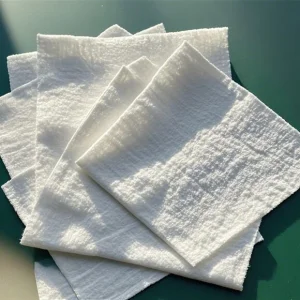
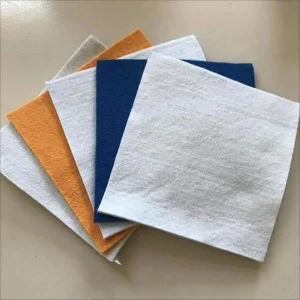
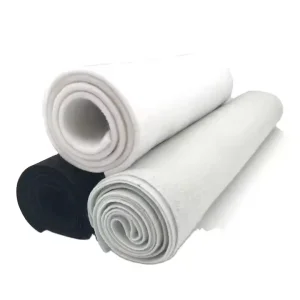
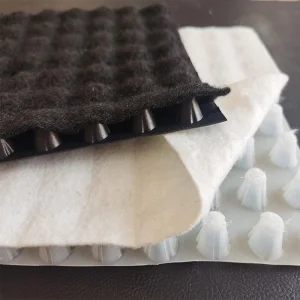
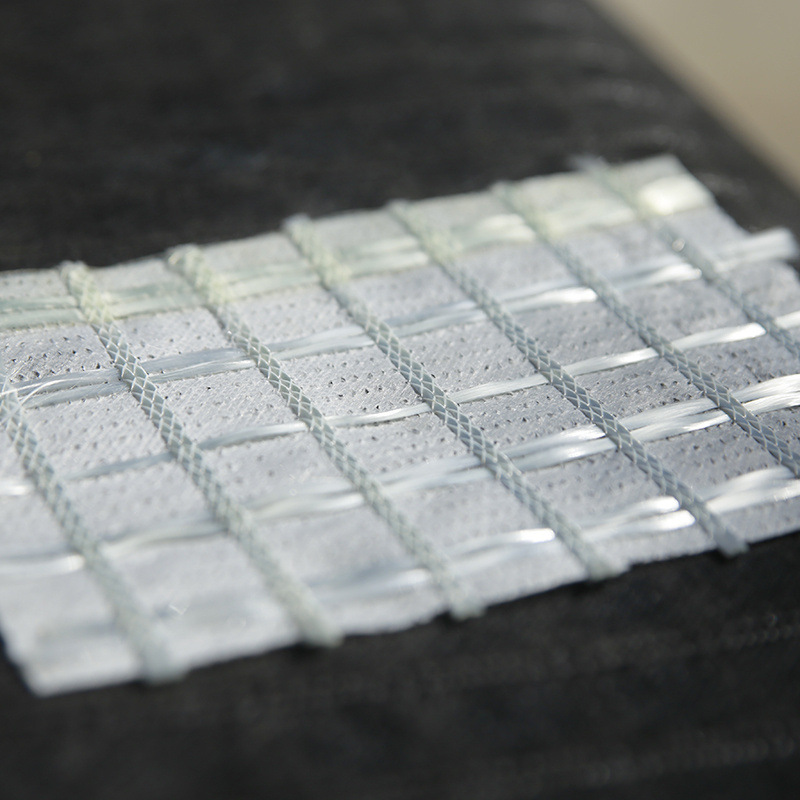
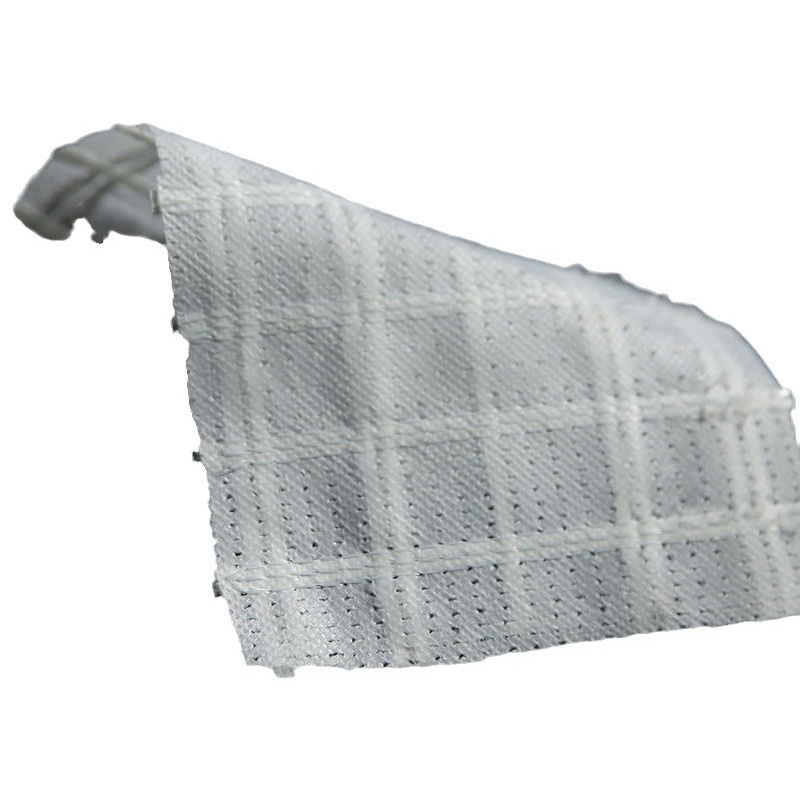
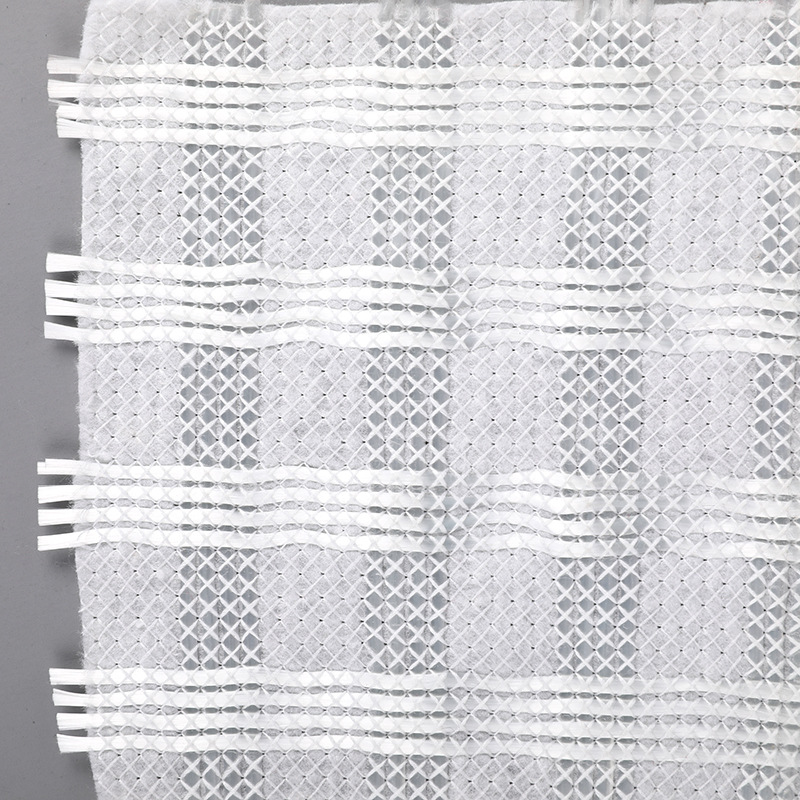
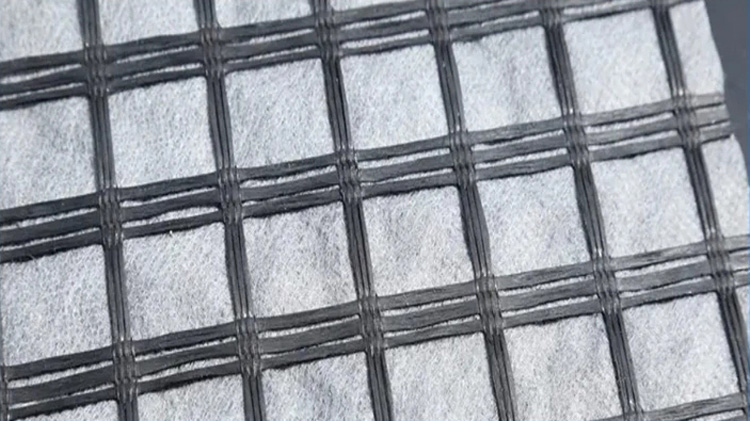
It is a geocomposite material mainly made of glass fiber or synthetic fiber as reinforcement material, compounded with staple fiber needled non-woven fabric.
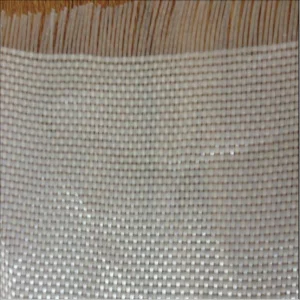
Unlike traditional materials, the crossing points of the warp and weft lines in this composite geotextile are not bent; they remain in a completely straight state. This provides high tensile strength, low elongation, and uniform deformation.
It increases soil strength and stiffness to withstand soil tension. This reduces soil settlement and deformation in applications like road construction, bridges, and dams.
Yes. Due to its special composite build, it has high corrosion resistance, meaning it effectively resists soil-based chemical attacks, weathering, and erosion, thereby extending the overall service life of the project.
It can filter suspended solids and organic waste in sewage treatment systems, and act as an impervious liner for reservoirs and channels to stop water leakage and prevent pollution.