 Hongyue
1 / 3
The structure of the material allows air to circulate within the fabric, enabling the soil to "breathe", which is beneficial for the growth and development of plant roots. At the same time, it can ensure that rainwater and irrigation water can quickly penetrate into the soil to prevent waterlogging on the ground.
It can effectively block the direct sunlight on the ground, making it difficult for weeds to obtain sufficient light for photosynthesis, thereby inhibiting the growth of weeds.
Some non - woven grass - preventing fabrics are made of degradable materials, which can gradually decompose in the natural environment after use and will not cause long - term environmental pollution like some plastic - based grass - preventing fabrics.
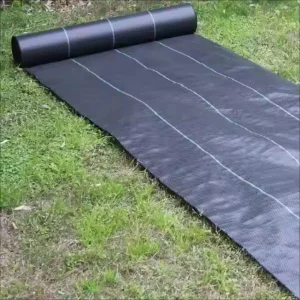
It is relatively light in weight, easy to carry, lay, and construct, reducing labor intensity and improving construction efficiency. Moreover, it can be cut and spliced according to needs during laying.
Although it is not as strong as some high - strength woven materials, under normal use conditions, it can resist a certain amount of external force pulling and wear, which is sufficient to meet the general grass - prevention needs. However, its service life is usually shorter than that of plastic woven fabrics, generally about 1 year.
It is widely used in scenarios such as orchards, vegetable gardens, and flower plantations. It can reduce the competition for nutrients, water, and sunlight between weeds and crops. At the same time, it can maintain soil moisture, which is beneficial to the growth and development of crops, and also reduce the cost and labor intensity of manual weeding.
It is suitable for horticultural scenarios such as flower beds, nurseries, and potted plants. It can make the horticultural landscape more tidy and beautiful, facilitate horticultural management, and create a good growth environment for flowers, seedlings, and other plants.
It is also used in some greening projects where the grass - prevention requirements are not particularly high and the use cycle is short, such as temporary greening sites and the initial greening of newly developed land.
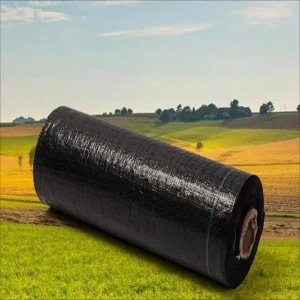
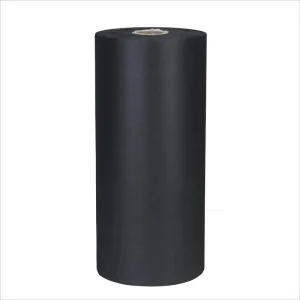
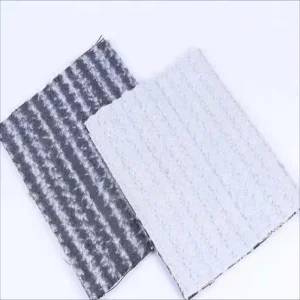
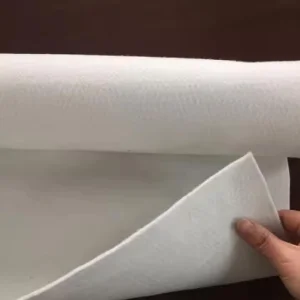
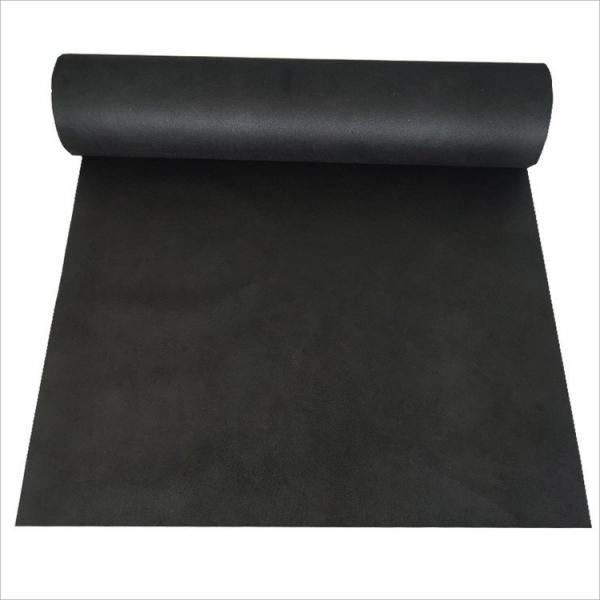
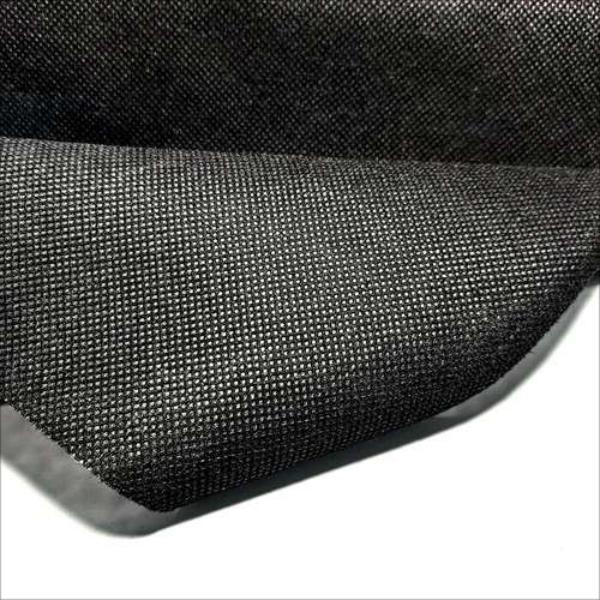
It is a geosynthetic material made of polyester staple fibers through manufacturing processes including opening, carding, and needling, resulting in a honeycomb-like fabric structure.
No, it features excellent air and water permeability. This structure allows air to circulate, enabling the soil to breathe for better root development, while ensuring rainwater and irrigation quickly penetrate the soil to prevent surface waterlogging.
It has good light-shading properties that effectively block direct sunlight on the ground. This deprives weeds of the light required for photosynthesis, thereby inhibiting their growth.
Yes, some of these fabrics are composed of degradable materials that naturally decompose over time in the environment, avoiding the long-term pollution associated with plastic-based alternatives.
It has moderate strength to resist general pulling and wear under standard conditions. However, its service life is typically shorter than plastic woven options, lasting generally around 1 year.
It is widely used in agriculture (orchards, vegetable gardens, flower plantations), horticulture (flower beds, nurseries, potted plants), and short-term greening projects (temporary greening sites and initial development lands).