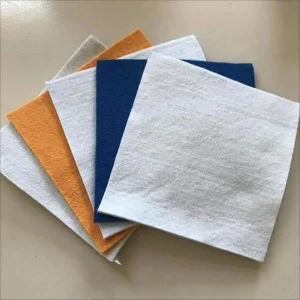
Best Woven grass-proof cloth Exporter, Exporters

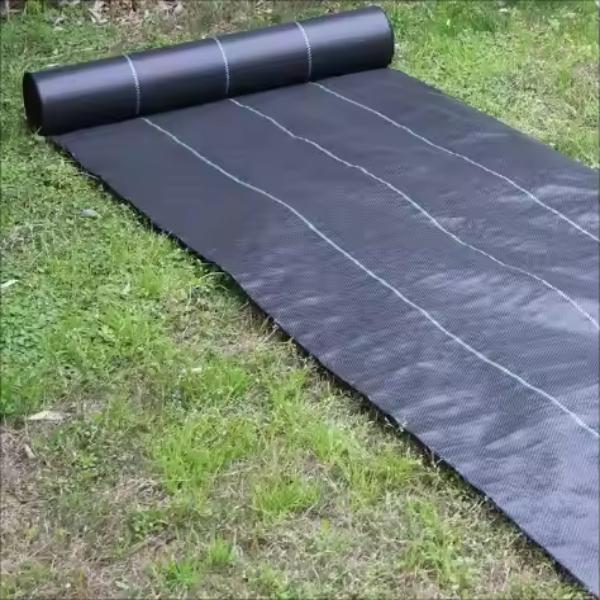
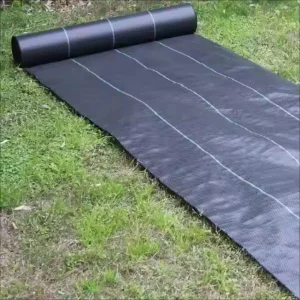
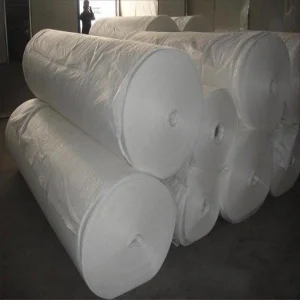
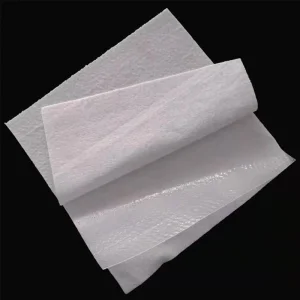
  • Definition: Woven weed - control fabric is a kind of weed - suppression material made by interweaving plastic flat filaments (usually polyethylene or polypropylene materials) in a criss - cross pattern. It has an appearance and structure similar to that of a woven bag and is a relatively strong and durable weed - control product.

Product Description

Definition
Woven weed-control fabric is a kind of weed-suppression material made by interweaving plastic flat filaments (usually polyethylene or polypropylene materials) in a criss-cross pattern. It has an appearance and structure similar to that of a woven bag and is a relatively strong and durable weed-control product.
Performance Characteristics
Weed-Control Performance
The woven weed-control fabric can effectively inhibit weed growth.
  • It covers the soil surface and blocks sunlight, with a light-shielding rate usually reaching 85% - 95% to stop weed photosynthesis.
  • The tight woven structure prevents external weed seeds from falling into the soil and reduces the spread of existing seeds.
Physical Properties
High structural stability and resistance to mechanical damage.
  • High Strength: Tensile strength is between 20 - 100 kN/m and tear strength is between 200 - 1000 N, surviving scratches from farm tools or animal trampling.
  • Good Stability: The dimensional stability of the woven structure keeps it in place without deforming or shifting.
Water & Air Permeability
Supports critical soil processes and root systems.
  • Water Permeability: Gaps allow water to pass at a rate of 0.5 - 5 cm/s, ensuring irrigation and rainwater penetrate the soil.
  • Air Permeability: Permits gas circulation, supporting aerobic root respiration and soil microorganism activity.
Long Service Life
Engineered for long-lasting outdoor application.
  • Offers a reliable service life of 3 - 5 years under normal usage conditions.
  • Added ultraviolet (UV) absorbers and antioxidants effectively delay outdoor weathering and material aging.
Application Scenarios
Agricultural Field
  • Orchards: Widely used in apple and citrus orchards to stop weeds from competing for resources and to ease field work like fertilizing and spraying.
  • Vegetable Planting: Highly suitable for large-spacing vegetable crops like pumpkins and winter melons to streamline harvesting and crop care.
Horticultural Landscape
  • Public Green Areas: Applied around flowers and shrubs in parks and squares to suppress weed growth while keeping public areas neat.
  • Golf Courses: Used around fairways and greens to control weeds, maintain turf cleanliness, and enhance aesthetic quality.
Frequently Asked Questions (FAQ)
Q What is woven weed-control fabric?
It is a weed-suppression material made by interweaving plastic flat filaments (polyethylene or polypropylene) in a criss-cross pattern. It features a strong, bag-like structure designed for durability.
Q How does the fabric control weed growth?
It covers the soil surface to block sunlight, achieving a light-shielding rate of 85% - 95%. This blocks photosynthesis for weed seeds and seedlings. Its tight structure also keeps external weed seeds from settling in the soil.
Q Can air and water pass through the fabric?
Yes. The gaps in the weave allow water to penetrate at a rate of 0.5 - 5 cm/s, keeping the soil moist. It also allows reasonable air circulation for root and soil microorganism respiration.
Q Is the fabric strong enough to resist damage from farm activities?
Yes. With a tensile strength of 20 - 100 kN/m and a tear strength of 200 - 1000 N, it withstands foot traffic, animal trampling, and scrapes from common farm tools without tearing easily.
Q How long does woven weed-control fabric last outdoors?
Under typical conditions, it has a service life of 3 - 5 years. It contains UV absorbers and antioxidants to slow down material aging caused by sun exposure.
Q Where is this weed-control fabric typically applied?
It is widely used in orchards (such as apple and citrus), vegetable farms (for pumpkins and winter melons), public green spaces (parks and squares), and around golf course fairways.

Related Products