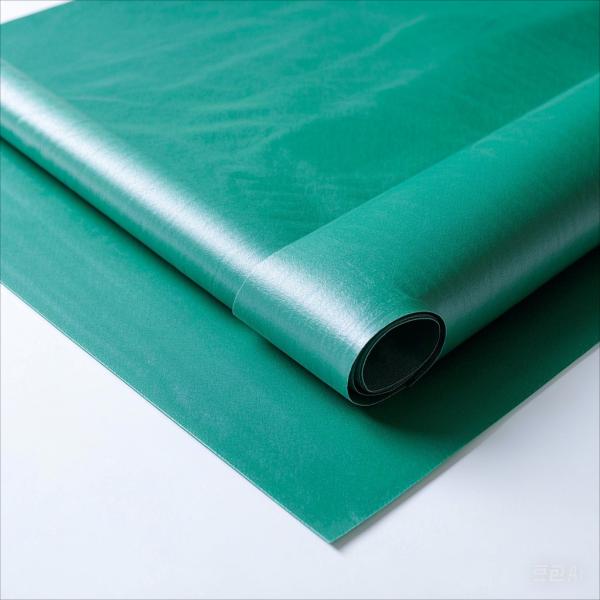
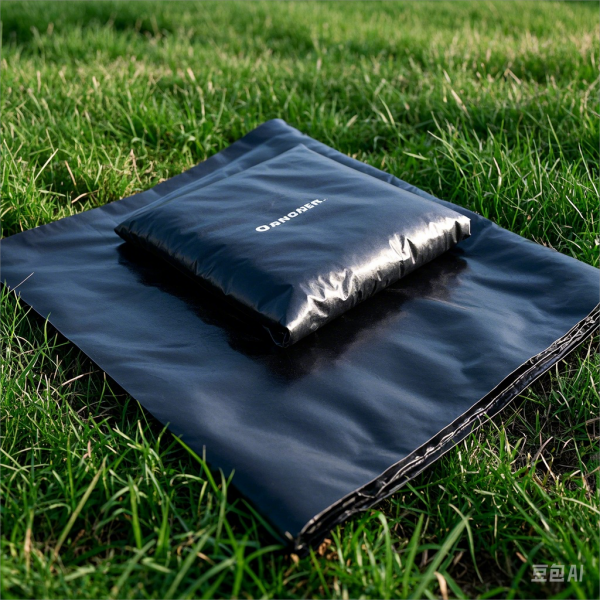
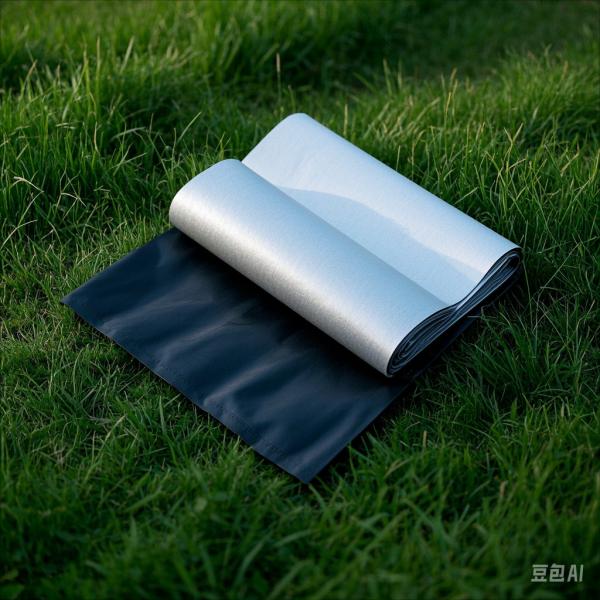
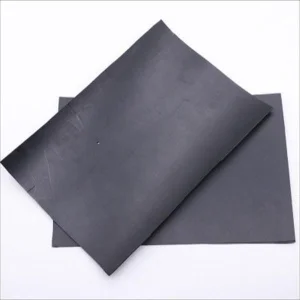
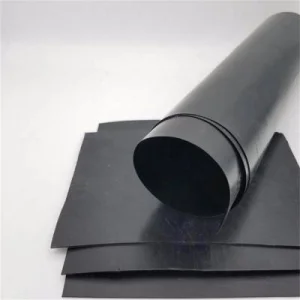
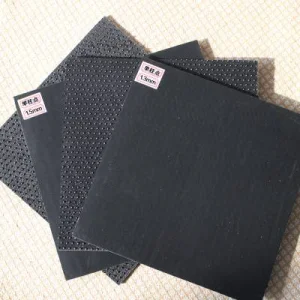
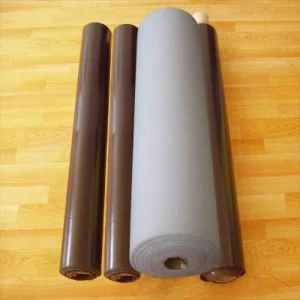
Anti-aging geomembrane is a kind of geosynthetic material with excellent anti-aging performance. Based on ordinary geomembrane, it adds special anti-aging agents, antioxidants, ultraviolet absorbers and other additives, or adopts special production processes and material formulations to make it have better ability to resist the aging effect of natural environmental factors, thus prolonging its service life.
Anti-aging geomembrane is a kind of geosynthetic material with excellent anti-aging performance. Based on ordinary geomembrane, it adds special anti-aging agents, antioxidants, ultraviolet absorbers and other additives, or adopts special production processes and material formulations to make it have better ability to resist the aging effect of natural environmental factors, thus prolonging its service life.
Performance Characteristics
Strong UV Resistance
It can effectively absorb and reflect ultraviolet rays, reducing the damage of ultraviolet rays to the molecular chains of the geomembrane. It is not prone to aging, cracking, embrittlement and other phenomena under long-term sunlight exposure, and maintains good physical properties.
Good Antioxidant Performance
It can inhibit the oxidation reaction between the geomembrane and the oxygen in the air during the use process, preventing the decrease of material performance caused by oxidation, such as the decrease of strength and elongation.
Excellent Weather Resistance
It can maintain stable performance under different climatic conditions, such as high temperature, low temperature, humidity, dryness and other environments, and is not easy to accelerate aging due to changes in environmental factors.
Long Service Life
Due to its good anti-aging performance, under normal use conditions, the service life of anti-aging geomembrane can be extended by several years or even decades compared with that of ordinary geomembrane, reducing the maintenance cost and replacement frequency of the project.
Production Process
Raw Material Selection
High-quality high molecular polymers such as high-density polyethylene (HDPE) and linear low-density polyethylene (LLDPE) are selected as the basic materials, and special anti-aging additives are added to ensure that the materials have good initial performance and anti-aging potential.
Blending Modification
The base polymer and anti-aging additives are blended through special equipment to make the additives evenly dispersed in the polymer matrix to form a blended material with anti-aging performance.
Extrusion Molding
The blended material is extruded into a film through an extruder. During the extrusion process, parameters such as temperature and pressure are precisely controlled to ensure that the geomembrane has a uniform thickness, a smooth surface, and the anti-aging components can fully play their roles.
Application Fields
Landfill
The cover and liner system of the landfill needs to be exposed to the outdoor environment for a long time. The anti-aging geomembrane can effectively prevent the aging and failure of the geomembrane caused by factors such as ultraviolet radiation and temperature change, ensure the anti-seepage effect of the landfill, and reduce the pollution to the surrounding soil and groundwater.
Water Conservancy Project
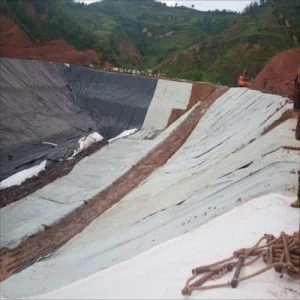
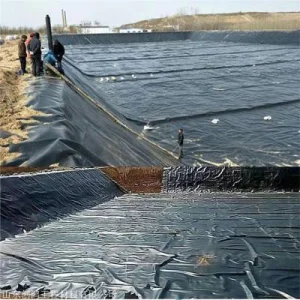
In water conservancy projects such as reservoirs, dams and canals, anti-aging geomembrane is used for anti-seepage and waterproof treatment. Ordinary geomembrane is prone to aging and damage when in long-term contact with water and exposed to the natural environment, while anti-aging geomembrane can ensure the long-term stable operation of the project and improve the durability of the water conservancy project.
Open-pit Mining
In the tailings pond and spoil ground of open-pit mining, the anti-aging geomembrane is used as an anti-seepage material, which can resist the harsh natural environment, prevent the seepage of mine slag leachate into the soil and water body, and reduce the leakage risk caused by the aging of the geomembrane.
Frequently Asked Questions
What makes an anti-aging geomembrane different from an ordinary geomembrane?
Anti-aging geomembrane is specially formulated with added ultraviolet absorbers, antioxidants, and anti-aging agents, or processed through special production methods to significantly improve its resistance to natural environmental degradation compared to ordinary geomembranes.
How does the material resist long-term sunlight and UV rays?
Due to its strong UV resistance characteristics, the material can effectively absorb and reflect ultraviolet rays, which stops molecular chain damage and prevents cracking, aging, or embrittlement under direct sun exposure.
What base polymers are used in its production?
High-quality polymers like High-Density Polyethylene (HDPE) and Linear Low-Density Polyethylene (LLDPE) are typically chosen as the base raw materials, combined with advanced blending modification processes.
Why is weather resistance important for this material?
Excellent weather resistance allows the geomembrane to remain physically stable and durable across extreme temperatures, humidity, and dry climates, preventing accelerated aging from environmental changes.
In which projects is anti-aging geomembrane commonly applied?
It is widely applied in landfills (cover and liner systems), water conservancy projects (reservoirs, dams, and canals), and open-pit mining tailings ponds to provide long-lasting anti-seepage protection.
 Hongyue