 Hongyue
1 / 4
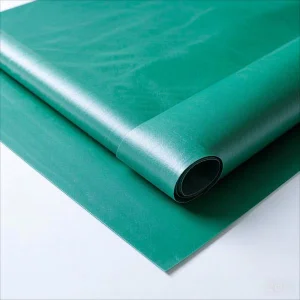
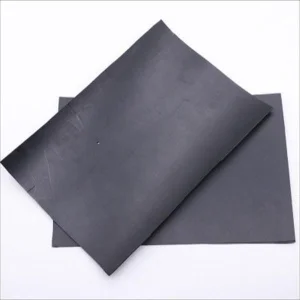
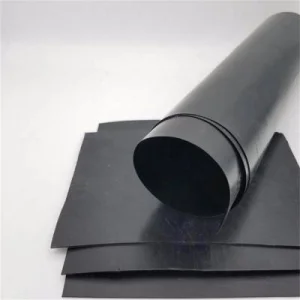
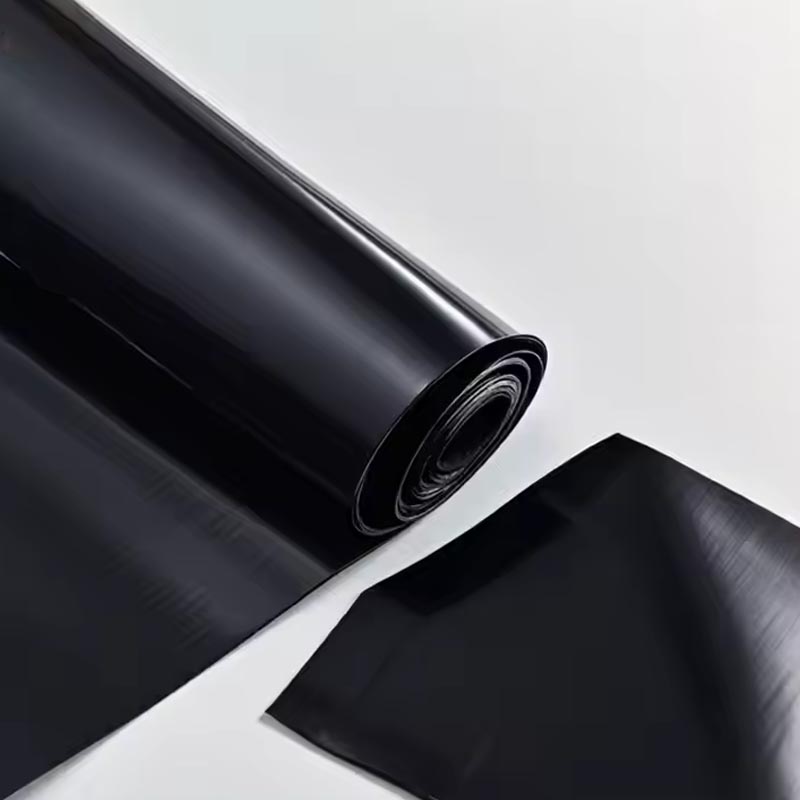
Does not contain chemical additives, does not undergo heat treatment, is an environmentally friendly building material.
Has good mechanical properties, good water permeability, and can resist corrosion, anti-aging.
With strong buried resistance, corrosion resistance, fluffy structure, with good drainage performance.
Has a good coefficient of friction and tensile strength, with geotechnical reinforcement performance.
With isolation, filtration, drainage, protection, stability, strengthening and other functions.
Can adapt to the uneven base, can resist the damage of external construction, creep becomes smaller.
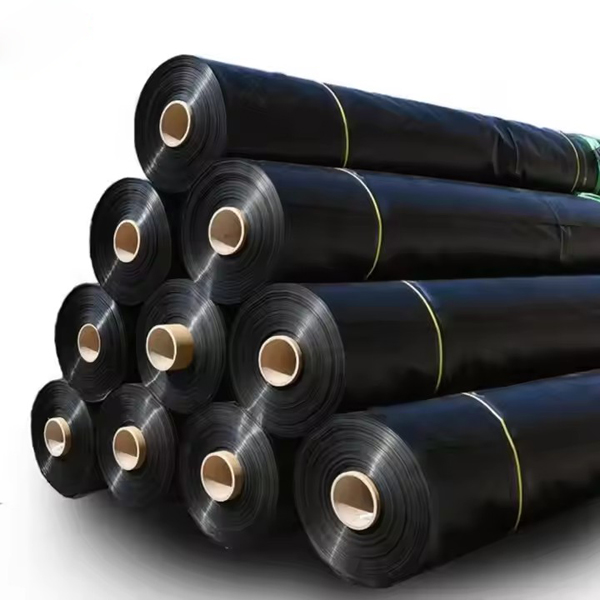
The overall continuity is good, light weight, convenient construction.
It is a permeable material, so it has good filtration isolation function, strong puncture resistance, so it has good protection performance.
| No. | Item | Value | |||||
|---|---|---|---|---|---|---|---|
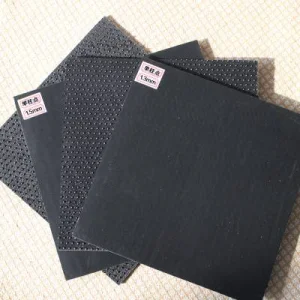
| 1.00 | 1.25 | 1.50 | 2.00 | 2.50 | 3.00 | ||
| 1 | min density (g/cm³) | 0.940 | |||||
| 2 | yield strength (TD, MD), N/mm ≥ | 15 | 18 | 22 | 29 | 37 | 44 |
| 3 | breaking strength (TD, MD), N/mm ≥ | 10 | 13 | 16 | 21 | 26 | 32 |
| 4 | yield elongation (TD, MD), % ≥ | 12 | |||||
| 5 | breaking elongation (TD, MD), % ≥ | 100 | |||||
| 6 | average rectangle tear strength (TD, MD), ≥ N | 125 | 156 | 187 | 249 | 311 | 374 |
| 7 | puncture resistance, N ≥ | 267 | 333 | 400 | 534 | 667 | 800 |
| 8 | stress crack resistance, h ≥ | 300 | |||||
| 9 | carbon black content, % | 2.0~3.0 | |||||
| 10 | carbon black dispersion | nine of 10 is grad I or II, less than 1 if grad III | |||||
| 11 | oxidative induction time (OIT), min | standard OIT ≥ 100 | |||||
| high pressure OIT ≥ 400 | |||||||
| 12 | oven aging at 80℃ (standard OIT retained after 90 days), % ≥ | 55 | |||||
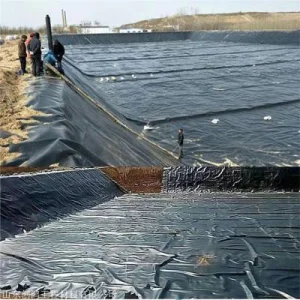
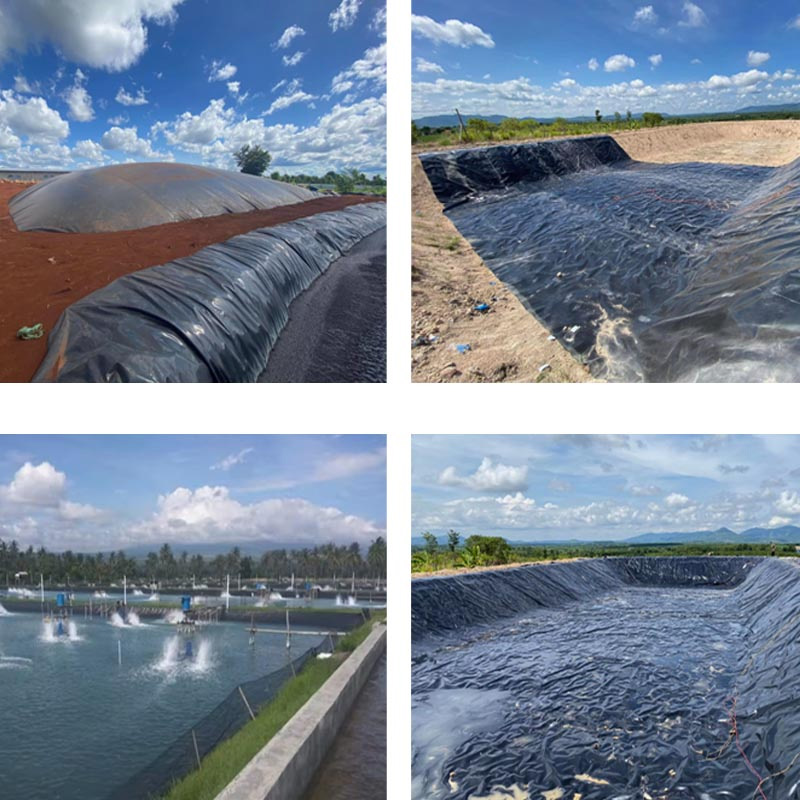
Landfill, sewage or control the waste residue seashores seepage.
Lake dam, tailings dams, sewage dam and reservoir, channel, storage of liquid pools (pit, ore).
The subway, tunnel, anti-seepage lining of basement and tunnel.
Seawater, freshwater fish farms.
Highway, the foundations of the highway and railway; the expansive soil and collapsible loess of the waterproof layer.
Anti-seepage of roofing.
To control the roadbed and other foundation saline seepage.
Dike, the front of the sam foundation seepage prevention bedding, level of vertical impervious layer, construction cofferdam, waste field.
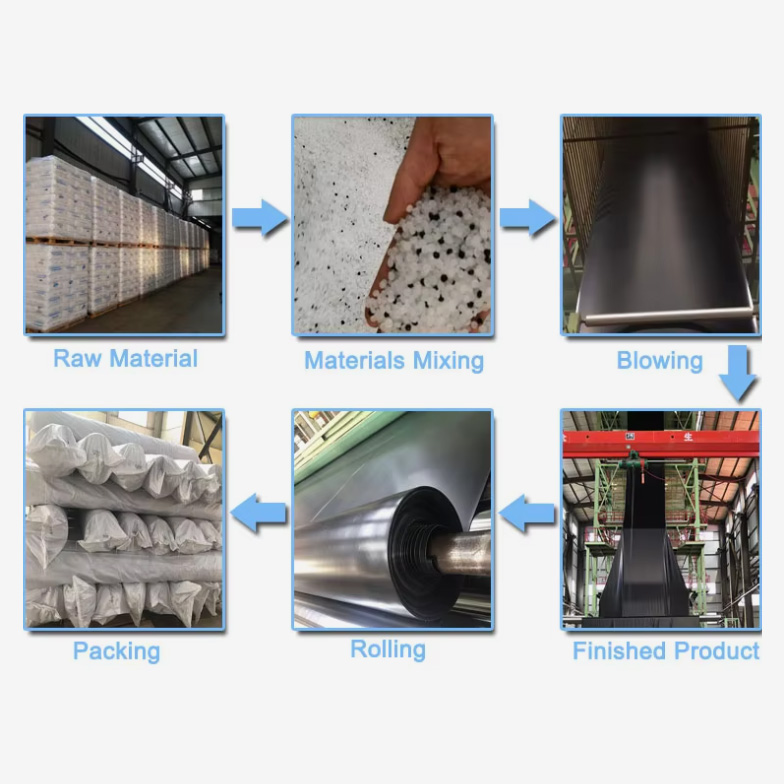
Q1: What is HDPE geomembrane and where is it used?
A1: HDPE geomembrane is a high-density polyethylene geosynthetic material featuring excellent environmental stress cracking resistance, anti-aging performance, and low-temperature durability. It is widely used in landfill sites, wastewater treatment plants, artificial lakes, tailings dams, and general anti-seepage projects.
Q2: Does the HDPE geomembrane contain harmful additives?
A2: No, it does not contain chemical additives and does not undergo heat treatment. It is designed as an environmentally friendly building material suitable for critical containment projects.
Q3: How does the material adapt to uneven ground and construction stress?
A3: With its flexible structure, good friction coefficient, and high tensile strength, the geomembrane adapts effectively to uneven bases, resists damage during construction, and exhibits minimized creep over time.
Q4: What technical quality standards do these geomembranes meet?
A4: The geomembranes comply with standard requirements such as GB/T17643-2011 and CJ/T234-2006, ensuring high performance across physical strength, puncture resistance, and service life.
Q5: Can it be used in infrastructure projects like railways and highways?
A5: Yes, it is ideal for highways, railway foundations, expansive soils, and collapsible loess acting as a waterproof, protective, and stabilizing barrier.
Q6: What is the benefit of its puncture resistance in drainage and protection?
A6: High puncture resistance protects the lining system from structural damage, while its continuous structure combined with proper engineering ensures reliable filtration, isolation, and drainage performance.