Home >
Geomembrane >
China Smooth geomembrane Factory, Factories
1 / 4
China Smooth geomembrane Factory, Factories
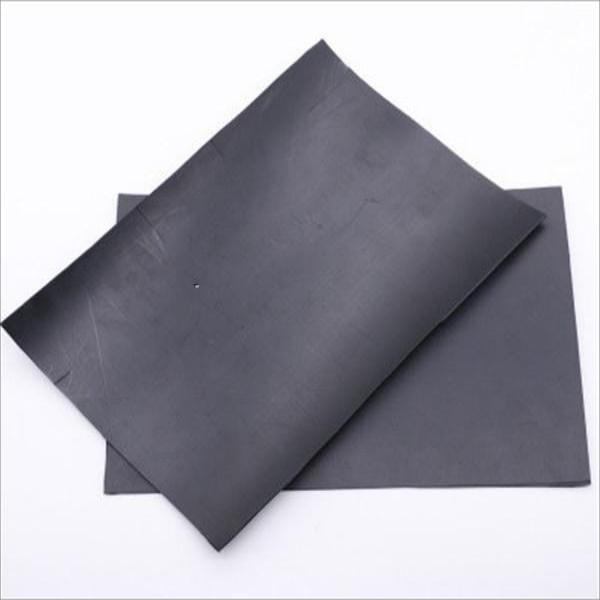
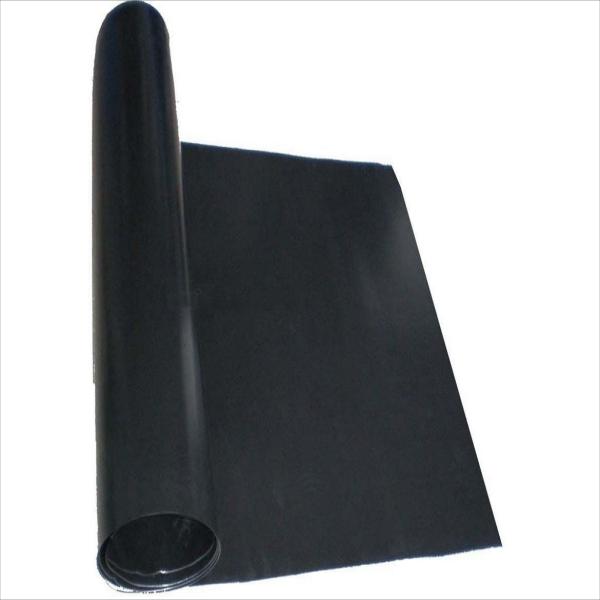
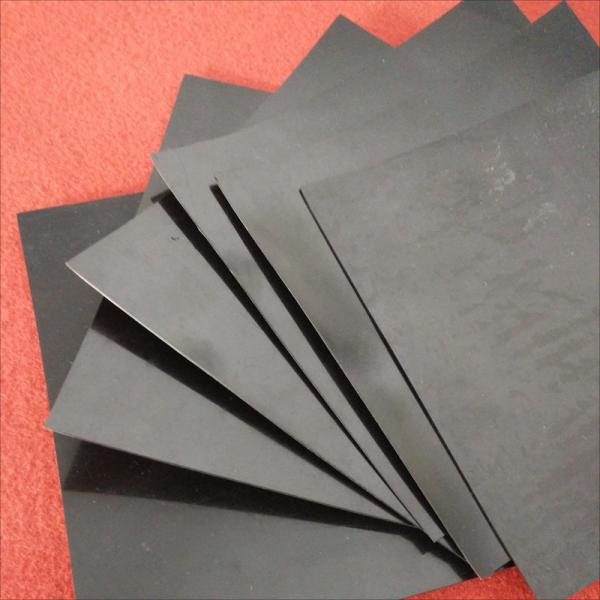
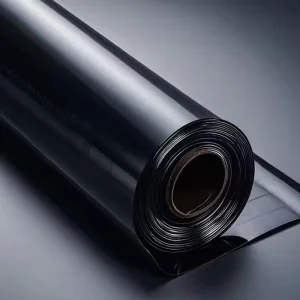
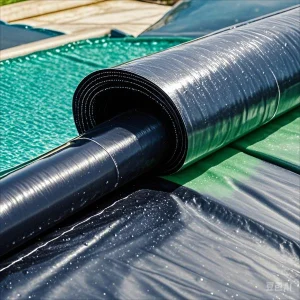
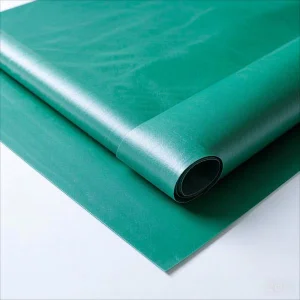
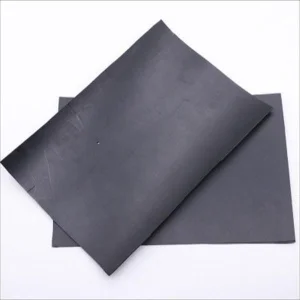
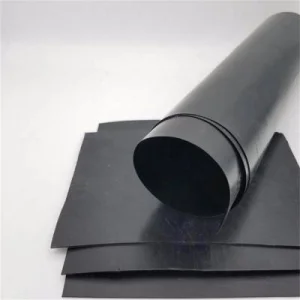
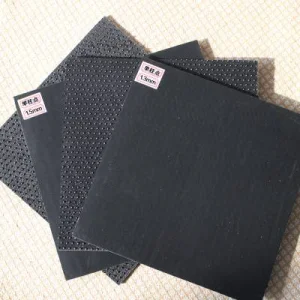
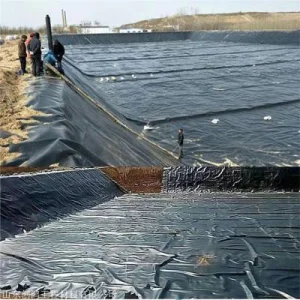
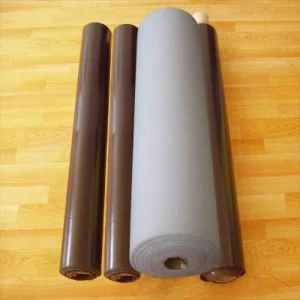
The smooth geomembrane is usually made of a single polymer material, such as polyethylene (PE), polyvinyl chloride (PVC), etc. Its surface is smooth and flat, without obvious texture or particles.
The smooth geomembrane is usually made of a single polymer material, such as polyethylene (PE), polyvinyl chloride (PVC), etc. Its surface is smooth and flat, without obvious texture or particles.
Characteristics
Good anti-seepage performance
It has extremely low permeability and can effectively prevent the penetration of liquids. It has a good barrier effect against water, oil, chemical solutions, etc. The anti-seepage coefficient can reach 1×10⁻¹²cm/s to 1×10⁻¹⁷cm/s, which can meet the anti-seepage requirements of most projects.
Strong chemical stability
It has excellent acid and alkali resistance and corrosion resistance. It can remain stable in different chemical environments and is not easily eroded by the chemicals in the soil. It can resist the corrosion of certain concentrations of acid, alkali, salt and other solutions.
Good low-temperature resistance
It can still maintain good flexibility and mechanical properties in a low-temperature environment. For example, some high-quality polyethylene HTML smooth geomembranes still have a certain elasticity at -60℃ to -70℃ and are not easy to brittle fracture.
Convenient construction
The surface is smooth and the friction coefficient is small, which is convenient for laying on various terrains and bases. It can be connected by welding, bonding and other methods. The construction speed is fast and the quality is easy to control.
Production Process
Extrusion blow molding method
The polymer raw material is heated to a molten state and extruded through an extruder to form a tubular blank. Then, compressed air is blown into the tube blank to make it expand and cling to the mold for cooling and shaping. Finally, the smooth geomembrane is obtained by cutting. The geomembrane produced by this method has a uniform thickness and good mechanical properties.
Calendering method
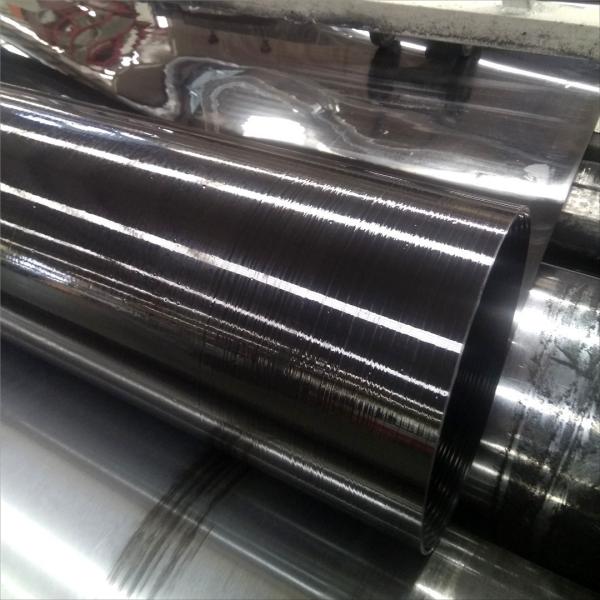
The polymer raw material is heated and then extruded and stretched by multiple rollers of a calender to form a film with a certain thickness and width. After cooling, the smooth geomembrane is obtained. This process has high production efficiency and wide product width, but the thickness uniformity is relatively poor.
Application Fields
Water conservancy project
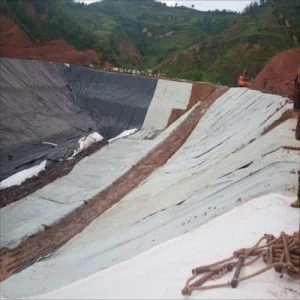
It is used for the anti-seepage treatment of water conservancy facilities such as reservoirs, dams, and canals. It can effectively prevent water leakage, improve the water storage and conveyance efficiency of water conservancy projects, and extend the service life of the project.
Landfill
As the anti-seepage liner at the bottom and side of the landfill, it prevents the leachate from polluting the soil and groundwater and protects the surrounding ecological environment.
Building waterproof
It is used as the waterproof layer in the roof, basement, bathroom and other parts of the building to prevent the penetration of rainwater, groundwater and other moisture into the building and improve the waterproof performance of the building.
Artificial landscape
It is used for the anti-seepage of artificial lakes, landscape pools, golf course waterscapes, etc., to maintain the stability of the water body, reduce the leakage loss of water, and provide a good foundation for landscape creation.
Specifications and Technical Indicators
Specifications
The thickness of the smooth geomembrane is usually between 0.2mm and 3.0mm, and the width is generally between 1m and 8m, which can be customized according to the needs of different projects.
Technical indicators
Including tensile strength, elongation at break, right-angle tear strength, hydrostatic pressure resistance, etc. The tensile strength is generally between 5MPa and 30MPa, the elongation at break is between 300% and 1000%, the right-angle tear strength is between 50N/mm and 300N/mm, and the hydrostatic pressure resistance is between 0.5MPa and 3.0MPa.
Common parameters of smooth geomembrane
Parameter(参数)
Unit(单位)
Typical Value Range(典型值范围)
Thickness(厚度)
mm
0.2 - 3.0
Width(宽度)
m
1 - 8
Tensile Strength(拉伸强度)
MPa
5 - 30
Elongation at Break(断裂伸长率)
%
300 - 1000
Right-Angle Tear Strength(直角撕裂强度)
N/mm
50 - 300
Hydrostatic Pressure Resistance(耐静水压)
MPa
0.5 - 3.0
Permeability Coefficient(渗透系数)
cm/s
1×10⁻¹² - 1×10⁻¹⁷
Carbon Black Content(炭黑含量)
%
2 - 3
Oxidation Induction Time(氧化诱导时间)
min
≥100
Frequently Asked Questions (FAQ)
Q1: What materials are smooth geomembranes typically made of?
A: Smooth geomembranes are usually manufactured from high-quality single polymer materials, most commonly polyethylene (PE) or polyvinyl chloride (PVC).
Q2: How effective is a smooth geomembrane in preventing liquid leaks?
A: It exhibits extremely low permeability with an anti-seepage coefficient ranging from 1×10⁻¹² cm/s to 1×10⁻¹⁷ cm/s, serving as a highly effective barrier against water, oils, and chemical solutions.
Q3: What are the differences between extrusion blow molding and calendering methods?
A: The extrusion blow molding method produces geomembranes with highly uniform thickness and excellent mechanical properties. The calendering method offers high production efficiency and wider product widths, but features relatively less uniform thickness.
Q4: Does the smooth geomembrane perform well under freezing conditions?
A: Yes. High-quality polyethylene smooth geomembranes remain flexible and elastic even at temperatures ranging from -60℃ to -70℃, ensuring they will not suffer from brittle fractures.
Q5: What are the typical dimensions and thickness options available?
A: Thickness typically ranges from 0.2mm to 3.0mm, and widths are generally between 1m and 8m. These parameters can be customized based on specific project requirements.
 Hongyue