 Hongyue
1 / 5
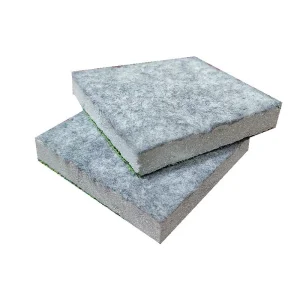
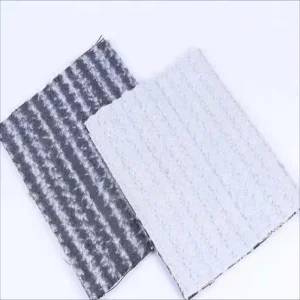
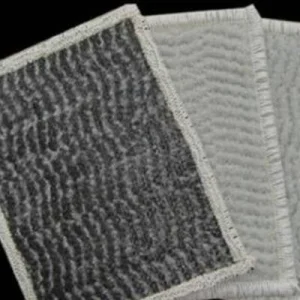
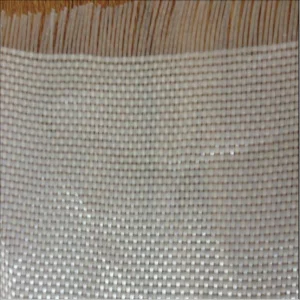
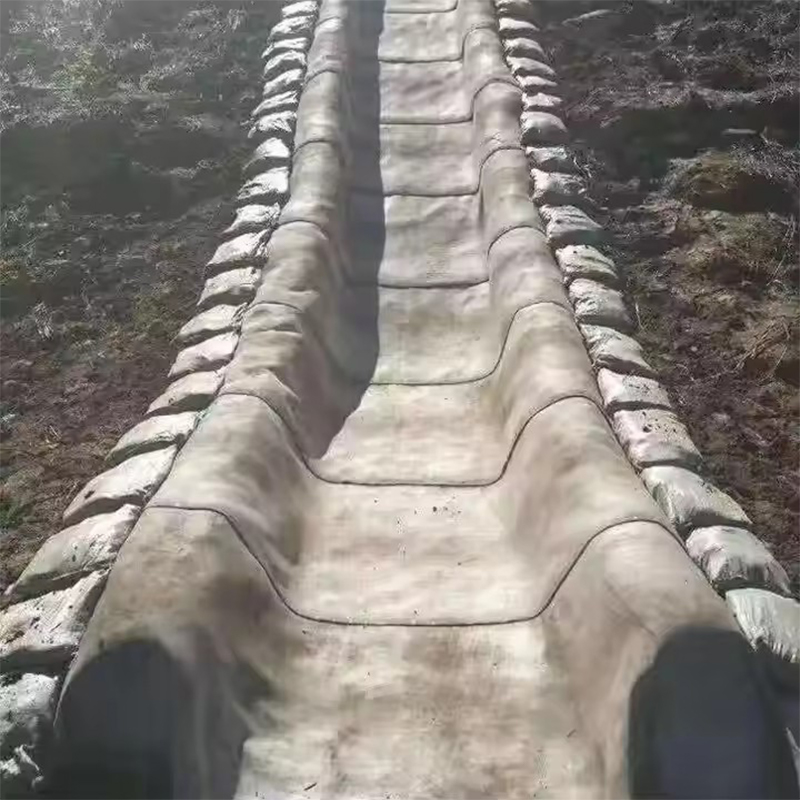
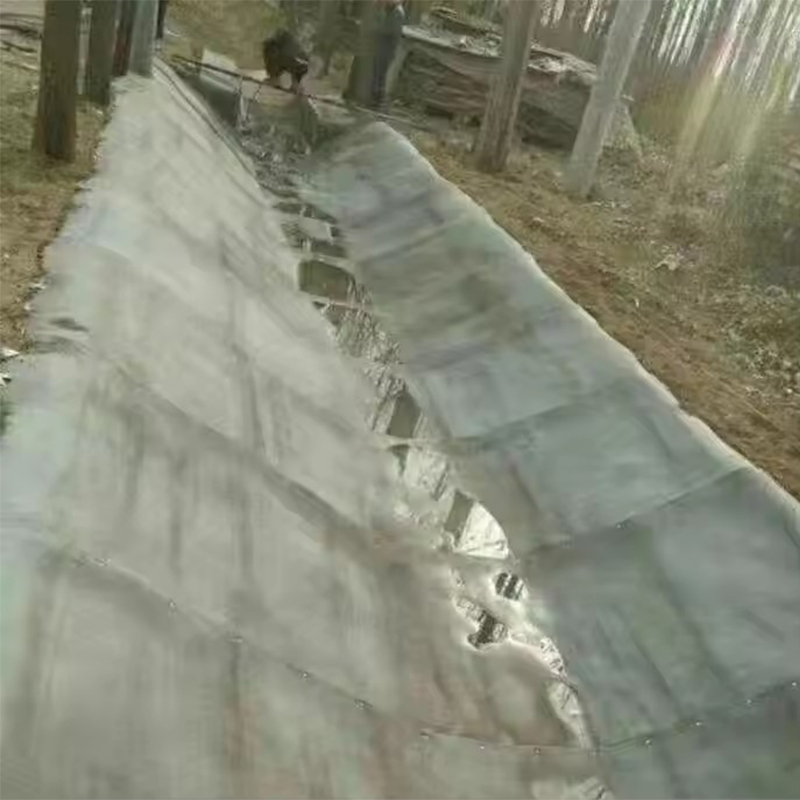
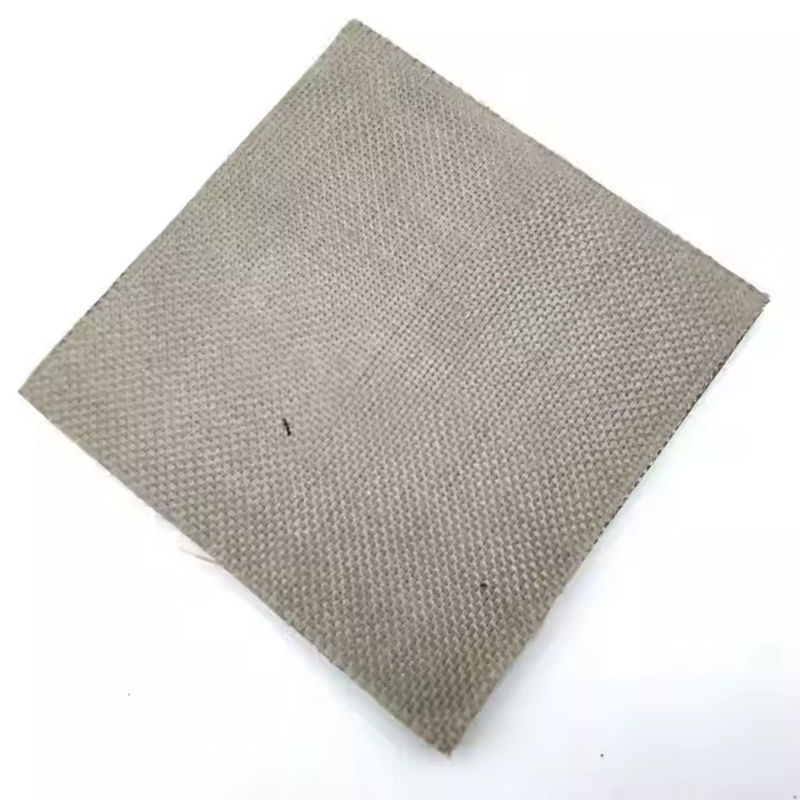
The concrete canvas adopts a three-dimensional fiber composite structure (3Dfiber matrix) woven from polyethylene and polypropylene filaments, containing a special formula of dry concrete mix. The main chemical components of calcium aluminate cement are Al2O3, CaO, SiO2, and Fe2O3. The bottom of the canvas is covered with a polyvinyl chloride (PVC) lining to ensure complete waterproofing of the concrete canvas. During on-site construction, no concrete mixing equipment is required. Simply water the concrete canvas or immerse it in water to cause hydration reaction. After solidification, fibers play a role in strengthening concrete and preventing cracking. At present, there are three thicknesses of concrete canvas: 5mm, 8mm, and 13mm.
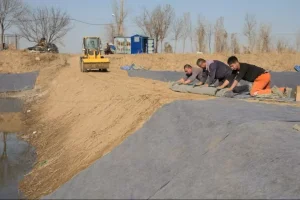
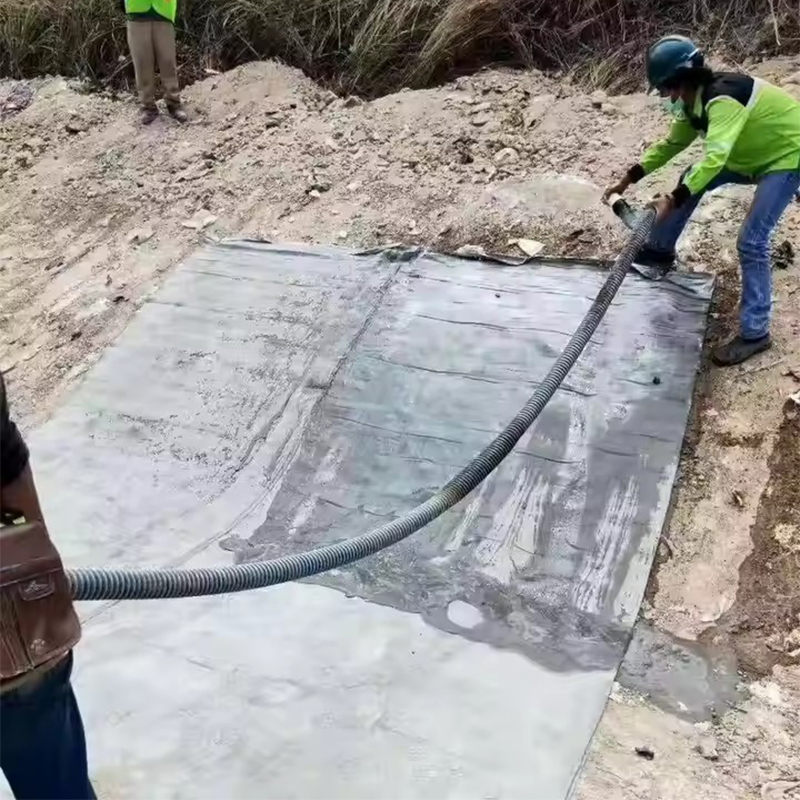
Concrete canvas can be provided in large rolls in bulk. It can also be provided in rolls for easy manual loading, unloading, and transportation, without the need for large lifting machinery. Concrete is prepared according to scientific proportions, without the need for on-site preparation, and there will be no problem of excessive hydration. Whether underwater or in seawater, concrete canvas can solidify and form.
Once the hydration reaction occurs during watering, the necessary processing of the size and shape of the concrete canvas can still be carried out within 2 hours, and within 24 hours, it can harden to 80% strength. Special formulas can also be used according to the user's specific requirements to achieve rapid or delayed solidification.
Concrete canvas is a low-quality and low-carbon technology that uses up to 95% less material than commonly used concrete in many applications. Its alkali content is limited and the erosion rate is very low, so its impact on the local ecology is minimal.
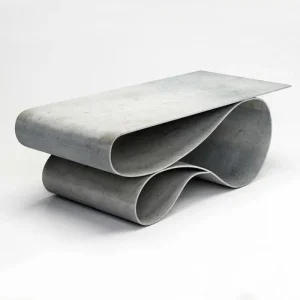
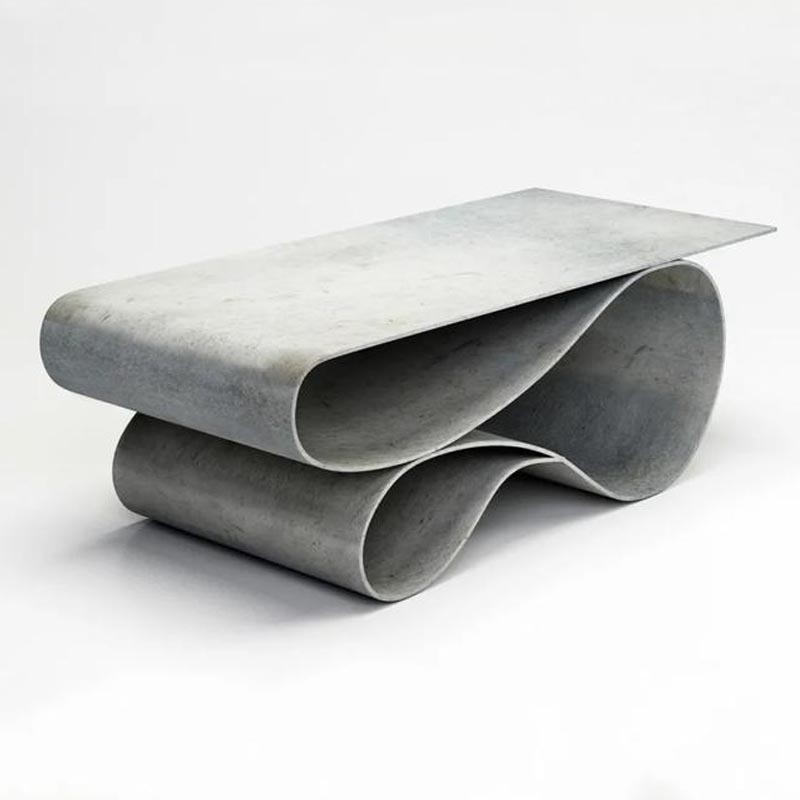
Concrete canvas has good drape and can conform to the complex shapes of the covered object surface, even forming a hyperbolic shape. The concrete canvas before solidification can be cut or trimmed freely with ordinary hand tools.
The fibers in concrete canvas enhance material strength, prevent cracking, and absorb impact energy to form a stable failure mode.
Concrete canvas has good chemical resistance, resistance to wind and rain erosion, and will not undergo ultraviolet degradation under sunlight.
The bottom of the concrete canvas is lined with polyvinyl chloride (PVC) to make it completely waterproof and enhance the material's chemical resistance.
Concrete canvas does not support combustion and has good flame retardant properties. When it catches fire, the smoke is very small and the amount of hazardous gas emissions produced is extremely low. The concrete canvas has reached the B-s1d0 level of the European flame retardant standard for building materials.
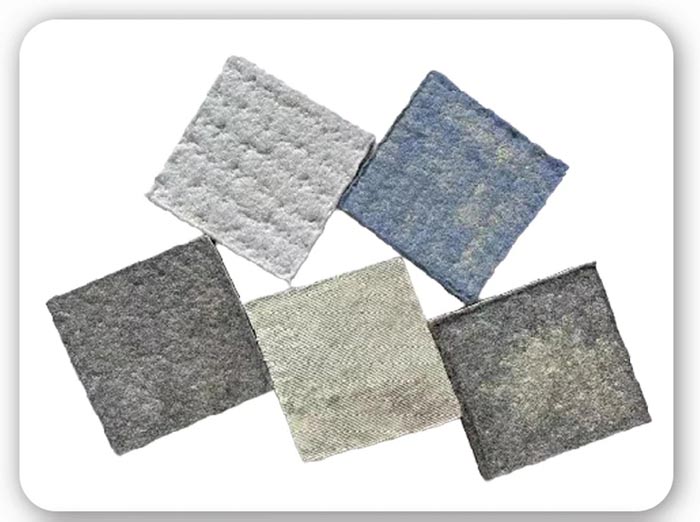
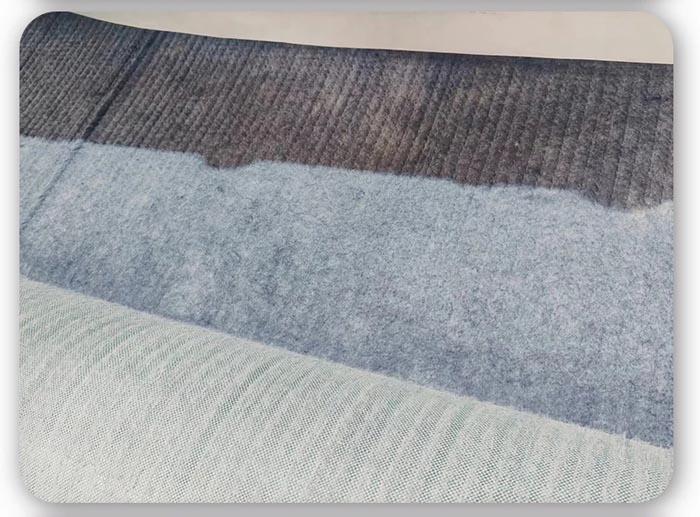
Concrete canvas adopts a three-dimensional fiber composite structure (3D fiber matrix) woven from polyethylene and polypropylene filaments, containing a special formula of dry concrete mix. The bottom of the canvas is covered with a polyvinyl chloride (PVC) lining to ensure complete waterproofing.
No, there is no need for concrete mixing equipment on-site. You simply need to water the concrete canvas or immerse it in water to trigger the hydration reaction. It can also be easily loaded, unloaded, and transported manually without the need for large lifting machinery.
Currently, concrete canvas is available in three different thicknesses to suit various application demands: 5mm, 8mm, and 13mm.
After hydration, you can still process the size and shape of the concrete canvas within 2 hours. It then hardens to 80% strength within 24 hours. Custom formulas are also available to either accelerate or delay the solidification process.
Yes, it is a low-carbon technology that uses up to 95% less material than conventional concrete. It has a limited alkali content and an extremely low erosion rate, ensuring minimal impact on the local ecology.
Concrete canvas does not support combustion and possesses high flame retardant properties. In the event of a fire, it produces minimal smoke and extremely low hazardous emissions, achieving the B-s1d0 level under the European flame retardant standard for building materials.