 Hongyue
1 / 3
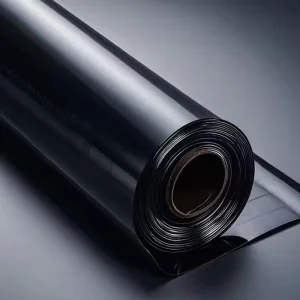
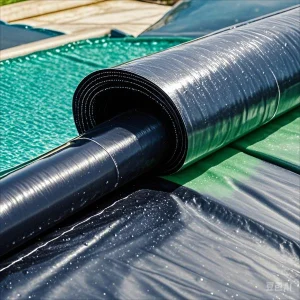
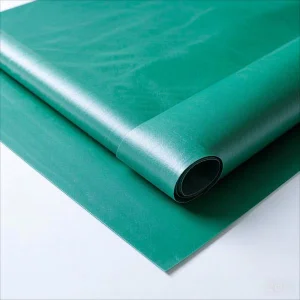
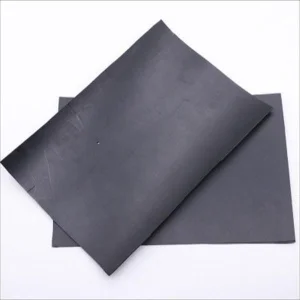
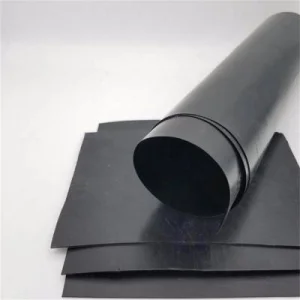
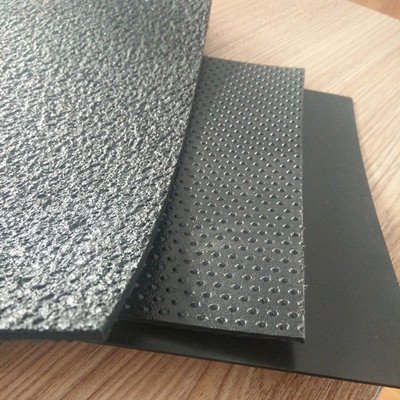
Rough geomembrane is generally made of high-density polyethylene (HDPE) or polypropylene as raw materials, and is refined by professional production equipment and special production processes, with a rough texture or bumps on the surface.
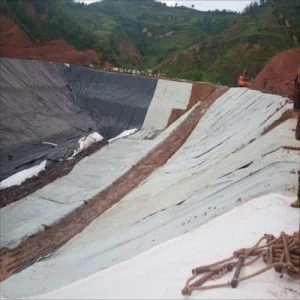
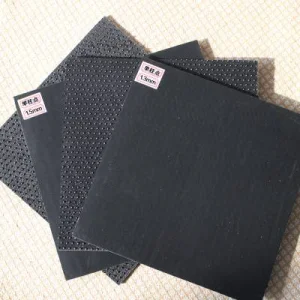
It is rough on one side and smooth on the other side. In the slope anti-seepage project construction, the rough side is usually facing up to contact with the geotextile to achieve the anti-slip effect.
Both sides are rough. When in use, both the upper and lower sides can be in contact with the geotextile for anti-slip purpose, and it is widely used.
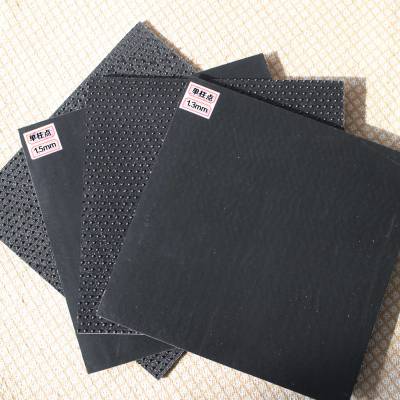
There are uniform bumps on one or both sides. The bumps are evenly distributed and look nice. It can be applied in slope anti-seepage projects to play the roles of anti-seepage, anti-slip and anti-contamination.
The rough texture or bumps on the surface can greatly increase the friction with other materials (such as geotextiles, soil, etc.), effectively prevent the geomembrane from sliding on steep slopes or vertical surfaces, and improve the stability of the project. It is suitable for anti-seepage projects on steep slopes such as landfills and dam slopes.
Like smooth geomembranes, it has an extremely low permeability coefficient and can effectively block liquid penetration, preventing water loss or pollutant diffusion. It can be used in water conservancy, environmental protection and other projects with high anti-seepage requirements.
It has excellent chemical stability and can resist the corrosion of more than 80 kinds of strong acid and alkali chemical media such as acids, alkalis and salts. It can maintain stable performance in engineering projects with different chemical environments, such as in sewage treatment and chemical reaction tanks.
It has excellent anti-aging, anti-ultraviolet and anti-decomposition abilities and can be used exposed. The service life of the material can reach 50 - 70 years, which can provide a reliable guarantee for long-term anti-seepage projects.
It has high tensile strength, tear resistance and puncture resistance, as well as excellent elasticity and deformation ability. It can adapt to expanding or shrinking base surfaces and effectively overcome the uneven settlement of the base surface.
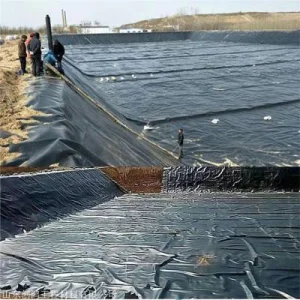
In landfills, it is used for the anti-seepage of the surrounding slopes and the bottom to prevent landfill leachate from leaking and polluting the soil and groundwater. It can also be used for the anti-seepage of heap leaching ponds and tailings linings in the mining industry to avoid the leakage of harmful substances.
It is used for the slope anti-seepage of reservoirs, dams, channels, etc., which can prevent water leakage. Meanwhile, in high-slope positions, its anti-slip performance can ensure the stability of the geomembrane.
It can be used for the anti-seepage of tunnels on highways and railways, as well as for the protection of subgrade slopes with special anti-slip and anti-seepage requirements.
It is applied in the anti-seepage of the slopes and bottoms of aquaculture ponds, which can maintain the water level, prevent water leakage and soil pollution, and is also convenient for the construction and maintenance of aquaculture facilities.
Rough geomembranes are typically manufactured using high-density polyethylene (HDPE) or polypropylene as the core raw materials, refined through professional production equipment and specialized processes to create a textured, high-friction surface.
A single-rough geomembrane has one rough side and one smooth side, designed for slopes where only one side contacts geotextile. A double-rough geomembrane has rough texturing on both sides, allowing for slip protection on both top and bottom contact surfaces.
A higher friction coefficient prevents the geomembrane from sliding down steep inclines or vertical slopes. This ensures overall structural stability for demanding projects like landfills, canals, and dam slope liners.
Yes, they exhibit outstanding chemical stability and resist degradation from more than 80 types of strong acids, alkalis, and salt solutions, making them suitable for sewage plants and industrial chemical ponds.
Due to excellent anti-aging, UV protection, and decomposition resistance, these geomembranes can withstand exposed environments and offer a reliable engineering service life of 50 to 70 years.
A dotted geomembrane features uniform bumps systematically distributed on one or both sides. This uniform layout provides a structured appearance while ensuring efficient anti-seepage, anti-slip, and anti-contamination properties.