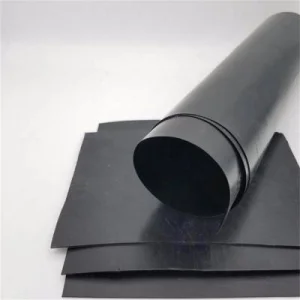
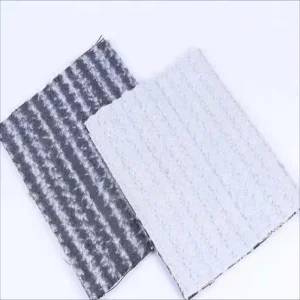
High-quality engineering-grade materials verified by international quality control systems. Click to explore customized ODM models and request instant quotes.
At the forefront of geotechnical material innovation, engineering material production, sales, design, and construction services.
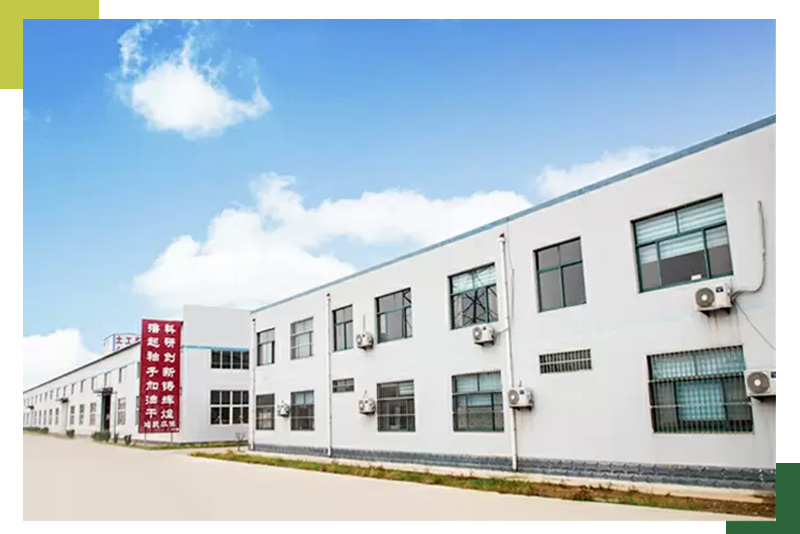
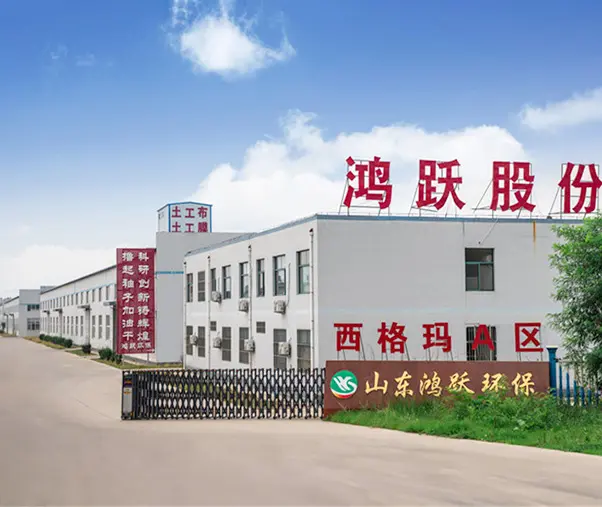
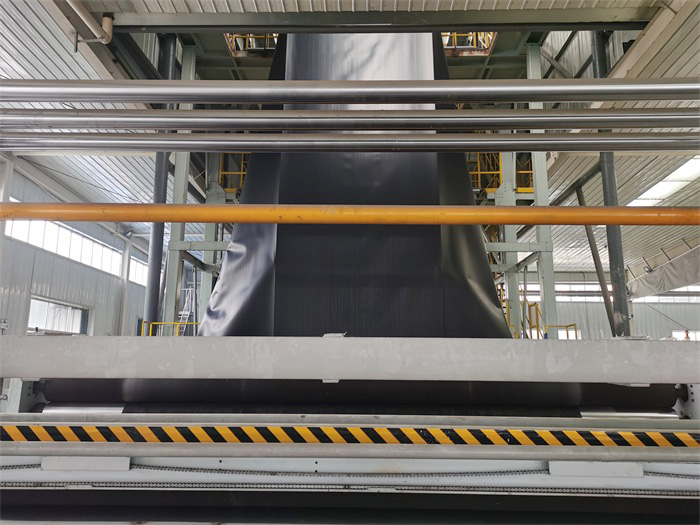
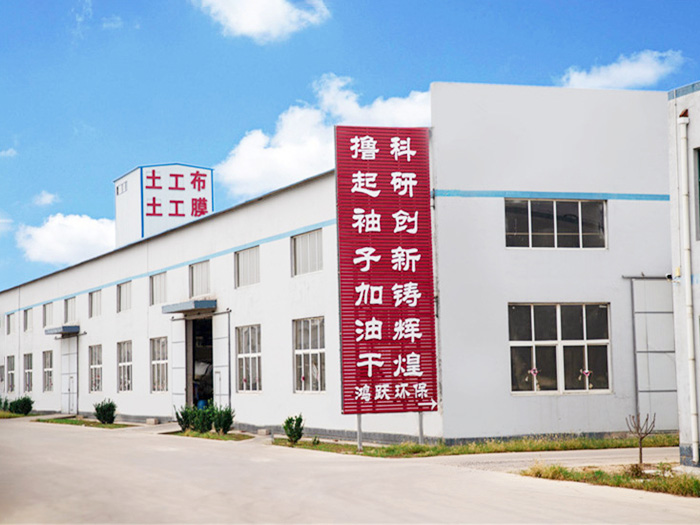
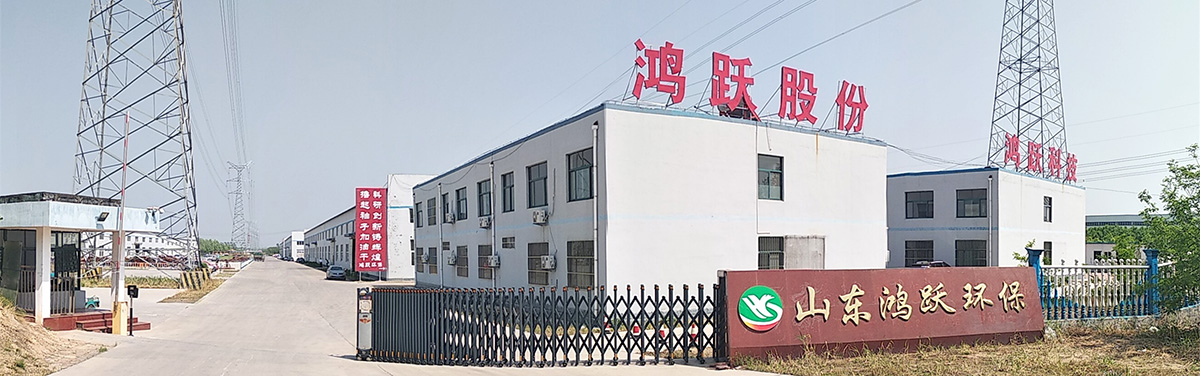
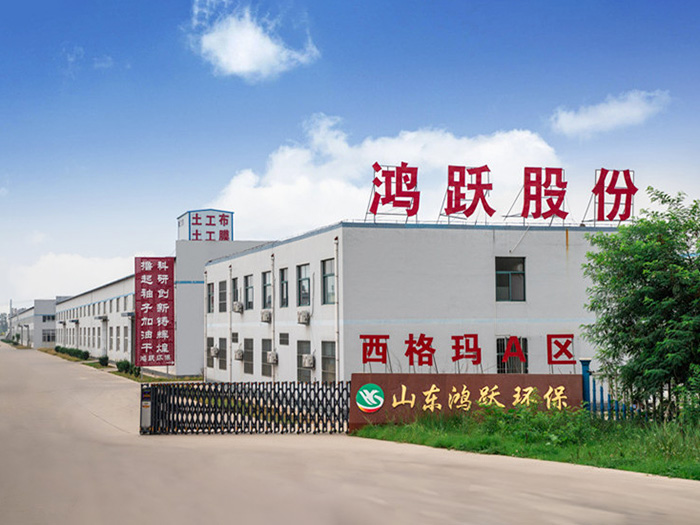
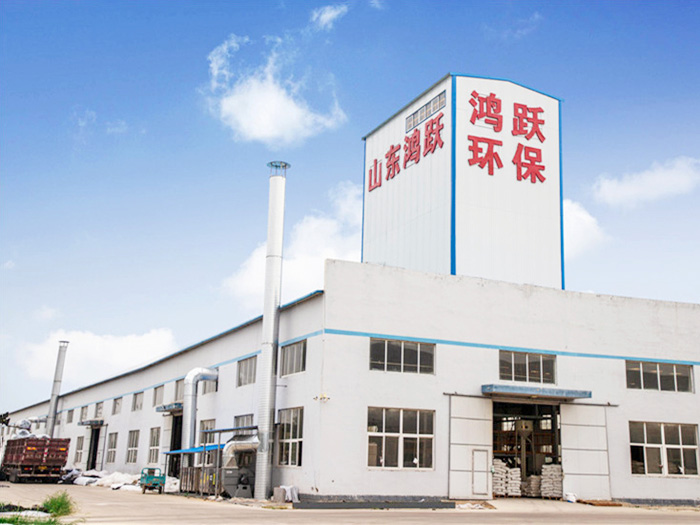
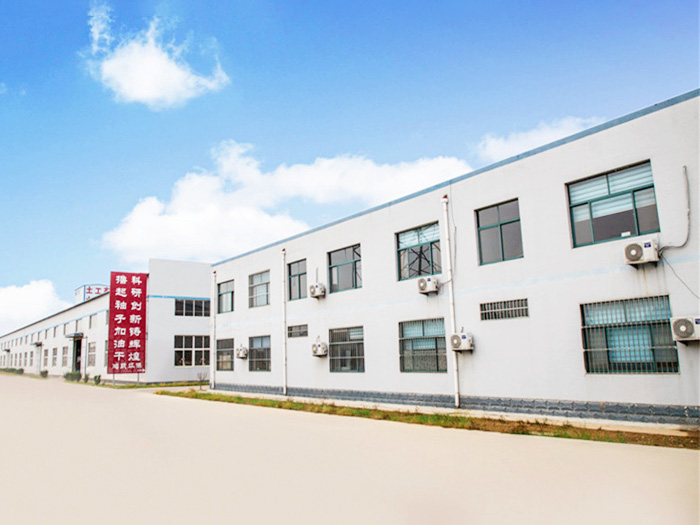
Located at the north end of Fufeng Street, Lingcheng District, Dezhou, Shandong Province, Shandong Hongyue Environmental Engineering Co., Ltd. represents one of the largest production bases of geotechnical materials in China. Registered with a robust capital of 105 million yuan on April 6, 2023, our modern facility serves as a vital anchor for domestic and global engineering projects. Boasting an advantageous geographical location and seamless transport links, we combine cutting-edge science with state-of-the-art production.
As an industry-leading partner, we offer strong technical capabilities, standardized construction management protocols, and fully integrated supply chains. Whether managing extreme hydraulic pressure or establishing subgrade stabilization, Shandong Hongyue delivers high-performance solutions tailored to the strict specifications of international project owners and EPC contractors.
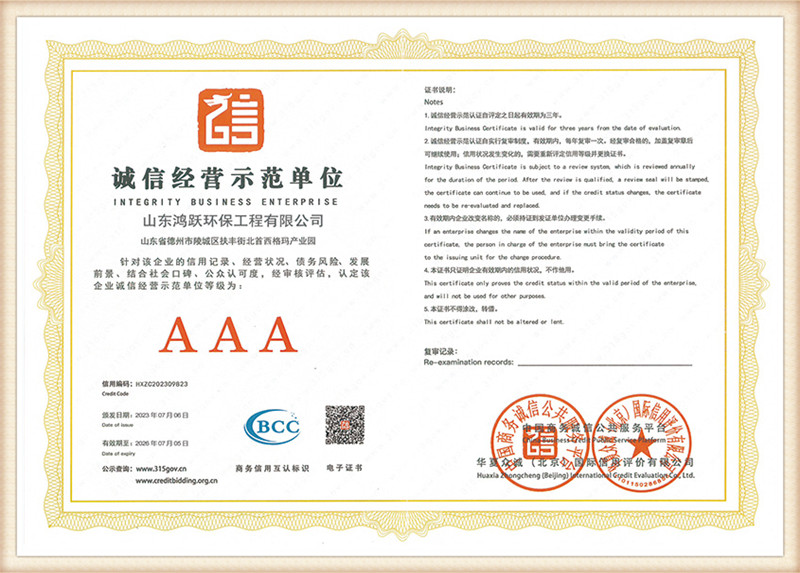
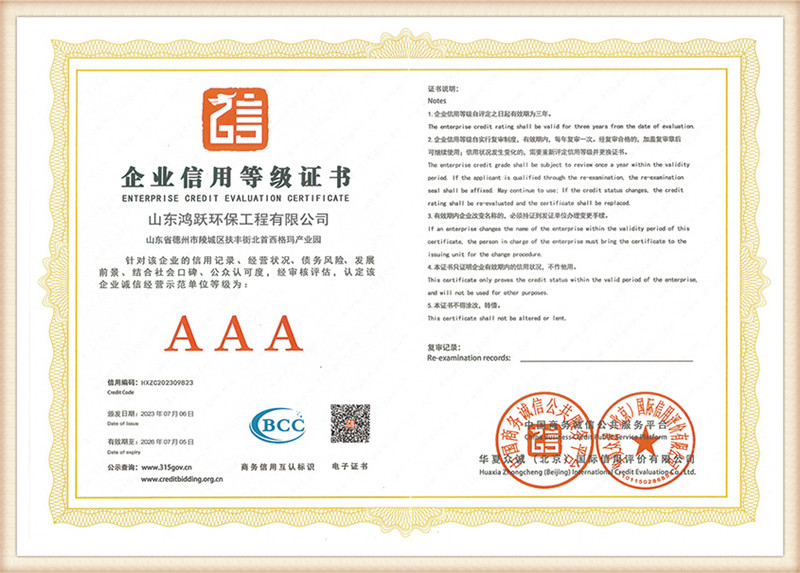
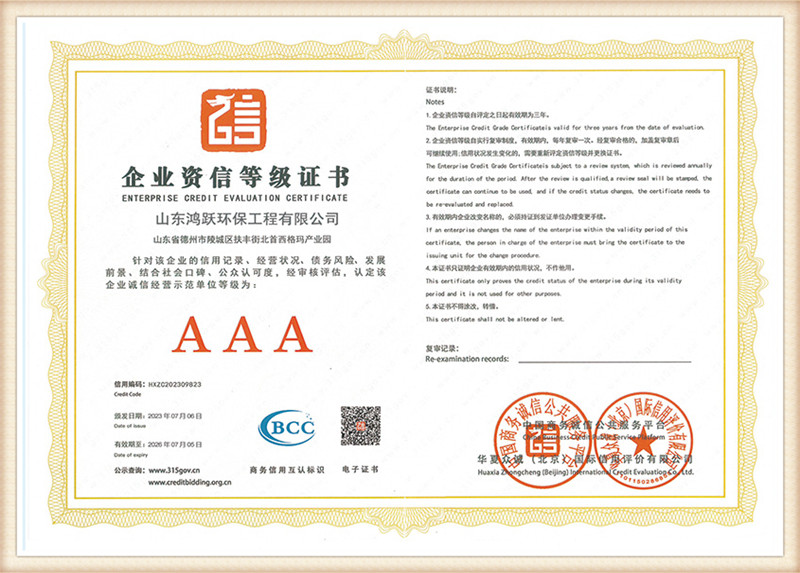
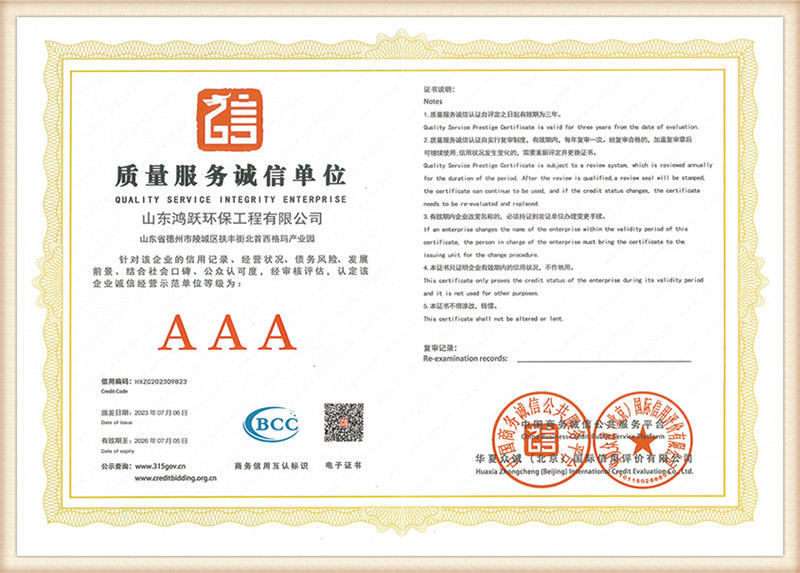
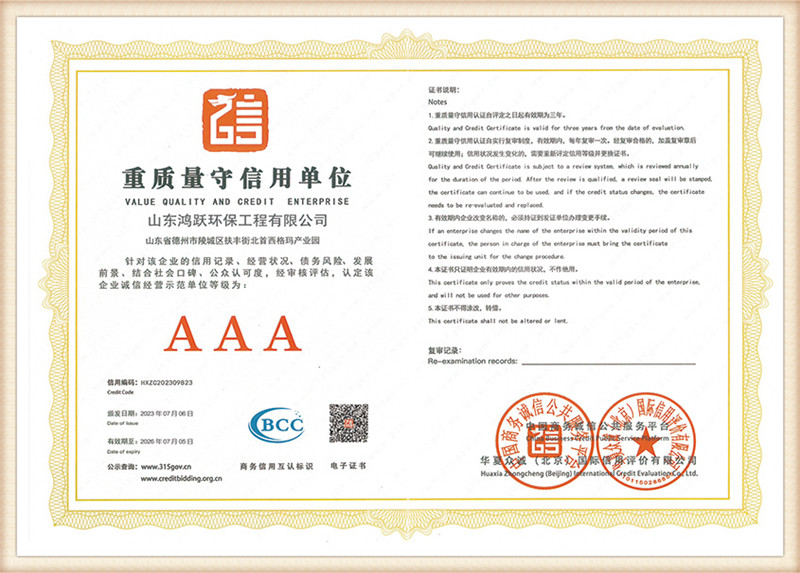
Our operational standards have been validated through rigorous certification pathways and key infrastructure project achievements.
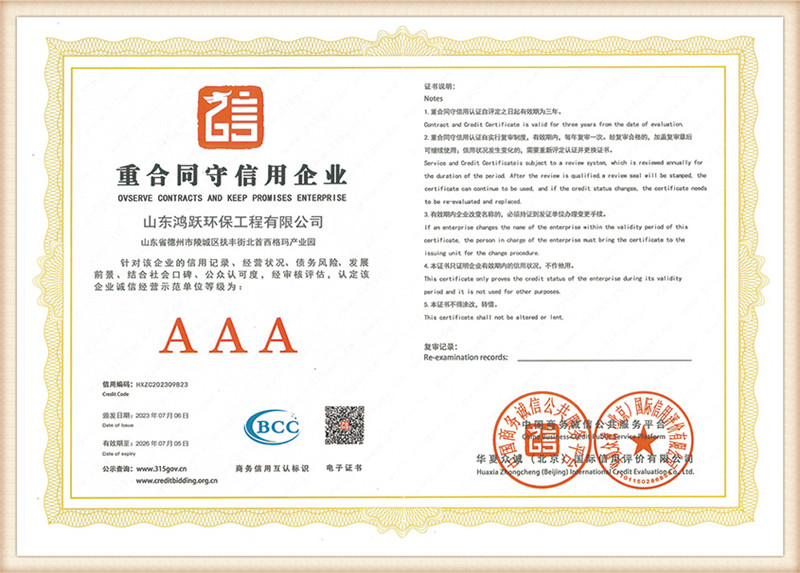
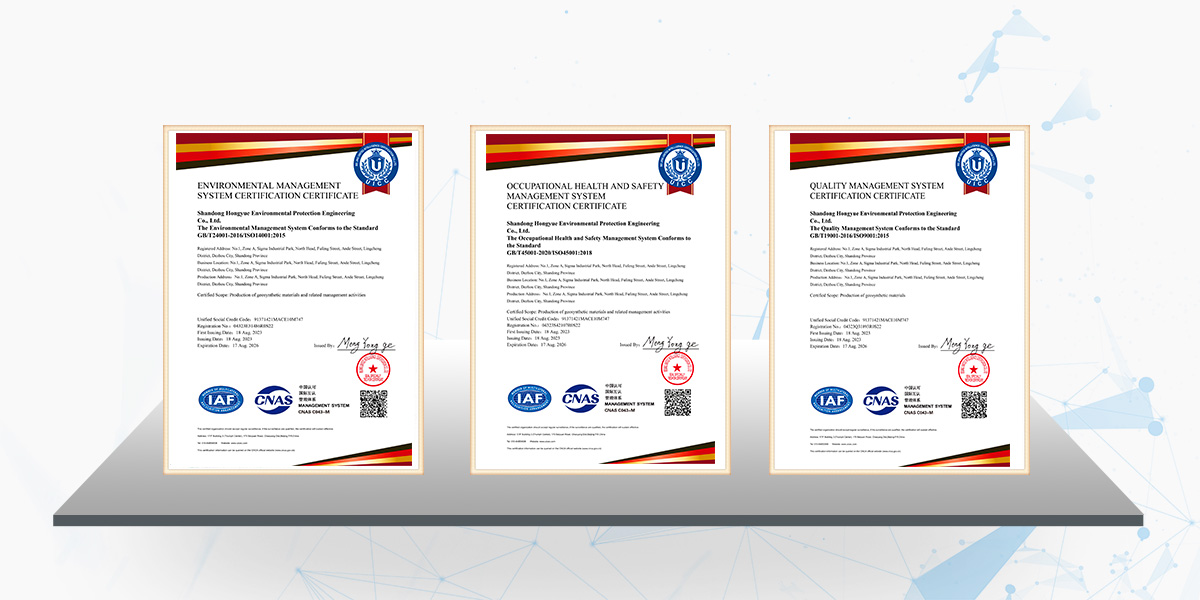
We are certified under the ISO9001 International Quality System, ISO14000 Environmental System, and ISO45001 Occupational Health and Safety Management System. Our commitment to sustainable building practice has earned us domestic recognition including honors like "Green and Environmentally Friendly Building Materials Products," "Famous Chinese Brands," "High-Tech Industries," and "Provincial-Level Poverty Alleviation Leading Enterprises."
An executive overview of erosion control geosynthetics, detailing their design properties and structural roles in modern geological engineering.
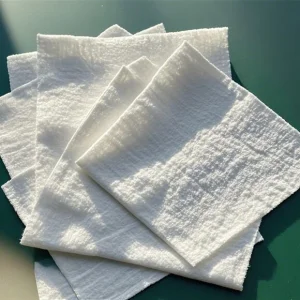
Non-woven needle-punched geotextiles are engineered to allow optimal water flow through hydraulic systems while containing fine soil particles, preventing internal piping and mechanical erosion in subgrades.
Designed with high-tensile polyester filament and polypropylene structures, these geotextiles secure steep canal banks and riverbanks against hydraulic drag force and turbulent currents.
By balancing fiber density and mechanical thickness, our geotextiles ensure balanced drainage, preventing hydrostatic pore pressure build-up and stabilizing slope soil mass.
Global environmental challenges, ranging from rising sea levels to severe weather patterns, have accelerated the demand for resilient civil infrastructures. Traditional soil-retaining methodologies like concrete cladding are increasingly replaced by ecological geosynthetic arrays. Spunbond continuous filament geotextiles and needle-punched non-wovens have emerged as standard specs in global hydraulic designs. The industry is transitioning from simple physical barriers toward integrated eco-structures that support vegetation regrowth while maintaining slope stability.
Furthermore, engineering groups are shifting toward raw material footprints with higher carbon efficiency. Project owners now seek verified tensile-strength-to-weight ratios and verified chemical resistance. Key infrastructure procurement criteria prioritize materials that stand up to harsh environmental stressors, including high ultraviolet exposure, micro-biological soil attack, and acidic runoff.
Explore our core geotechnical solutions manufactured at our modern facility in Dezhou, Shandong.
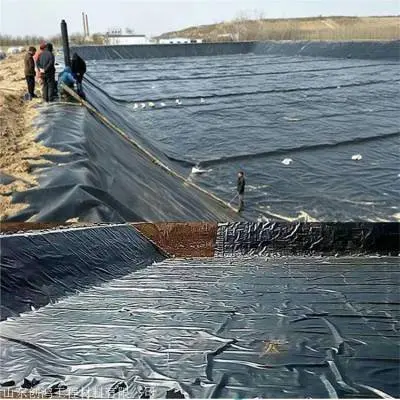
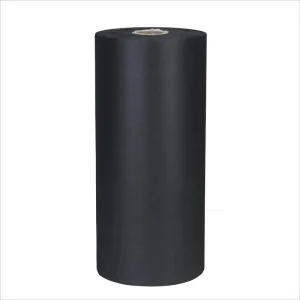
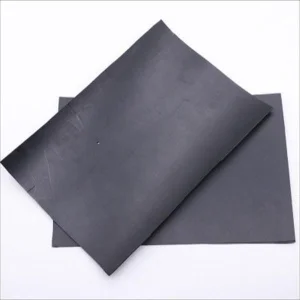
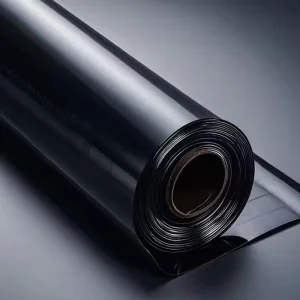
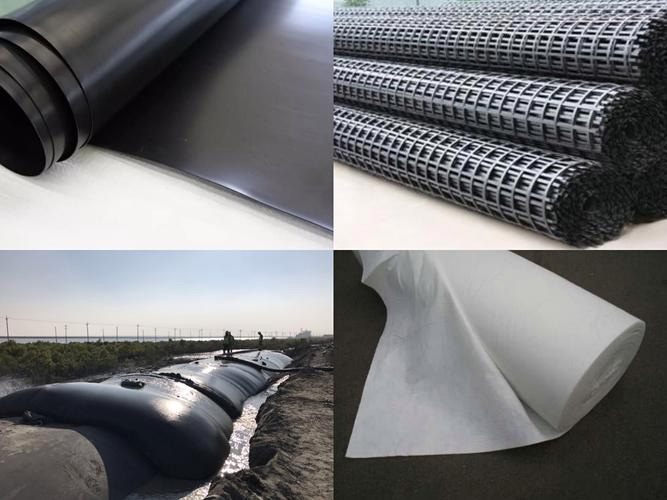
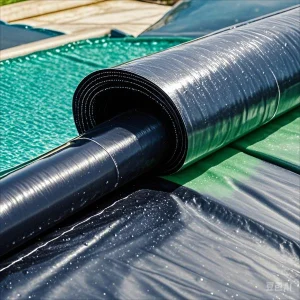
Specialized aquaculture linings engineered for puncture protection and environmental neutrality.
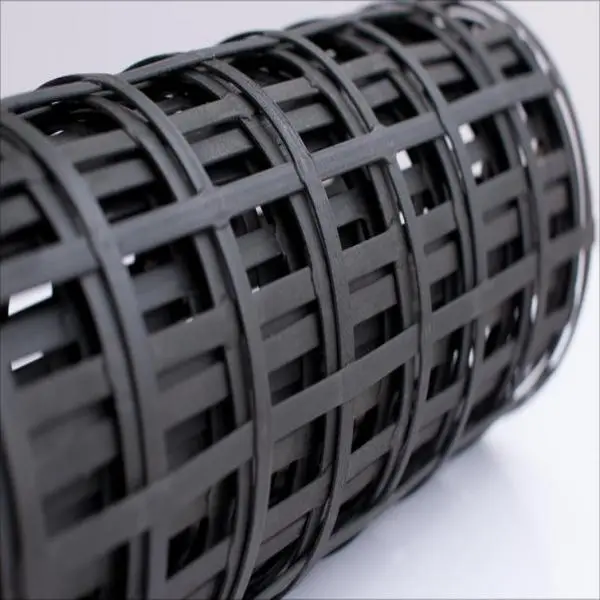
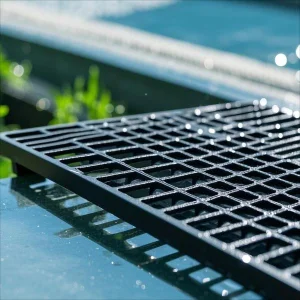
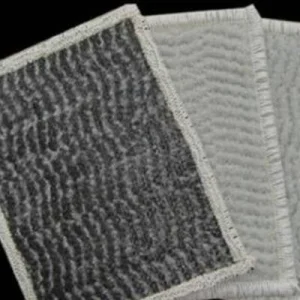
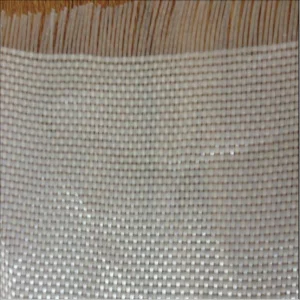
High-strength composite reinforcement structures for road subgrades and retaining walls.
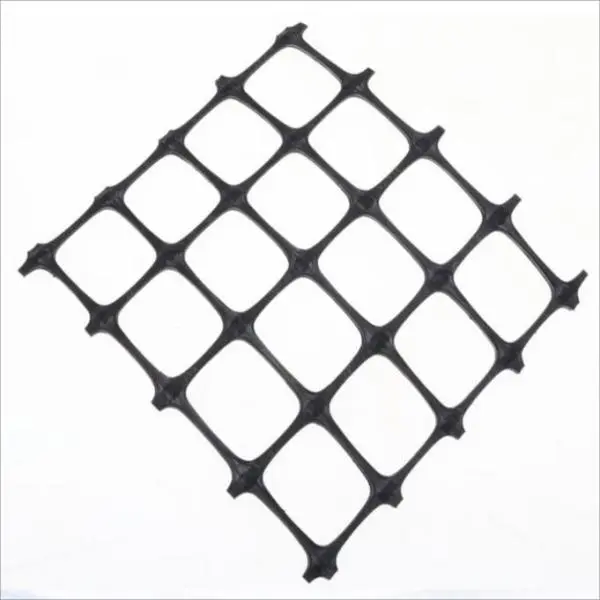
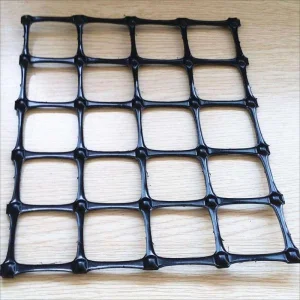
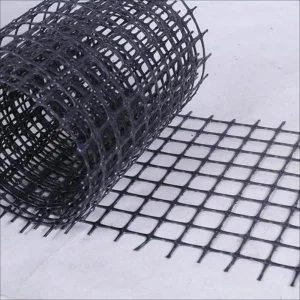
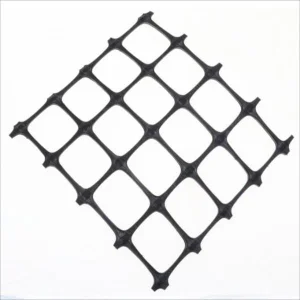
Extruded polymer meshes providing excellent soil confinement and base reinforcement.
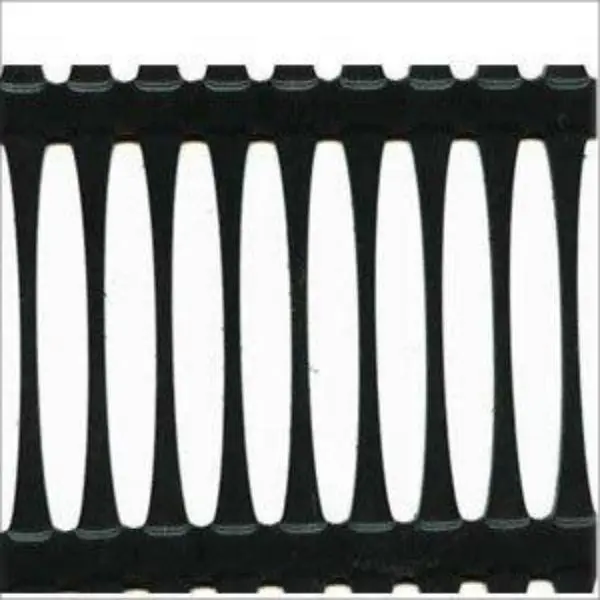
Engineered with high uni-directional tensile strength to stabilize retaining walls and steep slopes.
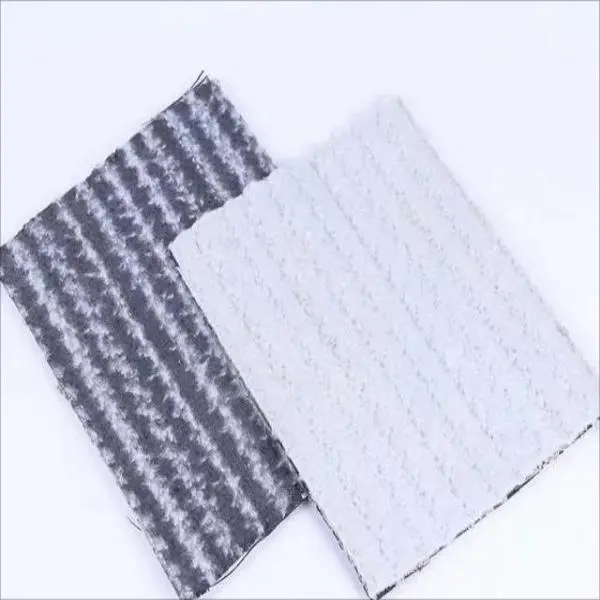
Rapid-hardening composite concrete canvas for channel protection and ditch lining.
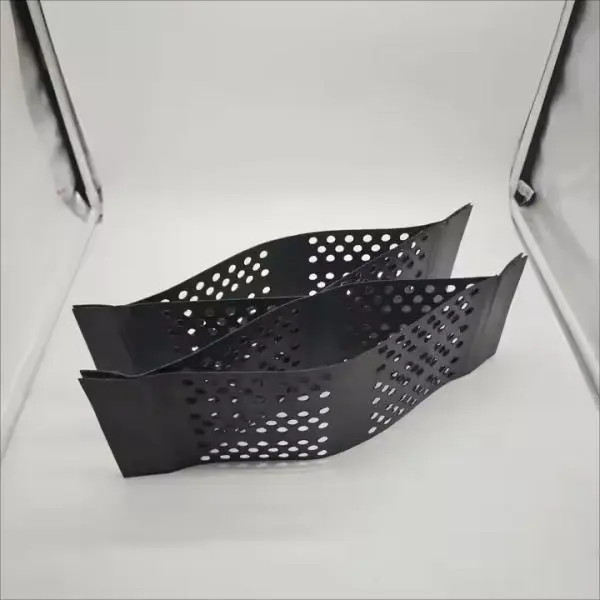
Three-dimensional cellular confinement systems designed to contain slopes and control soil washouts.
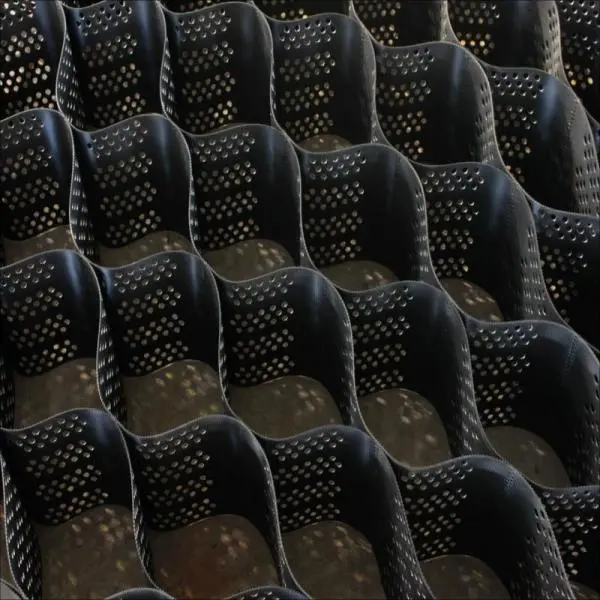
Virgin High-Density Polyethylene geocells offering exceptional resistance to chemical weathering.
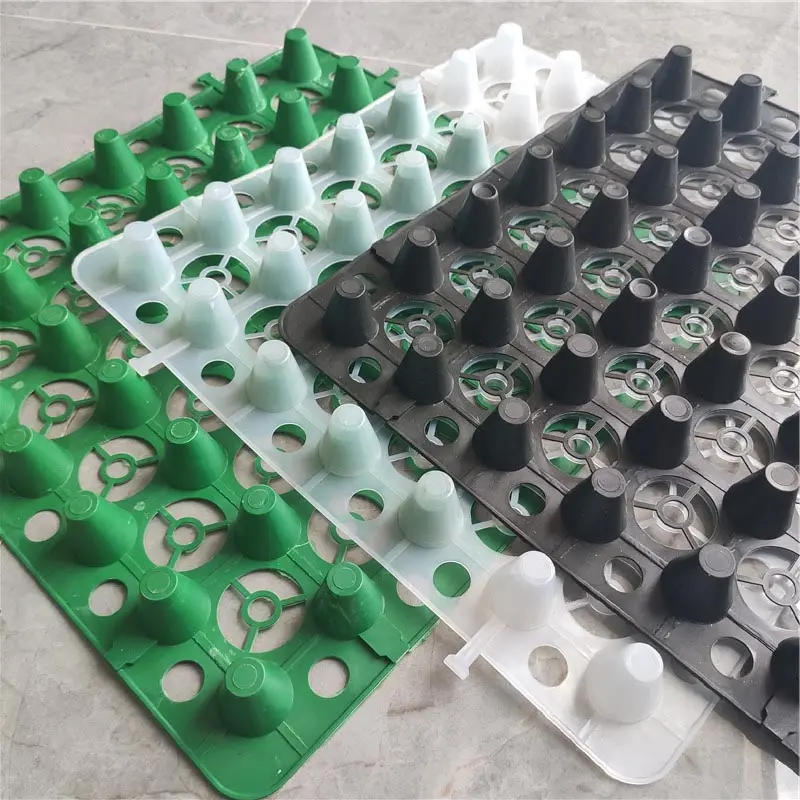
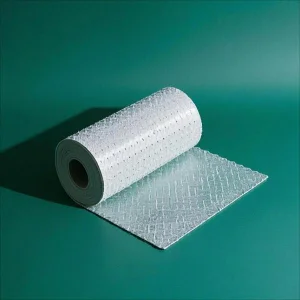
High-strength dimpled core layouts protecting root paths while facilitating clean drainage.
Through robust research, our technical teams provide comprehensive solutions for challenging geological environments.
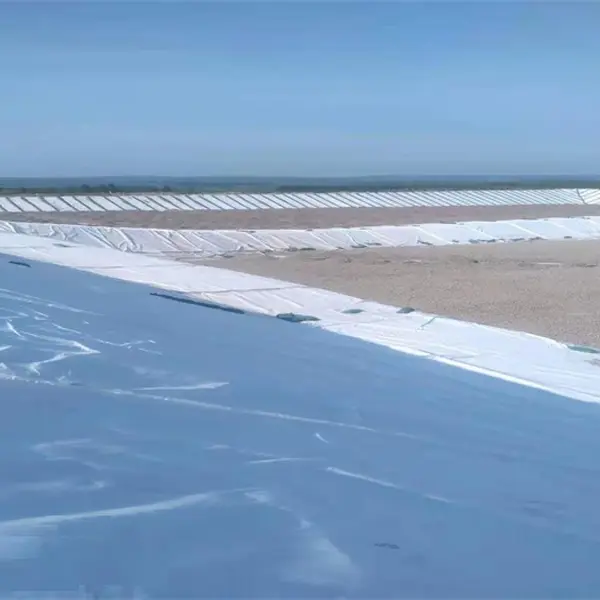
Minimizing water loss through high-performance geomembrane and geotextile composites, securing agricultural reservoirs and regional canals from seepage under high hydrostatic pressure.
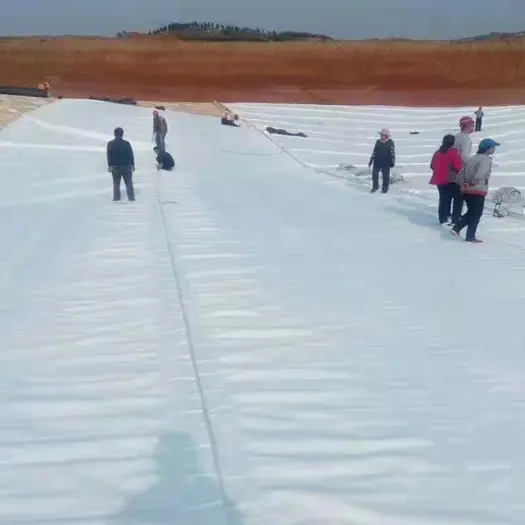
Stabilizing active waterways by lining channels with engineered composite sheets, reducing hydraulic drag while containing fine sediments below the flow layer.
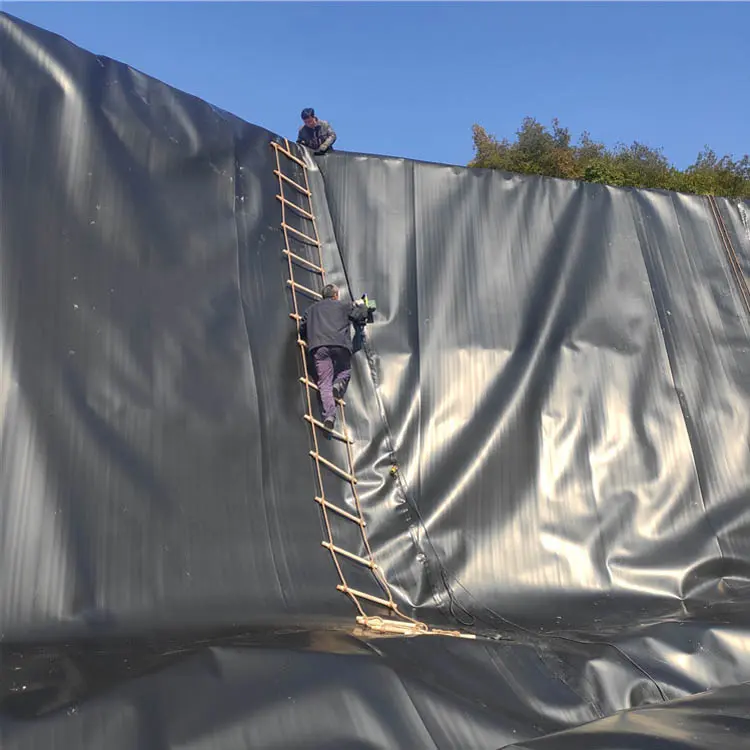
Strict environmental sealing systems that combine HDPE geomembranes and needle-punched geotextiles to protect underground aquifers from leachate containment failure.
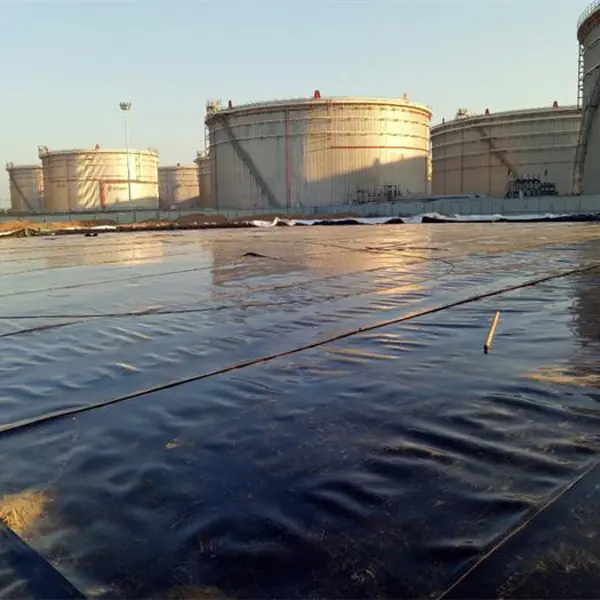
Highly resistant secondary containment solutions engineered for petrochemical storage yards. Combining thick clay liners and specialized geomembranes ensures chemical security and prevents petrochemical runoff into nearby soils.
A look at the state-of-the-art polymer processing and thermal reinforcement technologies utilized at our facility.
Selecting and inspecting premium polyester chips, polypropylene filament, and viscose fibers. Raw materials are strictly tested to verify consistency and chemical resistance before entry to the production line.
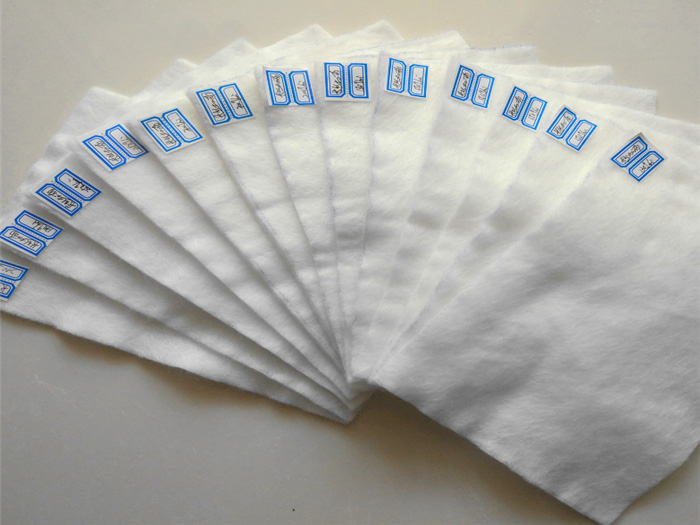
Melting raw materials at high temperatures within twin-screw extruders. High-strength stabilizers are mixed to optimize durability and resistance to UV aging.
Extruding the melt through micro-diameter spinnerets, forming fine filaments that lay uniformly onto conveyor belts to create high-density cross-directional structures.
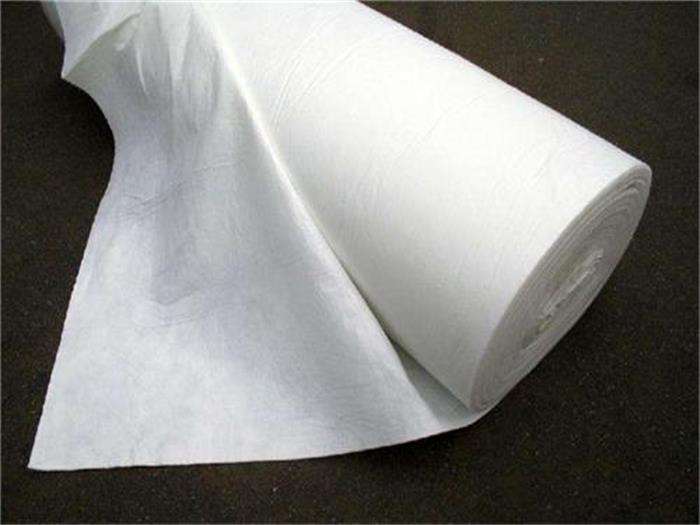
Mechanically aligning and thermally bonding fibers using controlled draft-ratio equipment to establish final tensile and shear strength properties.
Trimming, measuring, and rolling products into precise widths and lengths. Finished rolls are secured in protective packaging to prevent site damage.
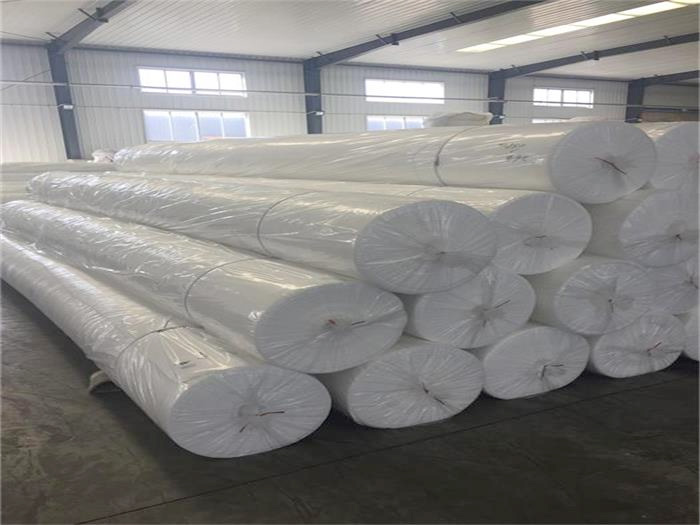
Testing physical parameters (mass, tensile strength, grab strength) and hydraulic parameters (water flow capacity, pore opening size) to ensure complete alignment with ASTM and EN codes.
A step-by-step technical guide for selection, site preparation, installation, and long-term upkeep.
Choosing the correct geomembrane type is critical for long-term project performance:
Site preparation and seaming determine installation reliability:
Regular maintenance helps maximize operational life:
A focus on testing protocols, verified certifications, and quality standards for our environmental products.
Our quality control protocols monitor production starting from virgin polymer pellet inspections to finished roll approvals. All geotextiles and membranes undergo tests at national level testing facilities, ensuring compliance with both national standards and ASTM/EN codes.
With a professional staff containing over ten years of technical experience, Shandong Hongyue supports global engineering groups through material design consulting, on-site construction guidance, and detailed physical property testing.
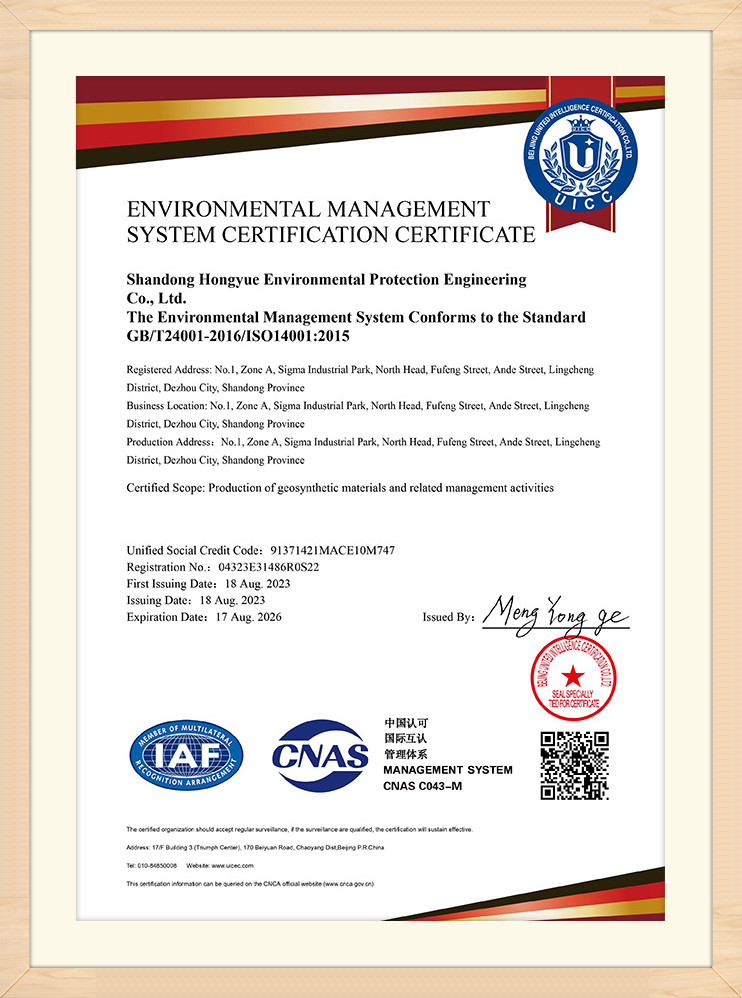
An overview of geotechnical materials utilized in hydraulic projects like reservoirs, channels, and levees.
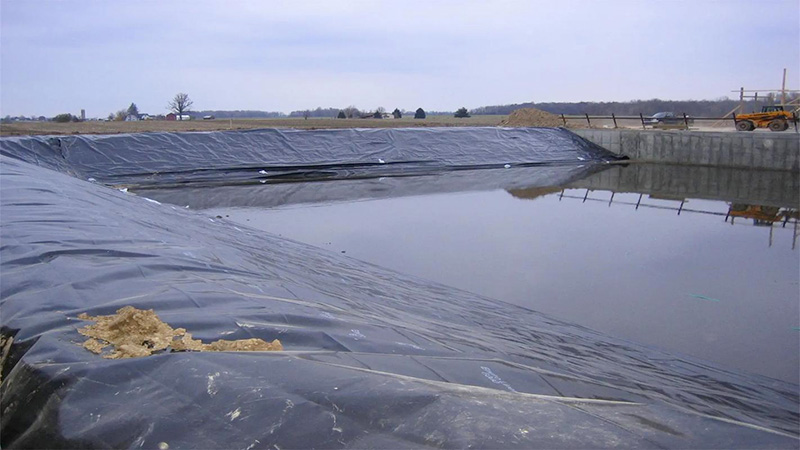
Reservoirs built in variable geological terrain require robust liners to prevent seepage into surrounding rock. Specialized geomembranes help retain critical water volumes and reinforce structural stability.
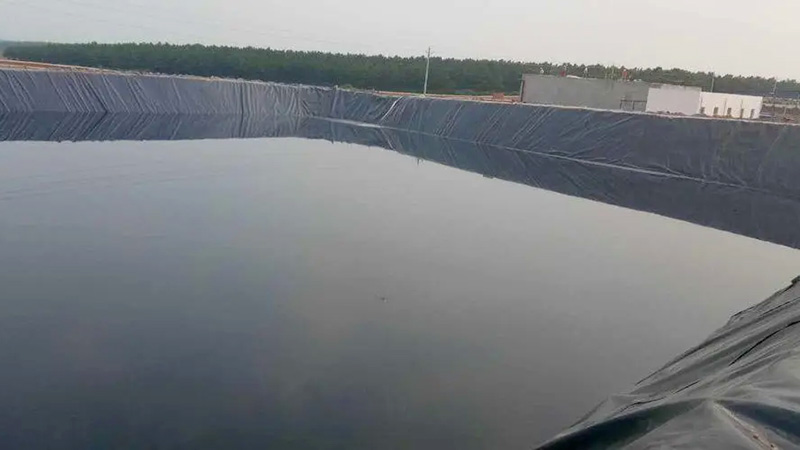
Levees and dikes protect low-lying areas from floods. Integrating high-performance geomembranes helps prevent structural washout and mitigates seepage risks during high water levels.
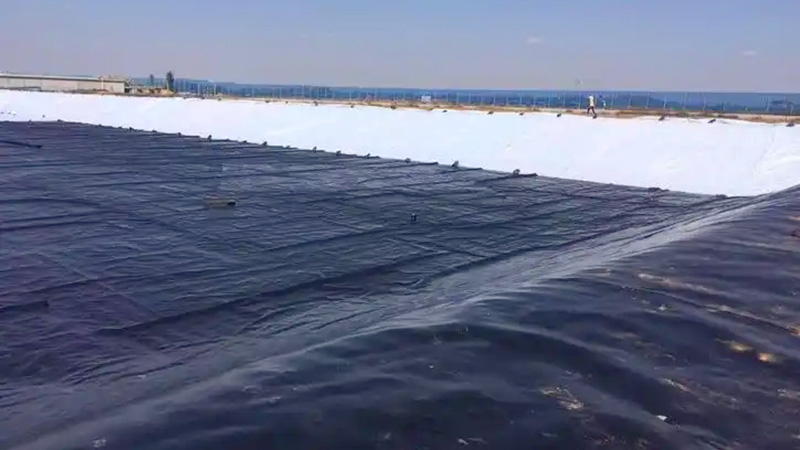
Protecting river channel banks from continuous shear stress. Combining geotextiles with armor layers secures the underlying soil while allowing natural drainage to maintain bank stability.
The future of erosion control geotextiles centers on smart monitoring systems and ecological integration. Research teams are developing smart sensors that weave directly into geotextile structures, allowing real-time monitoring of strain, shifting, and chemical levels via wireless signals.
Furthermore, modern engineering projects increasingly incorporate bio-synthetic fibers. These materials provide high tensile support for initial vegetation growth and then safely decompose as root networks establish natural slope stability. Our product design remains focused on high durability, easy deployment, and reduced carbon footprints.
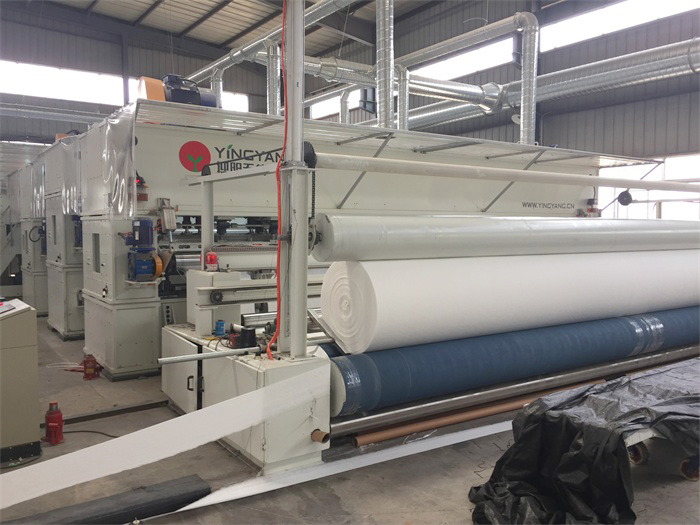
Density selection depends on maximum flow velocity, soil gradation, and shear stress requirements. For velocities below 1.5 m/s, standard 200g/m² to 300g/m² non-woven geotextiles offer reliable filtration. For high-velocity channels, heavy-duty 500g/m²+ non-wovens or glass-fiber cement blankets are recommended to protect the soil from severe shear forces.
Our Dezhou facility provides factory-direct bulk pricing, customizable dimensions (roll widths up to 8m), and strict quality control. This allows project teams to optimize their budget while receiving materials certified to ISO, CE, and ASTM specifications.
Unprotected polypropylene degrades quickly under solar UV radiation. Our production process includes carbon black and chemical light stabilizers to slow photo-oxidation, allowing our geotextiles to retain over 70% of their tensile strength even after long-term exposure.
Every batch is tested to confirm physical and hydraulic parameters. Key checks include ASTM D4632 for grab strength, ASTM D4751 for Apparent Opening Size, and ASTM D4491 for water permeability, ensuring complete compliance with municipal project requirements.
Check the list below for additional high-performance solutions. Contact our engineering team for custom configurations and quotes.
 Hongyue