 Hongyue
1 / 4
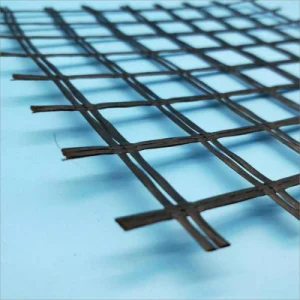
Through a special stretching process, stress is evenly distributed in both the longitudinal and transverse directions. The tensile strength is significantly higher than that of traditional geotechnical materials and can withstand large external forces and loads.
It can adapt to the settlement and deformation of different foundations and shows good adaptability in various engineering environments.
The high - molecular polymer materials used have excellent chemical corrosion resistance and ultraviolet resistance and are not easily damaged during long - term use under harsh environmental conditions.
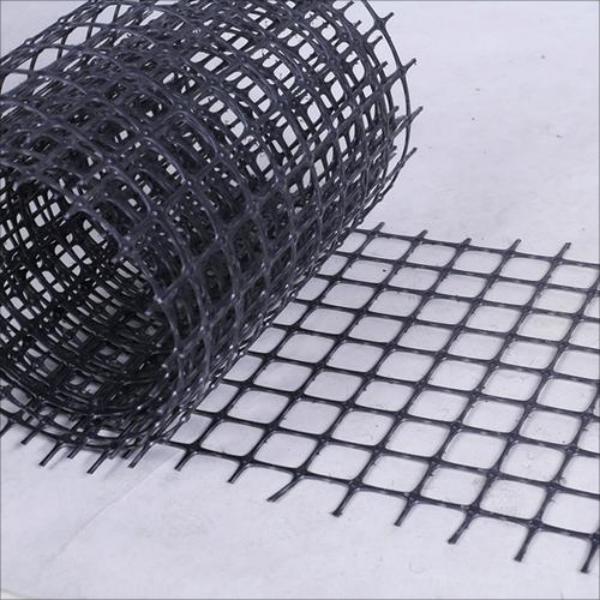
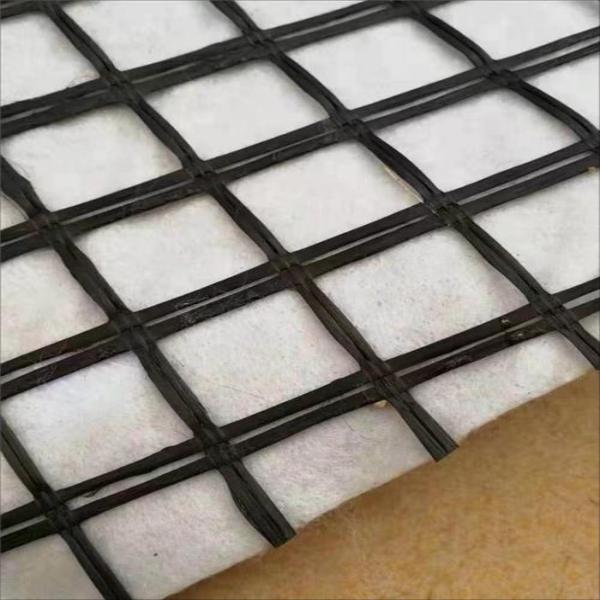
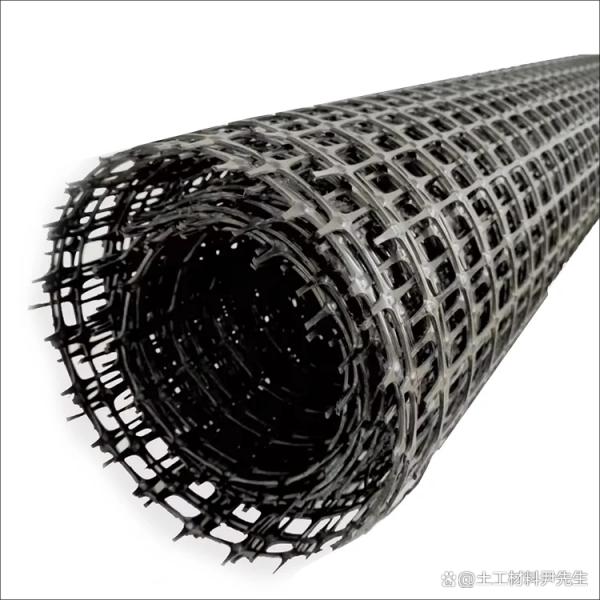
The mesh - like structure enhances the interlocking and restraining effect of aggregates and significantly increases the friction coefficient with the soil mass, effectively preventing the displacement and deformation of the soil.
It is used for subgrade reinforcement in highways and railways. It can increase the bearing capacity of the subgrade, prolong the service life of the subgrade, prevent road surface collapse or cracking, and reduce uneven settlement.
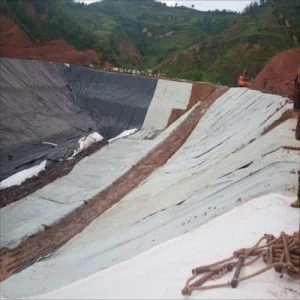
It can enhance the stability of dams and prevent problems such as dam leakage and landslides.
It helps to reinforce slopes, prevent soil erosion, and improve the stability of slopes. At the same time, it can support the slope grass - planting net mat and play a role in greening the environment.
It is suitable for foundation reinforcement of large - area permanent load - bearing areas such as large - scale airports, parking lots, and wharf cargo yards, improving the bearing capacity and stability of the foundation.
It is used to reinforce the tunnel walls in tunnel engineering and enhance the stability of the tunnel walls.
| Parameters | Details |
|---|---|
| Raw Materials | High - molecular polymers such as polypropylene (PP) or polyethylene (PE) |
| Manufacturing Process | Plasticize and extrude sheets - Punch - Stretch longitudinally - Stretch transversely |
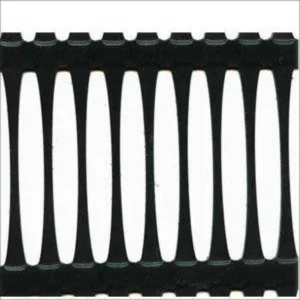
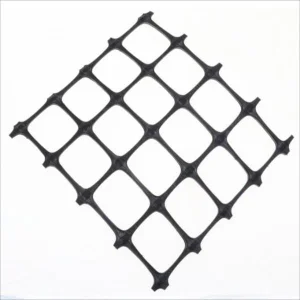
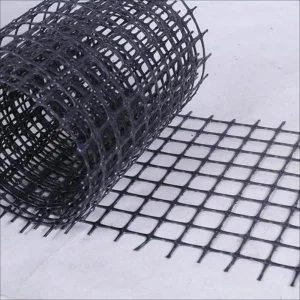
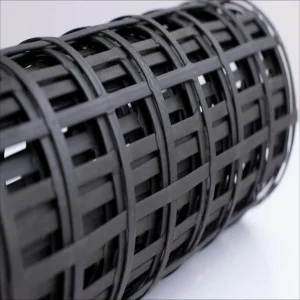
| Appearance Structure | Approximately square - shaped network structure |
| Tensile Strength (Longitudinal/Transverse) | Varies by model. For example, in the TGSG15 - 15 model, the longitudinal and transverse tensile yield forces per linear meter are both ≥15kN/m; in the TGSG30 - 30 model, the longitudinal and transverse tensile yield forces per linear meter are both ≥30kN/m, etc. |
| Elongation Rate | Typically only 10% - 15% of the original plate's elongation rate |
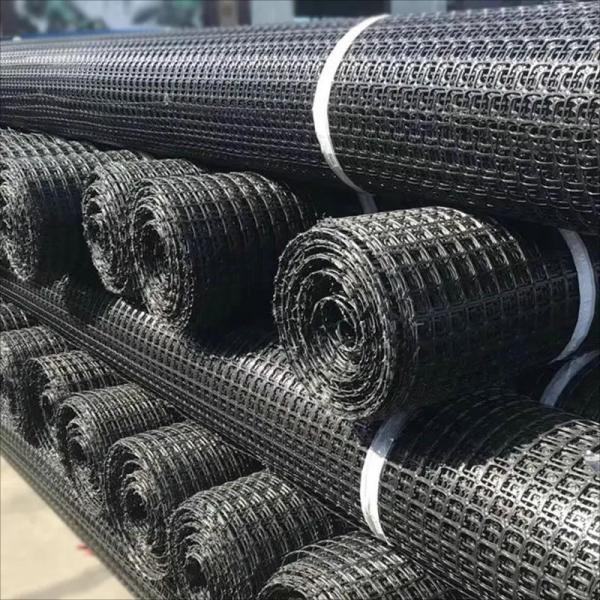
| Width | Generally 1m - 6m |
| Length | Generally 50m - 100m (Customizable) |
| Application Areas | Road engineering (subgrade reinforcement), dam engineering (stability enhancement), slope protection (erosion prevention and stability improvement), large - scale sites (foundation reinforcement), tunnel wall reinforcement |
It uses high-molecular polymers such as polypropylene (PP) or polyethylene (PE) as raw materials.
The manufacturing process involves plasticizing and extruding the raw sheets first, then punching them, and finally stretching them both longitudinally and transversely under controlled thermal conditions.
During the heating and stretching process, the high-molecular chains of the polymer are re-arranged and oriented. This strengthens the connection between these molecular chains, which significantly increases the overall tensile strength.
The elongation rate of the finished material is exceptionally low, typically only 10% to 15% of that of the original un-stretched plate.
It is widely used in road subgrade reinforcement, dam stability enhancement, slope protection (erosion prevention), foundation reinforcement of large-scale sites (airports, parking lots, cargo yards), and tunnel wall reinforcement.
Standard widths range from 1m to 6m, and standard lengths range from 50m to 100m. The length is also customizable based on specific project requirements.