 Hongyue
1 / 4
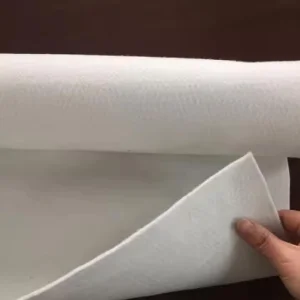
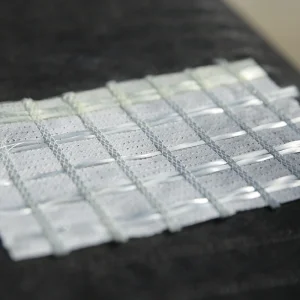
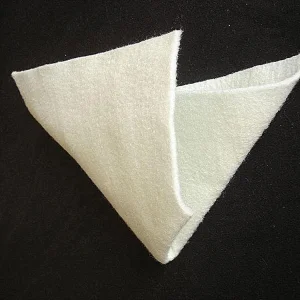
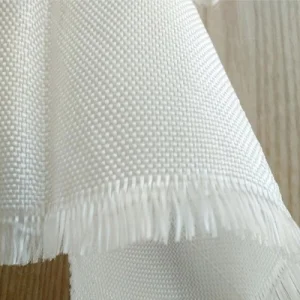
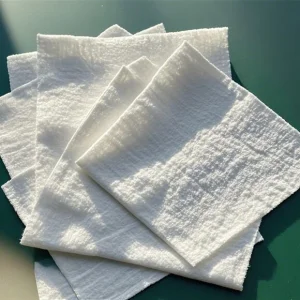
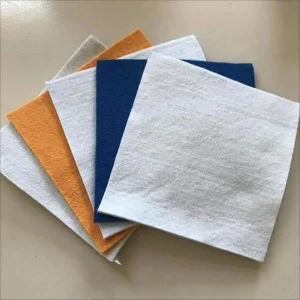
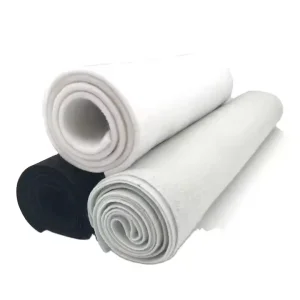
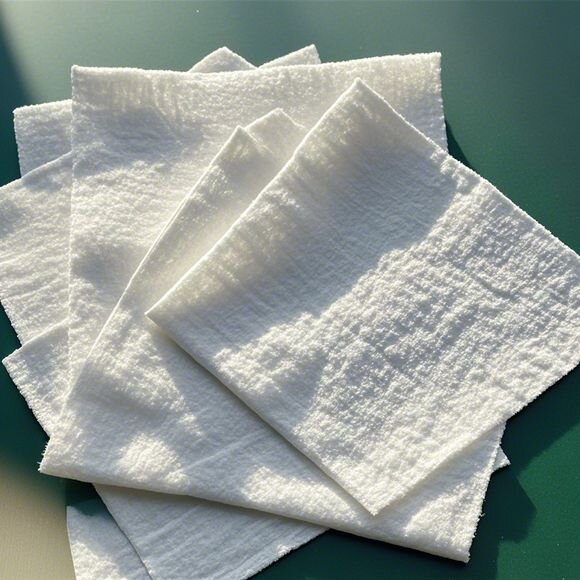
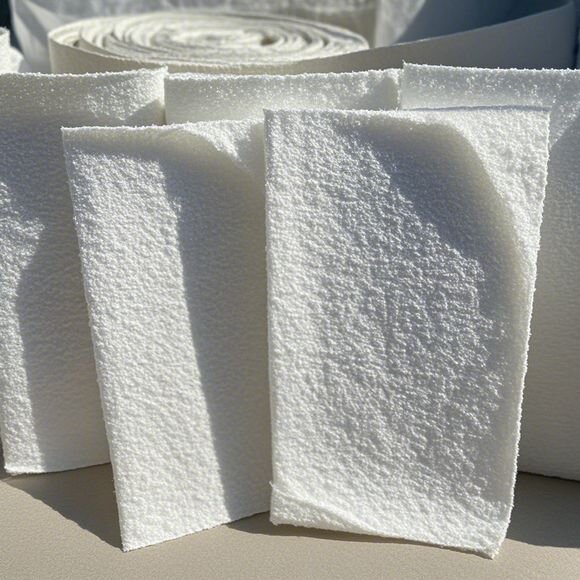
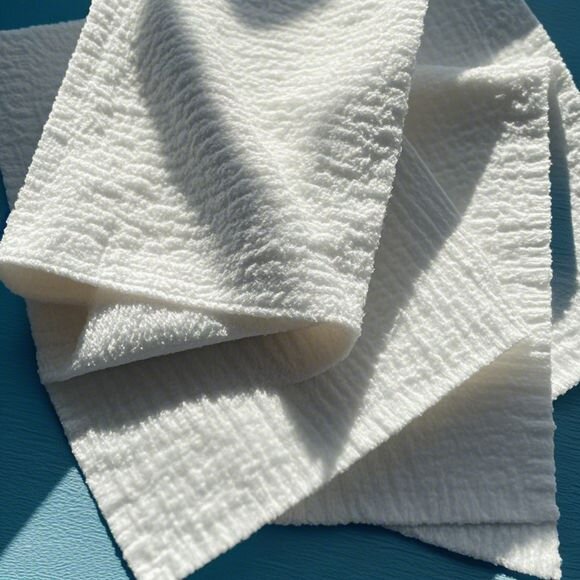
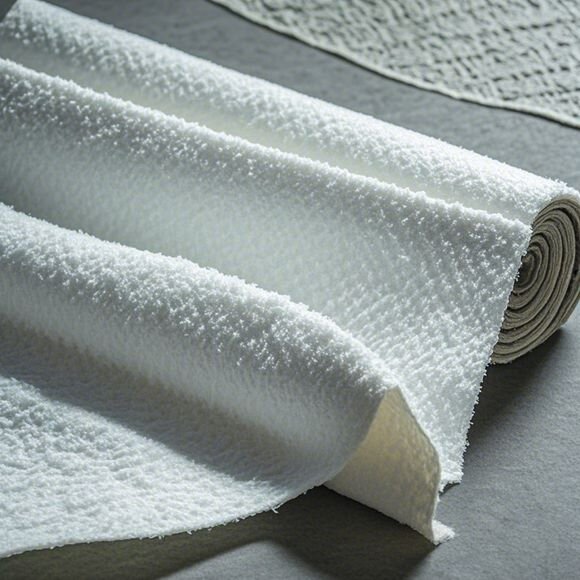
Filament geotextile is a commonly - used geosynthetic material in geotechnical and civil engineering. Its full name is polyester filament needle - punched non - woven geotextile. It is made through the methods of polyester filament net - forming and needle - punching consolidation, and the fibers are arranged in a three - dimensional structure. There are a wide variety of product specifications. The mass per unit area generally ranges from 80g/m² to 800g/m², and the width usually ranges from 1m to 6m and can be customized according to engineering requirements.
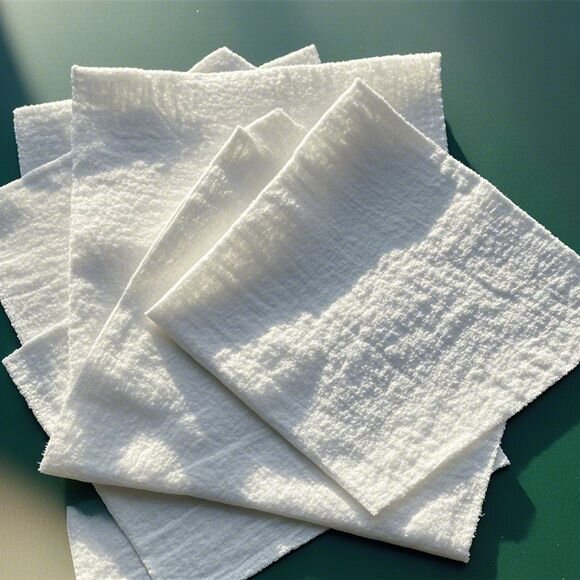
The full name is polyester filament needle-punched non-woven geotextile. It is made using polyester filament net-forming and needle-punching consolidation processes, organizing fibers in a robust three-dimensional structure.
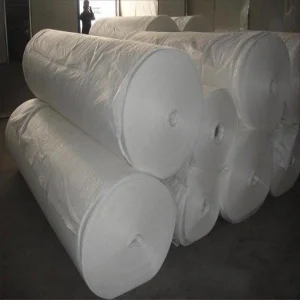
The mass per unit area generally ranges from 80g/m² to 800g/m², and the width typically ranges from 1m to 6m. Specifications can also be customized based on specific engineering requirements.
Its small, interconnected pores provide both vertical and horizontal drainage, which helps reduce pore water pressure. It acts as a filter that prevents soil particles from escaping while allowing water to flow freely, maintaining soil structural stability.
Yes, it has strong resistance to acids, alkalis, salts, and chemical pollutants. In addition, anti-aging and anti-ultraviolet additives ensure it can withstand direct sunlight, wind, and rain erosion over long-term outdoor use.
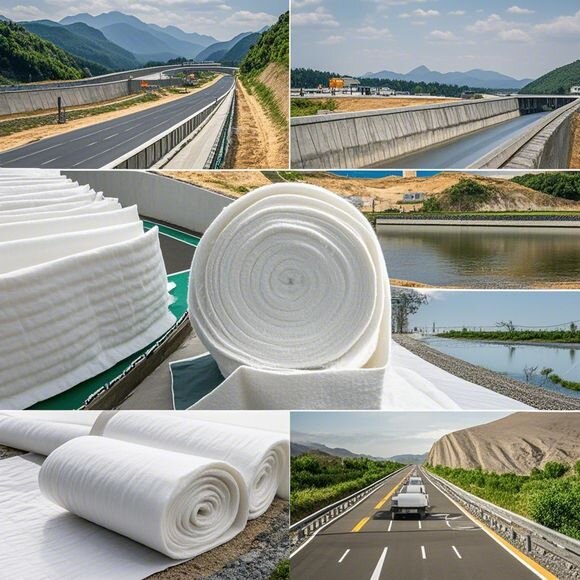
It is used to reinforce soft foundations, prevent uneven settling, isolate different soil layers to avoid material mixing, drain excess water, and prevent reflective cracks in the pavement, extending road and railway lifespan.