 Hongyue
1 / 4
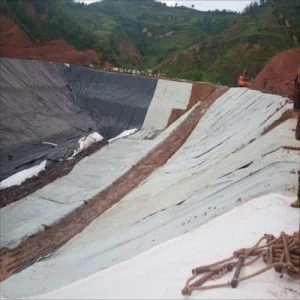
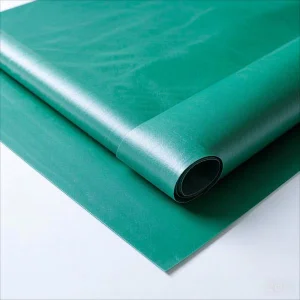
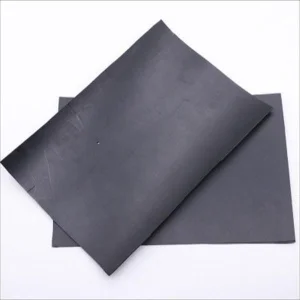
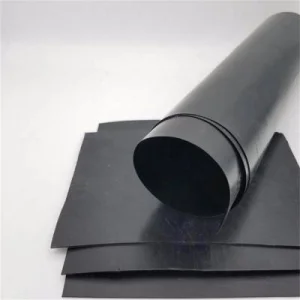
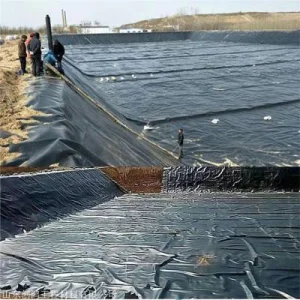
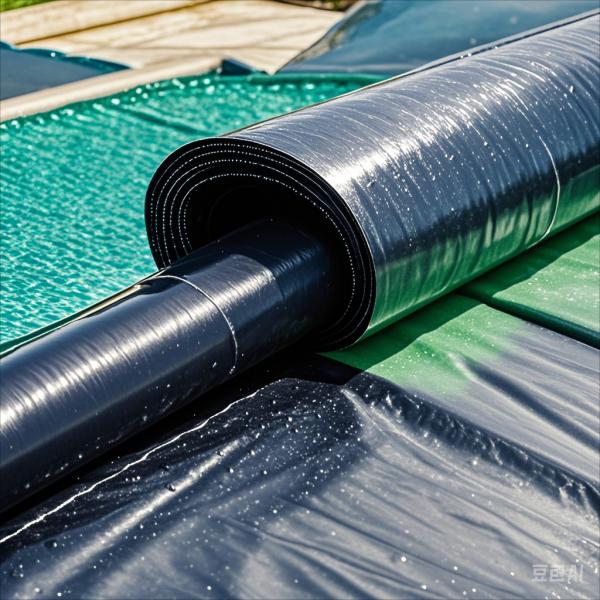
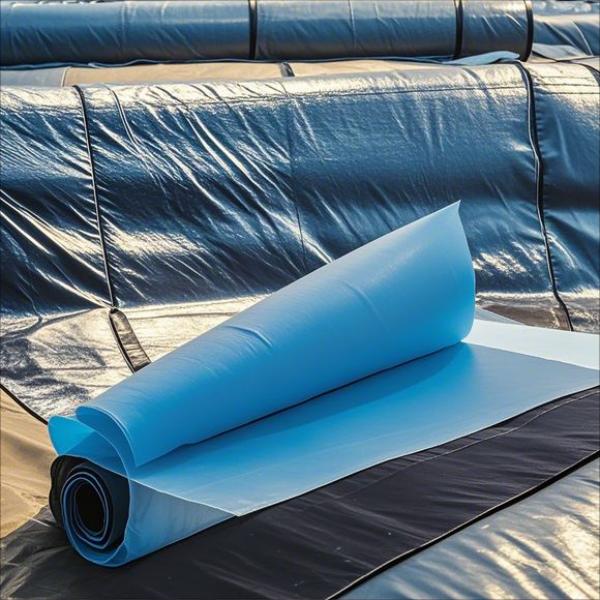
The anti-penetration geomembrane is mainly used to prevent sharp objects from penetrating, thus ensuring that its functions such as waterproofing and isolation are not damaged. In many engineering application scenarios, such as landfills, building waterproofing projects, artificial lakes and ponds, there may be various sharp objects, such as metal fragments in the garbage, sharp tools or stones during construction. The anti-penetration geomembrane can effectively resist the penetration threat of these sharp objects.
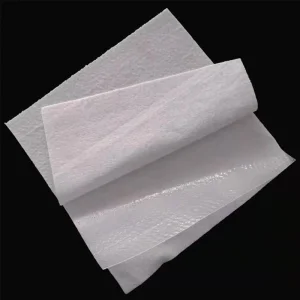
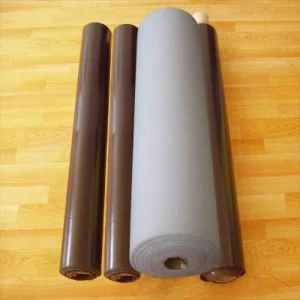
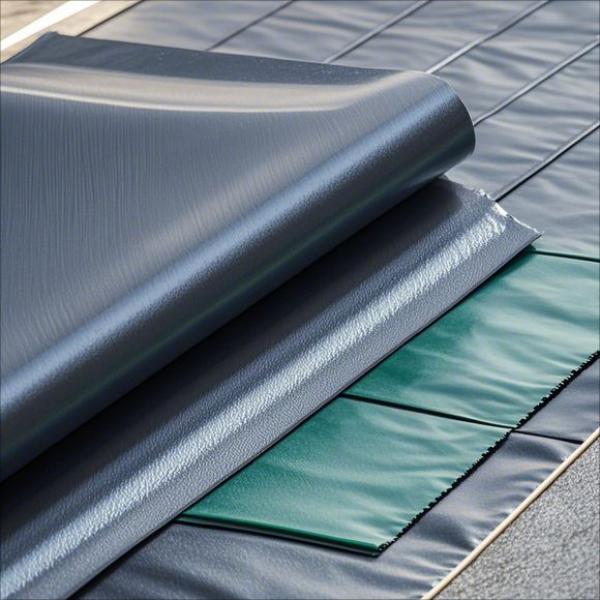
Many anti-penetration geomembranes adopt a multi-layer composite form. For example, the anti-penetration geomembrane with high-density polyethylene (HDPE) as the main material may be compounded with one or more layers of high-strength fiber materials, such as polyester fiber (PET), outside its core waterproof layer. Polyester fiber has a high tensile strength and tear-resistant strength, which can effectively disperse the local pressure exerted by sharp objects and play an anti-penetration role.
Adding some special additives to the material formula can enhance the anti-penetration performance of the geomembrane. For example, adding an anti-abrasion agent can improve the abrasion-resistant performance of the geomembrane surface, reduce the surface damage caused by friction, and then enhance its anti-penetration ability. At the same time, some toughening agents may also be added, so that the geomembrane can have better toughness when subjected to a puncture force and is not easy to break.
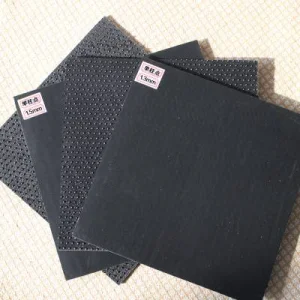
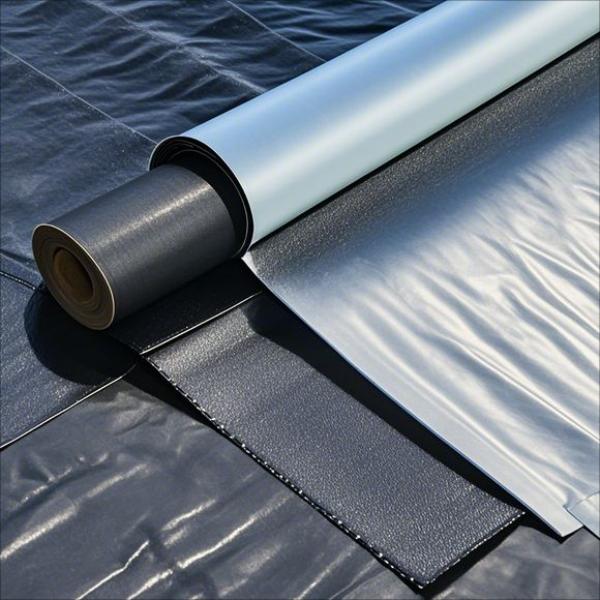
The surface of some anti-penetration geomembranes is designed with a special protection structure. For example, a raised granular or ribbed structure is used. When a sharp object contacts the geomembrane, these structures can change the puncture angle of the object and disperse the concentrated puncture force into component forces in multiple directions, thereby reducing the possibility of puncture. In addition, there is a relatively hard protective layer on the surface of some geomembranes, which can be formed by coating a special polymer material, such as a wear-resistant and high-strength polyurethane coating, which can directly resist the penetration of sharp objects.
A1: It is primarily used to prevent sharp objects—such as metal fragments, stones, construction tools, and plant roots—from puncturing the barrier, thereby protecting its critical waterproofing and isolation capabilities from damage.
A2: By combining a core waterproof layer (like HDPE) with high-strength outer fibers such as polyester fiber (PET), the composite structure effectively disperses localized pressure from sharp objects, preventing localized tears and punctures.
A3: Additives like anti-abrasion agents decrease surface damage from friction, while toughening agents ensure the geomembrane maintains high flexibility and resistance to cracking when subjected to concentrated puncture forces.
A4: Raised granular or ribbed surfaces change the angle at which sharp objects contact the membrane, effectively distributing concentrated vertical forces into multiple directions. Additionally, wear-resistant polyurethane coatings act as a hard shield against direct penetration.
A5: Landfills contain diverse, sharp waste materials like metal and glass. The geomembrane resists punctures from these objects, preventing hazardous leachate from escaping and contaminating surrounding soil and groundwater.
A6: In artificial lakes, ponds, and irrigation channels, it prevents leaks caused by sharp subgrade rocks, roots, or maintenance equipment, ensuring structural stability and efficient water containment.