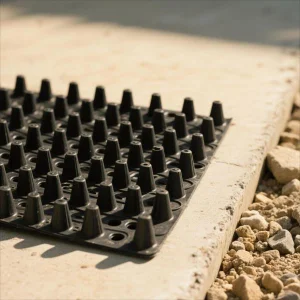
Explore our high-performance geotechnical engineering materials engineered for soil reinforcement, hydraulic filtration, waterproofing containment, and localized load distribution.
Geogrid fabrics and geosynthetic barriers represent the backbone of contemporary civil and geotechnical works. As modern engineering demands infrastructure capable of withstanding extreme environmental shifts, heavy axle loads, and severe hydrological pressure, standard substrate treatments are no longer sufficient.
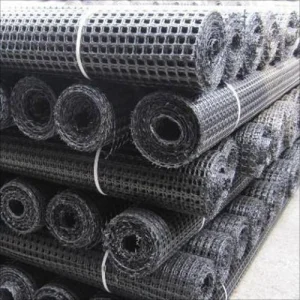
In international projects, the integration of ODM Geogrid Fabrics serves two key purposes: mechanical stabilization through aggregate lateral confinement, and structural filtration/isolation to prevent soil migration. This dual mechanism drastically reduces base thickness requirements for roadways, controls differential settlement in soft soils, and prolongs the lifespan of major containment structures.
For global contractors, procurement is not just about material cost. It hinges on the physical properties of the polymer, the tensile strength (uniaxial vs. biaxial parameters), chemical resistance to alkaline soils, and the reliability of supply chains. Shandong Hongyue Environmental Engineering Co., Ltd. fills this gap by coupling customized manufacturing with high-capacity production facilities.
SEO Intent Highlight: Modern engineering requires ASTM-compliant tensile properties, chemical resistance, and long-term creep parameters to fulfill rigorous regulatory audits. Working directly with an ODM exporter ensures customization to project-specific requirements.
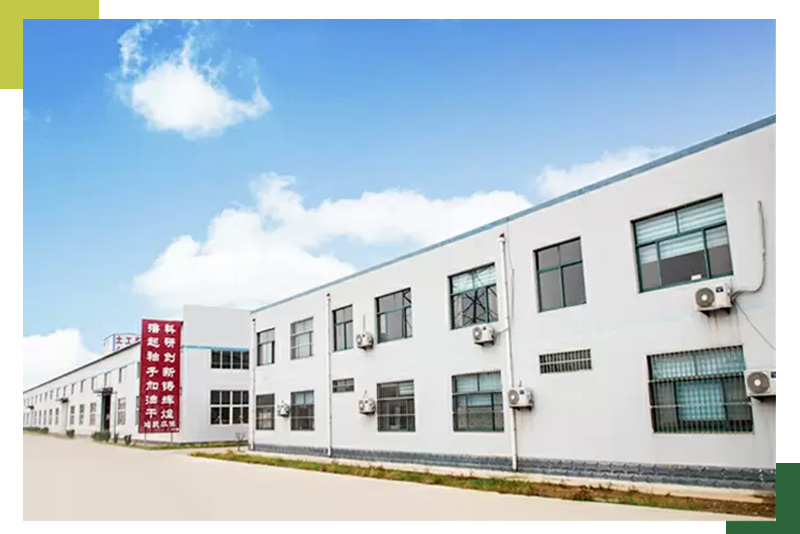
Integrity, Scale, and Engineering Ingenuity Rooted in the Heart of China’s Geosynthetics Manufacturing Capital.
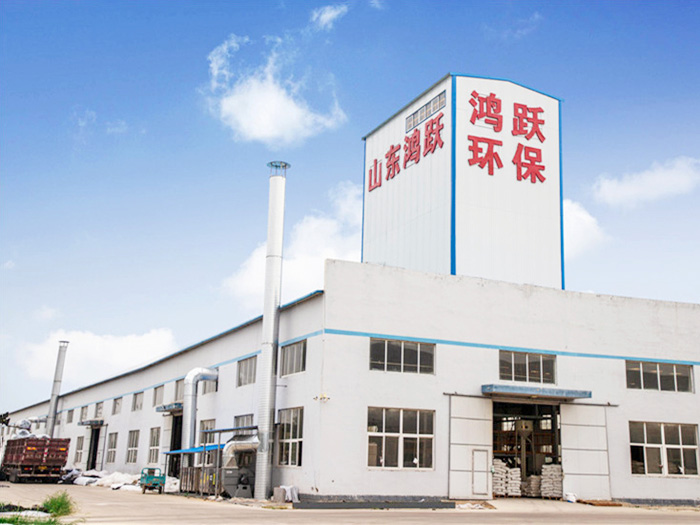
Located at the north end of Fufeng Street, Lingcheng District, Dezhou, Shandong Province, Shandong Hongyue Environmental Engineering Co., Ltd. is a scientific and technological geotechnical material manufacturer integrating engineering material production, sales, design and construction services. The company was registered in Lingcheng District Market Supervision and Administration Bureau of Dezhou City on April 6, 2023, with a registered capital of 105 million yuan. It stands today as one of the largest production bases of geotechnical materials in China, benefiting from a superior geographical location and highly convenient logistics corridors.
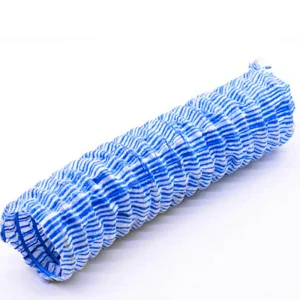
Since its establishment, the company has expanded rapidly. Our business spans geotextiles, geomembranes, composite geomembranes, waterproof boards, bentonite waterproof blankets (GCL), 3D composite drainage networks, (composite) drainage boards, weaving cloth, woven cloth, membrane bags, blind ditches, waterproof-drainage combinations, woven bags, ecological bags, cement blankets, fiber plant blankets, and flexible pervious pipes.
We are proud members of the Dezhou Geotextile Association. Our products are widely used in critical regional and global networks including highways, railways, bridges, tunnels, water conservancy canals, artificial lakes, municipal environmental protection sites, mining heaps, and industrial agricultural operations.
Shandong Hongyue has built its market reputation on technical strength and rich field construction experience. We have standardized on-site operations, engineered anti-seepage materials, and integrated post-sales engineering support. Adhering to the principle of "customer-centered, innovation as a means, and survival through quality," we are continuously improving our core competitiveness to build a robust environmental brand.
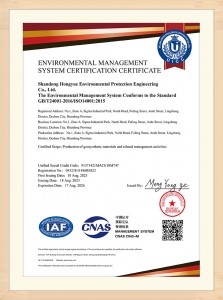
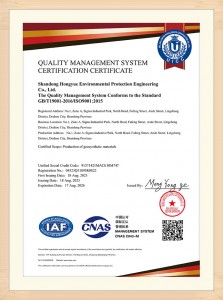
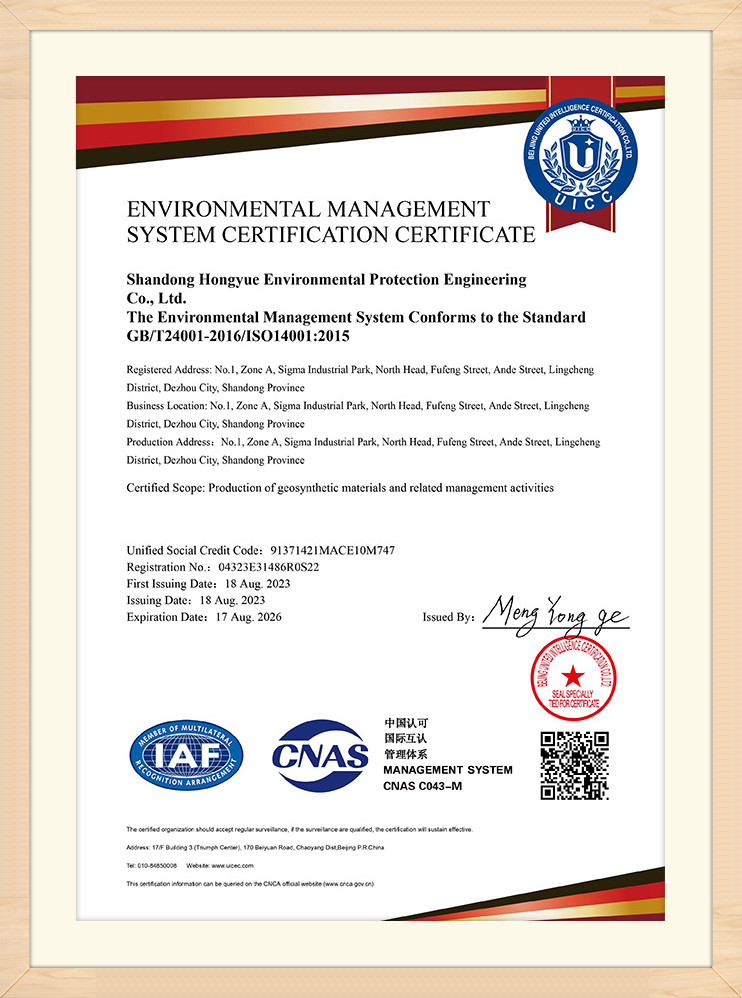
The company has passed ISO9001 international quality system certification, ISO14000 environmental system certification, and ISO45001 occupational health and safety management system certification. We have earned honors including "Green and environmentally friendly building materials products", "No consumer complaints", "Famous Chinese Brand", and "High-tech industry". Our sales network spans China's major hubs like Shanghai and Beijing, with exports reaching Europe, the United States, Australia, and Southeast Asia.
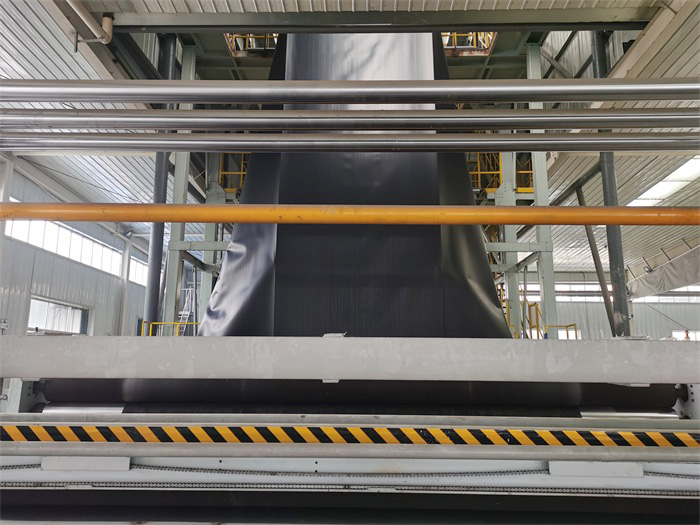
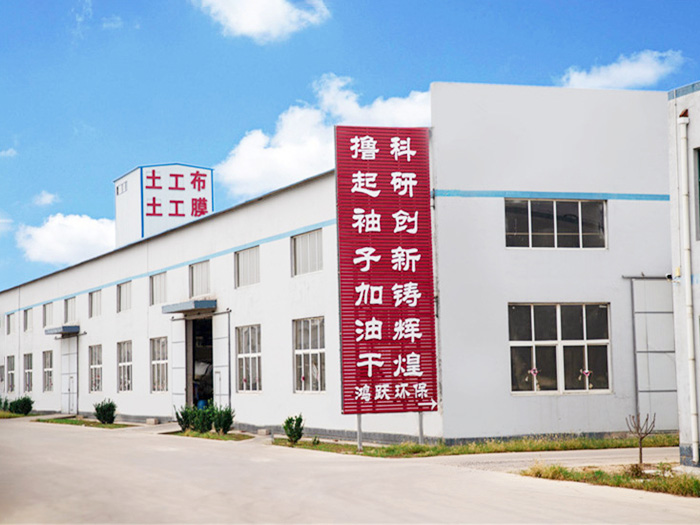
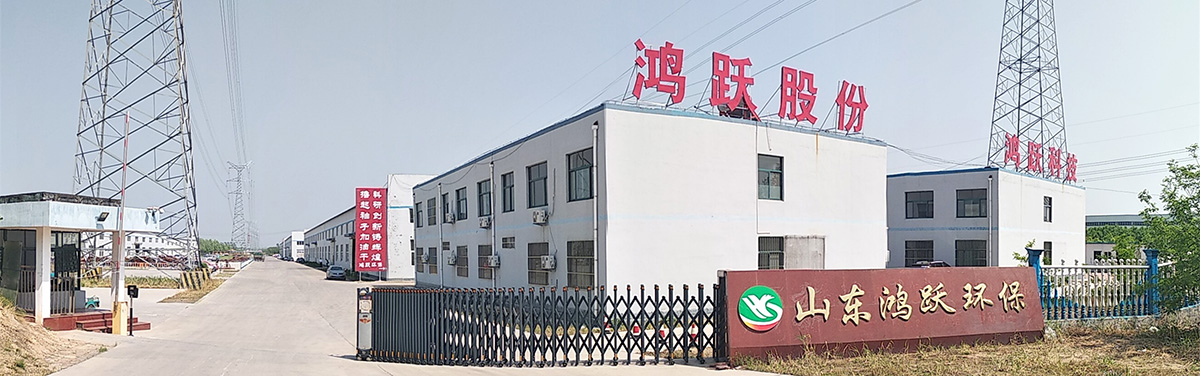
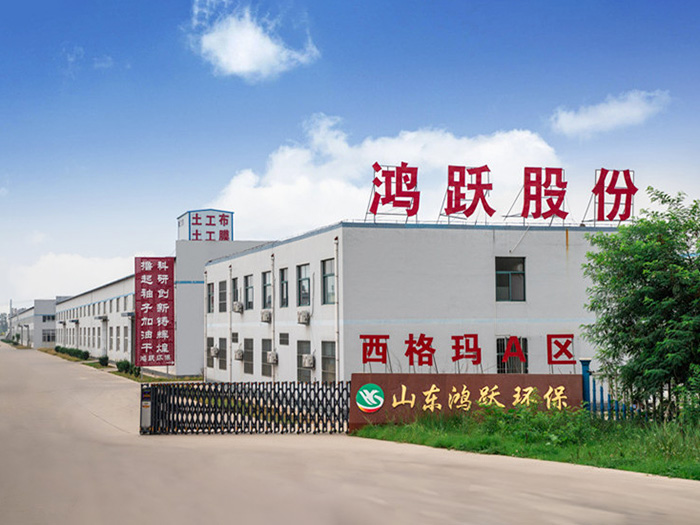
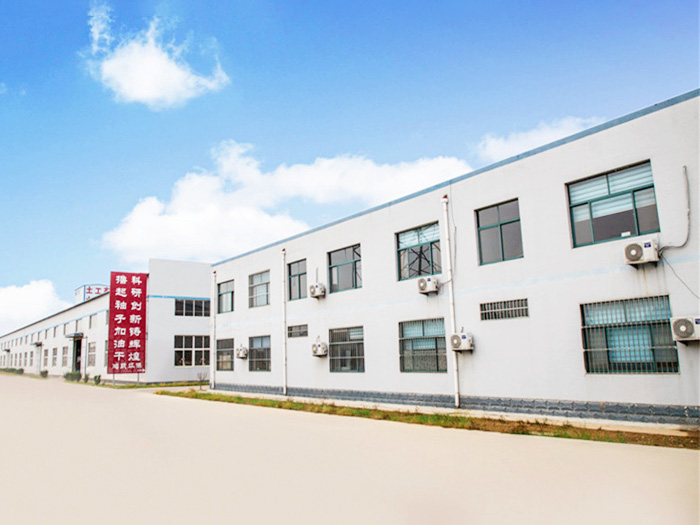
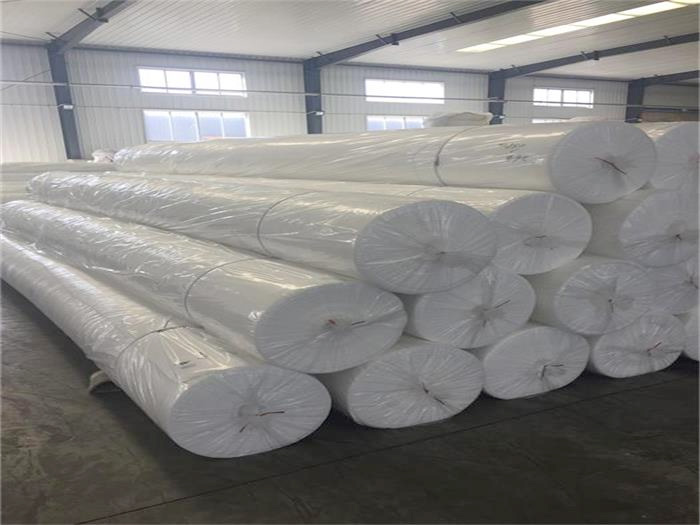
Take a closer look at our extrusion, weaving, and testing facilities in Dezhou, Shandong. This capacity ensures high volume availability and highly stable structural performance.
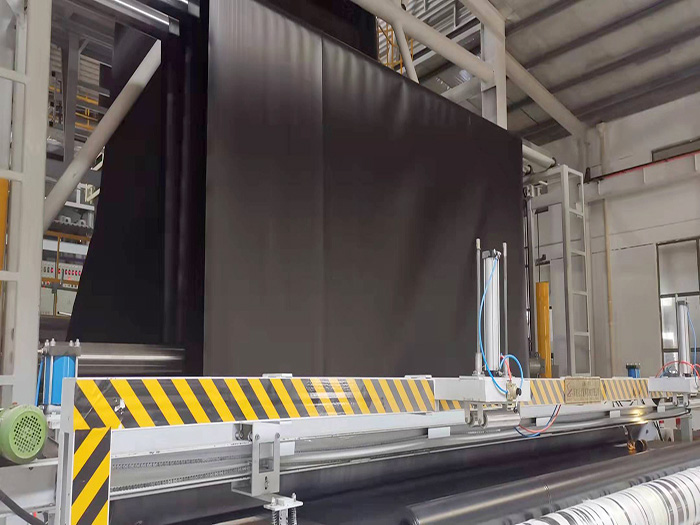
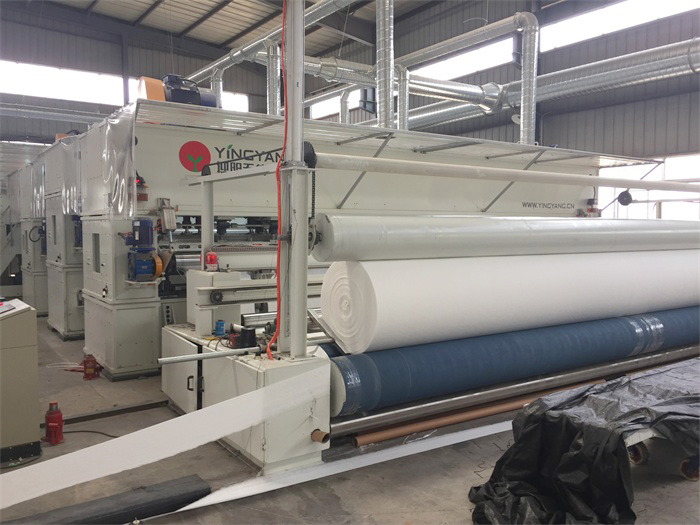
Understand the structural dynamics that drive modern aggregate confinement and base stabilization.
| Geogrid Type | Primary Polymer | Typical Tensile Strength (MD/CMD) | Primary Application | Key Performance Mechanism |
|---|---|---|---|---|
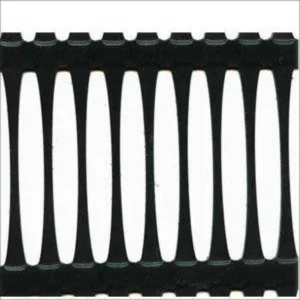
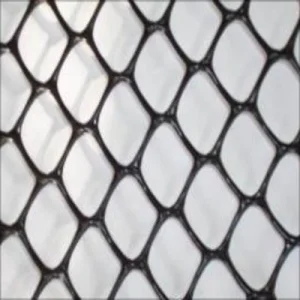
| Uniaxial Geogrid | High-Density Polyethylene (HDPE) | 50 kN/m to 300 kN/m | Retaining Walls, Steep Slopes | High directional creep resistance under sustained load |
| Biaxial Geogrid | Polypropylene (PP) | 20/20 kN/m to 50/50 kN/m | Road Foundations, Base Reinforcement | Equal load distribution in radial directions |
| Steel-Plastic Composite | PE Sheathed Steel Wire | 50/50 kN/m to 150/150 kN/m | High-Load Soft Ground Stabilization | Extremely low elongation at peak tensile strength |
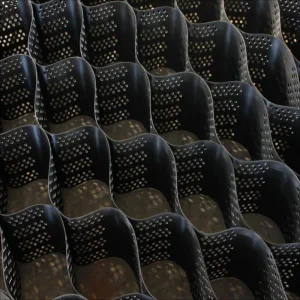
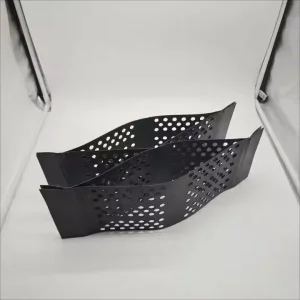
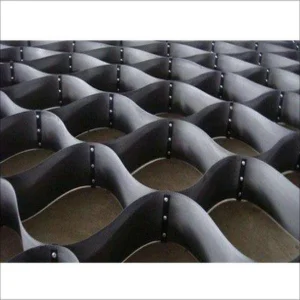
| HDPE Geocells | High-Density Polyethylene | Cell Seam Strength ≥ 1400 N/10cm | Erosion Control, Retaining Structures | 3D volumetric confinement of fill materials |
Measured in accordance with ISO 10319, this metric establishes the maximum force per unit width the fabric can withstand before structural failure.
Crucial for biaxial grids, this is the ratio of junction strength to ultimate rib strength. High junction efficiency ensures effective transfer of stress from rib to rib.
Must be matched dynamically with the grain size distribution of the local aggregate to ensure complete mechanical interlocking.
From raw polymer chips to high-tensile geosynthetic rolls, we track quality at every stage.
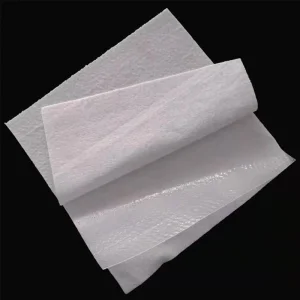
Geotextiles are highly technical civil engineering materials with filtration, isolation, reinforcement, and protective functions. The production process involves raw material preparation, melt extrusion, mesh rolling, draft curing, winding, packaging, and strict quality control.
Modern high-capacity production equipment and integrated process control ensure that Shandong Hongyue outputs materials with high uniform physical properties and long term durability in soil environments.
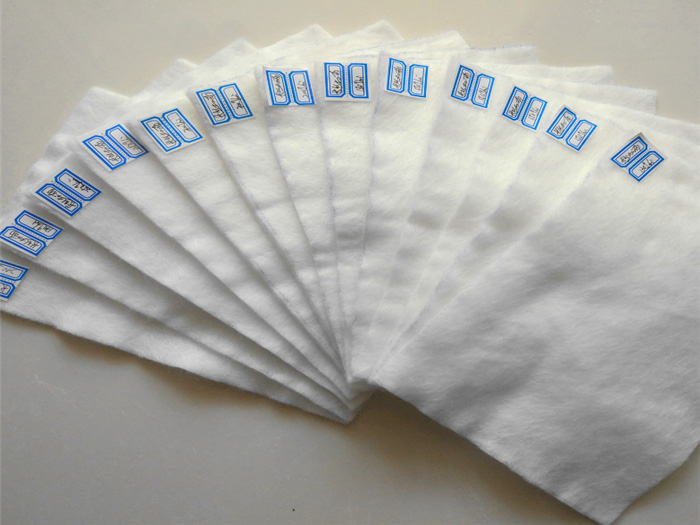
Primary inputs include virgin polyester (PET) chips, polypropylene (PP) filament, and specialized visc fiber. These are subjected to lab verification to ensure melt index and molecular weight properties.
Polyester chips are dried and fed into a high-temperature screw extruder. The molten polymer is forced through micro-spinnerets under high pressure to create fine, continuous filaments.
The extruded filaments are drawn down using high-speed air streams and laid randomly on a moving belt, forming a uniform web structure with balanced MD/CD properties.
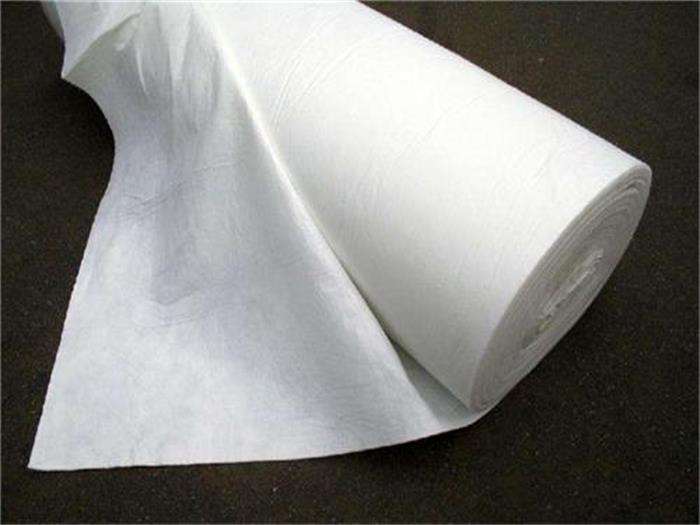
The loose web is fed into a needle loom. Thousands of barbed needles rapidly punch through the web, entangling the filaments to provide strong mechanical bonds without damaging the synthetic fibers.
For specific projects requiring higher structural stability, thermal bonding (hot calendering) is applied to lock the fiber junctions.
The finished geotextile is slit to width, measured for length, and wound onto heavy-duty cores. Every batch is tested for mass per unit area (ASTM D5261), grab tensile strength (ASTM D4632), and puncture resistance (ASTM D6241) before storage.
Impermeable containment systems require careful material selection and correct on-site joining methods.
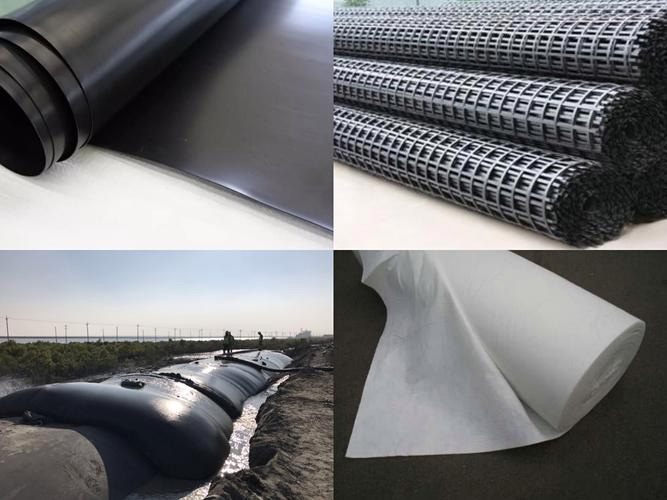
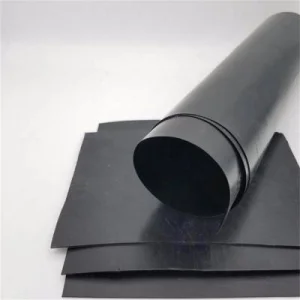
Geomembranes are formulated using high-performance polymers:
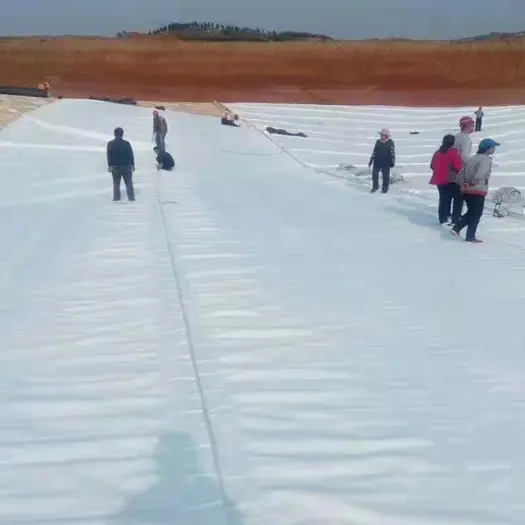
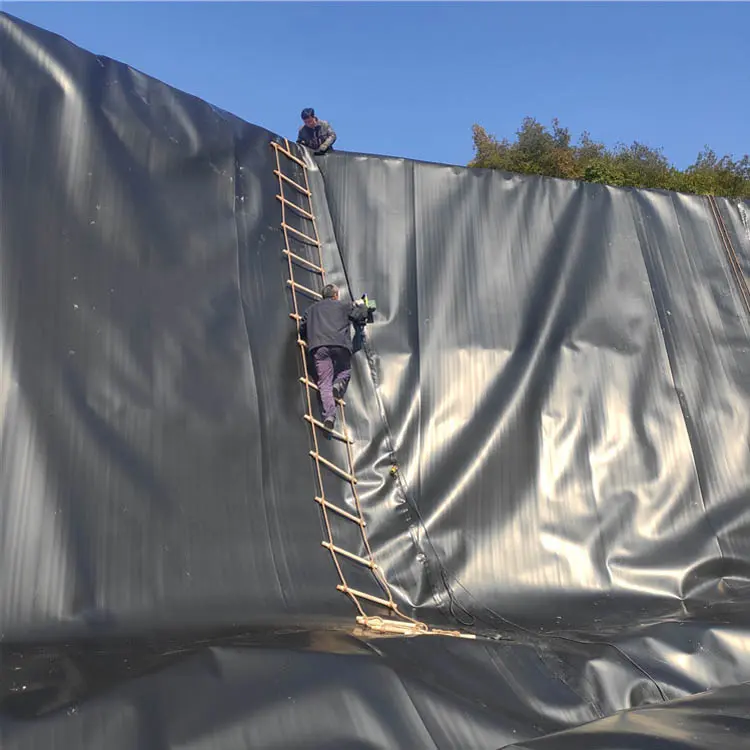
Subgrade soils must be compacted and cleared of sharp rocks, roots, or debris to prevent mechanical puncturing. Deploying the geomembrane requires thermal expansion planning to prevent stress cracking.
Seaming is done using dual-track hot-wedge welders that melt the adjacent sheets, fusing them under pressure. The air channel between the dual welds is pressurized to verify joint integrity. Handheld extrusion welders are used around pipe boots and corners where hot-wedge welders cannot reach.
Standardized production under international certification ensures consistent field performance.
Shandong Hongyue Environmental Engineering Co., Ltd. operates a strict QC system. Our laboratory is equipped with precision instruments to measure tensile parameters, carbon black dispersion, oxidative induction time (OIT), and puncture resistance.
Our processes comply with ISO9001, ISO14001, and ISO45001 guidelines. All products are tested by the China National Testing Center and undergo random sampling checks by the State Administration of Quality Supervision and Inspection.
Every roll leaves our factory with a unique batch number, linking back to its raw material source and production line logs. This transparency allows engineering firms to meet regulatory compliance audits.
Anti-seepage technologies designed for reservoirs, irrigation channels, waterways, and landfill containment.
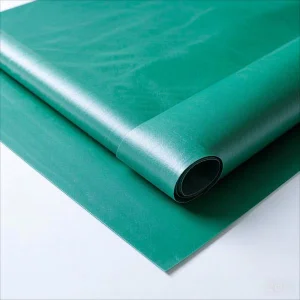
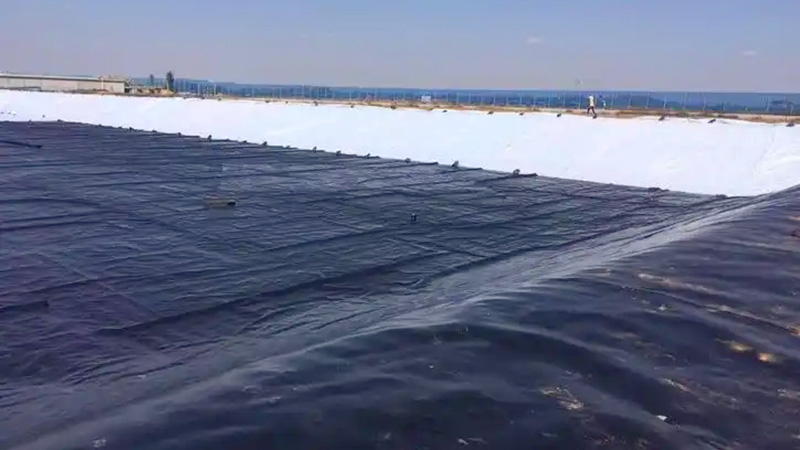
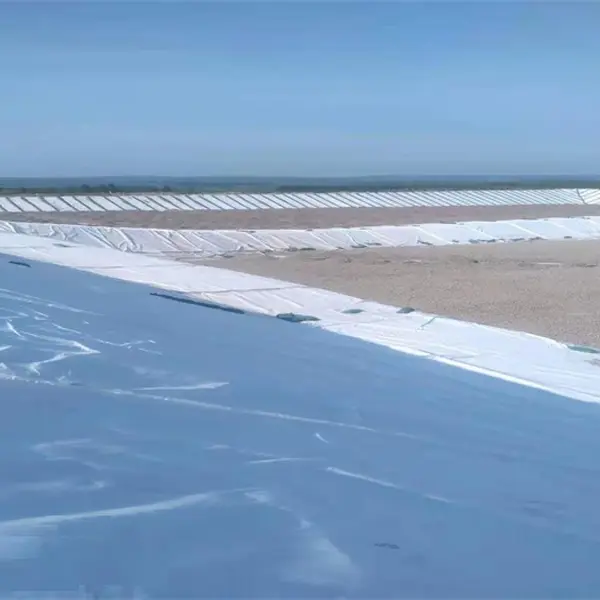
Geomembranes are widely used in water conservancy projects. Their low permeability, lightweight profile, and simple installation make them a cost-effective solution for preventing water loss and ground contamination.
Reservoirs are often built in valleys with complex geological structures. Seepage through bedrock fractures can cause water loss and destabilize slopes. Laying HDPE geomembrane sheets creates a barrier that prevents water from contacting the rock, increasing the safety of the dam structure.
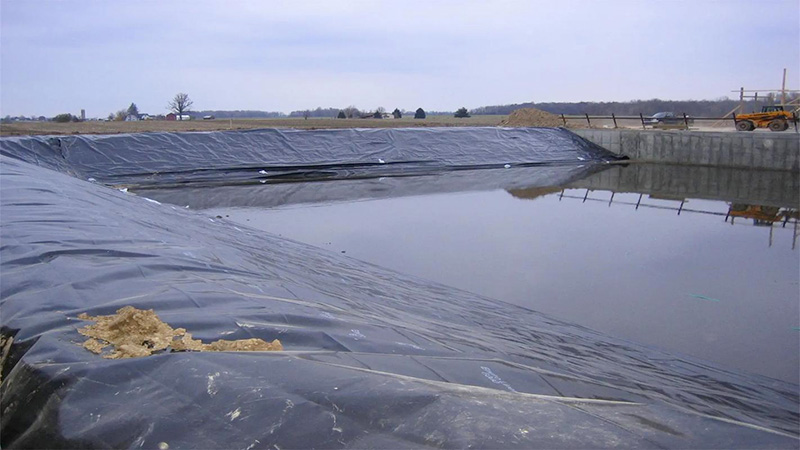
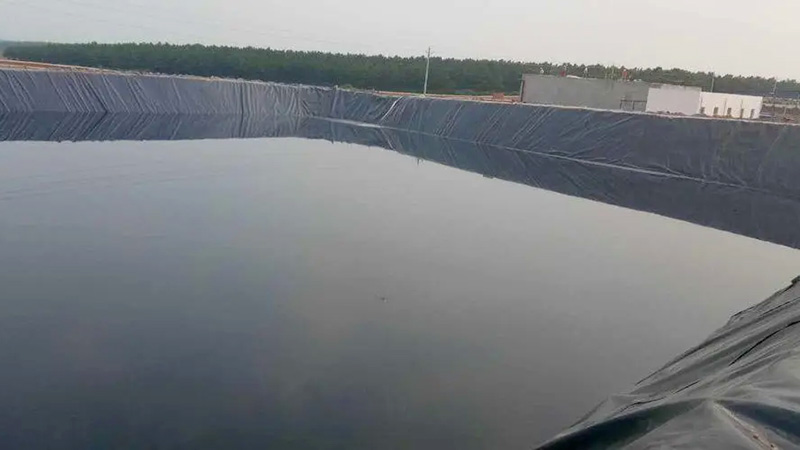
Dikes and levees protect downstream agricultural and urban areas. Under high water conditions, water can seep through the soil matrix of the levee, causing piping failures. Installing an internal geomembrane core wall or a face lining prevents water penetration, keeping the structural soil dry.
Waterways lose significant volume through soil infiltration. Canal lining projects use geomembranes capped with concrete or soil protection layers to reduce water loss. This secures water flow for farming and protects nearby roads from rising groundwater tables.
How our full suite of geosynthetics functions within key global sectors.
Highways and railways use geogrid fabrics to prevent lateral spreading of sub-base aggregates. This distributes wheel loads over a wider area, reducing rutting and base degradation under heavy traffic.
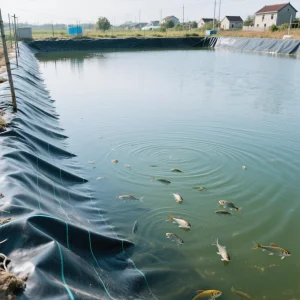
Canals, dams, reservoirs, and aquaculture ponds utilize HDPE membranes and GCL barriers. These prevent fluid loss through subgrade soil infiltration and protect water quality.
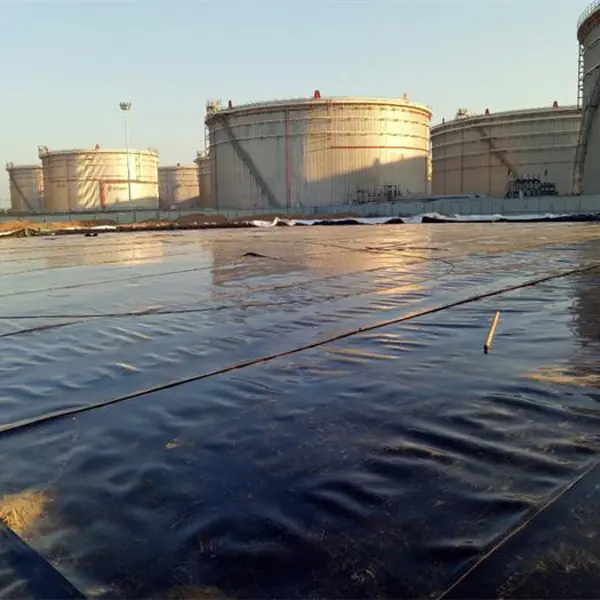
Heap leach pads and waste containment units require chemical containment barriers. Geomembranes collect leaching chemicals and prevent waste fluids from contaminating municipal groundwater.
Crucial engineering answers for procurement managers, civil designers, and project estimators.
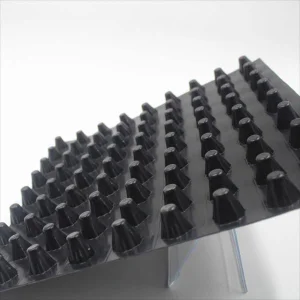
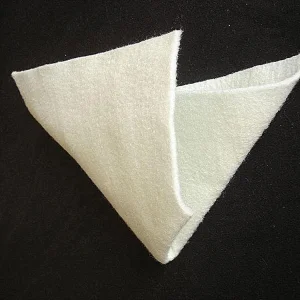
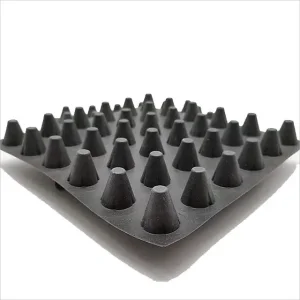
Explore our specialized drainage boards, geomembranes, and geocells designed for infrastructure durability.
 Hongyue