Shandong Hongyue Environmental Engineering Co., Ltd. - Driving Innovation & Quality Assurance
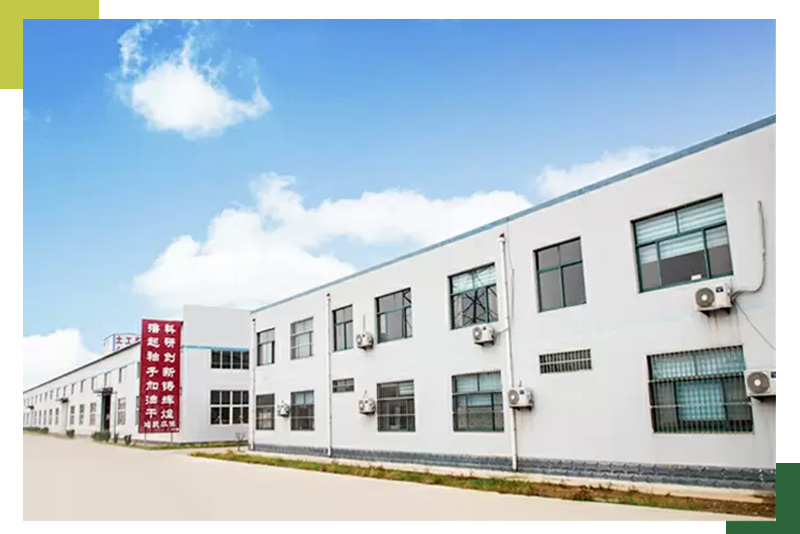
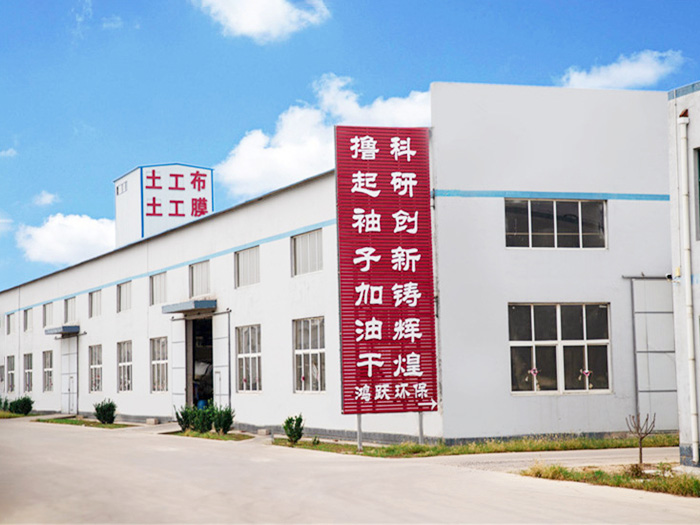
Shandong Hongyue Environmental Engineering Co., Ltd., located at the north end of Fufeng Street, Lingcheng District, Dezhou, Shandong Province, is a scientific and technological geotechnical material manufacturer integrating engineering material production, sales, design, and construction services. The company was officially registered in the Lingcheng District Market Supervision and Administration Bureau of Dezhou City on April 6, 2023, with a robust registered capital of 105 million yuan.
As one of the largest production bases of geotechnical materials in China at present, our strategic geographical location in Dezhou affords convenient transportation corridors, enabling rapid international dispatch. We are proud members of the Dezhou Geotextile Association, anchoring localized manufacturing excellence with state-of-the-art global outreach.
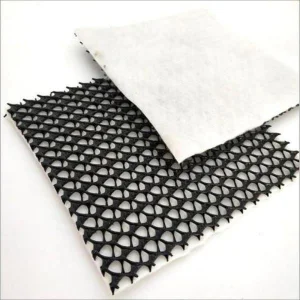
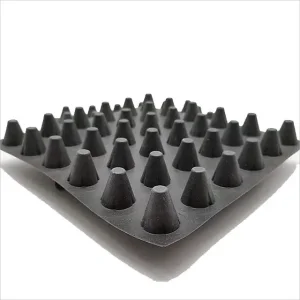
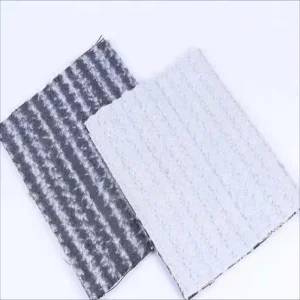
Our core catalog spans advanced geosynthetics, waterproofing membranes, bentonite blankets, 3D drainage systems, and specialized subsurface systems like the Plastic Blind Ditch (also referred to as structural geocomposite drainage cores).
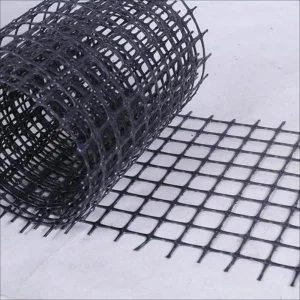
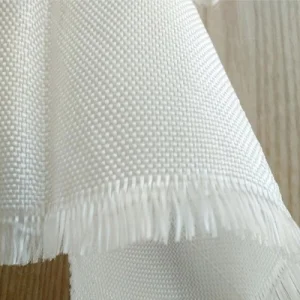
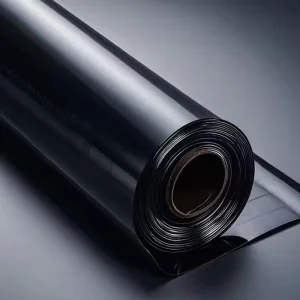
Since its establishment, the company has developed rapidly, and our business footprint continues to grow and expand. We mainly deal in geotextiles, geomembrane, composite geomembrane, waterproof board, bentonite waterproof blanket, 3D composite drainage net, (composite) drainage board, weaving cloth, woven cloth, membrane bags, blind ditches, waterproof and drainage combinations, ecological bags, cement blankets, fiber plant blankets, and flexible pervious pipes.
Our products are widely utilized in highways, railways, bridges, tunnels, reservoirs, canals, water conservancy networks, artificial lakes, environmental protection, aviation, mining, and agriculture. Backed by high-quality products and a professional sales and technical team, we serve critical infrastructural works across major cities like Beijing and Shanghai, as well as export destinations in Europe, the United States, and Australia.
Transitioning from Traditional Gravel Drains to Polymer-Based High-Performance Blind Ditches
Traditional French drains require massive amounts of graded aggregate, driving up logistics and environmental costs. High-density plastic blind ditches replace heavy gravel with lightweight, structural polymer cores, lowering total transportation and installation carbon footprints by over 75%.
Unlike loose stone structures which clog over time due to fine soil migration, modern plastic blind ditches feature high-porosity cores wrapped in optimized non-woven geotextile filtration layers. This maintains high hydraulic transmissivity even under sustained mechanical soil pressures.
Using structural thermoplastic polymers such as HDPE and PP, factories now engineer cores with calculated void ratios (>90%) and compression resistances up to 300 kPa, making them viable for deep civil engineering installations and landfill applications.
In the global civil engineering landscape, climate resilience has forced infrastructure owners to adopt faster, more reliable subdrainage mechanisms. Municipal authorities, high-speed rail operators, and structural foundation engineers are standardizing on prefabricated geocomposite drainage structures. By substituting natural resources like gravel with engineered synthetics, contractors gain predictable hydraulic metrics, faster installation timelines, and highly resilient water disposal pathways.
Advanced Automation, Global Quality Standards, and Industrial Sourcing Security
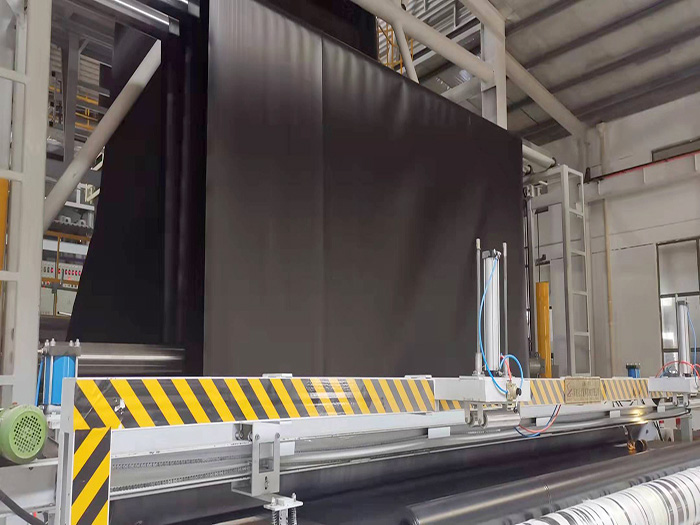
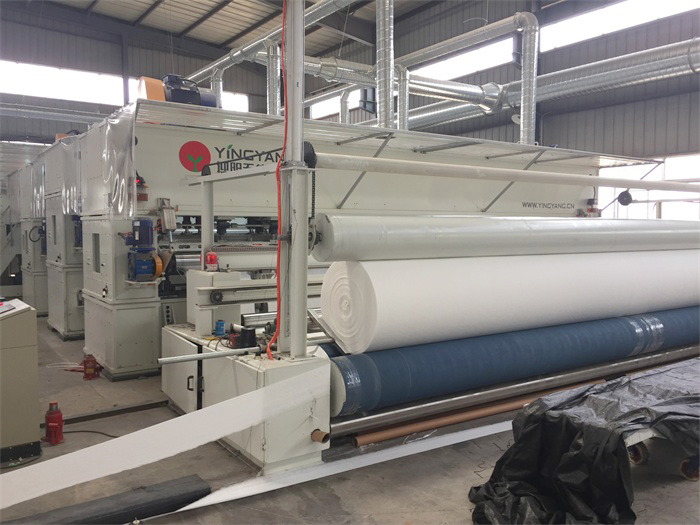
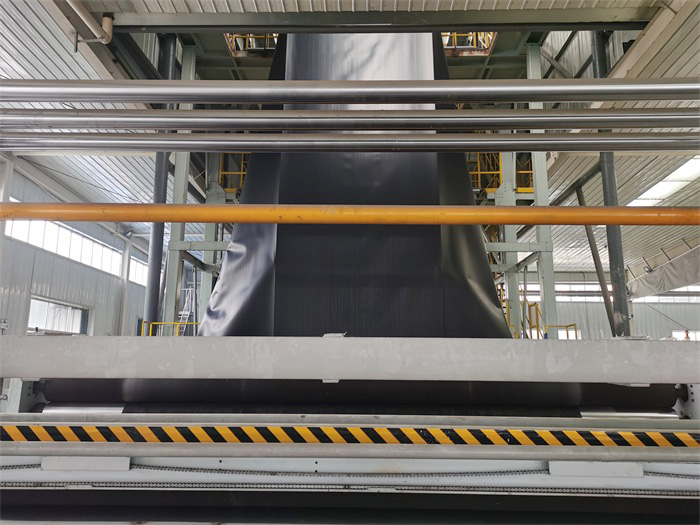
Shandong Hongyue operates on an advanced manufacturing footprint that leverages automated polymer extrusion and high-efficiency needle-punching lines. The localized industrial cluster of Dezhou acts as the global supply center for geosynthetics, providing unparalleled raw material availability, low logistics friction, and deep technical pools.
Our factories maintain strict quality control mechanisms. We do not just source raw materials; we inspect polymer resin parameters at arrival, control temperature and draft profiles in real-time, and run standardized ASTM / ISO laboratory tests on every product batch before packaging.
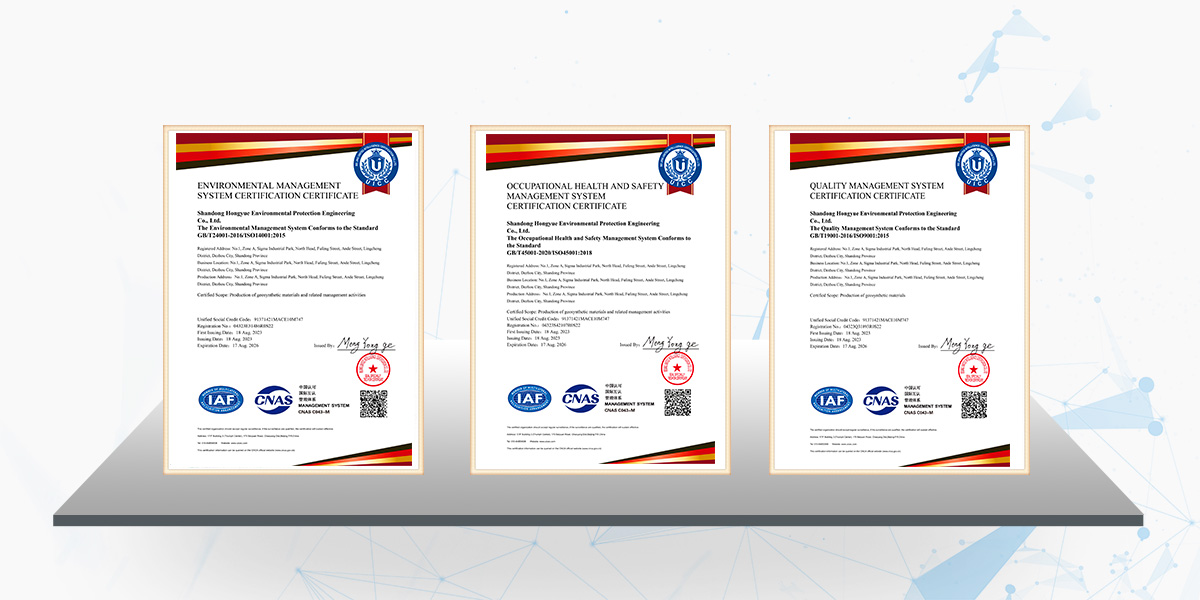
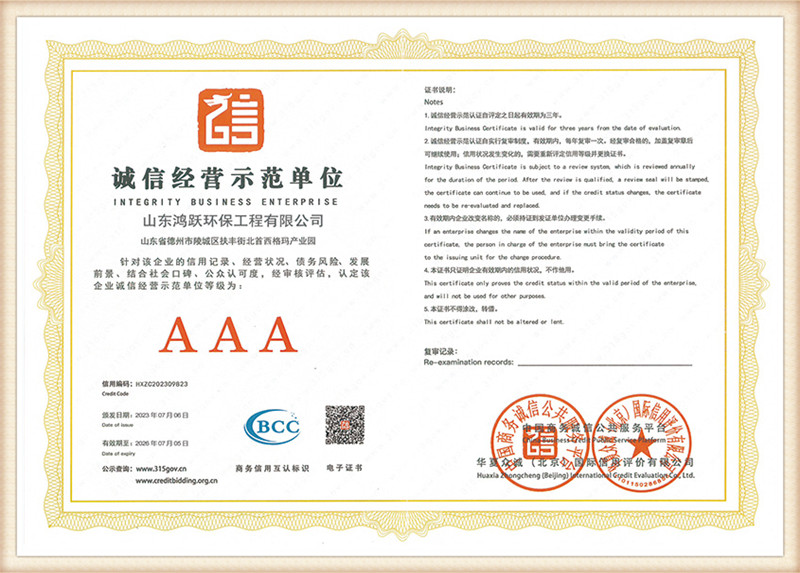
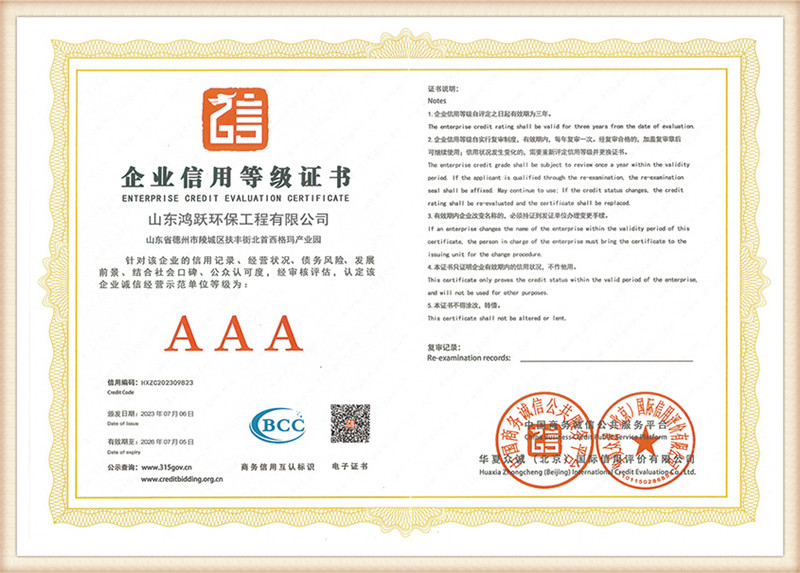
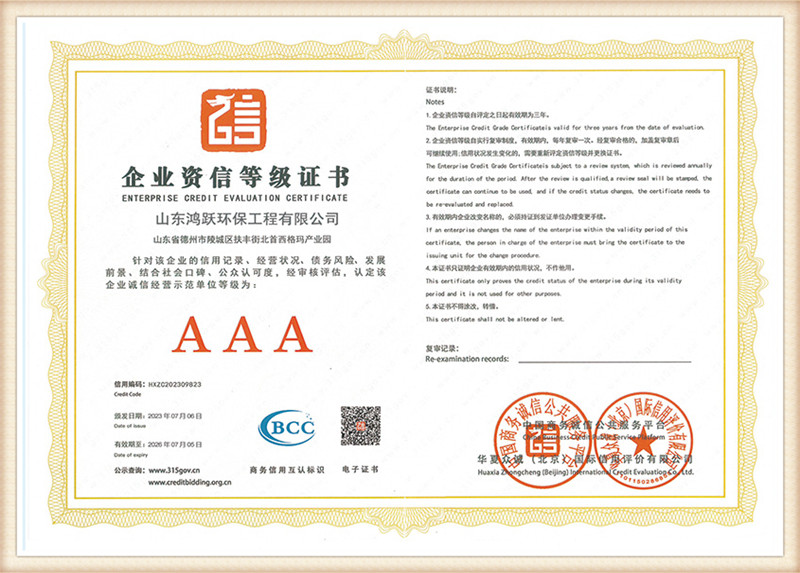
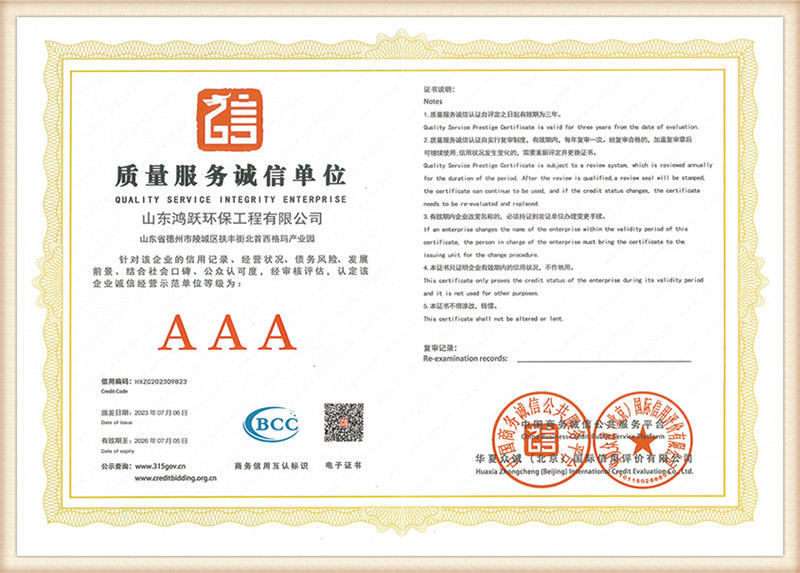
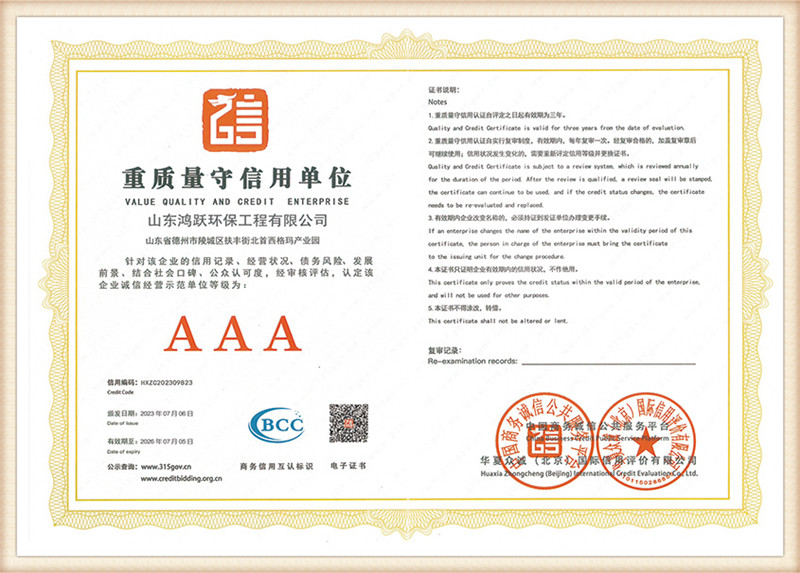
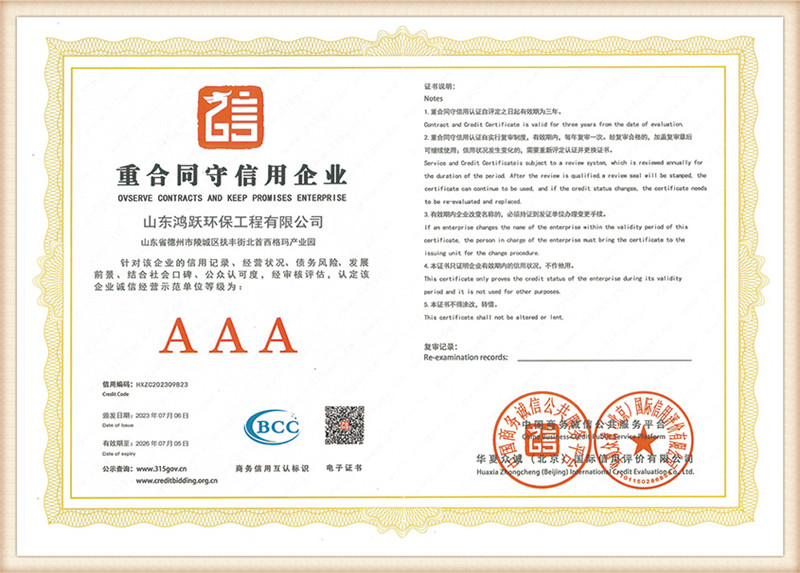
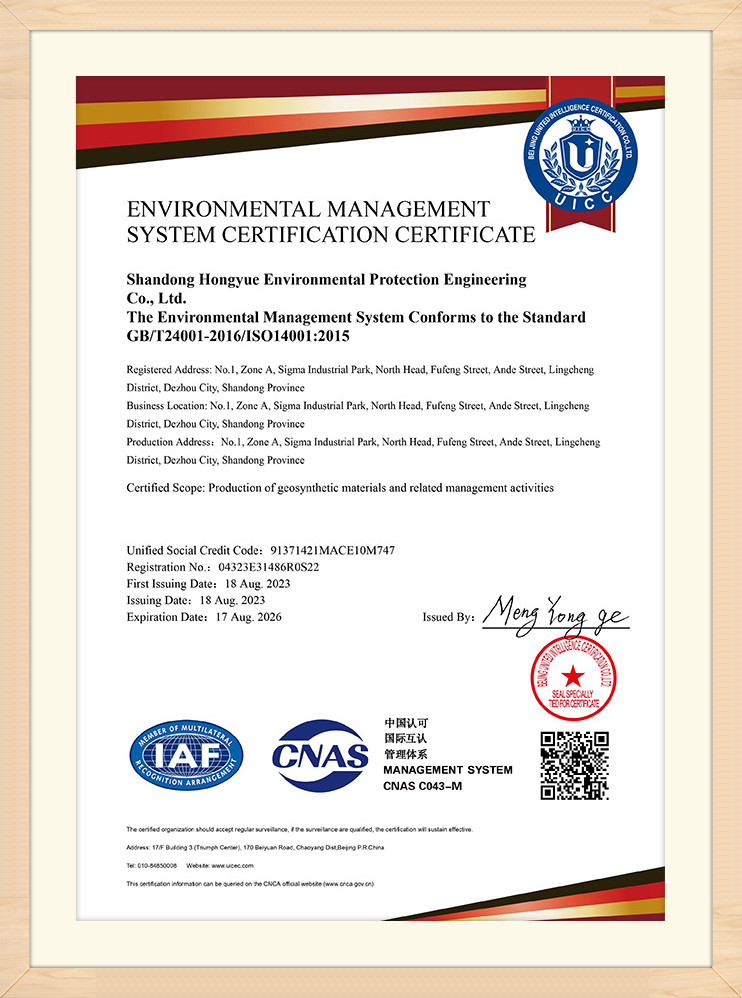
Our infrastructure holds certifications across ISO9001 (Quality Management), ISO14001 (Environmental Protection), and ISO45001 (Occupational Health & Safety). Our materials regularly clear third-party tests commissioned by national and international verification centers, certifying consistent compliance for key municipal and cross-border projects.
Step-by-Step Geotextile Manufacturing and Geomembrane Field Engineering Specifications
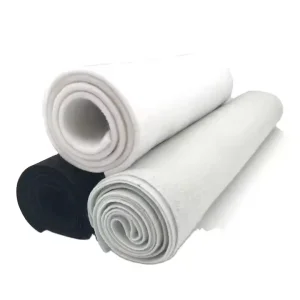
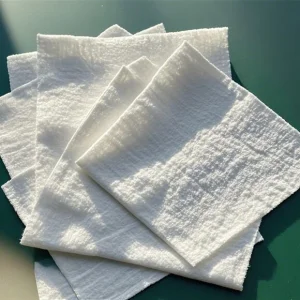
Geotextile is widely used in civil engineering projects, performing vital roles in filtration, isolation, reinforcement, and protection. Its production process includes raw material preparation, melt extrusion, mesh rolling, draft curing, winding packaging, and inspection. Modern production equipment and technology significantly improve output efficiency and physical performance.
1. Raw Material Preparation: The primary raw materials of geotextiles are polyester chips, polypropylene filament, and viscose fiber. These raw materials need to be inspected, arranged, and stored to ensure their quality and structural stability.
2. Melt Extrusion: After the polyester slice is melted at high temperatures, it is extruded into a molten state by a screw extruder, and polypropylene filament and viscose fiber are added for mixing. Parameters like temperature and pressure are controlled precisely to maintain structural uniformity.
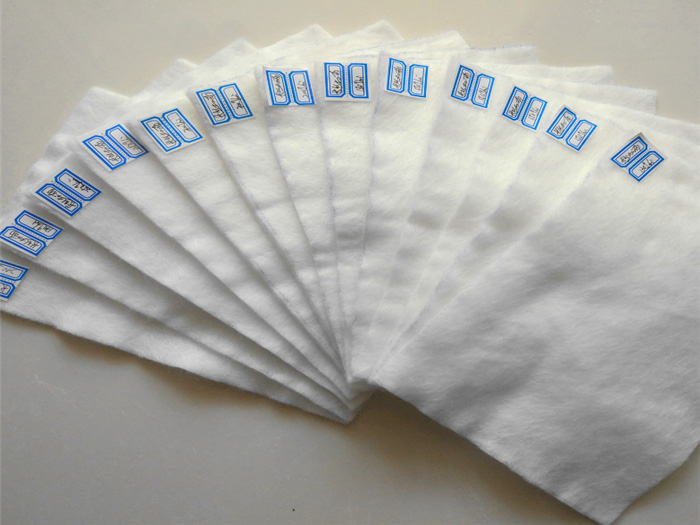
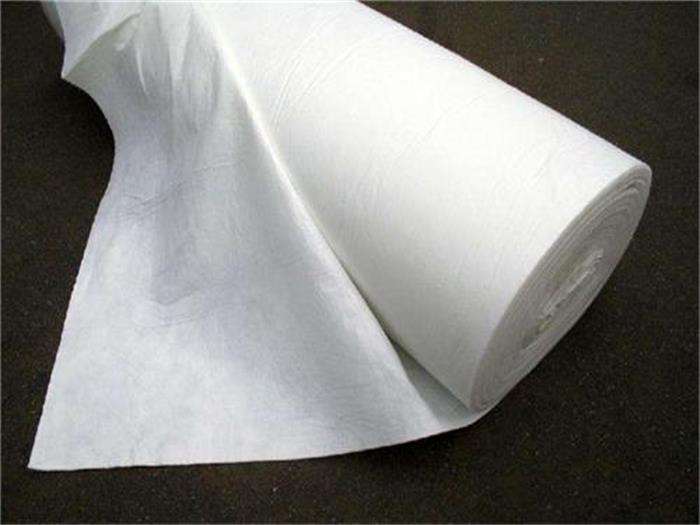
3. Roll the Net: After mixing, the melt is sprayed through the spinneret to form a fibrous structure, creating a uniform network layout on the conveyor belt. Controlling the thickness, uniformity, and fiber orientation ensures optimal physical properties.
4. Draft Curing: After laying the net into rolls, it is processed through mechanical or thermal draft curing. Temperature, speed, and draft ratio are managed meticulously to build the final tensile strength.
5. Roll and Pack: Following curing, the geotextile is rolled, measured for length, width, and thickness compliance, and packed securely for transport to construction sites.
6. Quality Inspection: In every production segment, structural performance is verified via physical property tests, chemical durability tests, and visual assessments to ensure only conforming products enter the market.
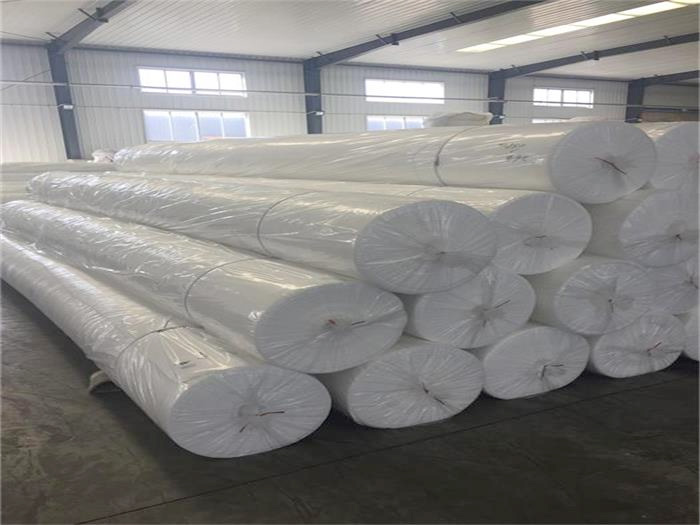
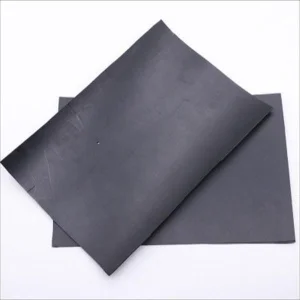
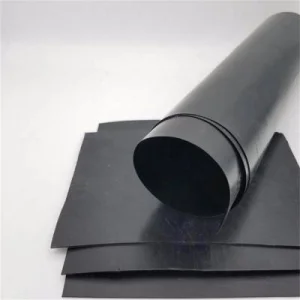
Geomembranes are highly versatile barriers engineered for seepage prevention, containment, and isolation in complex structural systems. Safe field deployment requires a systematic selection, laying, and maintenance protocol.
1. Material Selection Matrix: Selecting the correct polymer composition is vital. We supply different materials, including High-Density Polyethylene (HDPE) and Linear Low-Density Polyethylene (LLDPE), with thicknesses ranging from 0.3mm to 2.0mm. Material selection relies on local chemical exposure profiles, design hydrostatic pressures, and subgrade shapes.
2. Field Laying & Joint Treatment: The subgrade must be level, compacted, and cleared of sharp stones or organic debris. Laying techniques depend on thermal conditions (e.g., leaving contraction slack). Joints must undergo dual-track thermal fusion welding to ensure absolute seal integrity across the entire area.
3. Maintenance & Protection: Regular surface clearing, protection from sharp equipment contacts, and fast inspections of exposed areas help maximize system lifetime and performance.
Comprehensive Procurement Guide for High-Density Subsurface Drainage Cores
The pricing of plastic blind ditches depends on several factors: the raw resin grade (recycled polymer vs. virgin polymer), core thickness, and the density of the non-woven geotextile wrap. Below is a detailed technical matrix and estimated FOB pricelist based on standard bulk configurations.
| Profile Type | Dimensions (mm) | Core Polymer | Comp. Strength (kPa) | Geotextile Filter | FOB Price Est. (USD/m) |
|---|---|---|---|---|---|
| HY-PBD-Round-50 | Diameter: 50mm | High-Density PP / HDPE | ≥ 180 | 150 gsm Non-woven PET | $0.65 - $0.95 |
| HY-PBD-Round-80 | Diameter: 80mm | High-Density PP / HDPE | ≥ 200 | 200 gsm Non-woven PET | $1.10 - $1.45 |
| HY-PBD-Round-100 | Diameter: 100mm | HDPE (Virgin Resin) | ≥ 250 | 200 gsm Non-woven PET | $1.60 - $2.10 |
| HY-PBD-Round-150 | Diameter: 150mm | HDPE (Virgin Resin) | ≥ 250 | 250 gsm Non-woven PET | $2.80 - $3.50 |
| HY-PBD-Flat-300 | Width: 300mm | Thk: 30mm | Polypropylene Core | ≥ 300 | 300 gsm Needle Punched | $3.90 - $4.80 |
Always request test reports detailing in-plane water flow capacity under design load rather than relying solely on thickness. High mechanical pressures in deep trenches can compress lower-grade polymer cores, severely restricting water flow and increasing project risks.
Practical Engineering Solutions for Hydraulic, Landfill, and Roadway Infrastructures
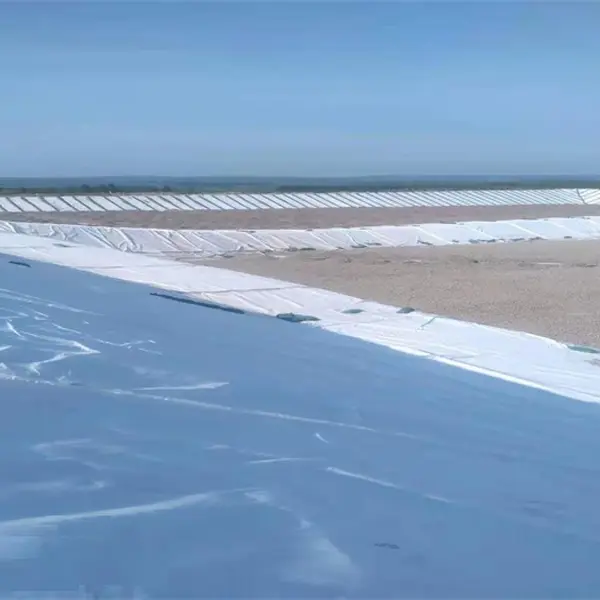
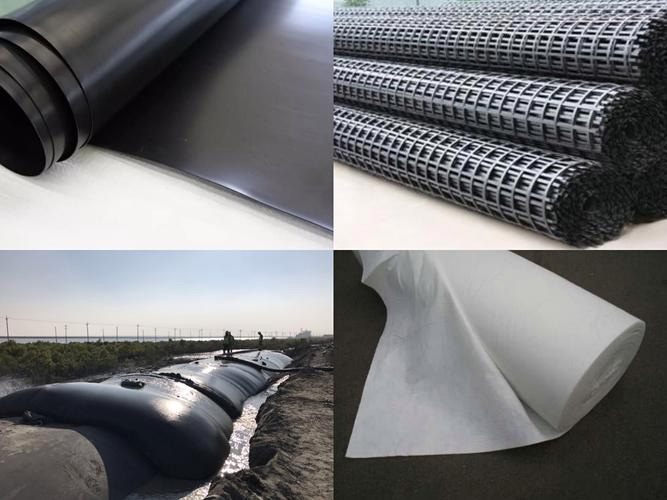
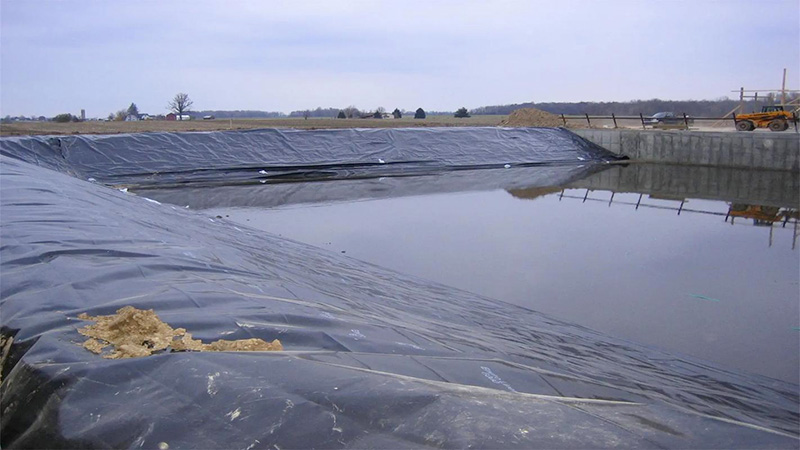
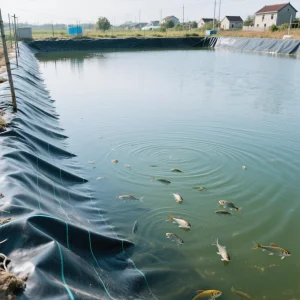
Reliable seepage control and hydraulic containment in modern dam reservoirs and local canal systems.
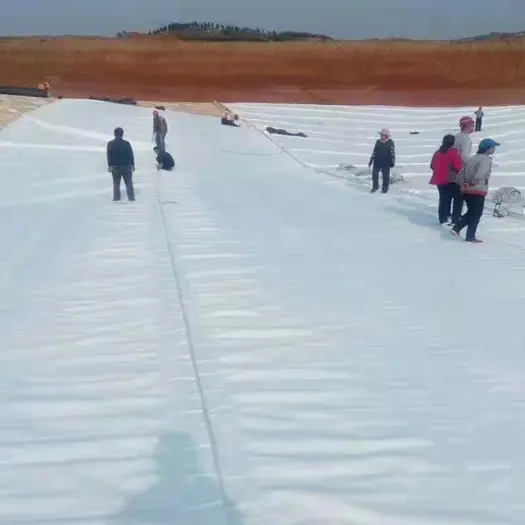
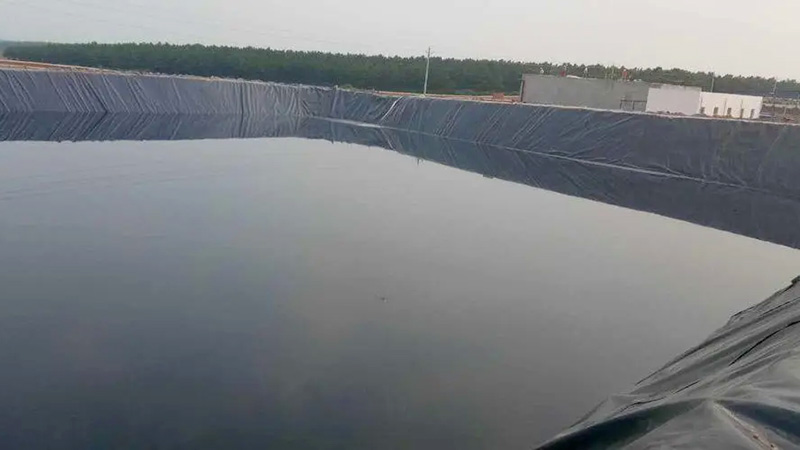
Durable lining systems that protect canals from lateral loss and ground shifting.
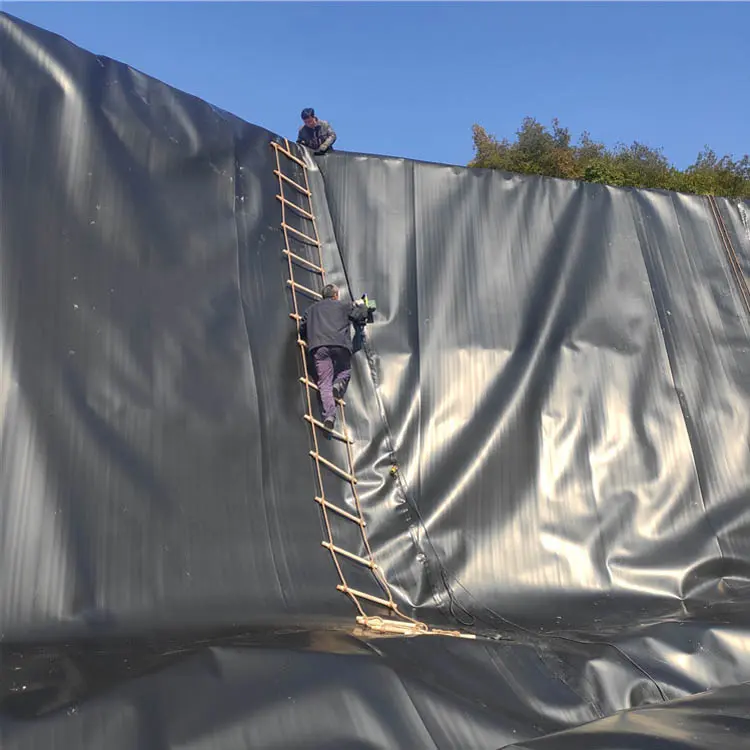
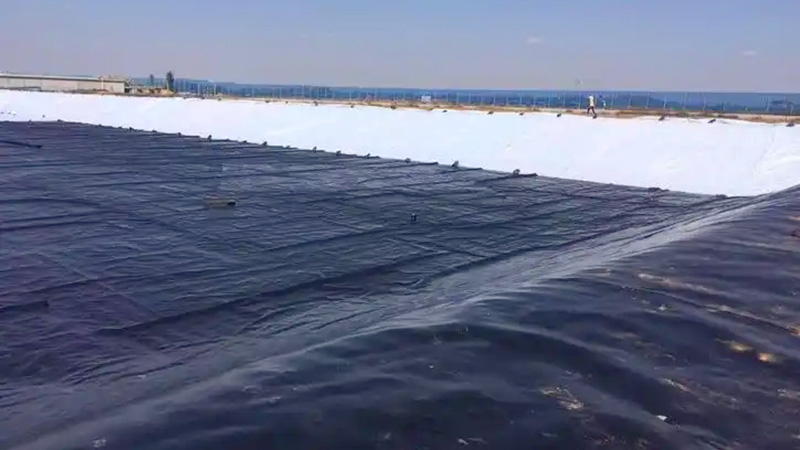
Multi-layer composite lining designed to prevent toxic leachates from reaching groundwater resources.
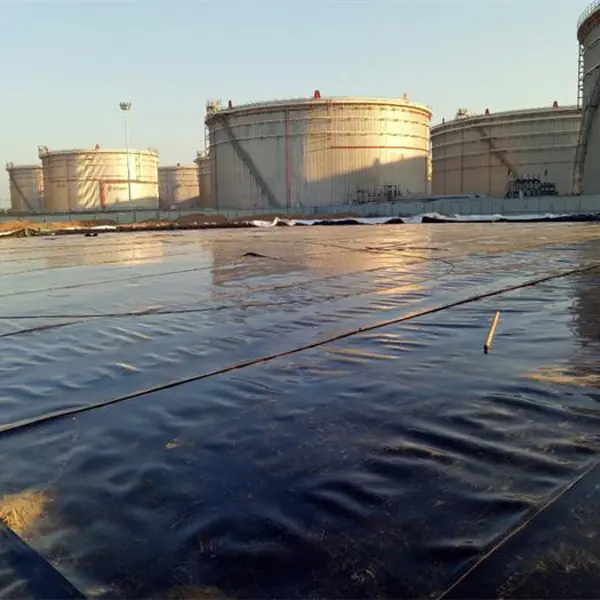
Secondary chemical barrier membranes designed for high hydrocarbon resistance.
In reservoir constructions, geomembranes and plastic blind ditches combine to manage seepage. Reservoirs built in low-lying valleys face complex geological conditions, risking water loss and foundation shifting. Installing our multi-layer geomembrane system mitigates leakage while stabilizing the surrounding structures.
Similarly, when constructing levees, we rely on geocomposites to manage internal pore water pressures. During high-water events, water pressure climbs within the levee; plastic blind ditches provide localized drainage channels, preventing internal erosion and ensuring slope integrity.
Technical Inquiries Addressed by Senior Geosynthetic Specialists
While traditional gravel French drains degrade due to soil intrusion and siltation, plastic blind ditches feature geotextile wrap filters that block fine soil particles while allowing water to pass. This design maintains high drainage capacity for decades. In terms of cost, the higher initial investment is offset by a 70% reduction in installation labor and transport costs.
For agricultural fields where soil chemistry is mild, polypropylene (PP) or recycled HDPE cores are highly cost-effective options. However, for landfills and petrochemical projects dealing with leachate exposure, we advise using 100% virgin High-Density Polyethylene (HDPE). This material offers superior chemical resistance and retains its structure under sustained acidic or alkaline exposure.
Engineers should focus on three main parameters: compressive strength (ASTM D1621), in-plane flow capacity under specific hydraulic gradients (ASTM D4716), and the apparent opening size (AOS) of the wrapping geotextile (ASTM D4751) to ensure the system is optimized for local soil types.
HDPE has a high thermal expansion coefficient. During warm installations, the material will expand and may show mild waving. If laid too tight in high temperatures, it can contract and stress joint welds in colder seasons. Installers should allow 1-2% slack to accommodate seasonal thermal shifts safely.
Direct Manufacturer Supply from Shandong Hongyue
 Hongyue