Home >
geonet >
ODM The three - dimensional geonet Manufacturers, Quotes
1 / 3
ODM The three - dimensional geonet Manufacturers, Quotes
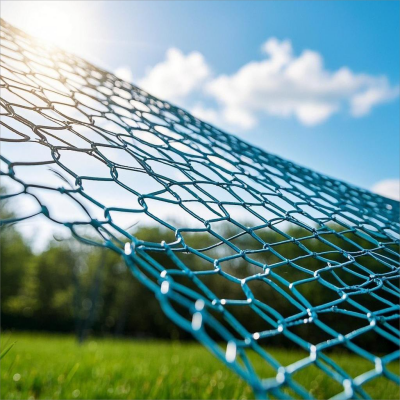
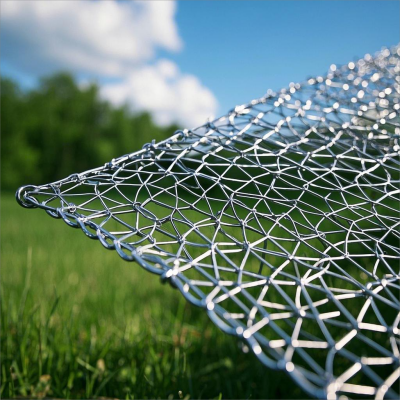
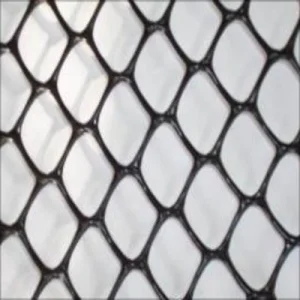
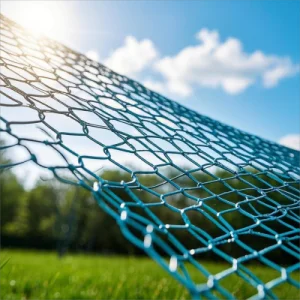
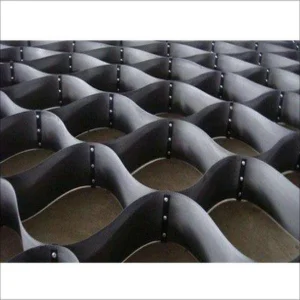
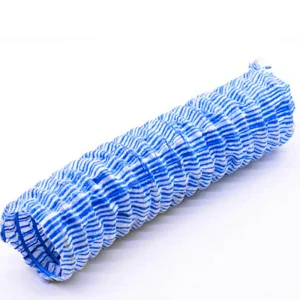
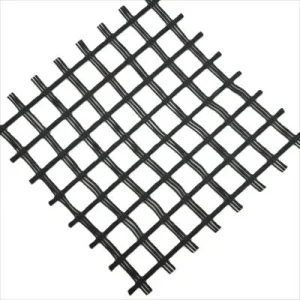
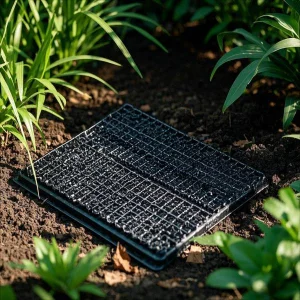
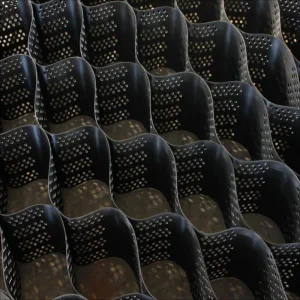
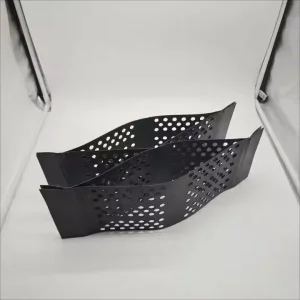
The three - dimensional geonet is a kind of geosynthetic material with a three - dimensional structure, usually made of polymers such as polypropylene (PP) or high - density polyethylene (HDPE).
The three – dimensional geonet is a kind of geosynthetic material with a three – dimensional structure, usually made of polymers such as polypropylene (PP) or high – density polyethylene (HDPE).
Performance Advantages
Good mechanical properties
It has high tensile strength and tear strength, and can withstand large external forces in different engineering environments, being not easy to deform and damage.
Excellent soil - fixing ability
The three - dimensional structure in the middle can effectively fix soil particles and prevent soil loss. In slope protection projects, it can resist rainwater scouring and wind erosion, maintaining the stability of the slope.
Good water permeability
The structure of the three - dimensional geonet allows water to penetrate freely, which is beneficial to the discharge of groundwater and the air permeability of the soil, avoiding soil softening and the instability of engineering structures caused by waterlogging.
Anti - aging and corrosion - resistance
Made of polymers, it has good ultraviolet - resistance, anti - aging and corrosion - resistance properties, and can maintain the stability of its performance during long - term use, prolonging the service life of the project.
Parameter Name
Description
Common Value Range
Material
The material used to make the three - dimensional geonet
Polypropylene (PP), high - density polyethylene (HDPE), etc.
Mesh Size
The size of the mesh on the surface of the three - dimensional geonet
10 - 50mm
Thickness
The overall thickness of the geonet
10 - 30mm
Tensile Strength
The maximum tensile force that the geonet can withstand per unit width
5 - 15kN/m
Tear Strength
The ability to resist tear failure
2 - 8kN
Open - hole Ratio
The percentage of the mesh area to the total area
50% - 90%
Weight
The mass per square meter of the geonet
200 - 800g/m²
Application Areas
Road engineering
It is used for the reinforcement and protection of road subgrades, improving the bearing capacity and stability of subgrades and reducing uneven settlement. In the treatment of soft soil foundations, the three - dimensional geonet can be used in combination with gravel cushions to form a reinforced cushion, enhancing the bearing capacity of soft soil. At the same time, it can also be used for the protection of road slopes, preventing slope collapses and soil erosion.
Water conservancy engineering
It is widely used in riverbank protection and dam seepage prevention. It can prevent the scouring of riverbanks and dams by water flow, protecting the safety of hydraulic structures. In the protection projects around reservoirs, the three - dimensional geonet can effectively fix the soil and prevent the landslides and bank collapses of the reservoir banks.
Environmental protection engineering
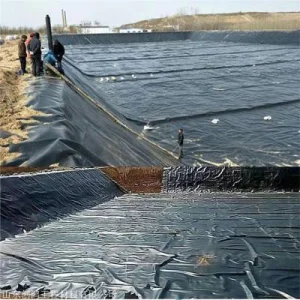
It is used for the covering and slope protection of landfills, preventing the pollution of the surrounding environment by landfill leachate, and also playing a role in preventing the slope collapses of landfills. In the ecological restoration of mines, the three - dimensional geonet can be used to cover abandoned mine pits and tailings ponds, promoting the growth of vegetation and restoring the ecological environment.
Frequently Asked Questions (FAQ)
What polymers are typically used to manufacture three-dimensional geonets?
Three-dimensional geonets are usually manufactured from high-quality polymers such as polypropylene (PP) or high-density polyethylene (HDPE), which provide strong physical properties and environmental resistance.
How does a three-dimensional geonet protect soil on slopes from erosion?
The core three-dimensional structure of the geonet locks soil particles firmly in place. This effectively prevents soil loss caused by heavy rainwater scouring and wind erosion, keeping the slope structurally stable.
What are the standard thickness and weight ranges for these geonets?
Generally, the thickness of a three-dimensional geonet ranges between 10mm and 30mm, while its weight per square meter ranges from 200g/m² to 800g/m² depending on project requirements.
Does the geonet block water flow in subgrade applications?
No, it has an open-hole ratio of 50% to 90%, which allows water to penetrate freely. This structure facilitates smooth groundwater drainage and maintains soil aeration, preventing stability issues caused by waterlogging.
How is the three-dimensional geonet applied in environmental engineering?
In environmental protection, it is used for landfill slope protection to contain waste and leachate, and in mining ecological restoration to cover tailings dams, fostering plant growth and reclaiming the local ecology.
Can the material handle harsh outdoor conditions over time?
Yes, due to its specialized polymer design, it features excellent UV-resistance, anti-aging, and chemical corrosion-resistance, allowing it to perform reliably and extend the overall lifespan of the engineering structures.
 Hongyue