In the modern era of civil design, road foundations are continuously exposed to intense dynamic loading, hydrological fluctuations, and soft subgrade displacements. Geotextiles have transitioned from optional drainage filters to structural components indispensable for ensuring pavement longevity. Choosing a certified geotextiles in road construction supplier determines the overall life-cycle performance of critical infrastructure.
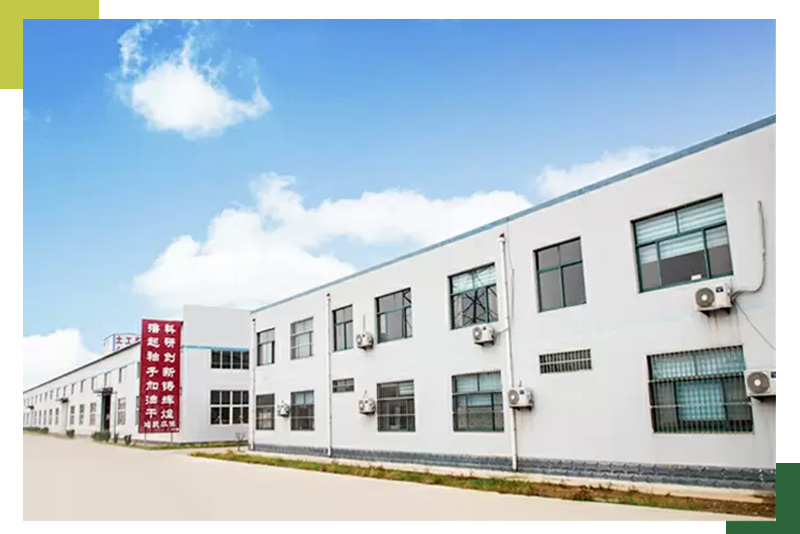
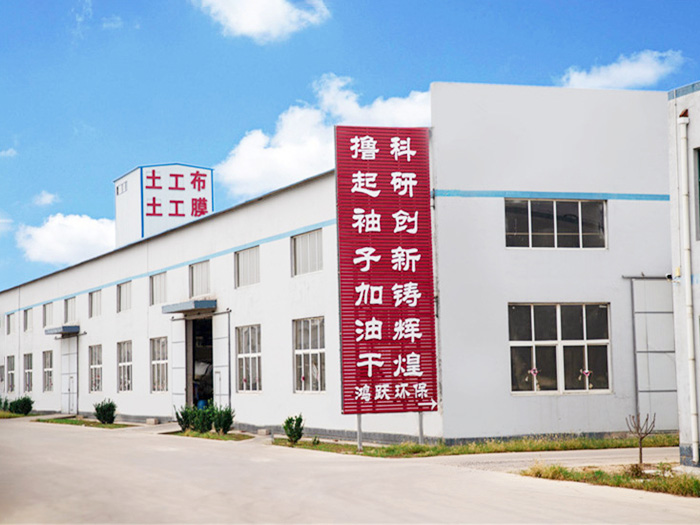
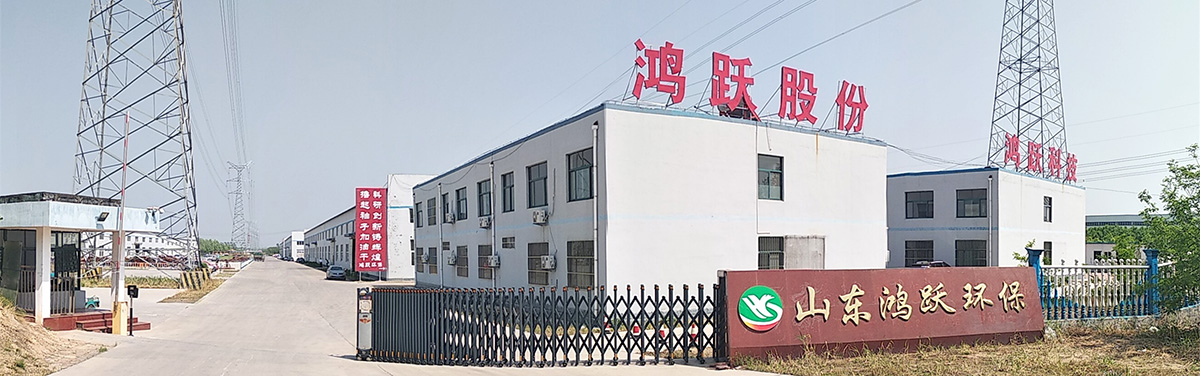
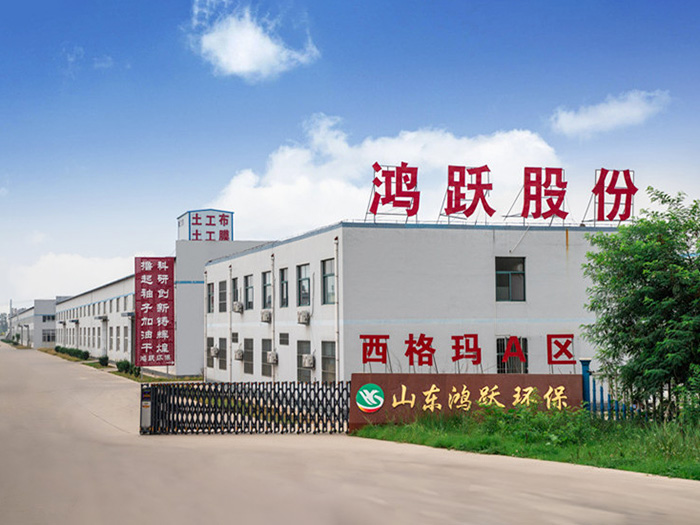
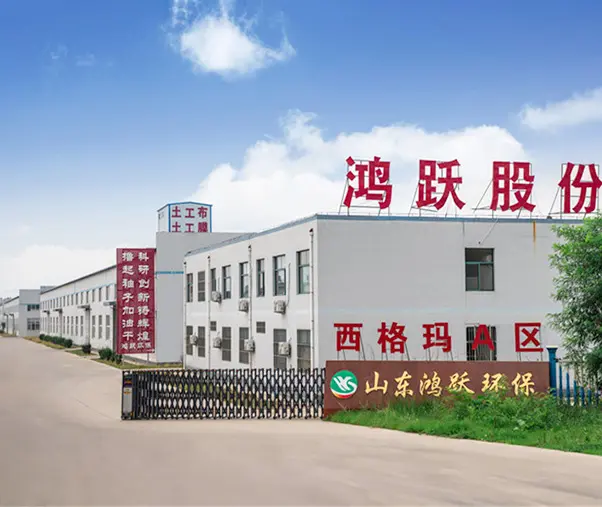
As a global leader in high-performance geosynthetics, Shandong Hongyue Environmental Engineering Co., Ltd. (located at the north end of Fufeng Street, Lingcheng District, Dezhou, Shandong Province) stands out as a pioneering, scientific and technological geotechnical manufacturer. Registered in the Lingcheng District Market Supervision and Administration Bureau with a capital of 105 million yuan, we manage one of China's largest, state-of-the-art production hubs.
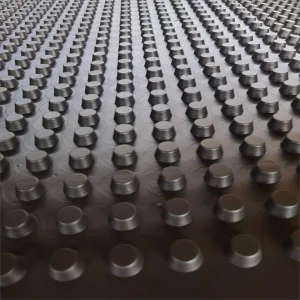
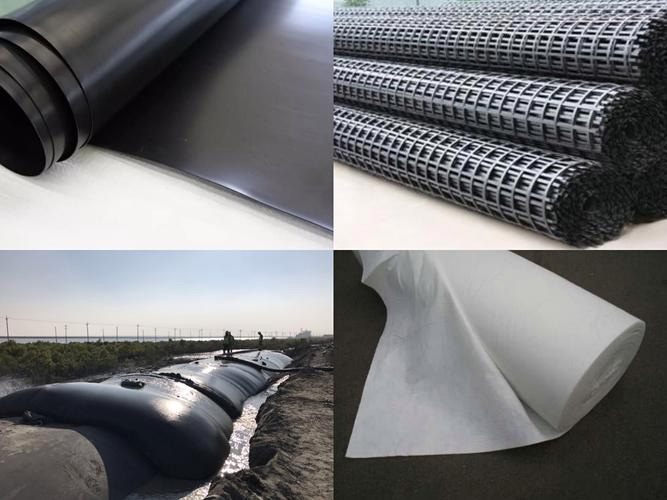
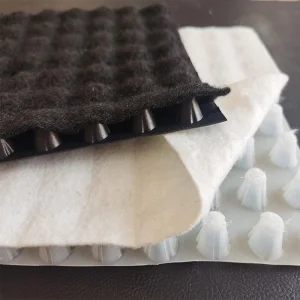
Our extensive research and development operations supply international road building, rail infrastructure, mining, containment structures, and civil networks with standard-compliant geotextiles, geomembranes, and composite drainage elements designed to mitigate subgrade failures.
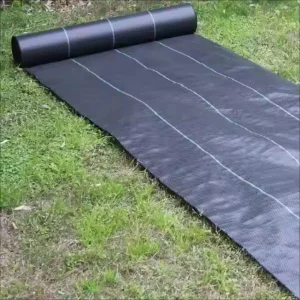
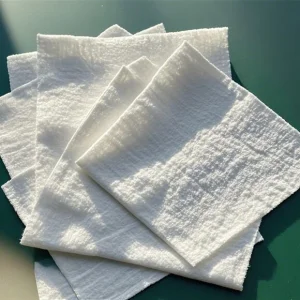
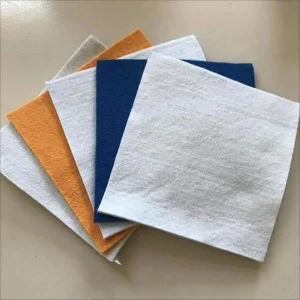
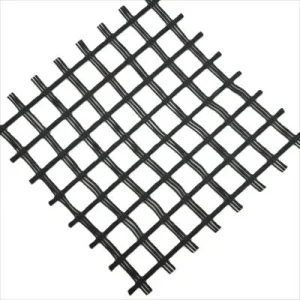
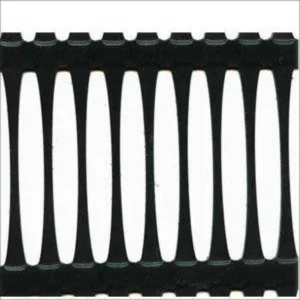
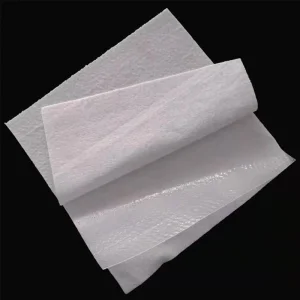
Soft subgrade soils present low bearing capacity and high susceptibility to moisture deformation. Applying high-tensile filament nonwoven or woven geotextiles separates granular sub-bases from weak subgrade, preventing intermixing and distributing dynamic localized traffic stress across wider areas. This significantly reduces deep rutting.
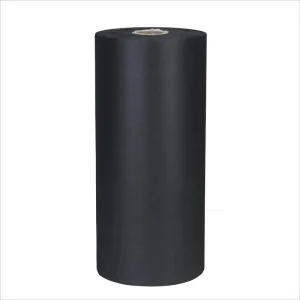
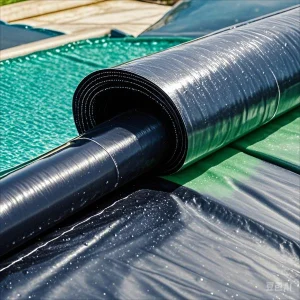
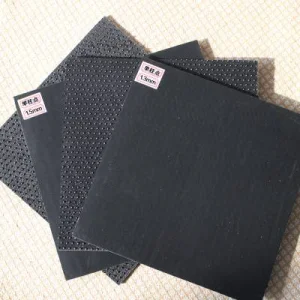
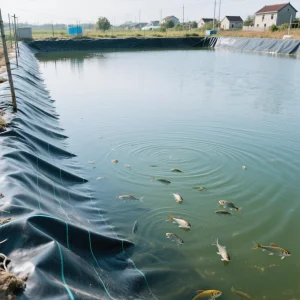
Roadways cutting through watercourses, damp lowlands, or adjacent agricultural zones require impermeable barriers. Composite geomembranes, high-density polyethylene (HDPE), and LLDPE liners form reliable barriers, ensuring water runoff bypasses underlying foundations and preventing internal erosion and piping.
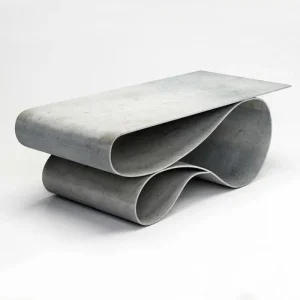
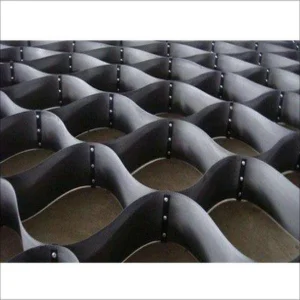
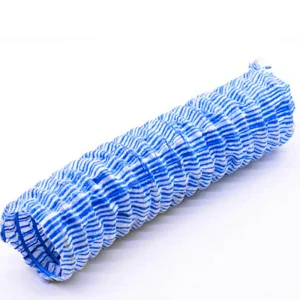
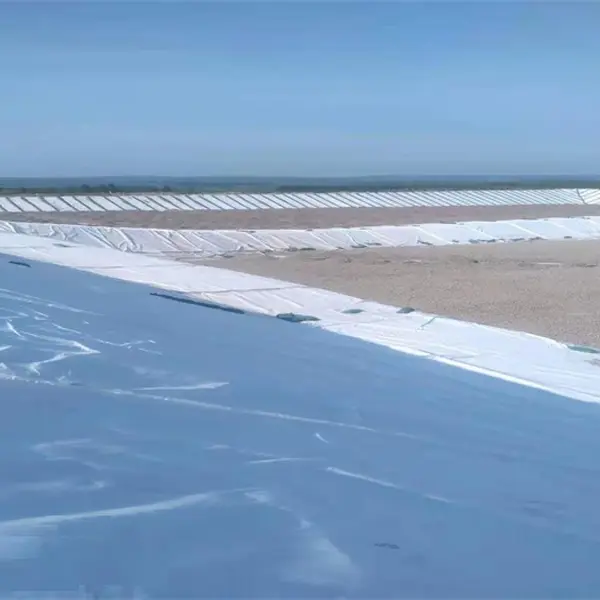
Cut-and-fill slopes are highly vulnerable to stormwater erosion. Implementing high-conformance geocells and specialized Concrete Canvas systems locks aggregate or vegetation in place. These systems offer immediate stabilization, resisting high-velocity sheet flows and mitigating embankment slip failures.
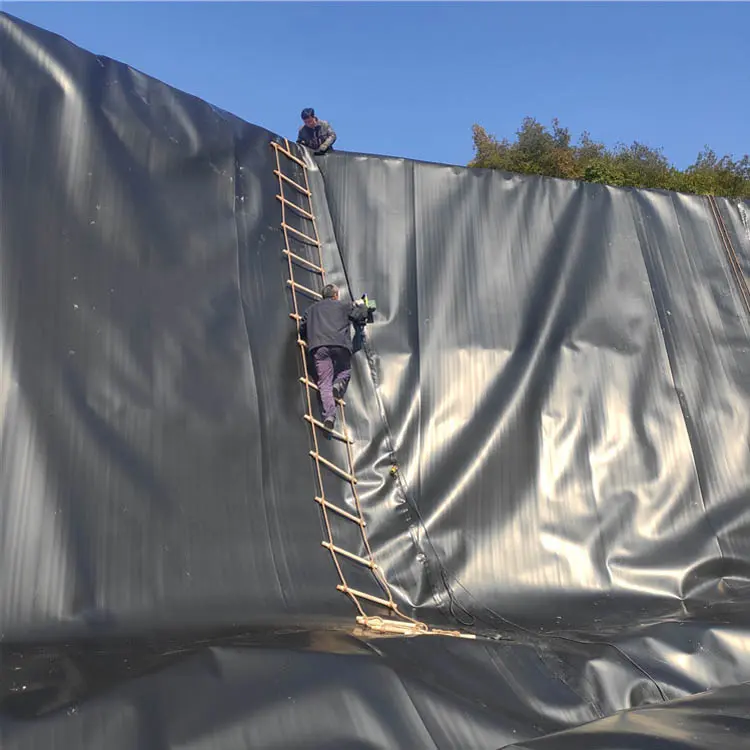
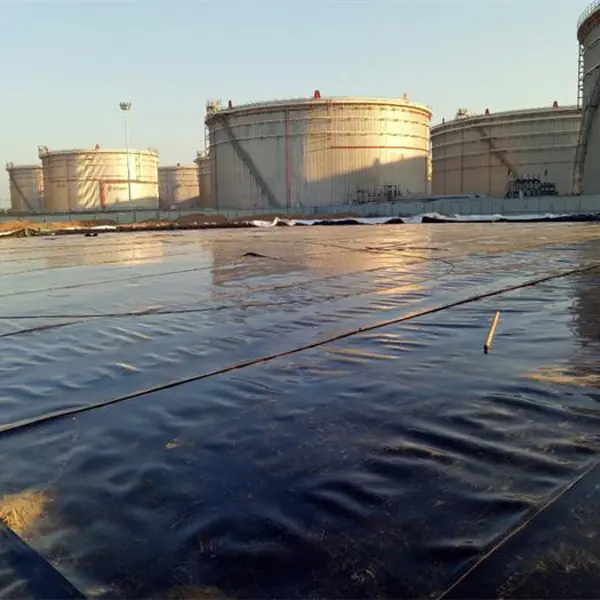
The geosynthetics market is undergoing significant changes driven by stringent environmental regulations and demands for lower structural maintenance costs. Modern engineering frameworks prioritize products with low environmental impacts, high durability, and reduced reliance on heavy quarried aggregates.
Global procurement managers now look for advanced, multi-functional composite systems. Rather than simple needle-punched fabrics, specifications demand high-performance polymers (polyester and polypropylene) engineered to resist chemical weathering and biological degradation for up to 100 years.
We source raw polyester (PET) chips, polypropylene (PP) filaments, and viscose fibers, evaluating chemical composition, virgin polymer purity, and environmental stability prior to processing.
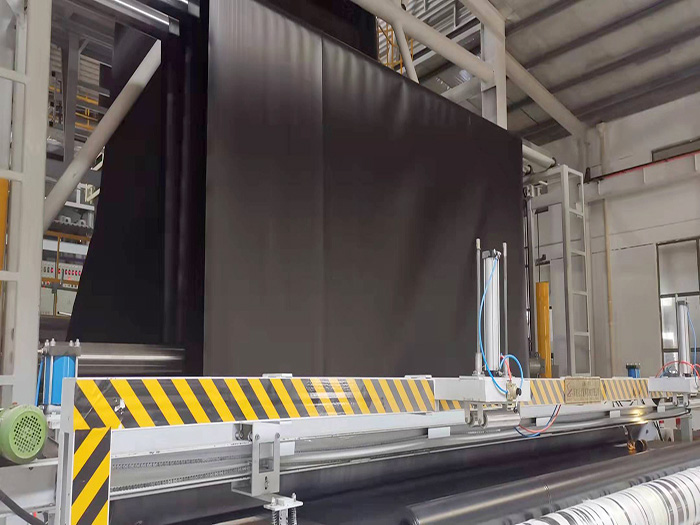
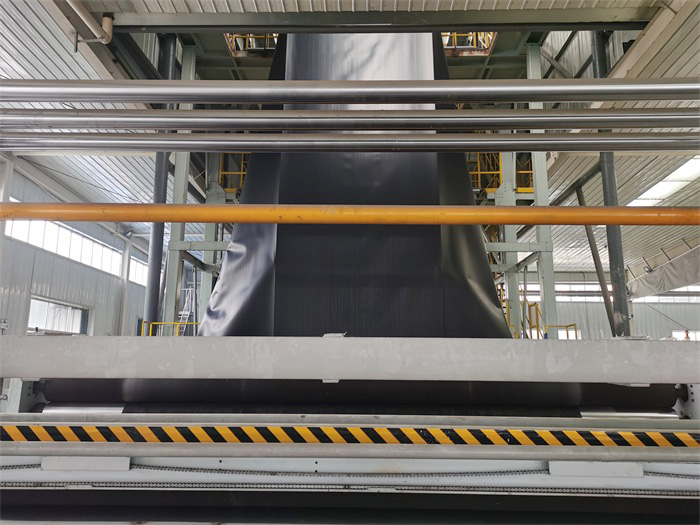
Virgin polymer pellets undergo high-temperature melting and extrusion. Polypropylene and polyester blends are spun into micro-filaments under precise temperature and pressure controls.
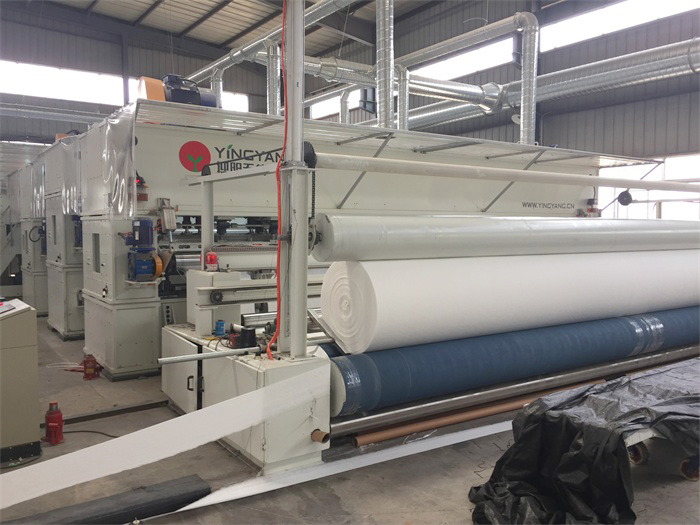
Extruded filaments are distributed to form a multi-layered web structure. Controlling web density, layout orientation, and thickness guarantees uniform physical properties.
The fiber web passes through needle-punching lines or thermal-bonding calendering units, mechanically interlocking the fibers to achieve high tensile and shear resistance.
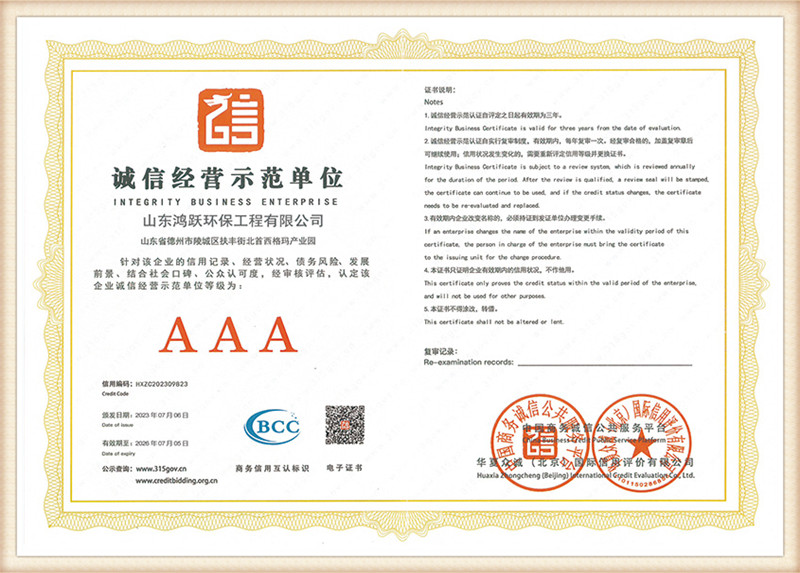
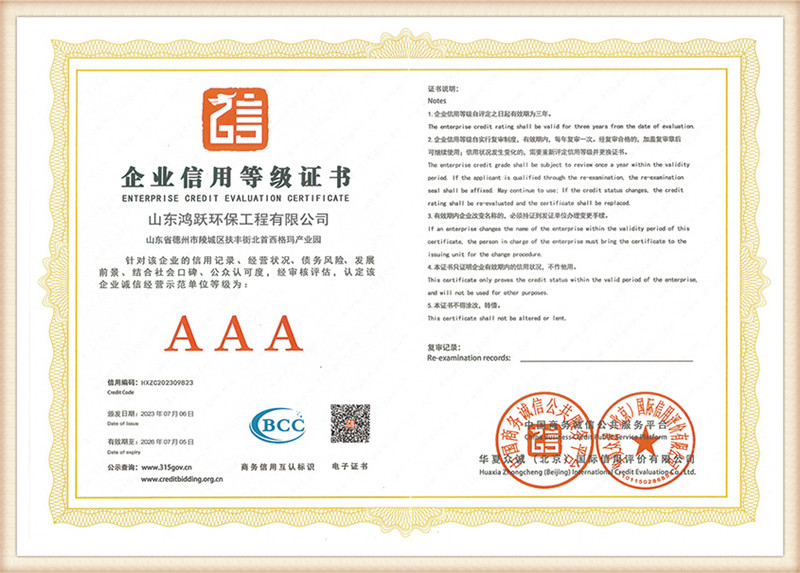
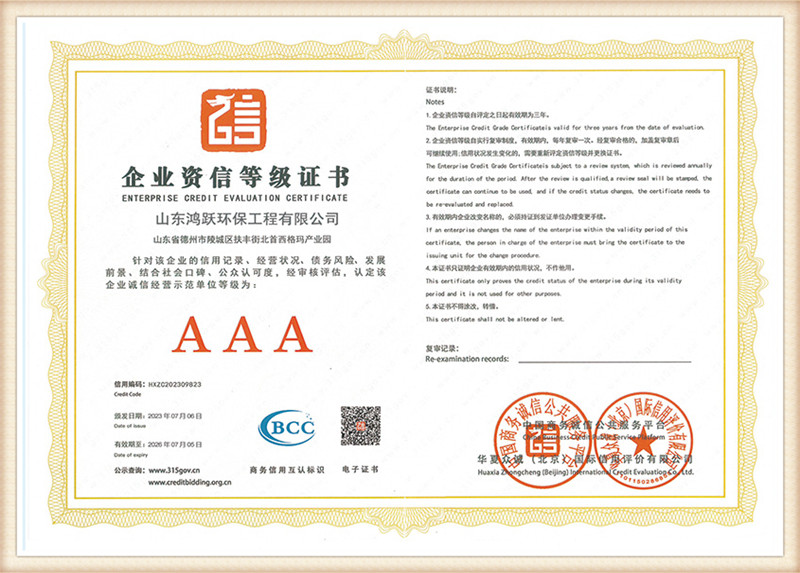
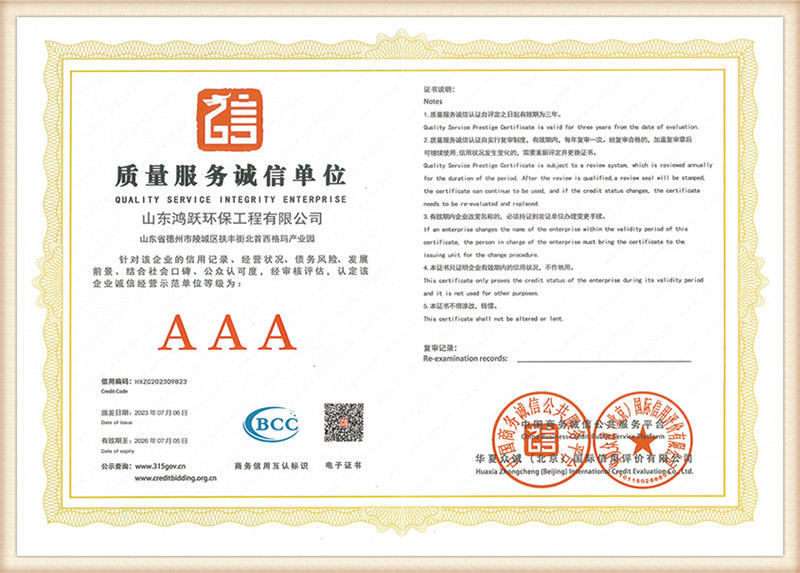
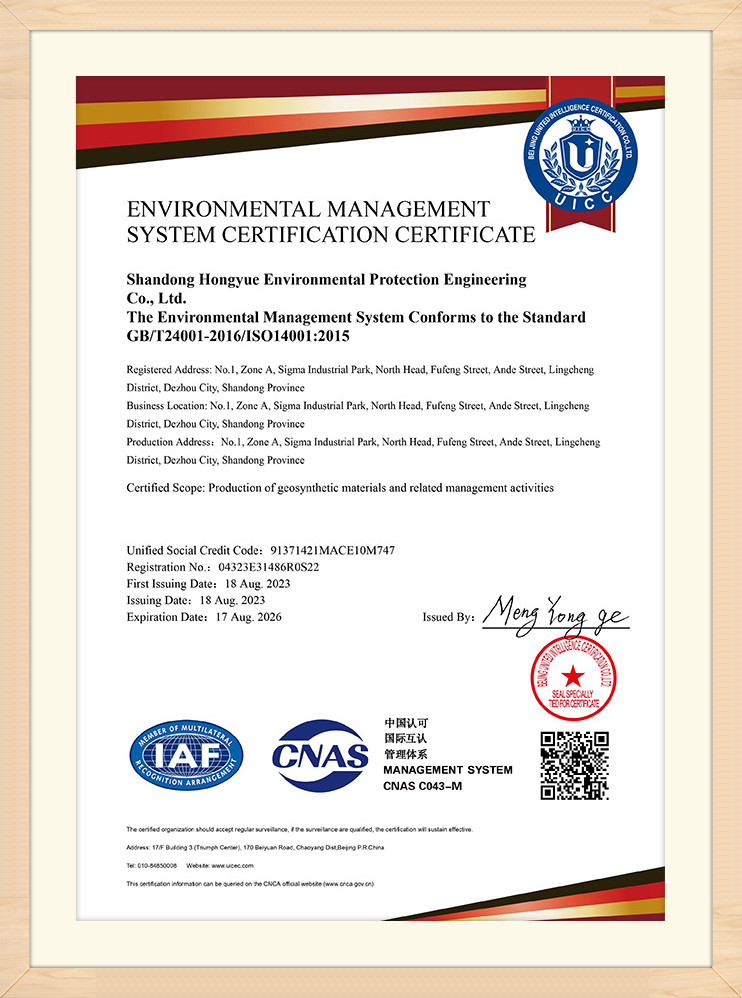
Shandong Hongyue maintains structural testing and calibration operations to verify geosynthetic performance. We have established an integrated quality management framework and achieved:
All finished goods undergo testing at the China National Testing Center and must pass national quality inspections before leaving the facility, ensuring compliance with international guidelines.
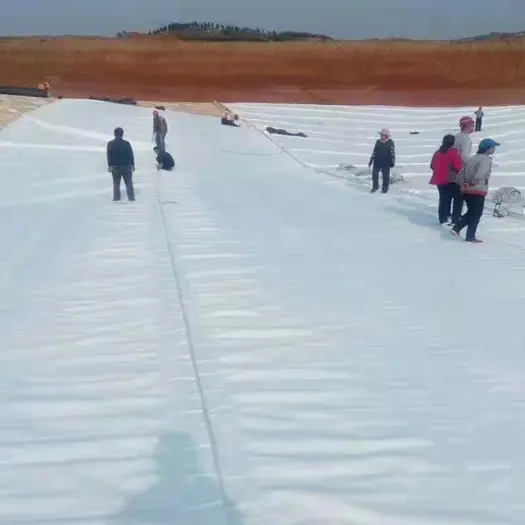
Correct site preparation is essential to prevent geomembrane or geotextile damage during installation. Engineers must ensure the subgrade is level and free of large stones, roots, and debris. Any hollows or depressions must be backfilled and compacted to meet structural design requirements before laying.
Geotextiles should be rolled out flat, maintaining tension to prevent folding and wrinkling. When applying fabrics on curved alignments, cuts and overlaps should be designed according to the slope. For subgrade separation, overlapping margins must adhere to AASHTO M288 specifications, typically ranging from 300mm to 900mm depending on subgrade strength (CBR value).
Ensuring continuous barrier performance requires proper joint treatment. Geomembranes are joined using dual-track hot wedge welding, followed by air-pressure testing to verify seal integrity. Geotextiles are typically sewn using high-strength portable machines or bonded with specialized adhesives, ensuring joints can withstand tensile loads during compaction.
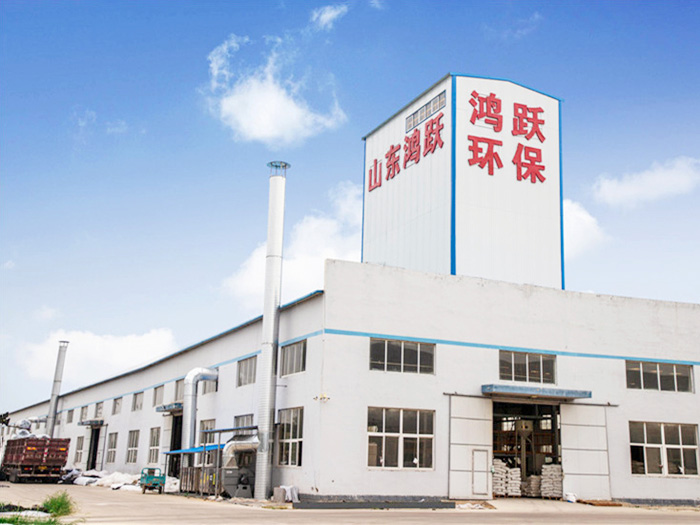
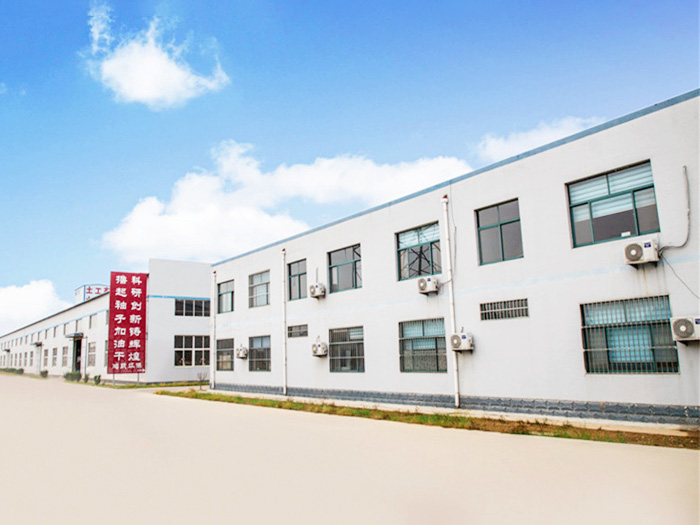
Delivering major civil projects requires responsive technical and logistical support. Shandong Hongyue operates a localized service network spanning domestic markets and global logistics hubs. Our technical engineers provide support at all stages of development, from initial design consultation to final construction inspection.
By working with local agencies, we ensure our shipments comply with regional import guidelines, custom standards, and construction codes across Europe, the Americas, Australia, and Southeast Asia.
As a certified high-tech manufacturer, Shandong Hongyue prioritizes eco-friendly practices. We incorporate sustainable production processes, reduce energy consumption across our extrusion lines, and develop long-lasting materials that minimize the need for repetitive excavations, lowering the lifetime carbon footprint of transport corridors.
 Hongyue