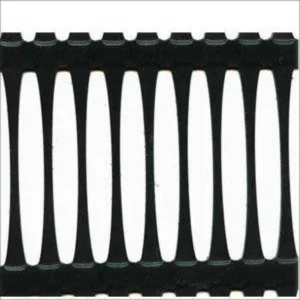
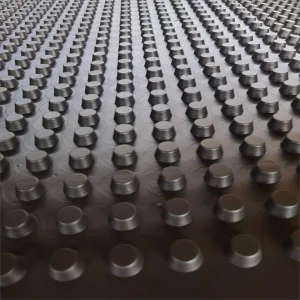
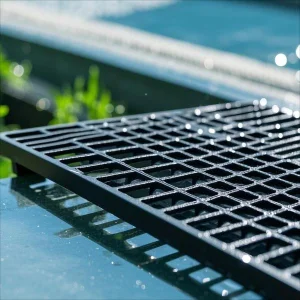
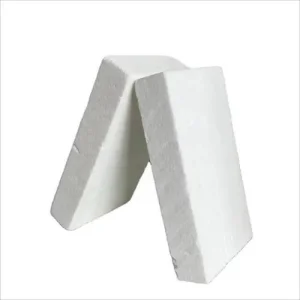
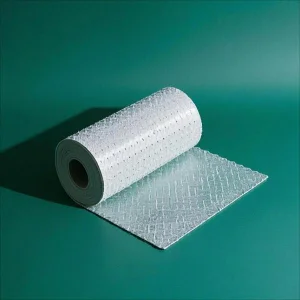
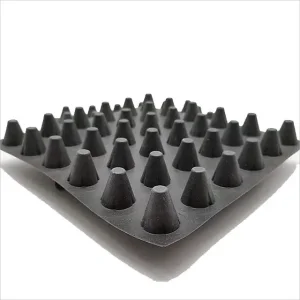
Explore our standard-setting geotextile membranes, geogrids, and engineered drainage systems trusted by Tier-1 contractors worldwide.
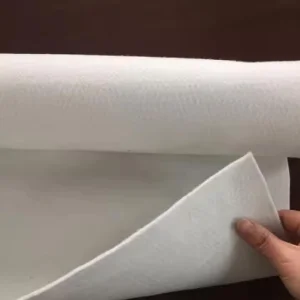
The structural longevity of any vehicular driveway depends heavily on the interface between the native subgrade soil and the imported aggregate base course. Under load, gravel aggregates slowly sink into the subgrade, while soft subgrade soils are squeezed upward into the stone layers. This phenomenon, known as intermixing, degrades the structural integrity of the aggregate layer, leading to rutting, potholes, and premature pavement failure.
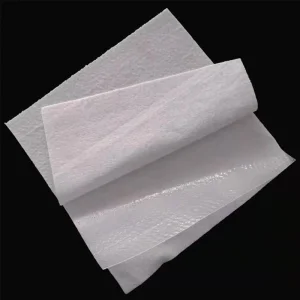
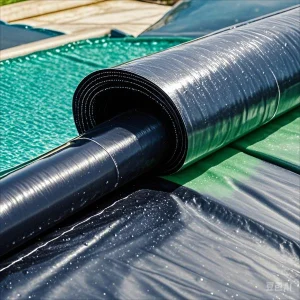
By installing a high-tensile geotextile membrane for driveways, engineers introduce a permanent boundary layer. This membrane provides two critical functions: stabilization and separation. The geotextile distributes concentrated point loads from vehicles over a much wider surface area, reducing localized stress and preserving the integrity of the sub-base aggregates. Additionally, it maintains the target permeability of the structural aggregate course by preventing fine soil silt from clogging the drainage gaps between larger stones.
Selecting the optimal membrane requires evaluating parameters like tensile strength, puncture resistance, flow rate, and apparent opening size (AOS). High-volume commercial loading driveways benefit from heavy woven geosynthetics, whereas typical residential and light-commercial projects utilize high-flow non-woven polyester or polypropylene alternatives.
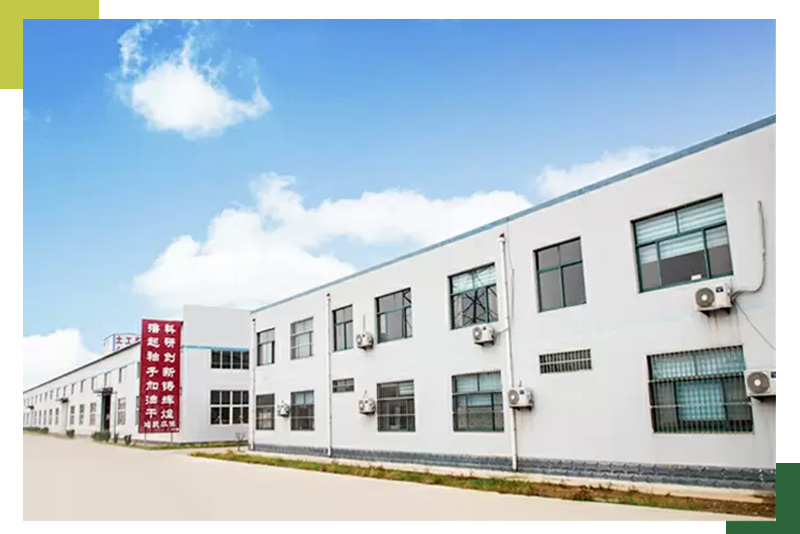
As global infrastructure investments accelerate, the demands placed on geosynthetics manufacturing have expanded beyond simple raw material supply. Industrial plants are shifting toward smart, high-durability polymers to extend infrastructure lifespans under changing weather conditions.
Located in the Lingcheng District of Dezhou, Shandong Province, Shandong Hongyue Environmental Engineering Co., Ltd. is a leading production base for geotechnical materials in China. Established with a registered capital of 105 million yuan, our facility integrates high-precision engineering material production, sales, design, and technical installation advisory services. Positioned within the Dezhou Geotextile Association, our logistics networks allow for direct, cost-efficient distribution to key global markets across Europe, North America, Australia, and East Asia.
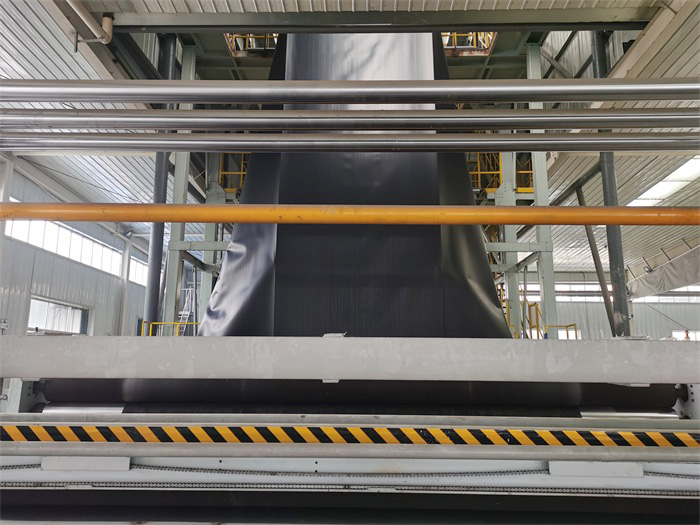
Understanding how premium membranes are manufactured ensures confidence in their structural reliability. Below is our advanced six-stage manufacturing system designed to meet rigorous international standards.
Quality begins with premium inputs: polyester chips, polypropylene filament, and viscose fibers. These raw materials are inspected and stored under strict temperature and humidity controls to prevent polymer degradation before processing.
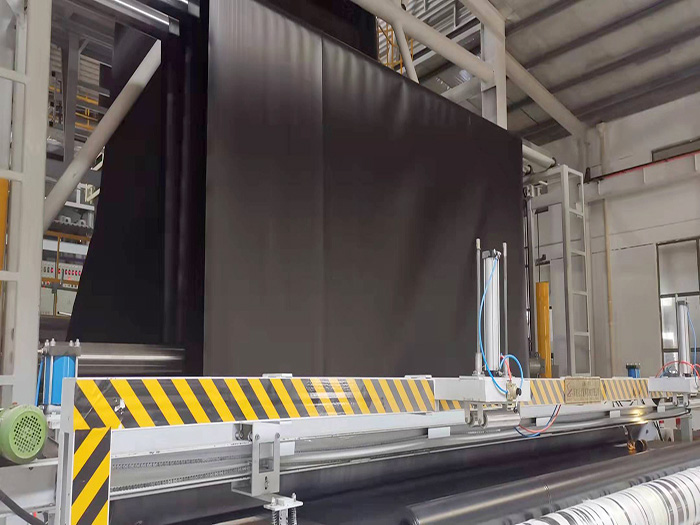
Polyester slices are melted at high temperatures and extruded through a screw extruder. During this process, polypropylene filaments are added. Precision control of melt temperatures and pressure ensures consistent fiber density.
The molten polymer is sprayed through a spinneret to form fine fibers. These fibers are laid onto a conveyor belt to create a uniform, overlapping web. This web formation determines the membrane’s physical filtration and tensile performance.
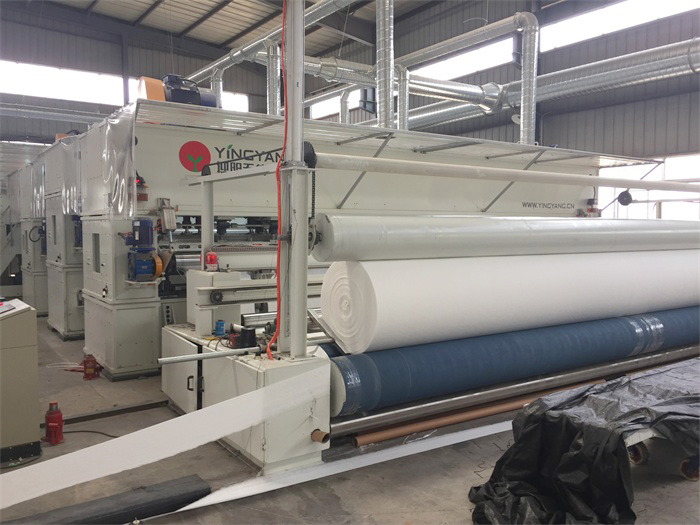
The raw fiber web undergoes mechanical and thermal curing. In this stage, we monitor the draft ratio and temperature curves to align the polymer chains, significantly boosting the geotextile’s tensile strength.
The cured geotextiles are rolled into standard dimensions. The rolls are measured for length, width, and thickness to verify they meet target design requirements before being wrapped in protective packaging.
Every production batch undergoes testing at our quality control facility. Tests measure tensile strength, grab elongation, CBR puncture resistance, and apparent opening size (AOS) to verify they meet structural specifications.
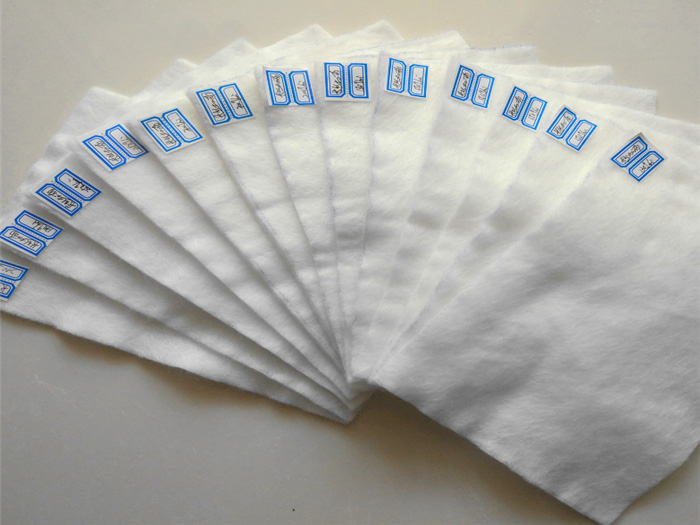
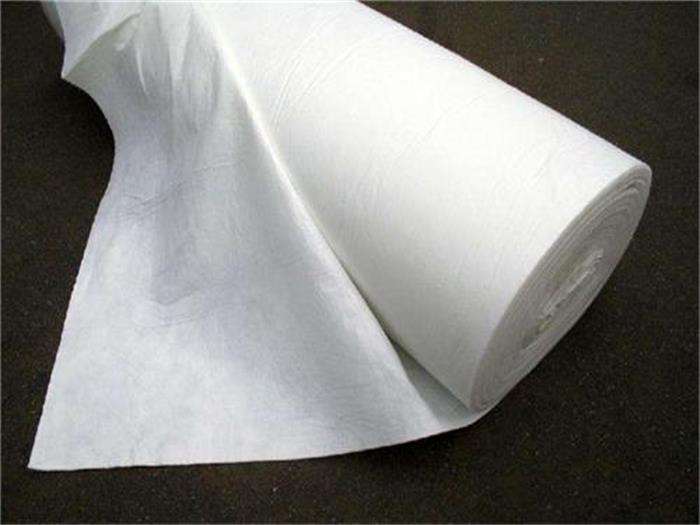
Installing high-performance geomembranes requires strict adherence to engineering standards. Even the strongest geosynthetic can fail if soil preparation is neglected or joint welding is poor.
Following these steps helps ensure long-term stability and reliable performance for high-load residential driveways and industrial sites alike.
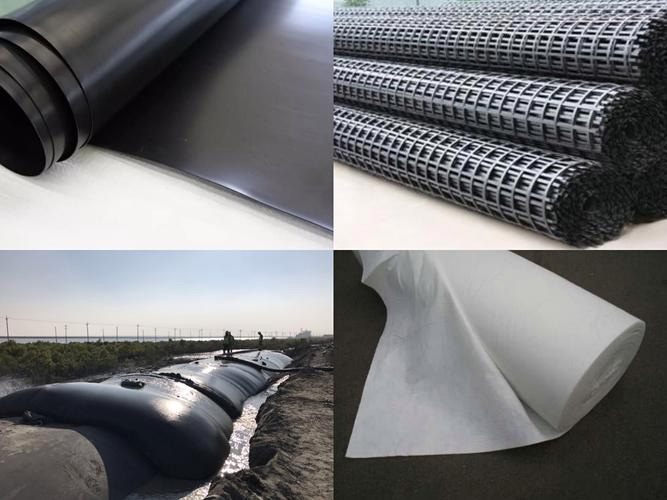
Hongyue geosynthetic systems are engineered for diverse applications, including transport infrastructure, water management, and municipal environmental control.
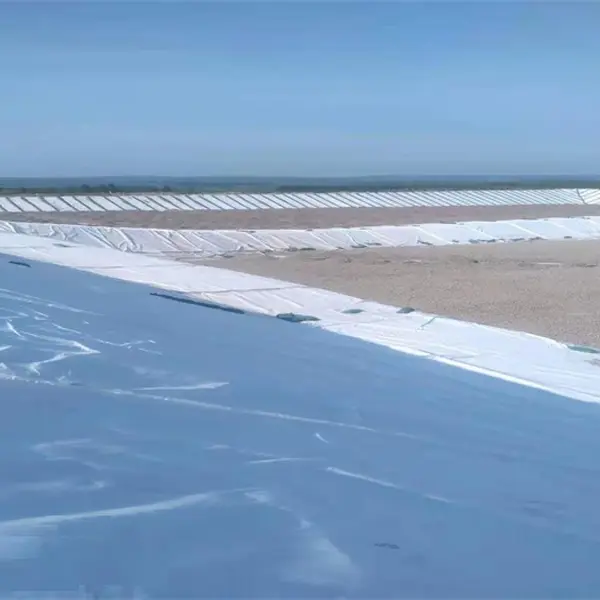
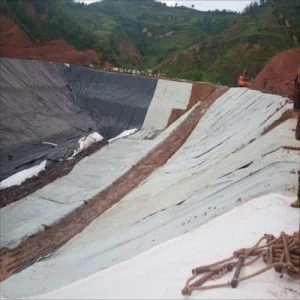
Provides robust seepage prevention and slope stabilization for large water conservancy projects, preventing structural erosion and water loss.
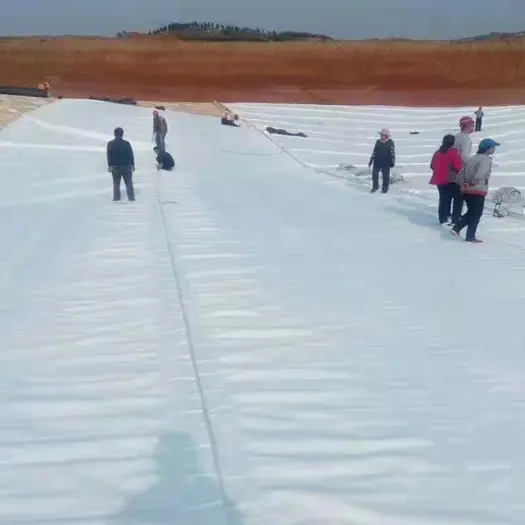
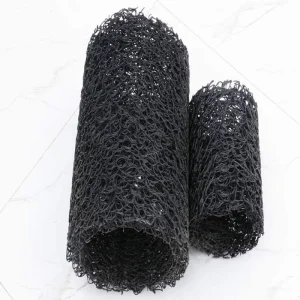
Protects natural riverbeds and engineered channels from scouring. Maintains hydrological flow paths while supporting ecological plant growth.
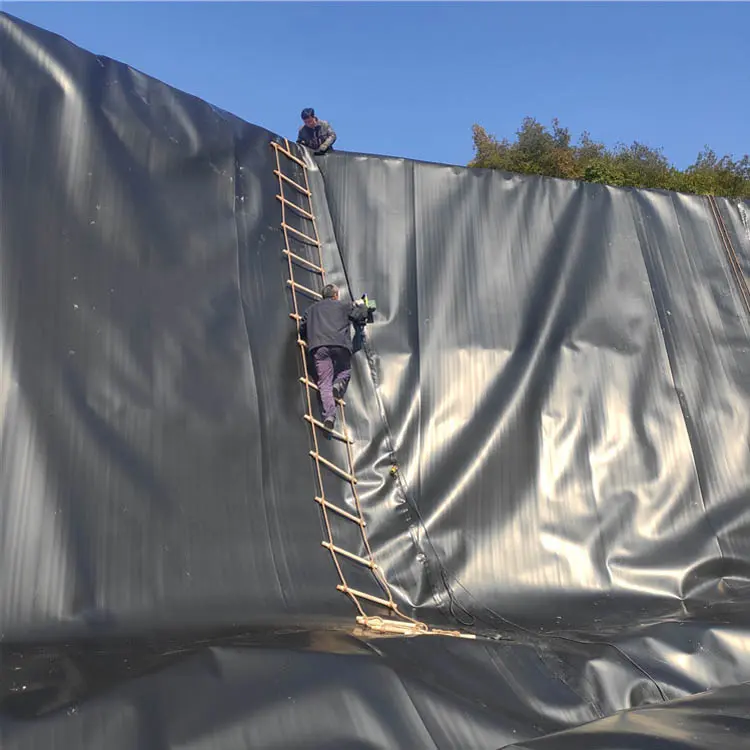
Multi-layered composite geomembranes prevent hazardous waste runoff from penetrating groundwater basins, meeting strict environmental regulations.
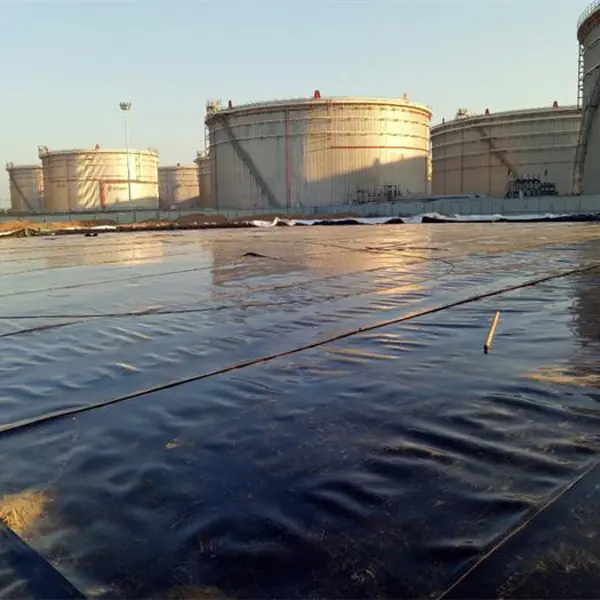
Double-containment barriers under chemical storage tanks prevent fuel and solvent spills from contaminating local soils.
At Shandong Hongyue, reliability is verified in our dedicated materials testing laboratory. All products are tested to meet or exceed ASTM and ISO standards, and receive regular verification from the China National Testing Center.
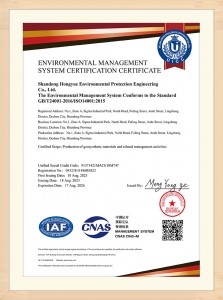
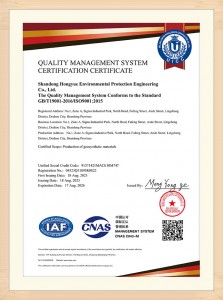
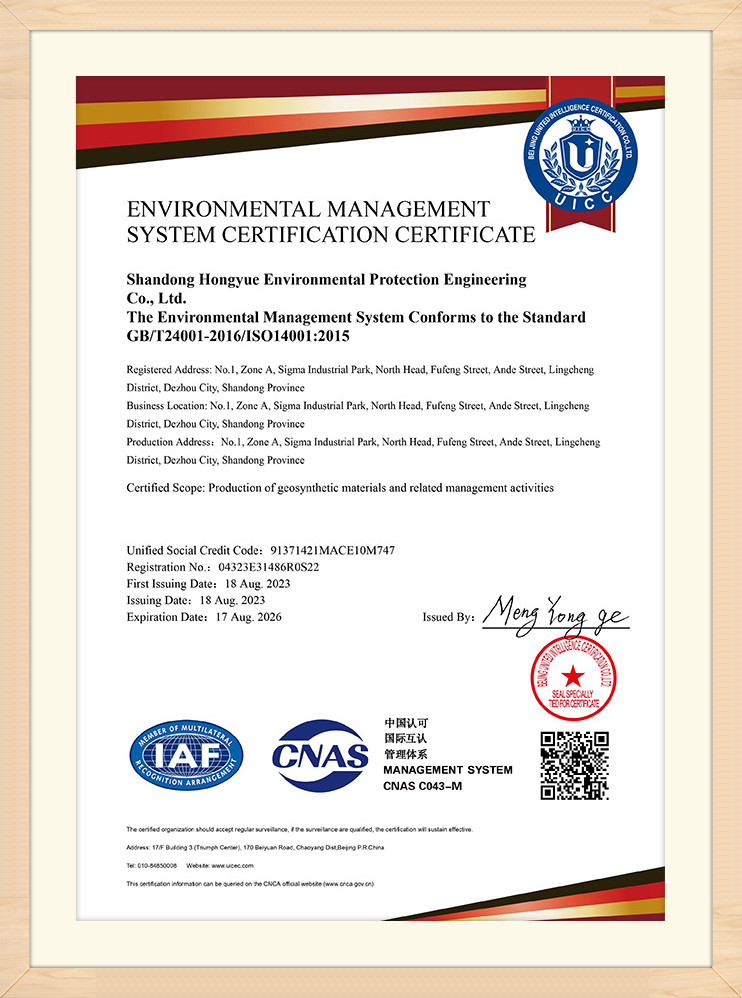
By maintaining ISO 9001 for quality management, ISO 14000 for environmental safety, and ISO 45001 for occupational health, we ensure consistent and compliant production across all product lines. Our engineering advisory team remains on call to support clients with site evaluations, thickness calculations, and installation troubleshooting.
Get answers to the most common technical questions from municipal buyers, project managers, and civil engineering contractors.
Compare product specifications below and request technical quotes directly from our manufacturing facility.
 Hongyue