We manufacture and export high-performance civil engineering components, maintaining compliance under verified ISO standards to meet critical containment and structural mandates globally.
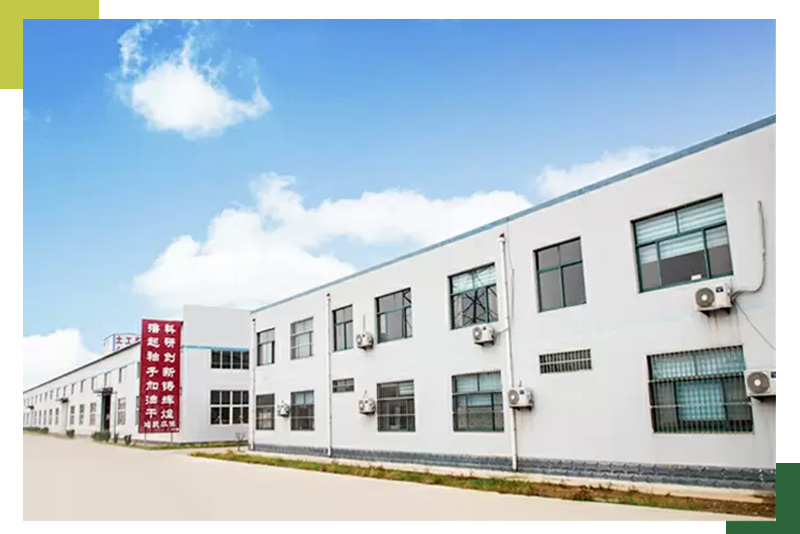
Shandong Hongyue Environmental Engineering Co., Ltd., located at the north end of Fufeng Street, Lingcheng District, Dezhou, Shandong Province, is a scientific and technological geotechnical material manufacturer integrating engineering material production, sales, design, and construction services. The company was registered in Lingcheng District Market Supervision and Administration Bureau of Dezhou City on April 6, 2023, with a registered capital of 105 million yuan. It stands as one of the largest production bases of geotechnical materials in China at present, enjoying a superior geographical location and convenient transport links.
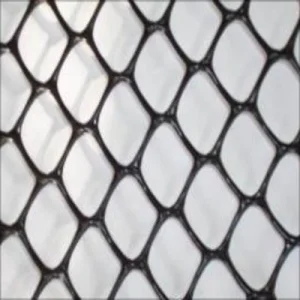
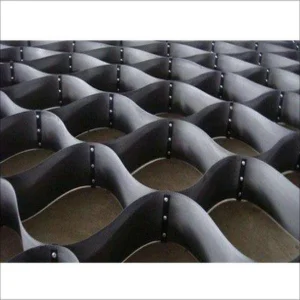
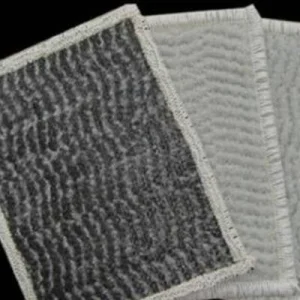
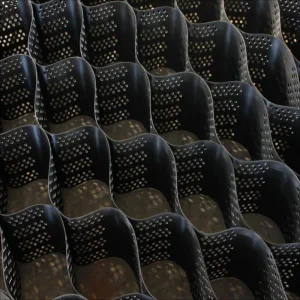
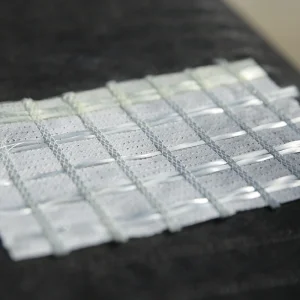
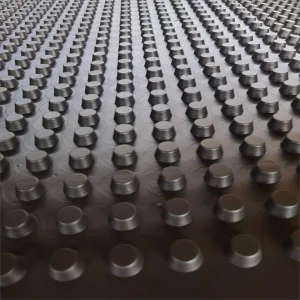
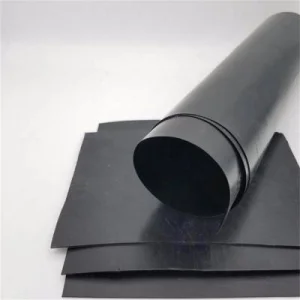
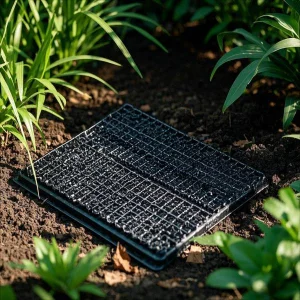
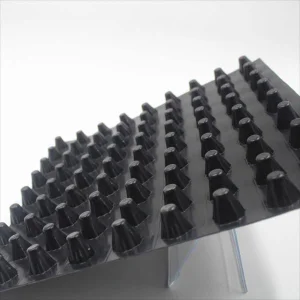
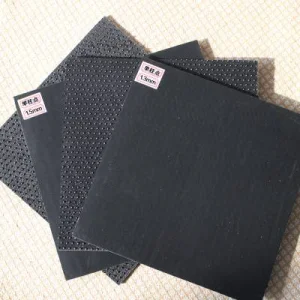
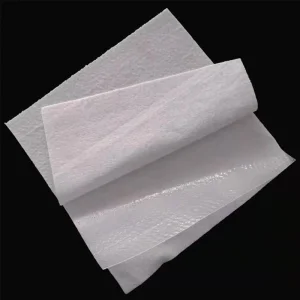
Since its establishment, the company has developed rapidly, with its business continuously growing and expanding. Our primary business scope covers geotextiles, geomembranes, composite geomembranes, waterproof boards, bentonite waterproof blankets, 3D composite drainage nets, (composite) drainage boards, weaving cloth, woven cloth, membrane bags, blind ditches, waterproof and drainage combinations, woven bags, ecological bags, cement blankets, fiber plant blankets, flexible pervious pipes, and related geosynthetics. We offer import and export services and provide high-quality products and professional sales and technical teams.
As infrastructure demands adapt to changing environments, the geosynthetics market is transitioning towards smart, high-durability polymers. The modern structural engineering sector expects high performance under extreme conditions.
While Polypropylene (PP) remains highly specified for acidic and alkaline soils due to its chemical resistance, Polyester (PET) geotextiles are seeing massive growth. PET offers higher tensile strength at lower elongation points and a higher melting limit, rendering it suitable for asphalt reinforcement and deep structural layers.
Green municipal projects require low-carbon materials. Circular economy goals drive the use of post-consumer recycled PET chips in non-woven production. This keeps tensile strength properties intact while reducing carbon impact by up to 35% compared to virgin resin.
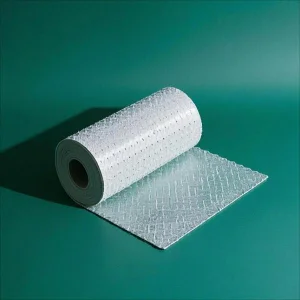
Single-layer geotextiles are increasingly upgraded to multi-functional composites. Laminated structures (e.g., geomembranes paired with thick needle-punched geotextiles) act as cushion protectors and drainage conduits, saving space and reducing installation times.
Our factory integrates modern polymer machinery, computerized thickness gauge control, and inline quality auditing. Explore the mechanical steps of how raw polymer chips are converted into high-tensile geotechnical blankets.
The main raw materials of geotextile are polyester chips, polypropylene filament, and viscose fiber. These raw materials need to be inspected, arranged, and stored to ensure their quality and stability.
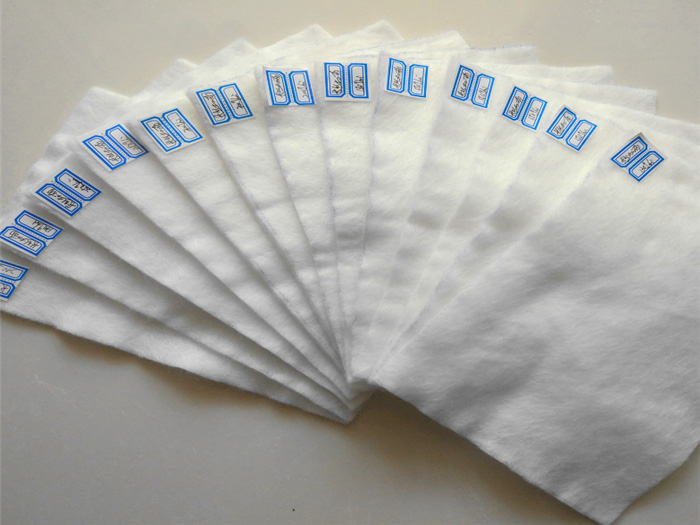
After the polyester slice is melted at high temperatures, it is extruded into a molten state by a screw extruder, and polypropylene filament and viscose fiber are added for mixing. Temperature and pressure are precisely monitored.
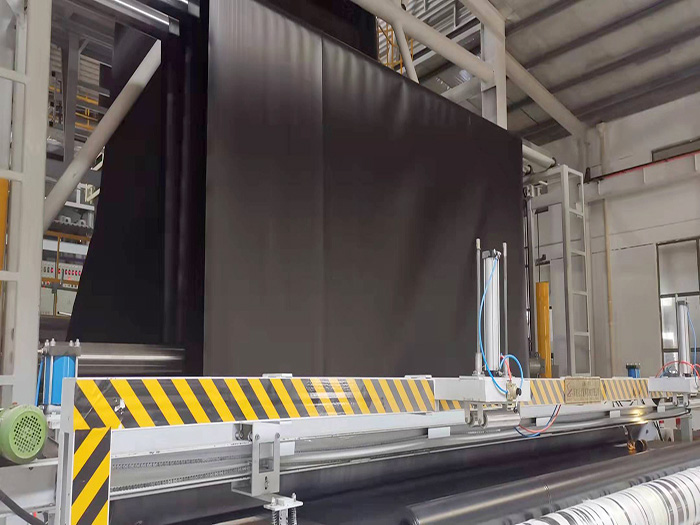
After mixing, the melt is sprayed through the spinneret to form a fibrous substance, creating a uniform network structure on the conveyor belt. Thickness, uniformity, and fiber orientation are tightly managed.
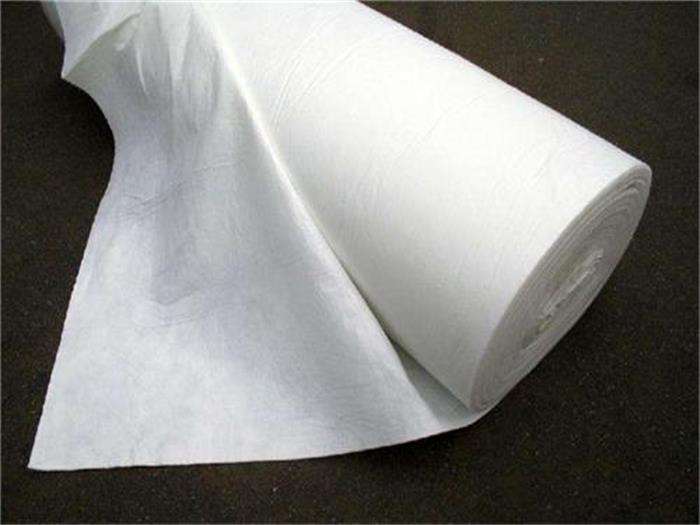
After laying the net into rolls, it is necessary to carry out draft curing treatment. The needle-punching density, temperature, speed, and draft ratio are precisely adjusted to reach tensile requirements.
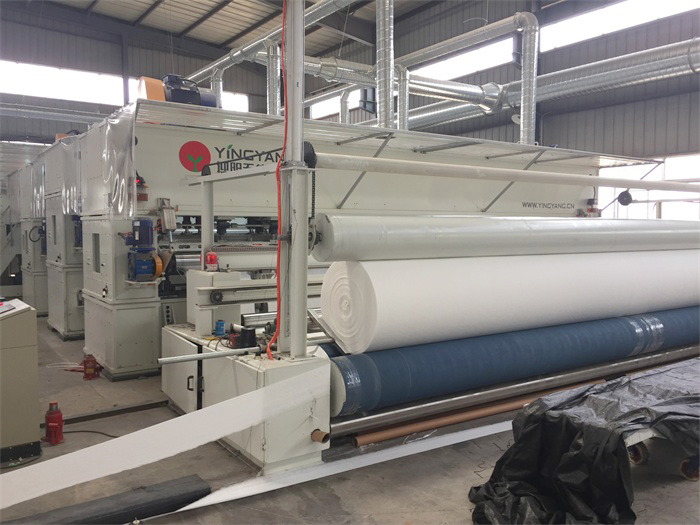
The geotextile after draft curing needs to be rolled up and packed for subsequent construction. In this process, the length, width, and thickness of the geotextile are measured to ensure they meet the design requirements.
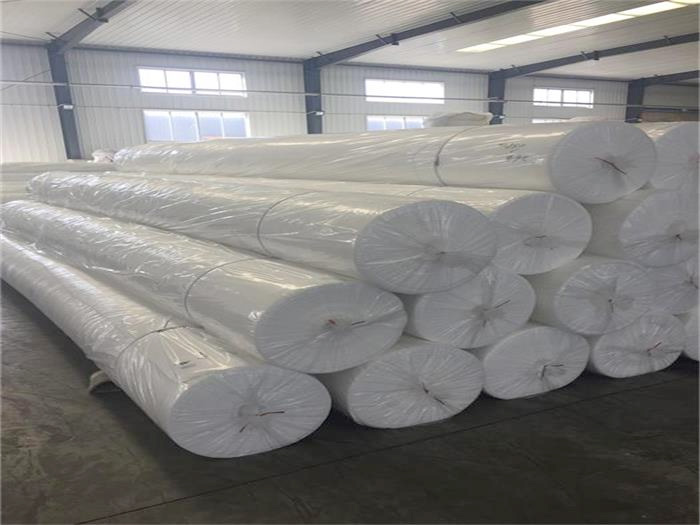
At the end of each production link, the quality of the geotextile needs to be inspected. The inspection contents include physical property test, chemical property test, and appearance quality test to ensure market compliance.
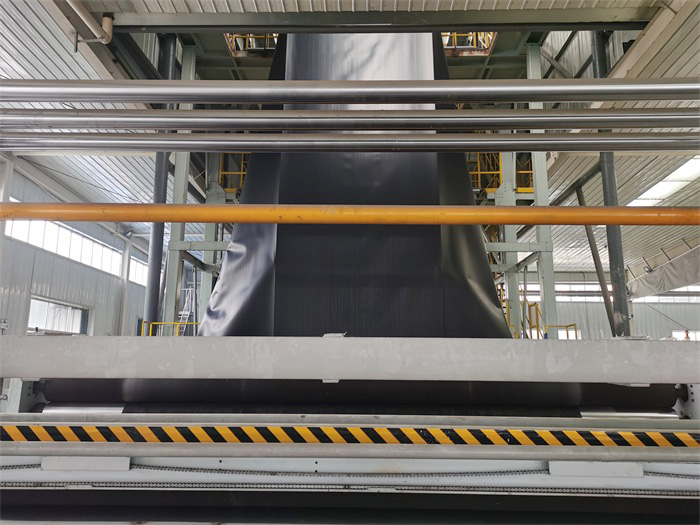
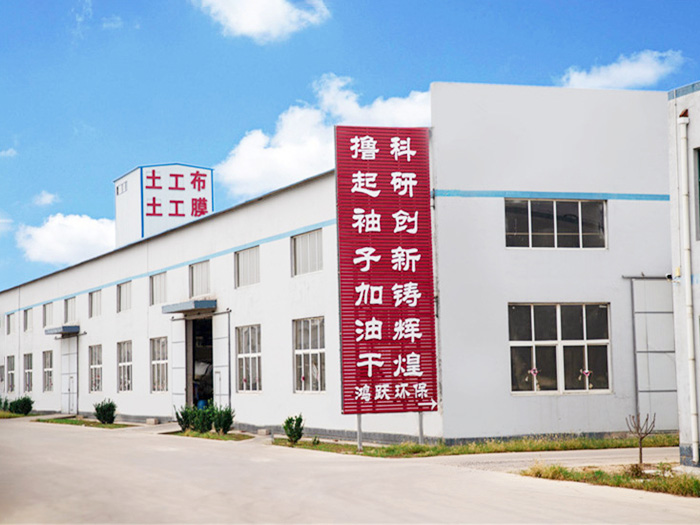
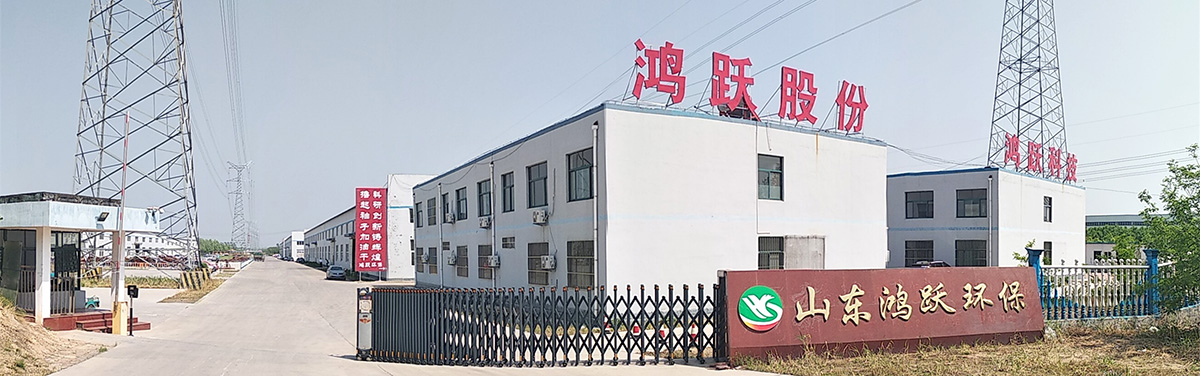
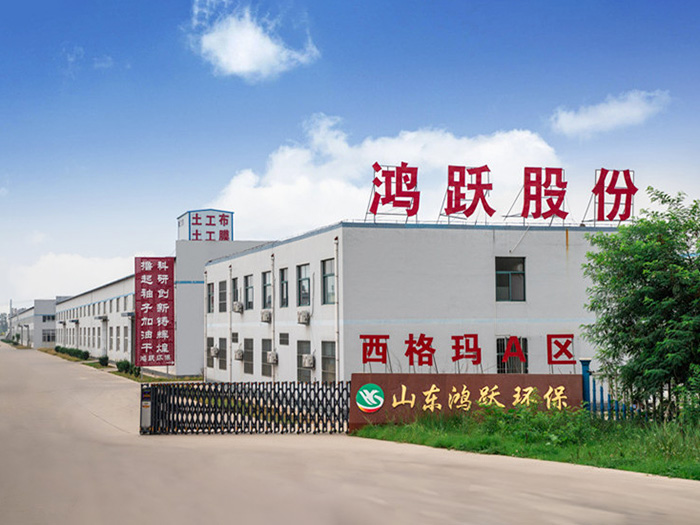
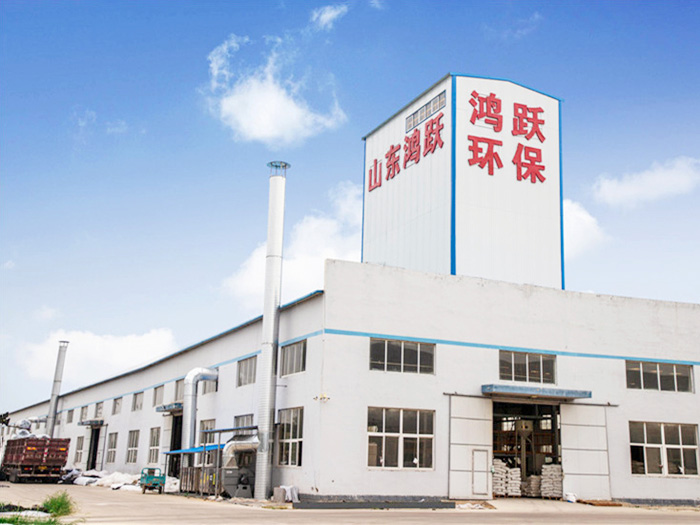
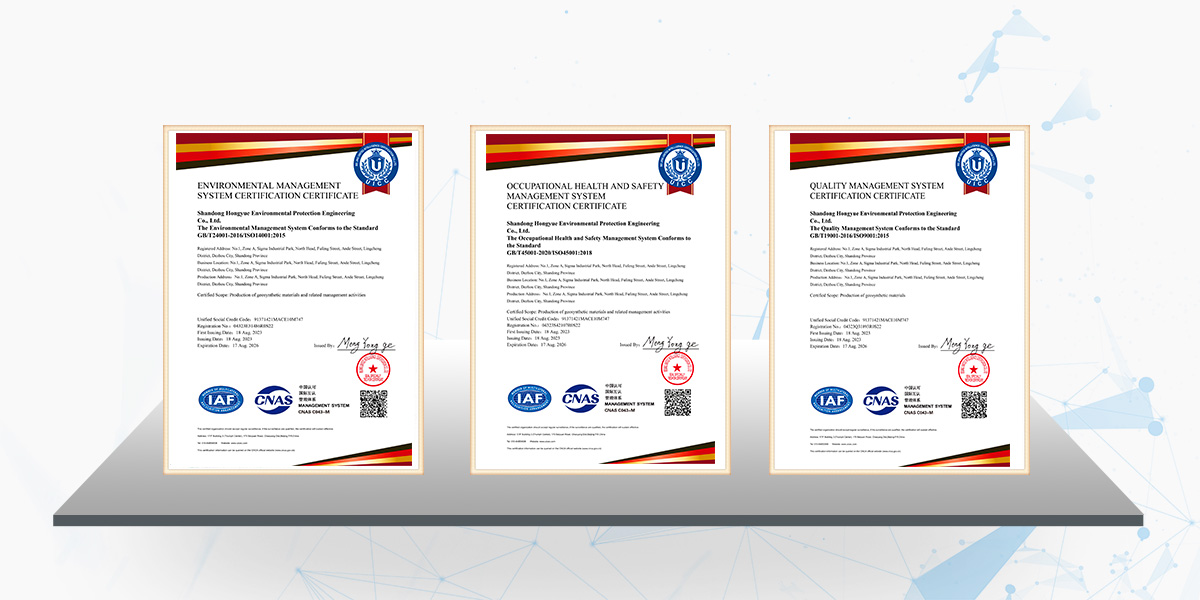
Shandong Hongyue Environmental Engineering Co., Ltd. has a complete and scientific management system, having passed the ISO9001 international quality system certification, ISO14000 environmental system certification, and ISO45001 occupational health and safety management system certification. It has won many honors such as "Green building Materials Products", "No consumer complaints", "China Famous Brand", "High-tech Industry", "Quality Service Double Excellent Unit", and "Provincial Poverty Alleviation Leading Enterprise".
The company adopts advanced production technology and equipment processes, combined with perfect detection means and precision inspection equipment to ensure that the products maintain excellent physical performance. The quality of all products produced by the company meets or exceeds international standards, has passed the certification of the China National Testing Center, and has passed national quality supervision and sampling inspections commissioned by the State Administration of Quality Supervision and Inspection.
Our engineers and technicians have more than ten years of experience, serving major infrastructure sites worldwide. Under the coordination of the headquarters, we provide our customers with 24-hour comprehensive service and product technical consultation.
Choosing between Polyester (PET) and Polypropylene (PP) non-wovens requires assessing mechanical, hydraulic, and environmental exposures. Use this comparative matrix for site specification.
| Property Parameter | PET Filament Non-Woven | PP Short Fiber Non-Woven | Woven Slit Film | Test Standard Reference |
|---|---|---|---|---|
| Tensile Strength Range | 8 kN/m - 100 kN/m | 6 kN/m - 80 kN/m | 15 kN/m - 300 kN/m | ASTM D4595 |
| Elongation at Break | 50% - 80% (High flexibility) | 40% - 70% | 15% - 25% (Low deformation) | ASTM D4595 |
| CBR Puncture Resistance | 1.2 kN - 12.5 kN | 1.0 kN - 10.0 kN | 2.0 kN - 15.0 kN | ASTM D6241 |
| Water Permeability | 1.0 × 10¹ - 1.0 × 10³ cm/s | 1.0 × 10¹ - 5.0 × 10² cm/s | < 1.0 × 10² cm/s (Slow) | ASTM D4491 |
| UV Degradation Resistance | Moderate (Requires Carbon Black) | High (Stabilized polymer) | Low to Moderate | ASTM D4355 (500 hrs) |
| Acid/Alkali Resistance | Good in normal soils | Excellent (pH 2 to 13) | Good | ASTM D5322 |
Our range serves key environmental, civil, and agricultural containment designs. See how different geomaterials combine to form reliable municipal barriers.
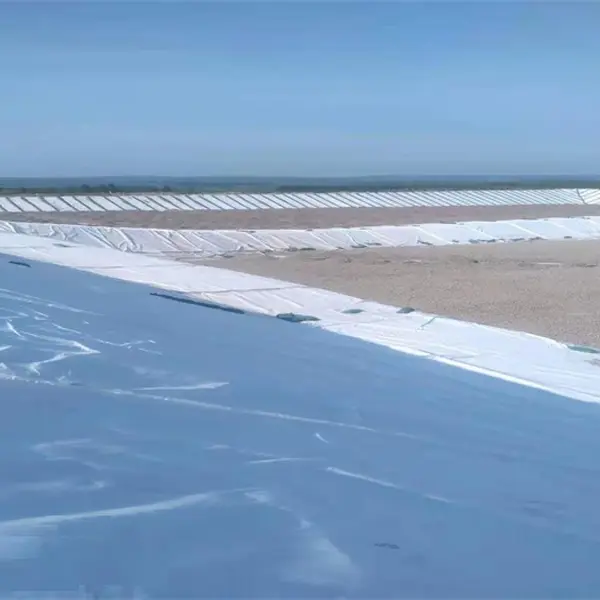
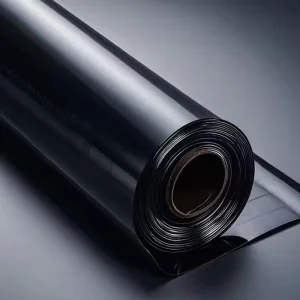
Geomembranes act as containment layers in reservoirs, canals, and river embankments, preventing water loss through porous subsoils.
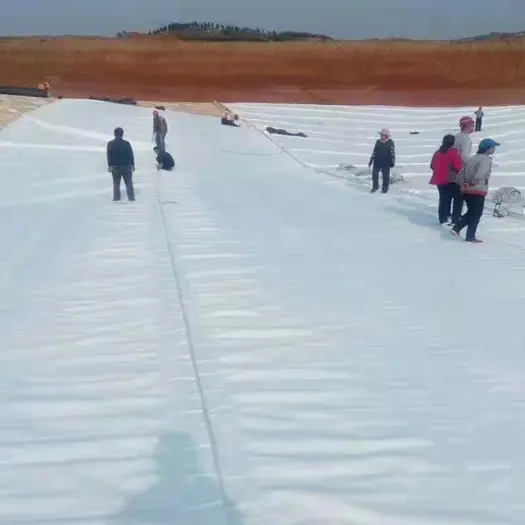
Protects river channels and agricultural canals, reducing lateral water loss and securing structural bank stability.
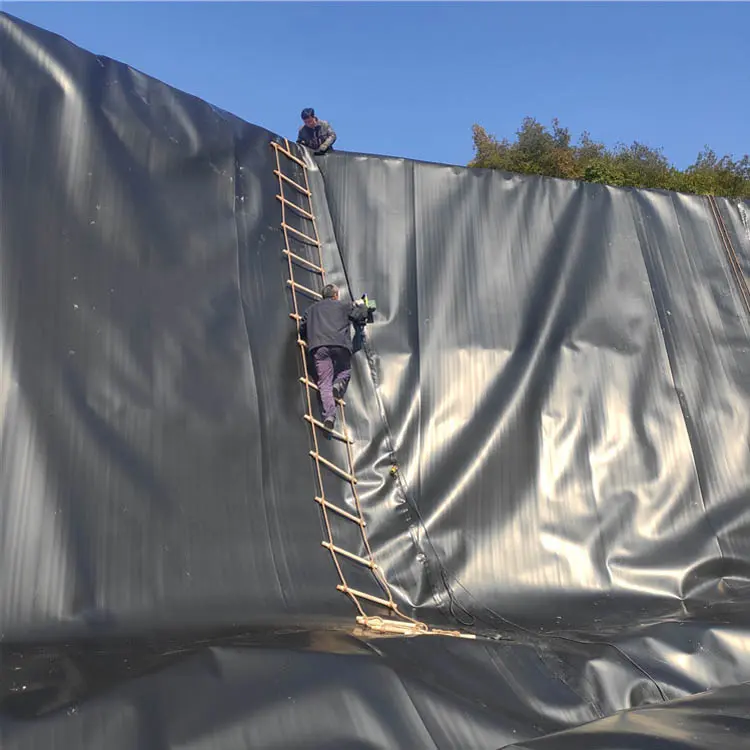
Double composite liners (HDPE geomembrane + non-woven geotextile) prevent toxic leachate from entering regional groundwater basins.
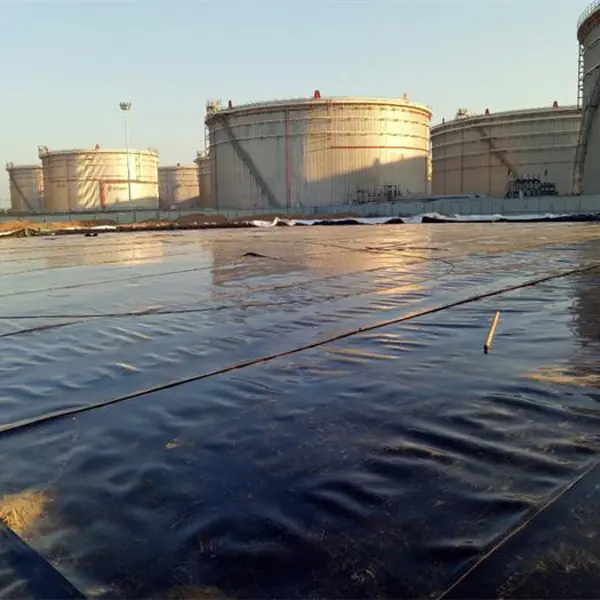
Secondary containment zones in petrochemical tank farms, preventing soil contamination from volatile chemical spills.
Because reservoirs are built in valleys or low-lying areas, geological conditions are complex. Effective measures are required to avoid leakage between the bottom of the reservoir and the surrounding rock. Installing needle-punched geotextiles alongside geomembranes protects the barrier from sharp rock outcrops, increasing structural safety.
Dikes protect downstream areas from flooding. Unpredictable soil shifting during construction can create structural vulnerabilities. Utilizing composite geomaterial liners acts as a corrective measure, preventing internal piping erosion under varying water pressures.
Rivers and canals regulate water flow, protect farmland, and secure urban infrastructure. Geosynthetic solutions address bank stability, scour erosion, and mud containment, supporting environmental reclamation efforts in critical water channels.
Proper preparation and jointing are key to the longevity of geomembrane and geotextile containment systems.
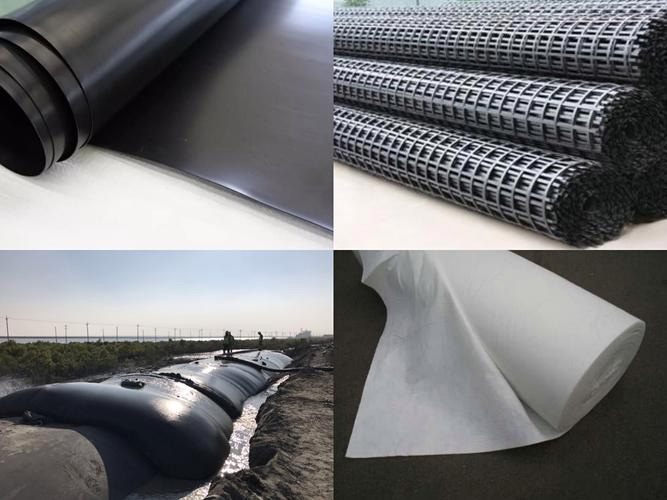
Understanding pricing metrics allows engineering procurement leads to optimize total cost of ownership. We calculate commercial estimates based on several structural and logistics factors.
Geotextile prices depend on weight per unit area (GSM: Grams per Square Meter), ranging from 100g/m² to 1000g/m². Heavier weights require more polymer per square meter.
Polyester (PET) and Polypropylene (PP) prices fluctuate based on global oil and chemical polymer indexes, directly impacting production costs.
Filament (continuous fiber) geotextiles command a premium over short-staple fiber versions due to their higher tensile strength and longer service life.
Roll width adjustments (up to 6m) optimize container loading space, lowering ocean freight costs for international buyers.
Key information for engineering consultants, buyers, and contractors specifying non-woven geotextiles.
PET (Polyester) has a higher melting point (approx 260°C) and superior tensile resistance at lower elongation, making it ideal for asphalt overlay. PP (Polypropylene) is lighter, has excellent chemical stability in highly alkaline or acidic soil environments (pH 2-13), but is more sensitive to long-term UV degradation if not stabilized with carbon black additives.
Our factory operates under ISO9001, ISO14000, and ISO45001 management protocols. Each production batch undergoes internal laboratory testing for tensile strength (ASTM D4595), CBR puncture resistance (ASTM D6241), water permeability (ASTM D4491), and opening size (ASTM D4751). Third-party certifications from the China National Testing Center are also available.
Yes. We can manufacture custom roll widths from 1.0m to 6.0m and lengths up to 100m or 200m per roll. We also offer OEM options, including custom color marks, printed packaging sleeves, and variable needle-punching densities.
Standard orders for 20GP or 40HQ containers are typically processed, packed, and loaded at our facility within 7 to 14 working days from deposit confirmation. Our location in Dezhou, Shandong, provides convenient access to major domestic transport routes and shipping ports like Qingdao.
We provide integrated supply solutions across drainage, filtration, reinforcement, and containment systems.
 Hongyue