 Hongyue

1 / 5
| Number | Project | Index |
|---|---|---|
| 1 | Mass per unit area kg/㎡ | 6-20 |
| 2 | Fineness mm | 1.02 |
| 3 | ultimate tensile strength N/100mm | 800 |
| 4 | Elongation at maximum load% | 10 |
| 5 | Resistant to hydrostatic pressure | 0.4Mpa,1h no-leakage |
| 6 | Freezing time | Initial setting for 220 minutes |
| 7 | Setting time details | Final set for 291 minutes |
| 8 | Nonwovens-woven fabric peel strength N/10cm | 40 |
| 9 | Vertical permeability coefficient Cm/s | <5*10-9 |
| 10 | Resistant to stress (3 days) MPa | 17.9 |
| 11 | Stability | Qualified |
What is a cement blanket and how does it work?
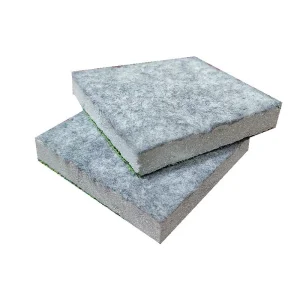
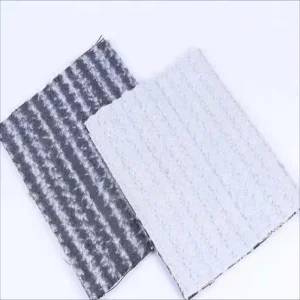
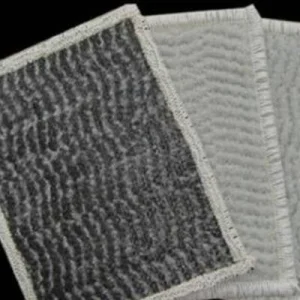
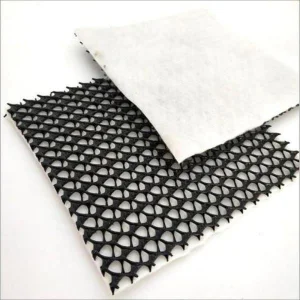
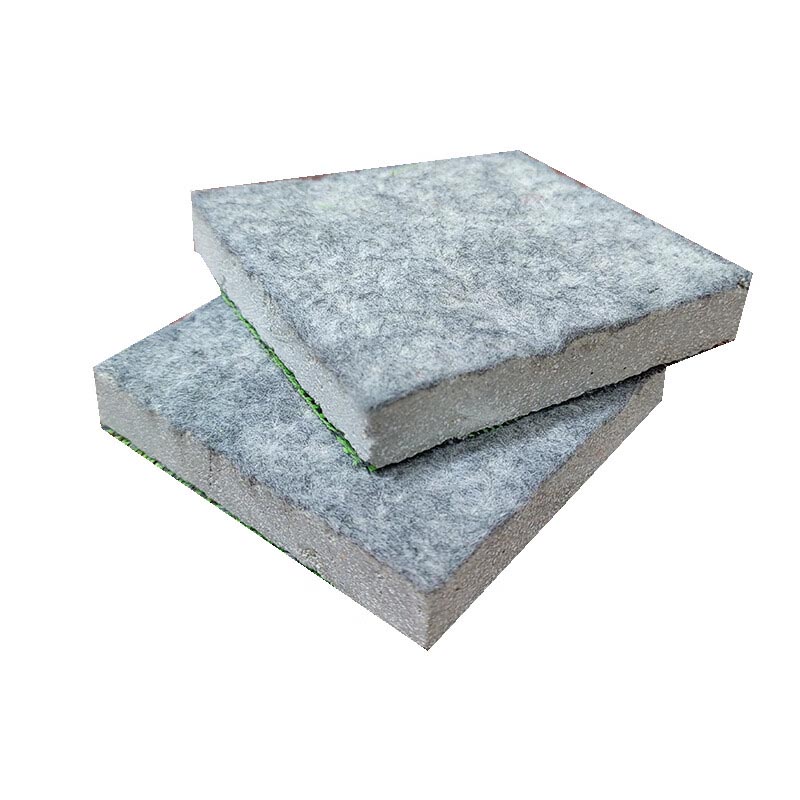
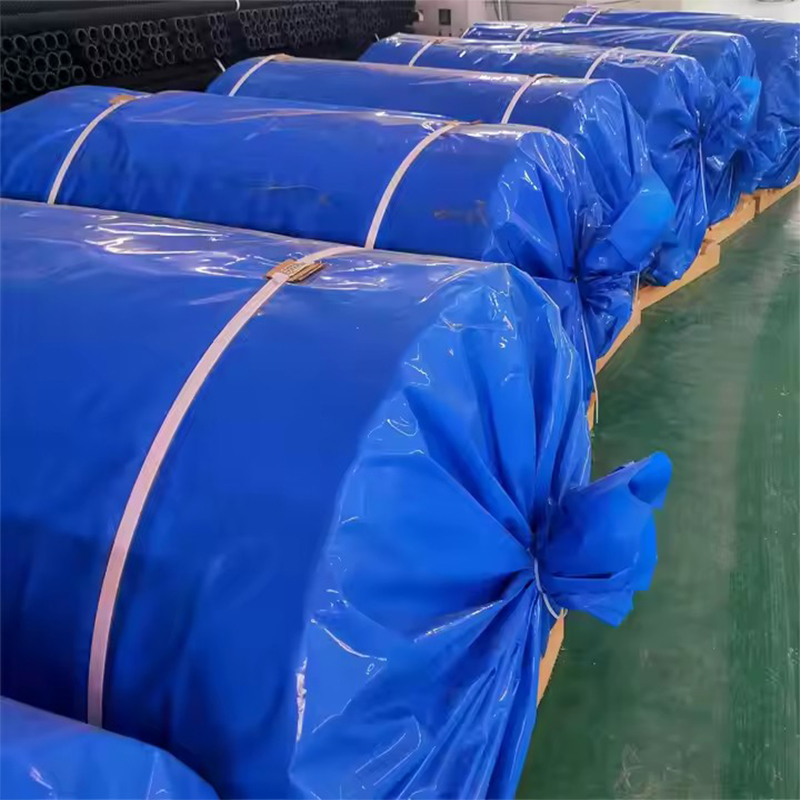
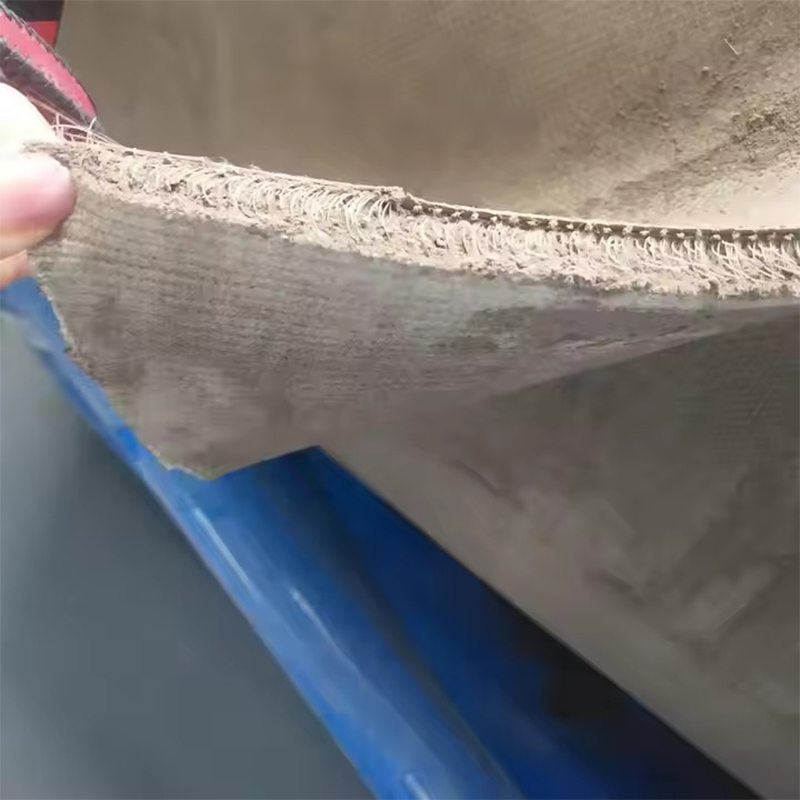
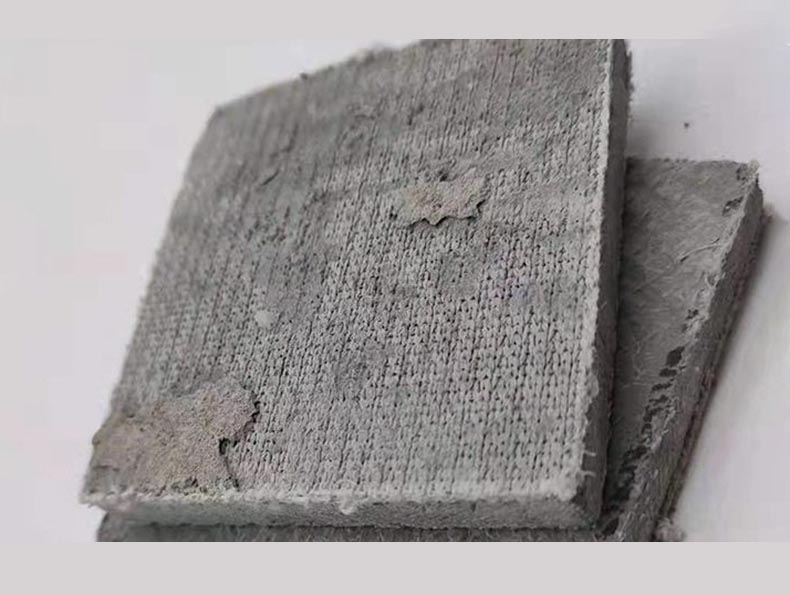
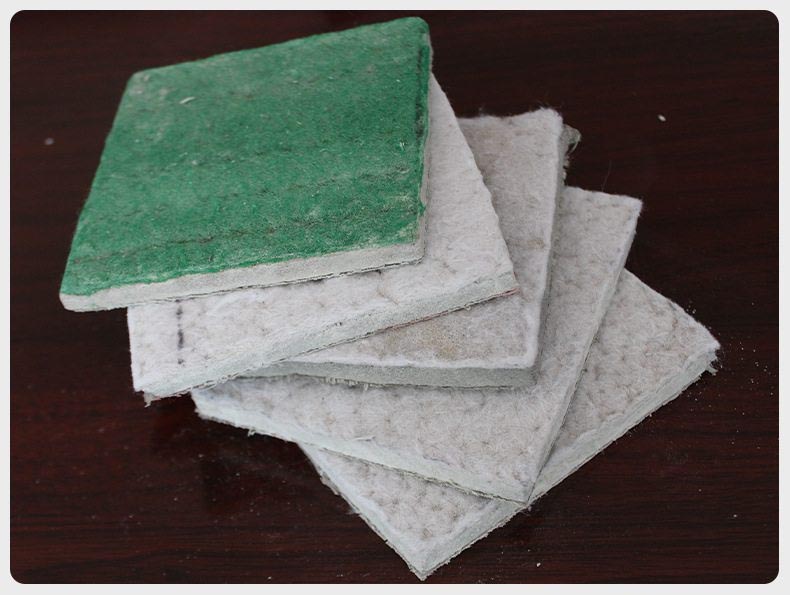
A cement blanket is a needle-punched composite waterproof blanket composed of two or three layers of geotextile wrapping specialized cement. Once hydrated with water, it undergoes a chemical reaction and hardens into a thin, highly durable, waterproof, and fire-resistant concrete layer.
Does the cement blanket require on-site mixing during construction?
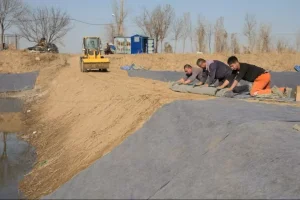
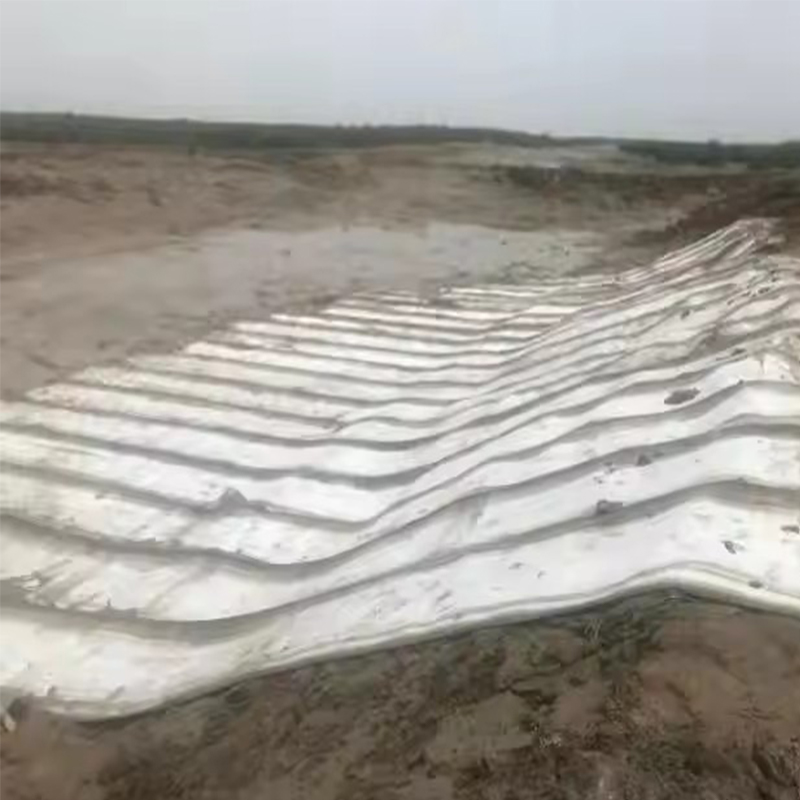
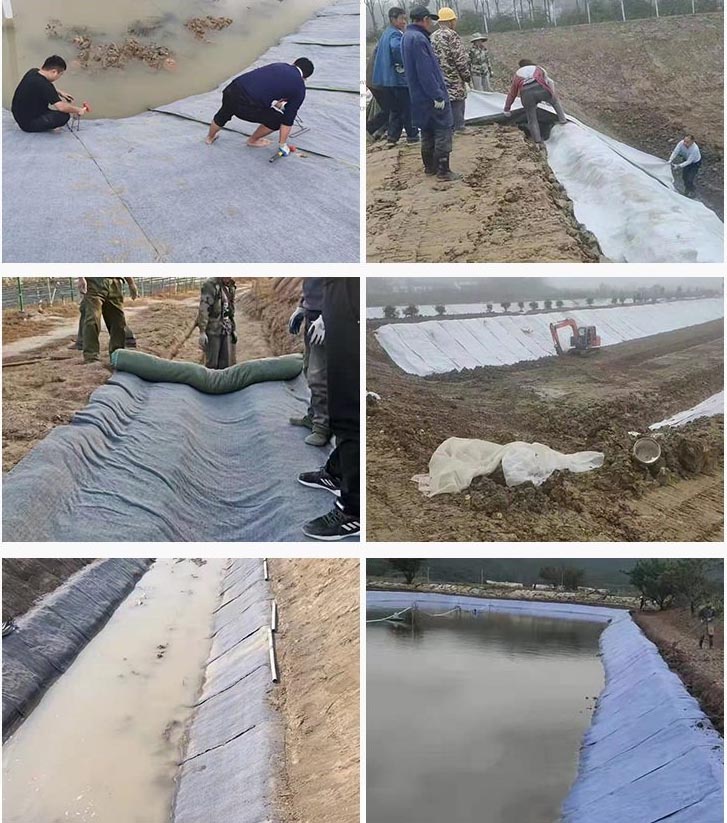
No on-site mixing is required. During construction, the cement blanket only needs to be laid out according to the terrain and technical specifications, then evenly sprayed or soaked with water to trigger the hardening reaction.
What are the main performance advantages of this product?
The cement blanket exhibits exceptional mechanical indicators and good creep performance. It offers strong corrosion resistance, outstanding aging and heat resistance, and excellent hydraulic properties, forming a robust structure resistant to cracks and seepage.
What is the setting and solidification time for the cement blanket?
The initial setting process takes approximately 220 minutes, and the final setting is complete at around 291 minutes, ensuring a relatively fast transition into a solid concrete layer.
Where is the cement blanket commonly applied?
It is widely utilized in civil engineering and environmental projects, including ecological ditches, rain-shower ditches, mountain ditches, highway drains, temporary diversion channels, and sewage systems.