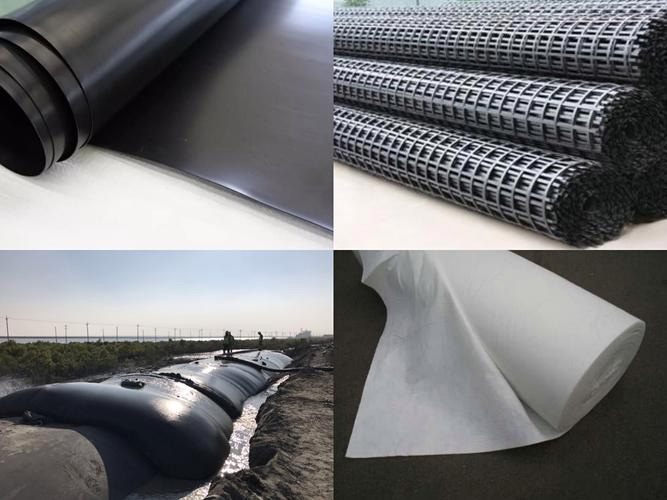
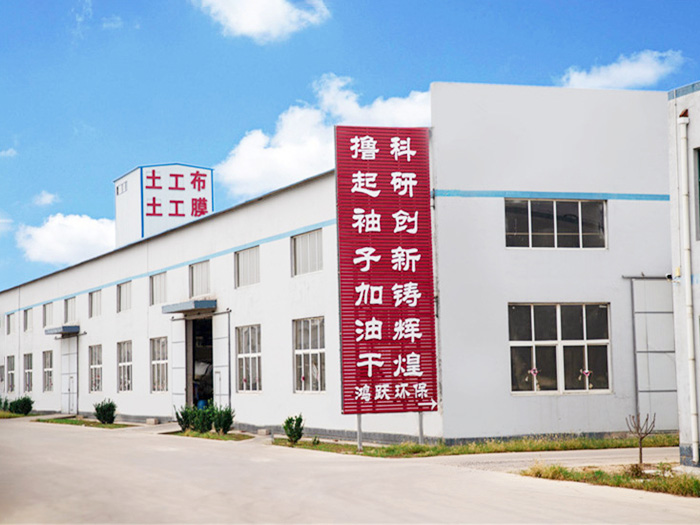
Discover our core range of geonets and geotextiles manufactured to international standards and designed specifically to endure the extreme tropical precipitation of Panama.
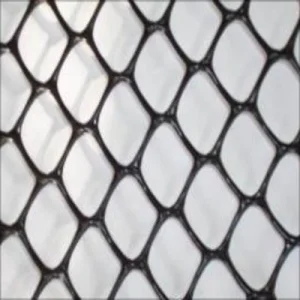
High-density polyethylene geonets designed for superior lateral liquid transmission under high structural load applications.
View Specifications
Three-dimensional bi-planar and tri-planar structures optimized for rapid hydrological dispersion beneath concrete warehouse pads.
View Specifications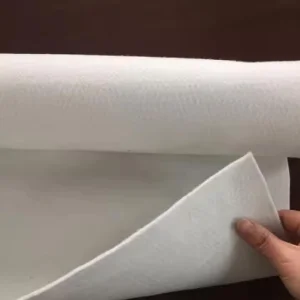
Non-woven filtration fabric offering excellent tensile strength and permittivity for massive hydraulic infrastructure projects.
View Specifications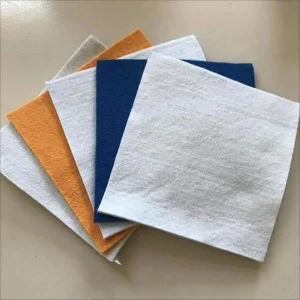
Top-grade engineering fabric engineered to withstand biological and chemical soils in aggressive tropical climates.
View SpecificationsPanama represents a unique nexus of engineering demands. Located in a humid tropical climate zone, the region experiences prolonged, intense rainfall periods that can deposit upwards of 3,000 mm of rain annually. This extreme precipitation, combined with challenging clay-rich soils and high groundwater tables, exerts immense pressure on structural foundations, highways, landfills, and coastal engineering channels.
Traditional aggregate-based drainage systems (gravel trenches and French drains) struggle to cope with the sheer volume of hydraulic runoff in Panama. Over time, these aggregate layers are prone to soil intrusion, resulting in clogging and eventual structural instability.
Shandong Hongyue Environmental Engineering Co., Ltd. addresses these challenges by offering advanced high-density polyethylene (HDPE) geonets and composite drainage networks. By providing a engineered path for water flow under high normal loads, our materials protect the integrity of critical Panamanian infrastructure, from the Panama Canal bypass channels to local municipal landfill systems.
Understanding hydraulic transmissivity and compressive strength is key to selecting the right geonet for Panama’s challenging civil projects.
Bi-planar geonets consist of two sets of overlapping ribs structured at angles that yield high flow capacity under load. This specific architecture allows for planar flow while resisting high soil pressures. In typical Panama projects, bi-planar models are frequently deployed in municipal waste landfills for leachate collection, or in foundation drains where the primary requirement is a cost-effective, dependable drainage boundary.
Tri-planar geonets utilize centralized parallel flow ribs, supported by top and bottom structural ribs. This configuration prevents the intrusion of geotextiles into the drainage core, keeping the flow channel open even under heavy overburden loads. For major infrastructure applications like deep rail cut drainage, highway base stabilization, or large-scale mining operations in Panama, tri-planar geonets provide the high hydraulic transmissivity needed to manage steep slopes and high normal pressure.
| Performance Metric | Bi-Planar Geonet | Tri-Planar Geonet |
|---|---|---|
| Polymer Composition | 100% Virgin HDPE | 100% Virgin HDPE | Thickness Range (mm) | 3.0 to 6.0 mm | 5.0 to 10.0 mm |
| Transmissivity (m²/s) | 1.0 x 10⁻⁴ to 1.0 x 10⁻³ | 1.0 x 10⁻³ to 5.0 x 10⁻³ |
| Compressive Strength | Standard (Up to 300 kPa) | High (Up to 1000+ kPa) |
| Recommended Application | General drainage, foundations | Landfills, rail bed stabilization |
How Shandong Hongyue’s geosynthetic products are applied directly to address Panama's commercial, environmental, and infrastructural requirements.
The slopes along the Panama Canal and adjacent waterways are constantly subjected to water movement and erosion. Implementing a geonet drainage core backed by a woven or non-woven geotextile helps manage pore water pressures behind slope surfaces, reducing the risk of erosion and mudslides.
In Panamanian municipal landfills, proper leachate management is required to protect nearby groundwater sources from contamination. Tri-dimensional composite drainage networks prevent clogging and safely route harmful runoffs directly to collection systems.
Large transit projects, such as the Panama Metro Line 3 and national highway corridors, require robust base stabilization. Modern composite geonets prevent groundwater capillary rise, helping to protect subgrades from moisture-driven degradation.
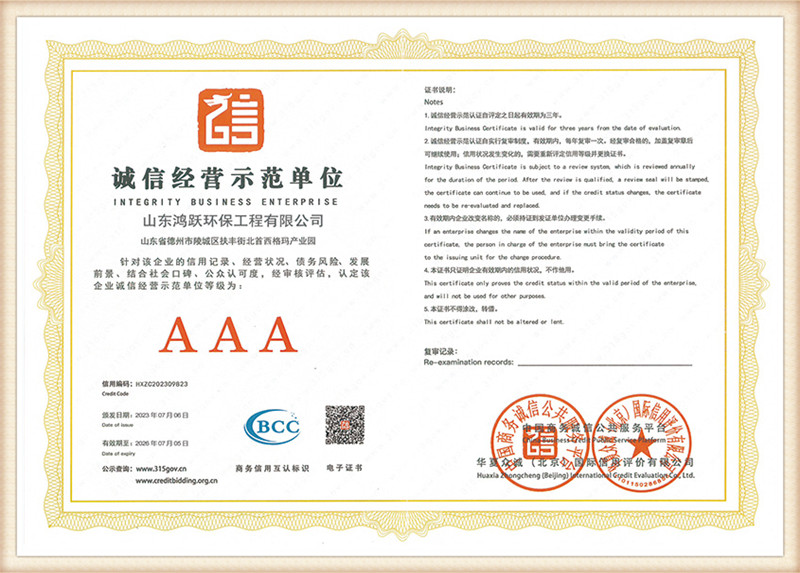
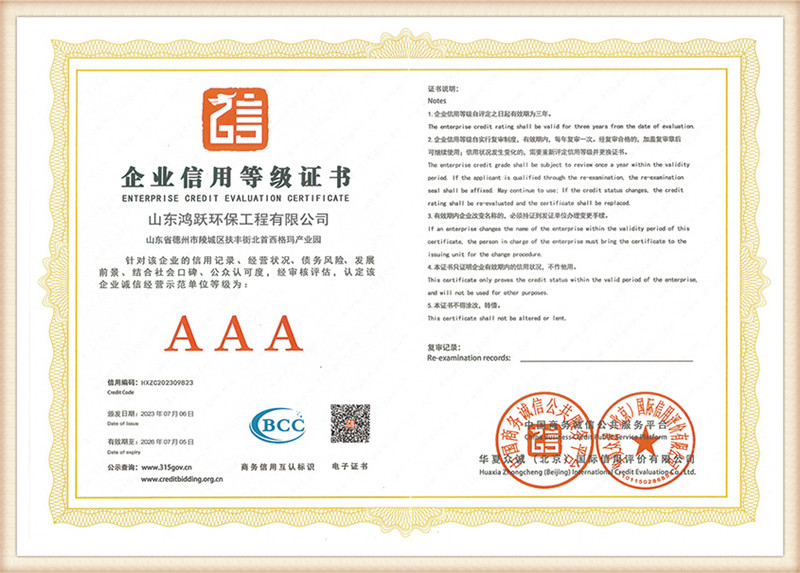
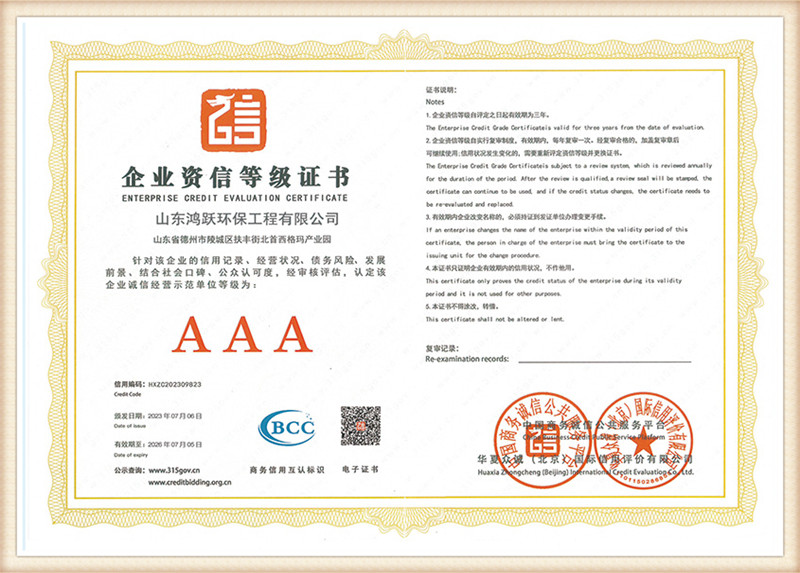
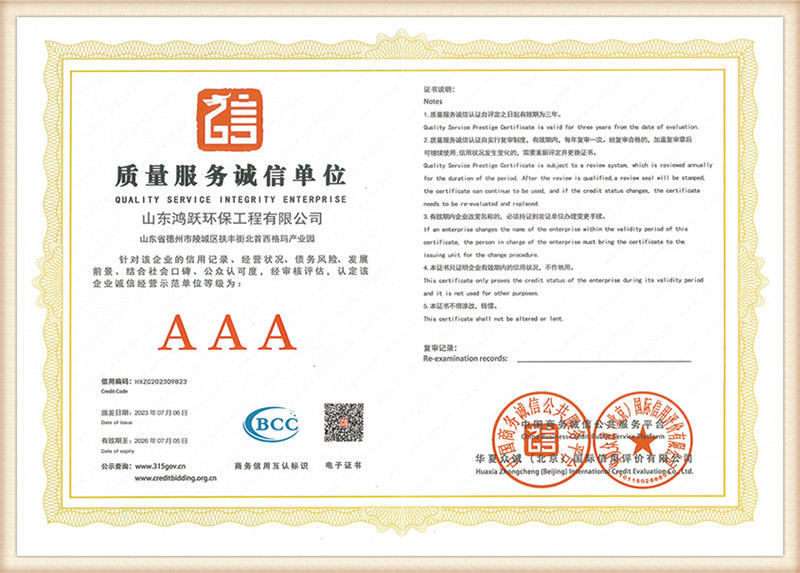
For global contractors, engineers, and municipal authorities sourcing materials for projects in Panama, balancing strict performance specifications with budget constraints is always a priority. Chinese manufacturing provides a key advantage in this regard: combining high-volume production efficiency with strict compliance to ASTM standards.
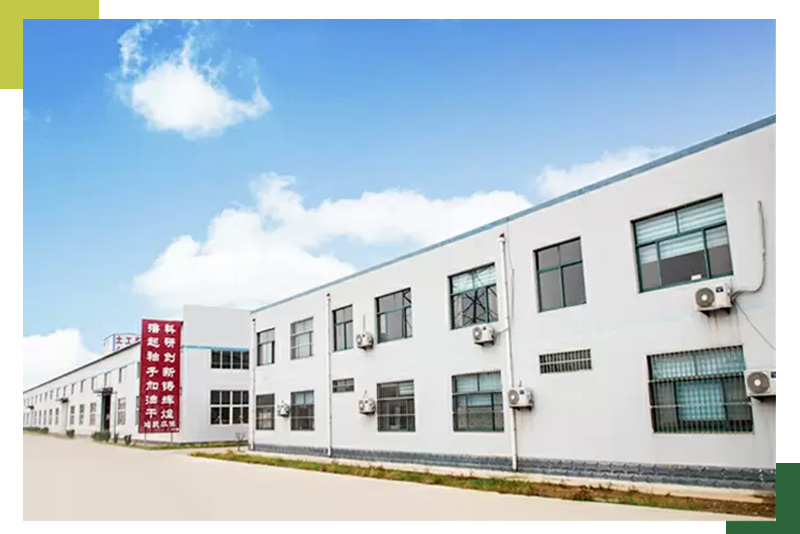
Located in the Lingcheng District of Dezhou, Shandong, **Shandong Hongyue Environmental Engineering Co., Ltd.** operates a state-of-the-art production base with a registered capital of 105 million yuan. We utilize advanced extrusion and lamination lines to produce high-density polyethylene geonets, composite drainage networks, and geosynthetic clay liners (GCL) that meet or exceed international standards.
By working with Shandong Hongyue, Panamanian buyers get direct access to factory pricing, custom width configurations, and extensive technical support. This direct model cuts out regional distributor markups, helping project managers stay within budget.
A behind-the-scenes look at how we manufacture high-performance geosynthetics at our Shandong facility.
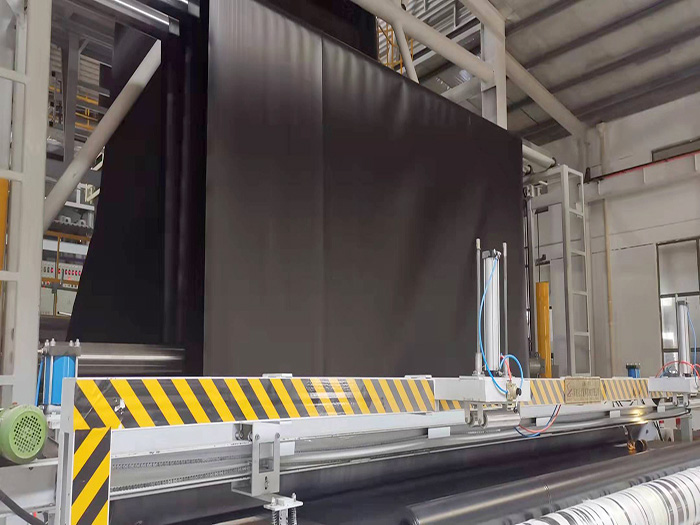
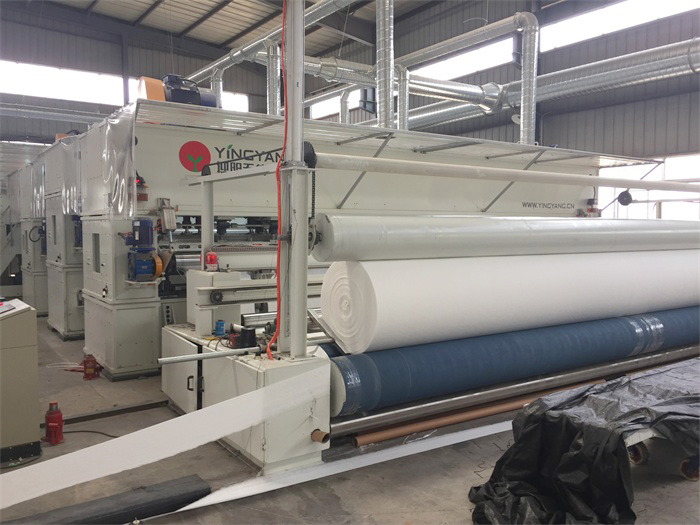
Shandong Hongyue uses multi-layer co-extrusion technology to manufacture its geonets, ensuring structural consistency across the entire width of each roll. For composite products (geonets laminated to geotextile filters), we utilize automated thermal bonding. This technique avoids the use of chemical adhesives that can degrade over time, ensuring the long-term integrity of the composite drainage system.
"Consistent drainage performance in high-pressure environments depends directly on the quality of raw materials and uniform rib thickness. Our on-site labs test every batch for tensile strength, transmissivity, and carbon black dispersion."
We start with premium virgin HDPE resins mixed with UV stabilizers and high-grade carbon black. This combination provides excellent resistance to chemical degradation and aging in hot, tropical soil conditions.
The molten polymer is extruded through precision tooling to form either bi-planar or tri-planar structural ribs. The exact angle and spacing of the ribs are controlled to optimize hydraulic transmissivity.
For drainage composites, geotextiles are thermally laminated to the geonet core. The finished roll is then tested in our quality control lab to verify both mechanical and hydraulic properties before shipment.
Follow these standard installation practices to ensure the long-term performance of geosynthetic systems on site.
Proper installation is critical to achieving the design flow capacity of geonets and drainage composites. This is especially true in regions like Panama, where heavy rainfall can quickly cause erosion on exposed slopes.
Detailed technical and logistical answers for civil engineers and procurement specialists sourcing materials for projects in Panama.
Explore our complete range of high-performance geosynthetic lining, filtration, and containment systems.
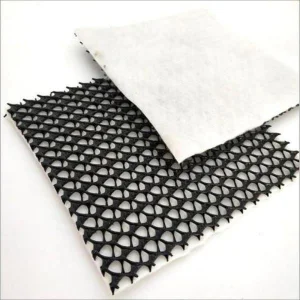
A composite system that combines high drainage capacity with reliable soil filtration for environmental landfill caps.
View Product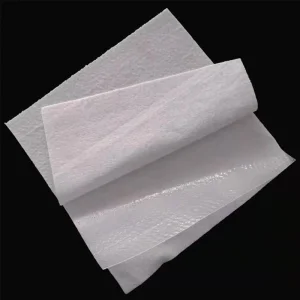
Laminated composite geomembrane engineered for lining channels, reservoirs, and retaining structures in tropical regions.
View Product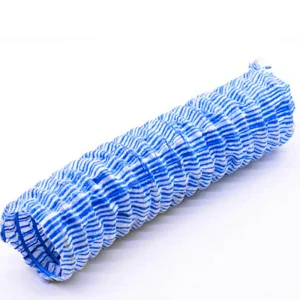
Flexible, permeable underground drainage pipes designed to manage groundwater in transit tunnels and foundations.
View Product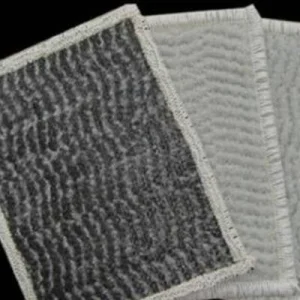
Self-sealing sodium bentonite clay liners designed for environmental containment in mines and waste storage facilities.
View Product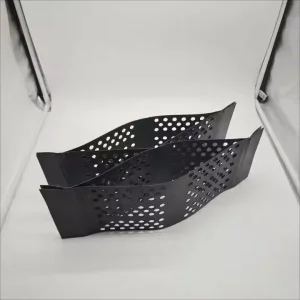
A three-dimensional cellular confinement system for soil stabilization, erosion control, and load support applications.
View Product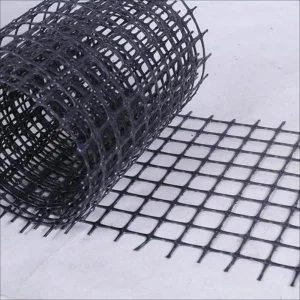
Biaxially stretched polymer geogrids designed to distribute heavy wheel loads and stabilize soft subgrades.
View Product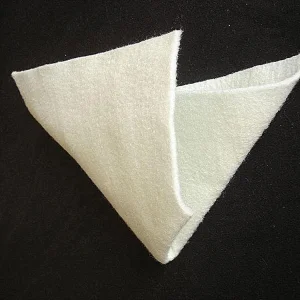
Needle-punched non-woven geotextiles engineered to separate and filter soils under asphalt and concrete runway systems.
View Product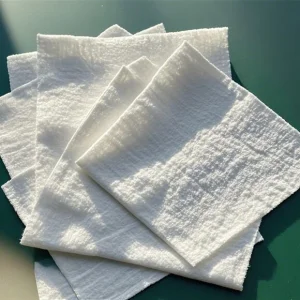
High-strength continuous filament non-woven geotextiles for hydraulic filtration and reinforcement in dam projects.
View Product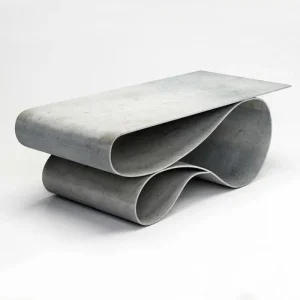
Flexible, concrete-impregnated fabric that hardens when hydrated to provide durable erosion protection for channels.
View Product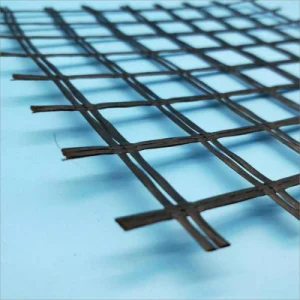
High-modulus glass fiber grids designed to minimize reflective cracking in heavily traveled asphalt overlays.
View Product
Permeable weed control fabrics designed to suppress weed growth while allowing water and nutrients to reach soils.
View Product
High-density geomembranes engineered for long-term resistance to high UV exposure and chemical containment.
View Product Hongyue