 Hongyue
1 / 3
It can withstand huge tensile and compressive forces. In road, railway and other projects, it can effectively disperse the load and improve the bearing capacity of the engineering structure.
It has good resistance to chemical substances such as acids, alkalis and salts. Under different geological and environmental conditions, such as humid and saline-alkali areas, it can still maintain stable performance and is not easy to be corroded and damaged.
It has excellent ultraviolet resistance and anti-aging ability. Even if it is exposed to the natural environment for a long time, it can still maintain its original mechanical and physical properties, ensuring the long-term stability of the project.
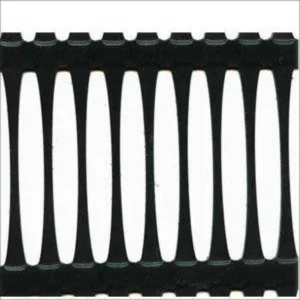
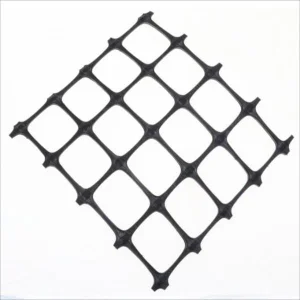
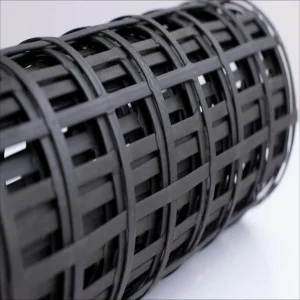
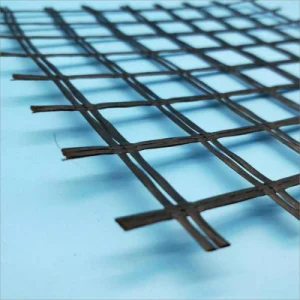
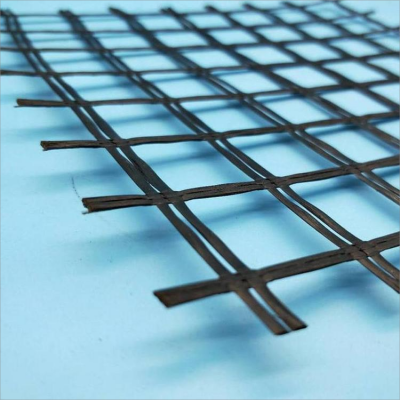
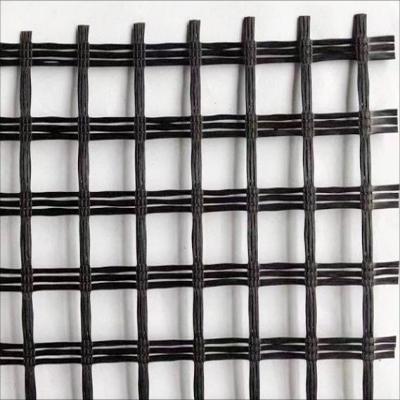
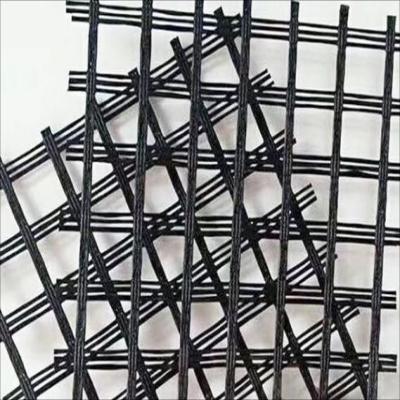
The grid structure is convenient for soil particles to embed, and can form a tight interlocking effect with the soil, so that the soil and the geogrid work together, effectively improving the overall stability and deformation resistance of the soil.
It is widely used in the construction and repair of roads. When building new roads, it is laid between the subgrade and the pavement, which can enhance the overall strength of the road structure and reduce the occurrence of pavement cracks. In the renovation of old roads, it can effectively suppress the development of reflective cracks, prolong the service life of the road and reduce the maintenance cost.
It is used for the reinforcement of railway subgrades, which can improve the bearing capacity of the subgrades, reduce the vibration and settlement generated during the train operation, ensure the smoothness and stability of the railway track, and guarantee the safe operation of the train.
In the construction of water conservancy facilities, such as dams and sluice gates, it can be used to reinforce the soil, prevent slope sliding and collapse, and enhance the stability and safety of water conservancy projects. It can also be applied to the anti-seepage and reinforcement of channels.
QWhat is glass fiber geogrid made of?
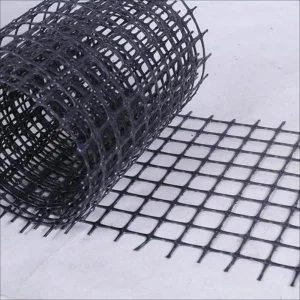
It is manufactured using alkali-free and untwisted glass fiber roving as the primary raw material, woven into a net-structured fabric and finished with a special surface coating.
QWhat are the key mechanical advantages of glass fiber geogrid?
It features high tensile strength, high modulus, and low elongation, which allows it to withstand significant load stresses and effectively reinforce engineering projects.
QHow does glass fiber geogrid prevent road damage?
When placed between the subgrade and pavement, it enhances the structural strength, minimizes new pavement cracks, and restricts reflective crack development in older road renovations.
QIs glass fiber geogrid suitable for harsh geological conditions?
Yes. Thanks to its excellent chemical corrosion resistance (against acids, alkalis, and salts) and strong anti-aging capabilities, it remains highly stable in humid and saline-alkali environments.
QHow does the geogrid interact with the surrounding soil?
Its grid layout allows soil particles to embed within it, creating a strong mechanical interlock. This integration enables the soil and the geogrid to work as a unified system to resist deformation.
QWhat roles does it play in water conservancy projects?
It is utilized to reinforce soil structures like dams and sluices, prevents dangerous slope slides or collapses, and supports the anti-seepage and reinforcement of irrigation channels.