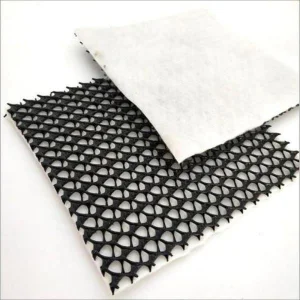
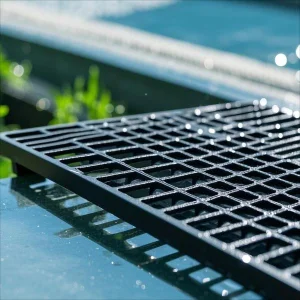
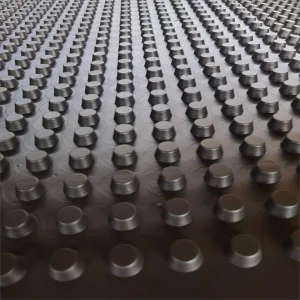
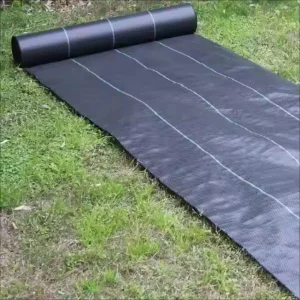
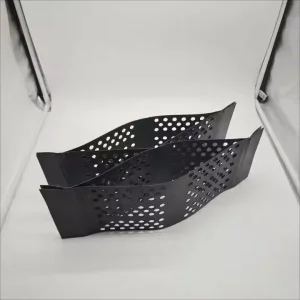
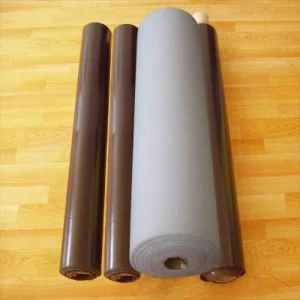
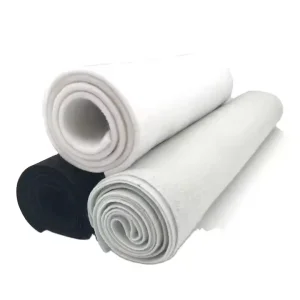
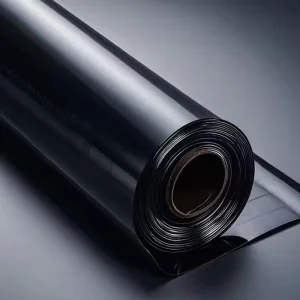
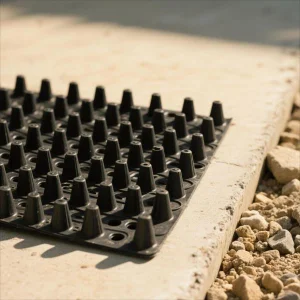
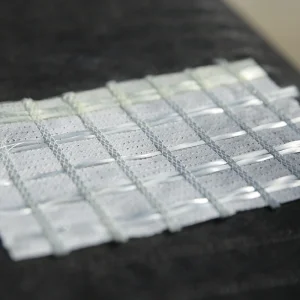
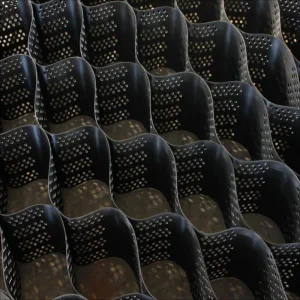
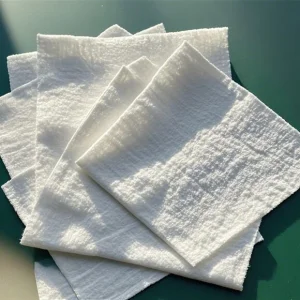
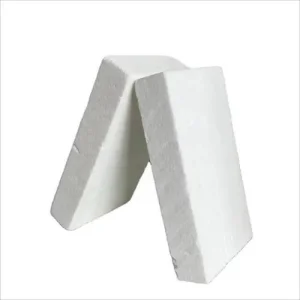
High-permeability core materials laminated with robust filter geotextiles designed to resist blinding and chemical attack.
Oman is undergoing an unprecedented infrastructural evolution. Under the visionary direction of Oman Vision 2040, massive investments are being funneled into logistics, tourism, waste management, and industrial zones. Port cities like Duqm, Sohar, and Salalah are transforming into global maritime epicenters, necessitating durable and high-performing geosynthetics for land reclamation, runway construction, and heavy-load container yard stabilization.
However, the Omani terrain presents extreme challenges for civil engineers. The combination of intense solar radiation (with surface temperatures exceeding 50°C), saline coastal winds, hyper-arid soils, and periodic flash flooding (Wadis) demands materials that do not degrade rapidly. Standard drainage systems fill with wind-blown sand or corrode under high salinity. This is where 3D composite drainage networks play a key role, replacing traditional, heavy gravel layers with thin, highly efficient polymeric geonets.
“Conventional aggregate drainage systems in the Middle East often experience premature failure due to sand intrusion and salt crystallisation. Modern synthetic 3D drainage grids provide a persistent, high-flow hydraulic pathway, significantly extending the service life of roads and landfills in Oman.”
When precipitation occurs in Oman, it is often intense and brief, causing destructive flash floods through ancient wadi systems. Effectively draining water away from highways, residential developments, and commercial properties is paramount to public safety. Using advanced geotextiles and composite drainage boards prevents road subgrade liquefaction, soil erosion, and structural foundation shift.
The transition from traditional mineral-based drainage layers to advanced polymeric systems has become global standard practice.
On a global scale, the geotechnical industry is heavily leaning towards environmental sustainability and carbon footprint reduction. Traditional gravel drains require massive fuel consumption for quarrying, transportation, and layer-by-layer compaction. A single truck of 3D composite drainage nets replaces up to 150 truckloads of traditional gravel, resulting in up to an 85% reduction in project transport-related emissions.
In addition, global quality standards have tightened. Testing parameters specified by international bodies such as ASTM International and EN ISO require precise verification of index values like Transmissivity (fluid flow rate under pressure), Tensile Strength, Peel Strength (between the geonet core and the geotextile filter), and UV degradation resistance. Large international engineering firms acting as consultants in Oman (such as Parsons, Atkins, and AECOM) require strict verification and certification compliance before approving geotechnical brands on their vendor lists.
Integrative design, development, high-speed manufacturing, and direct global export of engineering geosynthetics.
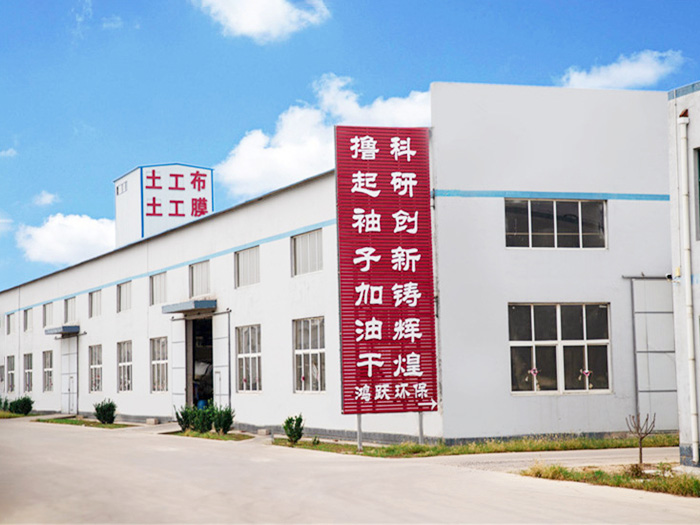
Located in the Lingcheng District of Dezhou, Shandong Province, Shandong Hongyue Environmental Engineering Co., Ltd. is a scientific and technological geotechnical material manufacturer integrating engineering material production, sales, design, and construction services. Registered with a capital of 105 million yuan, we stand as one of the largest production bases of geotechnical materials in China today.
Since our establishment, we have achieved rapid growth. Our expansive product portfolio covers geotextiles, geomembranes, composite geomembranes, waterproof boards, bentonite waterproof blankets, 3D composite drainage networks, flexible pervious pipes, geocells, woven grass-proof cloths, and new materials like cement blankets.
Our company is a proud member of the Dezhou Geotextile Association. The high-performance materials we manufacture are extensively applied in highways, railways, bridges, tunnels, reservoir canals, landfill facilities, mining operations, and large-scale agricultural projects worldwide.
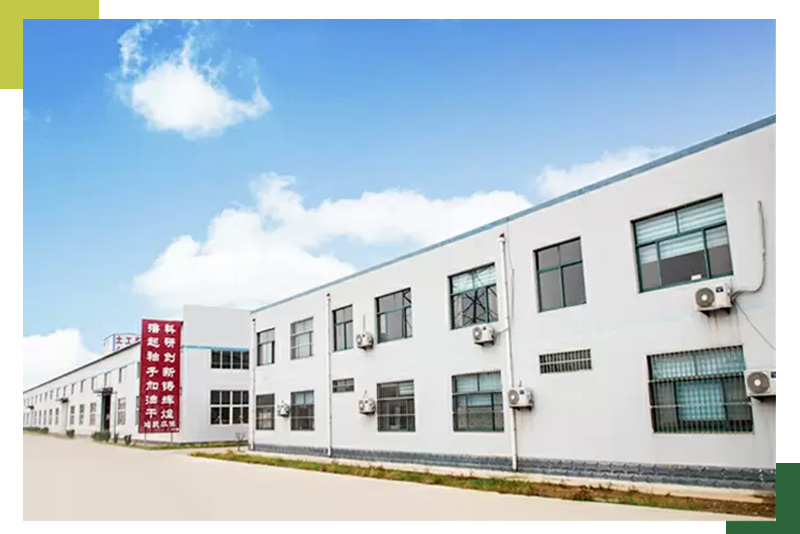
Our production facility implements state-of-the-art automated polymer extruders, needle-punching lines, and thermal bonding units to guarantee precise material property output.
We have successfully obtained ISO9001 International Quality System Certification, ISO14000 Environmental System Certification, and ISO45001 Occupational Health and Safety Management System Certification.
Utilizing our geographical proximity to the Qingdao Port, we ensure seamless sea freight routes to Muscat (Port Sultan Qaboos) and Sohar Port, providing competitive shipping times and wholesale pricing.
Take a virtual walk through our advanced production lines and inspection facilities.
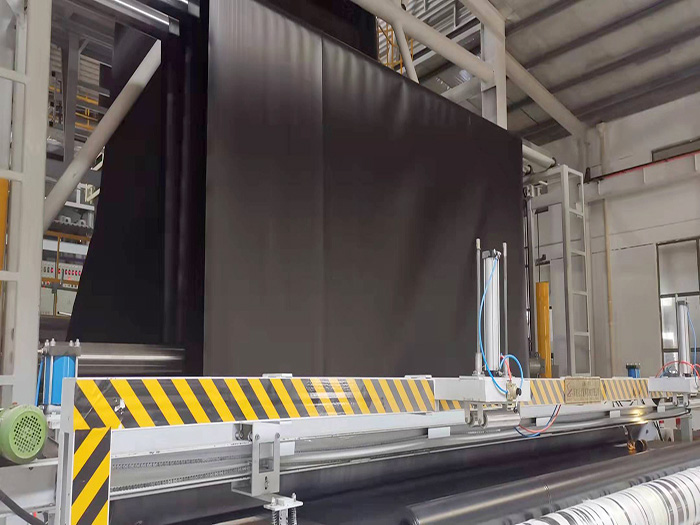
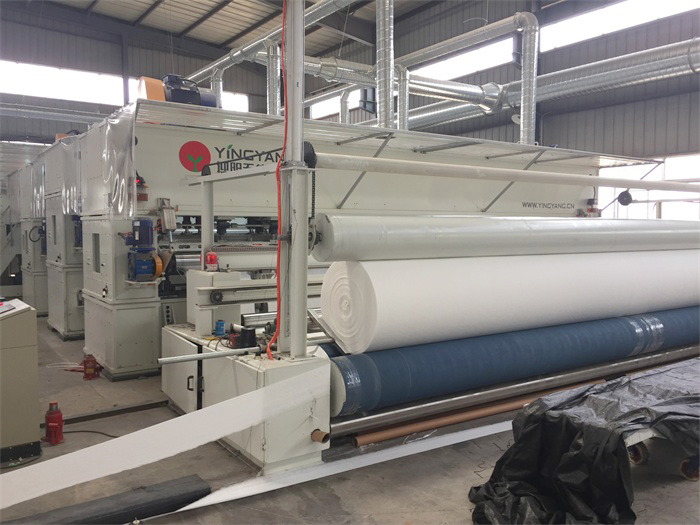
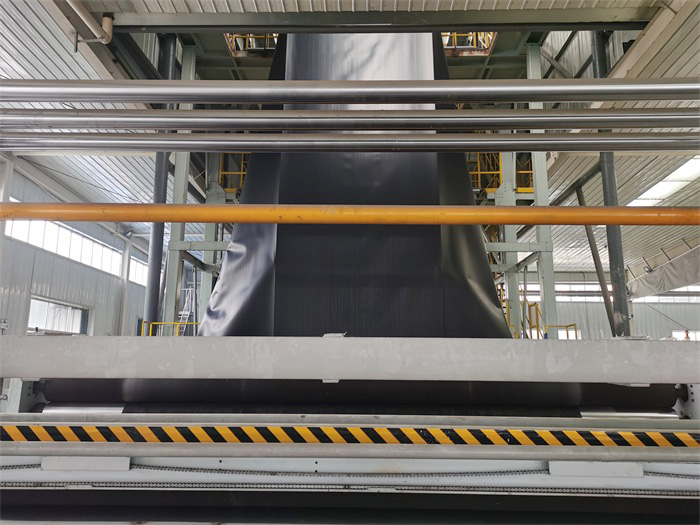
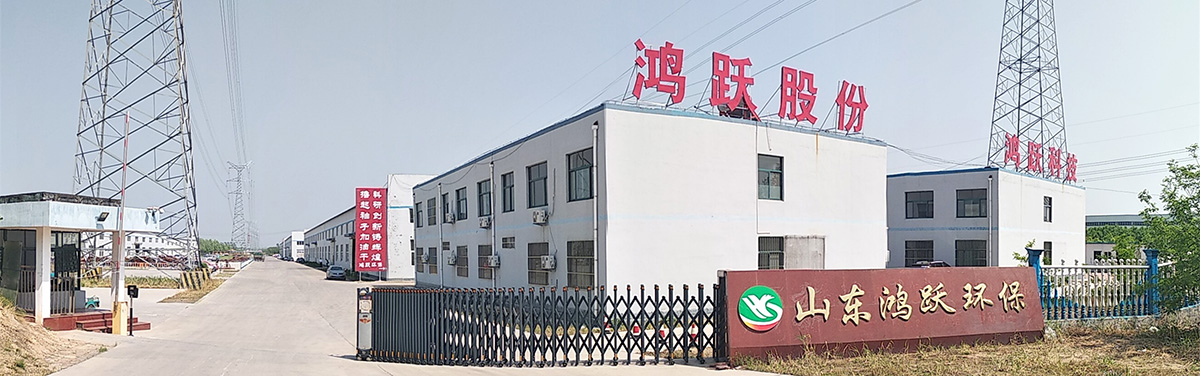
Our quality management division carries out internal batch tracking of raw polypropylene and high-density polyethylene chips before they feed into the extrusion hoppers. Test criteria cover melt index (MFI), carbon black distribution, moisture levels, density, and basic polymer purity. Advanced computerized cameras monitor the non-woven web uniformity, detecting tiny pinholes or density drops instantly.
Detailing the precision steps behind the high structural integrity of our geosynthetic materials.
Only premium polyester chips, polypropylene filament, and virgin HDPE resin are selected. Our laboratory tests and stores incoming raw materials under controlled dry storage conditions to maintain molecular stability.
Raw polymers are melted at exact high temperatures in our screw extruders. Polypropylene filament and viscose fibers are mixed. Temperature, screw RPM, and hydraulic pressure parameters are continuously adjusted to assure uniform melt properties.
The molten polymer is extruded through specialized spinnerets or custom molds to shape the 3D grid layout or geotextile mesh. Fiber orientation and thickness are controlled dynamically to preserve uniform physical characteristics.
For composite drainage networks, the 3D geonet core is thermally bonded with the non-woven geotextile filter. Draft curing parameters dictate the ultimate tensile strength, creep resistance, and aperture consistency under load.
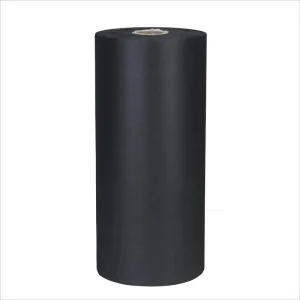
The composite drainage roll is carefully rolled, measured, and wrapped in heavy-duty UV-protective film. Roll labeling includes physical dimensions, production run number, and chemical specification values.
Samples from every batch undergo tensile testing, peel resistance validation, and hydraulic transmissivity checks under pressure. Only certified batches are cleared for shipping to global markets, including Oman.
Efficient containment, sand filtration, and hydraulic transmissivity engineered for Oman’s hyper-arid and coastal ecosystems.
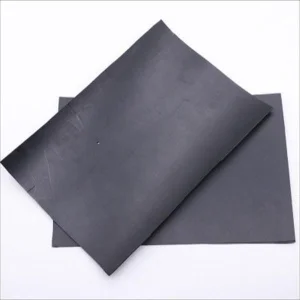
Within reservoir constructions, geomembranes act as the primary barrier preventing precious water leakage through rocky, fractured wadi beds. Extreme heat accelerates evaporation, making leak prevention critical. HDPE geomembranes, when layered with a backing layer of non-woven geotextile and a 3D composite drainage net underneath, form a modern double-barrier system. This layout permits detection of any lining breach and safely diverts drainage without subgrade erosion.
For municipal canal routing and coastal dike reconstruction, our anti-seepage geotextiles protect the banks from soil loss. The high salt concentration in coastal soils near Muscat and Sohar demands that the composite layers do not undergo chemical degradation or environmental stress cracking. Our special formula incorporates chemical stabilizers to protect against high salinity and UV damage.
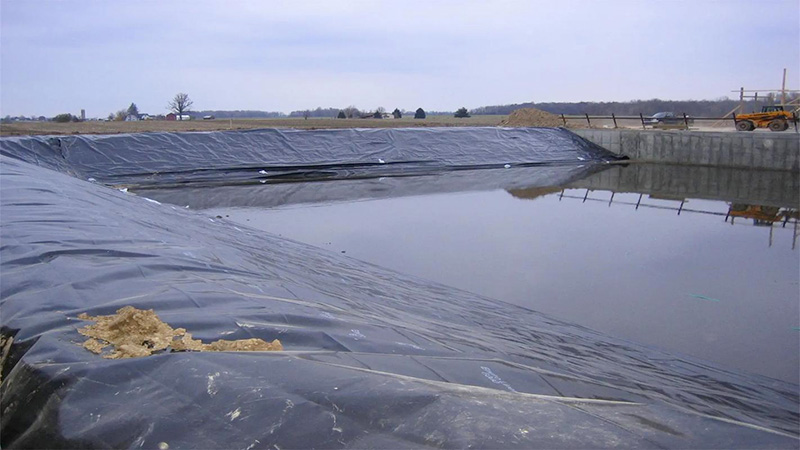
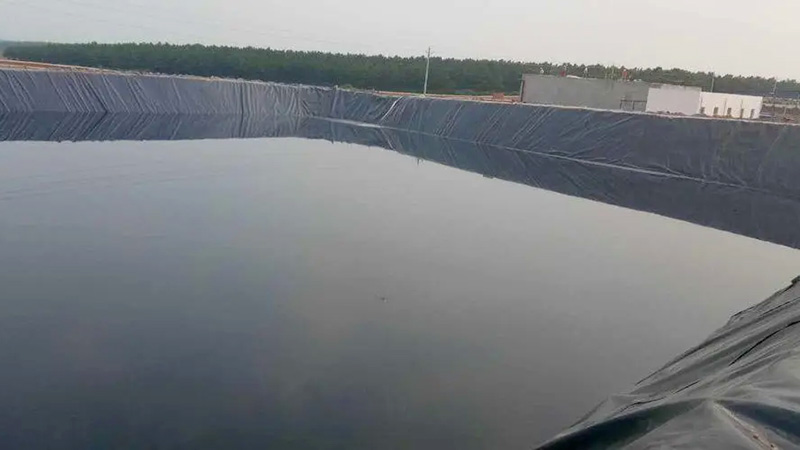
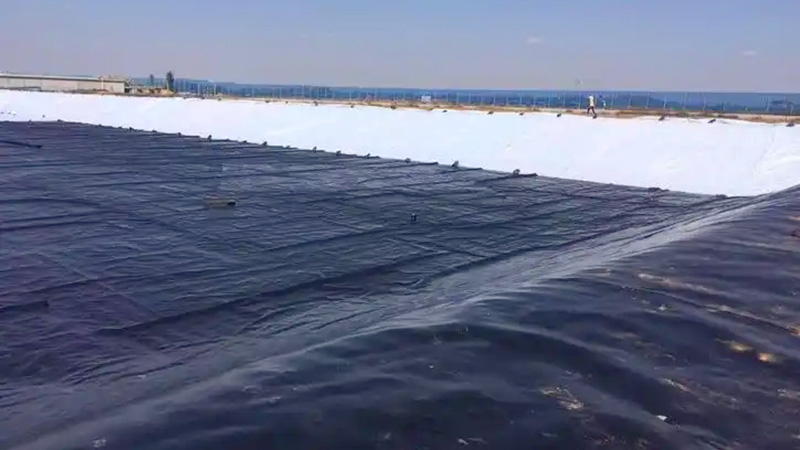
Applying the right combination of geotextiles, geomembranes, and geonets ensures long-term drainage path integrity.
1. Anti-Seepage
Ensuring continuous water retention in reservoirs and canals.
2. High UV Protection
Additives preventing polymer chain degradation in Middle Eastern solar conditions.
3. Separation
Preventing sub-base soil mix from invading the high-flow geonet core.
From landfill containment layers to slope reinforcement structures, our certified products ensure structural stability.
Addressing common engineering and logistics questions from professional B2B procurers in Oman.
Partner with Shandong Hongyue for high-capacity 3D composite drainage networks, geomembranes, and geotextiles. Get in touch with our engineering team for customized solutions, free samples, and direct factory pricing.
 Hongyue