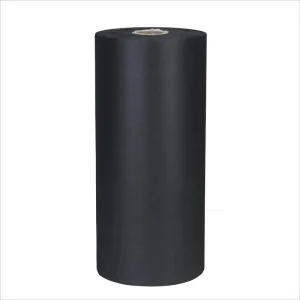
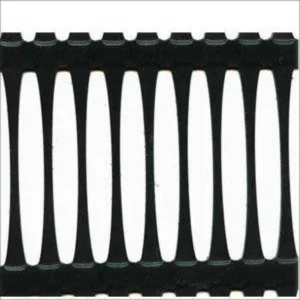
Engineered to withstand extreme environmental variations. Sourced directly from our state-of-the-art Chinese manufacturing plant.
Malakal, located in the Upper Nile region of South Sudan, presents a highly challenging environment for civil and hydraulic infrastructure. The area experiences heavy seasonal precipitation fluctuations coupled with unstable riverbed soils along the White Nile. Traditional concrete structures are highly prone to cracking due to high soil expansiveness (black cotton clay / vertisols) and temperature extremes.
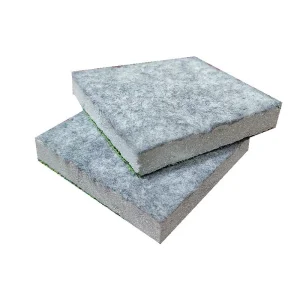
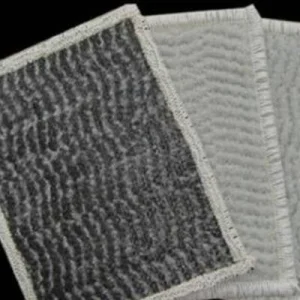
Introducing GCCM (Geosynthetic Cementitious Composite Mats), colloquially known as cement blankets, has revolutionized infrastructure delivery. In contrast to conventional poured concrete, cement blankets offer flexible, durable, and highly efficient erosion control. By eliminating the need for heavy on-site mixing machinery and concrete trucks, cement blankets dramatically lower execution times and project costs under local Malakal procurement constraints.
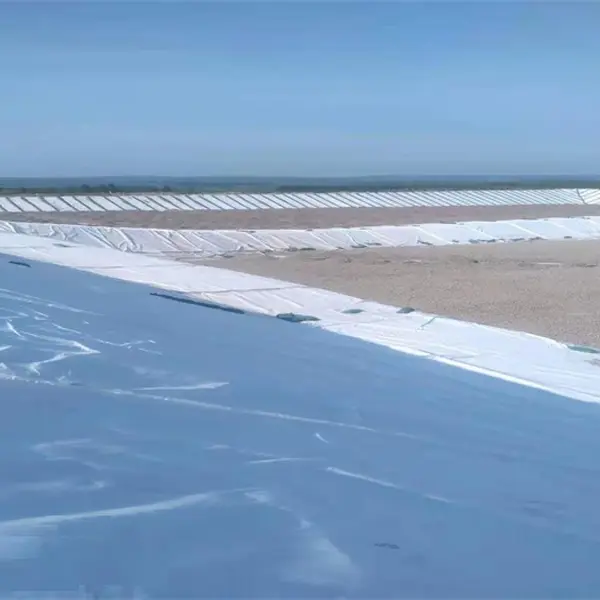
Shandong Hongyue Environmental Engineering Co., Ltd. delivers the supply chain muscle required for major national-scale civil works.
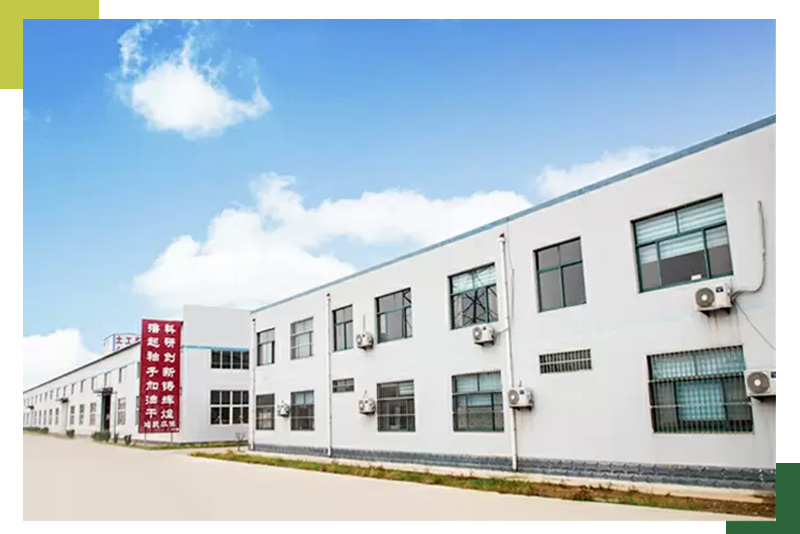
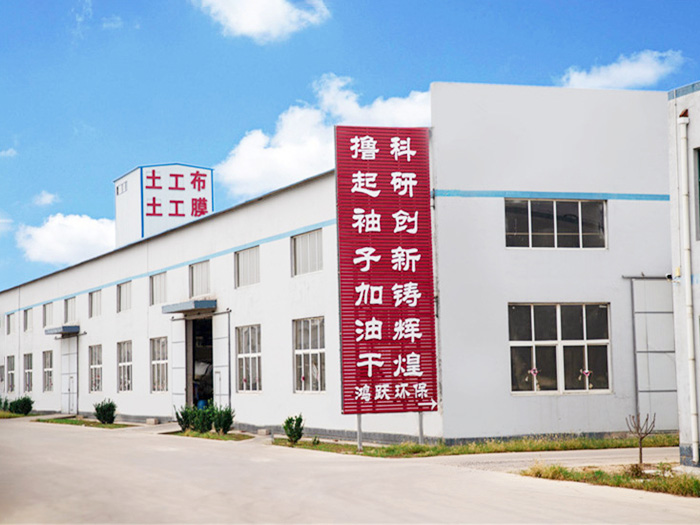
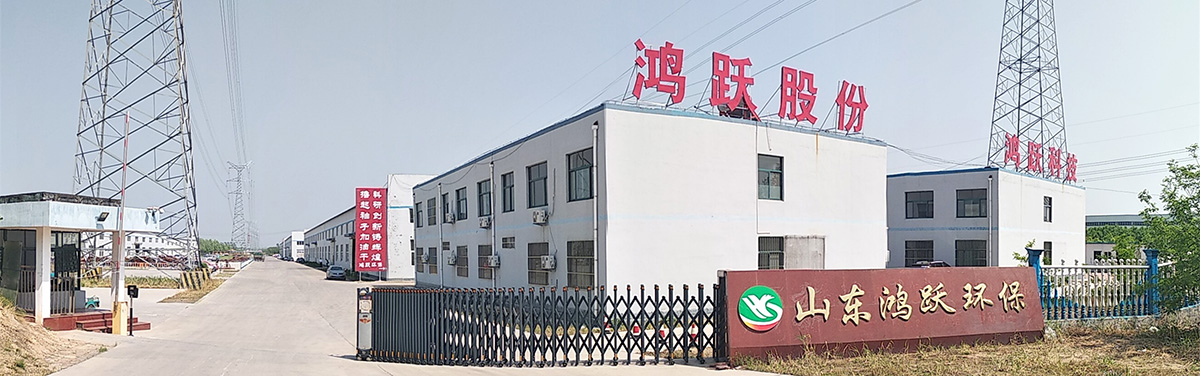
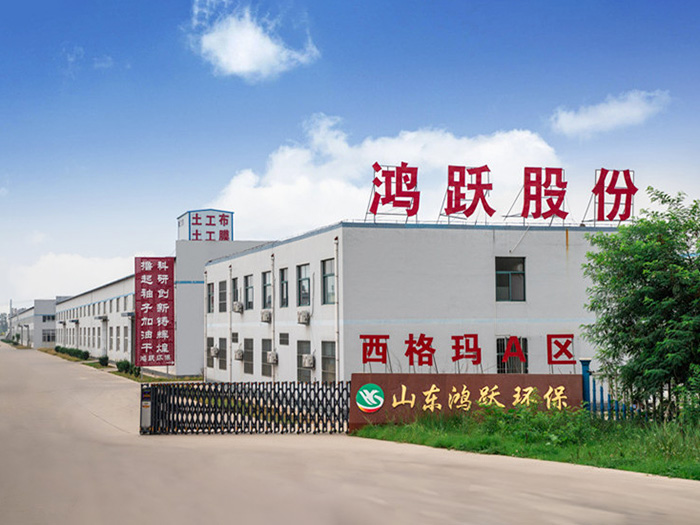
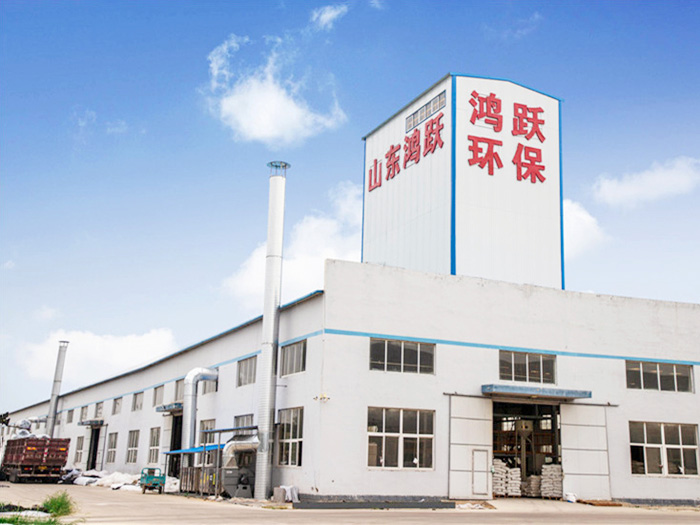
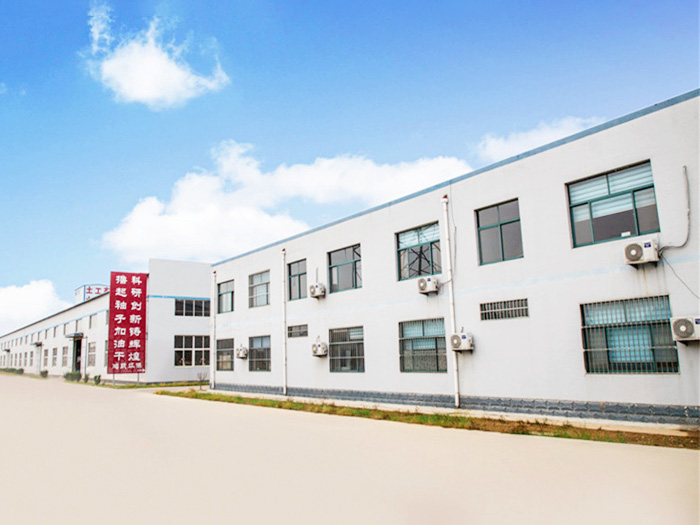
Located at the north end of Fufeng Street, Lingcheng District, Dezhou, Shandong Province, Shandong Hongyue Environmental Engineering Co., Ltd. is a leading scientific and technological geotechnical material manufacturer. We integrate engineering material production, sales, design, and professional construction services. The company was registered in the Lingcheng District Market Supervision and Administration Bureau of Dezhou City on April 6, 2023, with a registered capital of 105 million yuan.
Our strategic position in Dezhou, Shandong Province—one of the largest production bases of geotechnical materials in China—allows us to leverage superior logistical connections, guaranteeing quick dispatch and delivery to international ports feeding East African markets like South Sudan via Port Sudan and Mombasa.
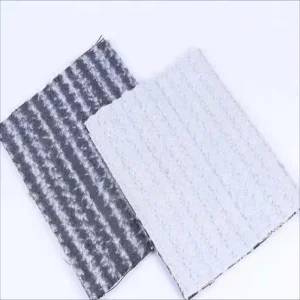
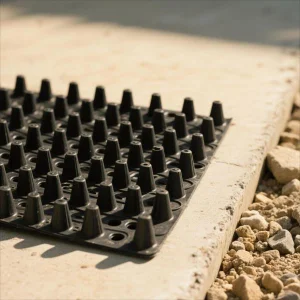
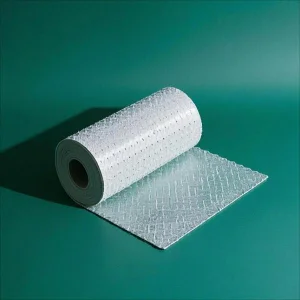
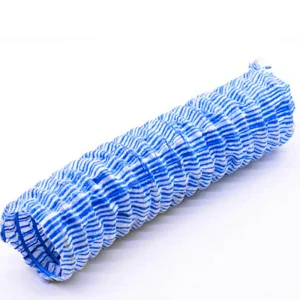
Our comprehensive product range includes geotextiles, geomembranes, composite geomembranes, waterproof boards, bentonite waterproof blankets, 3D composite drainage nets, (composite) drainage boards, geotextile weaving cloths, membrane bags, blind ditches, flexible pervious pipes, and high-performance cement blankets.
Our operations are backed by professional sales and technical engineering teams. As active members of the Dezhou Geotextile Association, our products are widely utilized across highways, railways, bridges, tunnels, reservoir and canal water conservancy works, artificial lakes, environmental landfill containment systems, aviation ports, mining leach pads, and modernized agricultural designs.
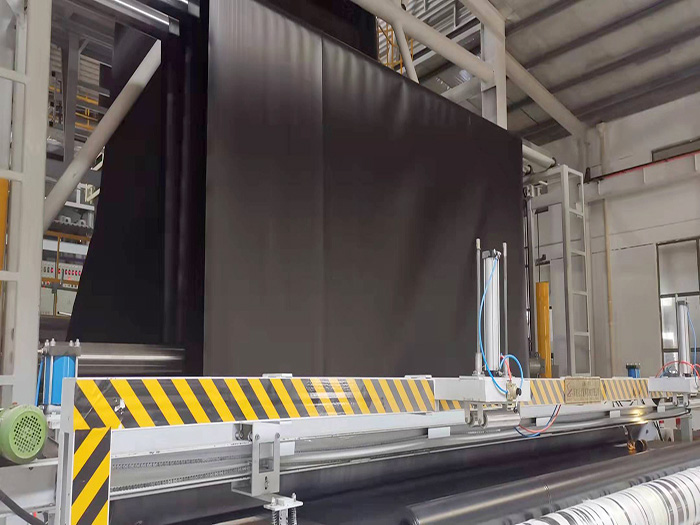
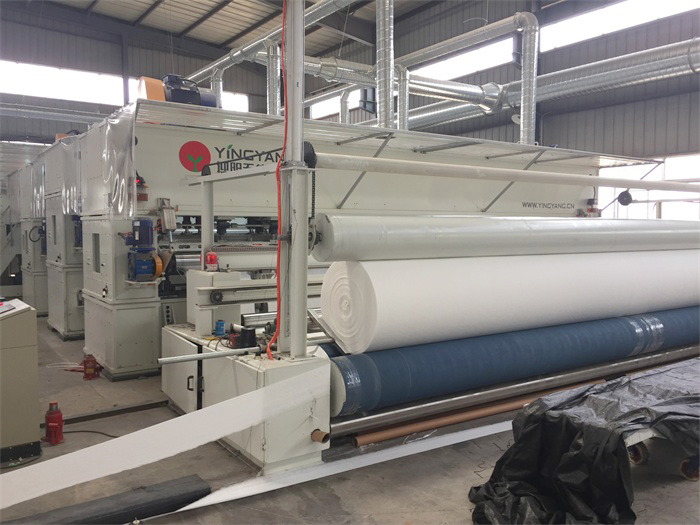
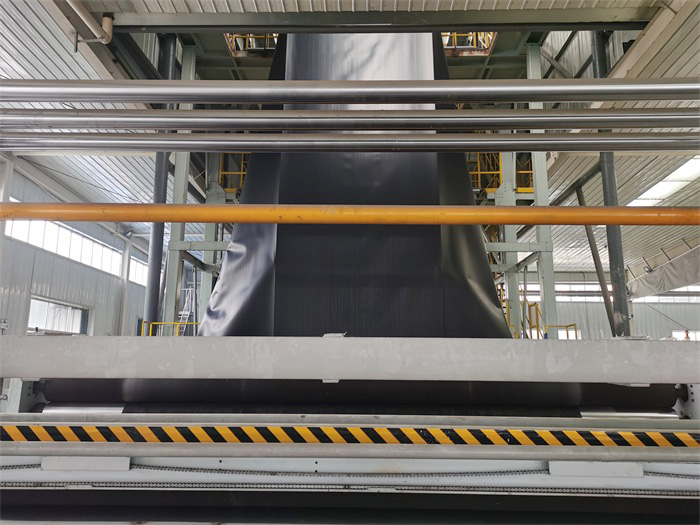
Strict international quality management systems monitored across all stages of geotextile needle-punching and GCCM assembly lines.
Eco-friendly manufacturing processes ensuring sustainable sourcing and minimal carbon footprint for green building applications.
Occupational health and safety standards that protect our operators and guarantee highly consistent industrial output.
Explore the physical footprint and high-tech machinery of our Dezhou manufacturing plant, designed to scale up to 10,000 sqm of cement blankets daily.
A step-by-step technical breakdown of how we ensure physical property stability and structural integrity.
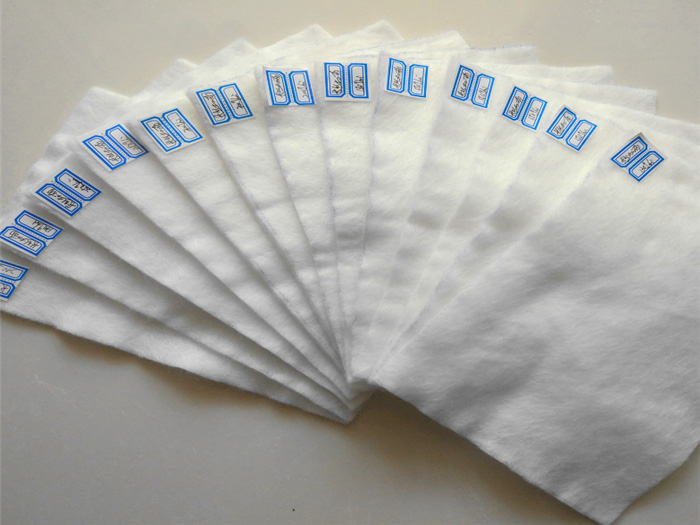
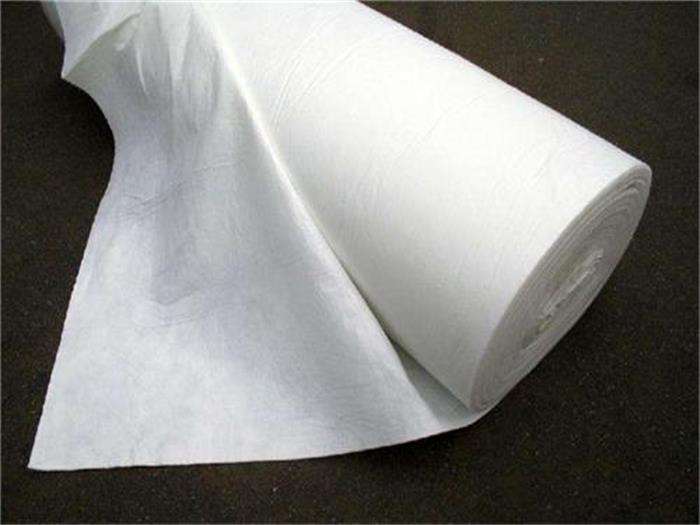
Geotextiles and cement blankets are critical elements in civil engineering. Functions such as filtration, isolation, reinforcement, protection, and anti-seepage control require the production process to be monitored across key segments.
The primary raw materials are high-grade polyester chips, polypropylene filament, and viscose fibers. These undergo strict molecular density and chemical stability testing to ensure high environmental durability.
Polyester chips are melted at high temperatures and extruded using precise twin-screw extruders. Polypropylene filament and viscose fibers are integrated to establish structural uniformity.
The molten fiber mix is extruded through custom spinnerets, creating fine fibers that form a multi-directional net structure on a moving conveyor belt, ensuring isotropic strength distribution.
To lock the structural integrity, the web is processed through draft rollers under high temperatures, optimizing tensile strength, dimensional stability, and puncture resistance.
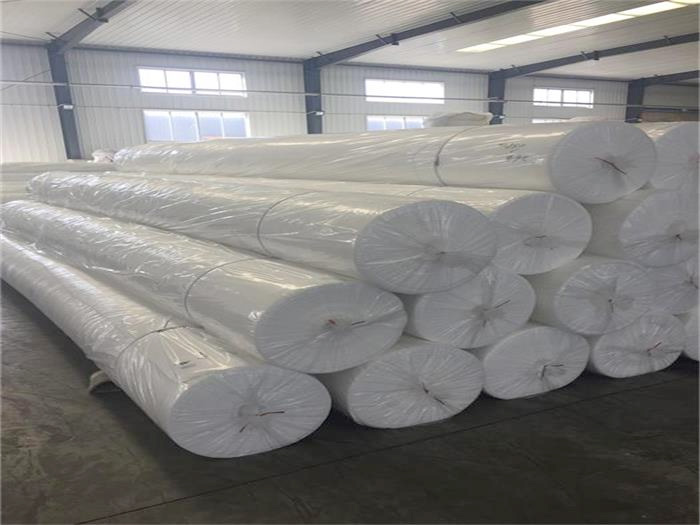
Post-curing, the material is measured for uniform thickness and width, before being rolled and packaged in weather-resistant wrapping designed for sea transit.
Random samples undergo physical performance tests (grab tensile strength, CBR puncture index, and water permeability) to verify compliance with CE and ISO international requirements.
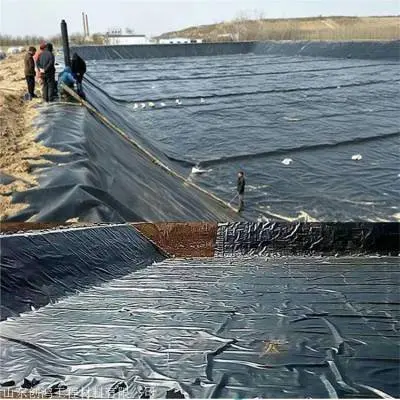
Selecting, laying, and maintaining geomembranes is critical to prevent leaks in reservoirs, canals, and landfill designs.
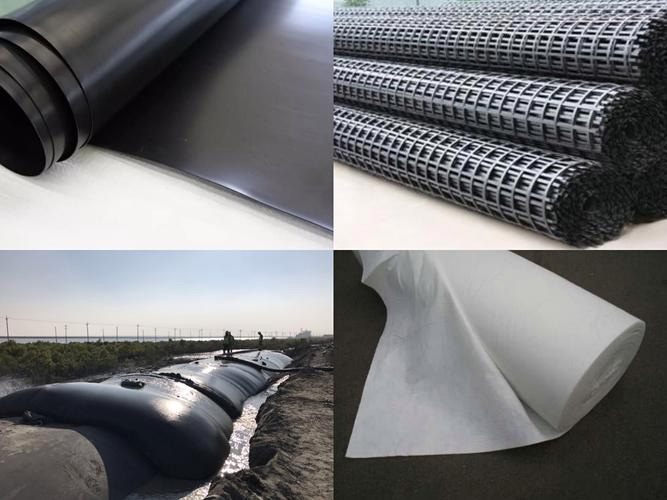
A high-performance geomembrane serves as the primary barrier against environmental contamination and water loss. Proper on-site management guarantees system performance.
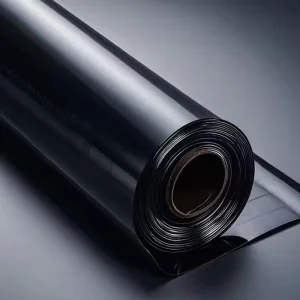
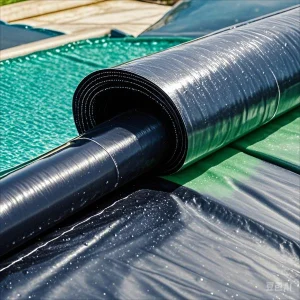
We supply both HDPE (High-Density Polyethylene) for high chemical resistance (landfills, mining tailing ponds) and LLDPE (Linear Low-Density Polyethylene) for high flexibility and elongation under structural shifting. Thickness range: 0.3mm to 2.0mm.
The substrate must be leveled, compacted, and cleared of sharp rocks, vegetation, and debris. Overlap segments must be aligned cleanly (typically 10-15cm overlap) to prepare for double-track thermal wedge welding.
A protective soil or concrete cover is applied over the geomembrane to shield it from UV degradation. Regular inspection of anchor trenches and exposed seams ensures the long-term performance of the containment system.
A review of erosion control, flood mitigation, and water containment designs using geosynthetic composites.
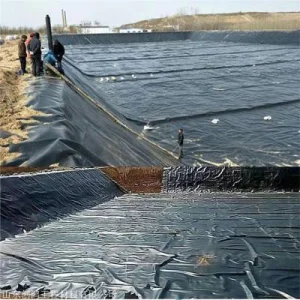
In water conservancy projects, managing water movement while preventing erosion is a constant challenge. Because reservoirs are often built in valleys with complex geology, maintaining bottom integrity is crucial. Under high hydraulic pressures, water can seep into underlying rock strata, causing loss of water resources and compromising the stability of the surrounding slopes.
Using composite geomembranes and fiber-reinforced cement blankets addresses these challenges. The geomembrane acts as an impermeable barrier, while the cement blanket serves as a robust armor layer. This combination shields the liner from mechanical damage, wave action, and UV exposure.
For canal construction, this system significantly reduces hydraulic friction compared to rough soil channels. This increases water transport velocities and minimizes losses from seepage, which is vital for irrigation networks in arid regions like South Sudan.
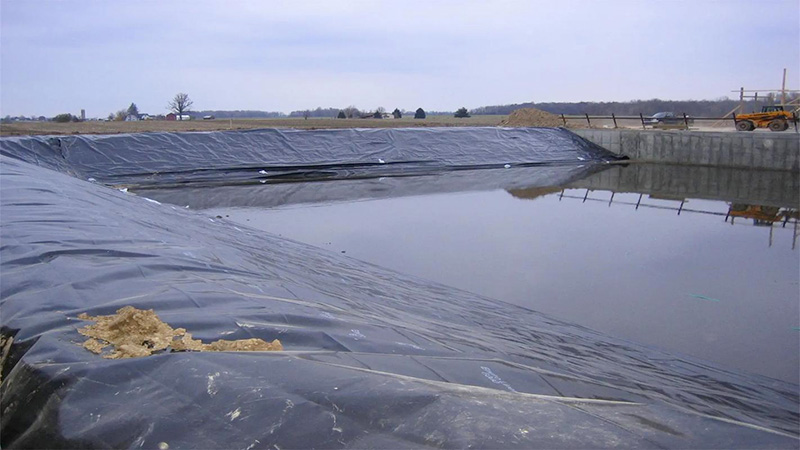
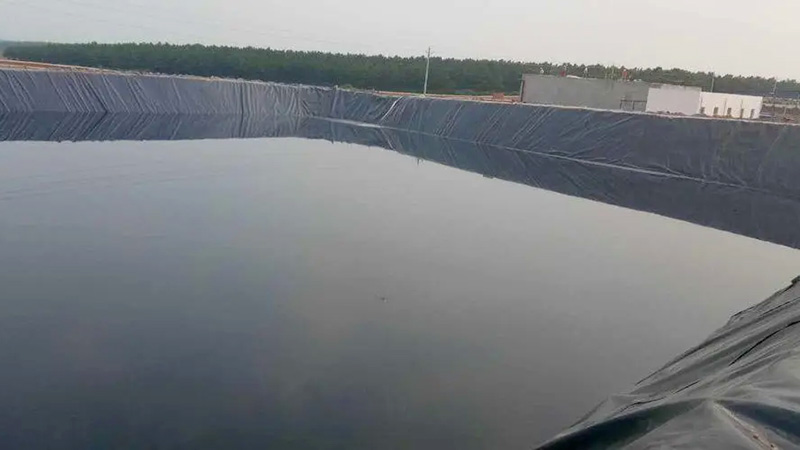
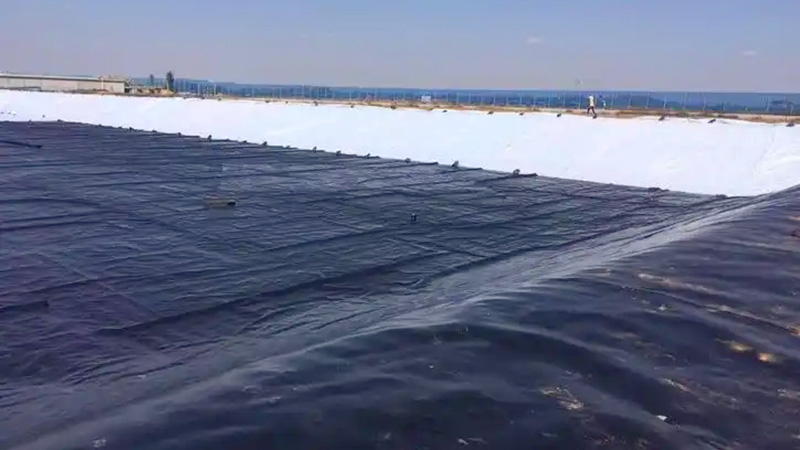
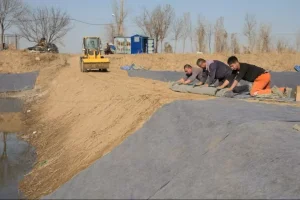
Riverbanks and channels are subject to continuous shear stress from currents, leading to bank collapse and loss of land. Applying Hongyue Glass Fiber Cement Blankets stabilizes slopes by providing a solid armor layer.
When hydrated, the cement blanket forms a durable, fiber-reinforced concrete layer that conforms to the shape of the soil channel. This prevents underscouring and localized washouts, making it a reliable solution for flood mitigation and channel restoration.
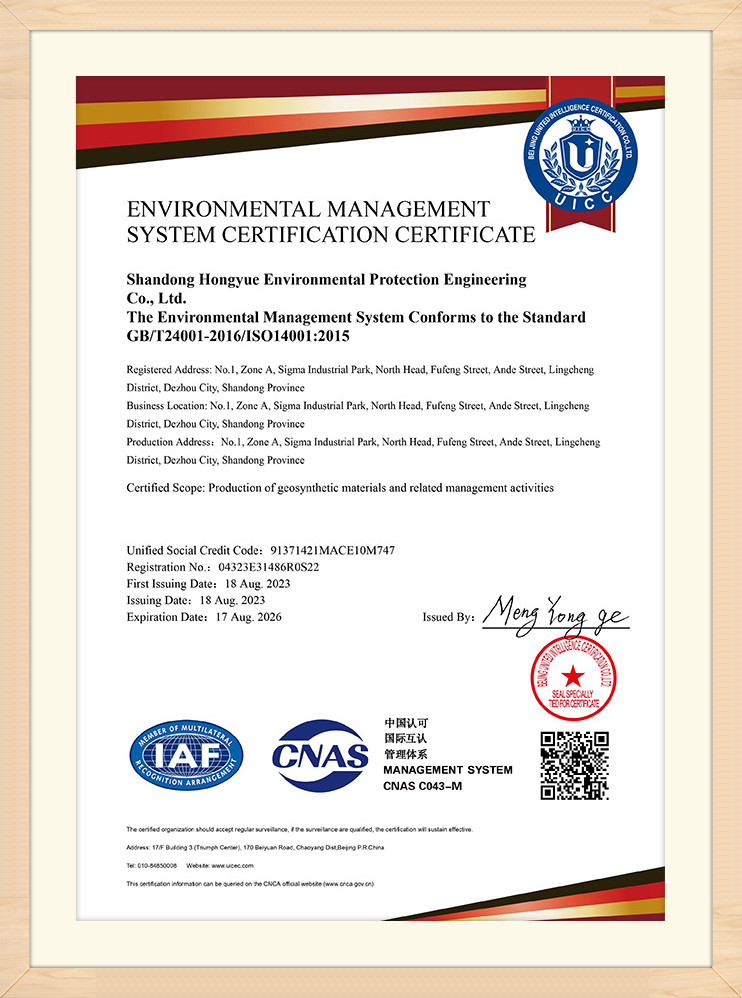
How we ensure all materials comply with domestic and international engineering requirements.
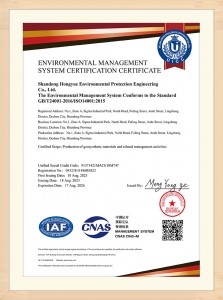
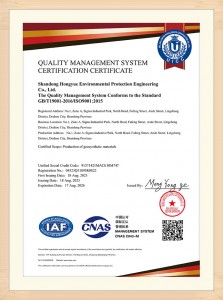
Shandong Hongyue Environmental Engineering Co., Ltd. has established a complete and scientific management system. We use advanced production technologies and testing instruments to verify the physical properties of our materials.
Every product batch is tested by the China National Testing Center and complies with national quality supervision requirements. This ensures our materials maintain high tensile strength, low permeability, and strong chemical resistance under demanding field conditions.
With engineers and technicians boasting over 10 years of experience, we provide professional design and consulting support. This helps project owners select the optimal geosynthetic configurations for their specific project needs.
A logistical and commercial roadmap for procurement managers ordering geosynthetics for East African projects.
We pack our cement blankets in tight, moisture-proof rolls, maximizing container volume utilization. This lowers ocean freight costs per square meter to Port Sudan or Mombasa.
We manufacture custom roll widths and lengths to match canal cross-sections in Malakal. This reduces on-site cutting waste and speeds up installation.
Every shipment is accompanied by CE testing certs and ISO quality compliance sheets, streamlining custom clearance procedures in African trade hubs.
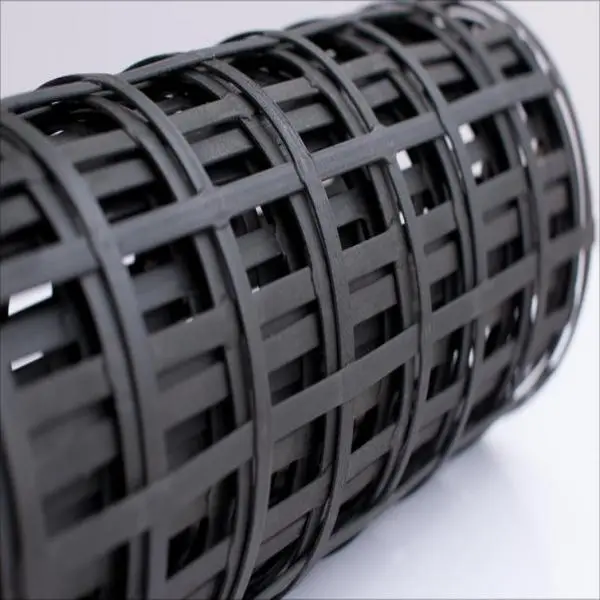
Explore our selection of drainage, reinforcement, and anti-seepage products tailored for challenging soil conditions.
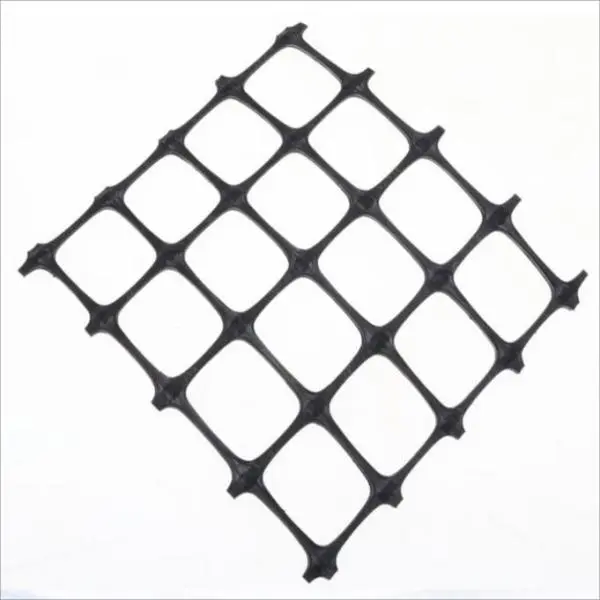
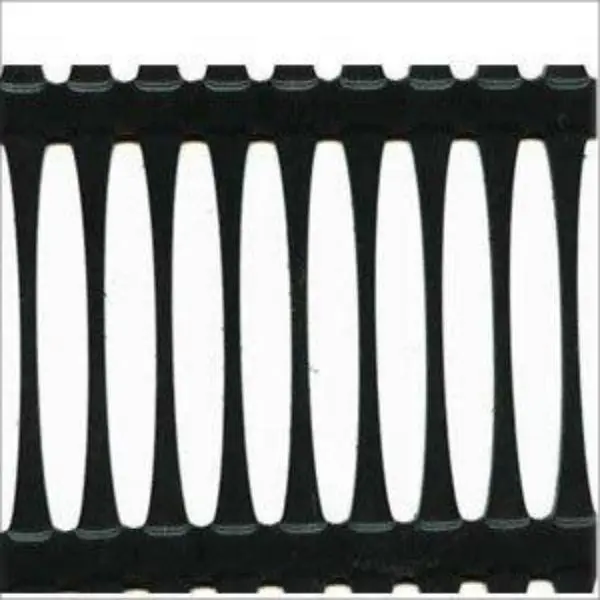
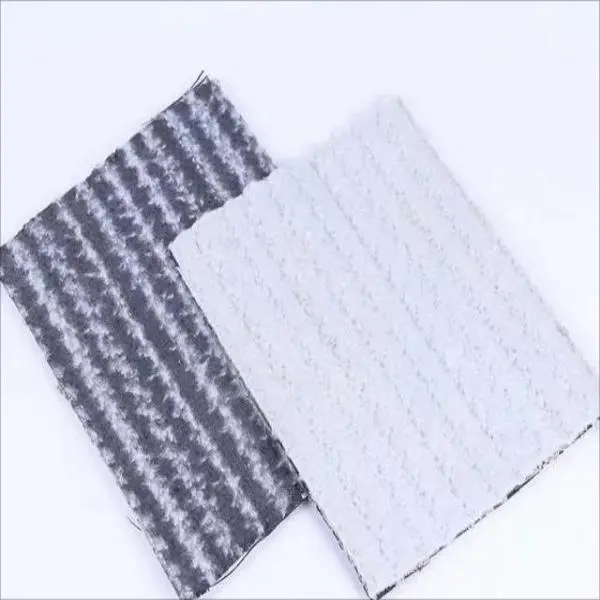
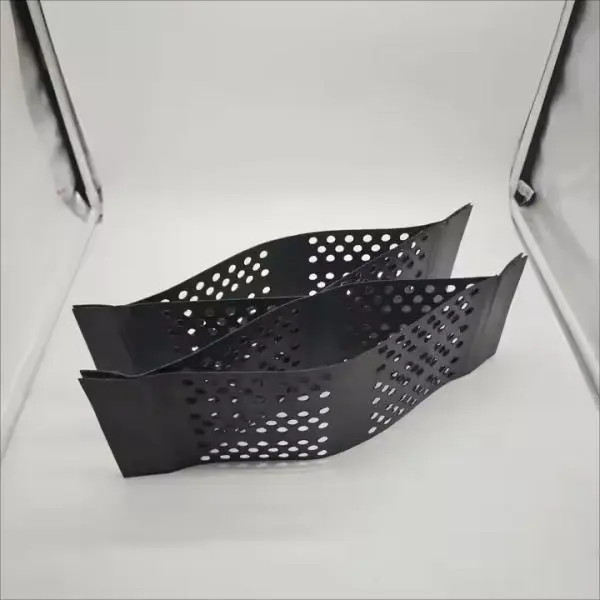
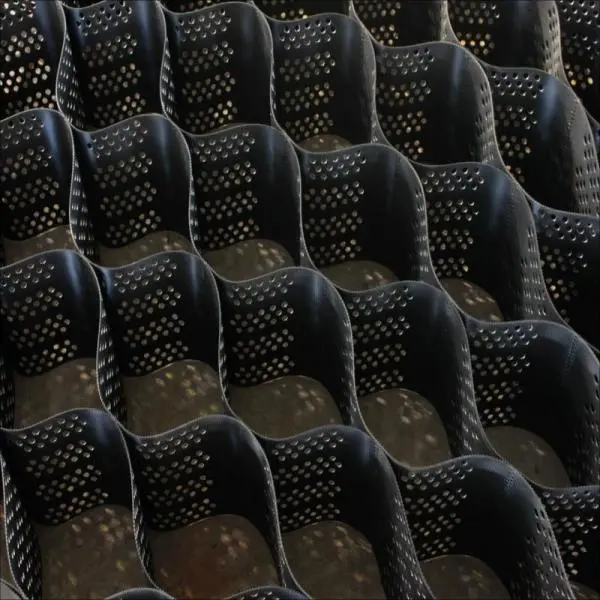
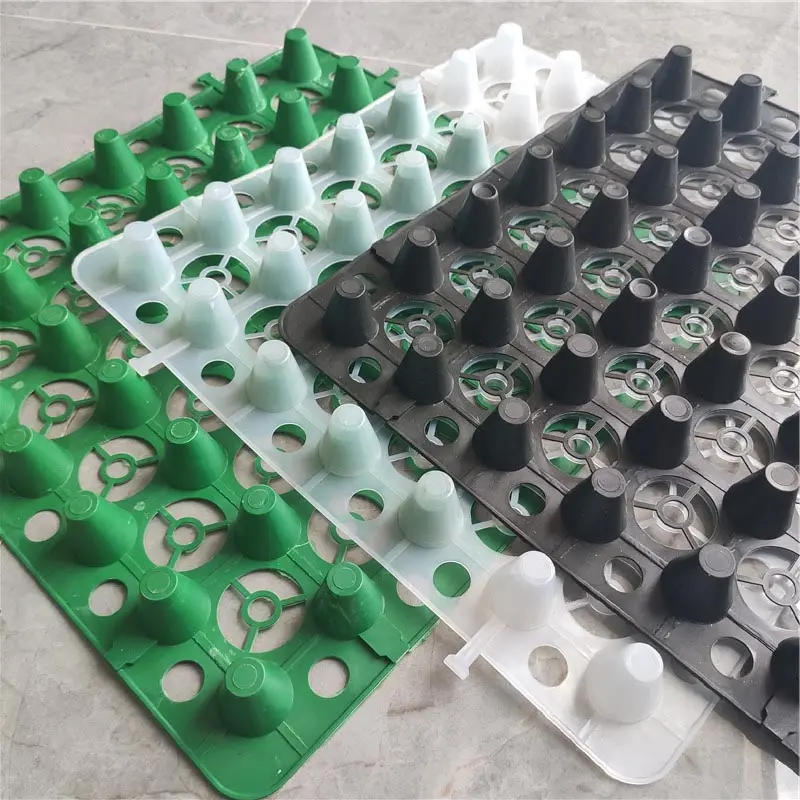
Specific project configurations designed to address the unique climatic and environmental conditions of the region.
Infrastructure projects in Malakal, South Sudan, require robust stabilization due to seasonal flooding and soil shifts. Key application areas include:
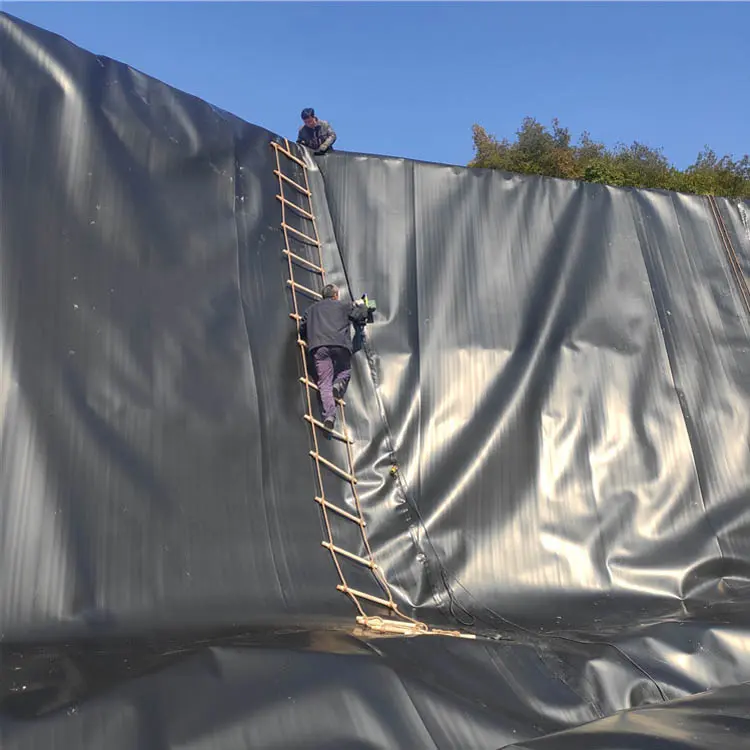
Answers to common technical, logistics, and installation questions regarding our products.
Our cement blankets are engineered for hot arid and semi-arid climates. The internal fiber matrix allows for controlled thermal expansion without cracking, while the concrete formulation is optimized to cure effectively even at temperatures exceeding 40°C.
Yes. The dry cement mix within the blanket cures using standard environmental water. Moderate sediment in the water does not affect the hydration process, making local river water suitable for curing.
Importing from Shandong Hongyue offers direct manufacturer pricing, customized roll sizes, and strict adherence to ISO and CE quality standards. We handle the logistical process to coordinate container shipping directly to East African transport hubs.
For cement blankets, joint seams are typically overlapped by 100mm and secured with screws or adhesive sealants prior to hydration. For geomembranes, we recommend thermal wedge welding to create a continuous, leak-proof barrier.
Our cement blankets are manufactured with a UV-stabilized backing layer, providing a design service life of over 30 years under typical environmental conditions.
Compare specifications and request quotes for our comprehensive range of geotechnical liners, drainage boards, and mats.
 Hongyue