1
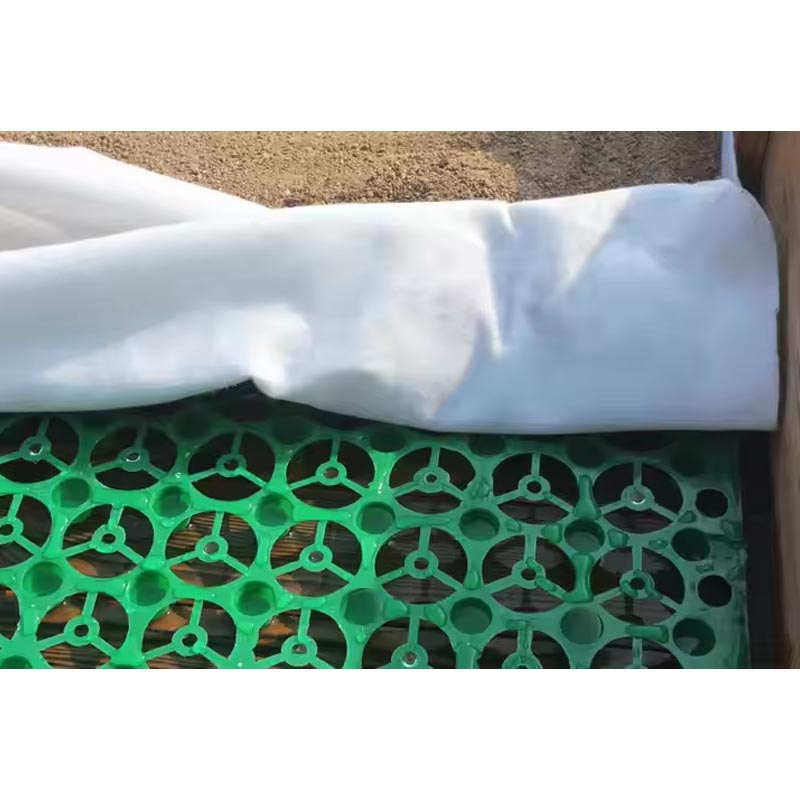
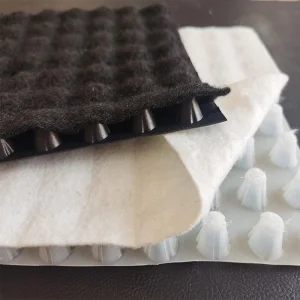
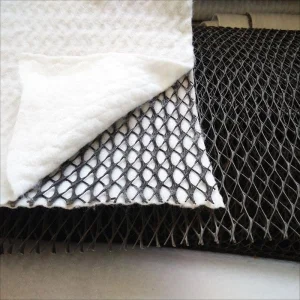
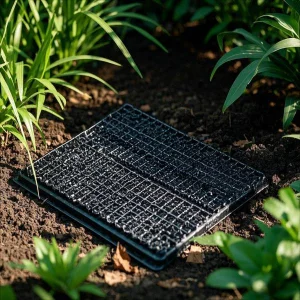
When used in flower ponds, flower slots and flower beds in gardens, conventional materials are directly replaced by water storage plates and filter geotextiles (such as filter layers composed of pottery, pebbles or shells).
2
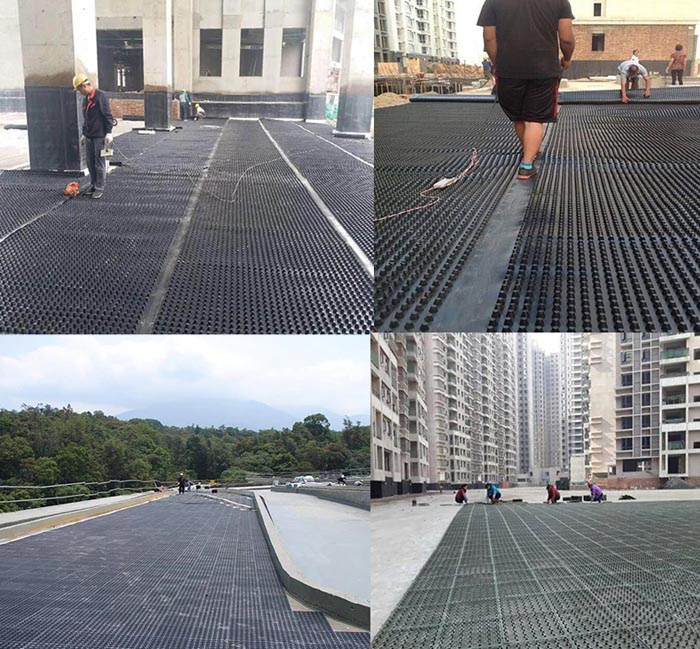
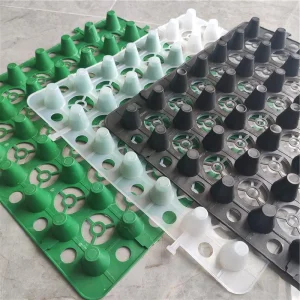
For the greening of the hard interface such as the new and old roof or the roof of underground engineering, before laying the storage and drainage board, clean the debris on the site, set the waterproof layer according to the requirements of the design drawings, and then use cement mortar to slope, so that the surface has no obvious convex and convex, the storage and drainage board is discharged in an orderly manner, and there is no need to set a blind drainage ditch within the laying scope.
3
When it is used to make a sandwich board of a building, the storage and drainage board is laid on the roof concrete board, and a single wall is built outside the storage and drainage board, or concrete is used to protect it, so that the underground seepage water flows into the blind ditch and the water collection pit through the overhead space of the drainage board.
4
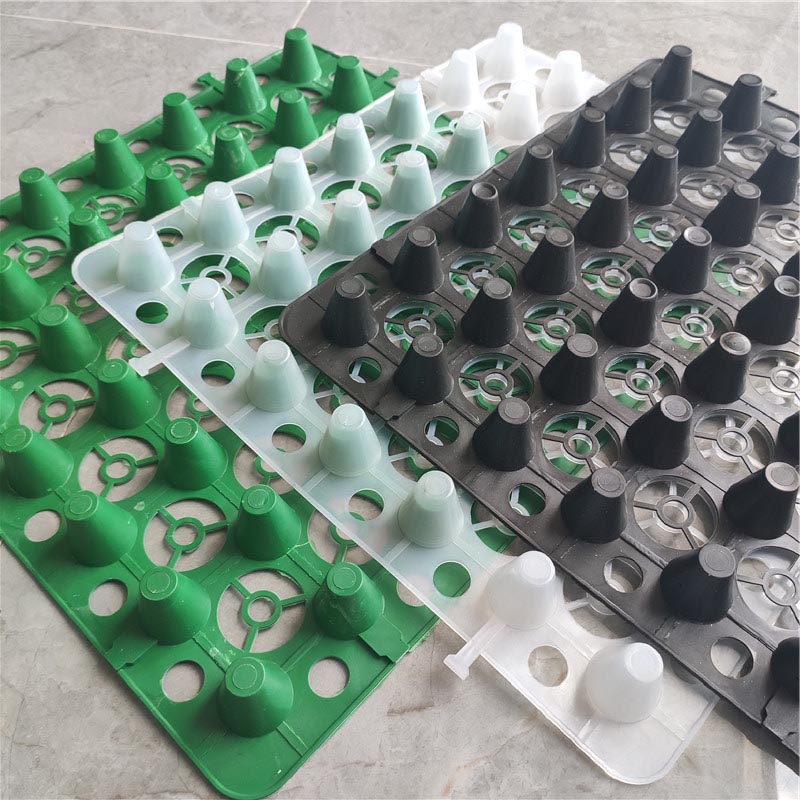
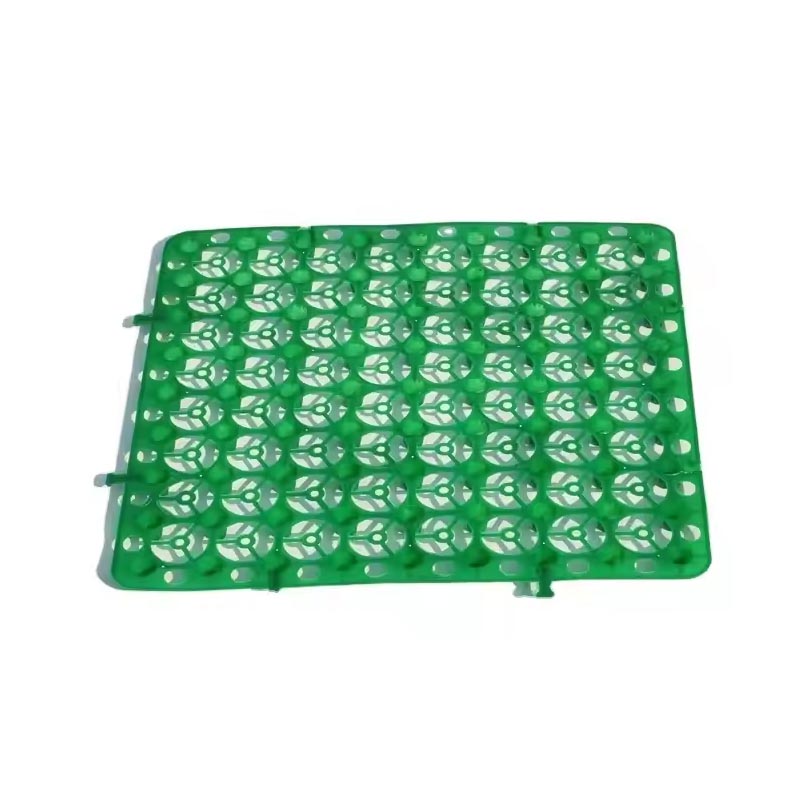
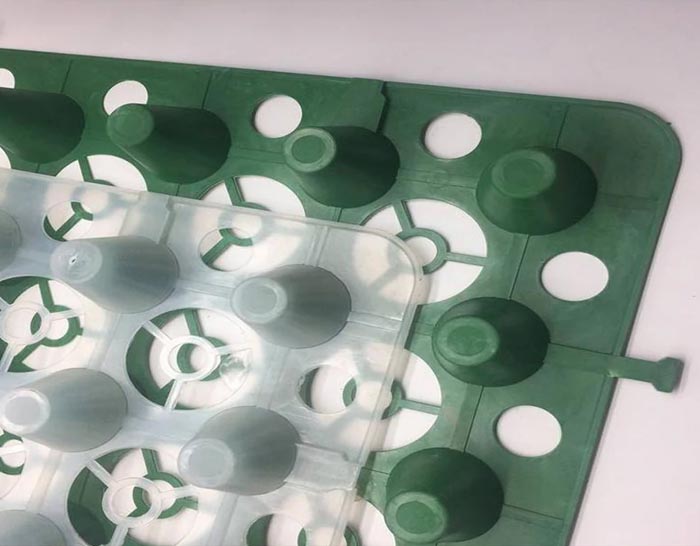
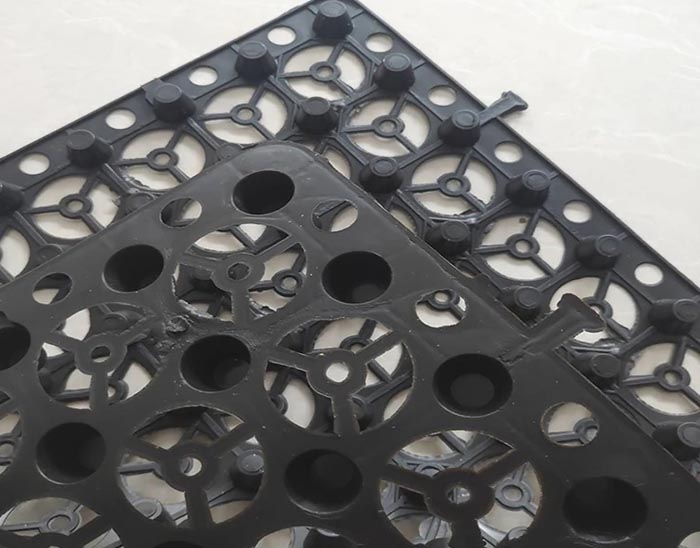
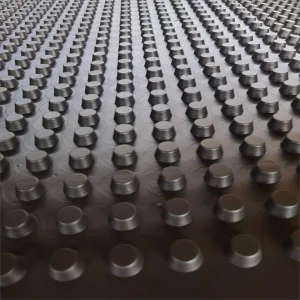
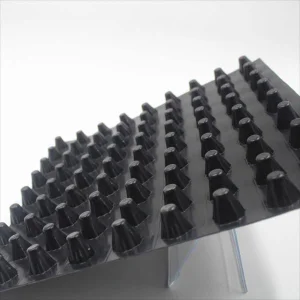
The storage and drainage board is spliced around each other, and the gap when laying is used as the lower drainage channel, and the geotextile filtering and moisturizing layer on it needs to be lapped well when laying.
5
After the storage and drainage board is laid, the next process can be carried out to lay the filter geotextile and matrix layer as soon as possible to prevent the soil, cement and yellow sand from blocking the pore or entering the water storage, sink and drainage channel of the storage and drainage board. In order to ensure that the storage and drainage board gives full play to its role, the operation board can be laid on the filter geotextile to facilitate the greening construction.
 Hongyue