Direct supply from China's leading manufacturing base. Engineered to meet international ASTM & CE standards.
Analyzing key market dynamics, supply chain capabilities, and technological performance values.
In modern civil engineering, infrastructure longevity and performance depend on the structural integrity of material interfaces. Separation geotextiles serve as a critical barrier, preventing the intermixing of subgrade soils and subbase aggregates under dynamic loading. Historically, road builders relied on graded soil filters, which were labor-intensive and highly prone to intermixing failures over time. The development of synthetic geosynthetics has completely revolutionized this landscape.
Today, the global separation geotextile market is driven by large-scale public work projects, including transcontinental railways, high-speed highways, hydraulic systems, and municipal waste containment structures. Environmental regulations, such as landfill safety standards and coastal protection guidelines, have also mandated the use of high-strength geotextile barriers. Key criteria for global engineers include puncture resistance (CBR), hydraulic permeability, and chemical longevity under acidic or alkaline subgrade conditions.
As a leading supplier, Shandong Hongyue Environmental Engineering Co., Ltd. leverages a strategic location in the Lingcheng District, Dezhou, Shandong Province—widely known as China's primary hub for high-end geosynthetics. With a registered capital of 105 million yuan and comprehensive state-of-the-art extrusion lines, the company offers a reliable supply chain. Shandong Hongyue blends technical expertise with massive production volume, guaranteeing consistent delivery times, verified ASTM/EN parameters, and highly competitive pricing for global wholesalers and engineering firms.
A Scientific and Technological Geotechnical Material Manufacturer Integrating Production, Sales, and Design
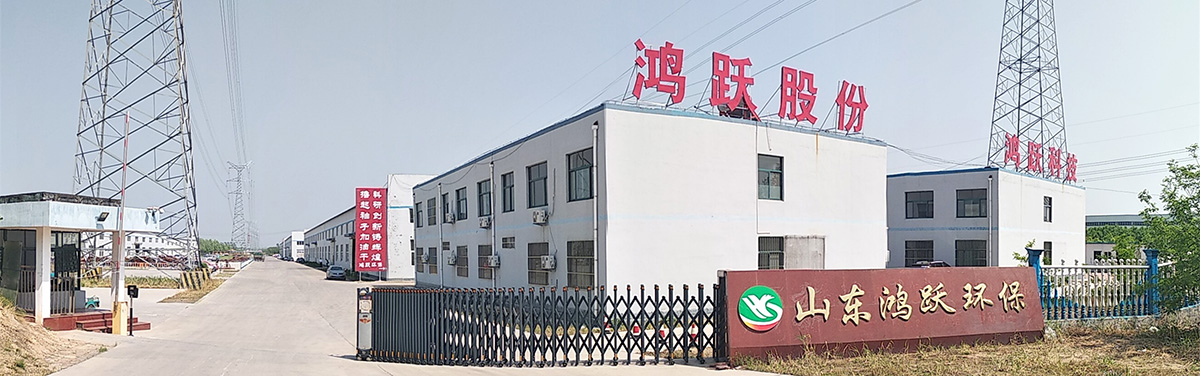
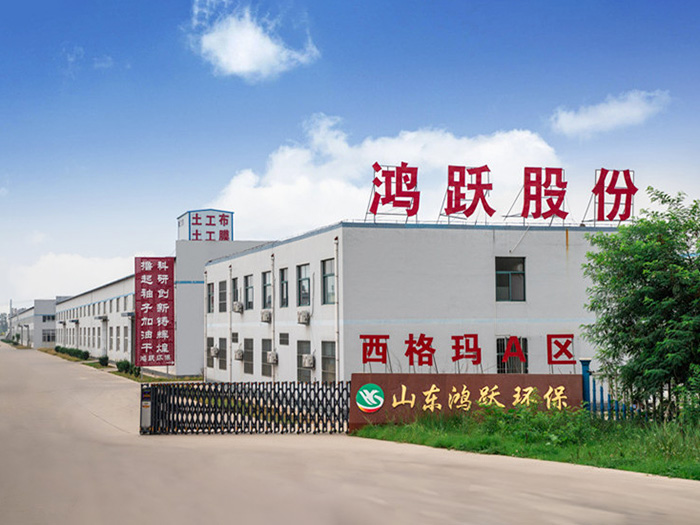
Established on April 6, 2023, and registered with the Market Supervision and Administration Bureau of Dezhou City, Shandong Hongyue Environmental Engineering Co., Ltd. is situated at the north end of Fufeng Street, Lingcheng District. We have rapidly grown into one of the largest and most advanced production bases of geotechnical materials in China. Our geographical position allows convenient connection to national railway networks and deep-water ports, guaranteeing highly efficient logistics and shipping for global exports.
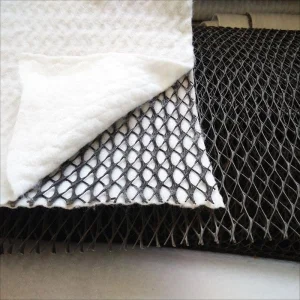
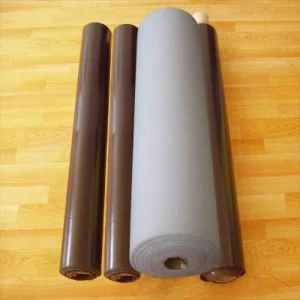
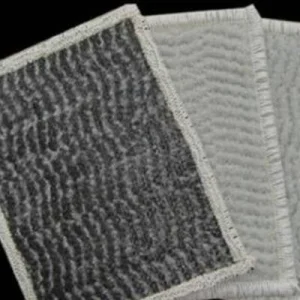
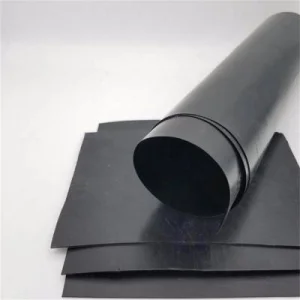
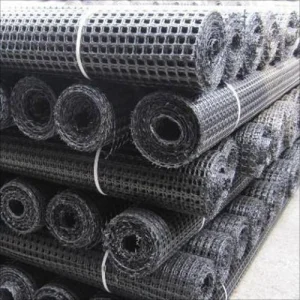
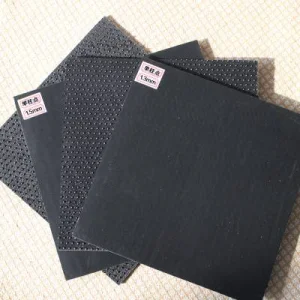
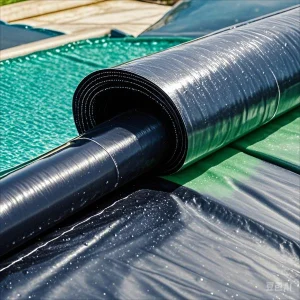
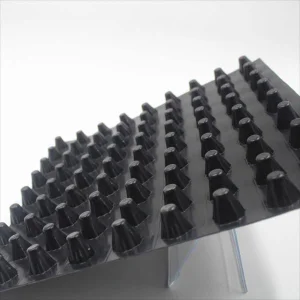
We mainly produce geotextiles, geomembranes, composite geomembranes, waterproof boards, bentonite waterproof blankets (GCL), 3D composite drainage nets, composite drainage boards, weaving and woven cloth, membrane bags, blind ditches, waterproof-drainage combinations, woven bags, ecological bags, cement blankets, fiber plant blankets, and flexible pervious pipes.
Our solutions are widely utilized in major projects across highways, railways, bridges, tunnels, reservoir and canal water conservancy, artificial lakes, environmental protection, aviation, mining, and modern agriculture.
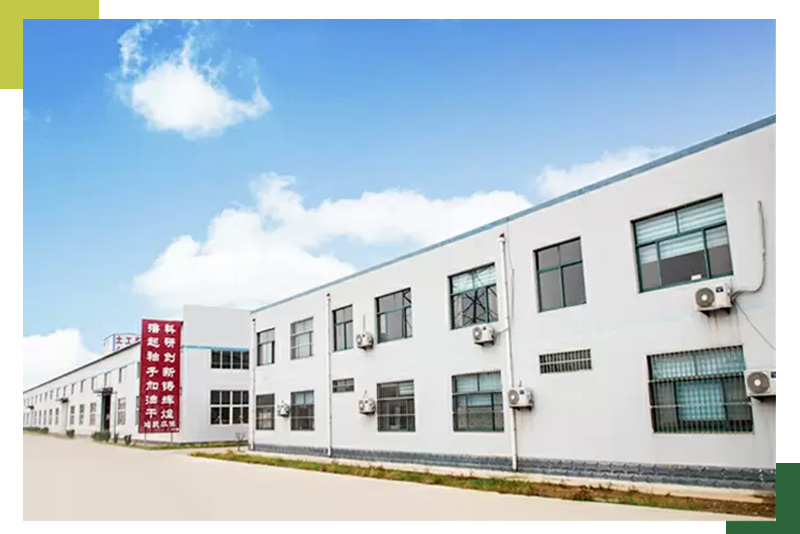
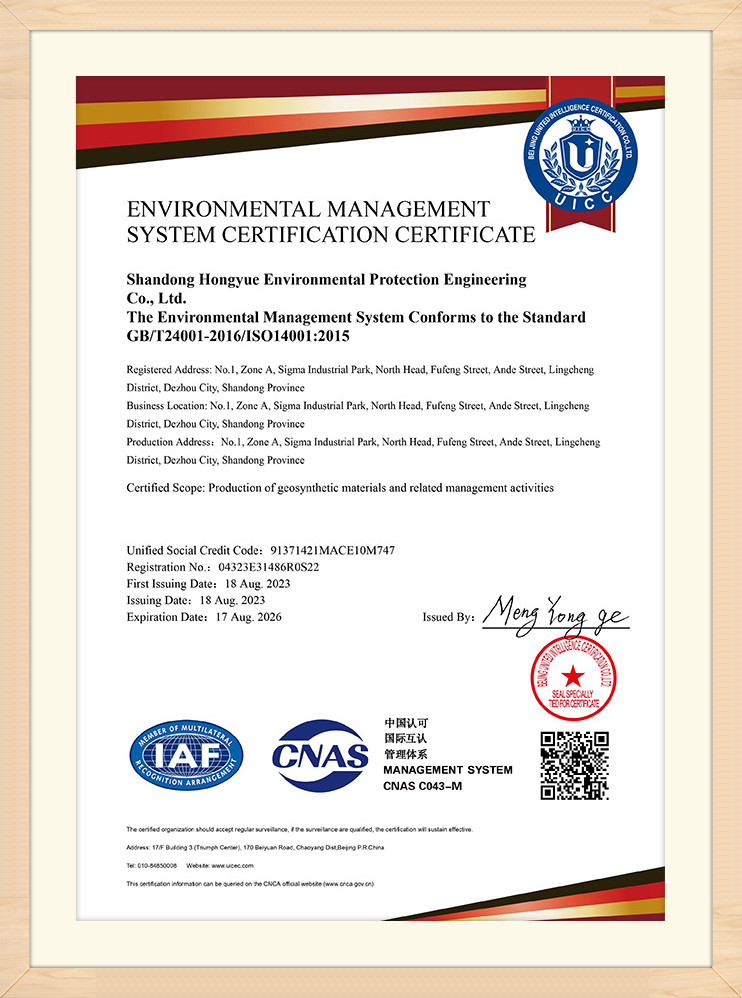
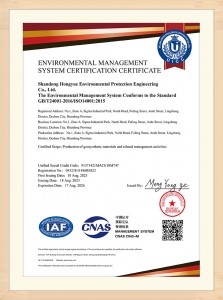
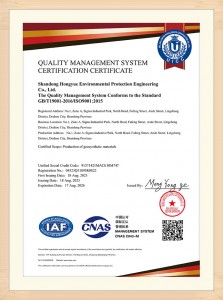
Our company has successively passed the ISO9001 International Quality System Certification, ISO14000 Environmental Management System Certification, and ISO45001 Occupational Health and Safety Management System Certification. In recognition of our commitment to quality, we have won multiple provincial and national honors, such as "Green and Environmentally Friendly Building Materials Products", "No Consumer Complaints Enterprise", "Famous Chinese Brands", "High-Tech Industry Certification", and "Quality Service Double Excellent Unit". All products undergo strict testing via the China National Testing Center, ensuring they meet or exceed international standards.
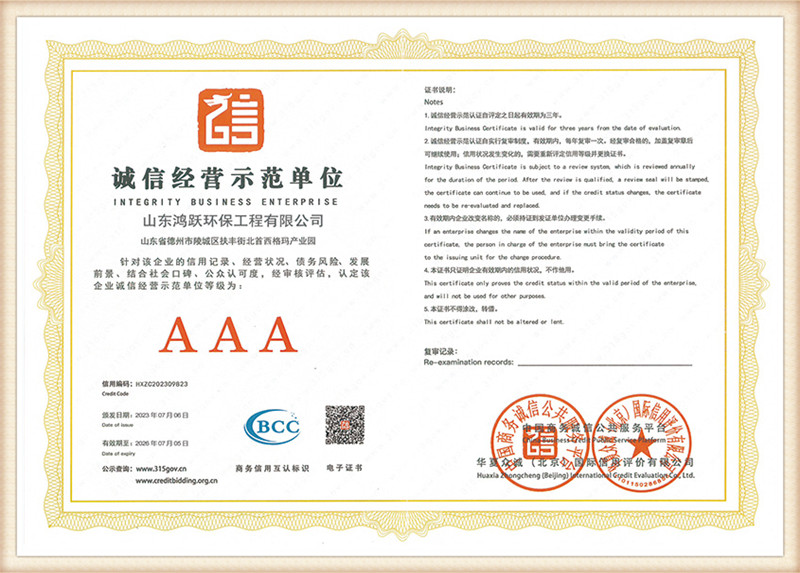
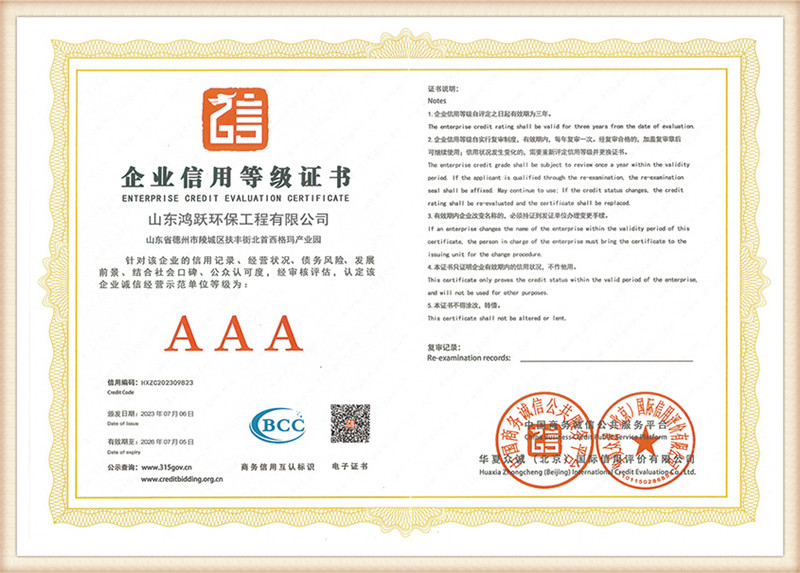
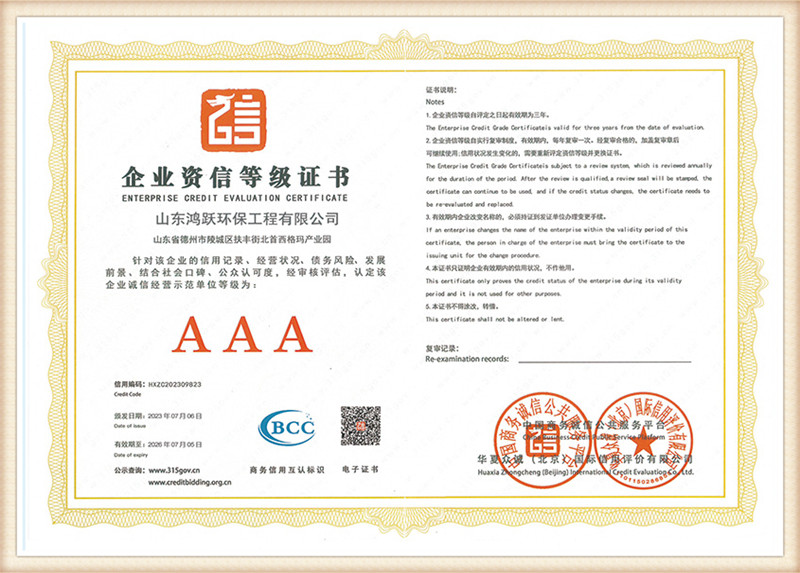
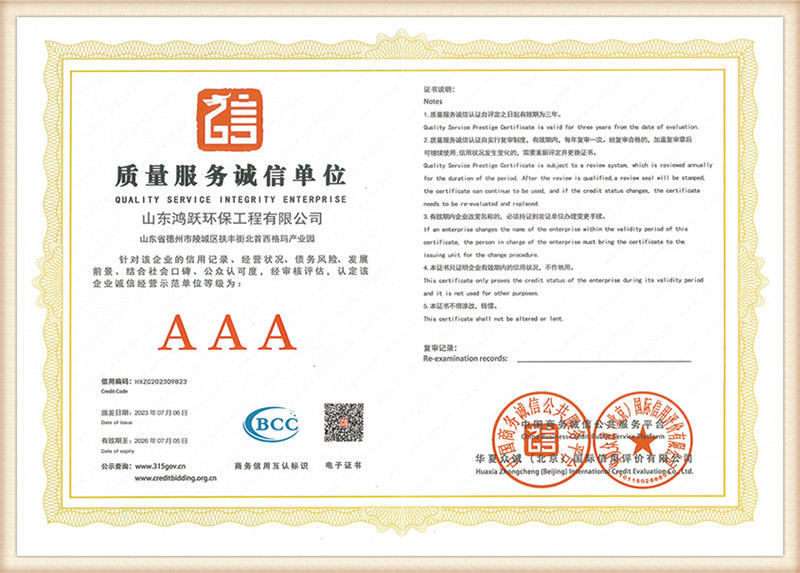
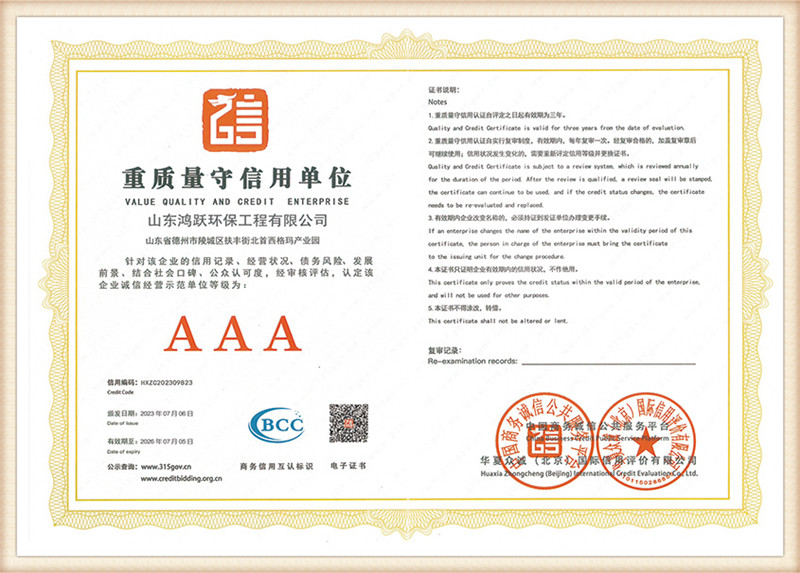
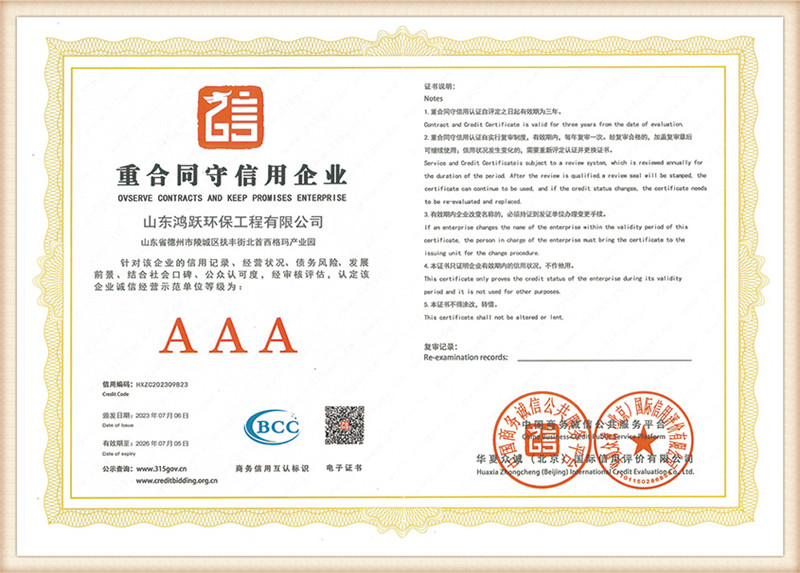
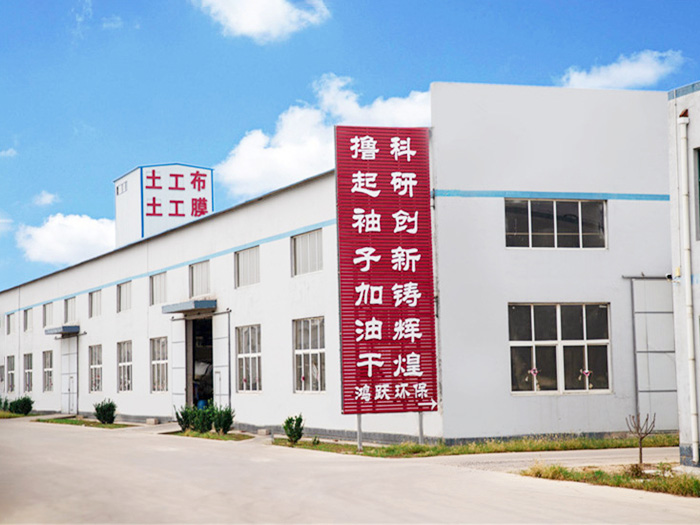
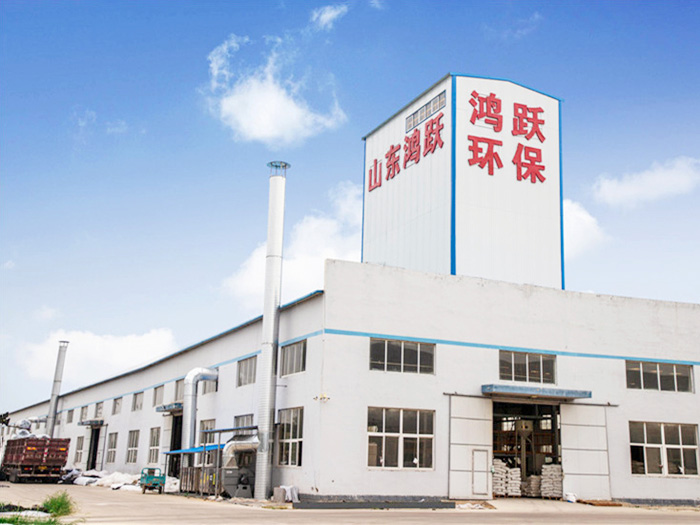
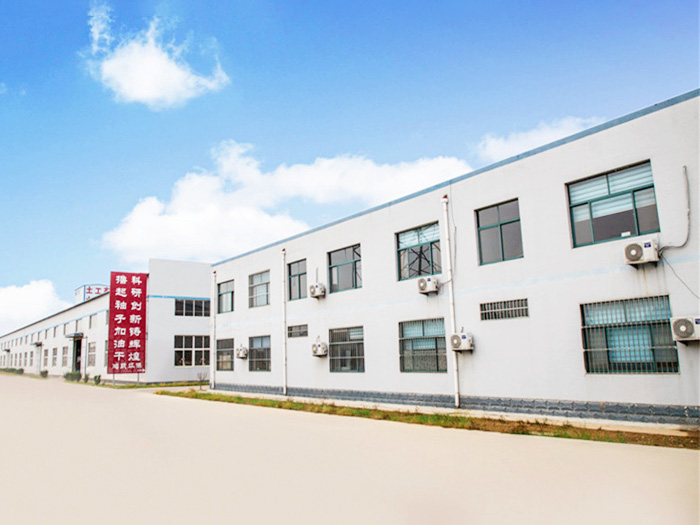
Witness our world-class manufacturing equipment, large-scale workshops, and dedicated QC processes.
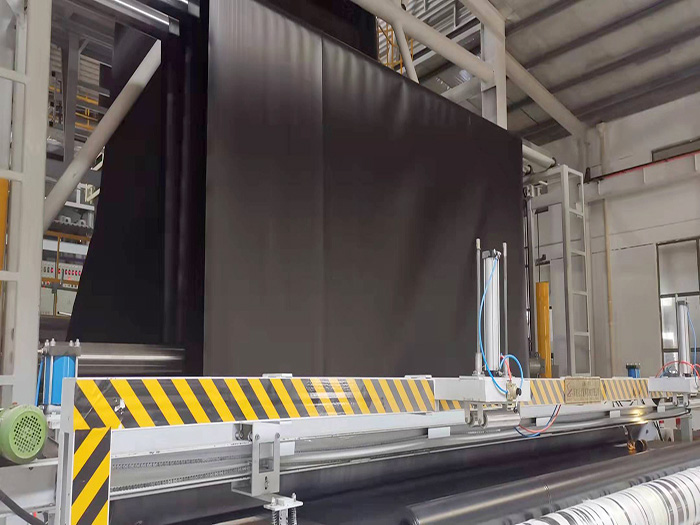
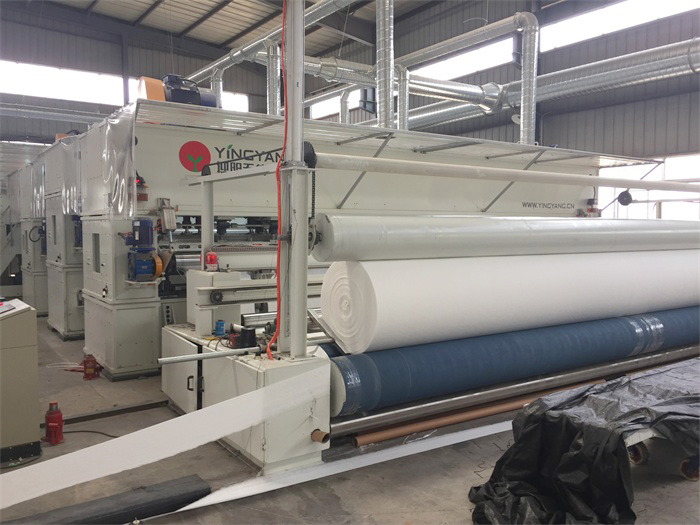
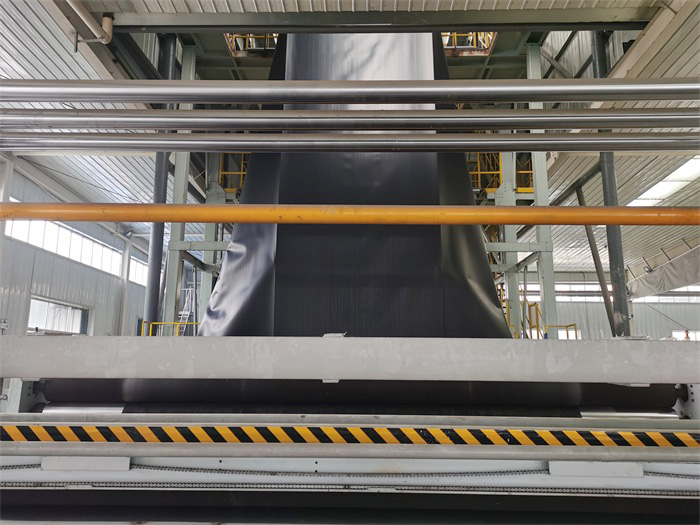
Understanding the steps involved in transforming polymers into heavy-duty geotechnical structures.
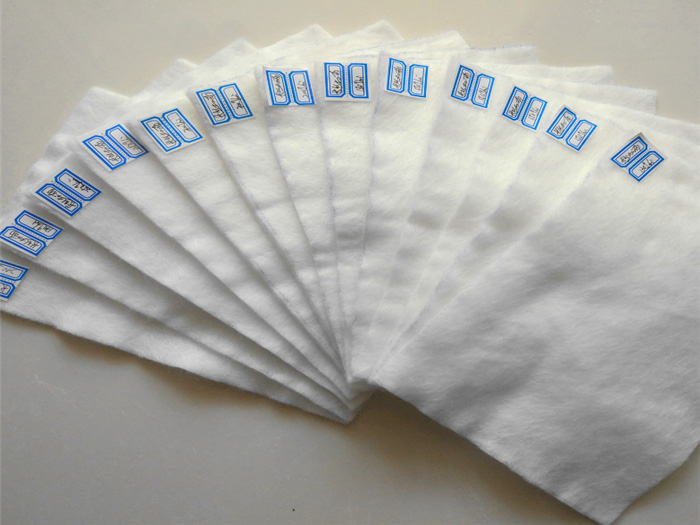
Separation geotextiles are critical civil engineering components designed to maintain structural separation, facilitate filtration, reinforce subgrades, and protect against mechanical punctures. Achieving high strength, durability, and reliable environmental resistance requires a highly precise production workflow.
Modern production facilities utilize high-speed machinery and automatic control terminals. The manufacturing process of needle-punched non-woven and woven separation geotextiles is summarized in six stages:
High-grade polyester (PET) chips or polypropylene (PP) granules are selected and tested for purity, melt index, and chemical consistency before processing.
The raw polymers are melted at high temperatures and extruded through micro-spinnerets using screw extruders to form continuous filaments.
The extruded filaments are laid down in cross-lapped configurations on conveyor belts to construct a uniform, multi-layered fiber web.
The loose web passes through heavy-duty needle-punch machines. Thousands of needles interlock the fibers mechanically, building tensile strength.
Cured geotextiles are calibrated for thickness, slit to specified widths (up to 8 meters), and wound into heavy plastic protective wraps.
Before warehousing, samples are tested for grab tensile strength, CBR puncture resistance, Apparent Opening Size (AOS), and permeability.
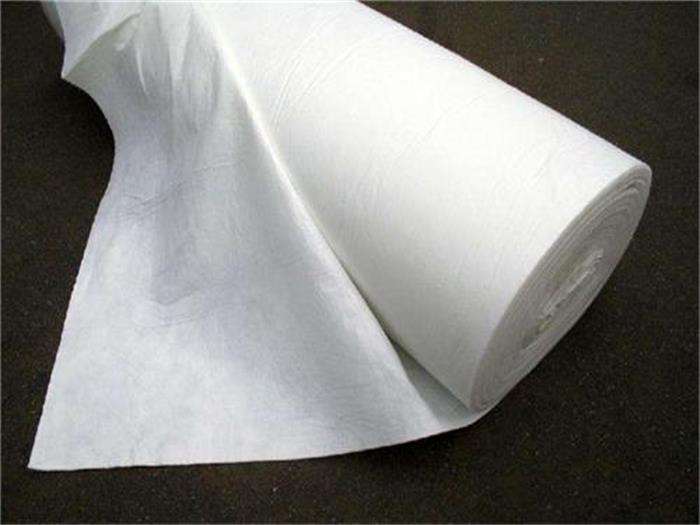
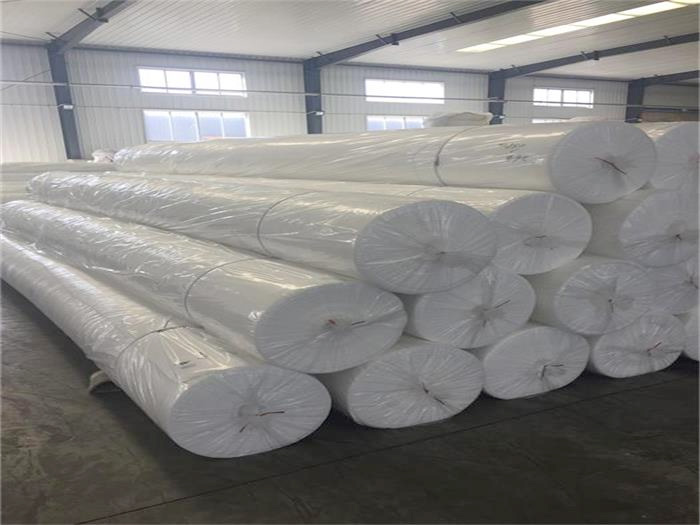
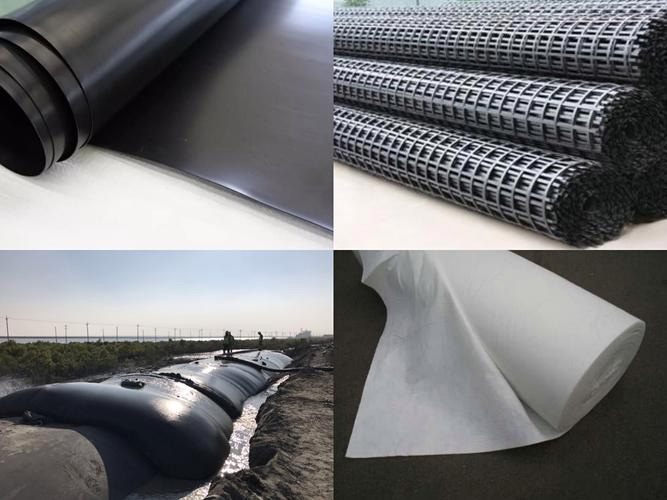
Detailed engineering guidelines on choosing materials, subgrade installation, and mechanical protection.
Proper selection, laying, and maintenance of geotextiles and geomembranes are critical to ensuring the longevity of hydraulic barriers and subgrade separation structures. Designing a system requires balancing mechanical protection and filtration capacity.
Depending on the soil structure, engineers must choose between high-density polyethylene (HDPE), linear low-density polyethylene (LLDPE), and non-woven or woven geotextiles. Critical selection factors include tensile strength requirements, elongation capacity, soil particle distribution curve (to define the Apparent Opening Size), and chemical exposure limits (e.g., pH extremes in mining tailing lakes or municipal waste landfills).
Before laying materials, the subgrade must be compacted and cleared of sharp rocks, roots, or debris that could cause mechanical punctures. Geotextile rolls are laid out manually or with machinery, maintaining standard overlap margins (typically 300mm to 500mm for normal conditions, or thermal welding for demanding applications). Fixing pins are used to prevent shifts during subsequent aggregate placement.
Regular maintenance protocols must be enforced during the construction phase. Exposed liners should be protected from direct UV radiation to minimize polymer aging. Overlying drainage aggregate must be placed carefully, avoiding sudden drops or heavy vehicle passage directly over the uncompacted geosynthetic sheet. Regular inspection of joints and seams via pressure tests ensures reliable containment.
Demonstrating real-world performance in hydraulic structures, environmental containment, and canal lining.
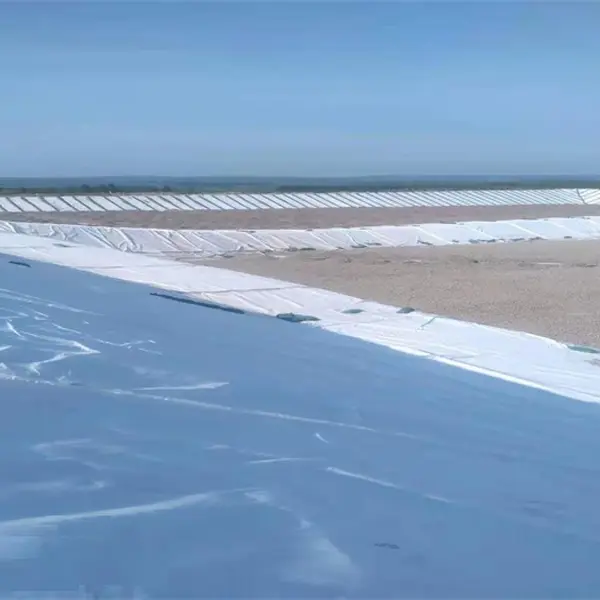
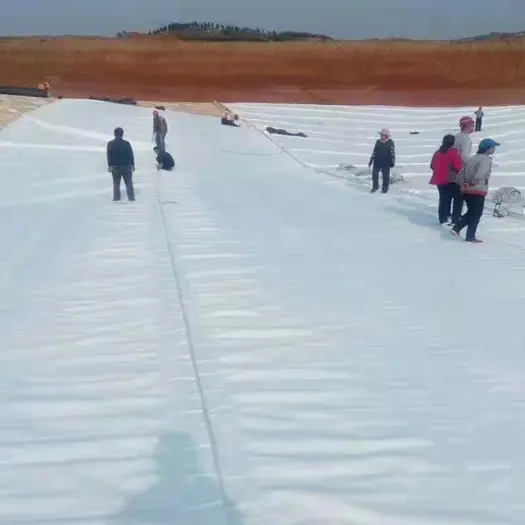
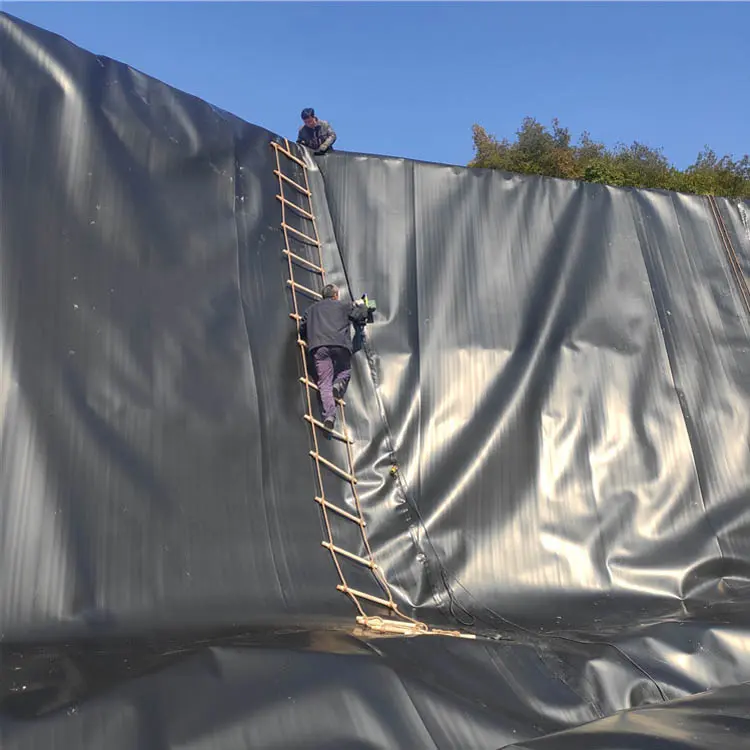
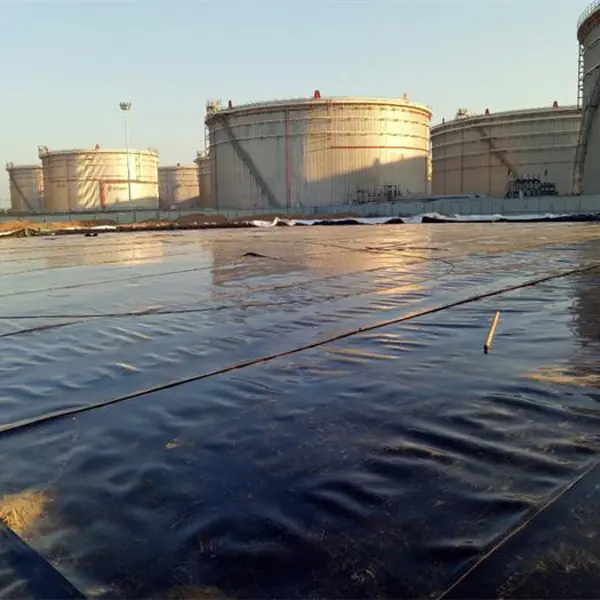
In municipal dams and irrigation networks, soil erosion and lateral water seepage are major threats to structural stability. Incorporating heavy non-woven separation geotextiles as a filter medium behind stone pitchings or under concrete revetments prevents fines from washing away while allowing hydrostatic water pressures to dissipate smoothly. This prevents internal pipe formation and slope collapses.
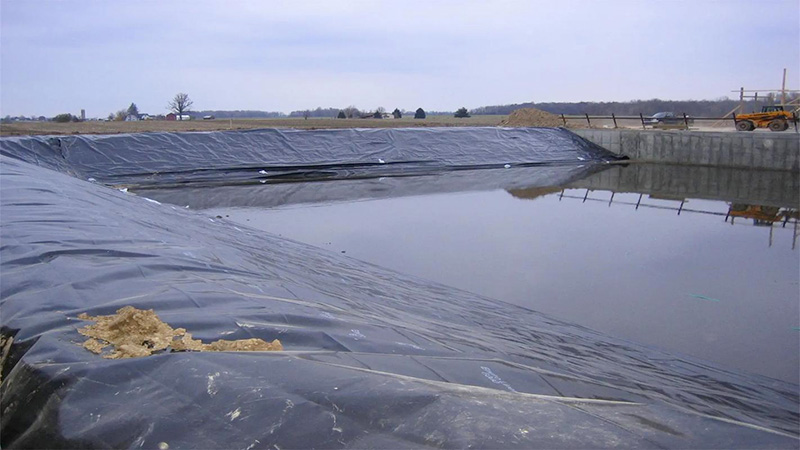
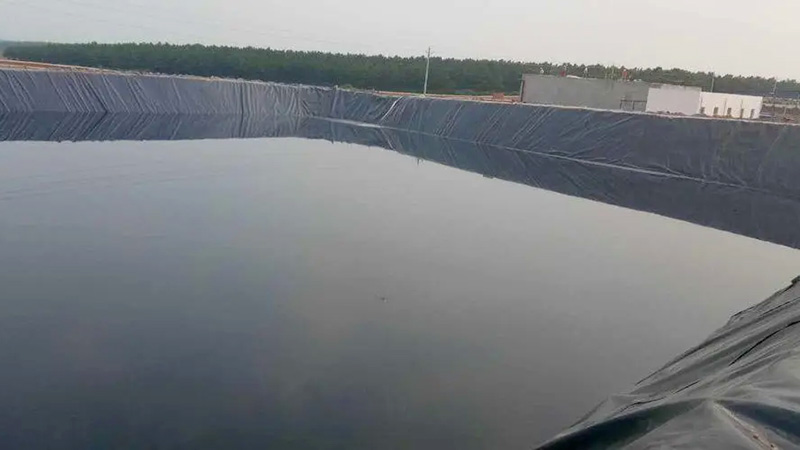
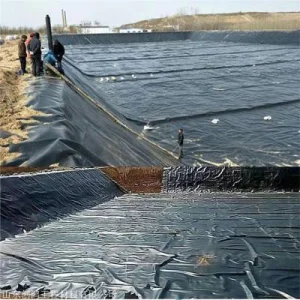
Irrigation canals passing through porous soils face massive transmission losses. Laying a composite barrier consisting of a flexible PE geomembrane protected on both sides by non-woven separation geotextiles blocks water loss while protecting the thin membrane liner from punctures caused by coarse subgrade aggregates.
Modern municipal landfills rely on multi-layered composite liners. A separation geotextile layer is used directly below the leachate collection aggregate and above the HDPE barrier. This setup prevents siltation in the drainage gravel while protecting the underlying plastic membrane from stress concentrations and mechanical tears.
How Shandong Hongyue ensures that every batch of geosynthetics exceeds global mechanical specifications.
Engineering standards demand that geotechnical materials maintain their parameters under harsh site conditions for decades. To meet these demands, Shandong Hongyue Environmental Protection Engineering Co., Ltd. operates a comprehensive ISO-compliant testing laboratory. Every run of separation geotextiles is cataloged, sampled, and tested for performance consistency.
Providing specialized solutions tailored to global infrastructure requirements and supply chain challenges.
Infrastructure projects require custom solutions tailored to their local soil chemistry and climate. In cold regions like Northern Europe and Canada, separation geotextiles must resist freeze-thaw cycles without losing tensile strength. In coastal regions with high salt exposure, the polymers must resist saline decomposition. In mining regions with acidic leachates, the material must remain chemically stable across the entire pH range. Custom needle-punched polypropylene (PP) separation geotextiles are highly recommended for these environments due to their superior chemical resistance compared to standard polyester (PET).
The geosynthetic industry is shifting toward sustainability and smart monitoring. Key developments include:
Global procurement teams must verify several key parameters when importing separation geotextiles at scale:
Answering common questions regarding technical specs, delivery logistics, and installation best practices.
The primary function of a separation geotextile is to prevent the mixing of adjacent soil layers. For example, it prevents soft subgrade silt from migrating upward into structural road gravel, maintaining the road base's thickness, bearing capacity, and drainage performance.
PP geotextiles are lighter and have superior resistance to chemical attack and high pH levels. This makes them ideal for landfills, mining facilities, and wet subgrades. PET geotextiles have a higher melting point, lower creep under tension, and are more cost-effective for standard roadbed stabilization projects.
For firm subgrades (CBR > 3), a minimum overlap of 300mm to 450mm is standard. For soft subgrades (CBR between 1 and 3), overlaps should be increased to 600mm–1000mm. For extremely soft soils (CBR < 1), mechanical stitching or thermal welding is recommended.
Yes, Shandong Hongyue manufactures products that meet AASHTO M288 classes (Class 1, 2, and 3) for US DOT projects, as well as CE requirements for EU projects. We provide testing documentation for every shipment.
Yes, we can produce custom roll widths up to 8 meters and lengths up to 100 meters or more. Custom sizing helps reduce installation seams and overlap waste on large jobsites.
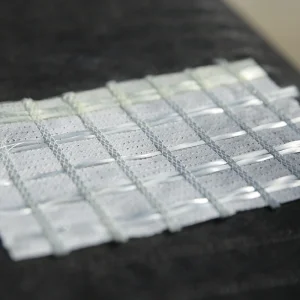
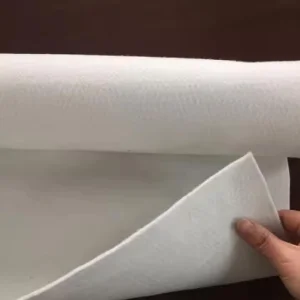
Non-woven geotextiles are made of needle-punched fibers, offering excellent water flow and filtration performance along with good separation behavior. Woven geotextiles are made by weaving individual ribbons, offering higher tensile strength and modulus at lower elongation, which is ideal for subgrade reinforcement but offers limited filtration.
We operate an in-house laboratory to test every production run for weight, thickness, tensile strength, elongation, CBR puncture resistance, AOS, and permeability. We also undergo regular third-party inspections to verify compliance with international standards.
For standard specifications, production takes 7 to 15 days from order confirmation. Total transit time depends on the destination port and shipping routing. Our close proximity to major ports helps minimize logistical delays.
Browse our complete catalog of containment, filtration, reinforcement, and drainage materials.
 Hongyue