Explore our engineering-grade materials, rigorously tested to meet global ASTM & ISO criteria for drainage, filtration, and containment.
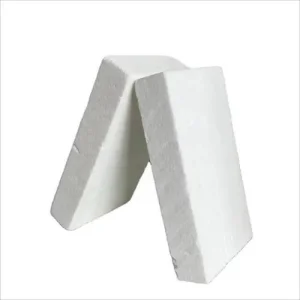
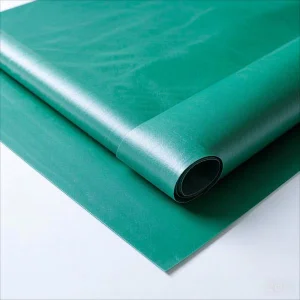
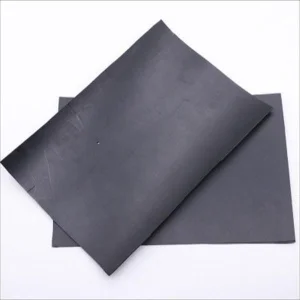

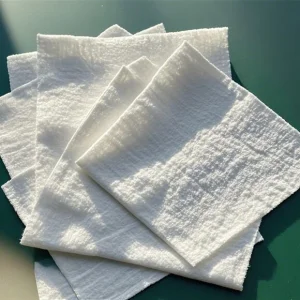
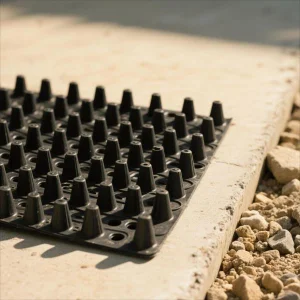
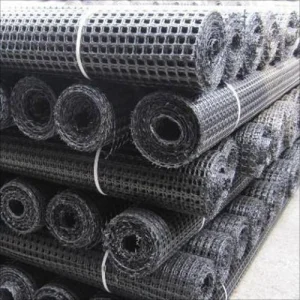
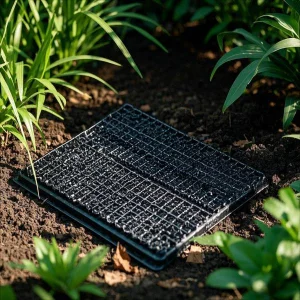
In the modern era of civil infrastructure, geotechnical challenges are amplified by extreme weather events, seismic instability, and the critical need for sustainable building methodologies. As a premier geotextile filter fabric manufacturer, Shandong Hongyue Environmental Engineering Co., Ltd. delivers macroscopic engineering solutions tailored for complex global projects. Our advanced geotextiles perform five fundamental functions crucial for long-term structural integrity: Filtration, Separation, Drainage, Reinforcement, and Protection.
From municipal water conservancy networks and transcontinental railway networks to deep-mine tailing pools and municipal waste landfills, high-strength geosynthetic fabrics act as the silent shield. They stabilize vulnerable subgrades, mitigate lateral earth pressure, and prevent the migratory contamination of groundwater. By using specialized polymer matrix designs, our fabrics ensure long-term hydraulic performance under dynamic stress, mitigating the risk of structural collapse and channel erosion.
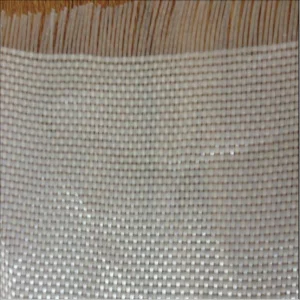
Unlike standard woven materials, specialized geotextile filter fabrics feature a precise three-dimensional pore size distribution. This tortuous path allows fluids to pass dynamically while locking micro-fine soil particles in place. Over time, this forms a natural, self-filtering soil bridge adjacent to the fabric, ensuring sustainable permeability without clogging.
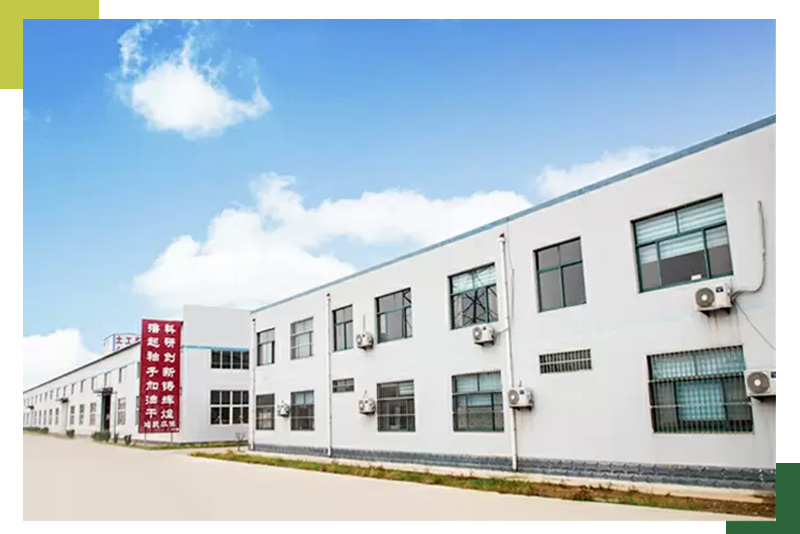
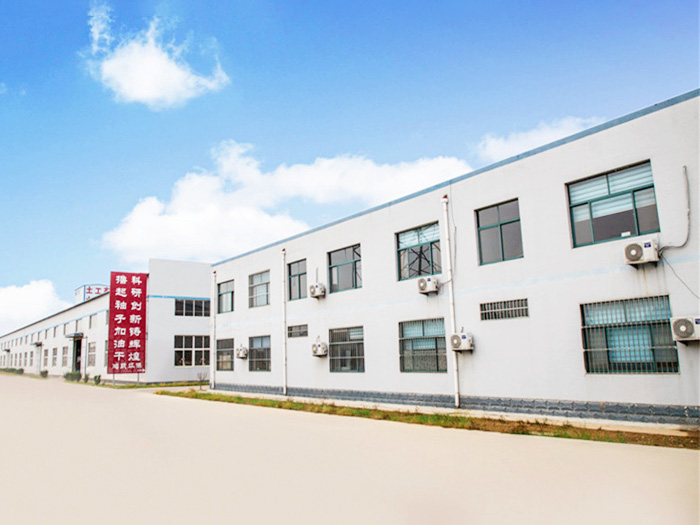
The global geosynthetic material market is undergoing a fundamental shift. Rigorous environmental regulations, coupled with aggressive investment in infrastructure throughout North America, Europe, and the Asia-Pacific region, have placed strict standards on manufacturer reliability. Shandong Hongyue Environmental Engineering Co., Ltd., situated in Dezhou, Shandong Province, stands at the absolute vanguard of this industrial segment. Spanning a massive footprint as one of China’s leading production bases, the factory is engineered to handle large-scale municipal bids and complex industrial orders.
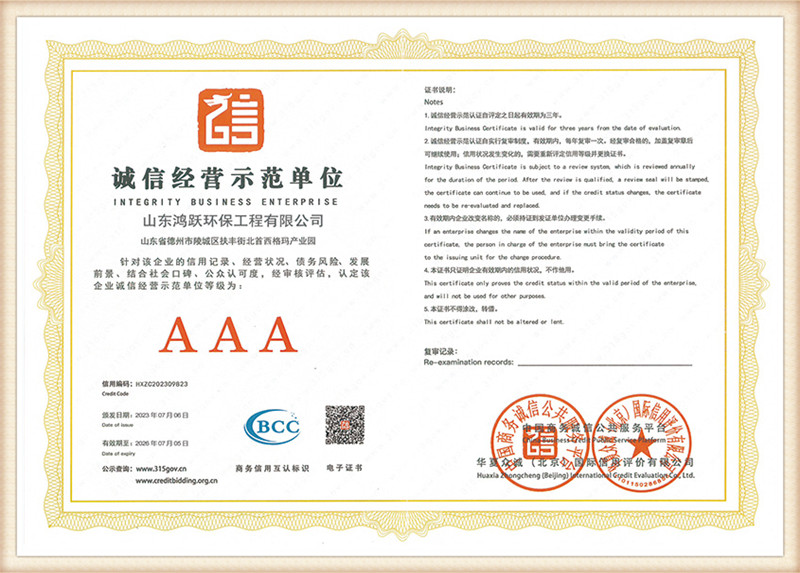
Our commercial strategy addresses key systemic constraints in the global supply chain: bulk pricing stability, reliable shipping container logistics, and comprehensive certification documentation. We maintain active strategic alliances with the Dezhou Geotextile Association, which ensures that our material science advances hand-in-hand with regulatory frameworks. From high-grade polyester filament geotextiles to specialized PVC geomembranes, we ensure that every square meter leaving our factory features the exact mechanical properties required for safety-critical infrastructure.
Shandong Hongyue’s logistics network coordinates shipping routes from Dezhou directly to global shipping hubs, enabling rapid transit to Europe, the United States, Australia, Southeast Asia, and beyond. This robust logistics pipeline guarantees that whether you are planning a municipal landfill in Sydney, a highway subgrade reinforcement in Munich, or a major hydraulic canal project in California, your geotextiles will arrive on site precisely when scheduled.
A transparent look at our advanced ISO-certified production workflow, showing how raw polymers are transformed into high-performance civil engineering materials.
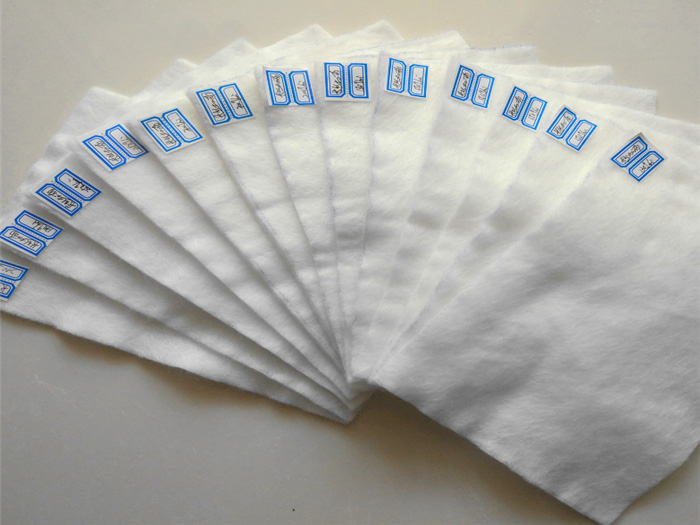
We source premium polyester chips, polypropylene filament, and viscose fibers. Every incoming batch undergoes chemical profiling and physical properties verification to guarantee consistency.
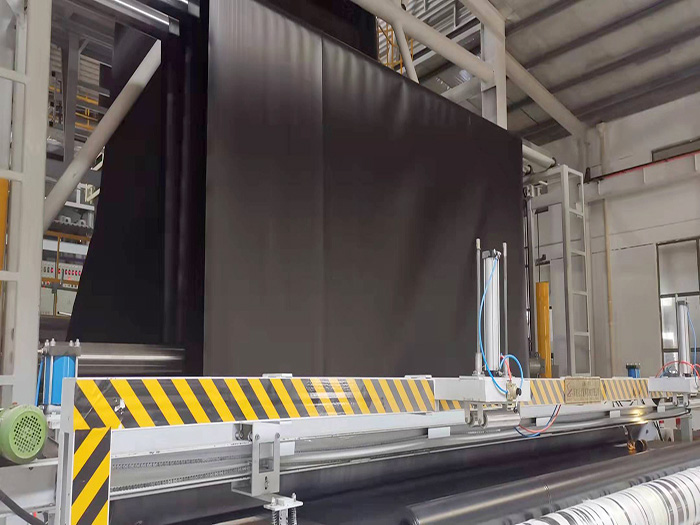
Polyester is dried and melted at high temperature inside screw extruders. Additives such as UV stabilizers and carbon black are introduced to optimize durability in exposed outdoor settings.
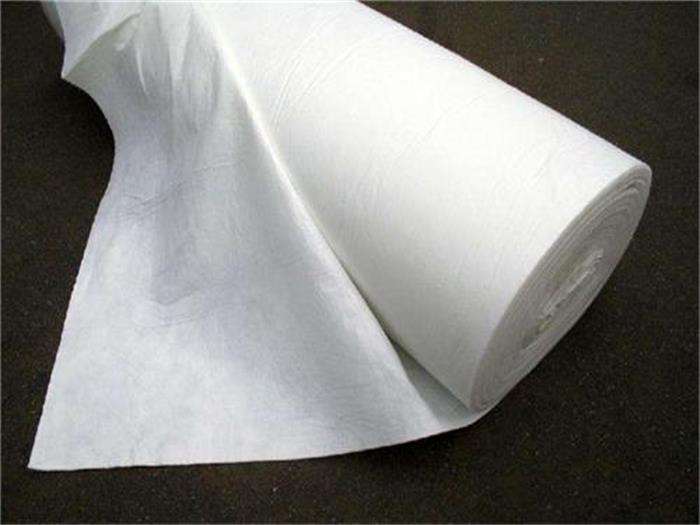
Filaments are extruded through spinnerets to form a web structure. High-density needle boards mechanically entangle the fibers, creating a strong, highly permeable 3D web.
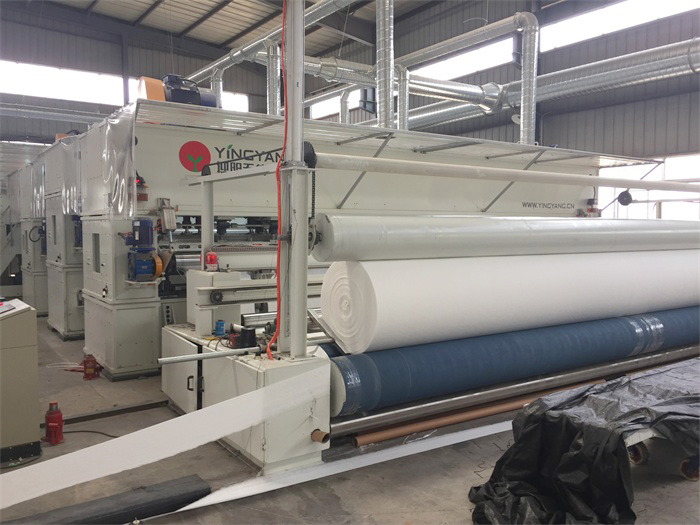
The web passes through thermal calenders or draft tension systems to stabilize its tensile strength. This step locks in physical properties, preventing early deformation under earth pressures.
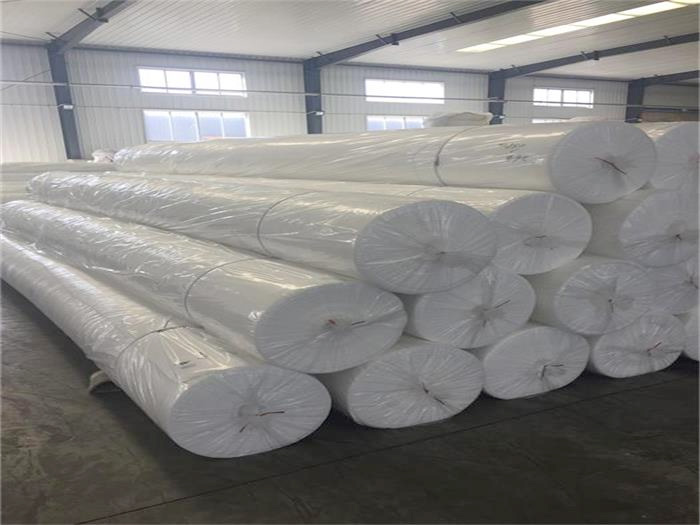
The finished geotextile is measured for length, width, and uniform density. It is then wound on cores and wrapped in UV-resistant protective sleeves for transport.
Samples from every batch undergo testing for tensile strength, elongation, puncture resistance, and opening size to ensure full compliance with target specifications.
The long-term performance of geosynthetics depends highly on proper site preparation and installation. Using low-density or high-density polyethylene (HDPE/LLDPE) geomembranes requires a careful, structured deployment plan to prevent failures.
1. Site & Subgrade Preparation: The surface must be compacted and cleared of any sharp rocks, roots, or debris that could puncture the barrier. Frequently, a non-woven geotextile cushion is laid first to protect the geomembrane.
2. Alignment & Laying Method: Paneling should be aligned to minimize seams in high-stress zones. Panels are deployed with appropriate slack (typically 1-3%) to allow for thermal expansion and contraction.
3. Seam Treatment & Welding: Dual-track hot wedge welding is utilized for long straight seams, enabling air-channel pressure testing. For details and patches, extrusion welding using compatible HDPE rod is utilized.
4. Fixing & Anchorage: The edges of the liner are secured in anchor trenches, backfilled with gravel or soil to resist wind uplift and movement.
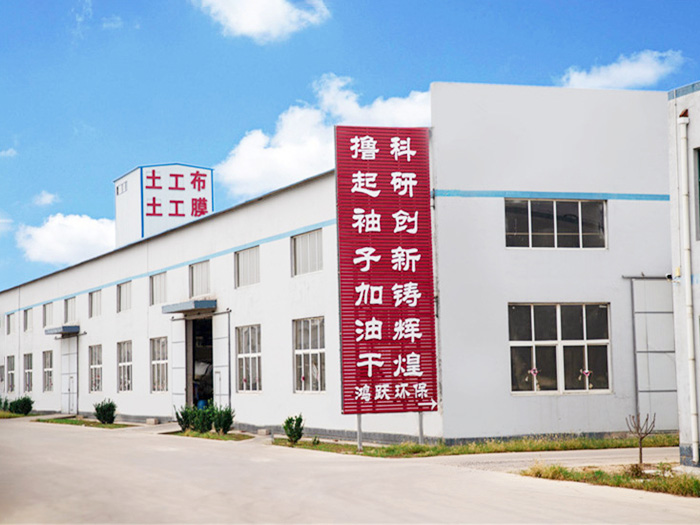
Take an inside look at our manufacturing floors, advanced laboratory equipment, and shipping yards where we enforce international QA protocols.
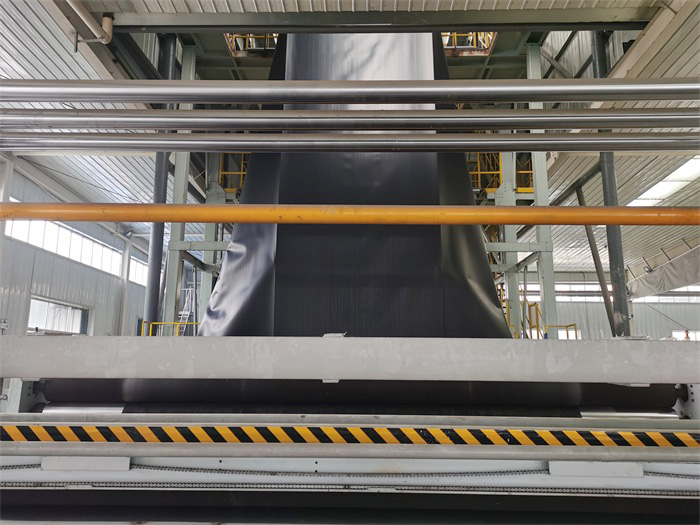
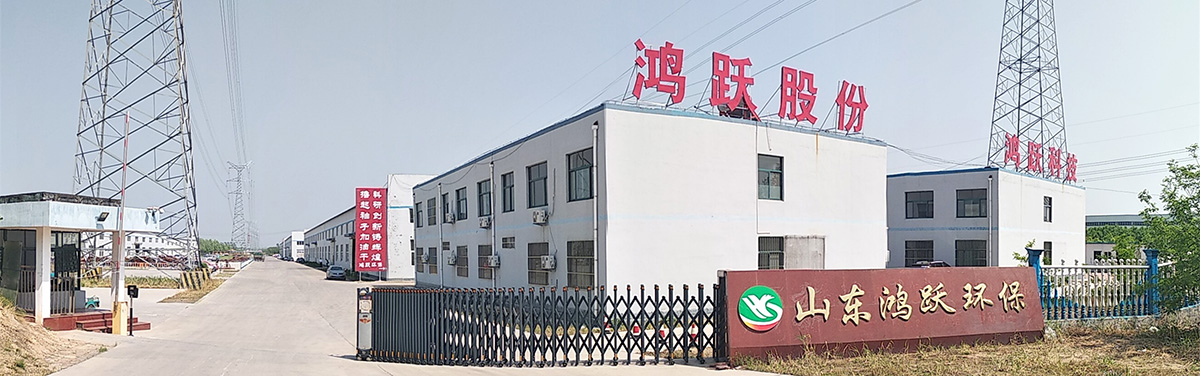
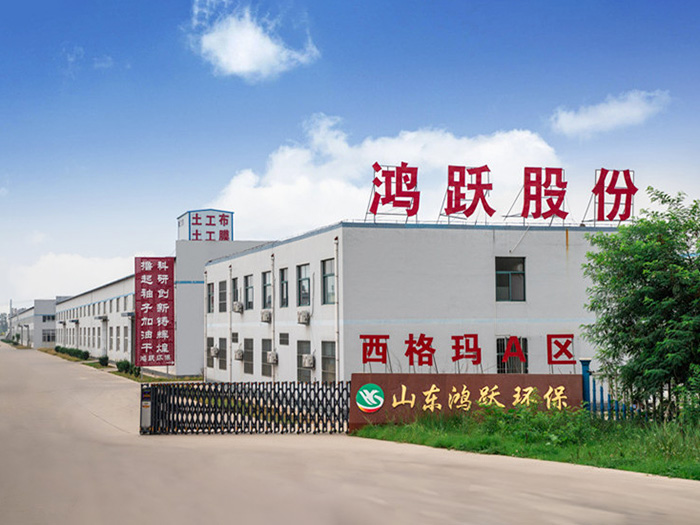
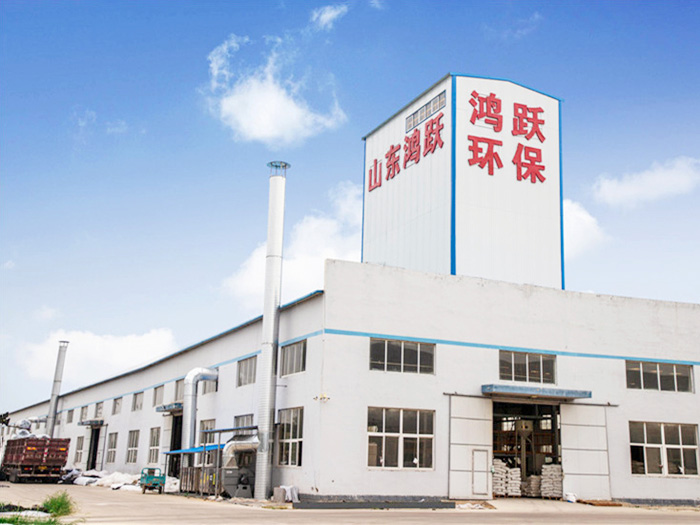
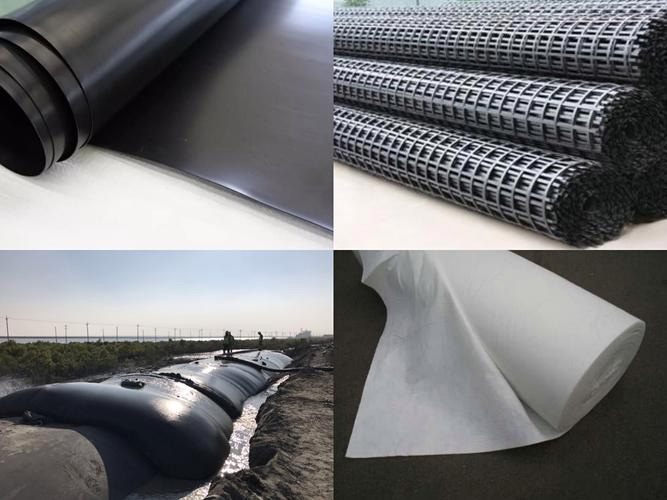
In addition to standard geotextiles, our facility designs composite drainage systems, geogrids, and structural cells for challenging soil conditions.
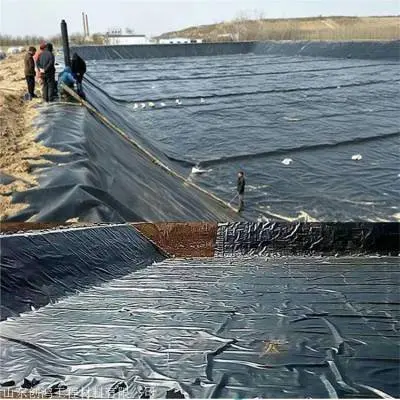
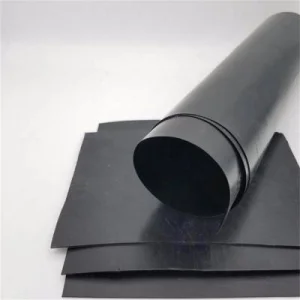
High-density lining solutions optimized for aquaculture containment and zero leakage.
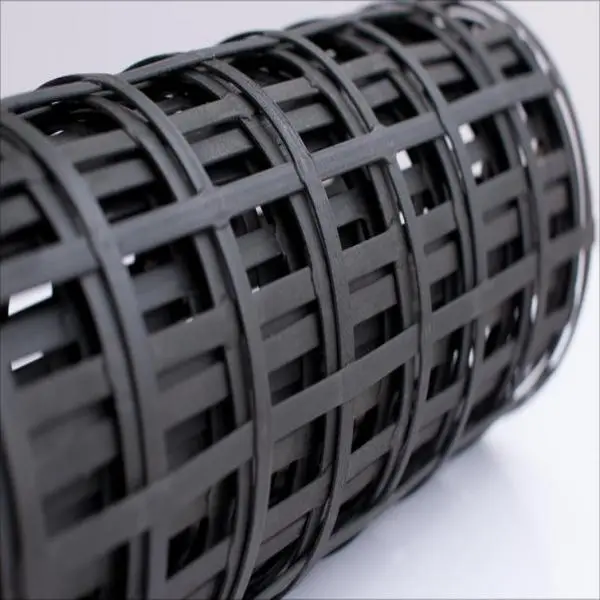
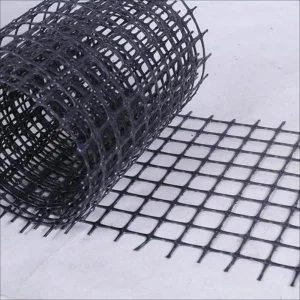
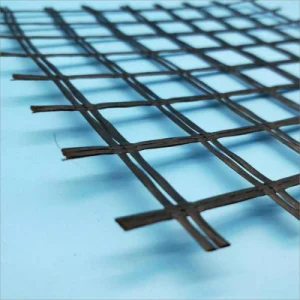
High strength reinforcement elements ideal for highway subgrades and heavy retaining structures.
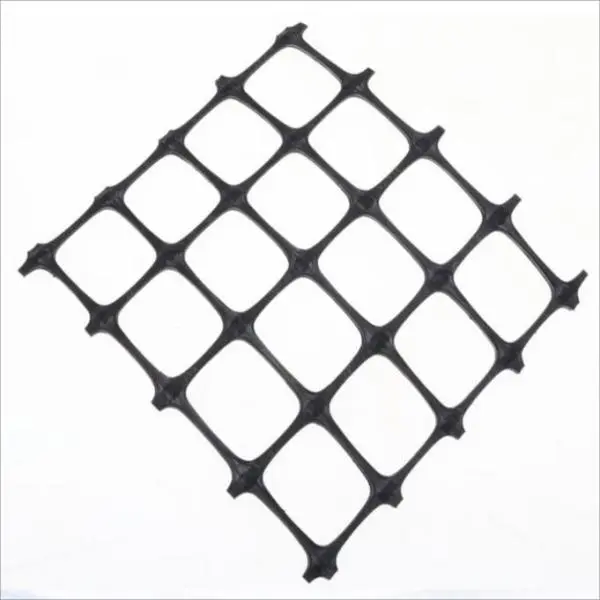
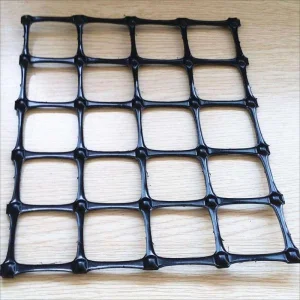
Optimizes load distribution by confining soil particles laterally within highways.
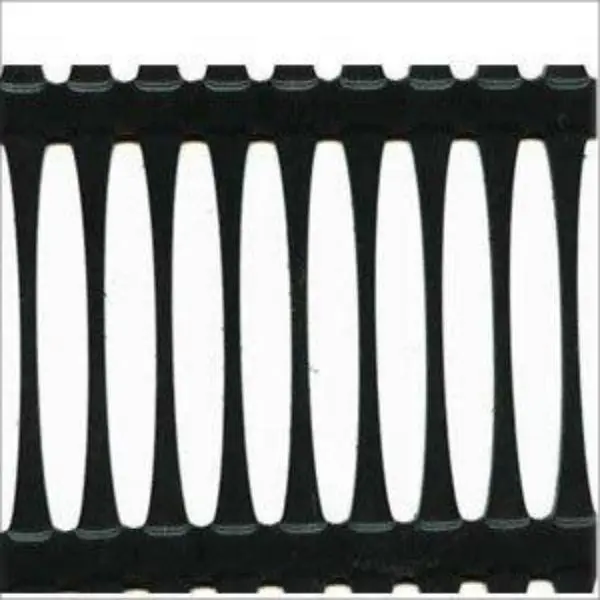
Engineered for unidirectional high-stress applications like steep slope stabilization.
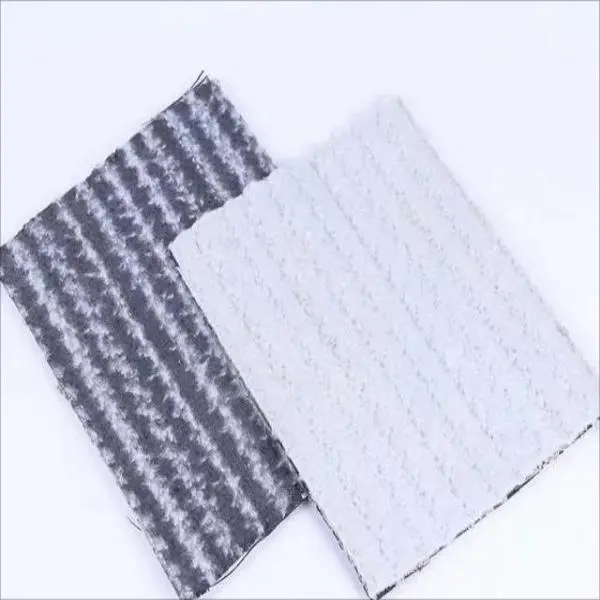
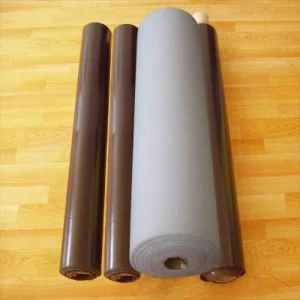
Hydrated concrete layer technology providing instant protection for canals and containment slopes.
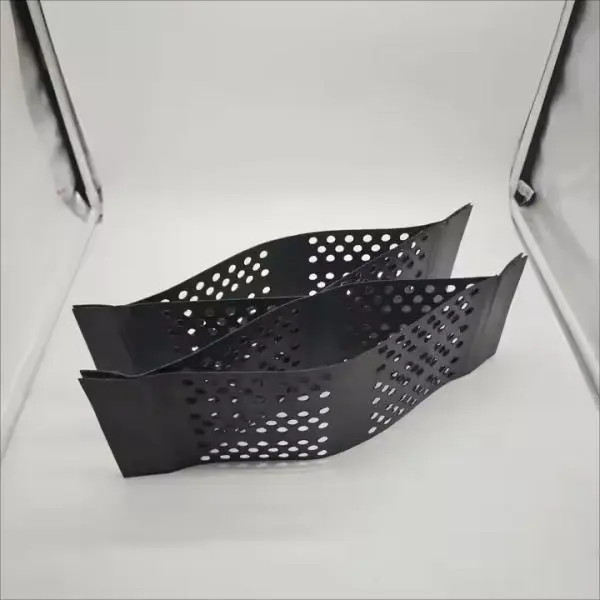
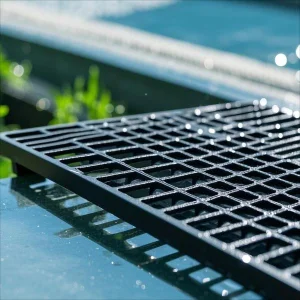
Honeycomb confinement structure designed to prevent slope erosion and subbase shift.
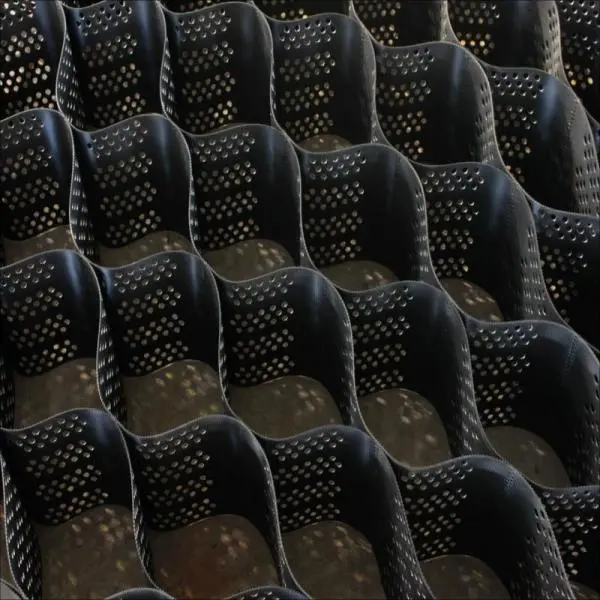
Heavy-duty HDPE confinement structure designed for high load capacity applications.
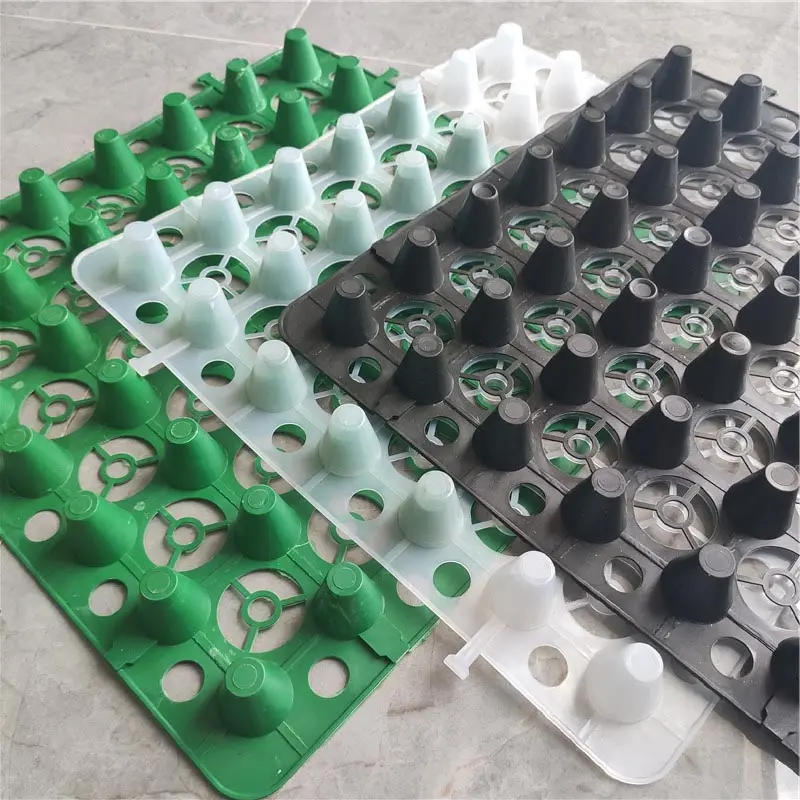
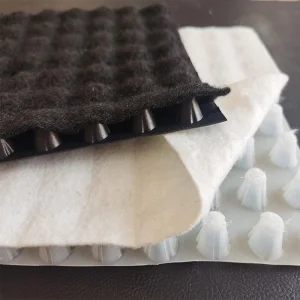
Optimizes roof greening drainage systems, preventing hydrostatic accumulation.
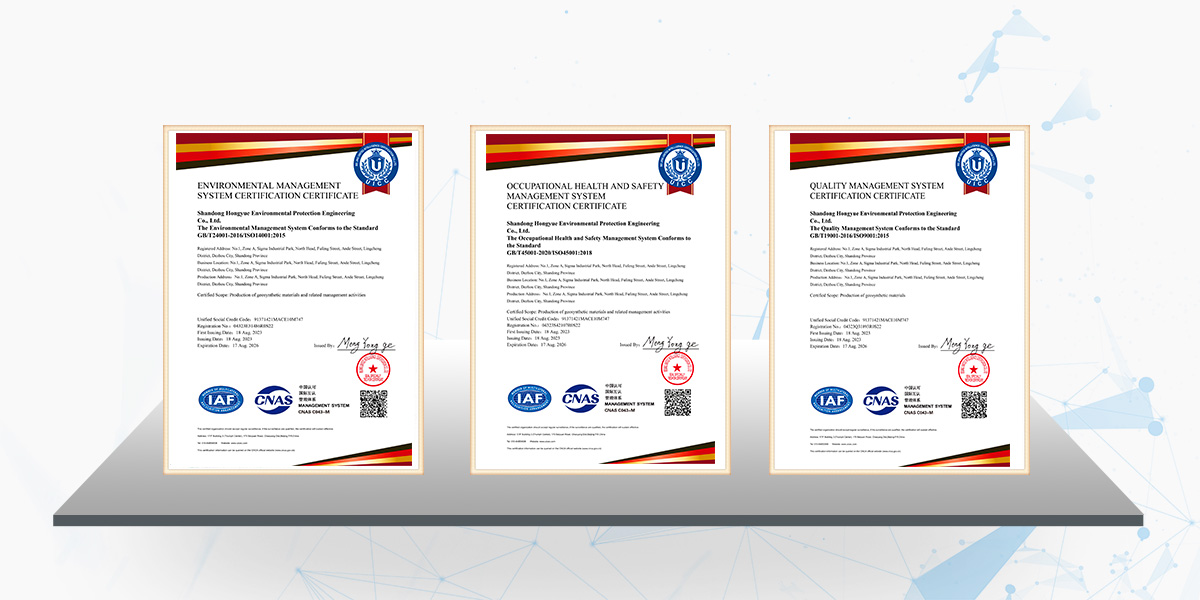
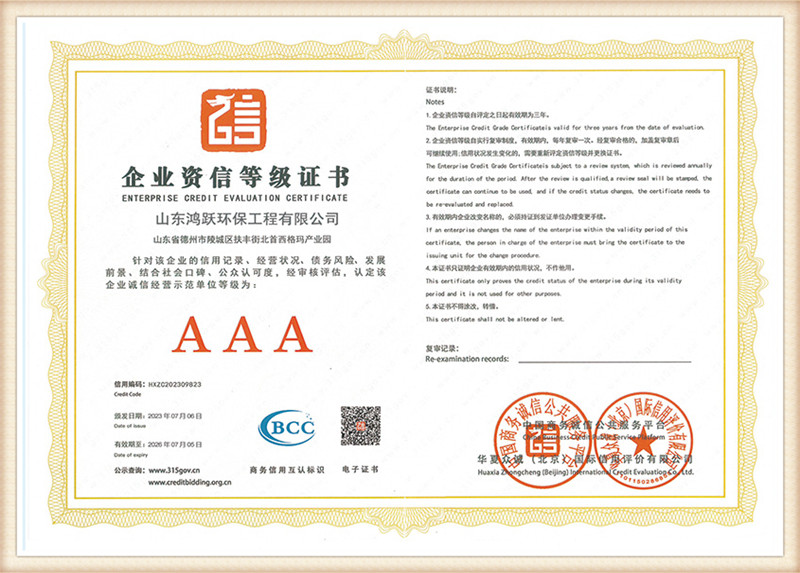
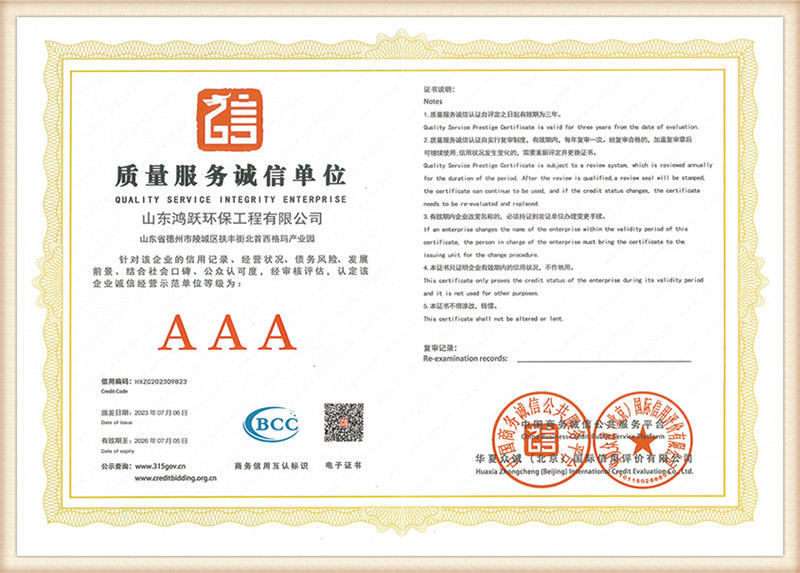
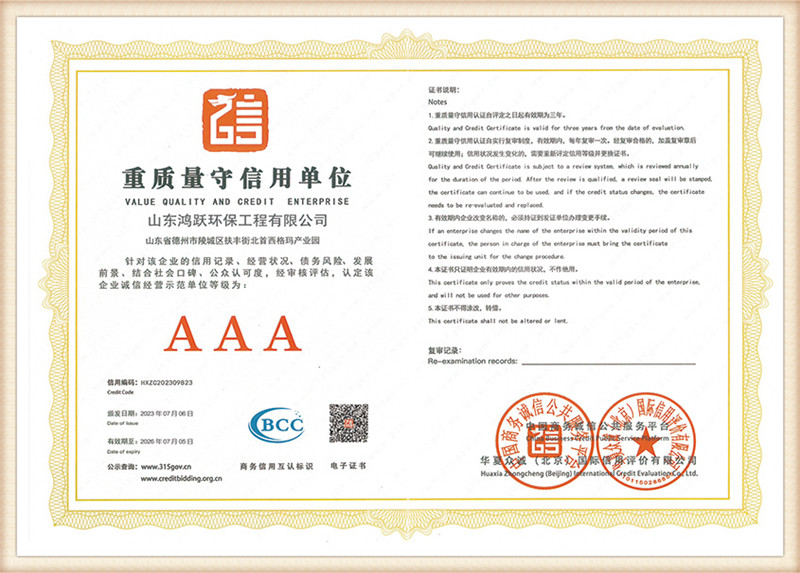
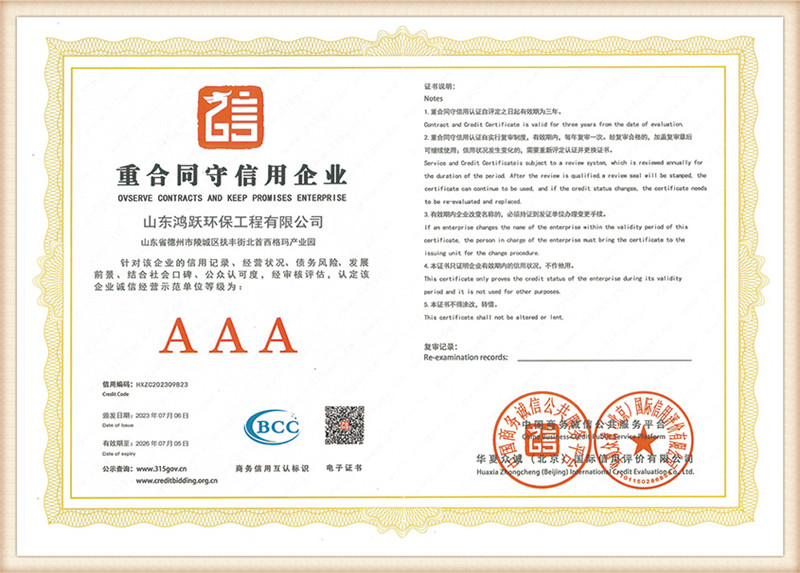
Shandong Hongyue Environmental Engineering Co., Ltd. operates with a strong focus on compliance and localization. We understand that international civil engineering operates under strictly enforced national frameworks. This is why our entire product range meets or exceeds certifications like ISO9001:2015 (Quality Management), ISO14001:2015 (Environmental Management), and ISO45001:2018 (Occupational Health and Safety).
To address the localized regulatory needs of overseas markets, we coordinate directly with testing agencies such as SGS, TRI, and Geosynthetic Accreditation Institute (GAI-LAP) labs. This testing verifies that our geotextiles and geomembranes satisfy local design guidelines, including ASTM, EN, and AS/NZS codes. Whether you need specific permittivity values, wide-width tensile tests, or long-term UV resistance verification, our engineering team provides full certification documentation for your project submittals.
Geosynthetics cannot be viewed as stand-alone components; they are critical parts of dynamic soil-structure systems. Different engineering environments place unique performance demands on these materials. Below is an overview of our specialized solutions.
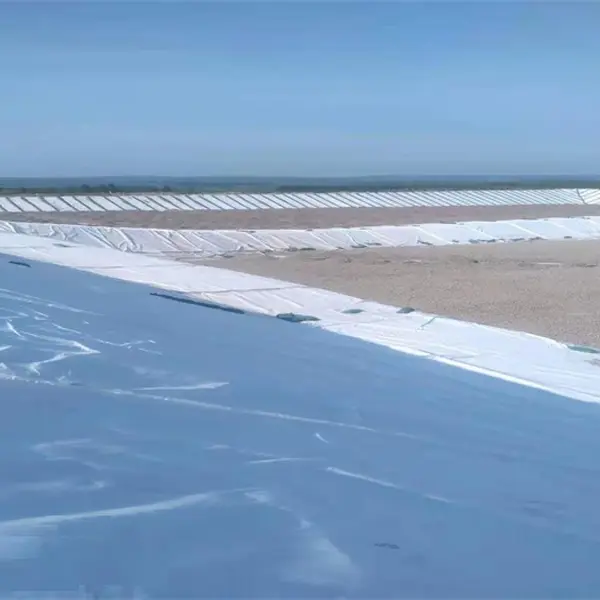
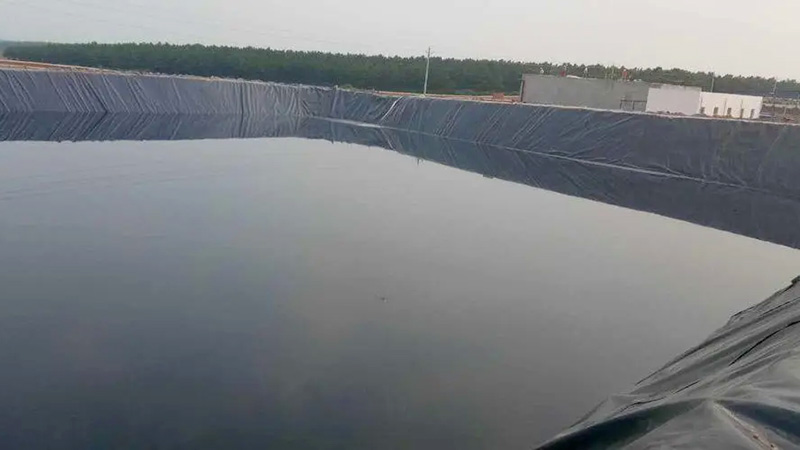
In large-scale reservoirs and dam construction, water loss from leakage is a primary design concern. Our high-density polyethylene (HDPE) geomembranes, paired with heavy non-woven geotextile cushions, form a highly reliable barrier system. This lining mitigates subgrade seepage, maintains reservoir volumes, and prevents piping failures within the dam core.
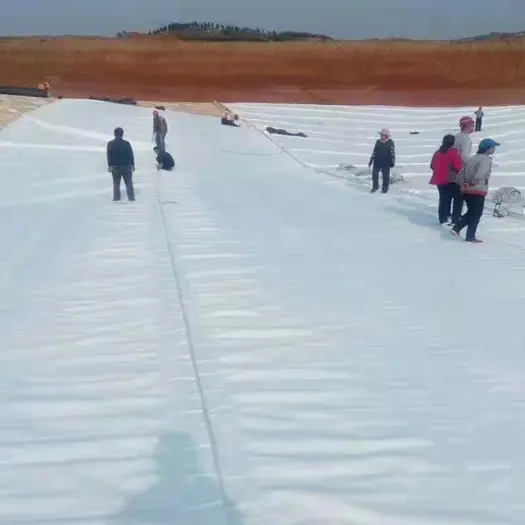
Irrigation channels lose significant volumes of water to soil absorption. Installing composite geomembranes along canals limits this waste, improving water delivery efficiency. The geotextile layer acts to protect the lining from puncture, while also providing friction to stabilize the soil or concrete cover.
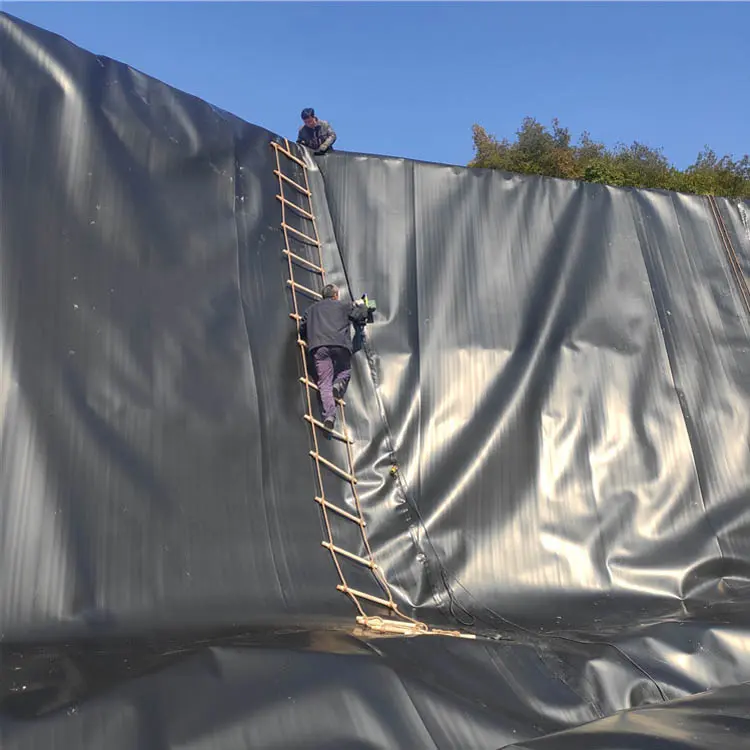
Landfill design requires highly secure containment systems to prevent groundwater contamination from leachate. We supply composite systems utilizing thick HDPE geomembranes, bentonite clay liners (GCL), and heavy geotextiles. This configuration provides multi-layer containment with high chemical resistance.
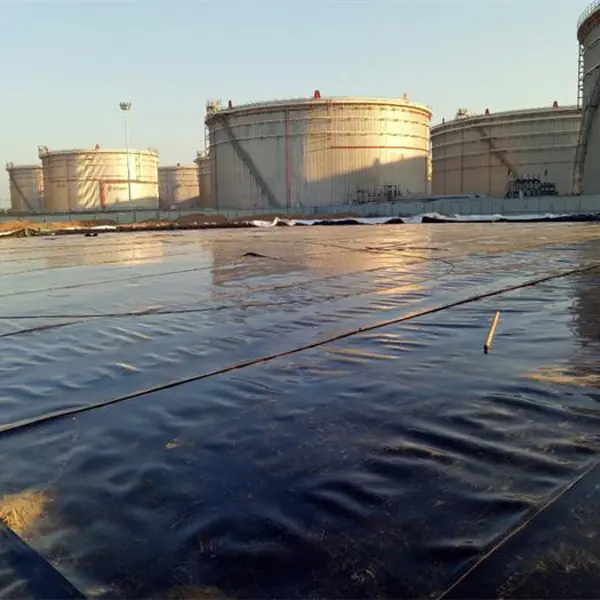
Petrochemical containment fields require geomembranes that resist swelling, chemical degradation, and hydrocarbon damage. Our specialized PVC and reinforced HDPE liners deliver the puncture resistance and low permeability needed for secondary containment dikes.
Our materials are deployed globally in key infrastructure projects, demonstrating long-term durability across diverse soil conditions and climates.
The performance of geotextile filtration materials varies significantly based on local hydraulic conditions, soil pH, and installation challenges.
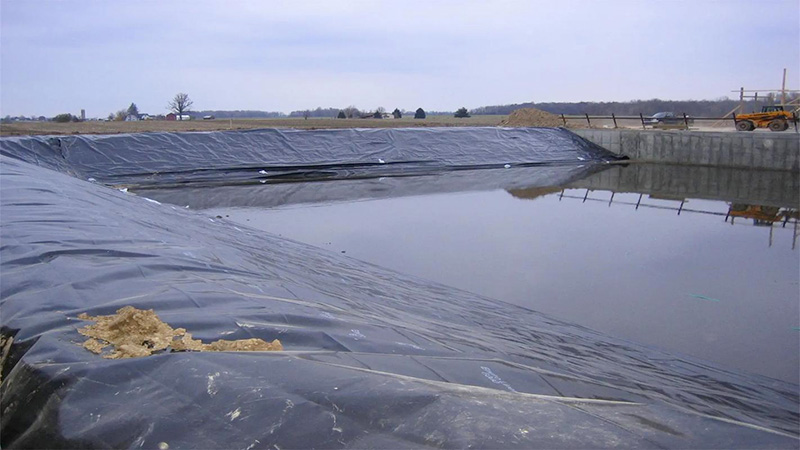
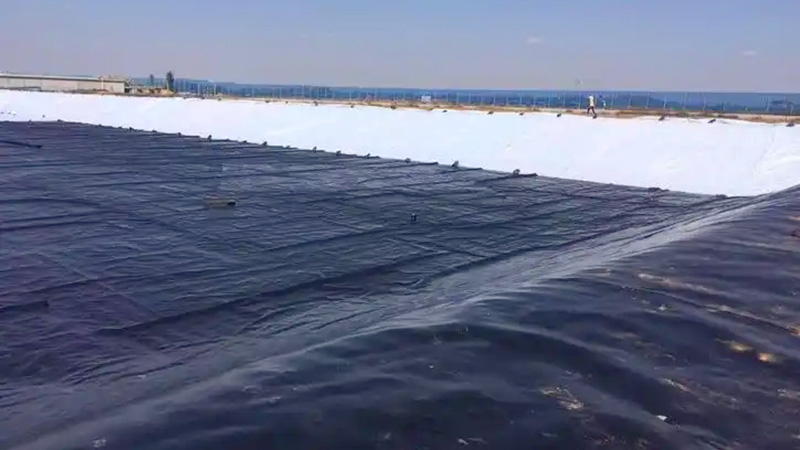
In municipal reservoirs, soil contact interfaces must be carefully managed to prevent slope failures. Standard geomembrane liners are often paired with needle-punched non-woven geotextiles. This geotextile layer protects the membrane from gravel punctures and manages gas release underneath, reducing the risk of liner bubbles.
Dike and levee structures are vulnerable to internal erosion and soil piping. Using composite filter systems along the water interface prevents soil migration while allowing excess pore water pressure to release. This approach maintains structural stability during rapid drawdown events.
Urban channelization projects must balance bank stabilization with ecological integration. Placing non-woven geotextile filter fabric beneath rip-rap or concrete articulators prevents subgrade erosion while allowing vegetation to establish roots. This method supports bank stability and natural water filtration.
The geosynthetics industry is shifting toward more sustainable and functionally advanced materials. Shandong Hongyue’s R&D roadmap focuses on two main development paths:
1. Smart Geosynthetics: We are testing the integration of conductive fibers into geotextile matrices to create smart sensor arrays. These systems can monitor real-time strain, settlement, and moisture changes within highway and bridge foundations, warning engineers of potential issues before they cause structural failure.
2. Eco-Friendly & Bio-Based Polymers: To reduce the carbon footprint of public projects, we are developing bio-synthetic polymers and recycled PET geotextiles with verified degradation lifespans. These materials are designed for temporary erosion control works, naturally decomposing after the site has stabilized and vegetation has established.
Expert engineering answers to common technical queries from project consultants and civil contractors.
Our complete range of geosynthetic sheets, grids, and cells designed to solve complex geotechnical engineering challenges.
 Hongyue