Explore our certified range of geotechnical engineering materials manufactured under strict international standards.
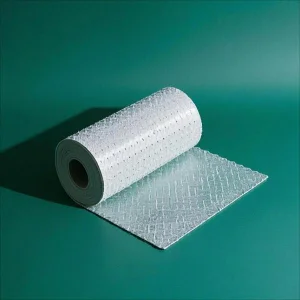
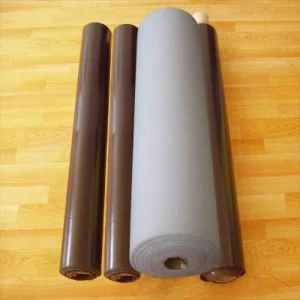
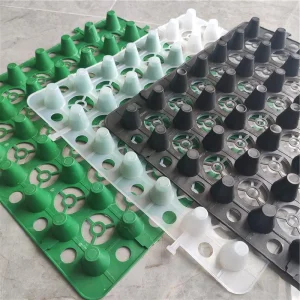
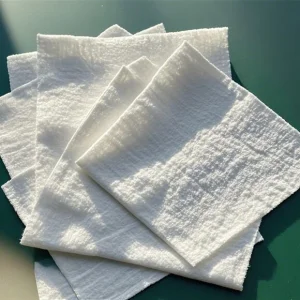
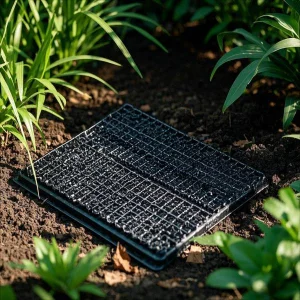
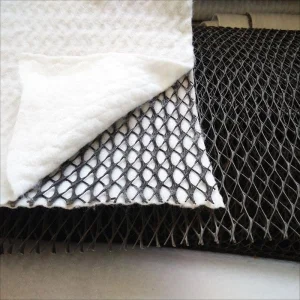

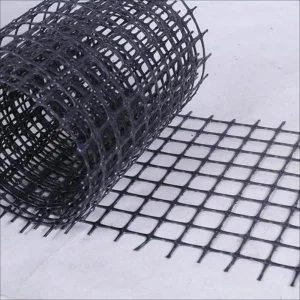
In modern civil engineering, soil reinforcement demands materials with superior tensile strength, low elongation, and long-term durability. PET Geogrids (Polyester Geogrids) represent the pinnacle of high-performance geosynthetics. Manufactured using high-tenacity, high-molecular-weight polyester yarns, these geogrids are knitted or woven into a dimensionally stable network of apertures and subsequently coated with a protective polymer layer (such as PVC, bitumen, or synthetic copolymer).
The core structural advantage of PET geogrids lies in their polymer chemistry. Unlike Polypropylene (PP) which is prone to continuous deformation under sustained tension (a phenomenon known as creep), Polyester displays an exceptionally low creep tendency. This mechanical resilience ensures that the geogrid maintains its reinforcing capabilities for design life cycles exceeding 100 years. The primary mechanism is aggregate interlocking: the subbase gravel or soil particles lock into the geogrid's apertures, transforming a loose granular layer into a rigid composite slab that distributes localized stresses over a wider area.
| Mechanical Property | PET (Polyester) Geogrid | PP (Polypropylene) Geogrid | HDPE Geogrid |
|---|---|---|---|
| Ultimate Tensile Strength | Very High (up to 1000 kN/m) | Moderate (up to 200 kN/m) | High (up to 300 kN/m) |
| Creep Rupture Resistance | Excellent (Low creep coefficient) | Poor (High creep under load) | Moderate |
| Elongation at Break | < 10% (Typically 8-10%) | 11% - 15% | 12% - 15% |
| Hydrolysis Resistance | High (Stable in pH 4-9) | Outstanding | Outstanding |
No two engineering sites share identical geological parameters. As a professional OEM Pet Geogrid Manufacturer, customization is at the heart of our operations. We offer direct-to-factory tailoring for several critical metrics:
Located at the north end of Fufeng Street, Lingcheng District, Dezhou, Shandong Province, Shandong Hongyue Environmental Engineering Co., Ltd. is a leading scientific and technological geotechnical material manufacturer. Registered on April 6, 2023, with an impressive registered capital of 105 million yuan, our facility stands as one of the largest and most advanced production bases of geotechnical materials in China today. Our strategic location in Dezhou affords us superior geographical access and highly efficient transport logistics to ship materials worldwide.
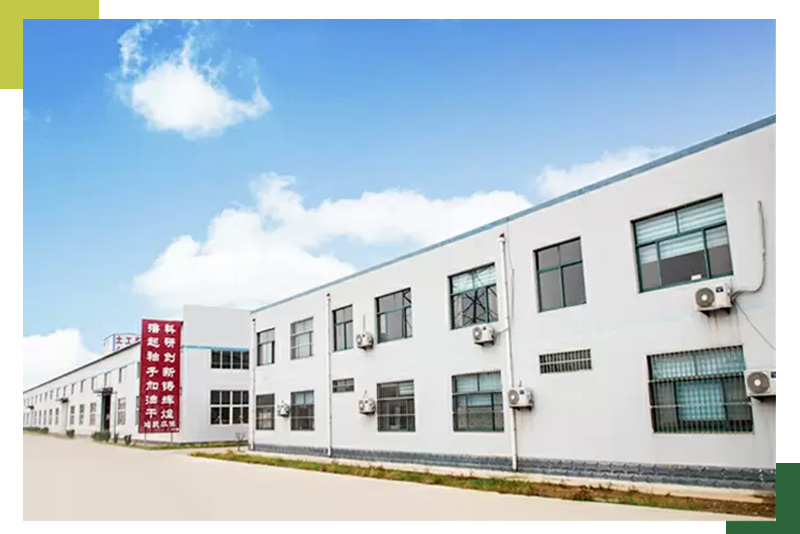
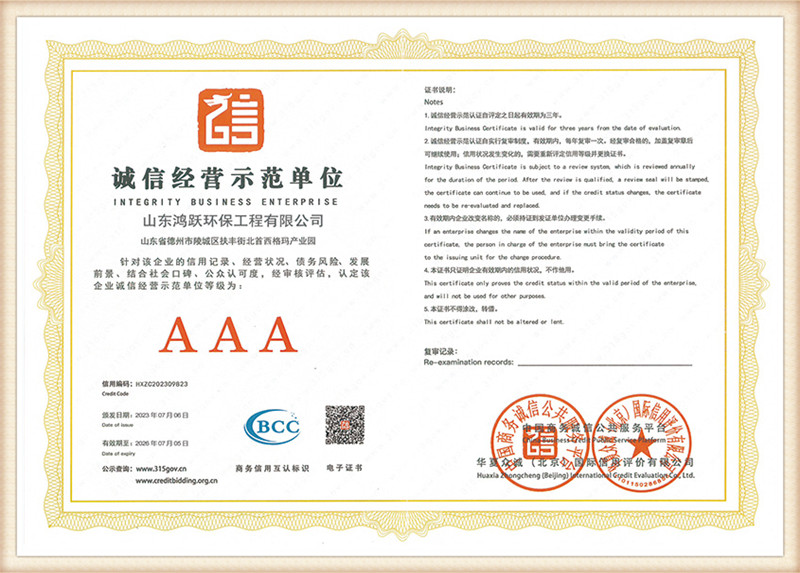
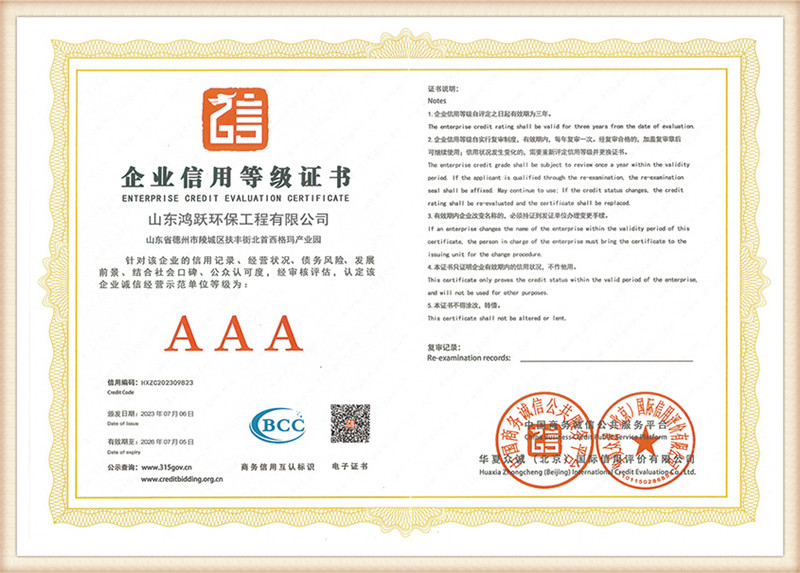
Since our inception, our business scope has grown to encompass the production, sales, design, and construction services of high-quality geosynthetics. Our catalog spans across geotextiles, geomembranes, composite geomembranes, waterproof boards, bentonite waterproof blankets, 3D composite drainage networks, composite drainage boards, woven fabrics, flexible permeable pipes, ecological bags, and cement blankets. We are members of the Dezhou Geotextile Association, backed by a highly qualified technical service team with over ten years of on-site engineering design and implementation experience.
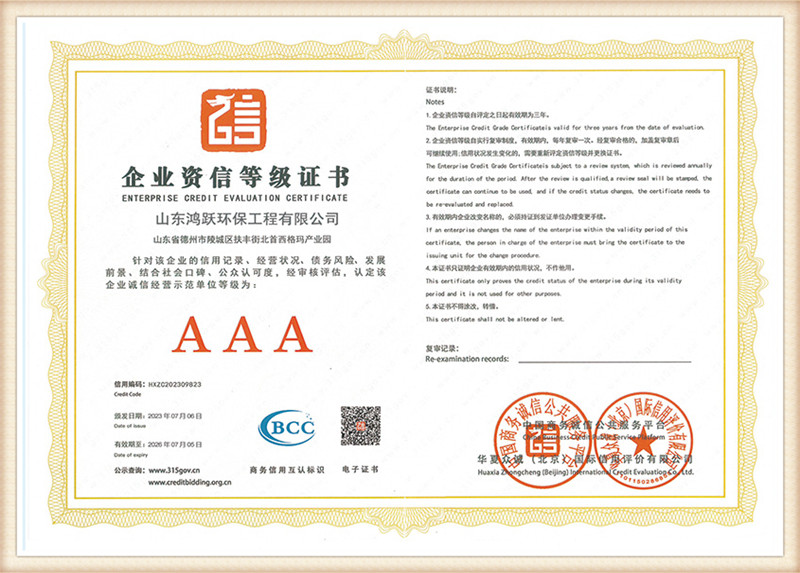
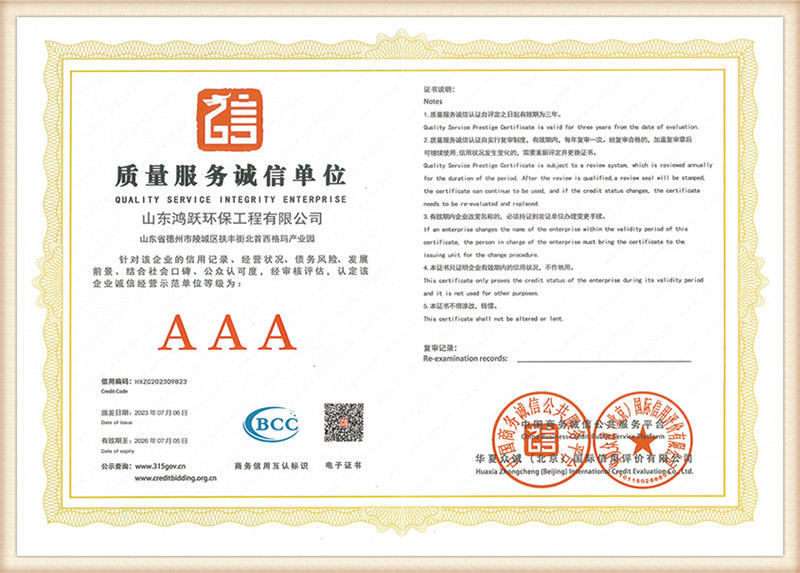
Procuring geogrids from a Chinese factory like Shandong Hongyue grants global buyers structural advantages:
Shandong is the epicentre of geotextile production. High raw material availability reduces basic procurement costs for polymer resin and high-tenacity yarns.
Continuous sourcing agreements with top-tier chemical yarn manufacturers ensure the physical index properties (mass, thickness, tensile) remain stable.
Convenient shipping networks out of Qingdao, Tianjin, or Shanghai ports streamline complex maritime transport to major global hubs.
By bypassing middle-tier distributors, international engineering firms can secure premium quality geotechnical materials directly from the manufacturer. This guarantees clear communication regarding specific subgrade demands, customized roll dimensions, and certification support.
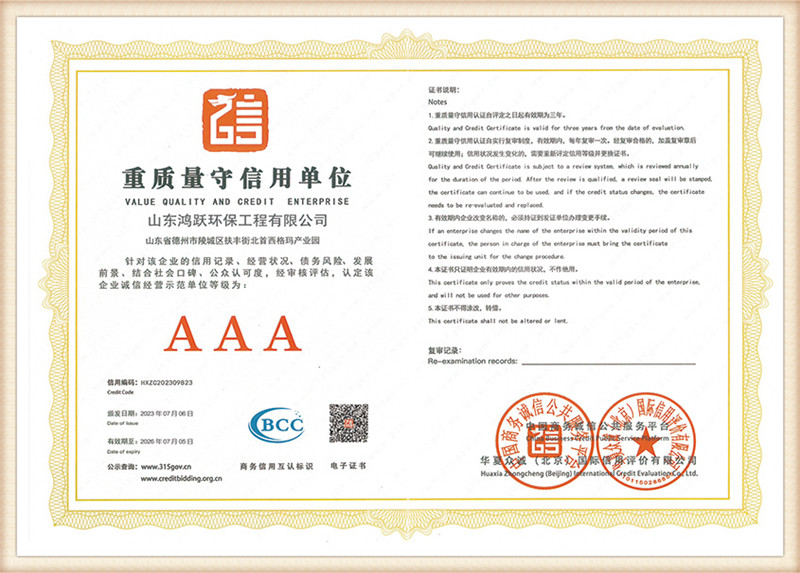
Maintaining strict quality control is crucial when delivering products bound for structural civil works. Our factory has passed the ISO9001 International Quality Management System Certification, ISO14001 Environmental System Certification, and ISO45001 Occupational Health and Safety Management System Certification. We operate a fully integrated, state-of-the-art testing laboratory to verify every roll before export.
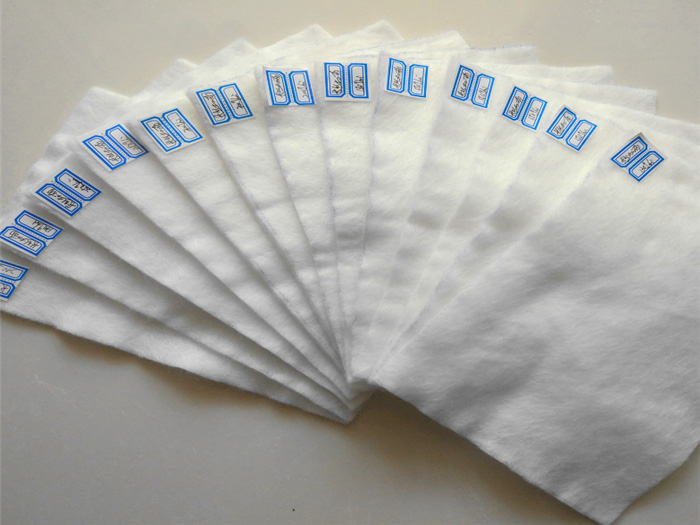
The production loop begins with rigorous checks on raw polymer chips and high-tenacity polyester filament yarns. Inward batches undergo physical testing to verify intrinsic viscosity, melt index, and base mechanical properties.
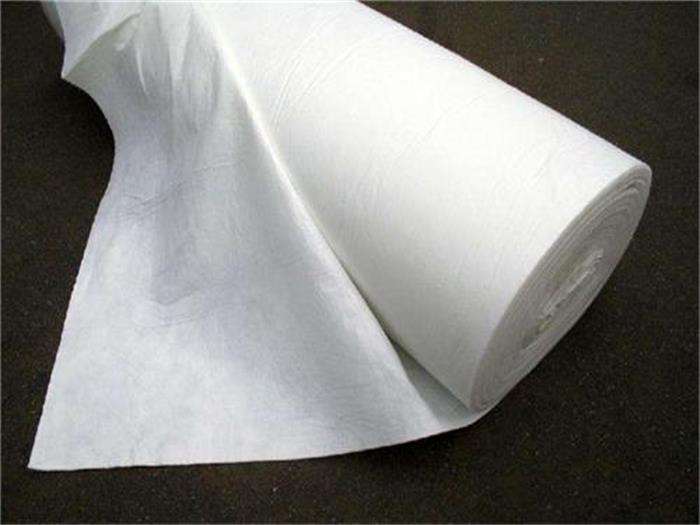
Advanced warp-knitting machines interloop the high-tenacity yarns into high-strength junction structures. The knitting process maintains precision aperture grids and limits shear slippage at joint intersections.
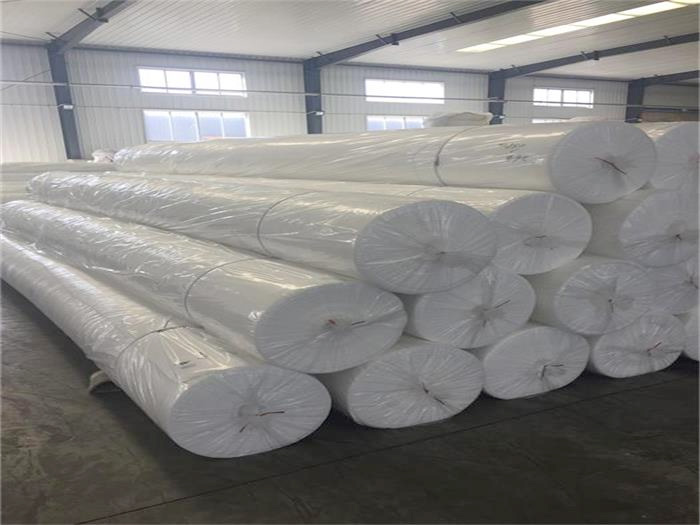
The knitted structures are tensioned, cured, and run through a polymer bath (applying PVC or bitumen coatings). This shield prevents installation damage and blocks chemical attacks from subterranean soils.
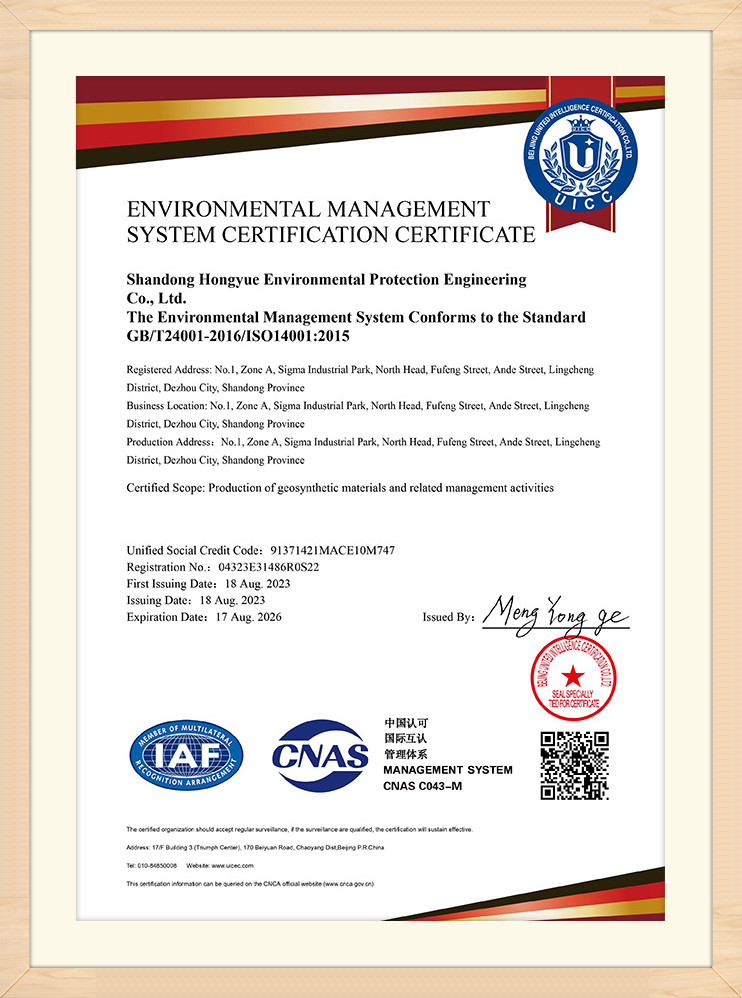
Finished rolls are tested inside our climate-controlled lab. Wide-width tensile tests (ASTM D6637), junction strength tests, and measurements of aperture dimensional stability ensure conformity with regional regulations.
Our commitment to rigorous QA QC protocols is demonstrated by our products consistently meeting and exceeding national standards. We hold third-party test reports from the China National Testing Center, providing clear documentation to satisfy municipal auditors and independent project assessors.
Deploying PET geogrids requires meeting distinct environmental and regulatory requirements. Depending on the installation region, procurement managers must evaluate several factors:
In Mechanically Stabilized Earth (MSE) retaining wall projects, the uniaxial PET geogrid acts as a tension-resisting element. The backfill soil must meet strict gradation criteria to maximize friction. We provide certified structural calculations for long-term design life, factoring in soil chemistry. In highly alkaline backfills, our heavy-gauge polymer coatings shield the underlying polyester fibers from alkaline hydrolysis.
For roads, railways, and storage yards built over soft soils, biaxial PET geogrids distribute loads and prevent rutting. The geogrid distributes vertical stress horizontally, minimizing differential settlement and reducing the required thickness of expensive aggregate base courses by up to 50%.
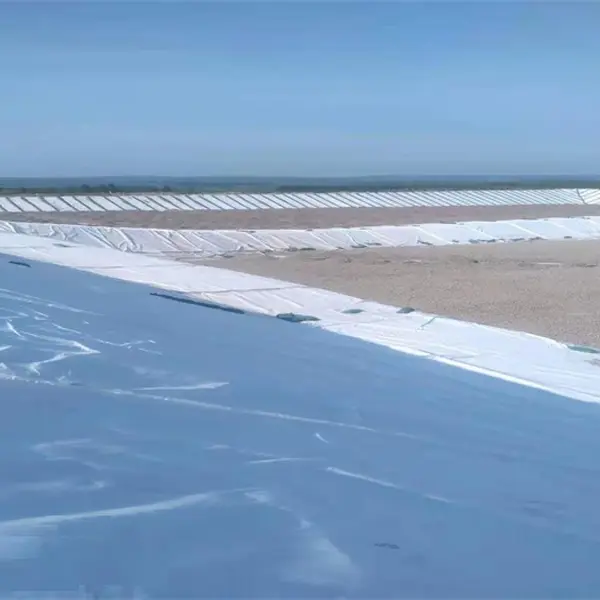
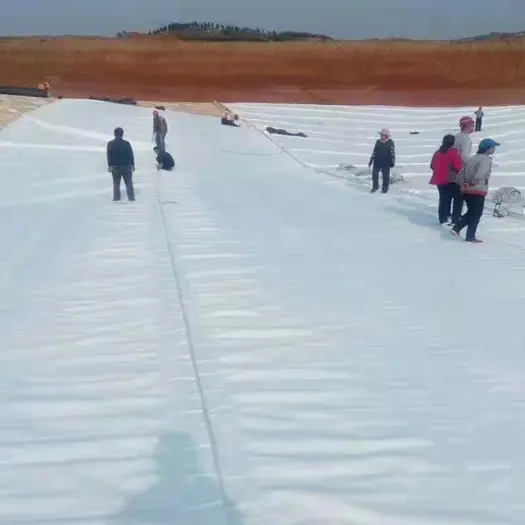
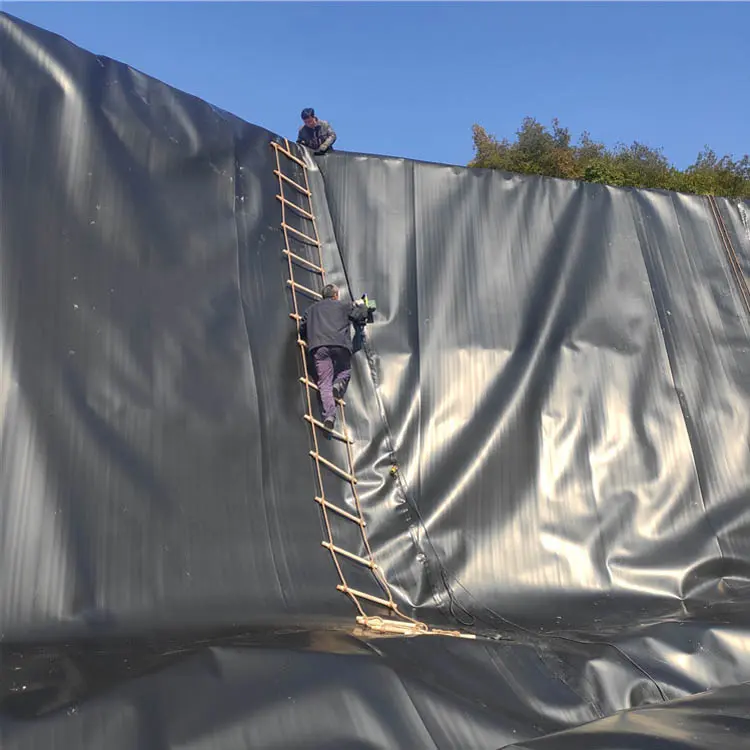
When reinforcing river embankments, canals, and reservoirs, PET geogrids are often combined with geomembranes or concrete blocks to resist scour and erosion. The geogrid stabilizes the slope under fluctuating water tables, preventing slope failure. Our ISO-certified manufacturing ensures all composite systems resist long-term UV exposure and waterborne biological degradation.
The global geosynthetic market is moving toward smart, sustainable, and highly integrated reinforcement systems. We are tracking three major technological developments:
Explore our full line of geosynthetic containment, protection, and drainage products.
 Hongyue