
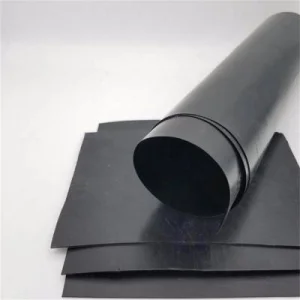
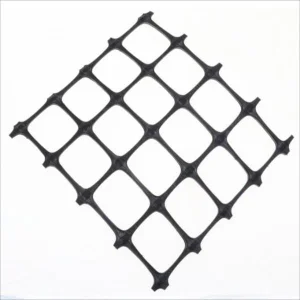
In modern civil and municipal engineering, driveways and high-traffic pathways require highly resilient foundations. Subgrade soils, especially soft clays and silts, are susceptible to shifts under cyclic traffic loading. When aggregate bases are compacted directly onto untreated subgrade, soil migration inevitably occurs: the heavy aggregate sinks while the fine subgrade soils pump upwards under hydrostatic pressure.
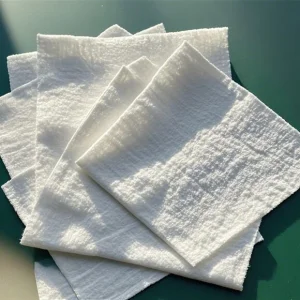
By specifying a high-performance OEM Geotextile, engineers establish a permanent separation and filtration barrier. The geotextile distributes localized wheel loads across a wider surface area, reducing stress points and mitigating rutting. This structural mechanism minimizes excavation depths, saves raw stone costs, and extends the service life of driveways by up to 250%.
Shandong Hongyue Environmental Engineering Co., Ltd. customizes non-woven filament and woven geotextiles tailored to local geological profiles, ensuring high CBR puncture resistance and excellent permeability metrics.
| Property / Metric | Class 1 (High Survivability) | Class 2 (Medium Survivability) | Class 3 (Low Survivability) | Test Standard Method |
|---|---|---|---|---|
| Grab Tensile Strength (N) | ≥ 1400 / 900 | ≥ 1100 / 700 | ≥ 800 / 500 | ASTM D4632 |
| CBR Puncture Resistance (N) | ≥ 2750 | ≥ 2200 | ≥ 1375 | ASTM D6241 |
| Trapezoidal Tear Strength (N) | ≥ 500 / 350 | ≥ 400 / 250 | ≥ 300 / 180 | ASTM D4533 |
| Apparent Opening Size (AOS, mm) | ≤ 0.22 (Customizable) | ≤ 0.25 (Customizable) | ≤ 0.30 (Customizable) | ASTM D4751 |
| Water Permeability Coefficient (cm/s) | 1.0 × 10^-1 to 9.0 × 10^-3 | 1.5 × 10^-1 to 1.0 × 10^-3 | 2.0 × 10^-1 to 1.2 × 10^-3 | ASTM D4491 |
| UV Resistance (% @ 500 hours) | ≥ 70% retention | ≥ 70% retention | ≥ 70% retention | ASTM D4355 |
Engineering Note: Non-woven filament needle-punched geotextiles are highly recommended for driveways with drainage functions (permeable pavers, gravel, or sub-drains) due to their superior flow rates and multi-directional tensile distribution. Woven slit-film geotextiles are preferred for basic separation under asphalt or concrete runways where drainage is handled externally.
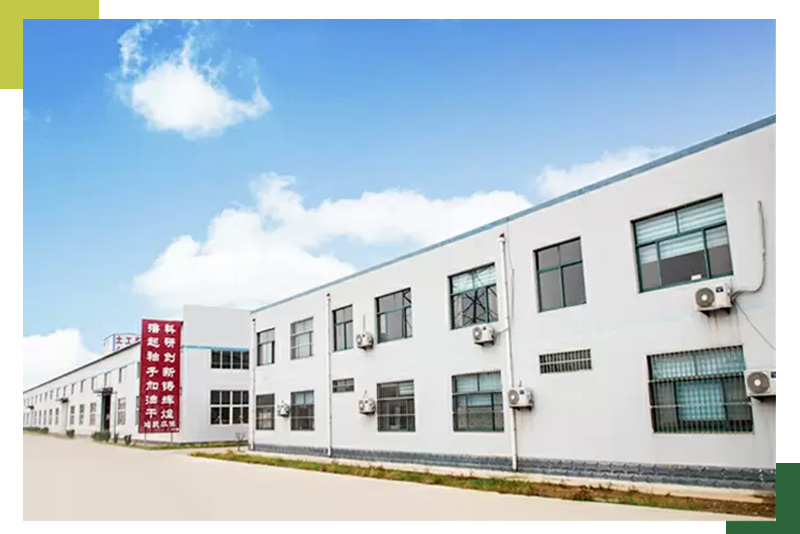
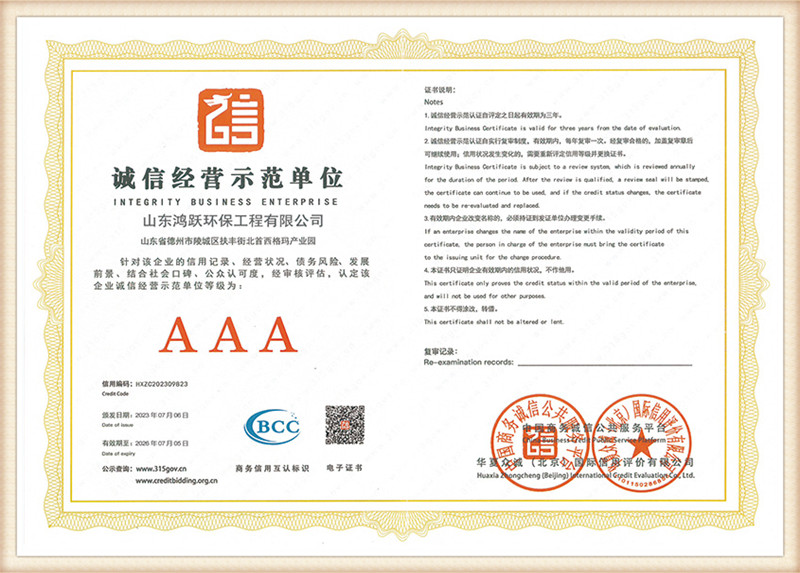
Located at the north end of Fufeng Street, Lingcheng District, Dezhou, Shandong Province, Shandong Hongyue Environmental Engineering Co., Ltd. stands as a leading technological geotechnical material manufacturer. Registered on April 6, 2023, with a robust capital base of 105 million yuan, our facility is recognized as one of the largest production hubs for geosynthetics in China, leveraging convenient logistics networks and proximity to major shipping ports.
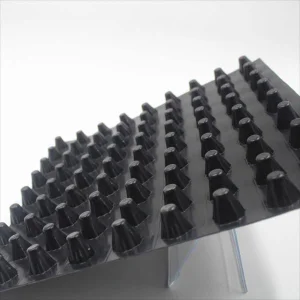
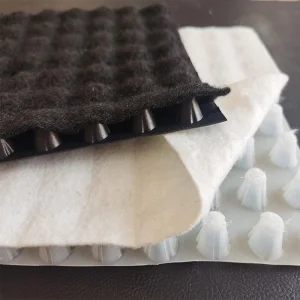
Our comprehensive product catalog includes geotextiles, geomembranes, composite geomembranes, waterproof boards, bentonite waterproof blankets, 3D composite drainage nets, (composite) drainage boards, woven and weaving fabrics, membrane bags, blind ditches, waterproof/drainage combinations, woven bags, ecological bags, cement blankets, fiber plant blankets, and flexible pervious pipes.
We maintain active membership in the Dezhou Geotextile Association. Our products find crucial applications across global civil infrastructure projects, including high-speed railways, municipal highways, bridges, tunnels, canals, environmental landfills, aviation runways, mining sites, and modern agricultural setups.
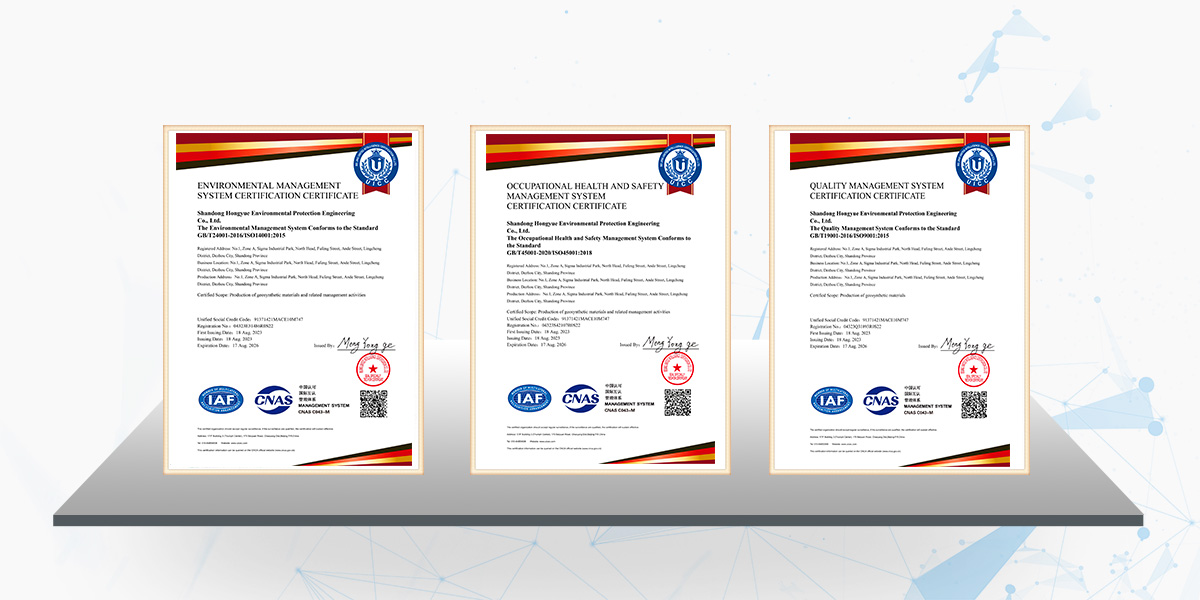
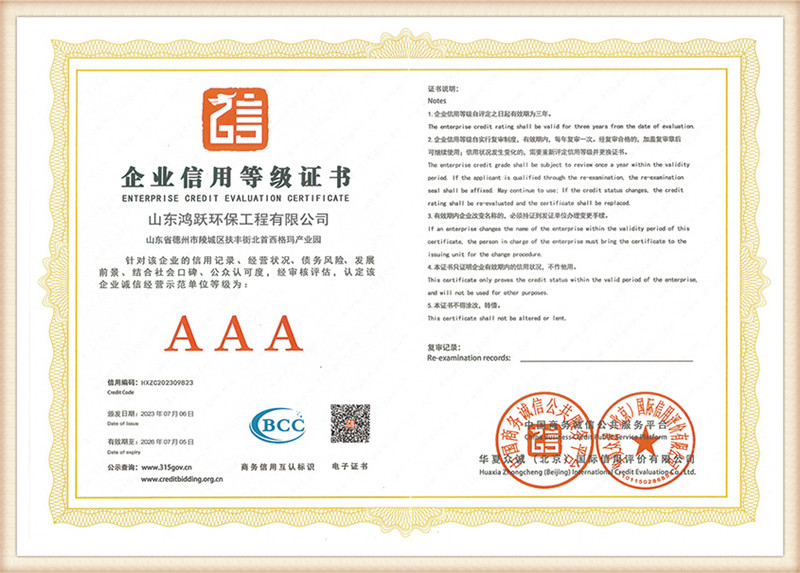
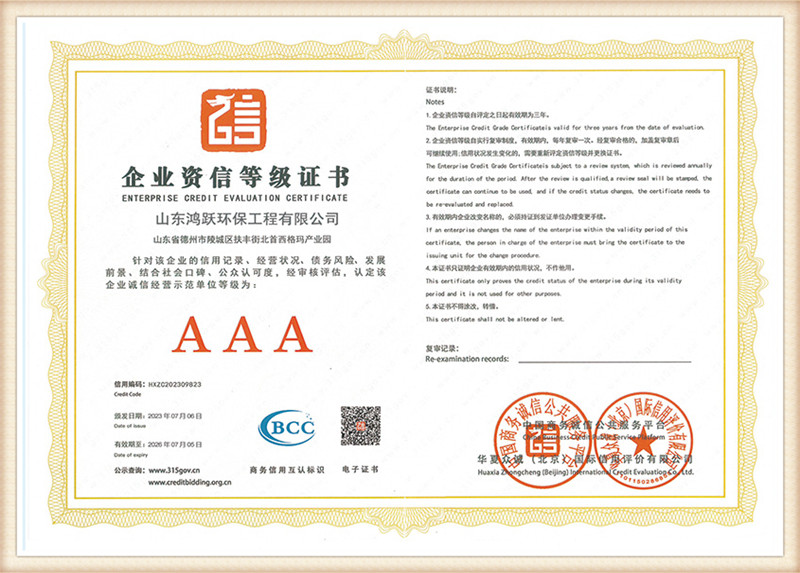
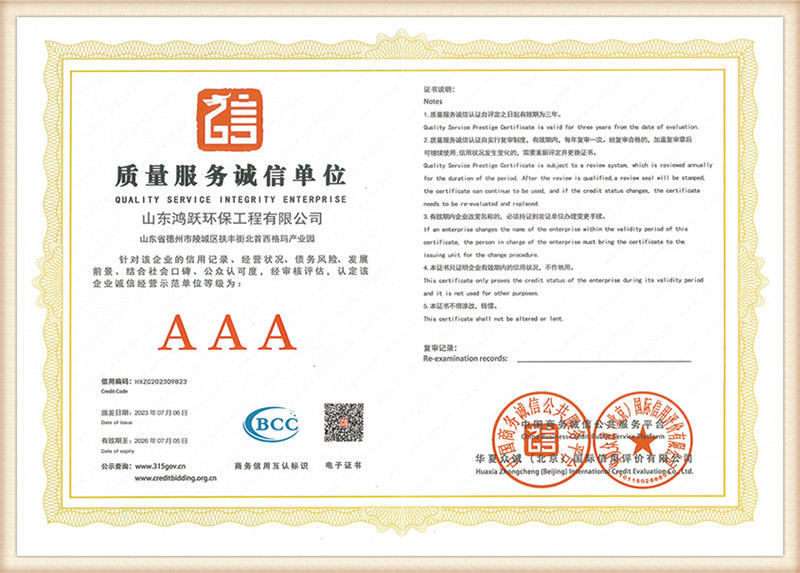
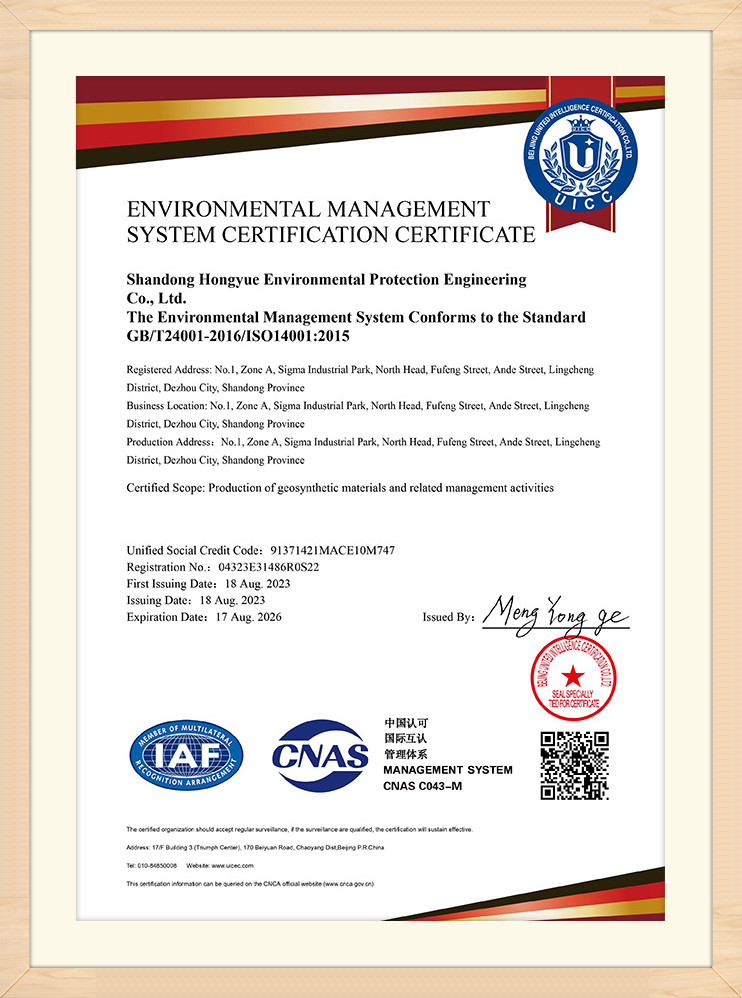
Strictly compliant with ISO9001 quality, ISO14000 environmental management, and ISO45001 occupational health and safety standards.
Equipped with high-precision testing machinery, certified by the China National Testing Center, meeting and exceeding ASTM, EN, and GB metrics.
Exporting custom OEM components to Europe, the Americas, Australia, and Southeast Asia, supported by a network of over 40 domestic agencies.
At Shandong Hongyue, we employ automated, high-speed extruders and computer-controlled needle punching networks. These technologies ensure structural consistency, uniform fiber distribution, and precise thickness across millions of square meters. Our 105 million RMB capitalization enables continuous investment in advanced process control technologies, eliminating the human errors common in manual setups.
Located in Dezhou, Shandong, we operate near major domestic rail links and international deep-water ports. This strategic placement helps us mitigate supply chain disruptions, coordinate rapid container loading, and optimize delivery windows. We manage regional sub-warehouses to maintain consistent safety stock for standard driveway and drainage geotextiles.
We maintain direct, long-term procurement partnerships with top-tier polymer manufacturers. This guarantees a stable supply of virgin polyester chips (PET) and polypropylene (PP) resins. Our raw material reserves insulate global purchasers from volatile spot-market price fluctuations, ensuring competitive OEM contract pricing.
We source premium polyester chips, polypropylene filament, and viscose fibers. These raw materials are inspected and stored under climate-controlled conditions to preserve polymer chain stability and prevent early environmental degradation.
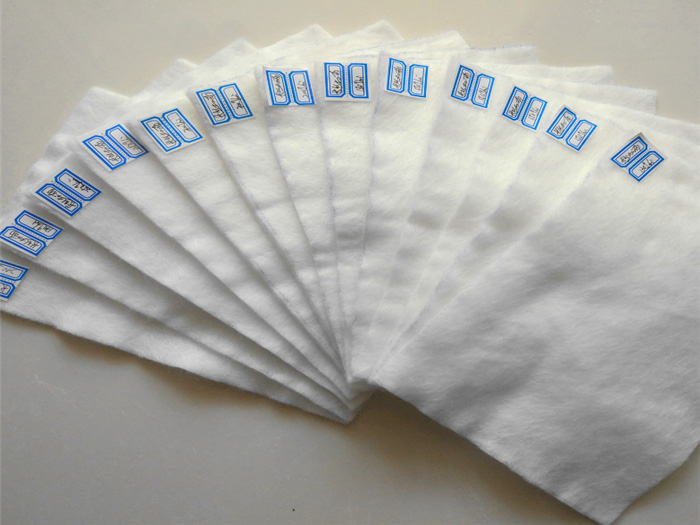
The polymer chips are melted at high temperatures and extruded into a molten state through a precision screw extruder. We add performance modifiers to optimize thermal, chemical, and physical properties.
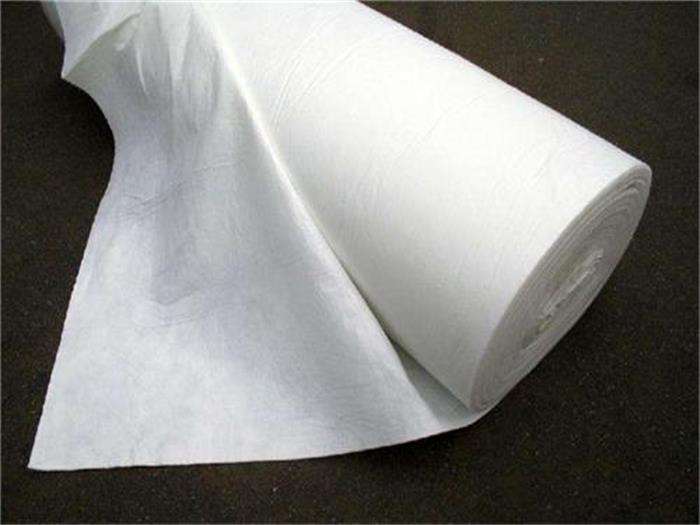
The molten polymer is extruded through high-density spinnerets to produce continuous filaments. These filaments are cooled and laid onto a conveyor belt to form a uniform web structure, controlling thickness, weight, and fiber orientation.
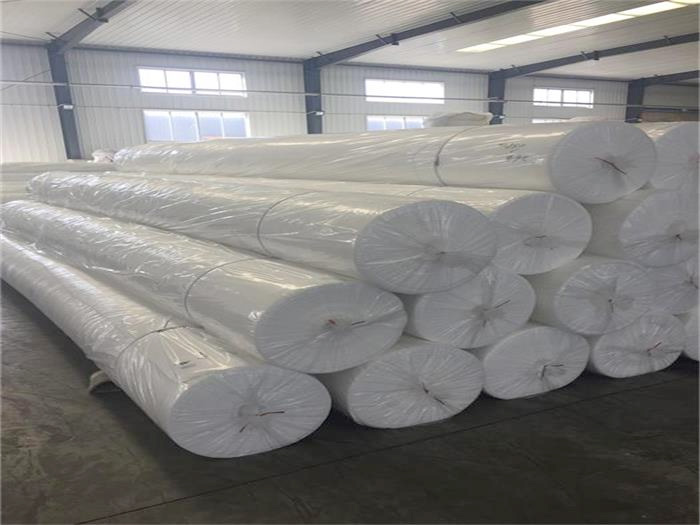
The loose fiber web passes through needle boards, where thousands of barbed needles lock the filaments together. We apply thermal drafting to increase tensile strength and establish a stable, multidirectional matrix.
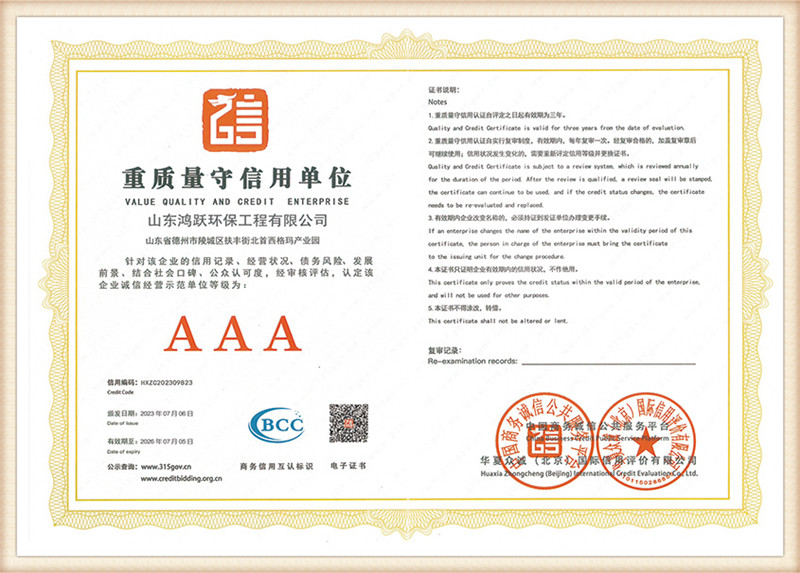
The geotextile is calendered to final thickness, then wound onto heavy-duty cores. Rolls are packaged in UV-stabilized, high-density polyethylene bags to protect the material during global transit.
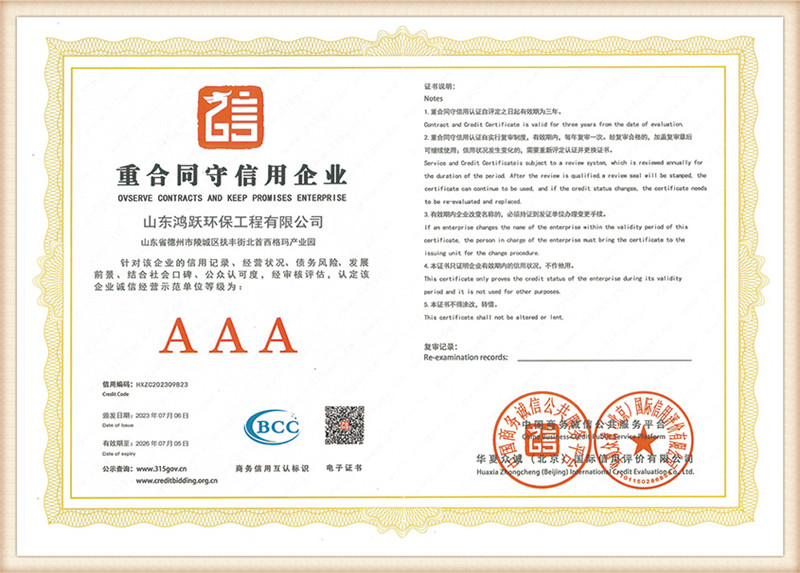
We sample each production batch to test grab tensile strength, CBR puncture resistance, AOS, and permeability. Only products meeting domestic and international standards are certified for dispatch.
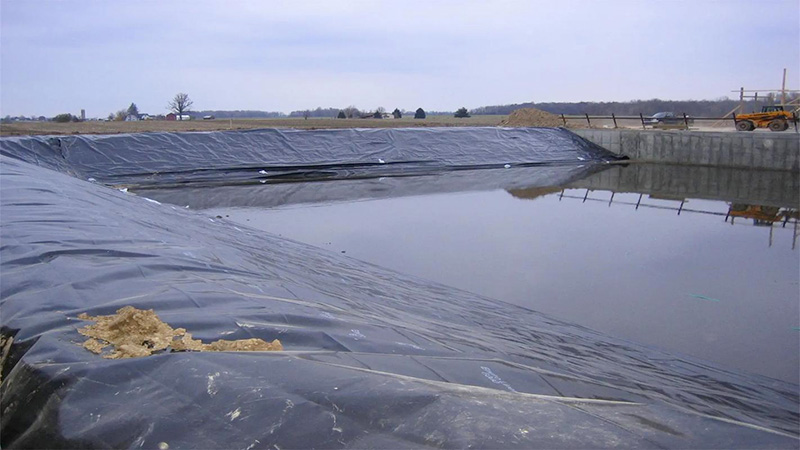
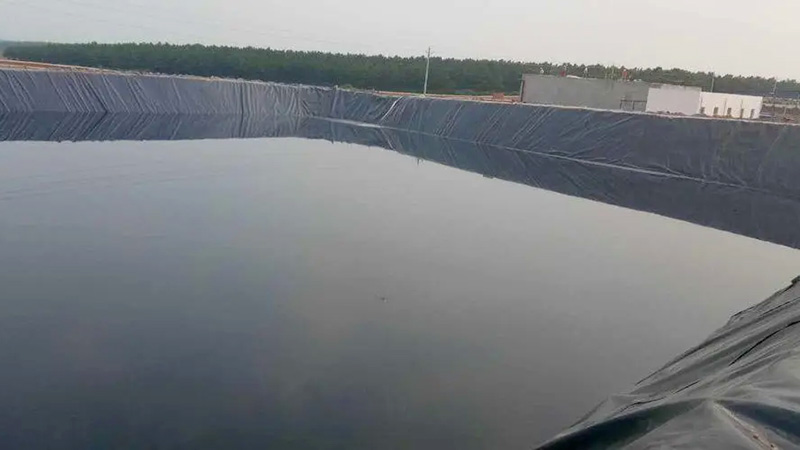
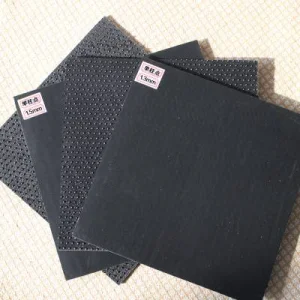
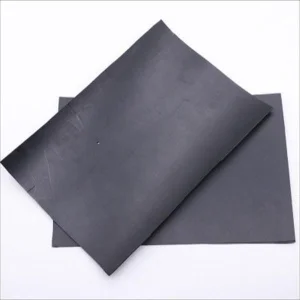
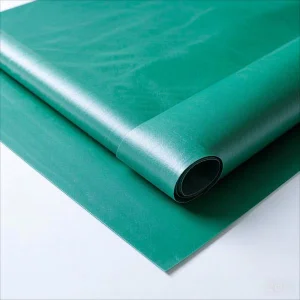
Different projects require specific materials, such as HDPE (High-Density Polyethylene) for high chemical resistance or LLDPE (Linear Low-Density Polyethylene) for flexibility in high-settlement areas. Standard thicknesses range from 0.3mm to 2.0mm, selected based on puncture risks and hydraulic head pressures.
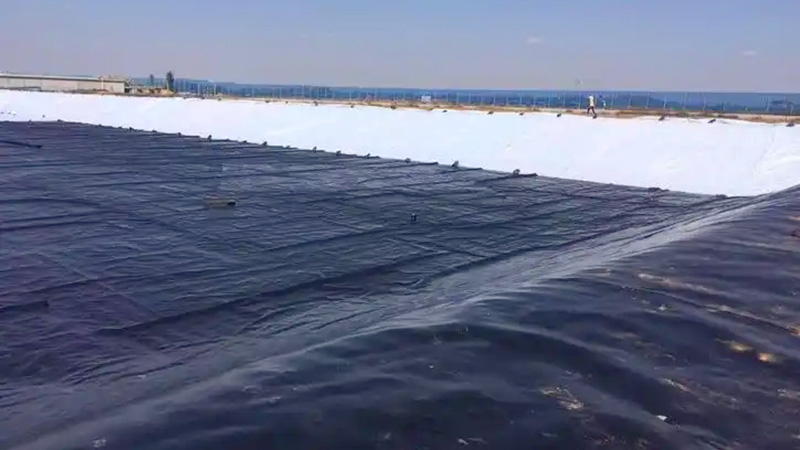
Subgrades must be compacted and cleared of sharp rocks, roots, or standing water. Non-woven geotextiles are often laid as protective cushions beneath the geomembrane. Panels should be deployed systematically with a 10cm to 15cm overlap to facilitate thermal wedge welding.
We use dual-track hot wedge welding for primary seams and extrusion welding for detail work. Joints undergo air-pressure testing to ensure seal integrity. Regular maintenance includes clearing debris and inspection of exposed areas for physical damage.
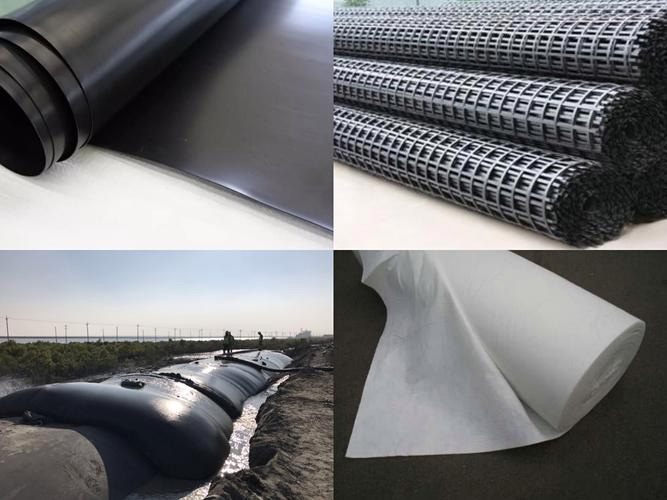
Our geomembranes and composite liners control seepage loss in reservoirs and channels, maintaining water volume and protecting adjacent soil structures.
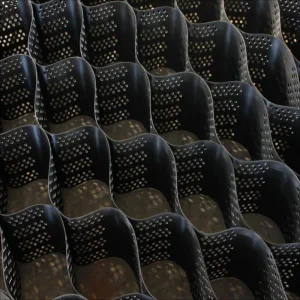
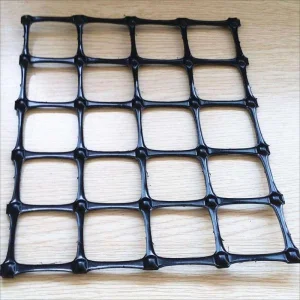
We combine woven geotextiles and geocells to reinforce levee foundations, prevent piping, and control surface erosion from waves and current flows.
Combining non-woven filtration fabrics with riprap or concrete blocks prevents soil migration while allowing natural groundwater discharge along channel banks.
To support green infrastructure initiatives, we are expanding our R&D into bio-polymers and high-tenacity post-consumer recycled PET. This reduces the carbon footprint of geotextile production without compromising tensile strength or puncture resistance.
We are studying the integration of fiber-optic arrays into high-strength geotextiles. These smart materials will monitor structural strain and pore pressure in real-time, providing early warnings for subgrade deformation.
International procurement is moving toward comprehensive solutions. Rather than purchasing geotextiles independently, buyers prefer integrated packages of subgrade stabilization fabrics, composite grids, and drainage pipes from a single supplier.
For driveways requiring drainage (such as gravel, permeable pavers, or sub-base drainage), non-woven needle-punched geotextiles are recommended due to their high flow rates and filtration. Woven geotextiles offer higher tensile strength and separation efficiency under solid surfaces like asphalt or concrete where drainage is directed elsewhere.
We follow an automated manufacturing process with integrated inspection systems. Every batch undergoes testing for grab tensile strength, CBR puncture resistance, AOS, and permeability. We maintain certification under ISO 9001, ISO 14000, and ISO 45001.
Yes. We offer custom roll widths (from 1m to 6m), lengths, and density configurations (from 100 gsm to 1000 gsm). Packaging includes UV-resistant wraps and custom insert labels to support direct shipping to international distributors.
Manufacturing lead time ranges from 7 to 15 days, depending on order volume and custom requirements. Ocean transit times are typically 15 to 25 days to Western North America/Europe, and 30 to 45 days to the US East Coast.
 Hongyue