Explore our highly specified product line designed for modern landscape engineering, infrastructure stabilization, and ecological drainage solutions.
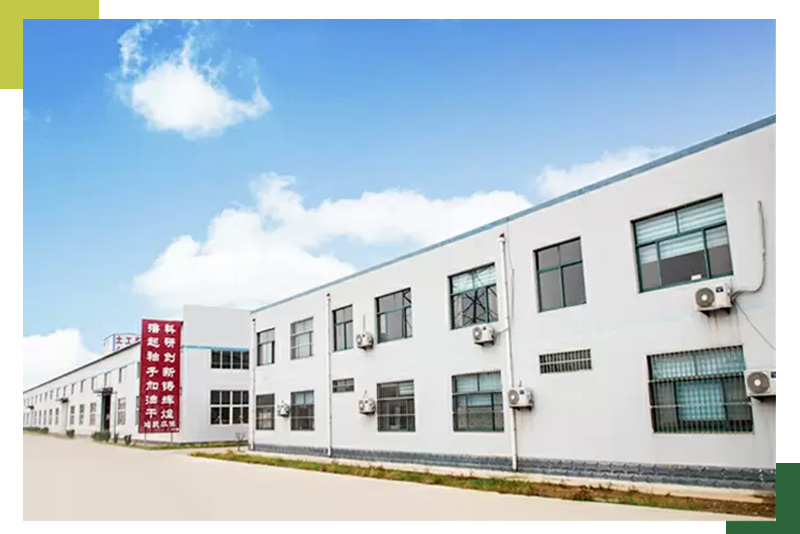
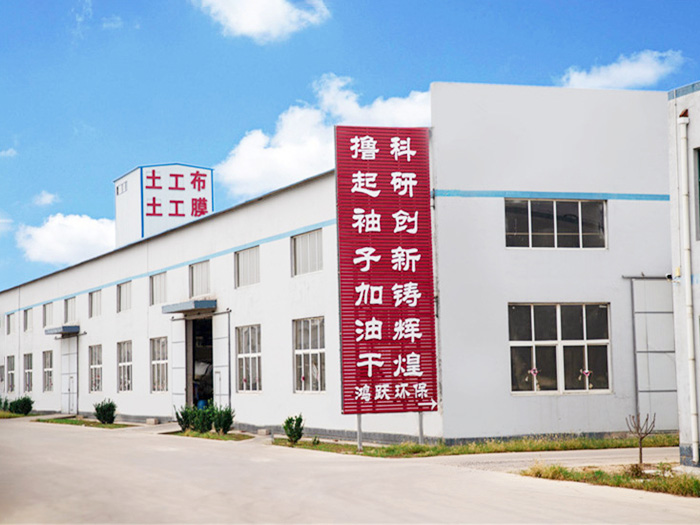
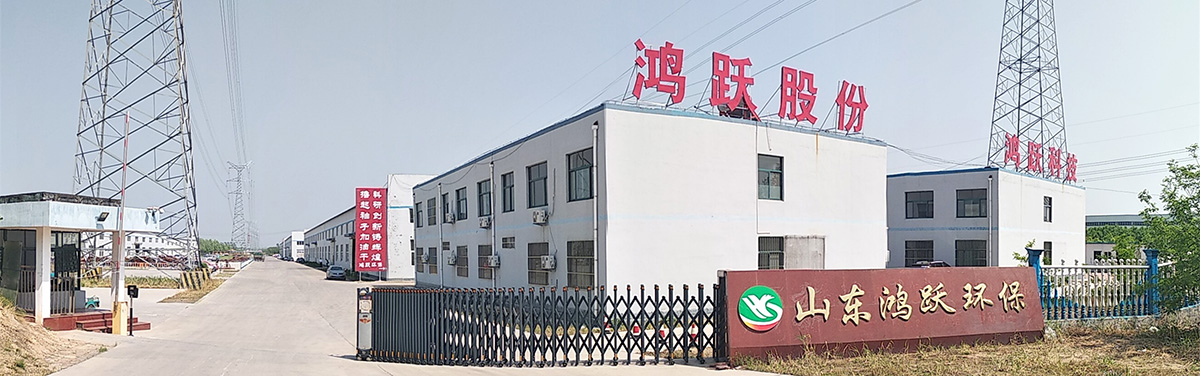
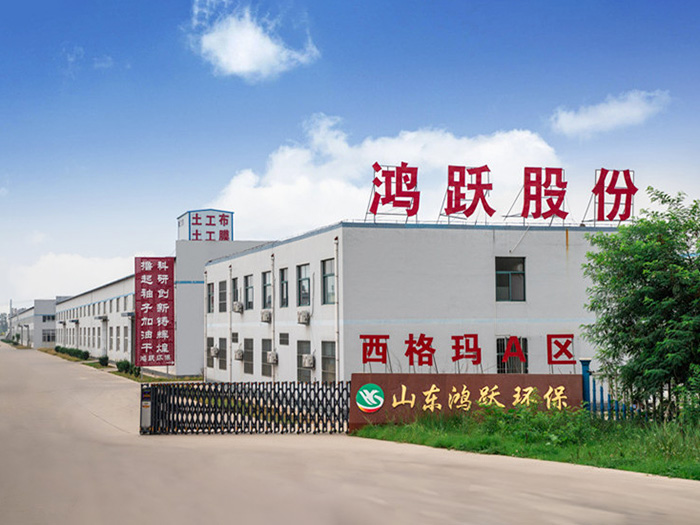
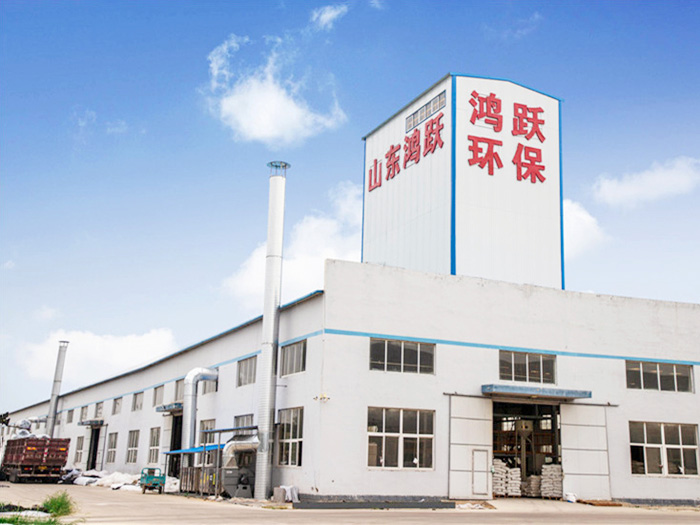
Shandong Hongyue Environmental Engineering Co., Ltd., located at the north end of Fufeng Street, Lingcheng District, Dezhou, Shandong Province, stands as a premier scientific and technological geotechnical material manufacturer. We combine advanced research, manufacturing, global sales, technical design, and hands-on installation support into a single unified enterprise.
Officially registered with a capital base of 105 million yuan, Shandong Hongyue has grown into one of China's most robust manufacturing epicenters for geosynthetics. Our central geography in Dezhou provides direct access to primary logistics hubs, ensuring fast distribution to over 40 domestic metro markets (including Shanghai and Beijing) as well as direct exports across Europe, North America, and Australia.
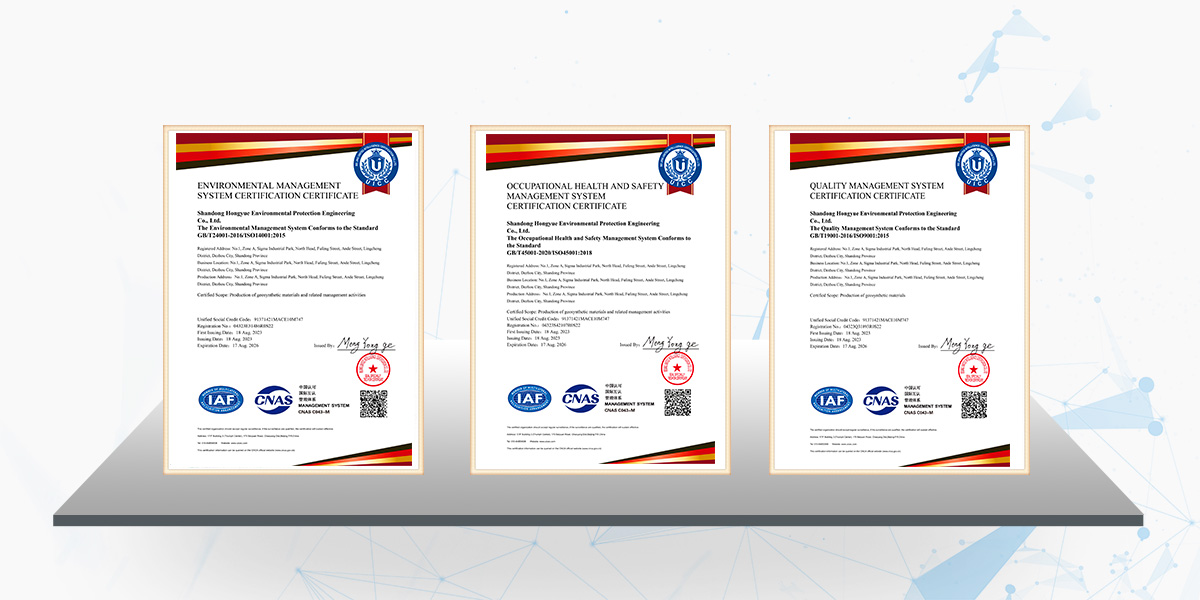
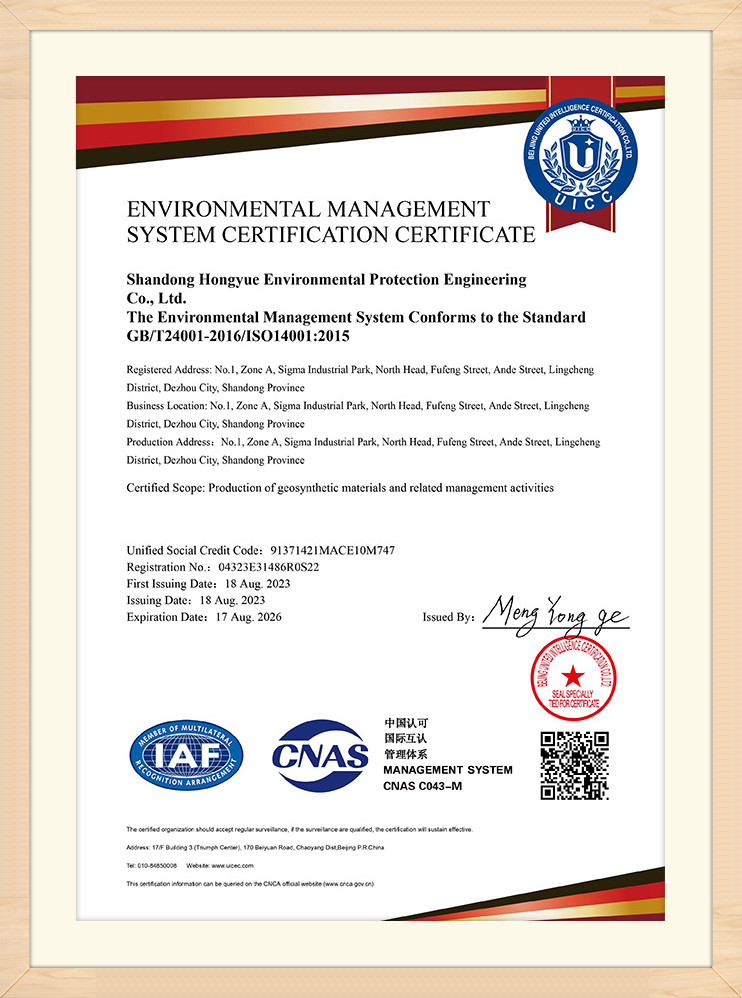
Our operation is anchored in rigorous international quality baselines. We maintain active compliance across ISO9001:2015 (Quality Management), ISO14001:2015 (Environmental Stewardship), and ISO45001:2018 (Occupational Health & Safety), validating our ability to support high-stakes civil and environmental works globally.
Decentralized municipal stormwater management and the demand for low-impact development (LID) are pushing green paving systems into the mainstream of civil design.
Traditional impervious paving concrete and asphalt absorb and re-emit solar radiation. Geogrid-stabilized grass systems retain natural vegetation, encouraging evapotranspiration that significantly lowers localized surface temperatures.
Faced with stricter municipal drainage surcharges, commercial developers are turning to high-permeability, geogrid-stabilized driveways to bypass heavy storm sewers, allowing direct soil recharge.
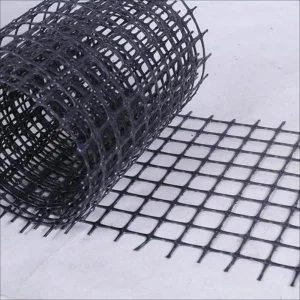
By interlocking directly with gravel or structural soil matrices, geogrids distribute heavy axle loads over wider spans. This cuts aggregate base depth requirements by up to 50%, reducing logistics cost.
Procurement professionals evaluate geo-stabilization suppliers on structural integrity, material composition, and long-term durability under environmental stress.
For large infrastructure, commercial distribution, or civil municipal tenders, OEM sourcing demands strict material performance control. Key purchasing considerations include:
Shandong Hongyue supports bulk OEM orders with custom sizing, cell depths (from 50mm to 200mm), weld distances (330mm to 1000mm), and distinct textured or perforated finishes. This allows engineers to dial in the perfect drainage and friction properties for project sites.
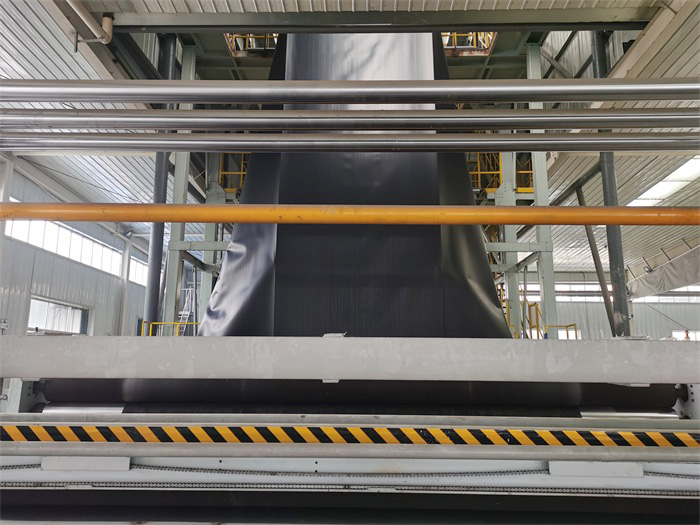
How our automated facility in Shandong transforms high-grade polymers into certified geotextiles and structural geogrids.
We start with verified polymer chips, adding performance additives and UV-stabilizers. Each batch undergoes melt flow rate (MFR) testing to guarantee consistency before feeding into the line.
Using precision screw extruders, the polymer is melted at high temperatures, extruded, and passed through calibrating rollers to establish uniform sheet thickness.
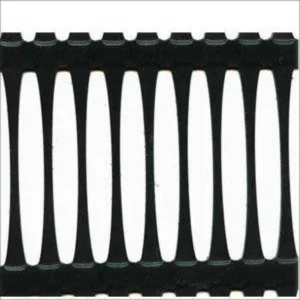
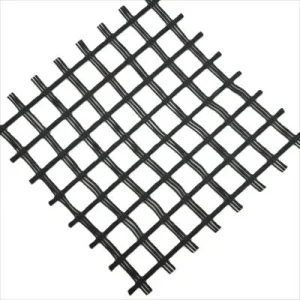
For geogrids, we punch patterns and stretch the sheets under heat to align the polymer chains for high tensile strength. For geocells, ultrasonic welding bonds the strips into high-shear-resistant joints.
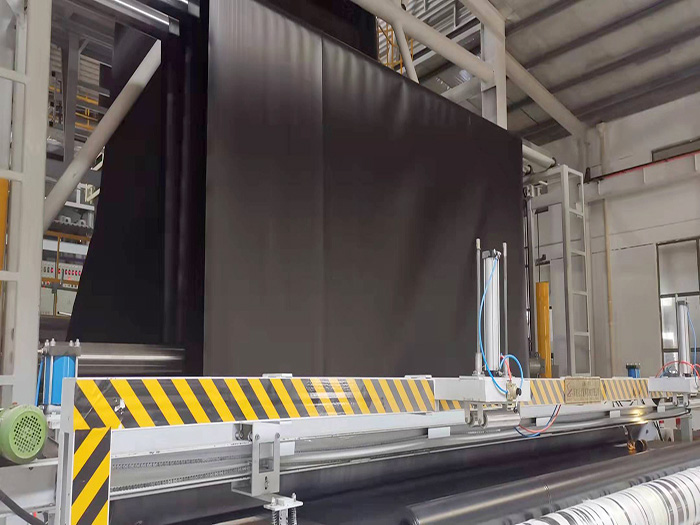
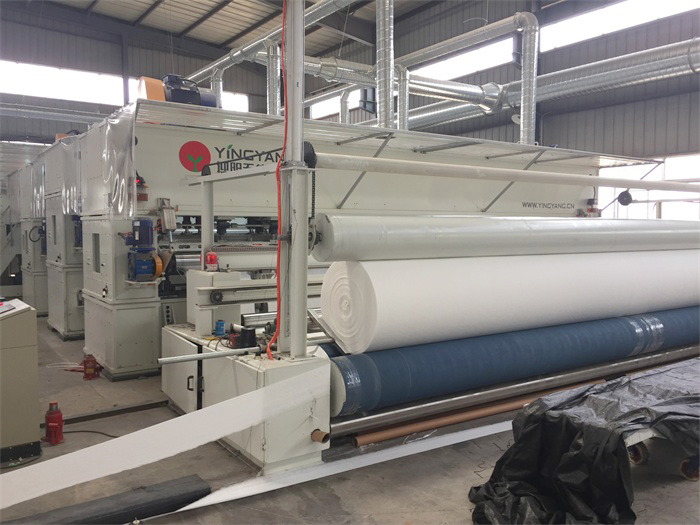
Our in-house QA lab runs continuous tests on every production shift, measuring tensile strength at yield, carbon black dispersion, joint peel strength, and long-term creep resistance. We ensure our materials meet or exceed global standards, ensuring reliable field performance under high-pressure applications.
Building a long-lasting permeable driveway requires combining components into a single, high-performance layering system.
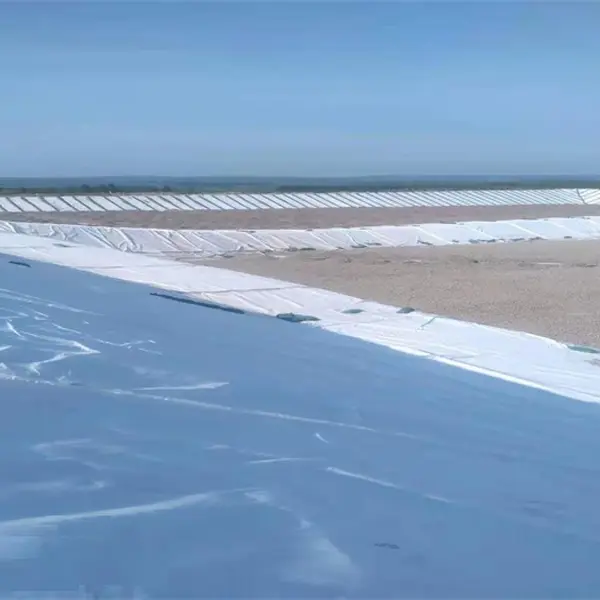
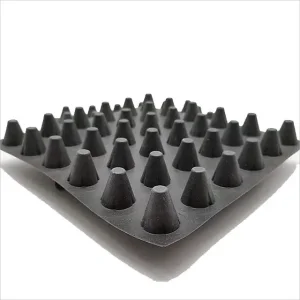
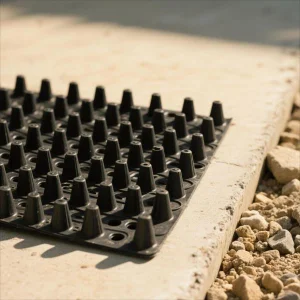
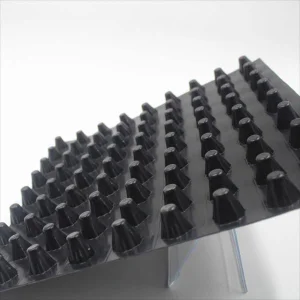
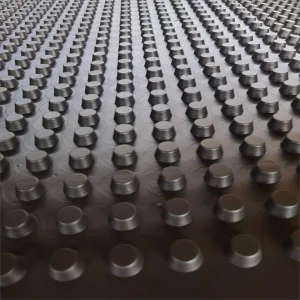
Combining permeable grass driveways with sub-base drainage pipes prevents ground water pooling. In areas with poor drainage, adding dimpled drainage boards and non-woven geotextiles helps direct water runoff away from the roadbed, protecting soil stability.
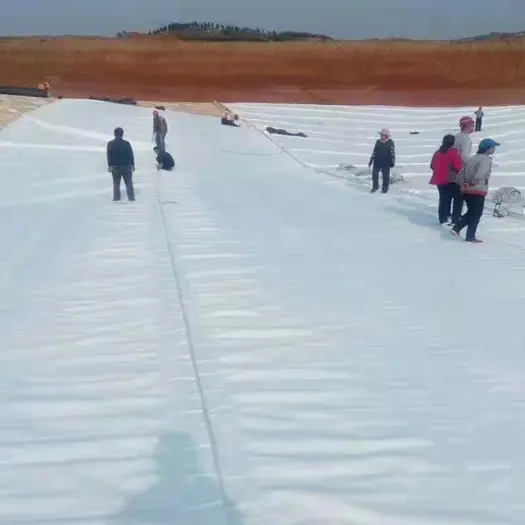
For installations on dynamic inclines or fire lanes near banks, our composite geocells keep topsoil and roots securely in place. The high cell walls prevent soil shifting even under heavy rainfall, preventing erosion.
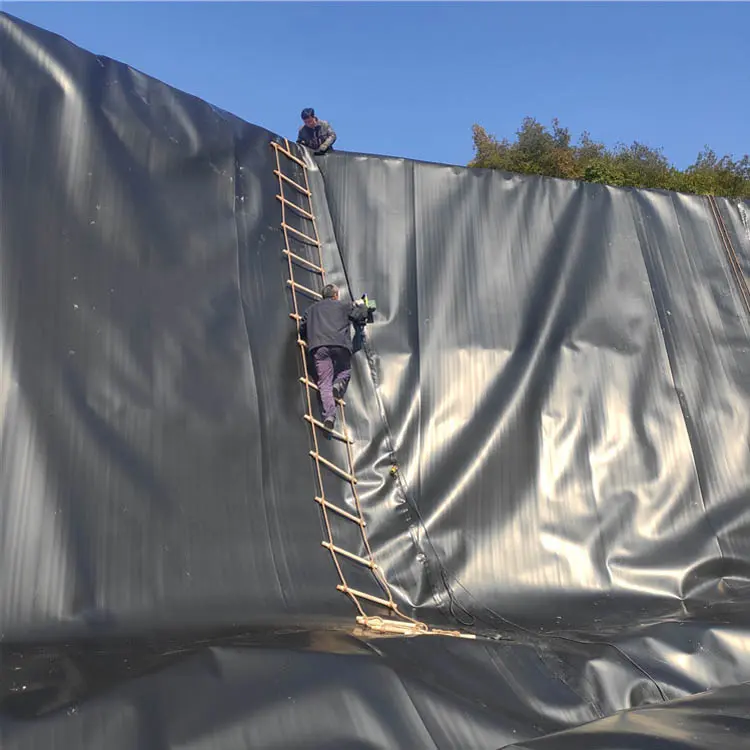
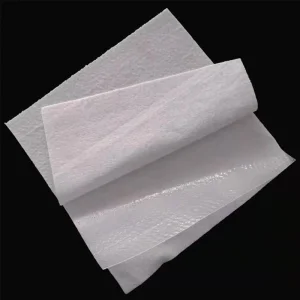
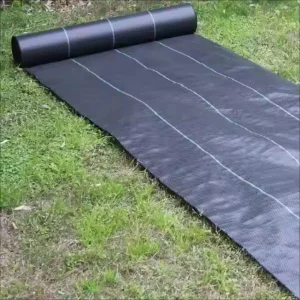
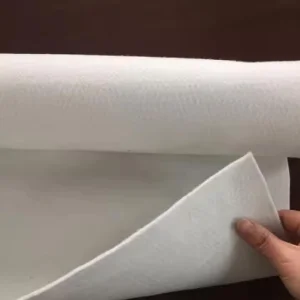
Using a non-woven geotextile below the driveway base aggregate stops subsoil from migrating up into the structural gravel. This separation extends the driveway's life and prevents uneven settling.
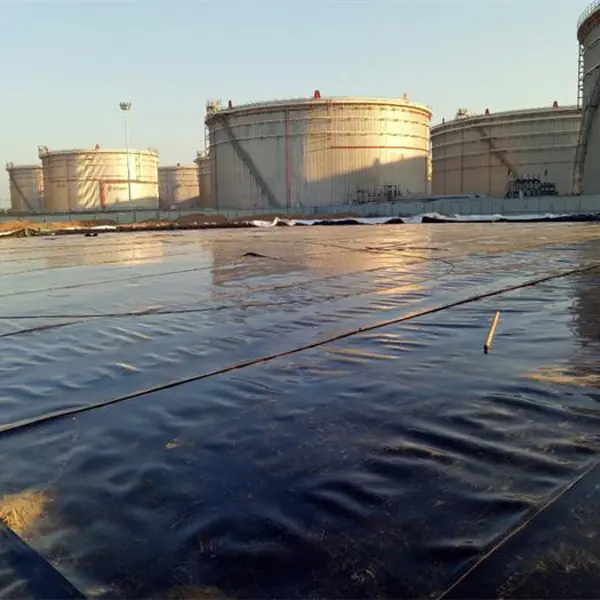
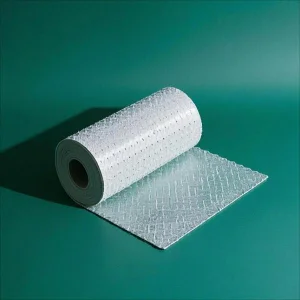
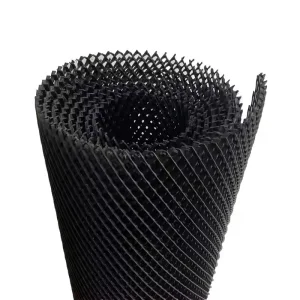
Our heavy-duty geogrids spread concentrated wheel loads across a wider area. By locking aggregates in place, they reduce dynamic rutting forces and allow grass-stabilized surfaces to support emergency vehicles.
Shandong Hongyue provides complete technical documentation and on-site support to ensure project compliance.
Our technical team coordinates with consulting engineers to draft precise specifications for sub-base depth, aggregate grading, and turf selection based on the local climate. We provide:
We work closely with local teams to ensure our materials comply with regulatory frameworks, speeding up project approvals.
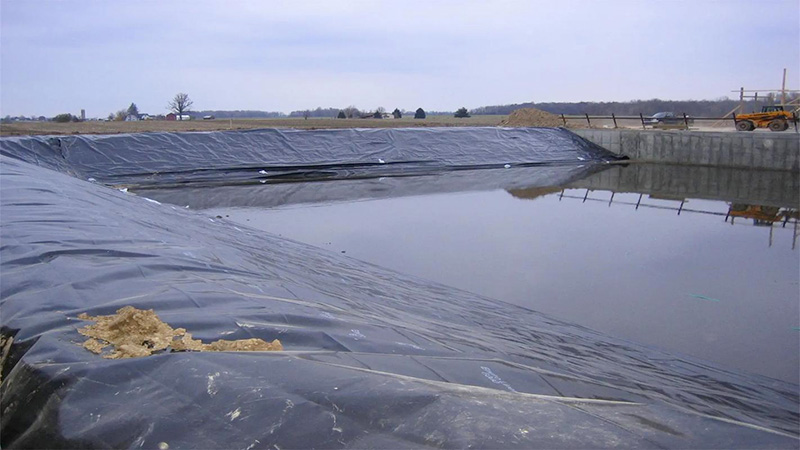
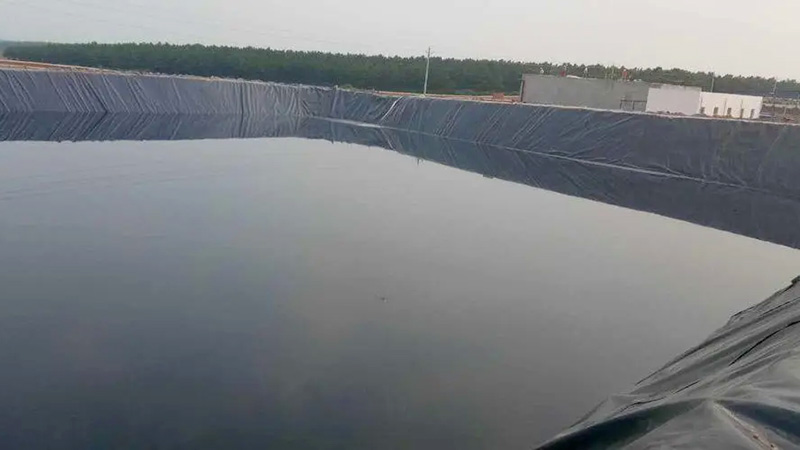
Shandong Hongyue's R&D is focused on high-performance materials and sustainable manufacturing.
Researching plant-derived polymers that maintain durability for decades in soil, reducing reliance on fossil fuels.
Developing smart geogrids with optical fiber sensors that monitor soil strain and movement in real time for critical structural sites.
Perfecting methods to blend recycled ocean plastics into high-tensile structural meshes without losing mechanical performance.
Answers to common structural design and installation questions from engineers and procurement teams.
When installed over a stable base and backfilled with aggregate or structured soil, our geogrids and geocells support HS-20 load ratings (axle loads of 32,000 lbs, equivalent to heavy municipal and emergency vehicles).
The cellular walls of the grid absorb heavy wheel loads, distributing the weight across the surface. This keeps the infill material from compacting, leaving root zones open for water and oxygen.
Yes. Our HDPE formulation uses custom polymer blends that remain flexible at temperatures down to -40°C, preventing cracking during freeze-thaw cycles.
Standard installations use 100-200mm of compacted, clean crushed stone as the drainage base, followed by a non-woven geotextile filter layer, 30mm of bedding sand or soil, and then the structural grid filled with root-zone soil.
Our permeable driveways handle rainfall rates over 20 inches per hour. Water drains quickly through the grid cells into the crushed stone base, reducing surface runoff.
We run continuous quality checks on thickness, tensile strength, and weld durability. Every shipment comes with a certificate of compliance verifying testing against ASTM standards.
High-performance geosynthetic options for erosion control, drainage, and soil reinforcement projects.
 Hongyue