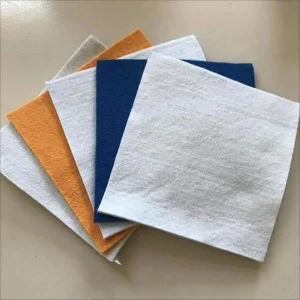
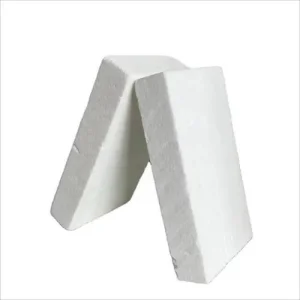
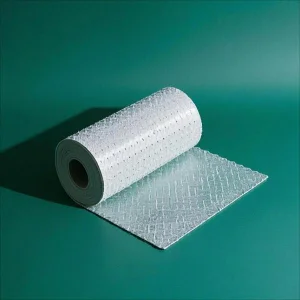
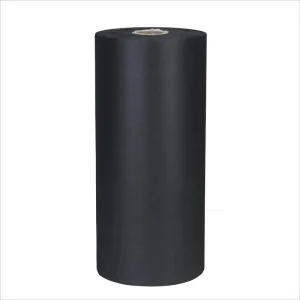
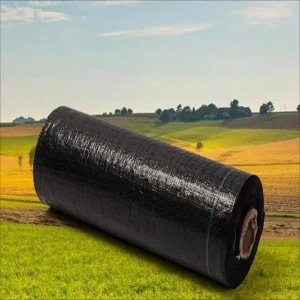
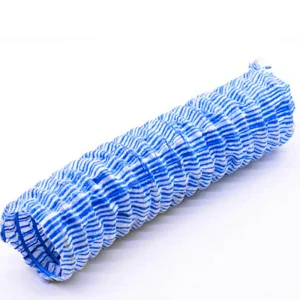
Explore our high-performance product range designed for global infrastructure, environmental protection, and filtration projects.
Modern civil infrastructure, coastal defense networks, and ecological restoration systems are operating in increasingly volatile environmental conditions. In this critical dynamic, filtration geotextiles serve as the unsung structural guardians. By acting as a permeable barrier, these geosynthetics prevent soil particles from migrating while facilitating the free flow of groundwater, preventing structural failure due to hydrostatic pressure build-up or soil erosion.
Globally, urbanization and severe climate anomalies are driving unprecedented investments in hydraulic engineering, subgrade stabilization, and containment barriers. Geotextiles are no longer viewed as simple utility fabrics; they are high-tech, engineered barriers designed to precise hydraulic conductivities, pore-size distributions, and tensile profiles. As a result, municipal engineers, EPC contractors, and global distributors require highly customized geosynthetics that offer long-term chemical durability, high biological degradation resistance, and verified permeability parameters.
Choosing an experienced OEM Filtration Geotextile Supplier & Exporter ensures that the material specification aligns seamlessly with ASTM, ISO, and EN standards. Quality control begins from polymer formulation and continues to final installation validation, establishing reliable field performance under complex soil pressures.
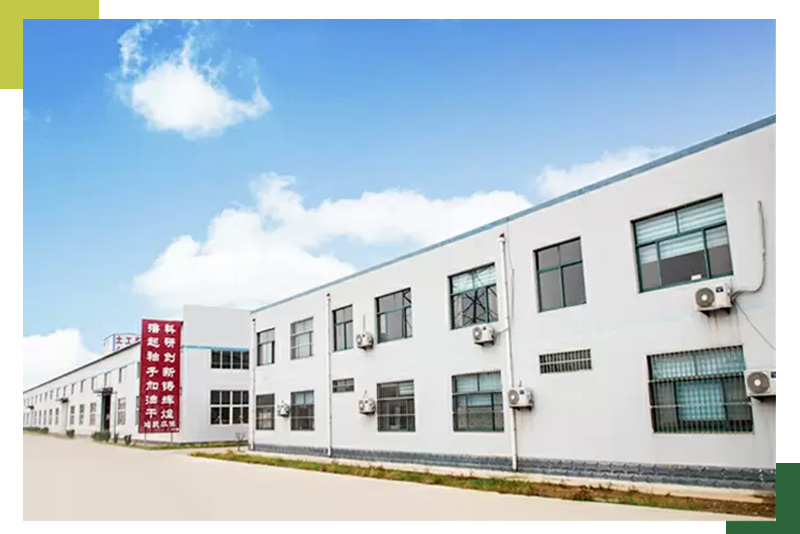
Our state-of-the-art manufacturing plant utilizes precision-controlled melt extrusion and needle-punching loops to ensure strict compliance with international mechanical and hydraulic standards.
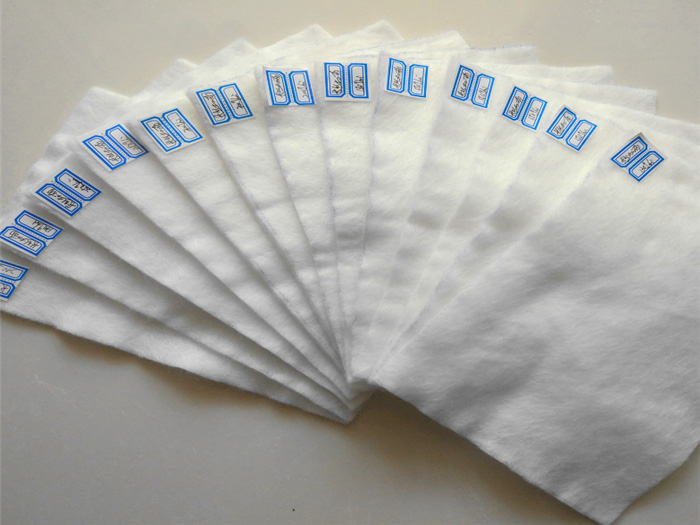
We source top-grade polyester chips (PET), virgin polypropylene (PP) filament, and viscose fibers. Every batch undergoes physical property tests for polymer density, purity, and thermal index stability before entering processing.
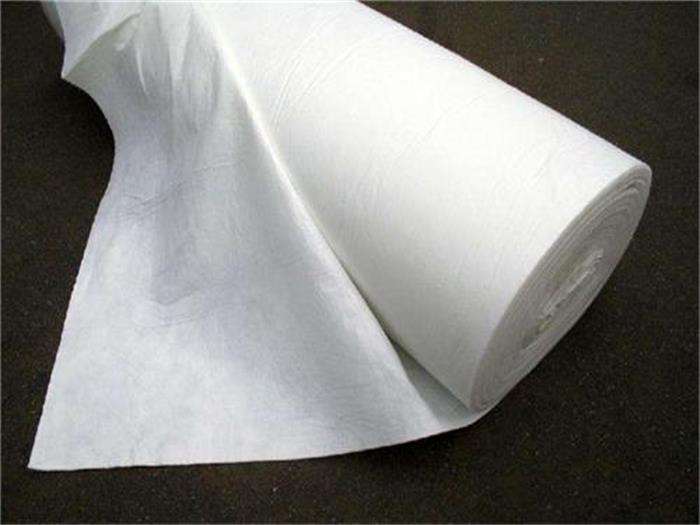
Polyester and polypropylene chips are melted at high temperatures and extruded via high-precision spinnerets. The extruded continuous filaments are oriented using air-quench drafting to maximize mechanical tensile properties.
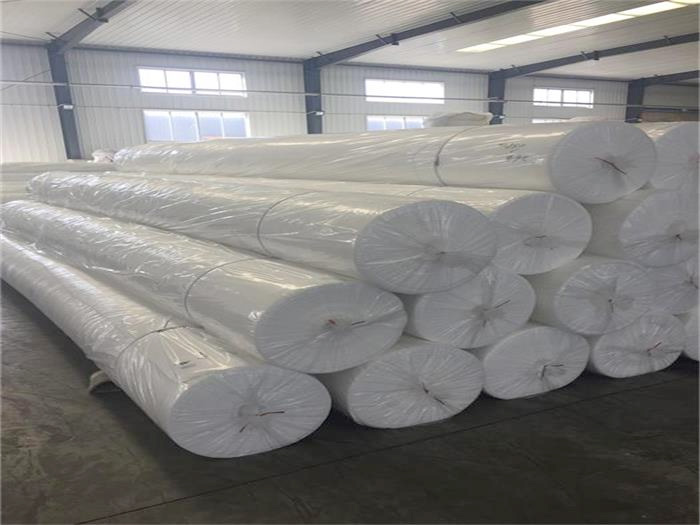
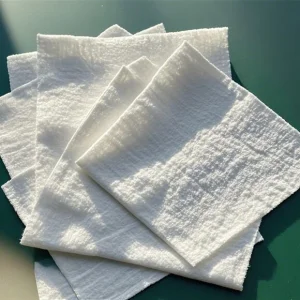
Continuous filaments are deposited on conveyor systems to form a uniform web. High-speed barb-needle punching machines mechanically interlock the fibers, controlling thickness, apparent opening size (AOS), and hydraulic conductivity.
Following web formation, the geotextile moves through a draft curing phase. By precisely modulating temperature, roll speed, and draw ratios, we align the polymers' internal structures. This step minimizes elongation under load, ensuring structural stability during installation. Once stabilized, the material is rolled, measured for density and thickness consistency, and packed in heavy-duty UV-resistant wrapping.
Finally, a rigorous quality inspection program tests every production run. Key parameters verified in our Dezhou quality control laboratories include:
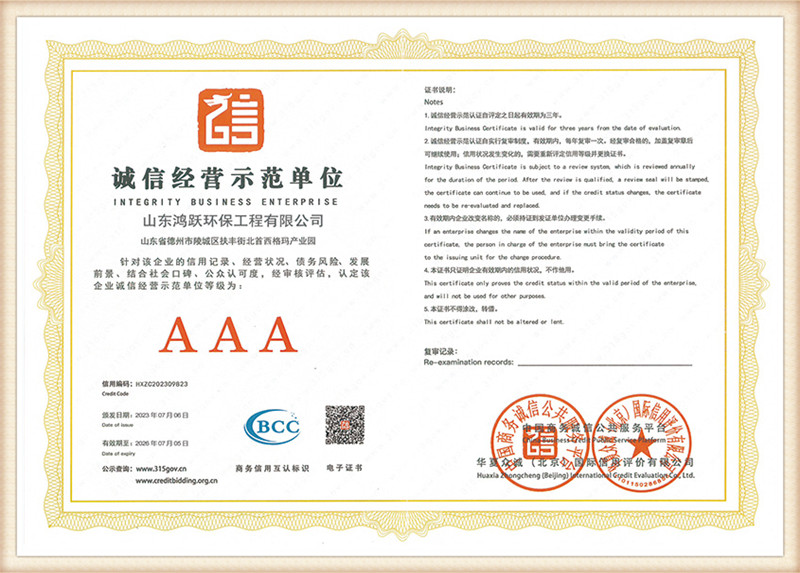
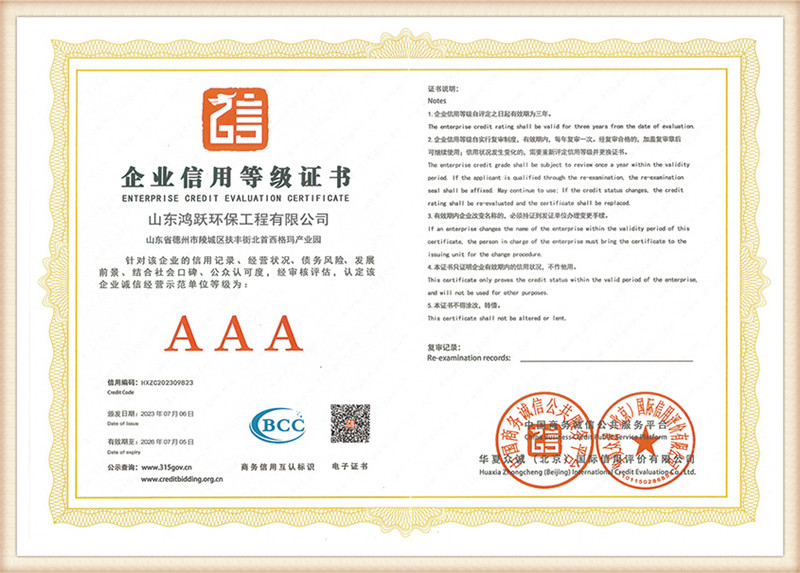
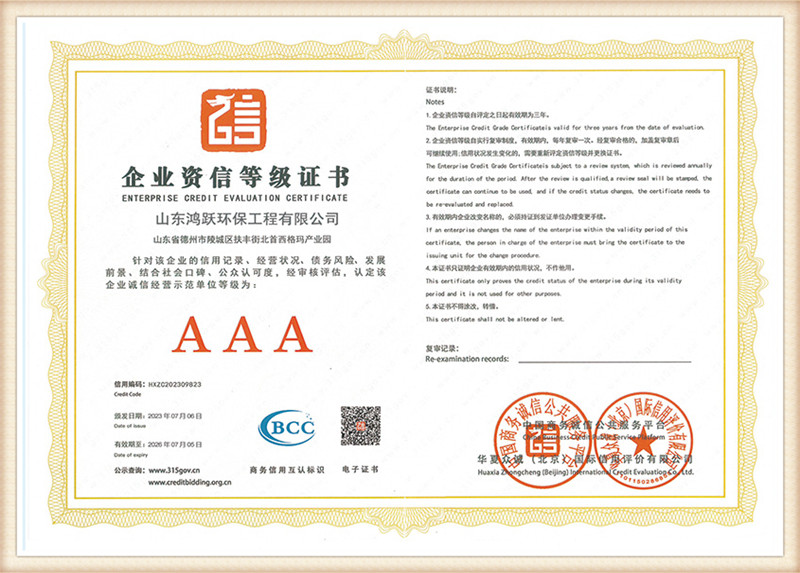
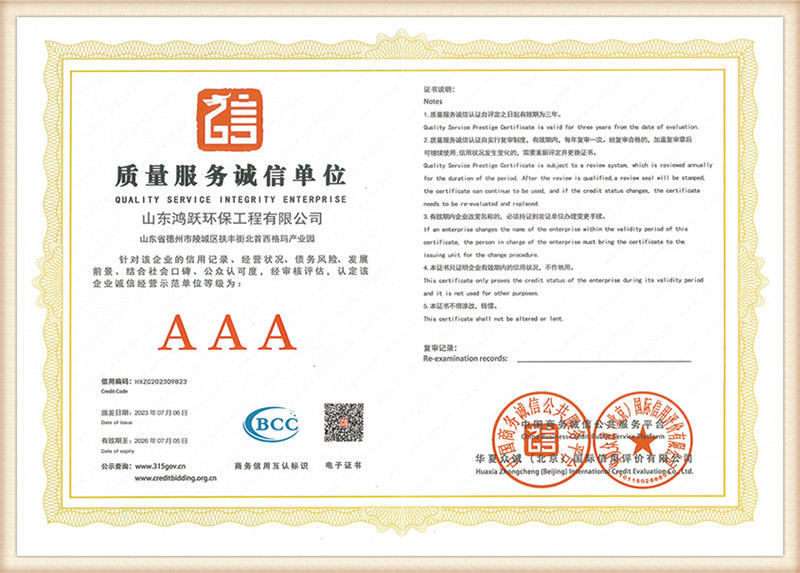
Established on April 6, 2023, and registered at the north end of Fufeng Street, Lingcheng District, Dezhou City, Shandong Province, Shandong Hongyue Environmental Engineering Co., Ltd. has grown to become one of China's largest production bases of geotechnical materials. With a registered capital of 105 million RMB, our state-of-the-art facility integrates engineering material production, sales, design, and technical installation services.
Located in the heart of the Dezhou geotextile industry cluster, we benefit from reliable supply chains, convenient transportation links to major shipping ports (such as Qingdao and Tianjin), and a highly skilled technical team. We are active members of the Dezhou Geotextile Association, collaborating to drive regional innovations and set standards for China's geosynthetic manufacturing sectors.
Our manufacturing footprint features multi-million-dollar extrusion, needle-punching, and composite lamination lines. These advanced technologies enable us to supply high-quality anti-seepage materials, drainage systems, and geosynthetics for major municipal projects worldwide. Through scale, automation, and localization, we deliver competitive cost structures and short lead times without compromising material performance.
Geotextiles are versatile materials adapted to solve civil engineering, environmental containment, and hydraulic stabilization challenges globally.
In reservoir dams, canal linings, and levee construction, geotextiles serve as reliable filtration layers behind rip-raps, concrete blocks, or gabions. They allow pore water pressure to dissipate, preventing internal soil erosion and piping failures.
In railway, highway, and airport runway construction, non-woven geotextiles act as separator sheets between subgrade soils and coarse aggregate bases. This keeps aggregate layers clean and prevents pavement rutting and ballast fouling.
Geotextiles act as cushion layers that protect geomembrane liners from puncture by angular gravel. They also serve as filtration covers over gravel-packed leachate collection pipes, preventing siltation and clogging.
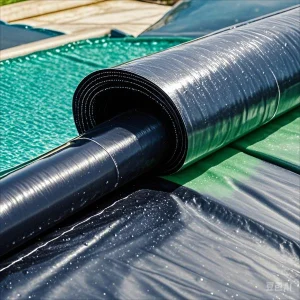
Hydraulic containment requires integrated systems rather than individual components. Non-woven geotextiles are often paired with geomembranes to create multi-functional barrier solutions. In large reservoirs, canals, and river slopes, the geomembrane serves as the primary water barrier, while the geotextile acts as an underlayment to protect it from subgrade gravel and relieve back-pressure from groundwater.
During slope protection or canal rehabilitation, placing a thick needle-punched non-woven geotextile beneath concrete armor blocks prevents the base soil from being washed away by wave action. The high filtration capacity maintains natural groundwater dynamics and relieves hydrostatic buildup, securing slope stability in tidal rivers and canals.
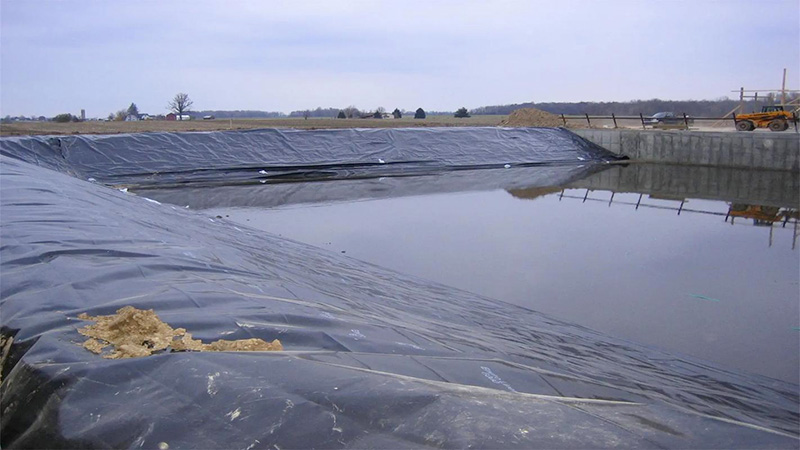
Proper design, laying techniques, and maintenance are critical to achieving a long service life for containment barriers.
Select raw materials tailored to site-specific chemistry, design life, and load profiles. Our engineers can guide you through choosing HDPE or LLDPE resins, as well as optimizing thickness (0.3mm to 2.0mm) to match your chemical resistance and puncture requirements.
Prepare a level subgrade, clearing sharp stones and roots. Lay sheets flat, avoiding wrinkles. Use thermal wedge welding for geomembranes and industrial sewing or hot-air sealing for geotextile overlays to ensure continuous strength and permeability.
Clean surfaces regularly to clear debris that could clog filtration pores. Perform routine inspections for physical damage or aging, repair tears using approved patch-welding methods, and protect materials from prolonged direct UV exposure.
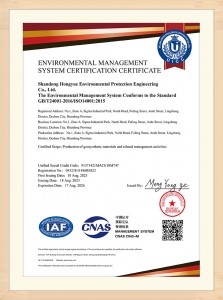
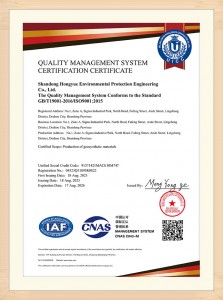
At Shandong Hongyue, quality is not just a final inspection stage; it is the cornerstone of our manufacturing philosophy. We have established a rigorous, scientific management system certified to international standards: ISO9001 Quality Management System, ISO14001 Environmental Management System, and ISO45001 Occupational Health and Safety Management System.
Our commitment to quality has earned us recognition as a "Famous Chinese Brand" and a "High-Tech Industry" leader, along with multiple environmental design accolades. We operate a state-of-the-art testing facility equipped with precision diagnostic instruments to verify that every batch meets or exceeds international benchmarks. All materials undergo comprehensive testing certified by the China National Testing Center, ensuring full compliance with national and global civil engineering standards.
Whether you require customized non-woven needle-punched geotextiles, thermal-bonded variants, or composite geomembranes, our QA team monitors the manufacturing process from raw polymers to packaged rolls, assuring reliability in the field.
The convergence of green engineering policies, smart monitoring, and advanced materials science is driving new innovations in the filtration geotextile sector.
Global carbon reduction mandates are increasing the demand for eco-friendly polymers. Manufacturers are developing filtration geotextiles containing post-industrial recycled polymers that maintain the same durability and tensile strength as virgin resins.
Advanced nano-treatments are being applied to geotextiles to enhance UV resistance, combat chemical degradation in highly acidic mine water, and prevent bio-fouling from microbes and plant root penetration, extending service life in challenging environments.
Integrating optical fibers or conductive elements directly into the geotextile structure enables continuous monitoring of temperature variations, strain stresses, and localized subgrade shifts, providing real-time data for structural risk mitigation.
Answers to common technical, logistics, and customization questions from engineering clients and distributors.
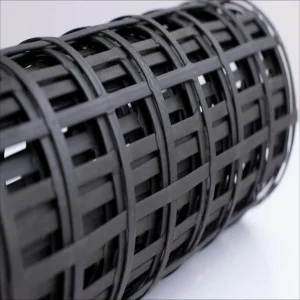
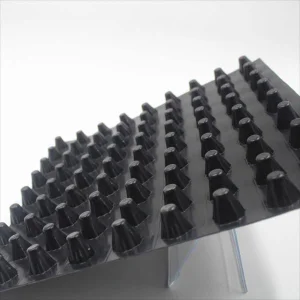
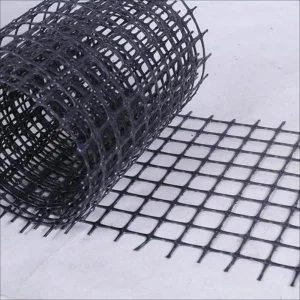
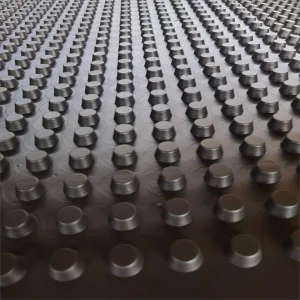
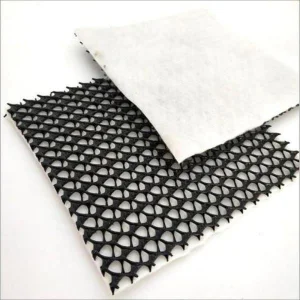
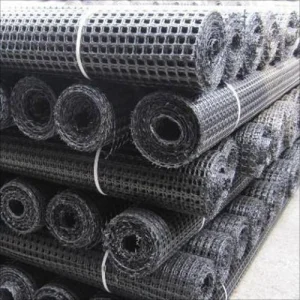
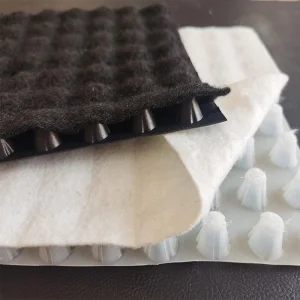
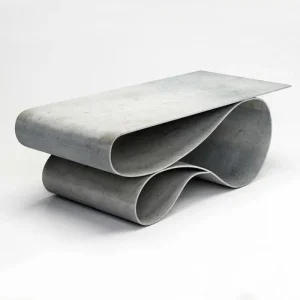
Explore our complementary range of drainage panels, concrete blankets, and geo-membranes for complete site solutions.
 Hongyue