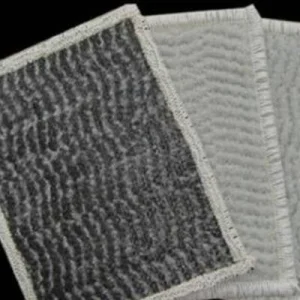
Factory-certified technical road stabilizers, drainage systems, and geomembranes developed for high shear-resistance under extreme axle loading.
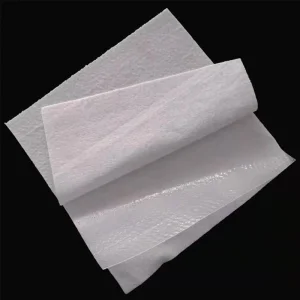
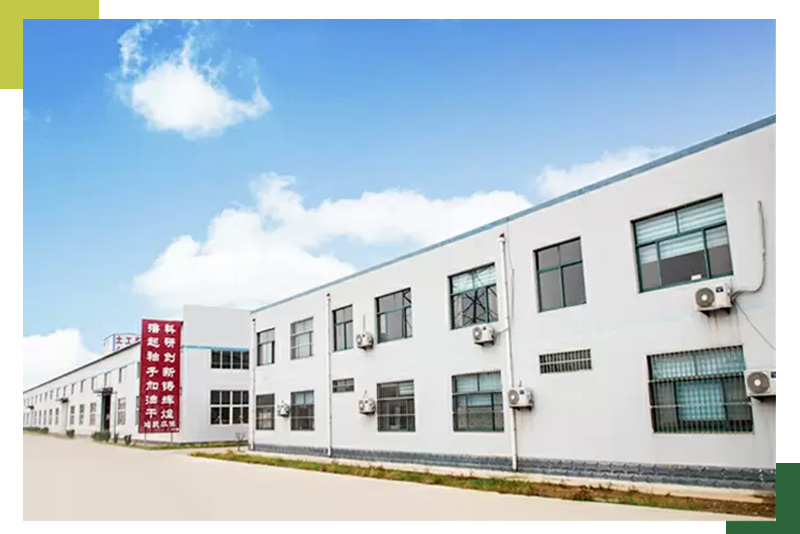
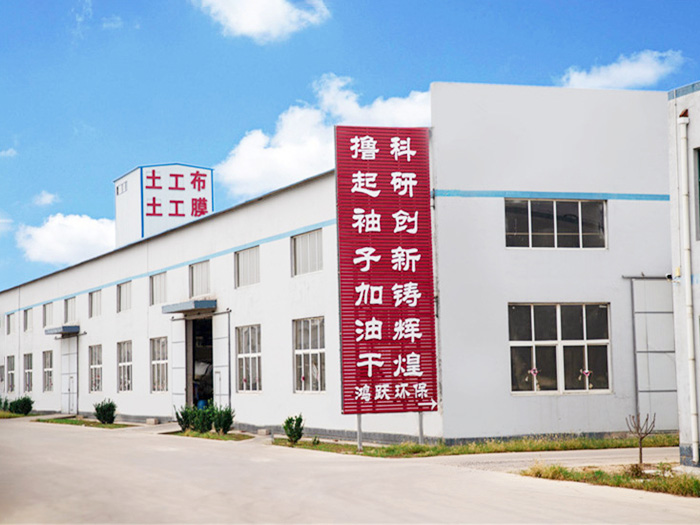
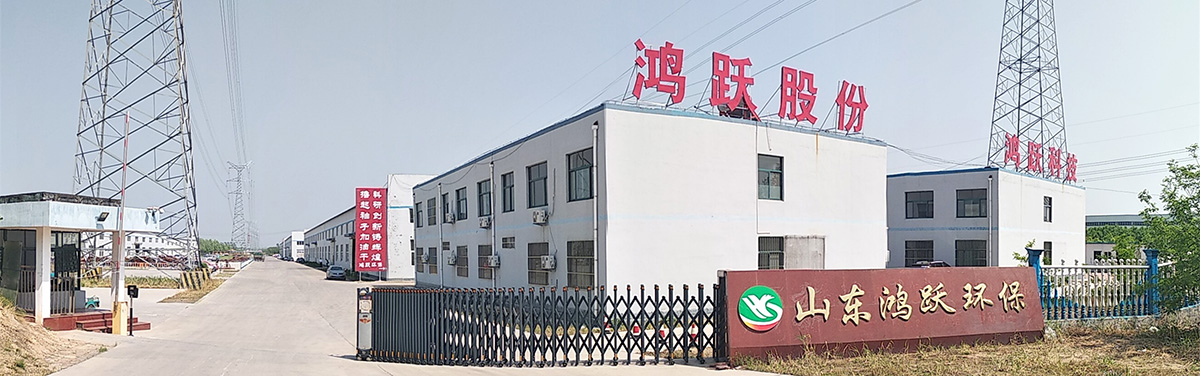
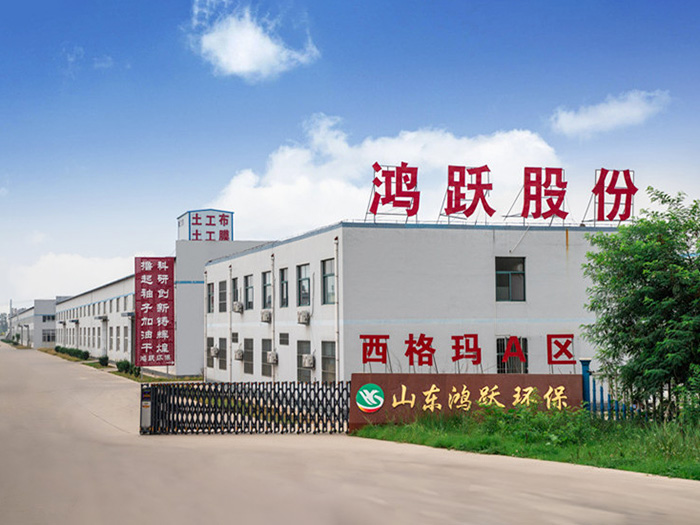
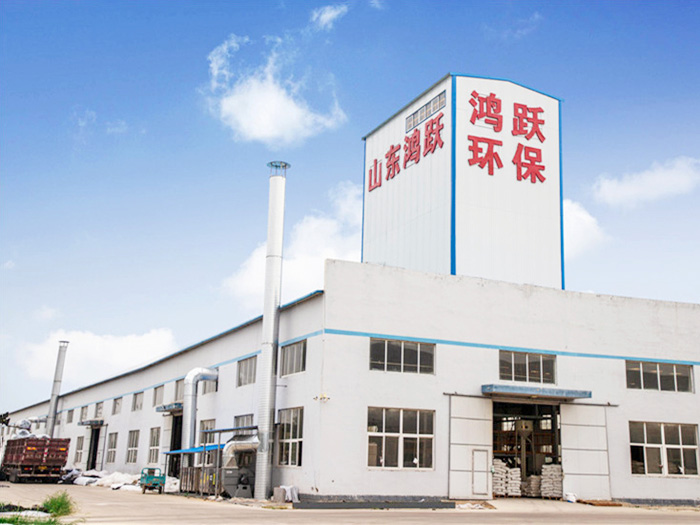
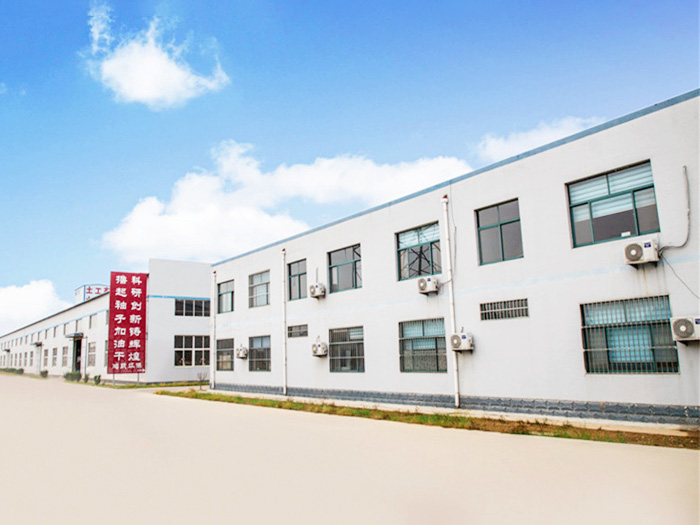
Shandong Hongyue Environmental Engineering Co., Ltd., headquartered at the north end of Fufeng Street, Lingcheng District, Dezhou, Shandong Province, stands as a premier scientific and technological geotechnical material manufacturer. We seamlessly integrate engineering material production, sales, design, and construction services into a cohesive, high-performance ecosystem. Registered with a robust capital base of 105 million yuan, we represent one of the largest and most technologically advanced production bases of geotechnical materials in China today, supported by superior geographic logistics and convenient transportation.
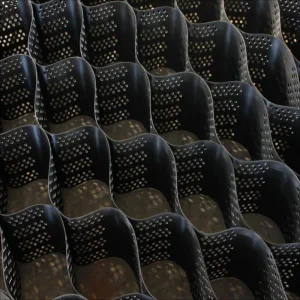
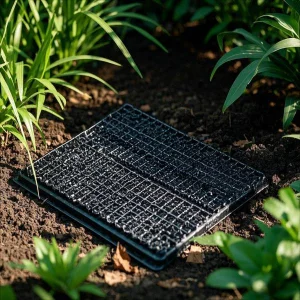
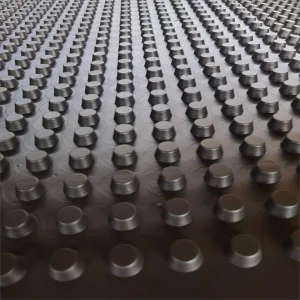
Since our founding, our operational scope has scaled rapidly. We specialize in high-tensile geotextiles, geomembranes, composite geomembranes, waterproof boards, bentonite waterproof blankets, 3D composite drainage nets, geocells, and high-performance geogrids tailored for modern infrastructure. Our materials are critical for structural longevity across highways, railways, bridges, tunnels, reservoir canals, artificial lakes, mining zones, and environmental containment projects.
Unlocking structural performance through advanced polymeric confinement technology and design-life longevity.
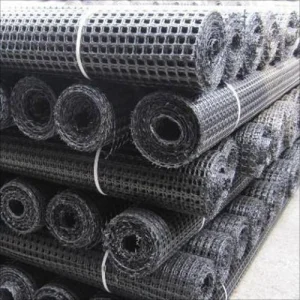
Modern road projects utilize bi-directional tension geogrids to create aggregate interlocking zones. This confinement locks base aggregate lateral movement, preventing rutting and fatigue cracks under repeated dynamic vehicle axle loads.
By incorporating high-modulus ODM geogrids, civil engineers can reduce asphalt layer thickness by up to 30% and subbase stone layers by 40% without compromising structural integrity, reducing emissions and material transport costs.
Extreme freeze-thaw cycles and heavy rain events jeopardize load-bearing stability. Modern polymer-based geogrids retain high tensile stiffness over broad thermal windows (-50°C to +80°C), preserving pavement integrity.
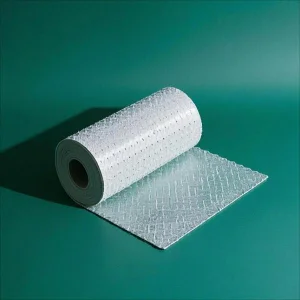
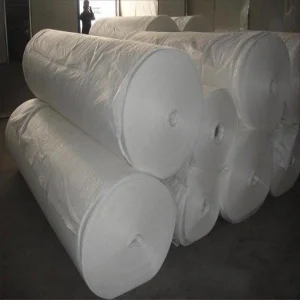
B2B procurement is transitioning to integrated geocomposites—geogrids pre-bonded to nonwoven geotextiles. This dual-action layer provides structural reinforcement and soil filtration in a single layout step.
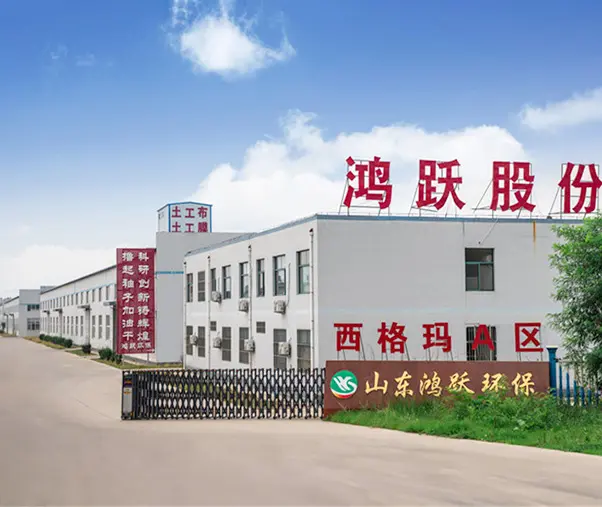
At Shandong Hongyue, our operations transition standard geotechnical material production into high-efficiency, digitised Factory 4.0 standards. Through advanced thermodynamic extrusion systems, computer-controlled punching machinery, and real-time tension monitors, we guarantee consistent aperture dimensions and high junction strength.
Our localized supply chain in Dezhou, Shandong Province, yields significant competitive advantages for overseas projects:
Every square meter of geosynthetic material undergoes rigorous thermal, mechanical, and tensile monitoring before shipment.
High-grade polyester chips, virgin polypropylene filament, and specialized viscose fibers undergo molecular-weight screening. This ensures raw material purity, directly translating to high aging resistance and mechanical durability in harsh environments.
Raw polymers are melted at high temperatures and extruded into flat sheets or uniform fibers via automated screw extruders. Precision thermal and pressure control loops prevent structural micro-voids, ensuring consistent thickness and density.
Extruded sheets are punched with precise arrays. The web is then heated and stretched under high tension—biaxially or uniaxially. This aligns the polymer chains along the ribs, creating high tensile strength and stiffness at low strain levels.
Following orientation, the material undergoes thermal draft curing. This locks the structural integrity of the polymer structure, minimizing long-term tensile creep under heavy static and dynamic road traffic loads.
Cured rolls are systematically measured for thickness, roll length, and uniform width. The material is packed in heavy-duty UV-stabilized woven wraps to prevent damage during international transport and site storage.
Sample coupons from each batch undergo testing in our in-house lab. Tests evaluate wide-width tensile strength, junction efficiency, carbon black content, and puncture resistance to ensure compliance with ASTM and CE requirements.
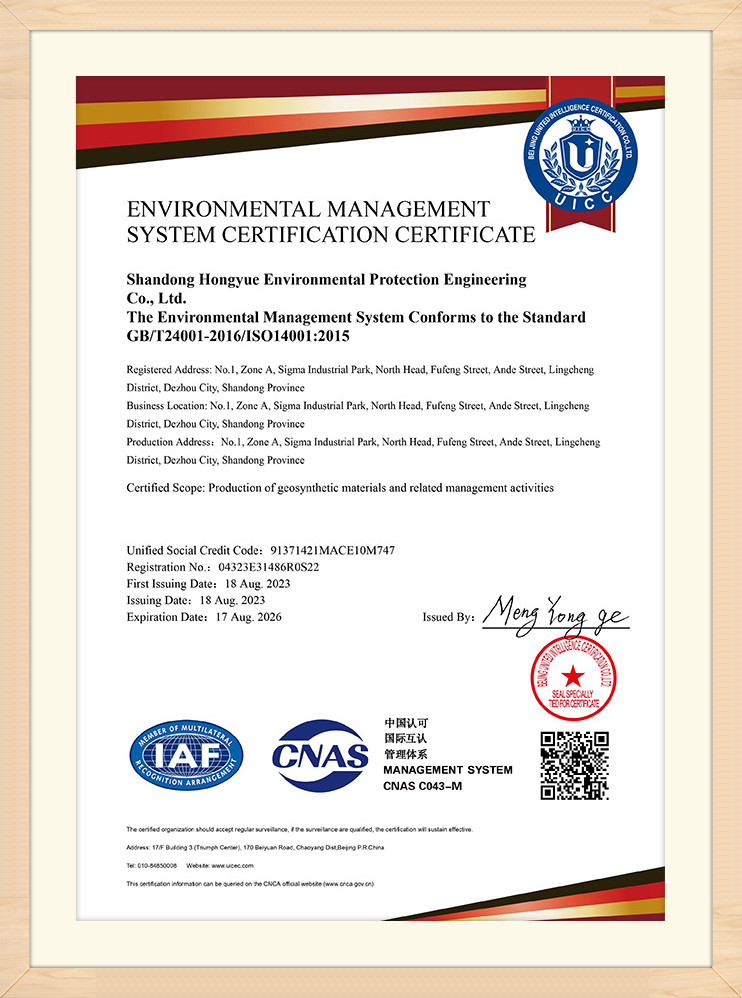
All materials produced by Shandong Hongyue Environmental Engineering Co., Ltd. are certified by the China National Testing Center. Samples are continuously submitted for third-party oversight, guaranteeing that our exported geogrids meet or exceed global standards.
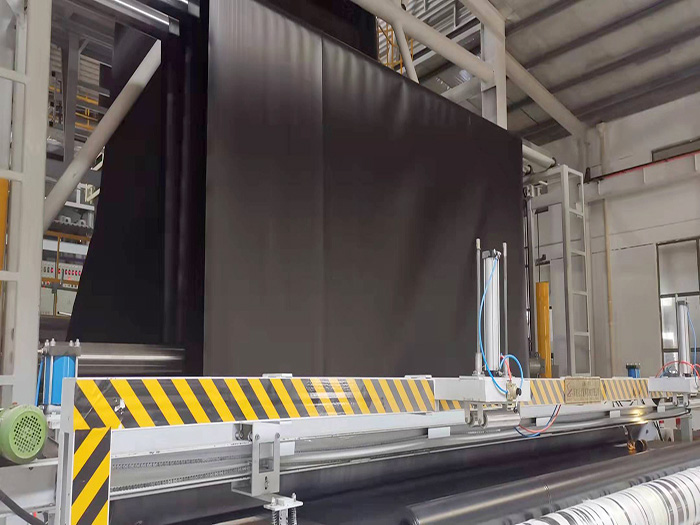
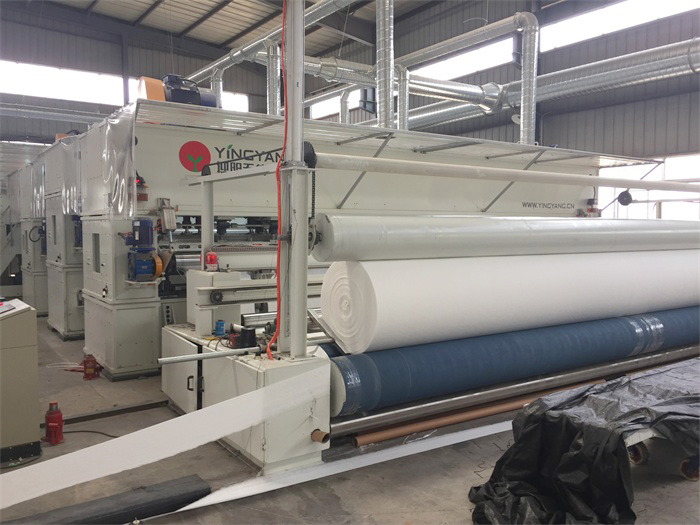
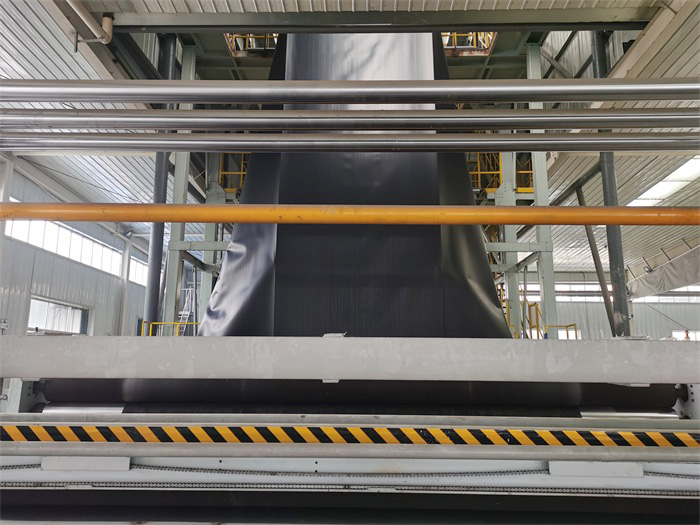
Successful civil infrastructure requires robust containment and protection systems alongside structural road reinforcement. Geomembranes serve as highly impermeable barriers, shielding sensitive base structures from moisture degradation. Effective subgrade protection relies on precise material selection, proper deployment techniques, and structured maintenance:
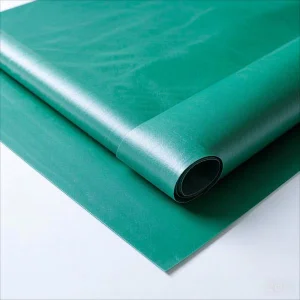
Geomembranes are engineered in distinct densities, including high-density polyethylene (HDPE) and linear low-density polyethylene (LLDPE). Selection depends on design challenges. For instance, LLDPE offers superior flexibility for irregular subgrades, while HDPE provides excellent chemical and UV resistance, suitable for landfill caps and canal linings.
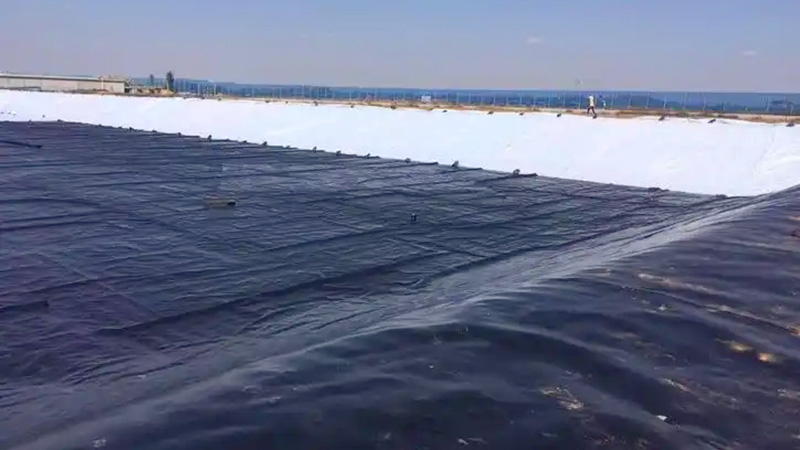
Prior to laying, the subgrade must be compacted, leveled, and cleared of sharp rocks, tree roots, and construction debris. Standard practice requires deploying a cushion geotextile beneath the geomembrane to prevent puncture. Panels must be aligned to minimize wrinkles, and thermal wedge welding should be performed at overlaps by certified technicians to ensure leak-free seams.
Regular visual inspections and spark/destructive testing of welded seams are essential before backfilling. Backfilling should use clean, fine-grained soils placed in uniform lifts to protect the geomembrane from mechanical damage.
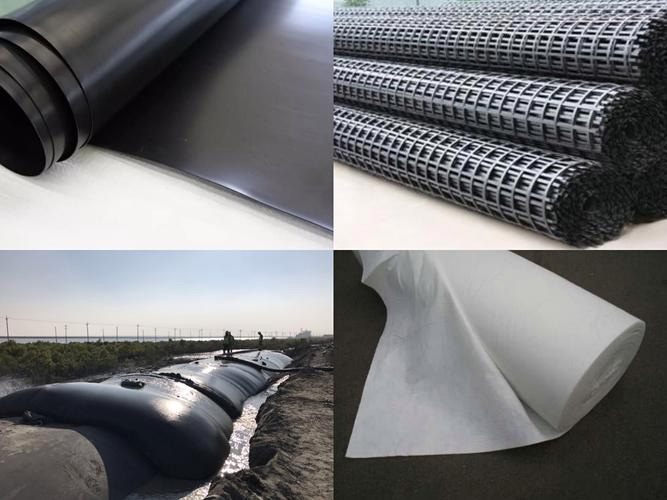
Geosynthetic components operate as an integrated system, balancing filtration, stabilization, and hydraulic barrier functions.
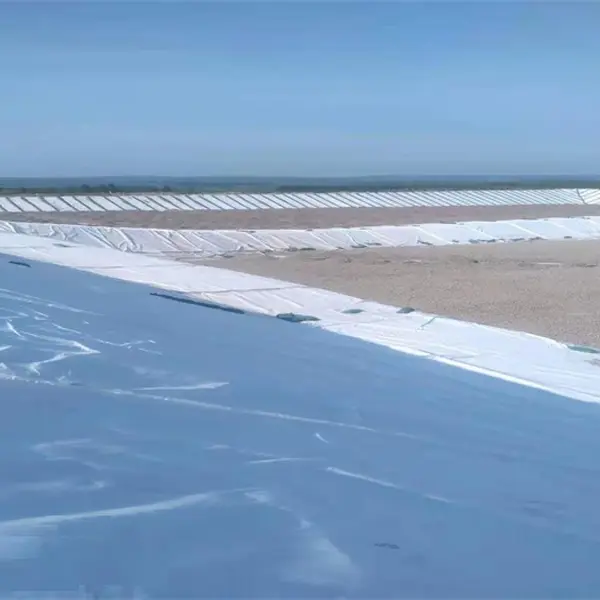
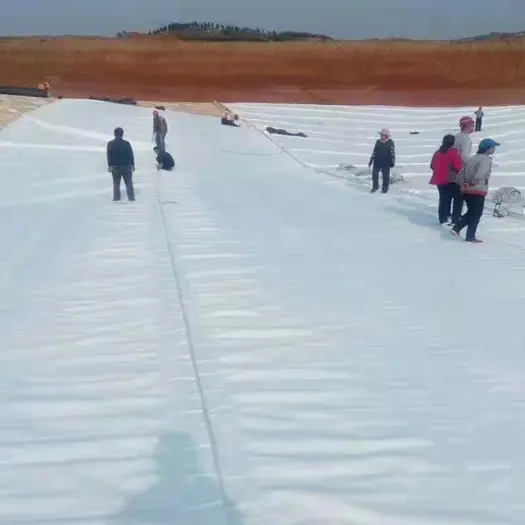
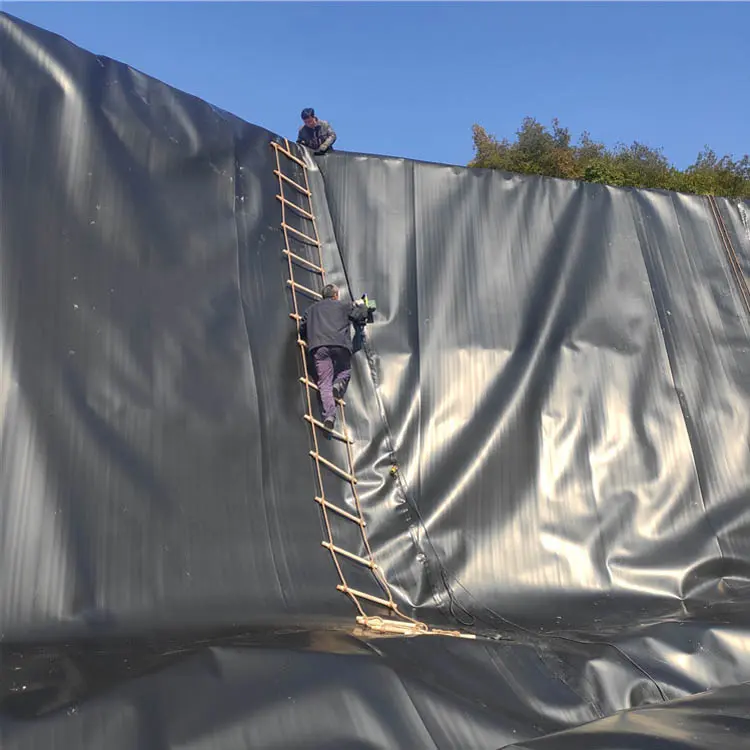
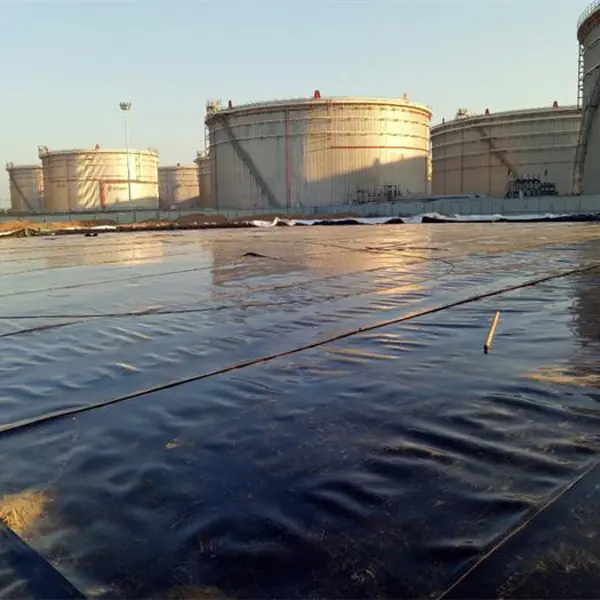
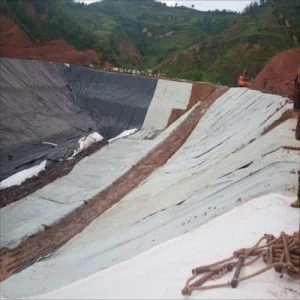
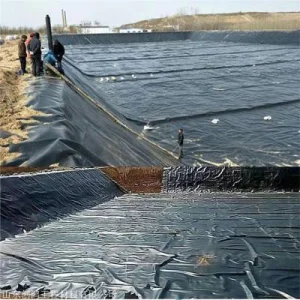
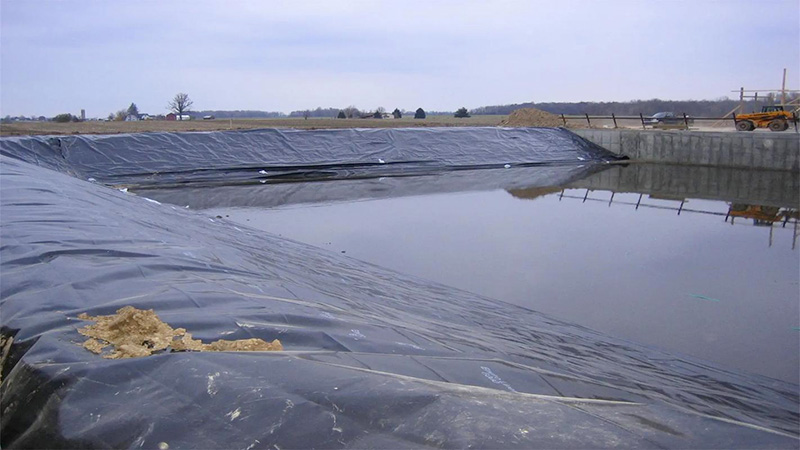
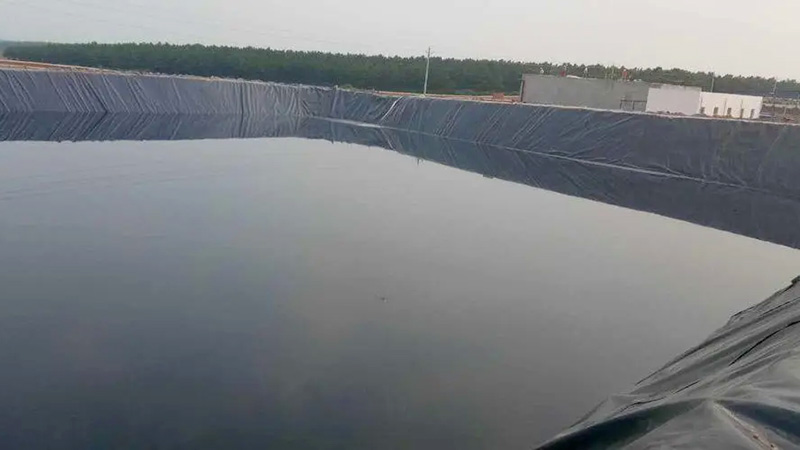
Our containment materials serve as impermeable barriers in reservoirs, canals, dams, and municipal landfills. In reservoir projects, geomembranes prevent seepage through porous soils and fractured rock, stabilizing the surrounding subgrade.
Erosion control along riverbanks and canals requires combined geosynthetic systems. Installing composite geomembranes beneath armor stone or concrete block revetments controls water flow and retains soil fines, protecting the banks from hydraulic shear stress.
In municipal landfill basements and oil tank containment fields, our double-welded HDPE lining systems isolate contaminated fluids, protecting local aquifers. These liners withstand extreme chemical environments and high mechanical pressures over long service lifespans.
Answers to key engineering and purchasing questions regarding ODM geogrids, custom specifications, and international trade logistics.
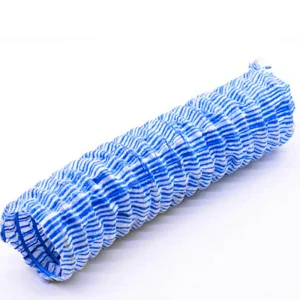
Ancillary drainage, filtration, and containment products for comprehensive ground engineering and environmental protection.
 Hongyue