Explore our primary line of premium civil engineering materials engineered for soil stabilization, filtration, drainage, and containment applications.
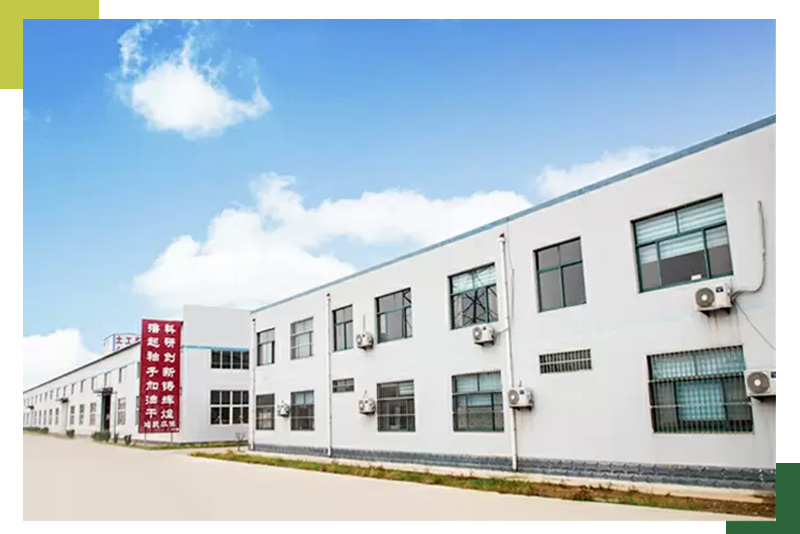
Shandong Hongyue Environmental Engineering Co., Ltd., located at the north end of Fufeng Street, Lingcheng District, Dezhou, Shandong Province, is a scientific and technological geotechnical material manufacturer integrating engineering material production, sales, design, and construction services. The company was registered in the Lingcheng District Market Supervision and Administration Bureau of Dezhou City on April 6, 2023, with a registered capital of 105 million yuan. It is one of the largest production bases of geotechnical materials in China at present, with a superior geographical location and highly convenient logistics transportation networks.
In modern civil and structural engineering, retaining walls play an essential role in combating soil mass instability, addressing elevation shifts, and maximizing land usage. Mechanically Stabilized Earth (MSE) walls rely heavily on structural reinforcements to withstand high lateral earth pressures. As a premier ODM Geogrid Fabric For Retaining Walls Manufacturer & Factory, Shandong Hongyue Environmental Engineering Co., Ltd. provides cutting-edge polymeric geogrids designed to optimize interface friction, distribute stress, and prevent lateral sliding.
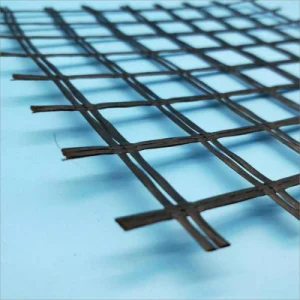
Soil is inherently strong in compression but exceptionally weak in tension. Placing high-tensile geogrid fabric for retaining walls within compacted soil layers creates a reinforced composite mass. The mechanical interlock between the soil particles and the grid apertures prevents lateral deformation. When backfill is compacted over the geogrid, soil particles strike through the apertures, establishing a robust shearing resistance defined as passive bearing resistance against the transverse grid members.
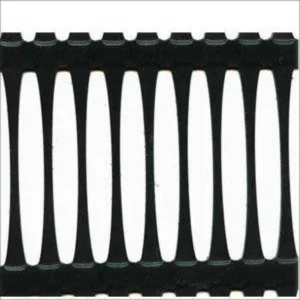
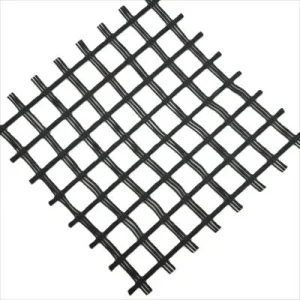
Choosing the correct geogrid configuration is paramount. Retaining wall designs typically demand uniaxial geogrids because the primary stresses act in a single direction (perpendicular to the wall face). In contrast, biaxial geogrids distribute loads in two orthogonal directions, making them better suited for road subgrade stabilization.
| Property Parameter | Uniaxial Stretched Plastic Geogrid | Biaxial Geogrid / Glass Fiber Geogrid | HDPE / Fiberglass Geocell Options |
|---|---|---|---|
| Primary Load Direction | Longitudinal (One Direction) | Radial/Dual Directions (Bi-directional) | Three-Dimensional Confinement |
| Tensile Strength Range | 50 kN/m to 300 kN/m | 20 kN/m to 120 kN/m | Cell Seam Strength ≥ 1000 N/10cm |
| Principal Application | Retaining Walls, Steep Slopes, Abutments | Subgrade Stabilization, Pavement Base | Slope Protection, Soft Foundation support |
| Elongation at Break | ≤ 10% | ≤ 4% (Fiberglass) / ≤ 15% (PP) | ≤ 15% |
Retaining walls are designed for service lives of 75 to 120 years. Sustained loads can induce creep deformation in geosynthetics. Our manufacturing plant utilizes high-molecular-weight High-Density Polyethylene (HDPE) and Polypropylene (PP) with specialized carbon black additives to guarantee outstanding resistance against ultraviolet radiation, thermal aging, and chemical attacks in diverse soil pH conditions.
Step-by-step insight into our advanced raw material selection, extrusion, stretching, and precision quality validation stages.
The manufacturing process begins with strict inspections of premium polyester chips, virgin polypropylene filaments, and high-density polyethylene resins. Our laboratory certifies raw properties to ensure batch consistency, polymer chain density, and minimal impurities, forming a reliable basis for structural geosynthetic production.
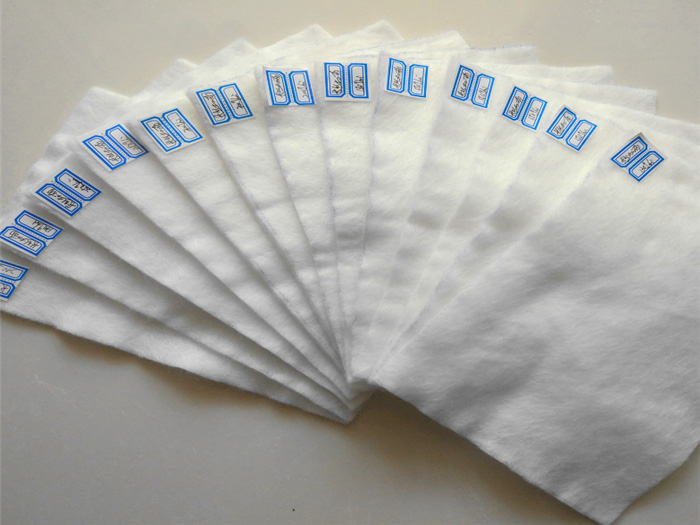
Polyester or polypropylene chips are processed at designated melting temperatures through automated screw extruders. Molten sheet structures are extruded under precise pressure. Special carbon black and UV inhibitors are homogeneous blended during this phase to secure high resistance against weathering and long-term aging.
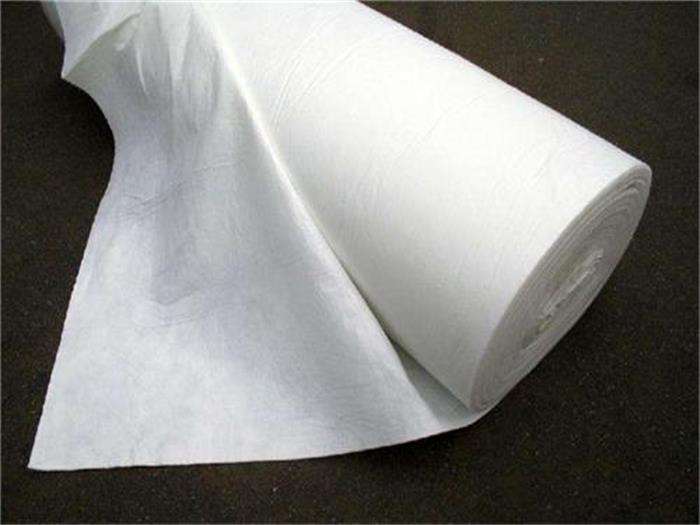
For uniaxial geogrids, the extruded sheets are systematically punched with a precise hole pattern and then heated and stretched longitudinally. This molecular orientation process aligns the polymer chains along the direction of stretching, dramatically increasing the tensile strength and modulus while minimizing potential creep deformation.
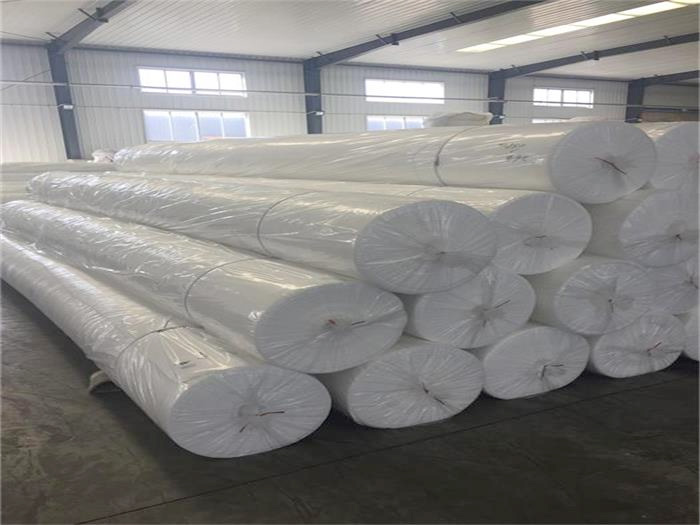
How our integrated material supplies address complex structural containment, hydraulic, and environmental demands.
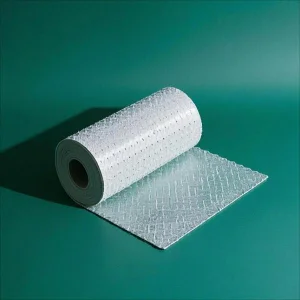
Deploying composite geomembranes and geogrids in reservoirs, dykes, and canal projects to reinforce foundations while offering permanent, high-efficiency seepage barriers.
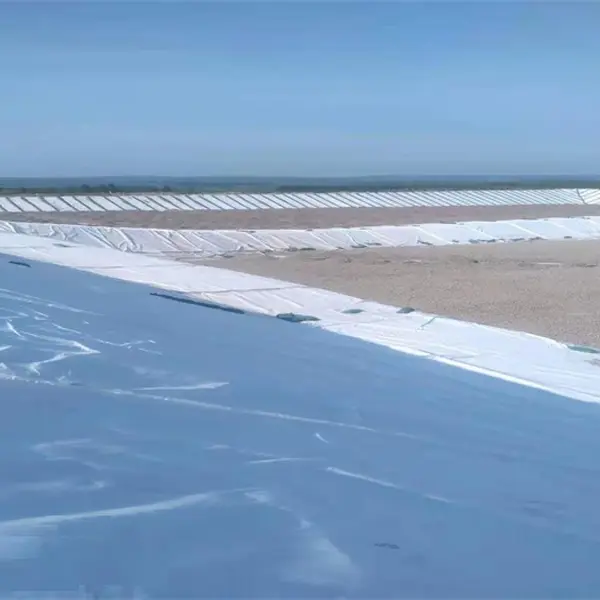
Reinforcing containment slopes and waste storage sites with geogrid-geomembrane configurations to absorb shear stresses and prevent failure of municipal lining systems.
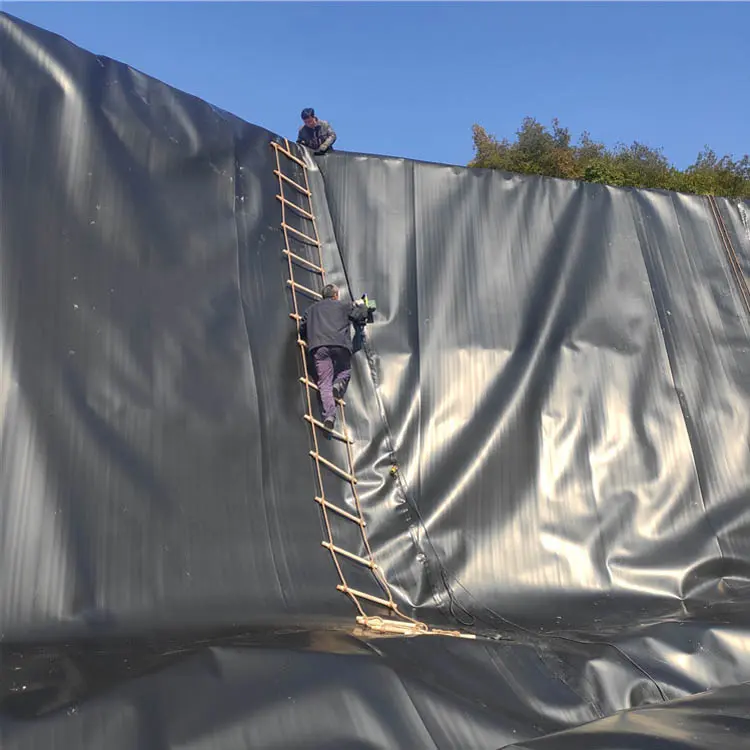
Integrating uniaxially stretched plastic geogrids to construct steepened slopes and structural MSE walls, preventing catastrophic landslides on transport infrastructure.
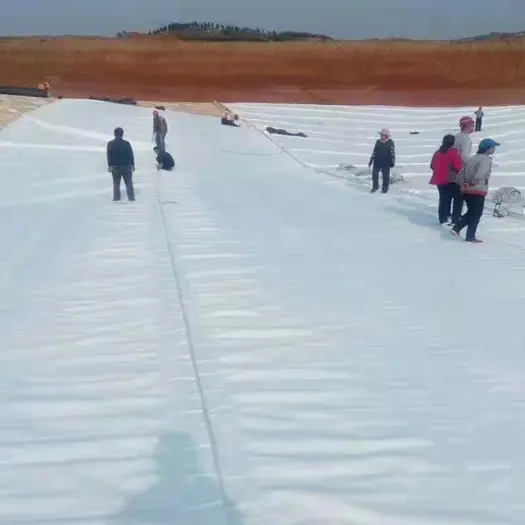
Take a virtual tour of our modern testing laboratories and standard-compliant manufacturing halls in Shandong.
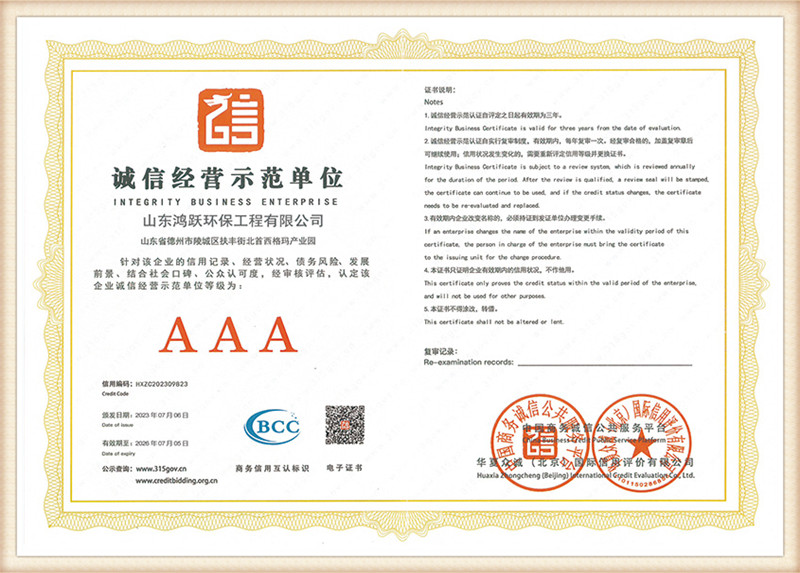
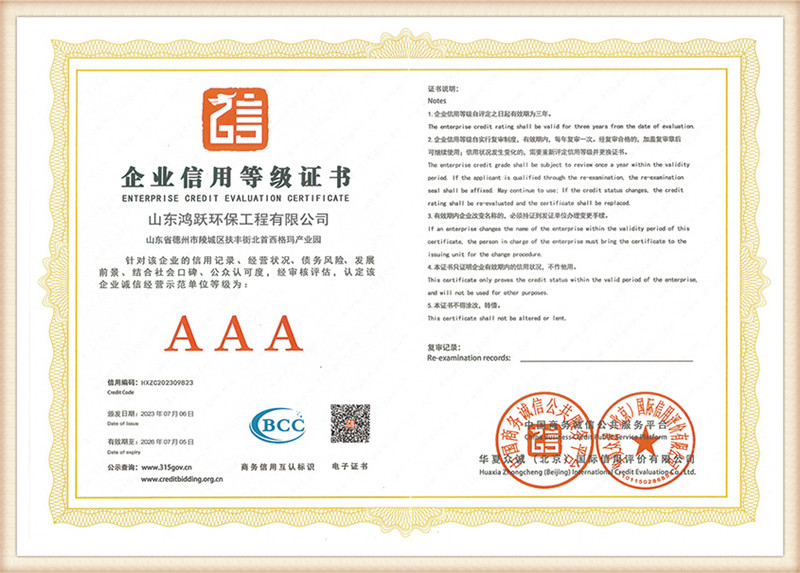
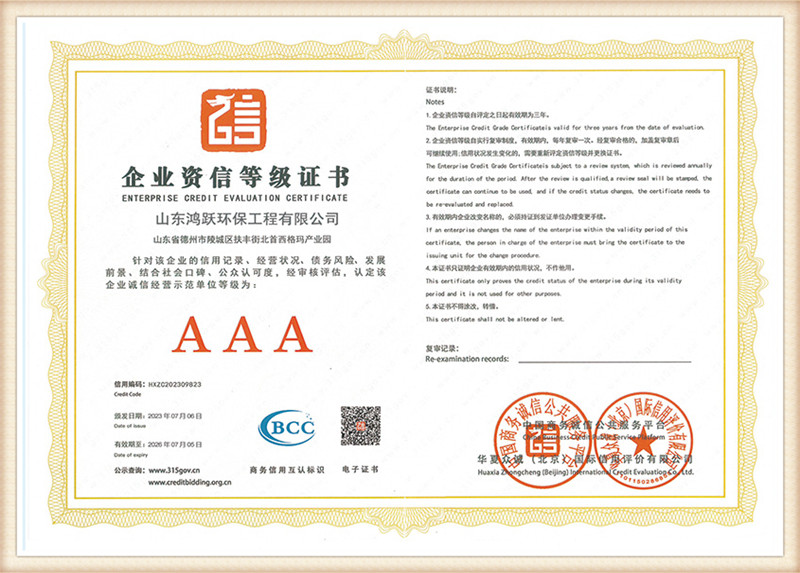
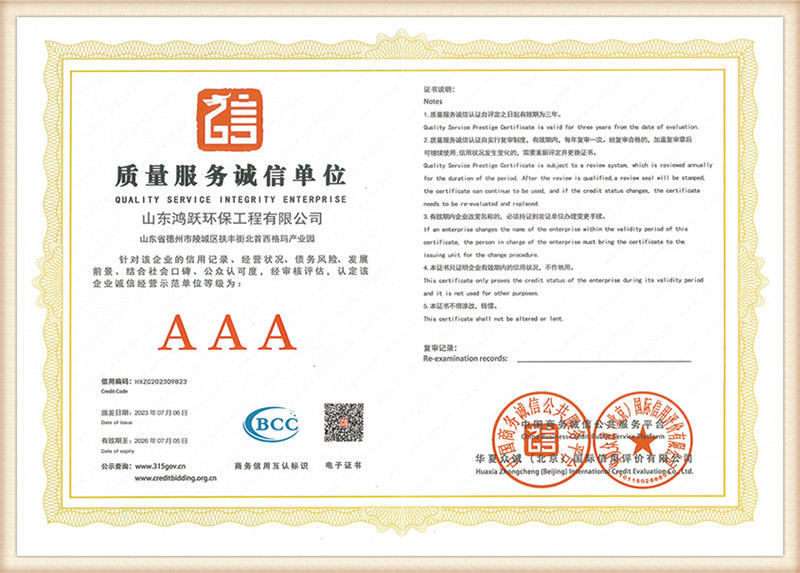
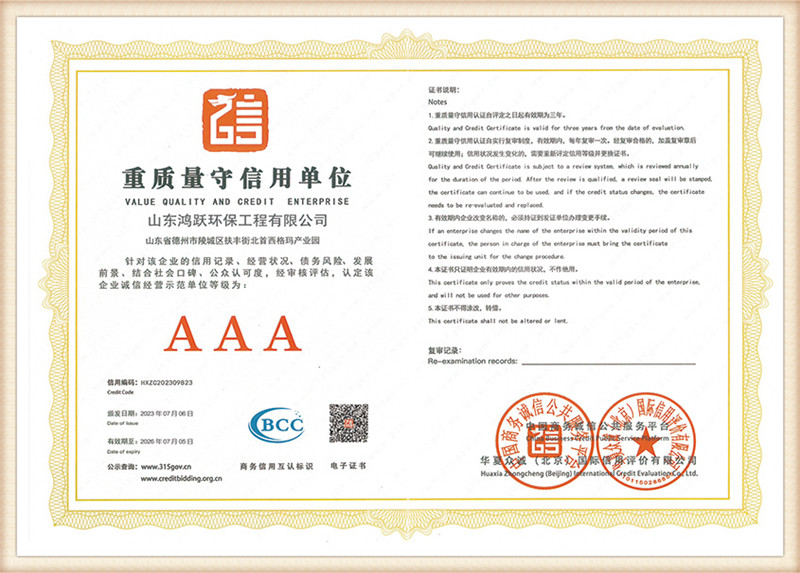
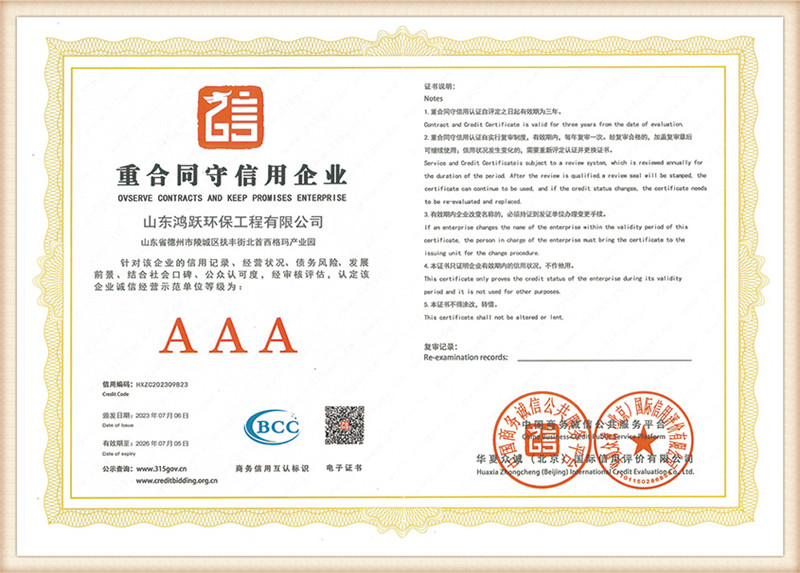
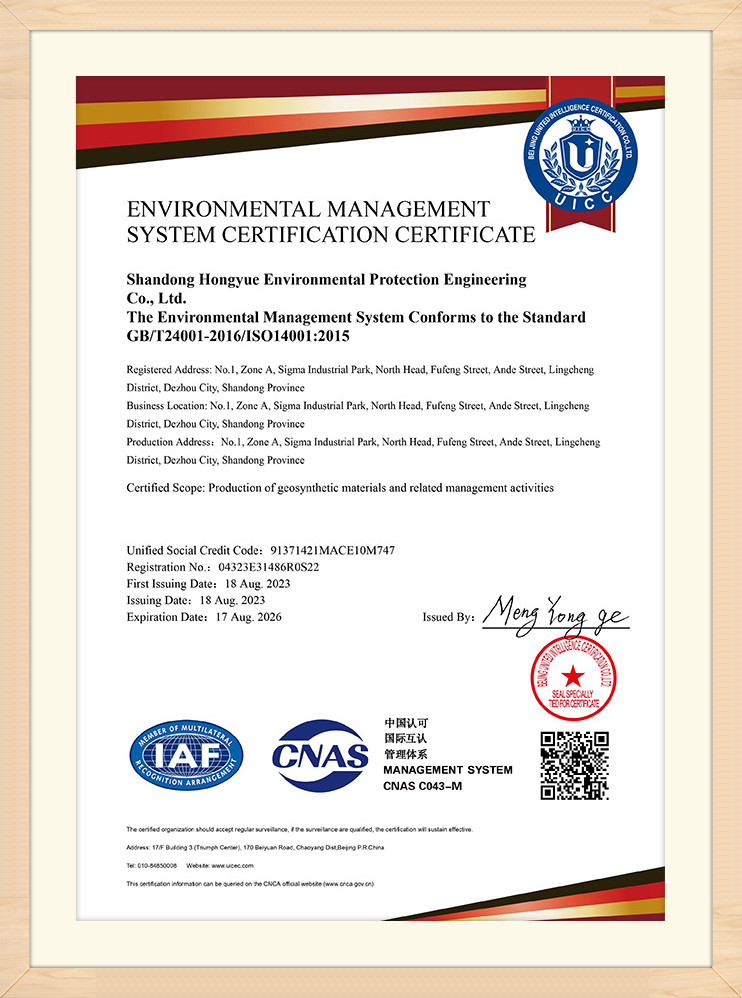
Shandong Hongyue Environmental Engineering Co., Ltd. has a complete and scientific management system, having achieved certifications under the ISO9001 international quality system, ISO14000 environmental management system, and ISO45001 occupational health and safety system. We have earned honors including "Green Building Materials Products," "Famous Chinese Brand," and "High-Tech Industry." All products have reached or exceeded international testing parameters, verified through testing at the China National Testing Center and national quality sampling inspections.
Understanding the evolution of geosynthetic standards, material developments, and B2B requirements.
International engineering contractors require strict compliance with established testing guidelines. Our geogrids undergo comprehensive testing under ASTM standards for wide-width tensile properties (ASTM D6637) and installation damage evaluation (ASTM D5818). Additionally, our CE certifications allow for direct distribution in EU markets, providing the required documentation to confirm safety and performance.
Modern civil design prioritizes carbon reduction. We are actively developing eco-friendly polymer blends that decrease overall carbon footprint without compromising tensile strength or design lifetime. Simultaneously, research into smart geogrids equipped with fiber optic sensors provides real-time data regarding internal wall strain, alerting operators to potential issues prior to displacement.
To maintain zero-delay communications, Shandong Hongyue has established sales and technical service networks in key domestic markets and major global shipping ports. We provide 24-hour engineering consulting to assist contractors with roll layout calculations, anchorage design, and structural safety margins.
Expert technical answers to common queries regarding geogrid properties, retaining wall stabilization, and ODM services.
Review additional products manufactured at our Dezhou plant for reinforcement, barrier protection, and subgrade drainage.
 Hongyue