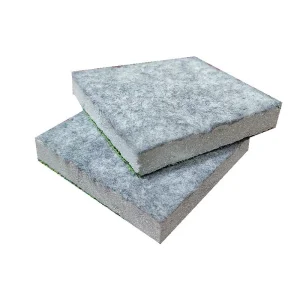
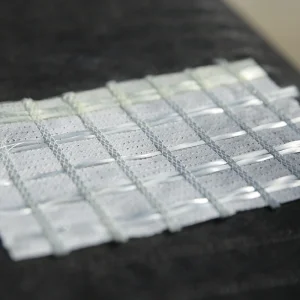
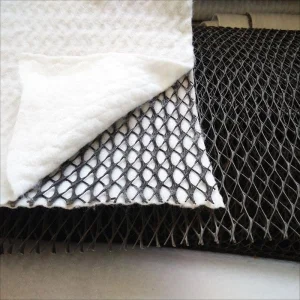
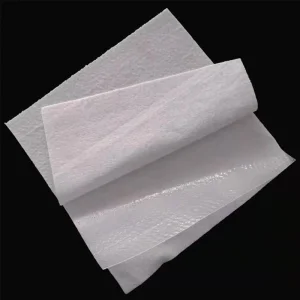
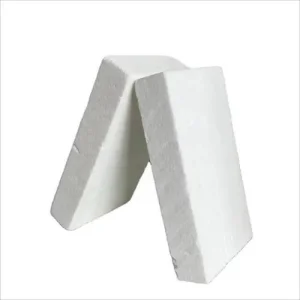
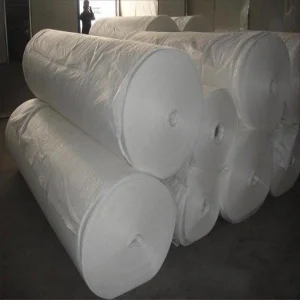
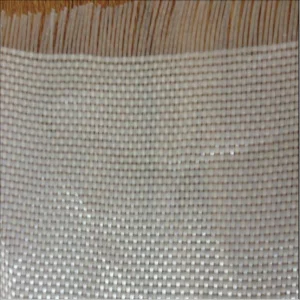
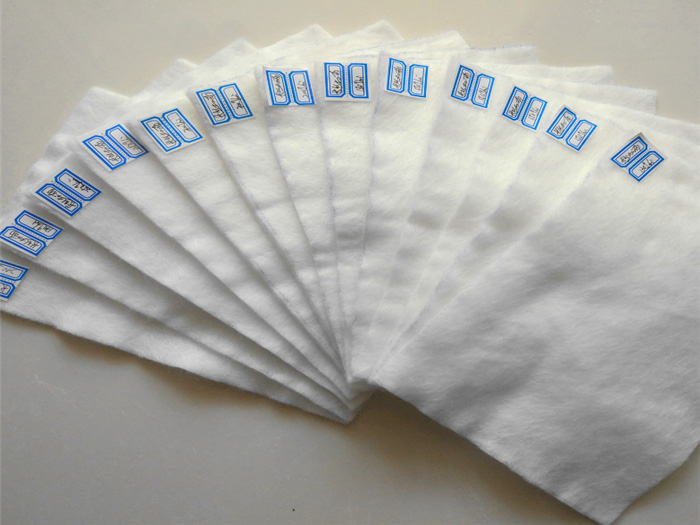
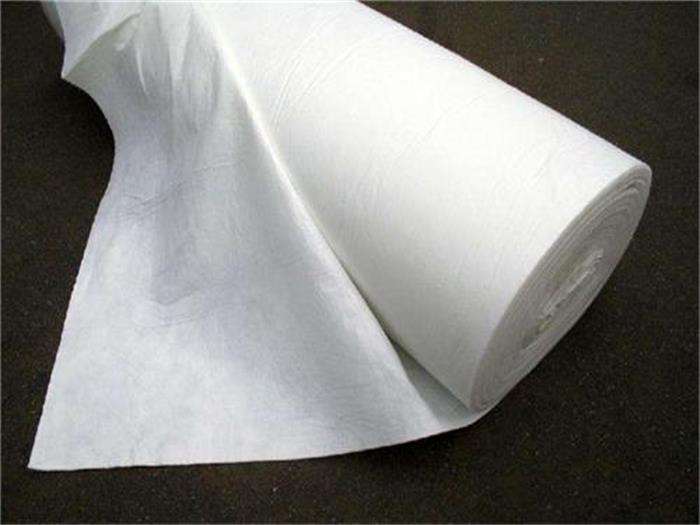
In contemporary infrastructure and civil engineering, Geotextile Ts20 represents an industry-standard benchmark for high-performance, nonwoven geotextiles. Typically manufactured from virgin polypropylene (PP) or polyester (PET) continuous filaments, Ts20 is engineered specifically to meet the rigorous demands of drainage, filtration, separation, and subgrade reinforcement. Unlike mechanical woven structures, Ts20 is formed through a sophisticated process of continuous needle-punching, creating a three-dimensional fiber network. This unique structural configuration enables exceptional hydraulic conductivity while maintaining strong mechanical resistance against tear, puncture, and chemical exposure.
As infrastructure projects globalize and encounter extreme geological conditions, selecting verified Geotextile Ts20 becomes crucial. Project engineers seek consistent hydraulic transmissivity, mechanical stability, and high performance-to-weight ratios to replace traditional thick sand-and-gravel filters, significantly reducing carbon footprints and execution timelines.
| Physical/Mechanical Property | Standard Testing Protocol | Ts20 Nominal Value | Engineering Utility |
|---|---|---|---|
| Tensile Strength (MD/CMD) | EN ISO 10319 | 15.0 kN/m / 15.0 kN/m | Subgrade tension distribution & lateral constraint |
| Elongation at Break (MD/CMD) | EN ISO 10319 | 50% / 55% | High strain absorption without structural failure |
| CBR Puncture Resistance | EN ISO 12236 | 2,000 N | Resistance to sharp angular stones during compaction |
| Water Permeability (H50) | EN ISO 11058 | 95 l/(m²·s) | High-speed dynamic hydraulic pore pressure release |
| Opening Size (O90) | EN ISO 12956 | 0.09 mm | Effective fine particle filtration and piping prevention |
| Thickness under 2 kPa | EN ISO 9863-1 | 1.6 mm | Calculated 3D planar water routing drainage performance |
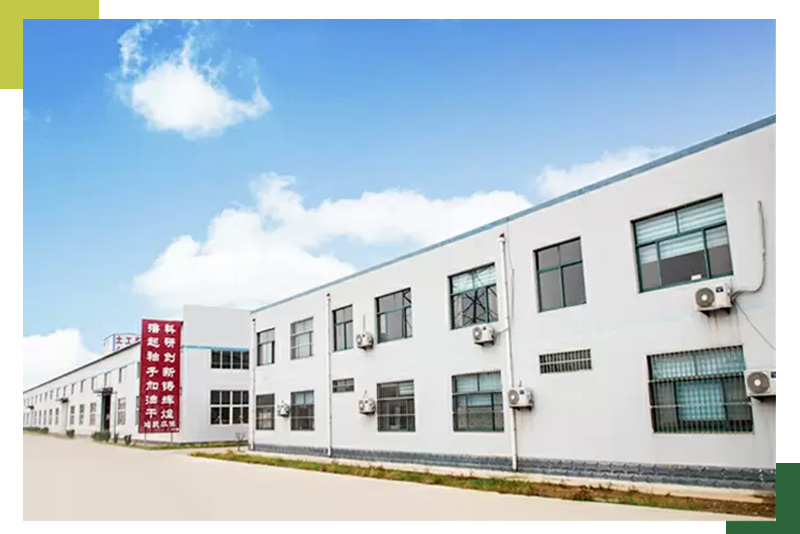
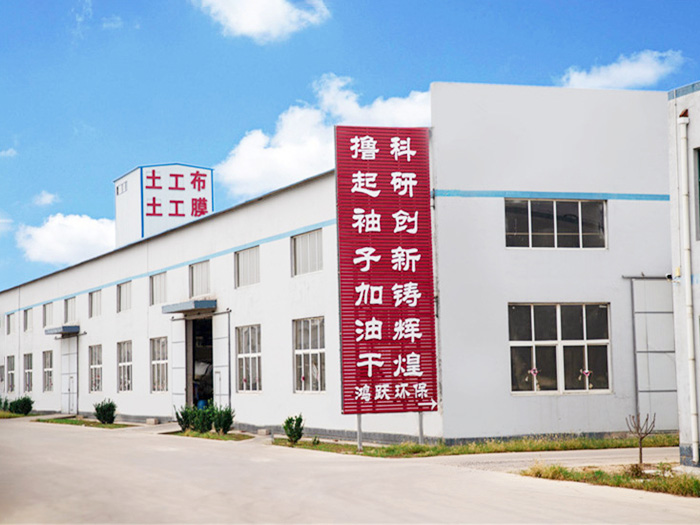
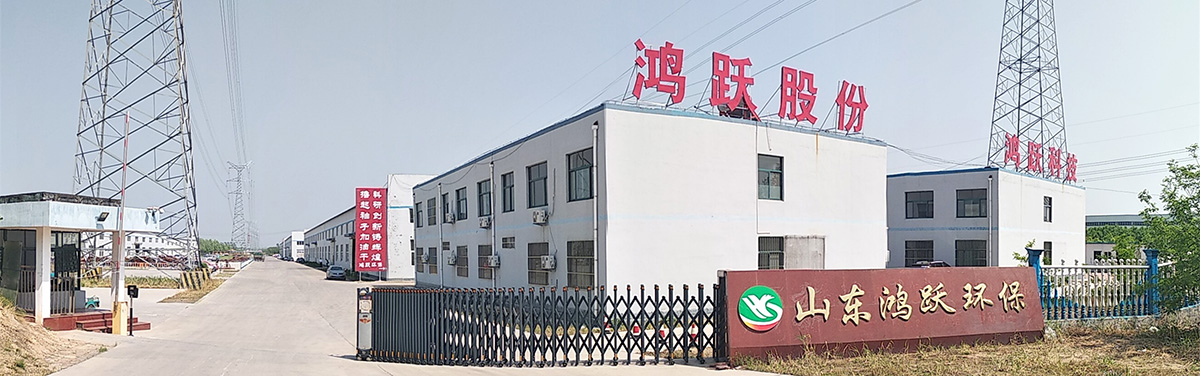
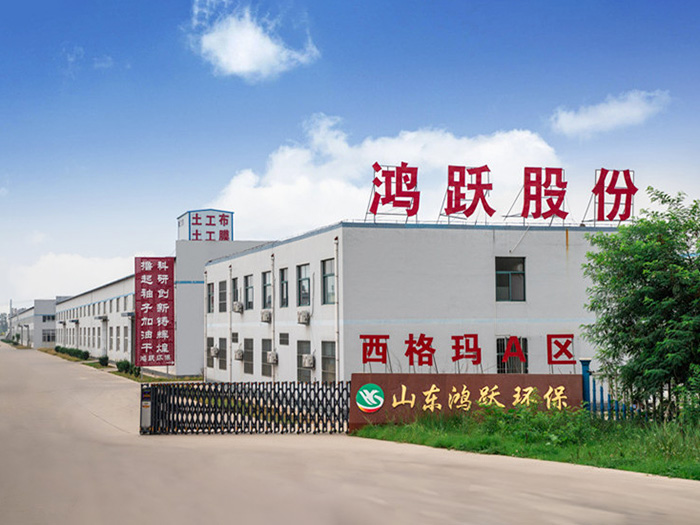
Established on April 6, 2023, and registered with the Lingcheng District Market Supervision and Administration Bureau of Dezhou City, Shandong Hongyue Environmental Engineering Co., Ltd. has risen to become a prominent scientific and technological geotechnical material manufacturer. Operating with a robust registered capital of 105 million yuan, we stand as one of the largest specialized production bases of geotechnical materials in Dezhou, Shandong Province, China.
Our geographic location in the north end of Fufeng Street, Lingcheng District, provides our operations with direct proximity to major transport trunks, allowing rapid logistics to international shipping ports. Shandong Hongyue integrates advanced material engineering, international trade, structural design consultancy, and field installation services into a comprehensive, customer-centric business structure.
Since inception, our business has scaled rapidly. We cater directly to the demands of major municipal networks, high-speed transit infrastructures, environmental remediation projects, and mining containment facilities. We maintain an in-house laboratory equipped to run real-time multi-axial tensile tests, hydrostatic bursting tests, and accelerated UV weathering testing to guarantee that every square meter of geotextile meets and exceeds international standards.
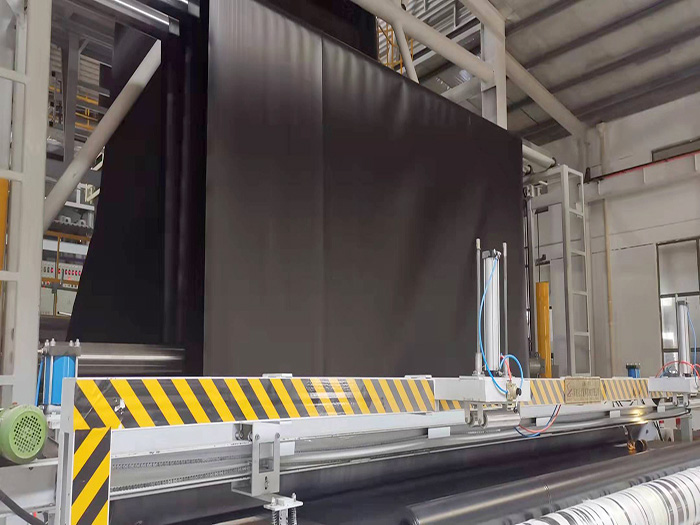
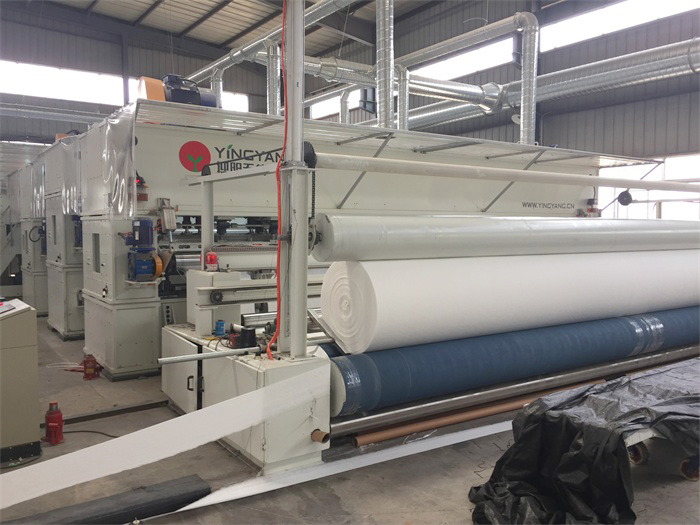
The structural uniformity of Geotextile Ts20 determines its performance consistency in critical infrastructure projects. At Shandong Hongyue, we employ automated, state-of-the-art production lines that strictly control thermal and mechanical variables. The production process proceeds through six precise engineering phases:
The base polymers—premium polyester (PET) chips, polypropylene (PP) filament, and select viscose fibers—undergo extensive purity tests. Moisture extraction and viscosity checks ensure raw material uniformity before thermal processing.
PET chips are introduced to twin-screw extruders operating under high thermal controls to yield a molten state. The polymeric blend is continuously filtered to eradicate micro-gels and particulates before spinneret projection.
Molten polymers are extruded through high-density spinnerets to form thousands of continuous microscopic filaments. These fibers are layed across a high-speed moving conveyor system, creating a multi-directional isotropic network structure.
Thousands of barbed needles mechanically interlock the filaments at controlled frequencies. The consolidated web is then subjected to draft-curing under precise tension ratios to optimize longitudinal and transverse tensile strength.
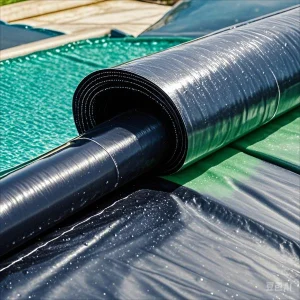
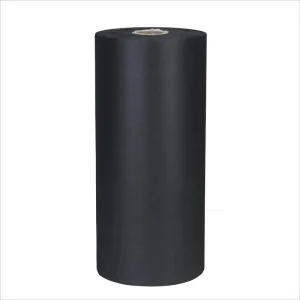
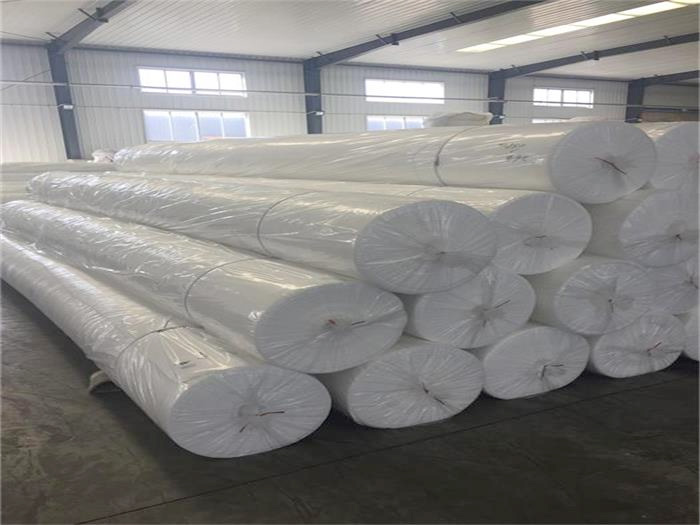
Completed rolls are trimmed to exact widths and wound. Each roll is enveloped in black UV-opaque polyethylene film to shield the materials from solar radiation and mechanical damage during shipping.
Random samples from every batch are tested for thickness, tensile capacity, CBR puncture, and cross-plane flow rates. Compliance certificates are logged and dispatched with each batch.
The civil engineering sector is shifting toward sustainable, high-durability geosynthetics. The development timeline of Shandong Hongyue's materials is guided by these major industry vectors:
Using recycled PET (rPET) matrices engineered to deliver long-term durability comparable to virgin resins. This aligns with circular economy goals and lowers carbon footprint evaluations for large infrastructure projects.
Integrating conductive threads and fiber optic sensors directly into the nonwoven matrix to allow real-time monitoring of subgrade strain, temperature, and moisture variations.
Developing next-generation masterbatch formulations that enhance resistance against high acidic/alkaline soils, microbial attacks in municipal waste landfills, and thermal oxidation.
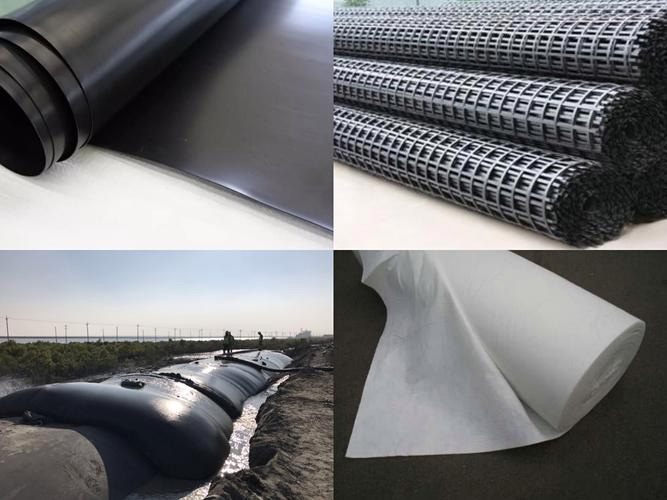
Civil engineering projects face diverse geological challenges. Shandong Hongyue provides integrated product portfolios that solve complex geotechnical issues globally. Our key solutions combine geomembranes, drainage networks, geocells, and cement blankets to address critical engineering challenges.
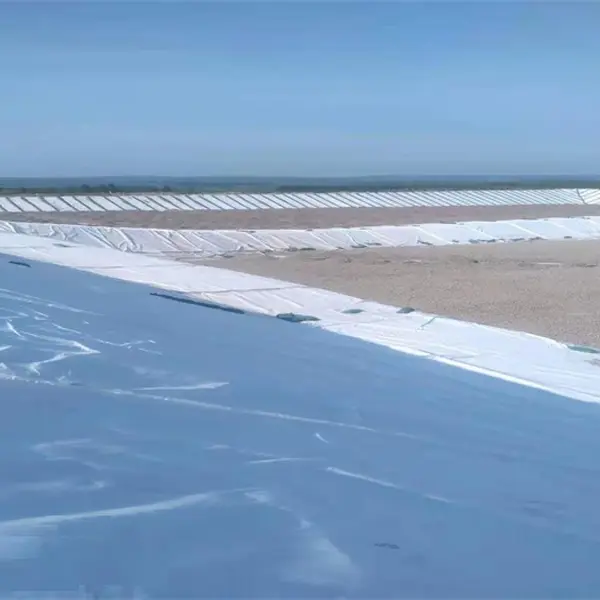
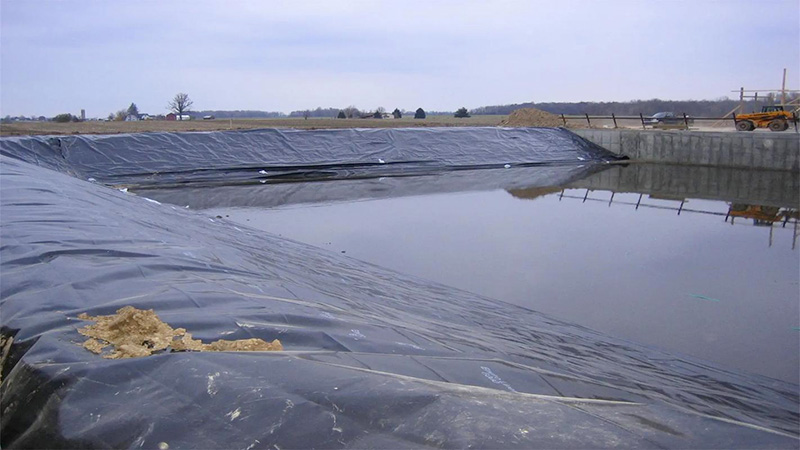
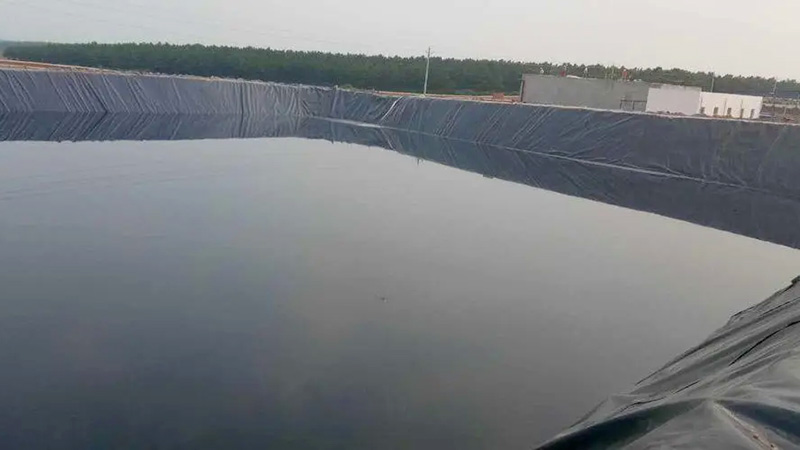
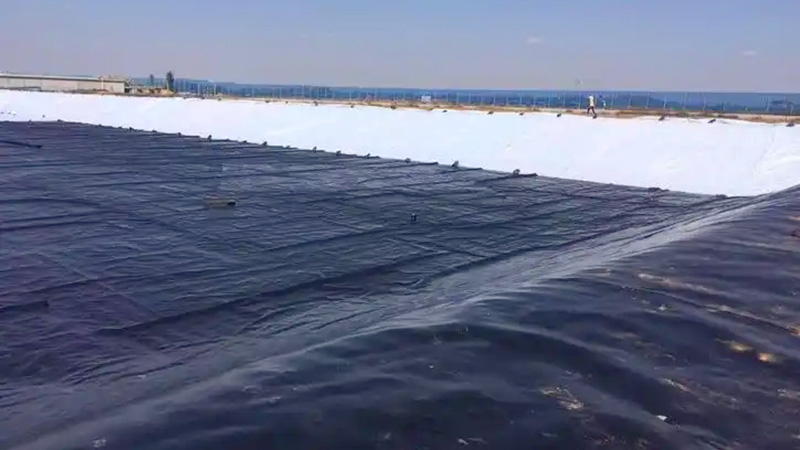
By positioning nonwoven geotextiles as protective cushions above and below high-density geomembranes, we prevent rock punctures, manage hydrostatic pressure, and extend the lifespan of municipal and agricultural reservoirs.
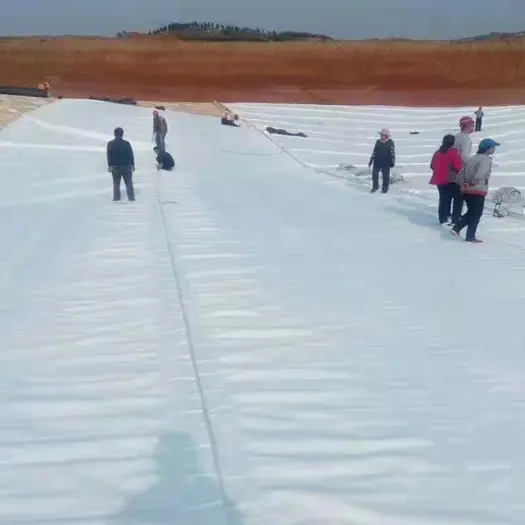
For high-flow river channels, we install geomembranes protected by nonwoven cushions, preventing soil loss beneath concrete revetments and managing high water volume flow.
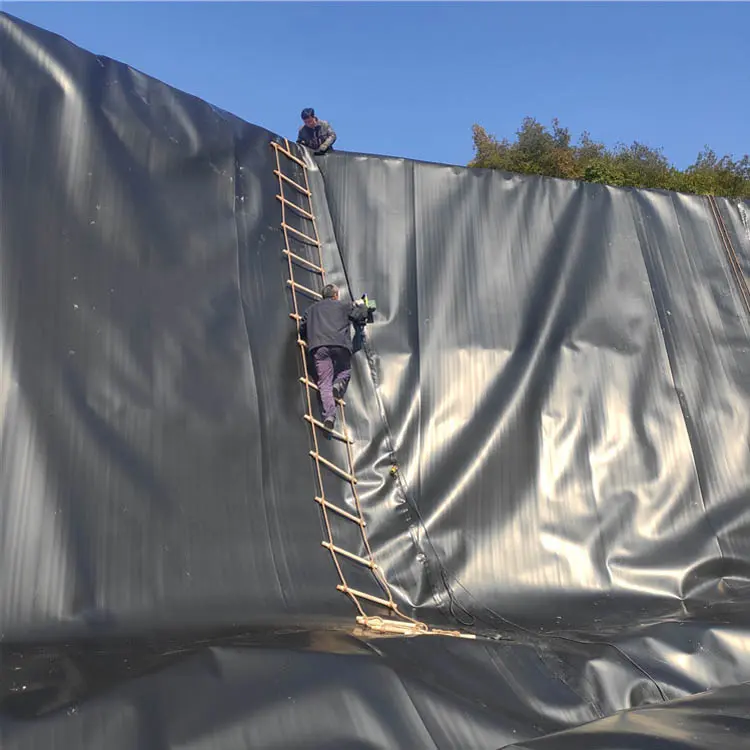
Our heavy-grade nonwovens protect primary composite geomembranes against municipal waste punctures, facilitating consistent leachate drainage in landfill lining systems.
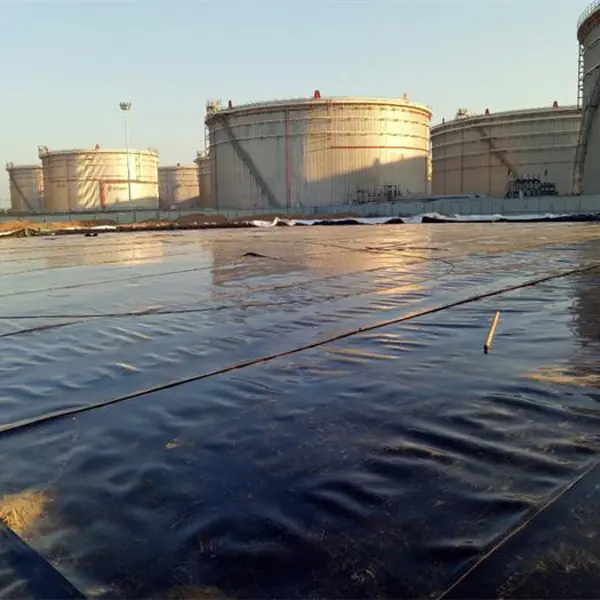
In petrochemical secondary containment facilities, our geomembrane installations form chemical-resistant barriers, preventing soil and groundwater contamination in the event of tank leaks.
Optimal material performance requires systematic installation practices. Shandong Hongyue provides detailed field instructions for site managers:
The laying surface must be leveled and cleared of tree roots, angular gravel, and debris. Ruts and surface depressions must be graded and compacted before laying the geotextile.
Rolls are unrolled in alignment with the calculated load distribution direction. Overlaps must maintain a minimum of 300mm to 500mm. Thermal hot-wedge welding or dual-track stitching is applied to create structural joints.
Geotextiles are anchored in perimeter trenches to prevent displacement. Backfill aggregate must be pushed carefully without allowing heavy tracked machinery to drive directly on the exposed geotextile.
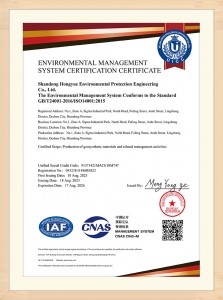
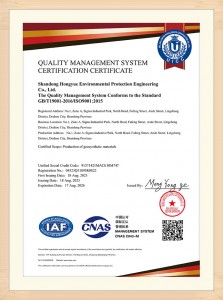
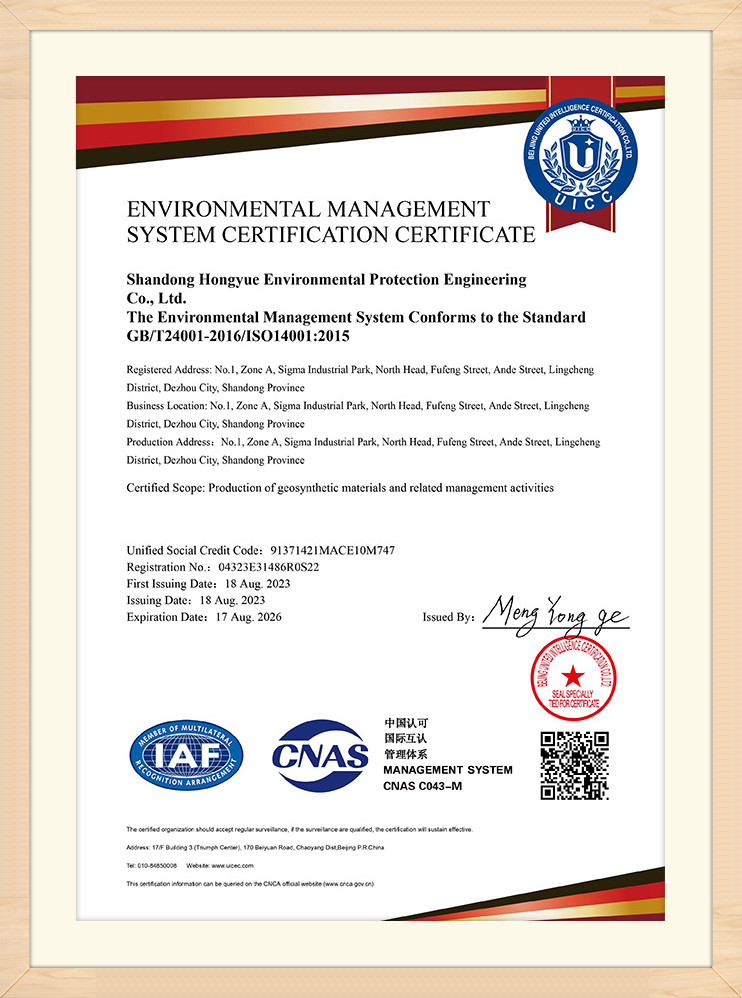
Shandong Hongyue's manufacturing capabilities are backed by an integrated quality management framework. We operate in compliance with the ISO9001 International Quality System Certification, ISO14000 Environmental System Certification, and ISO45001 Occupational Health and Safety Management System Certification.
Our testing protocols check raw materials, inline processes, and finished geotextile rolls. All products undergo testing and evaluation by the China National Testing Center, ensuring they meet or exceed standard requirements. Over the years, Shandong Hongyue has received awards like "Green and Environmentally Friendly Building Materials Products," "China Famous Brand," and "Provincial-level Poverty Alleviation Leading Enterprise," establishing the brand as a reliable supplier in the international infrastructure market.
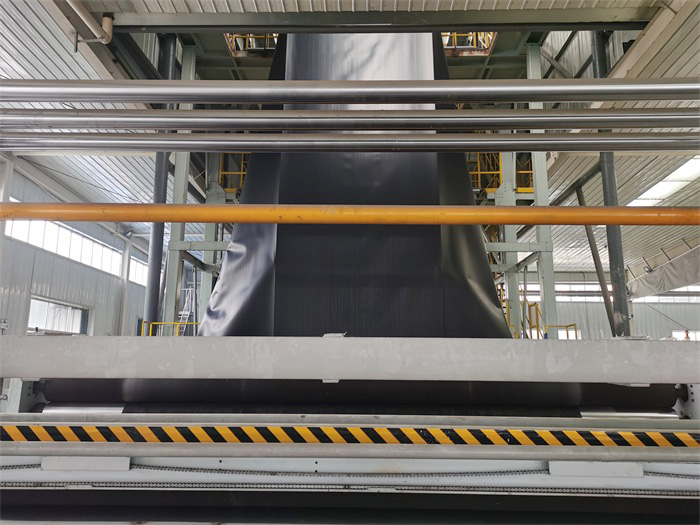
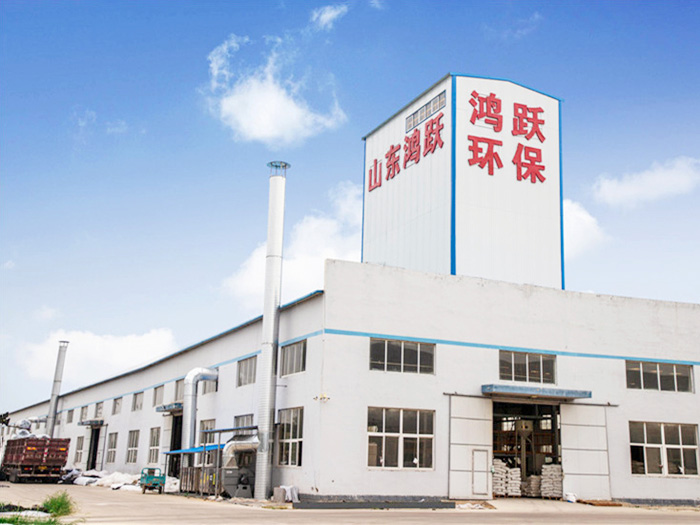
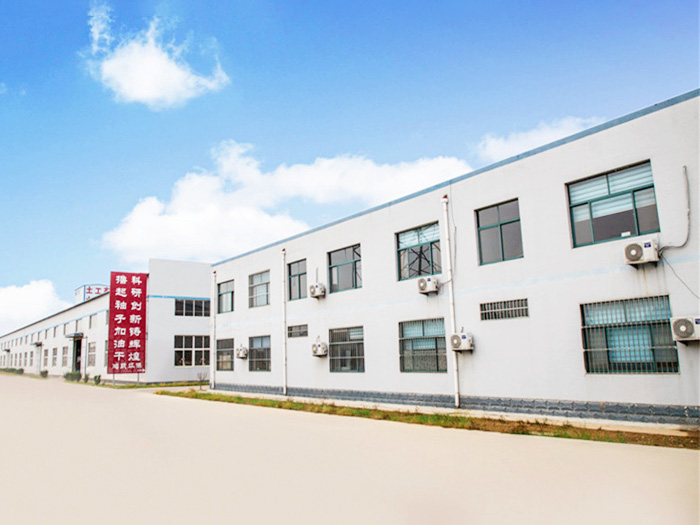
With modern industrial machinery, our factory floor operates multiple high-speed production lines. This allows us to handle bulk orders and meet tight construction timelines for global infrastructure projects.
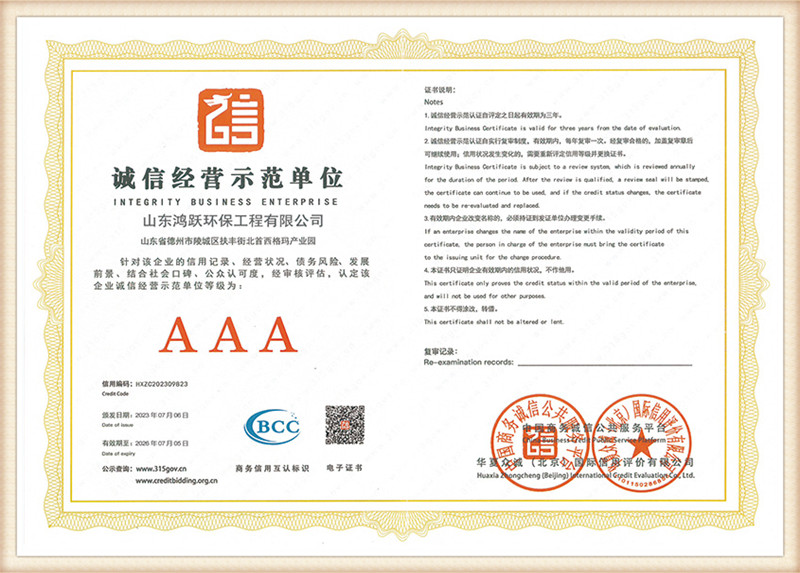
Our certifications verify compliance with international engineering standards. We provide certificate copies with shipment documentation to ease customs processing and meet local regulatory requirements.
Shandong Hongyue provides a range of geogrids, geocells, and structured drainage systems designed to complement our primary Geotextile Ts20 line.
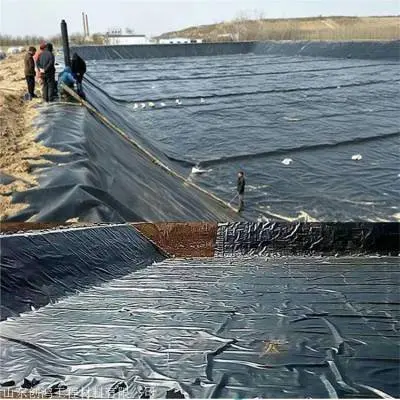
Aquaculture-safe geomembrane formulated to prevent seepage while resisting degradation from biological exposure.
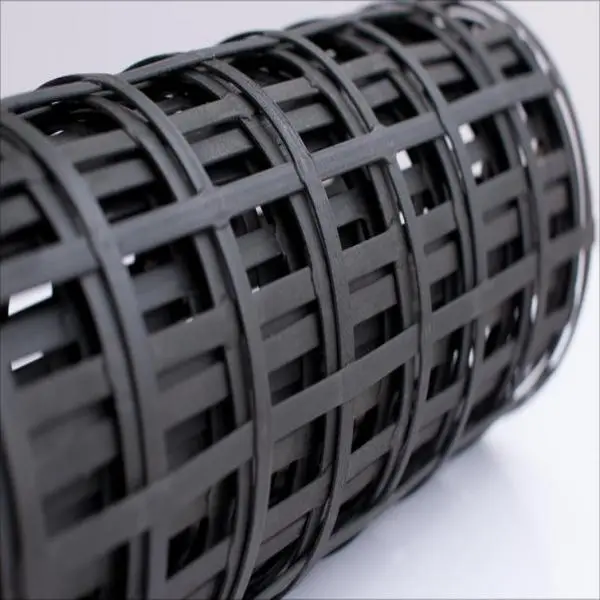
High-tensile reinforcement material that combines steel wires with polymer coatings, designed for heavy-haul rail subgrades.
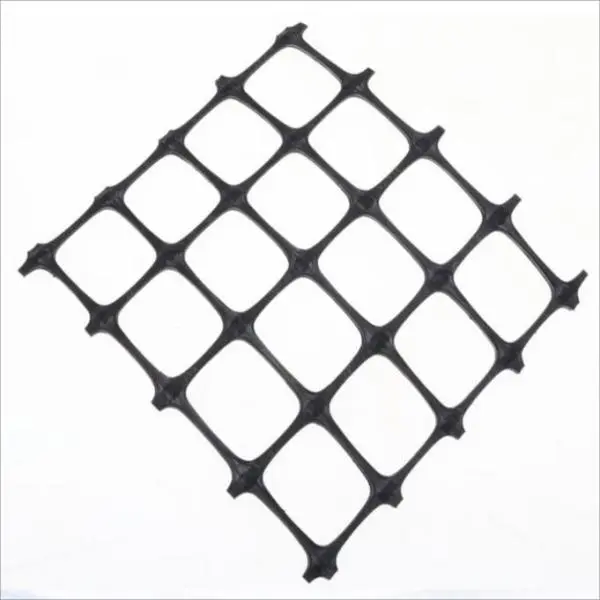
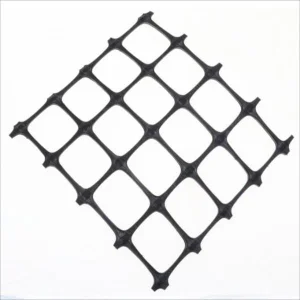
Biaxially-oriented polymer grids designed to provide lateral constraint and aggregate interlock for base course reinforcement.
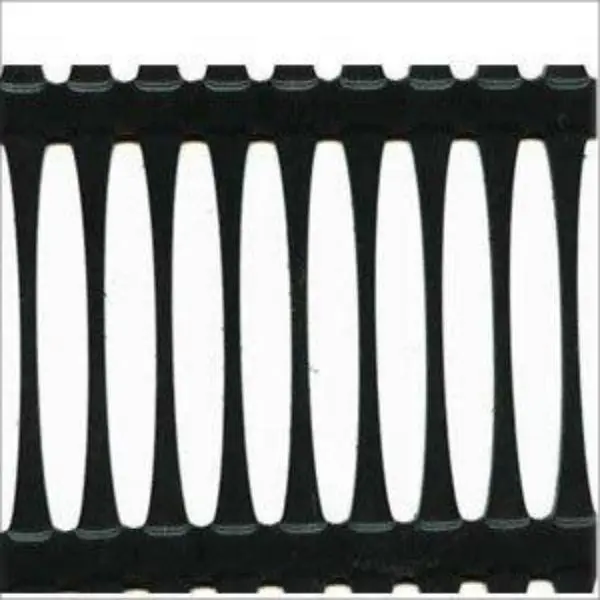
Uniaxial structures engineered for high creep resistance, suitable for slope stabilization and reinforced soil retaining walls.
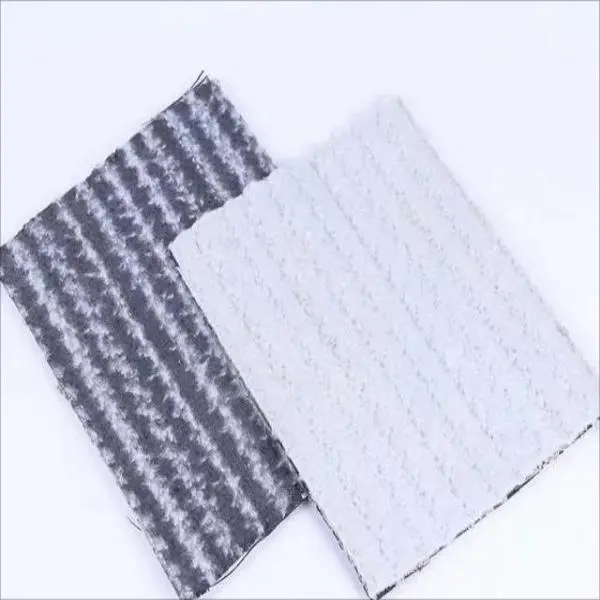
Flexible geosynthetic cement composite mats that harden upon hydration, designed for rapid slope protection.
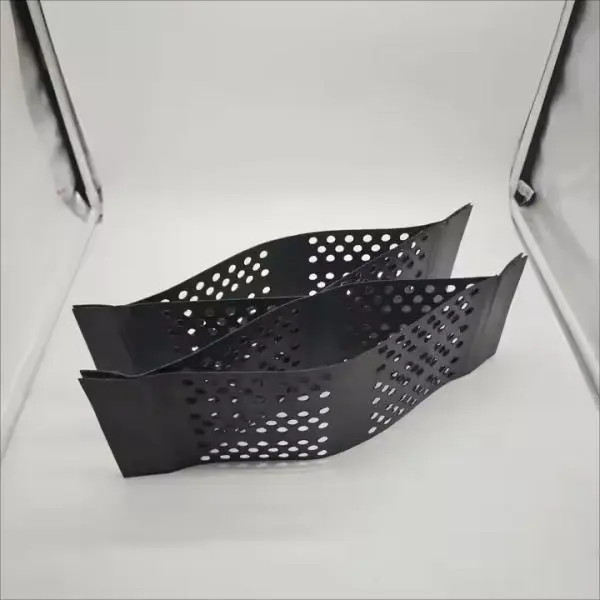
Three-dimensional cellular confinement systems engineered to reinforce soft soils and control erosion on steep embankments.
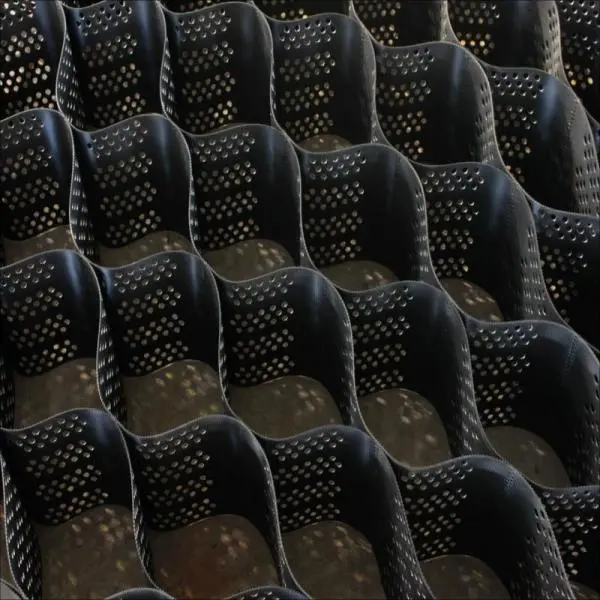
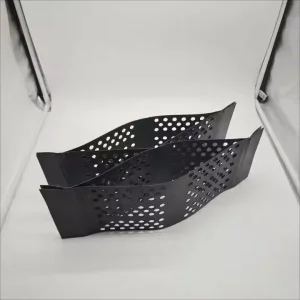
High-density polyethylene geocells designed to improve base structural capacity and control erosion in drainage channels.
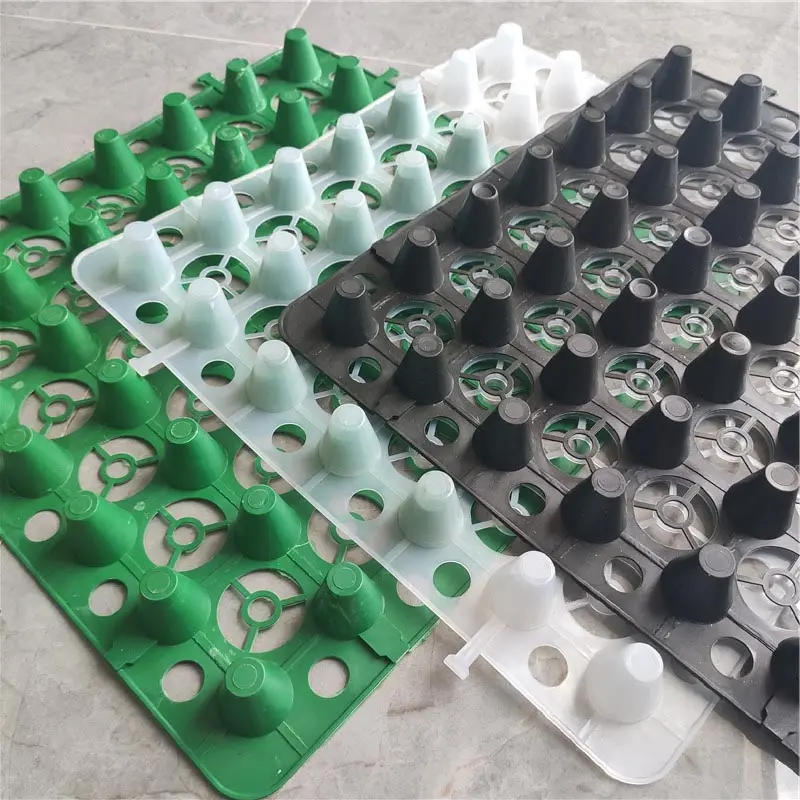
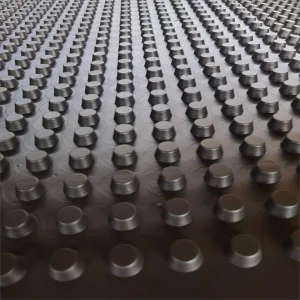
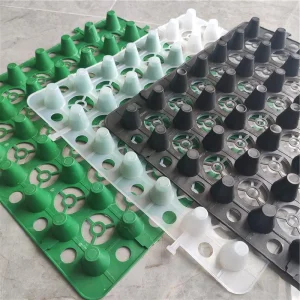
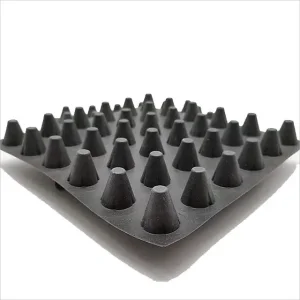
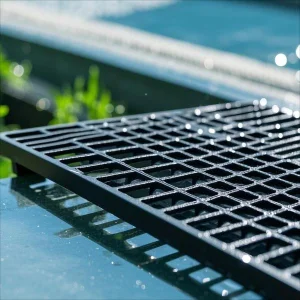
Dimpled plastic boards that manage rainwater storage and drainage on underground parking deck roof gardens.
Combining nonwoven Geotextile Ts20 with HDPE geocells helps mitigate subgrade shifting. The geocells confine soil aggregates laterally, while the underlying Ts20 nonwoven membrane provides filtration to prevent fines from migrating.
This approach is commonly used in civil projects like road subgrades on soft soils, heavy-vehicle logistics yards, and steep highway cut slopes. Our engineering team assists contractors with mechanical calculations to optimize layer thickness and anchor spacings.
Water containment projects require reliable materials to prevent seepage and structural erosion. Our Geotextile Ts20 is engineered to maintain high hydraulic conductivity while retaining fine soil particles under shifting flow conditions.
Placing nonwovens beneath articulated concrete blocks or rip-rap systems protects river banks from wave action and high-velocity currents, minimizing erosion while allowing groundwater release.
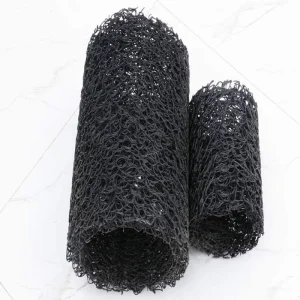
Used in road edge drains and sports field filtration layouts, our materials wrap perforated drainage pipes to prevent silting and maintain long-term water flow path integrity.
This technical section addresses common engineering questions regarding the application, certification, and global logistics of Geotextile Ts20.
 Hongyue