Explore our foundational range of highly durable engineered geotextiles, geomembranes, and stabilizer blankets built to withstand heavy traffic and structural shear loads.
Within civil construction and rural residential layouts, the gravel driveway represents a dynamic geotechnical challenge. Subjected to repetitive wheel loads, weathering, and fluctuating water table levels, unreinforced aggregate systems inevitably degrade. This degradation manifests as aggregate sinking, lateral migration, deep rutting, and mud pumping. The solution lies in integrating a high-performance geotextile membrane separator between the unstable subgrade soil (often rich in clay or silt) and the upper aggregate layer.
By establishing a permanent separation barrier, the geotextile maintains structural integrity. It prevents aggregate compaction into the soil below while allowing natural hydrology to flow freely, mitigating hydrostatic pressure accumulation. As a leading manufacturer with deep technical capabilities, Shandong Hongyue Environmental Engineering Co., Ltd. designs geotextiles tailored to resolve these distinct subgrade challenges.
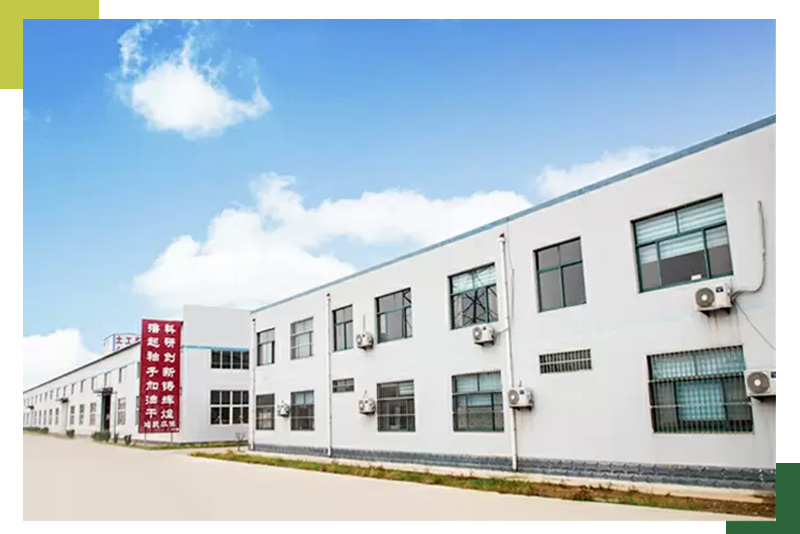
Shandong Hongyue Environmental Engineering Co., Ltd. combines advanced materials manufacturing with engineered logistics to secure international infrastructure supply lines.
Established on April 6, 2023, and registered at the north end of Fufeng Street, Lingcheng District, Dezhou City, Shandong Province, Shandong Hongyue Environmental Engineering Co., Ltd. is a leading high-tech geotechnical materials enterprise. Backed by a registered capital of 105 million yuan, our facility ranks among the largest production hubs for geosynthetics and environmental containment systems in China.
Our operation is built on high-performance manufacturing, design consultation, and full-service project support. Operating under the Dezhou Geotextile Association, our product lines are widely utilized in heavy-duty highways, regional railways, bridges, tunnels, canals, and agricultural containment networks globally.
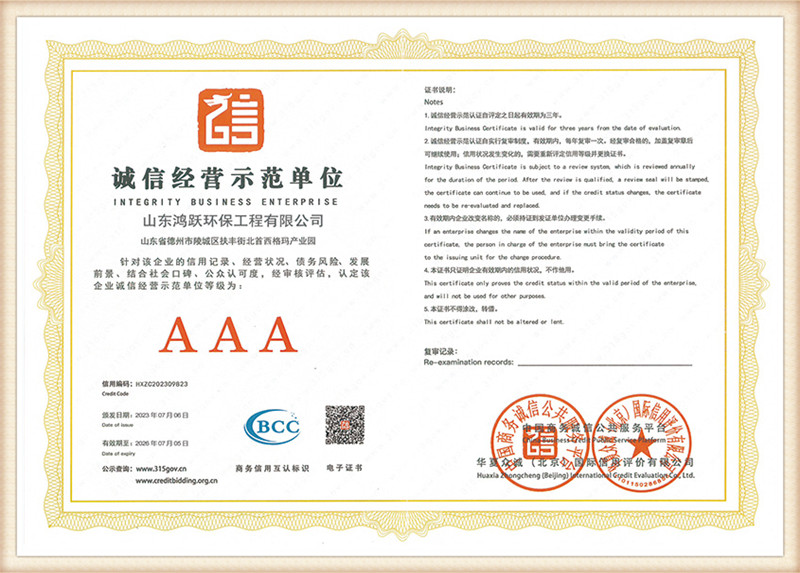
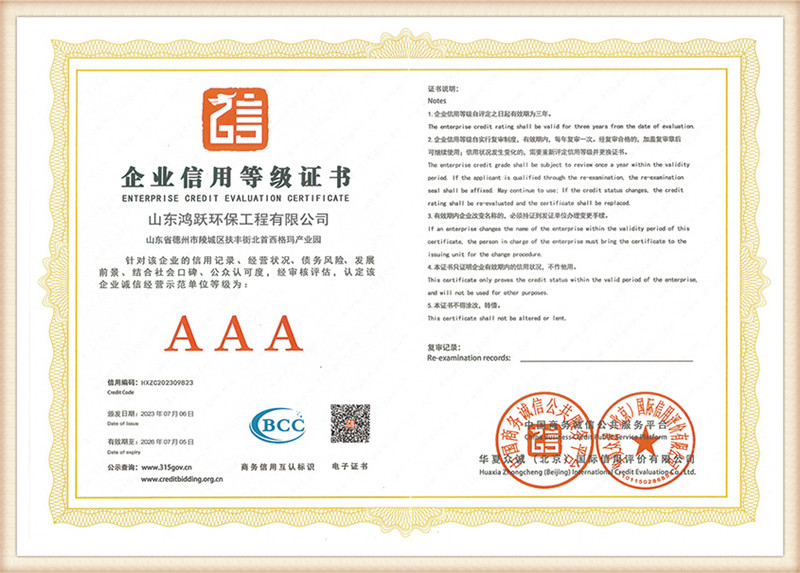
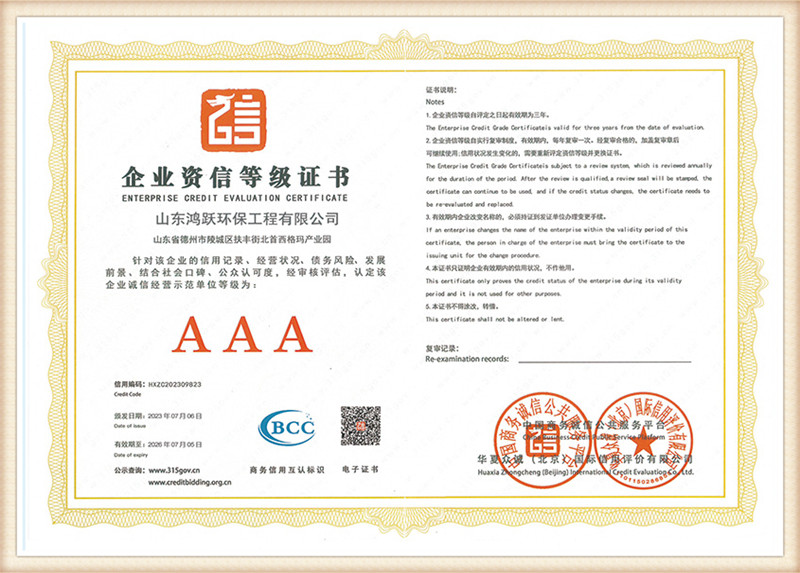
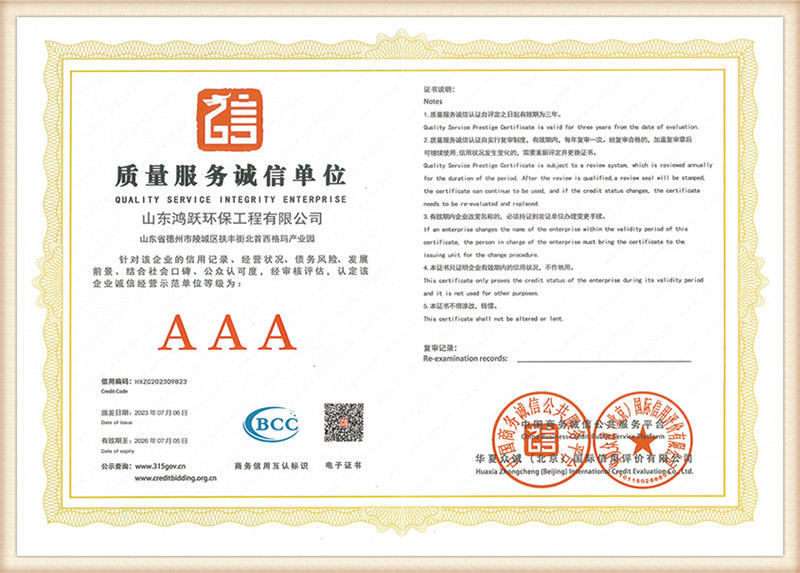
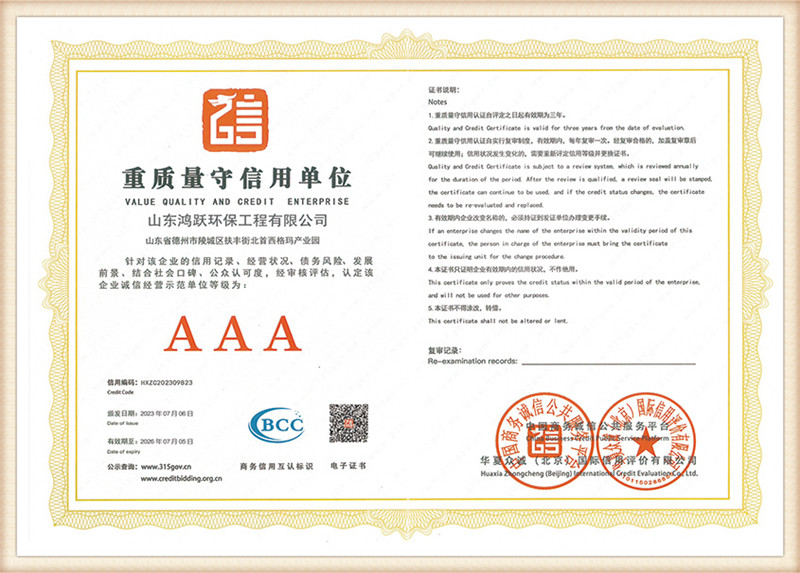
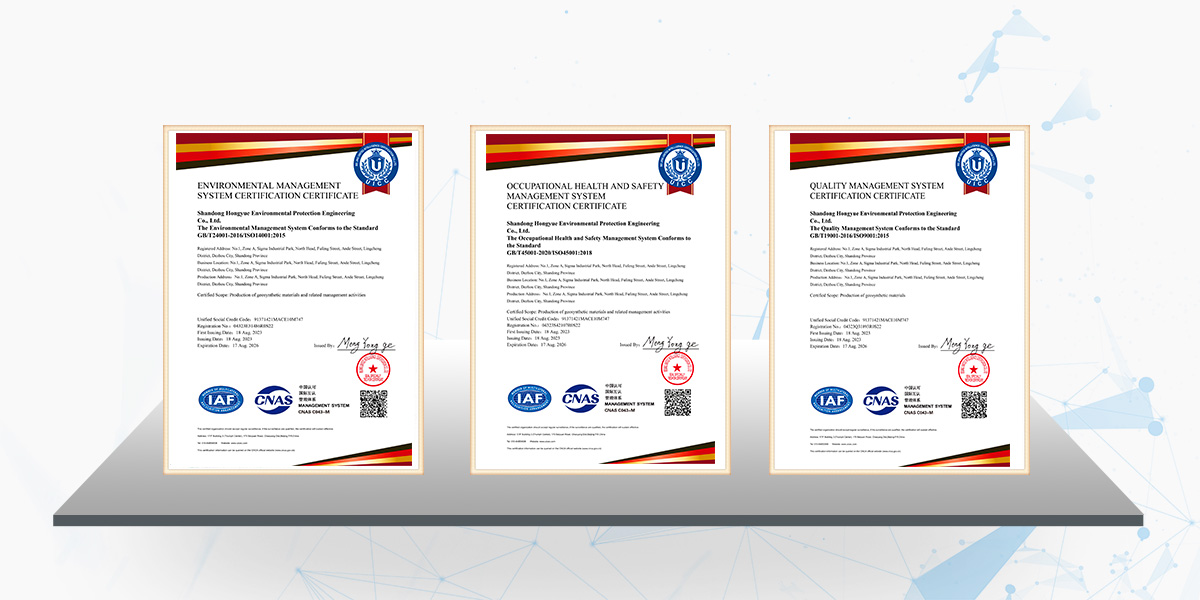
Our quality system is verified by international standards, holding certifications for ISO9001 (Quality Management), ISO14000 (Environmental Systems), and ISO45001 (Occupational Health & Safety). These strict QA workflows ensure that every product batch achieves or exceeds standard mechanical values, validated by national testing agencies and international third-party inspectors.
Selecting the correct polymer structure is critical for optimal long-term performance under high vehicle loads and varying drainage conditions.
| Performance Indicator | Needle-Punched Non-Woven (Filament/Staple) | Woven Slit-Film Geotextile | Gravel Driveway Application Relevance |
|---|---|---|---|
| Separation Efficiency | Excellent (Tortuous path stops fine particles) | Moderate (Soil fines can squeeze through pores) | Prevents subgrade clay from mixing with clean aggregate. |
| Hydrological Permeability | High Flow Rate (Typically >100 GPM/SF) | Very Low (Prone to clogging and surface pooling) | Ensures rainfall drains into subsoil without washing away gravel. |
| Tensile Strength | Good multidirectional elongation | High directional tensile strength | Non-woven conforms to minor subgrade settling without tearing. |
| CBR Puncture Resistance | Outstanding (Cushions angular crushed stone) | Moderate (Prone to puncture from sharp aggregate) | Crucial when heavy, angular gravel is compacted onto the fabric. |
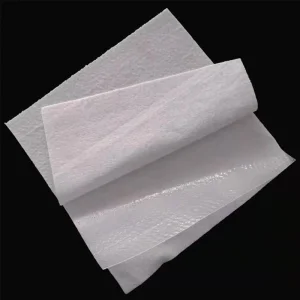
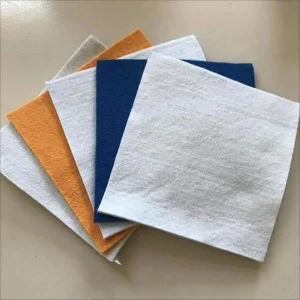
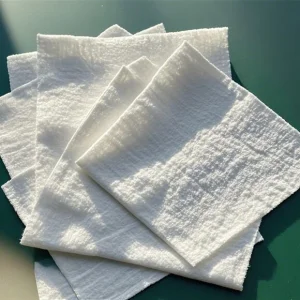
Our needle-punched non-woven geotextile provides stable filtration pathways. By allowing water to flow vertically, it prevents subgrade saturation and eliminates soft spots under load.
Distributes wheel loads across a wider surface area. This stabilization reduces subgrade stress levels, cutting gravel replenishment costs in half over the driveway's lifespan.
Engineered to withstand angular base aggregates (such as #57 limestone). The high elongation capacity ensures the polymer fibers stretch around stones rather than tearing.
A look at the advanced manufacturing, processing, and testing stages behind our high-performance geotechnical materials.
We source premium polyester (PET) chips, polypropylene (PP) filament, and viscose fibers. Every batch undergoes strict quality checks to ensure raw material consistency and physical stability.
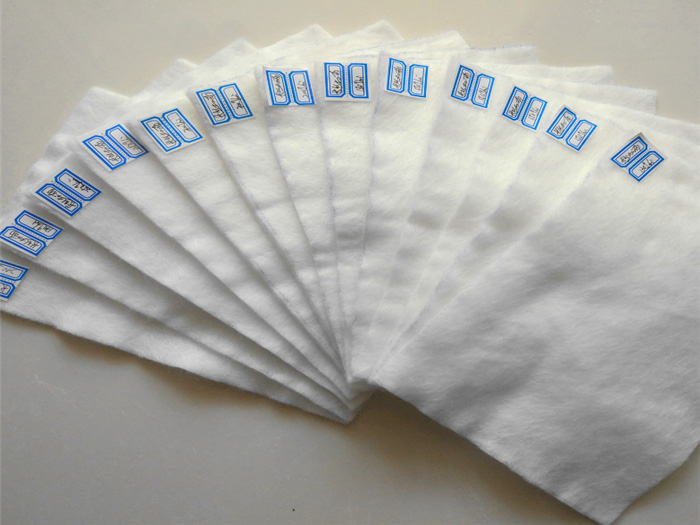
Polymer chips are melted at high temperatures and extruded through micro-spinnerets. Precise thermal controls maintain consistent fiber thickness and physical properties.
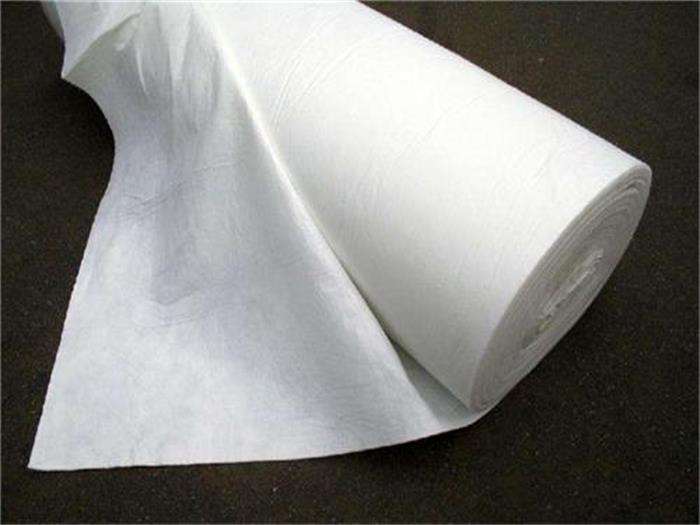
Thousands of barbed needles entangle the continuous filaments, creating a strong three-dimensional structure with balanced tensile strength and high permeability.
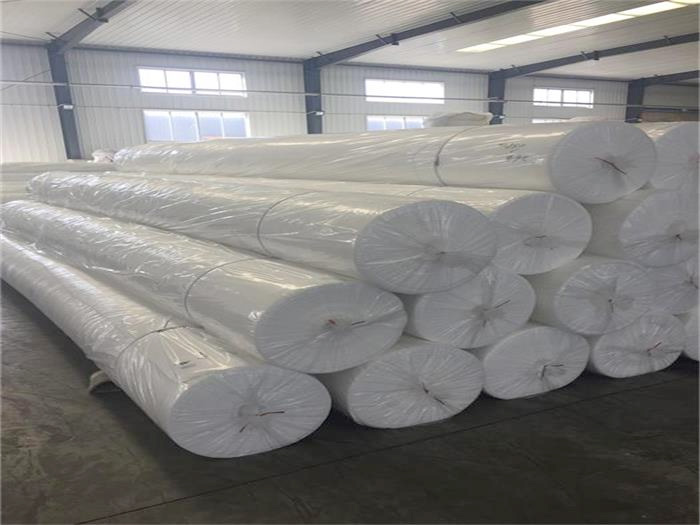
Every roll is tested for ASTM standards, including grab tensile strength, tear resistance, CBR puncture resistance, water flow rate, and apparent opening size (AOS).
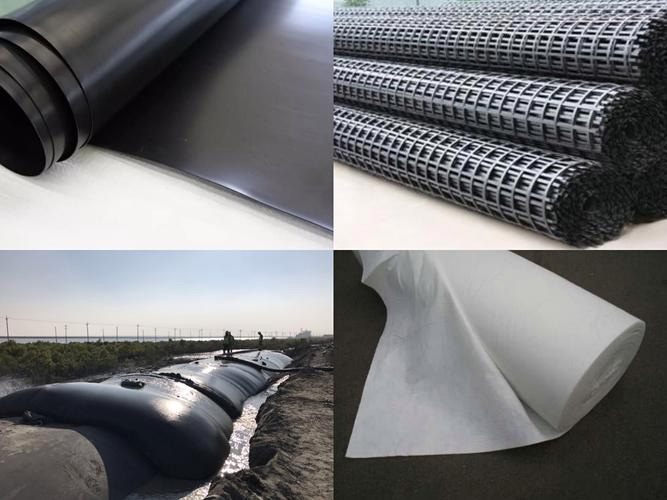
For engineering firms, municipal procurement departments, and large construction projects, sourcing geotextiles requires balancing physical performance with total cost of ownership (TCO).
At Shandong Hongyue, we address critical procurement factors through:
Our proximity to transport networks in Dezhou, Shandong Province, allows for efficient loading and shipping, keeping international transport costs low.
Our high-strength materials provide filtration, containment, and reinforcement across a wide range of municipal and environmental projects.
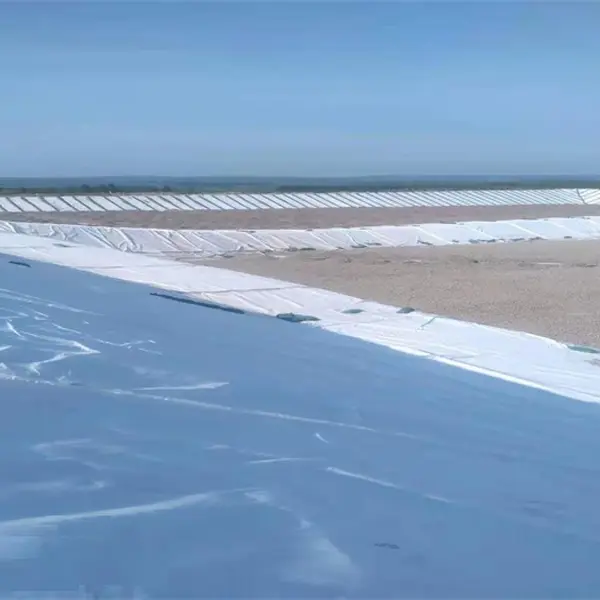
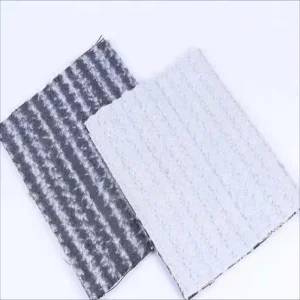
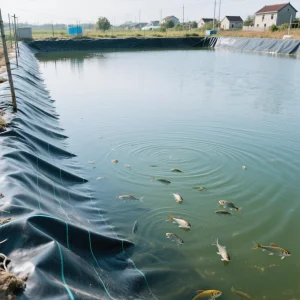
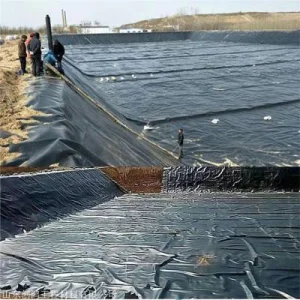
High-performance geomembranes provide seepage control for dams, artificial reservoirs, and canal systems, preventing loss of containment.
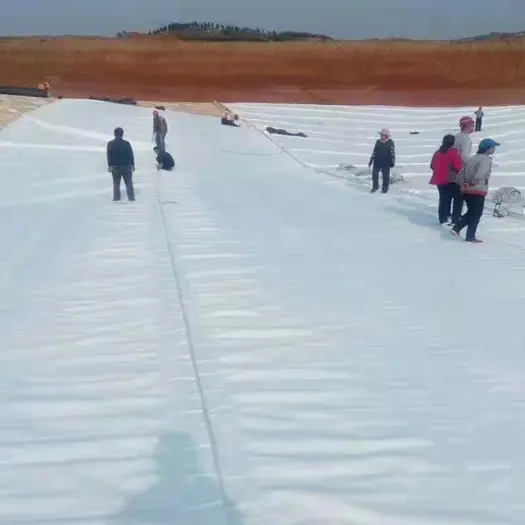
Engineered composite liners control flow and limit erosion, helping to protect adjacent soil and municipal infrastructure.
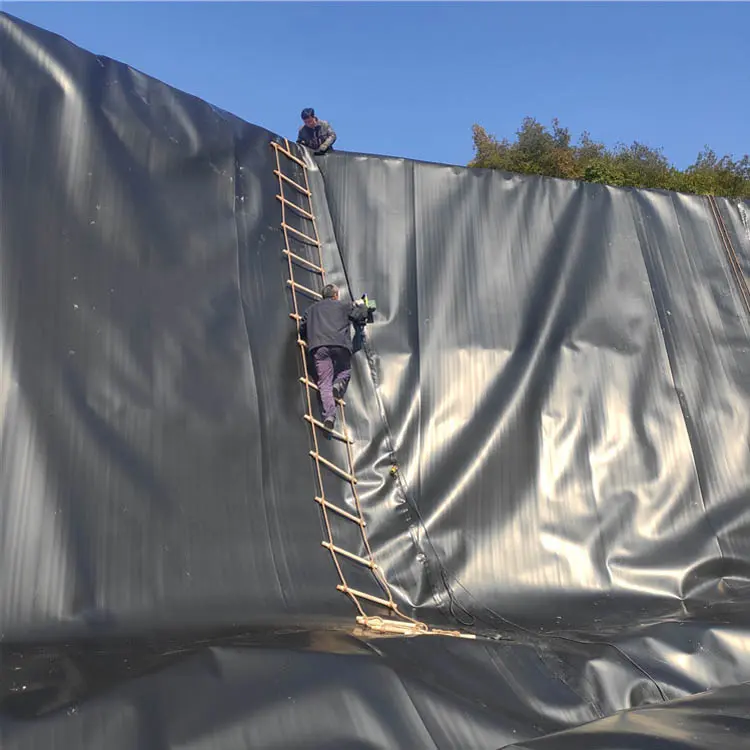
Composite barriers prevent groundwater contamination in municipal waste facilities, ensuring leachate is contained.
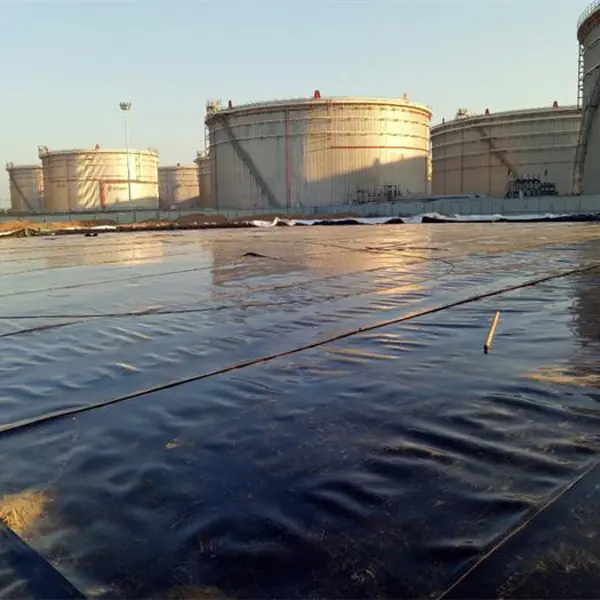
Secondary containment liners for tank farms prevent petrochemical seepage and protect local soils from hazardous run-off.
Correct installation is essential to maximize the performance and service life of the geosynthetic layer.
Excavate the driveway layout to the design depth (typically 8 to 12 inches for residential vehicles). Remove sharp roots, large rocks, and debris. Compact the subgrade soil to establish a stable foundation.
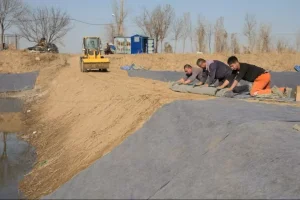
Roll out the geotextile across the prepared subgrade, pulling it taut to eliminate wrinkles. Ensure overlapping sections have a minimum overlap of 12 to 18 inches (30 to 45 cm) to prevent soil intrusion at the seams.
Secure the fabric using metal sod staples or anchoring pins spaced every 4 to 6 feet along the seams and perimeter. This prevents shifting during aggregate placement.
Backfill the aggregate onto the geotextile. Distribute and compact the gravel in lifts of 3 to 4 inches. To protect the fabric, avoid driving vehicles directly on the exposed geotextile prior to aggregate placement.
The geosynthetics industry is adapting to meet demand for higher-performance polymers and more sustainable infrastructure materials.
Modern extrusion systems are processing higher-purity post-consumer PET chips. This allows us to reduce raw material emissions while maintaining high tensile strength and durability.
Smart geotextiles containing optical fiber lines and conductive pathways are under development. These materials can monitor strain and track subgrade deformation in real-time.
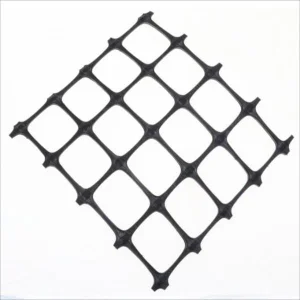
Laminating non-woven filter layers with structural geogrids provides filtration and reinforcement in a single step, saving labor on site.
Our products are tested internally and verified by national research institutes to meet international standards.
Shandong Hongyue Environmental Engineering Co., Ltd. operates in-house laboratories equipped with computer-controlled testing systems. Every production run undergoes verification for physical performance metrics:
These quality control steps ensure our geotextiles meet international design standards for high-load gravel driveways and heavy infrastructure applications.

Common questions from engineers, developers, and purchasing agents regarding geotextile selection and installation.
For standard residential driveways, a 4-ounce to 6-ounce per square yard needle-punched non-woven geotextile is typically recommended. For driveways carrying heavy equipment, agricultural machinery, or delivery trucks, a heavier 8-ounce or 10-ounce fabric provides the necessary puncture and tensile resistance.
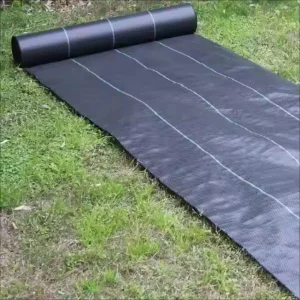
While woven slit-film geotextiles offer high tensile strength, they have low water permeability. This can lead to water pooling, aggregate shifting, and eventual driveway softening. Non-woven geotextiles allow water to pass through freely while retaining fine soil particles, providing better long-term drainage and stability.
For standard stable soils, adjacent sheets should overlap by 12 to 18 inches (30 to 45 cm). In softer, clay-rich, or saturated soils, increase the overlap to 24 inches (60 cm) or seal the seams with high-strength tape or adhesive to prevent soil migration.
Geotextiles act as a physical barrier that prevents subgrade weed roots from growing up through the aggregate. However, dust and dirt can blow into the gravel over time, allowing airborne weed seeds to germinate on the surface. These surface weeds are typically easy to remove because their roots cannot penetrate down through the fabric.
No, vehicles should not drive directly on the exposed geotextile before the gravel is placed. This can stretch, tear, or puncture the fabric. Spread the aggregate in front of the delivery vehicle or compacting equipment, maintaining a layer of at least 4 to 6 inches between the tires and the fabric.
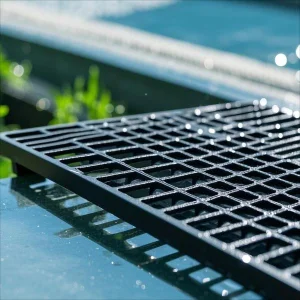
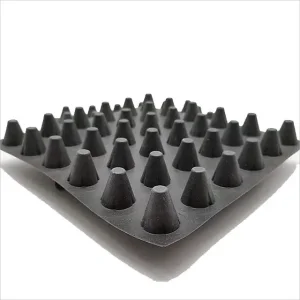
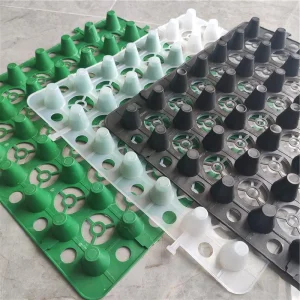
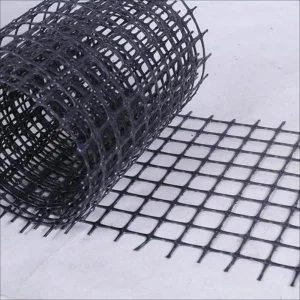
Explore our wider range of geocells, geogrids, and drainage boards for advanced soil stabilization and water management.
 Hongyue